Cycling Components
Bike Fit Red Flags: 7 Component Choices Worth Rethinking
Handlebar reach, saddle support and shifter ergonomics can quietly undo a good bike fit. Here are seven component and geometry choices worth checking before you buy.
Introduction
A bike fit is only as good as the parts it has to work with. A handlebar that pushes the controls further away, a saddle that offers comfort but no support, or a shifter that cannot be reached from the drops will keep producing the same hand, neck, shoulder and saddle complaints no matter how carefully the position is set up.
This guide covers seven components and design decisions that regularly work against a comfortable position on the bike, along with the alternatives that tend to solve the problem at the source.
What Makes a Component a Fit Problem
Three things come up again and again: reach, support and ergonomics. Reach is the distance a rider has to cover to get to the controls, and it grows quickly when handlebar shape, stem length and control position are not considered together. Support is about how a saddle carries a rider’s weight rather than simply cushioning it. Ergonomics is about how many usable hand positions a component actually offers.
When any one of those three goes wrong, the symptoms rarely stay local. Excess reach tends to show up as hand discomfort, neck and shoulder tension and saddle pressure, because the rider shifts weight forward to compensate. That is why the fix is usually a component change rather than more time spent nudging the position around.
Handlebar Reach: Why Control Location Matters
Reach, in this context, is the distance between the centre of the handlebar and the position of the controls. It is one of the most under-checked numbers on a bike and one of the most influential.
Anatomic handlebar shapes are a particular problem. They tend to offer two hand positions and very little in between, so a rider either sits where the bar wants them or not at all. Combined with a long reach, that pushes weight onto the hands and loads the neck and shoulders.
There is a second trap here: published reach figures are not always measured consistently. Bars listed at 75mm can measure noticeably longer than a known 75mm reference bar, so it pays to treat geometry tables with a little caution.
3T VCLS Handlebar: A Good Shape With a Long Reach
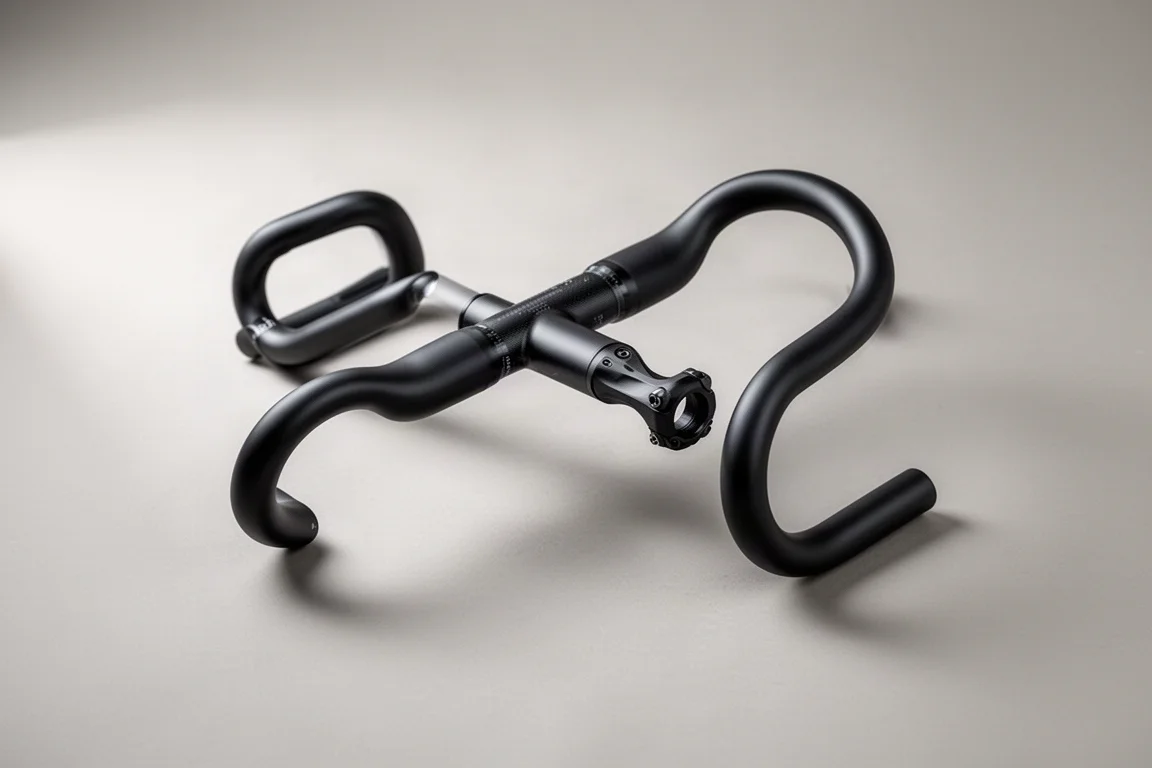
The 3T VCLS is a good example of a handlebar that gets the shape right and the reach wrong. The bend itself is well regarded, but the bar carries an incredibly long reach, which adds distance to the controls without any ergonomic payoff.
Deda RHM Handlebar: A Useful Reach Reference
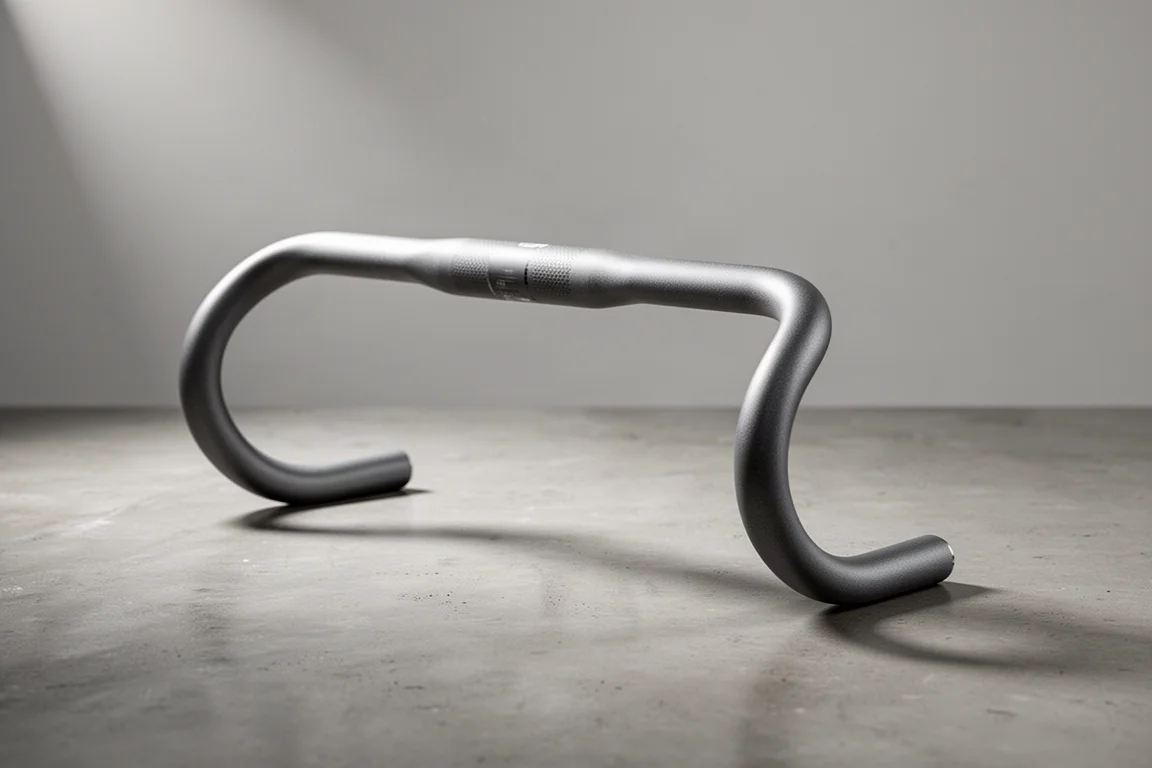
The Deda RHM is useful less as a product in isolation and more as a yardstick. Its 75mm reach is well known and consistent, which makes it a dependable reference point when comparing published figures from other brands.
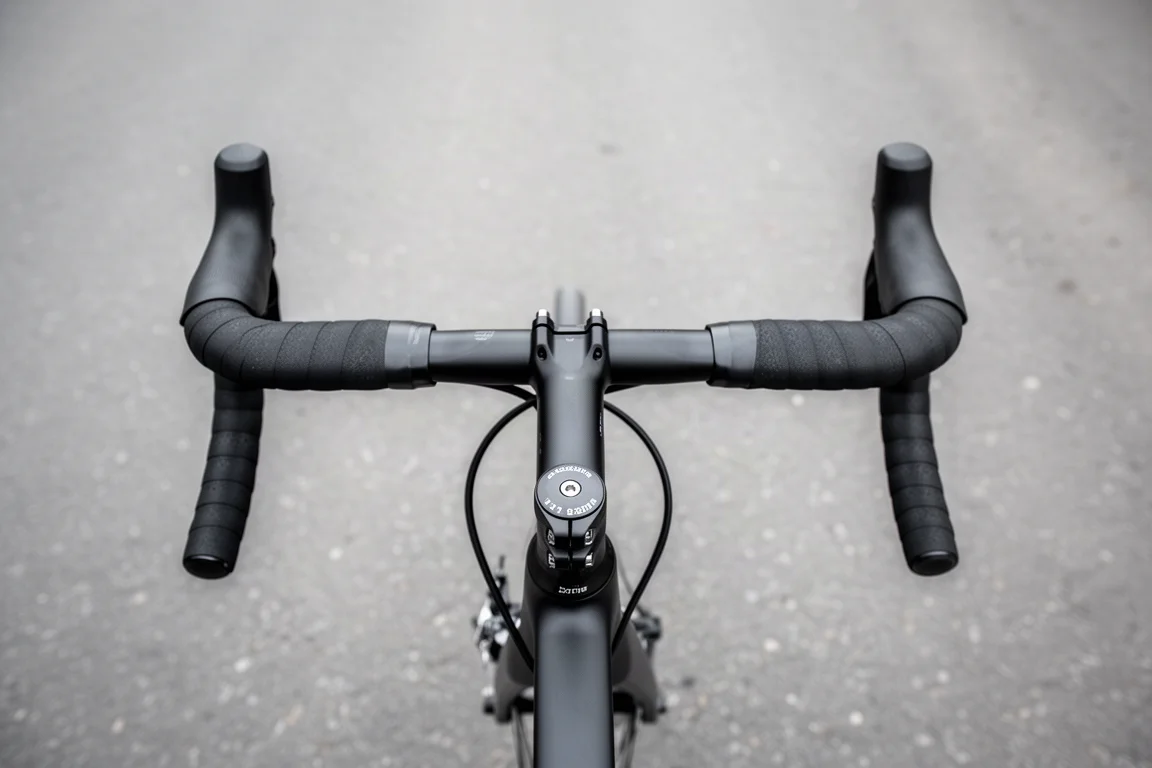
Swapping a long-reach anatomic bar for something like the RHM takes a meaningful amount of reach out of the bottom front of the bike. On its own, that change can clear up a good deal of the discomfort that comes with an over-extended position.
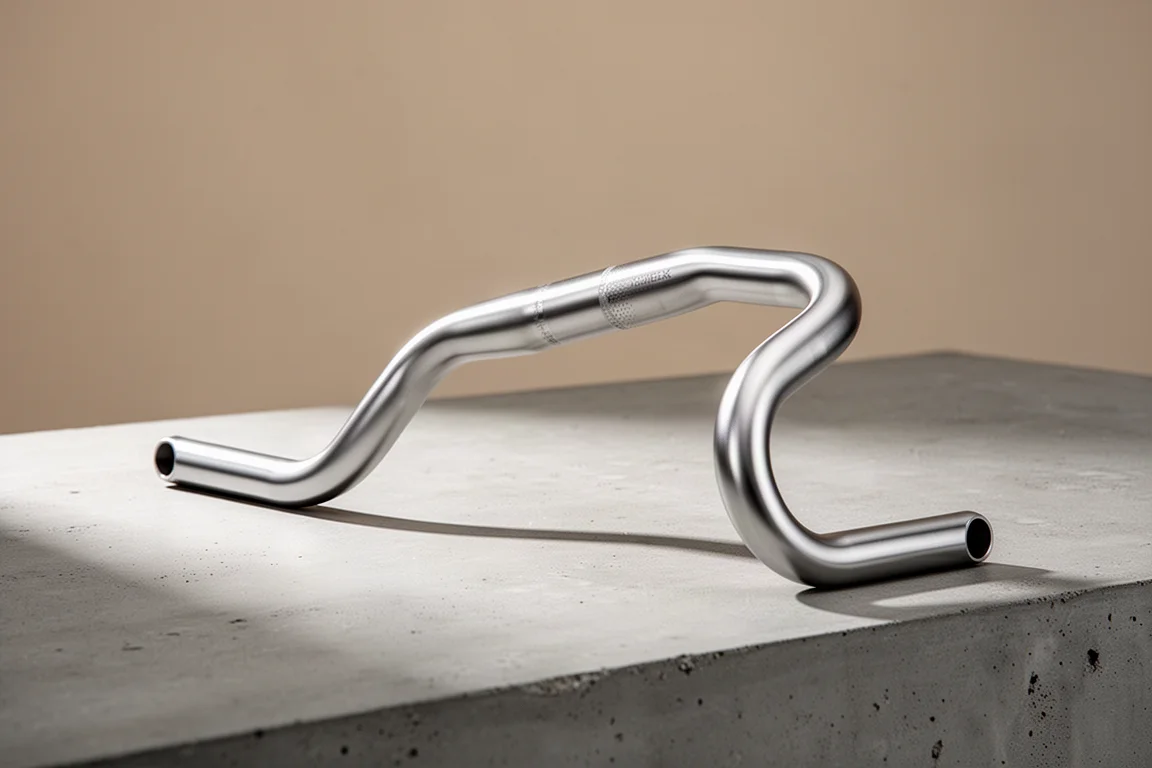
Specialized Short Reach Handlebar: Removing Reach at the Source
A short-reach handlebar takes the same idea further by building the reduced reach into the bar itself. For riders at the far end of a frame’s size range, or riders with a shorter torso, this is often the simplest way to bring the controls back without changing the stem.
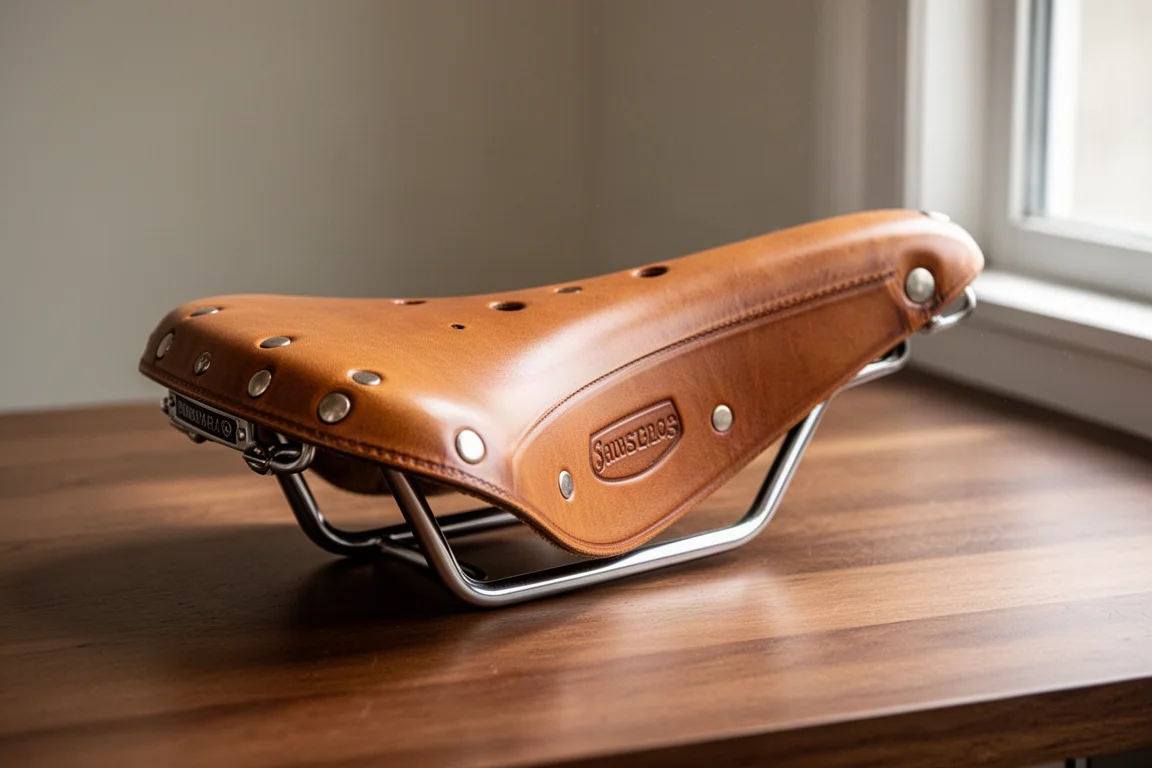
Brooks Leather Saddles: Comfort Without Support
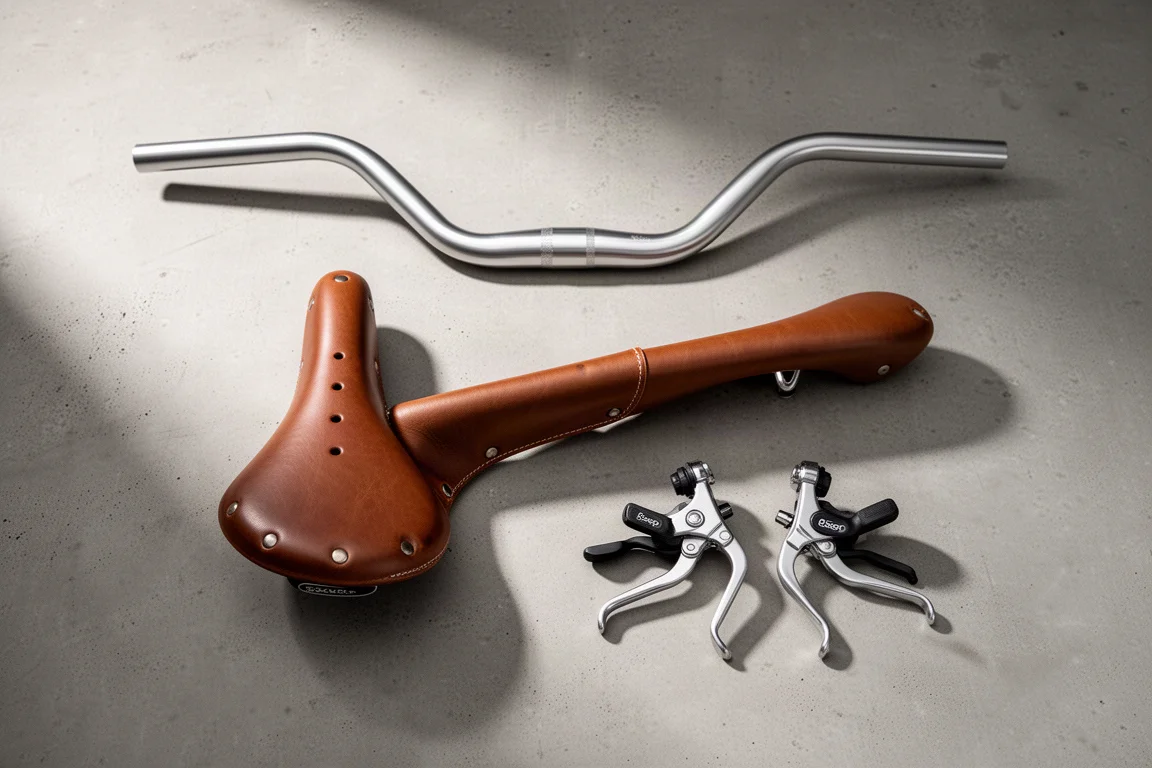
Leather hammock saddles are a long-standing design and genuinely comfortable in the right setting. The trade-off is support. A hammock carries the rider but does not hold them, so weight tends to migrate forward into the front of the bike.
On a road bike, with a longer and lower position, that weight transfer commonly shows up as neck, shoulder and hand problems. On short rides, and on traditional touring bikes where the handlebar and saddle sit closer to level, the same saddle may cause far fewer issues.
Specialized Aethos: The Right Idea, the Wrong Geometry
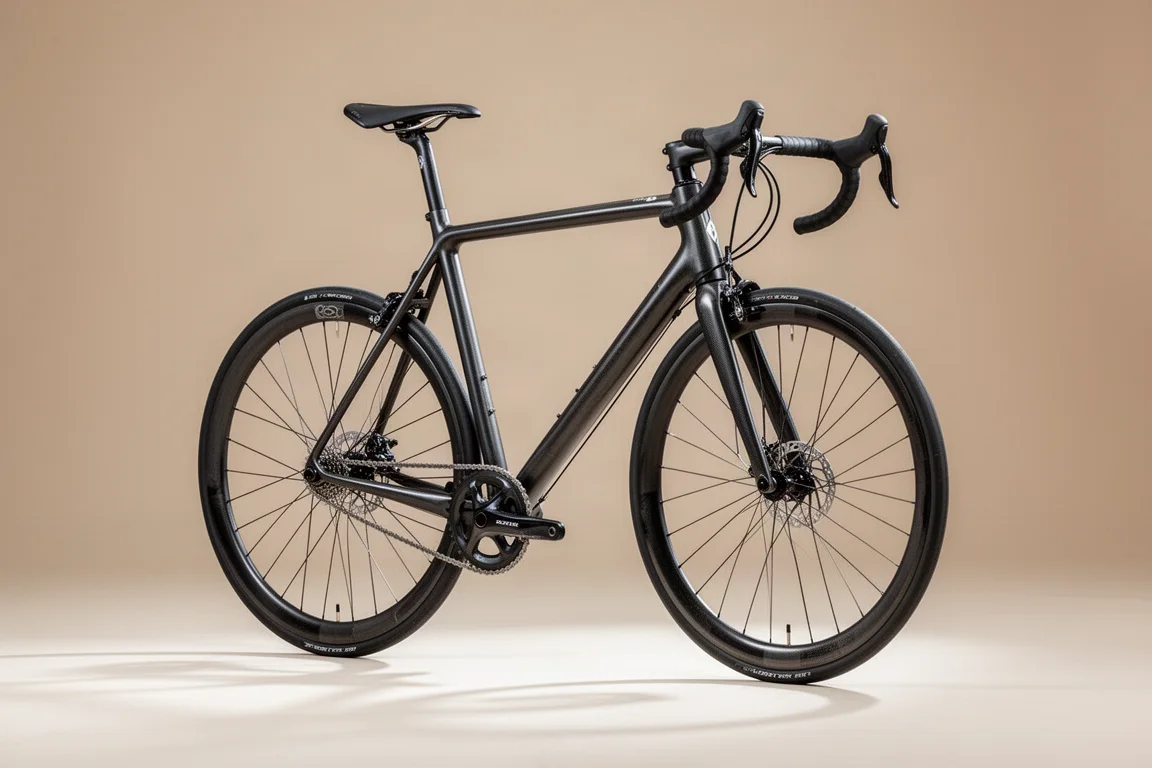
The Aethos has almost everything a consumer road bike should have. It is light, stiff and functional, and it uses external cable routing instead of a fully integrated cockpit, which keeps maintenance straightforward rather than turning it into a mechanical puzzle.
The problem is the geometry, which matches the Tarmac SL7: too long and too low for most riders. A bike built around a more consumer-friendly geometry, while keeping the same light and agile ride character, would be a far easier recommendation.

As it stands, the Aethos suits riders who already know that a long, low front end works for them. Everyone else is better served by reading the geometry table than by trusting the category label.
Shimano Tourney and 2300 Shifters: A Thumb Lever Out of Reach
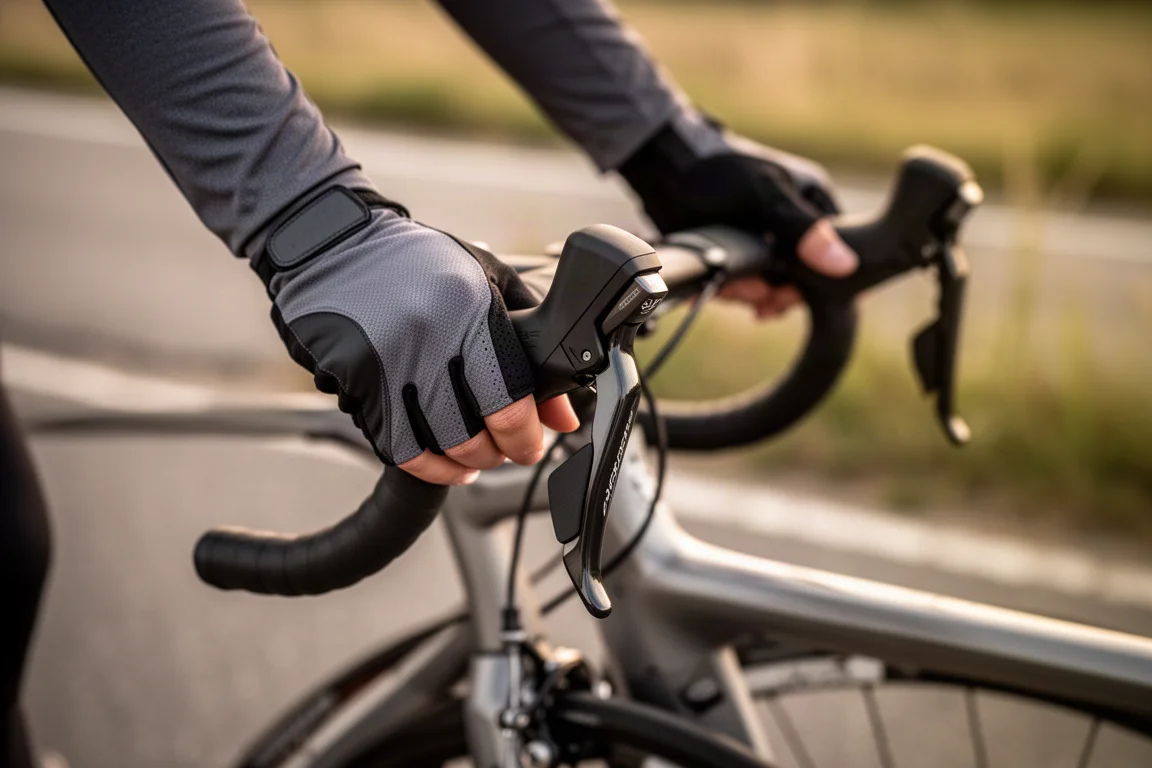
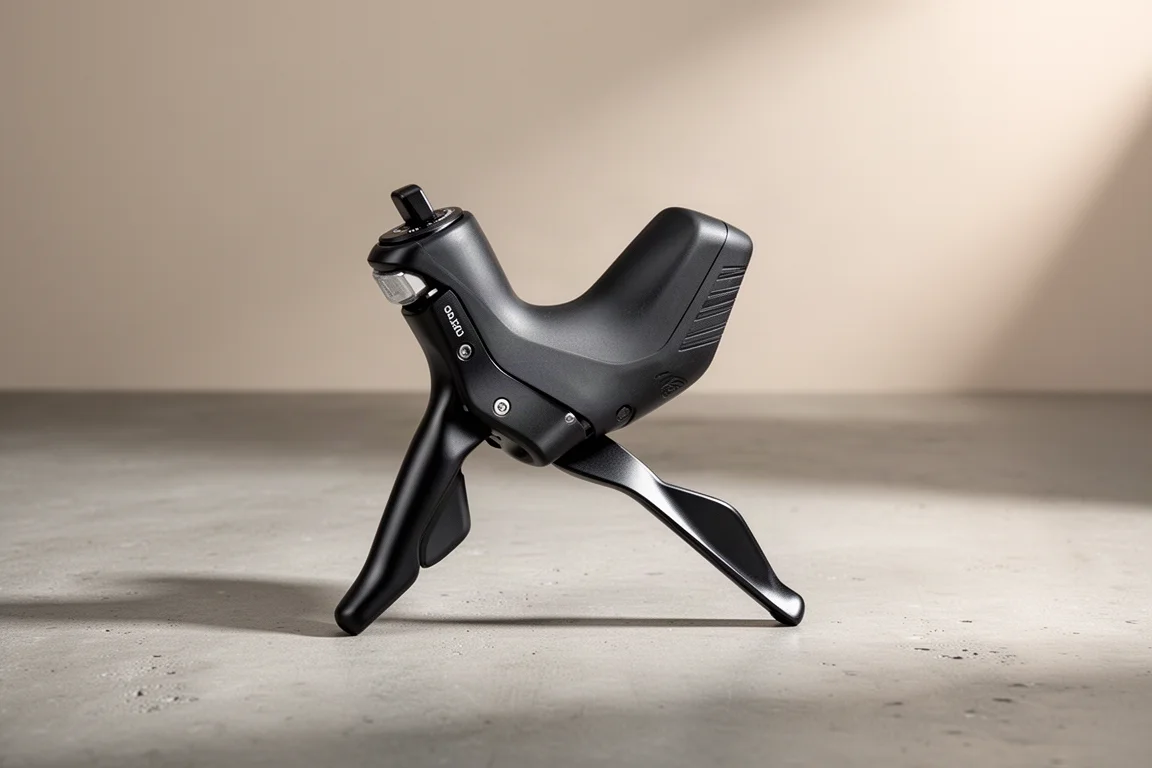
The 2300 shifter, now sold as Tourney, is an eight-speed unit with a thumb lever at the top of the hood. A conventional thumb shifter can be operated from the drops. This one cannot, which leaves riders with fewer usable hand positions than the bar in front of them suggests.
Newer versions add reach adjustment, but it does not help once the hands are down in the drops. Better alternatives have existed for years.
Shimano Claris: The Entry-Level Shifter Worth Choosing
Claris is the replacement for the 2300 and the better answer at the same budget. It is an eight-speed shifter with a functional downshift button that works from the drops, plus reach adjustment, and it borrows its layout from higher-end groupsets such as 105, Ultegra and Dura-Ace.
It also appears on complete bikes at genuinely low prices, which makes it an easy recommendation over a thumb-lever design.
Sizing Labels, Stack and Reach: What to Check Before You Buy
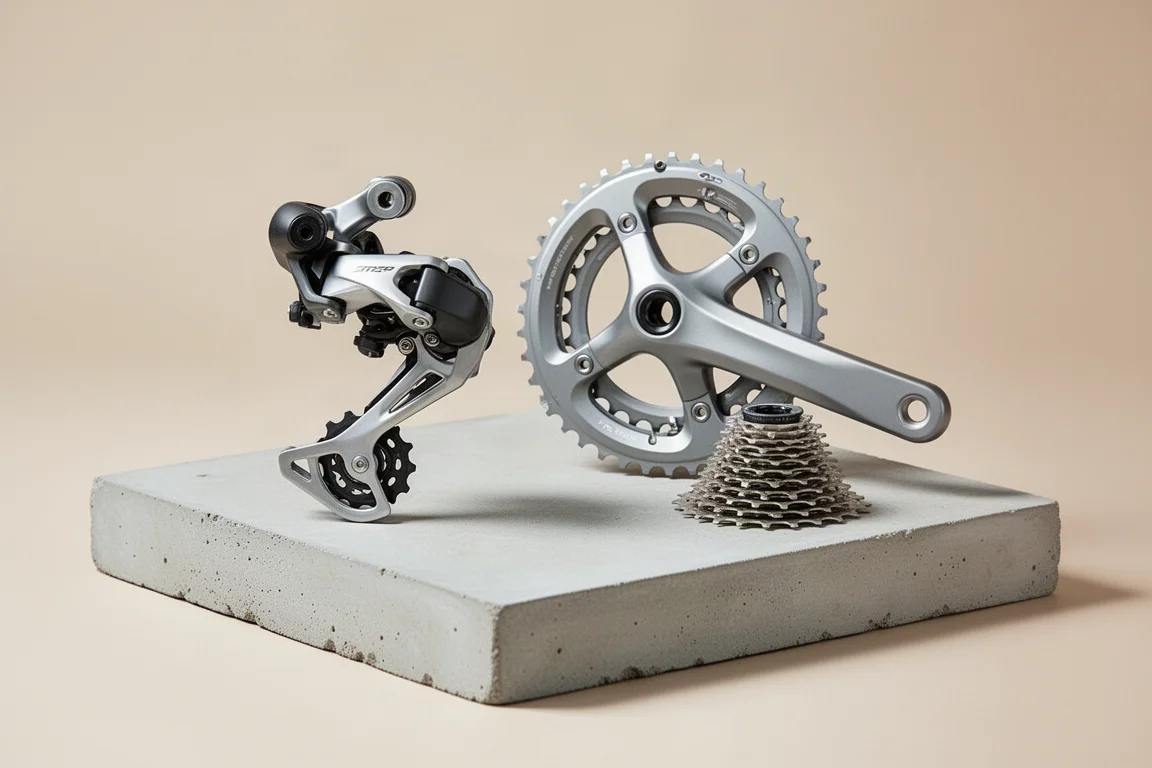
Frame size labels are a poor guide on their own. A medium-sized bike is frequently too large for a medium-sized rider: riders around 5’9” to 5’10” often end up on a 52cm or 53cm frame, while many medium frames carry top tubes closer to 55cm. Some brands make it harder still by sizing on seat tube length, so a nominally small frame can arrive with a surprisingly long top tube.
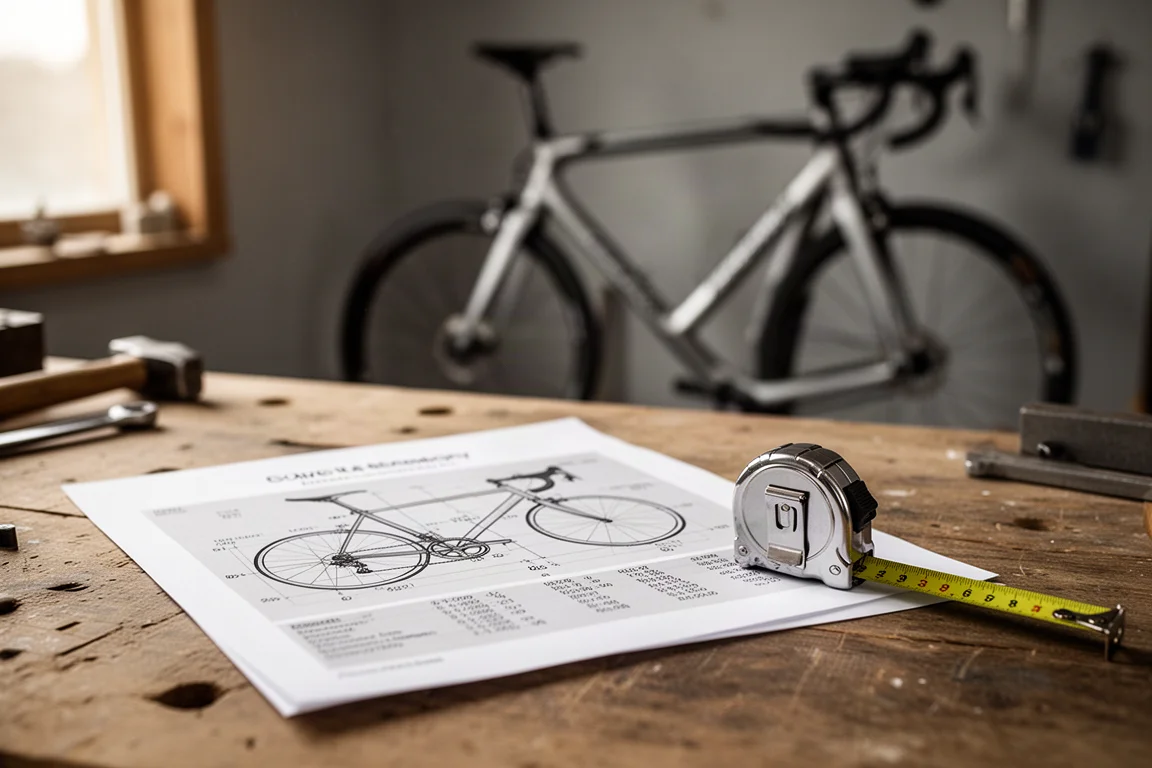
Stack and reach are a better starting point, but they are only a starting point. They describe the vertical and horizontal distance from the bottom bracket to the centre of the head tube, and they do not account for seat tube angle, stem length, handlebar rotation, control location, handlebar type or the shifters themselves, all of which change the reach a rider actually feels. Excessive stack causes fewer problems than excessive reach, and head tube length alone is not an exact measure of how high a front end sits.
So read the geometry table rather than the size sticker. Top tube length, seat tube angle and any published component dimensions matter more than the letter on the frame. A steeper seat angle shortens the bike, and a bike fit before purchase removes most of the guesswork.
One more point worth noting: a flat bar on a gravel bike is rarely the right answer. Gravel geometry places more weight through the front of the bike, and a flat bar tends to lock the wrist into a position that can irritate the ulnar nerve, producing numb hands, pins and needles or wrist pain that radiates up into the neck and shoulders. A drop bar is simply better ergonomically for that kind of riding. Flat bars belong on mountain bikes, where the more dynamic style of riding makes the extra control worthwhile.
Conclusion
Most of the problems in this list come back to the same theme: components that add reach, remove support, or reduce the number of usable hand positions. Fixing them is usually cheaper and more effective than chasing the symptoms with position tweaks alone.
Check the geometry, check the reach, and prioritise the parts that let you ride in the position you actually want.
Further reading
Related Reviews
Cycling Components
A 20,000-Mile Budget Race Bike Build: Five Parts Worth Knowing
A rim brake race bike assembled from low-cost components and ridden for 20,000 miles. Here is what delivered real speed, what caused problems, and what to weigh before copying the formula.
Cycling Components
7 Bike Fit Products Fitters Avoid: What to Check Before You Buy
Seven bike components that regularly cause knee, foot and saddle problems, with the specific concerns behind each one and what to look for instead.
Cycling Components
Four Affordable Bike Upgrades That Improve Ride Feel
Four low-cost cycling products that make a real difference to ride feel, plus the free setup changes worth trying first.