Cycling Components
8 Bike Components Mechanics Would Rather Avoid, and the Alternatives That Work
Eight components that cause the most friction in a working bike shop, from wet-weather tyres to bar tape and pedals, plus the practical alternatives that hold up.
Introduction
Every workshop has a short list of components that generate the same conversations week after week. They are not necessarily bad products in isolation, but they create friction in daily use: tyres that lose grip in the wet, bar tape that fights back during wrapping, lubricant that turns into a sticky film, and proprietary designs that turn a small repair into a large bill.
This guide covers eight components that come up in that conversation regularly, together with the alternatives that experienced mechanics tend to recommend instead. The goal is straightforward: help you spend money on parts that stay easy to live with.
What a Pro Mechanic Looks For
Four things come up again and again: how a part behaves in poor conditions, how easy it is to service with standard tools, how long it lasts, and whether it locks you into one brand’s ecosystem.
Wet-weather behaviour matters more than dry-weather numbers for most riders. A tyre that feels quick on a warm summer ride can be genuinely unnerving on a cold, wet commute. The same logic applies to consumables: tape that wears out in weeks and lubricant that needs constant attention cost more time than they save.
Standardisation is the other theme. Parts built around common standards are easy to replace anywhere, while proprietary designs often mean waiting for a specific dealer and paying a premium for a small component.
The recommendations that follow are not exotic. In most cases the better option is a part that has been around for years, uses familiar standards, and performs predictably in rain and cold.
Continental Gatorskin: Puncture Protection With a Wet-Weather Catch
Gatorskin has built a strong reputation as an urban and touring tyre, and puncture resistance is the reason. The trade-off is grip in the wet, which is minimal. Riders who fit it as a winter tyre in a wet climate are giving up a great deal of confidence in exchange for flat protection.
There is a practical annoyance as well: the fit is tight enough that roadside tyre changes become a struggle. Puncture resistance is valuable, but it is worth asking whether a different puncture-resistant tyre can deliver the same protection while still working in the wet and the cold.
Rubino Endurance: The All-Season Alternative
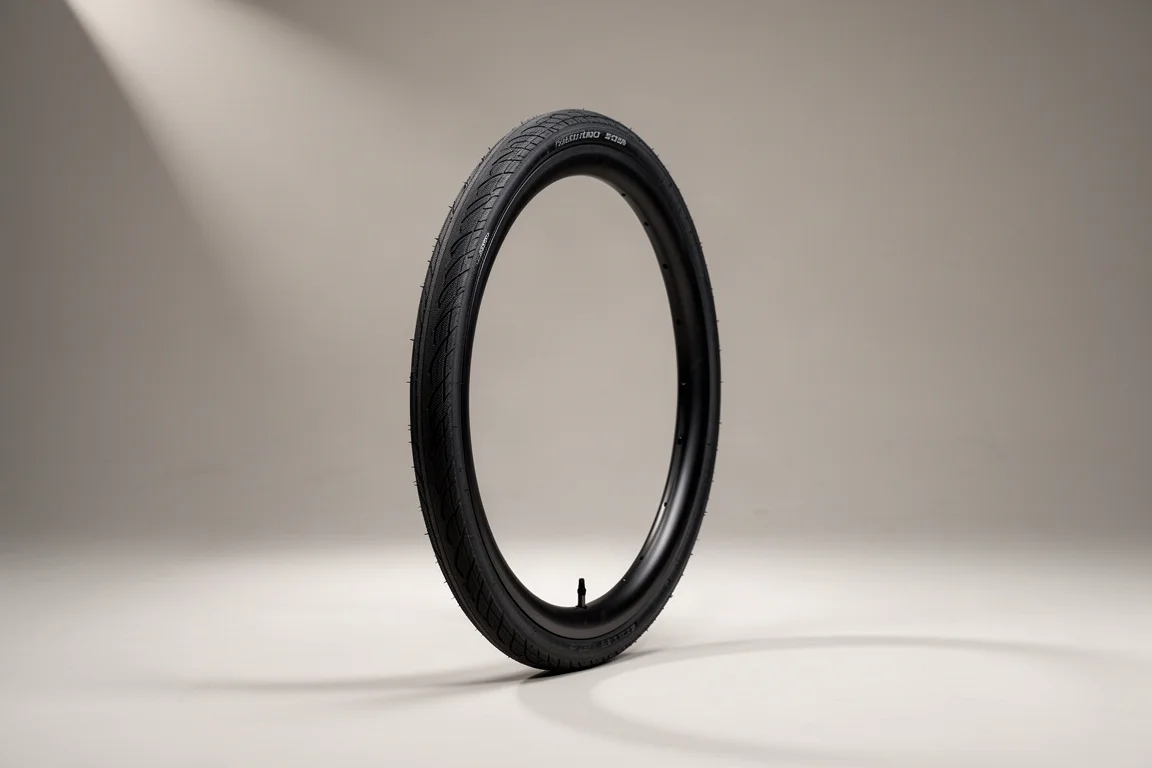
Rubino Endurance is the tyre that usually comes up in the same conversation. It offers the puncture resistance riders want from a training or commuting tyre, and it also performs in wet and cold conditions, which is exactly where a winter tyre needs to work.
For riders who want one tyre that handles poor weather without constant flat repairs, this is the more sensible starting point.
Triple B Bar Tape: Stretch Makes the Wrap
Wrapping bar tape is often described as difficult, but the difficulty usually comes from the tape rather than the person holding it. Tape that does not stretch is hard to keep tidy around the bends and the levers: it creases, it will not fold correctly, and the wrap has to be restarted repeatedly.
Stretchy tape behaves completely differently. It follows the curve of the bar, sits flat, and takes a fraction of the time to finish. Triple B tape is a good example: it stretches well and wraps cleanly, which matters a great deal when several bikes need fresh tape in the same day.
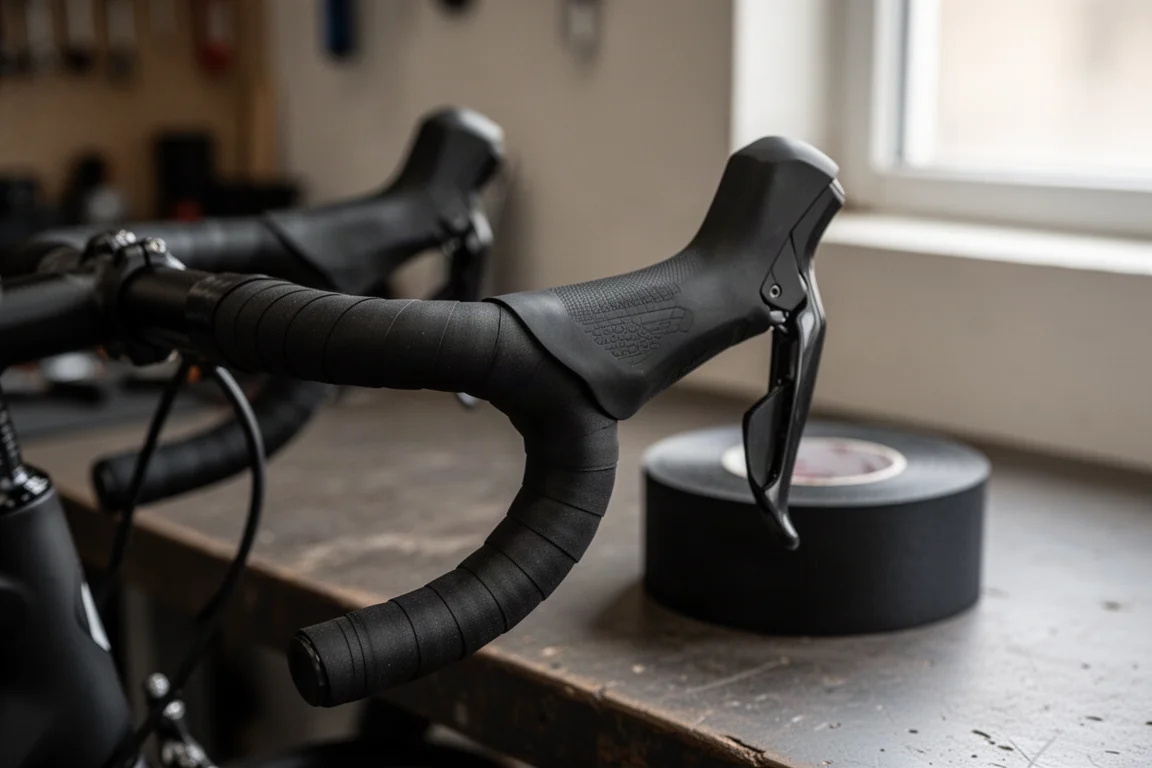
Some well-known tapes are the opposite. They look excellent and sell well, but they are stiff enough that a clean wrap takes far longer than it should. If you are paying a workshop for the job, that difference shows up directly in the labour charge.
Lizard Skins Bar Tape: Easy Wrapping, Shorter Service Life
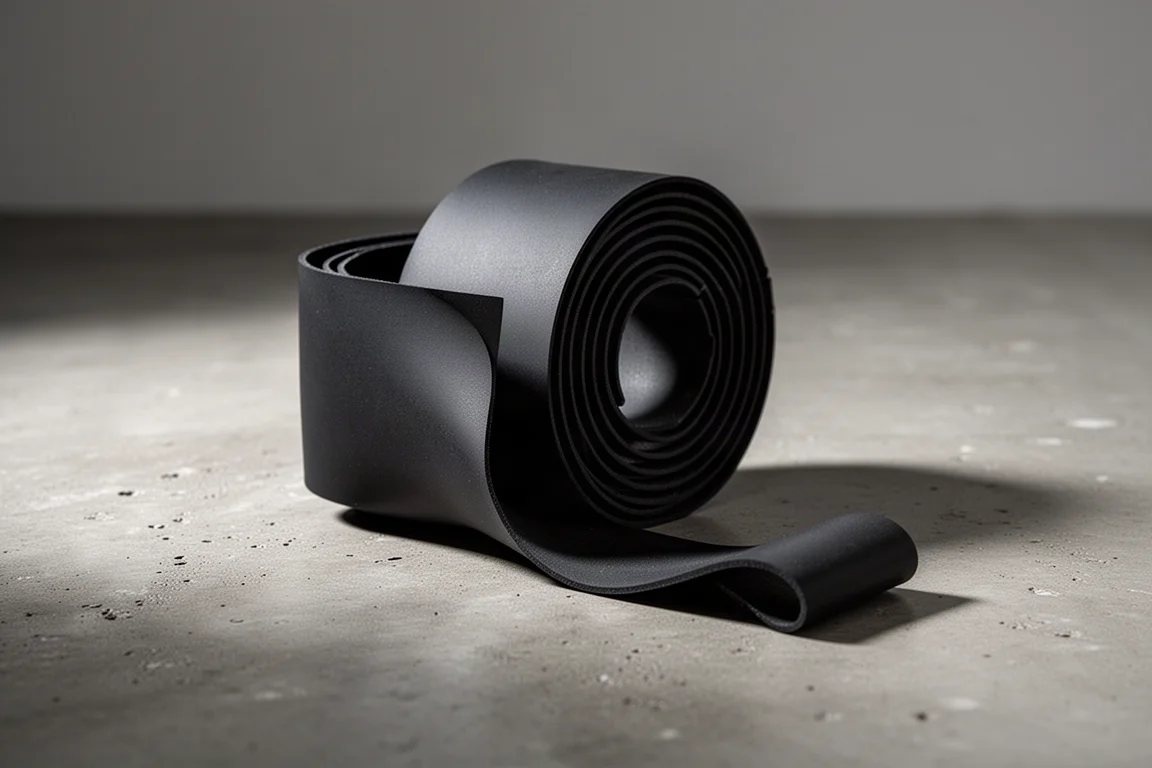
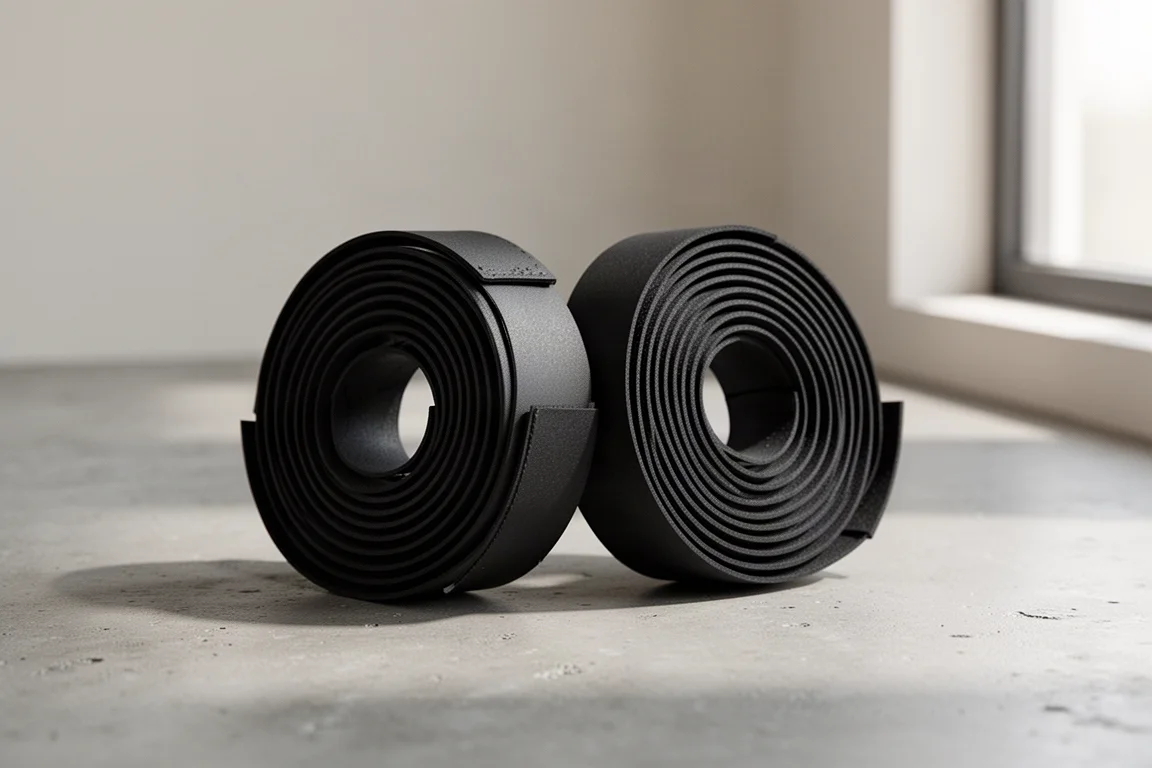
Lizard Skins tape has the stretch that makes wrapping straightforward, and it goes on quickly. The problem is longevity: it can wear through in a matter of weeks, which makes it poor value for riders who cover serious mileage or ride in abrasive conditions.
It is a reasonable option if you enjoy changing tape often, but for most riders a tape that wraps easily and lasts is the better combination.
Muc-Off Lube: When Residue Turns to Glue
Cleaning products from this brand do the job they are sold for, but the lubricant is a different story in a busy workshop. When it is applied and then left on the chain for days or weeks, it can thicken into a sticky residue that is very difficult to remove. Clearing it has required ultrasonic cleaning and, in stubborn cases, scraping with hand tools.
The issue is not the first application, it is what happens when a bike sits unused between rides. A lubricant that turns gummy in that situation creates work rather than preventing it.
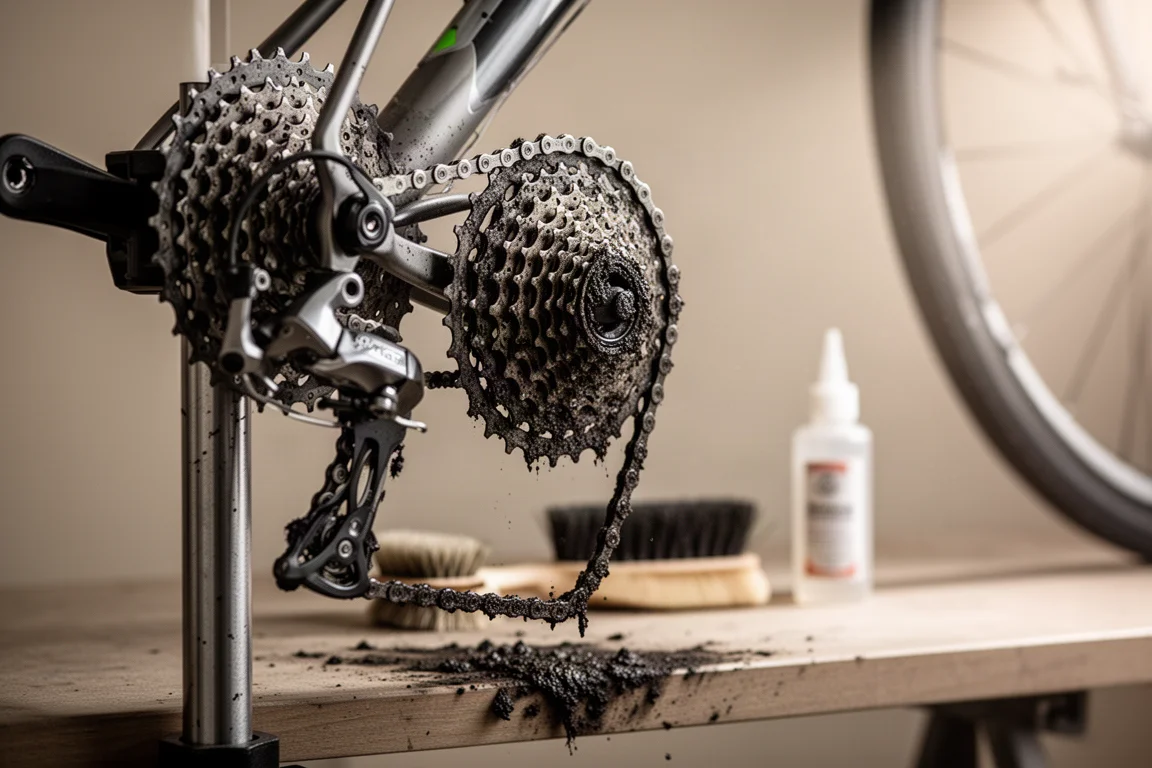
Whatever you choose, the practical routine is the same: apply it, wipe off the excess, and do not leave a heavy coating sitting on the drivetrain.
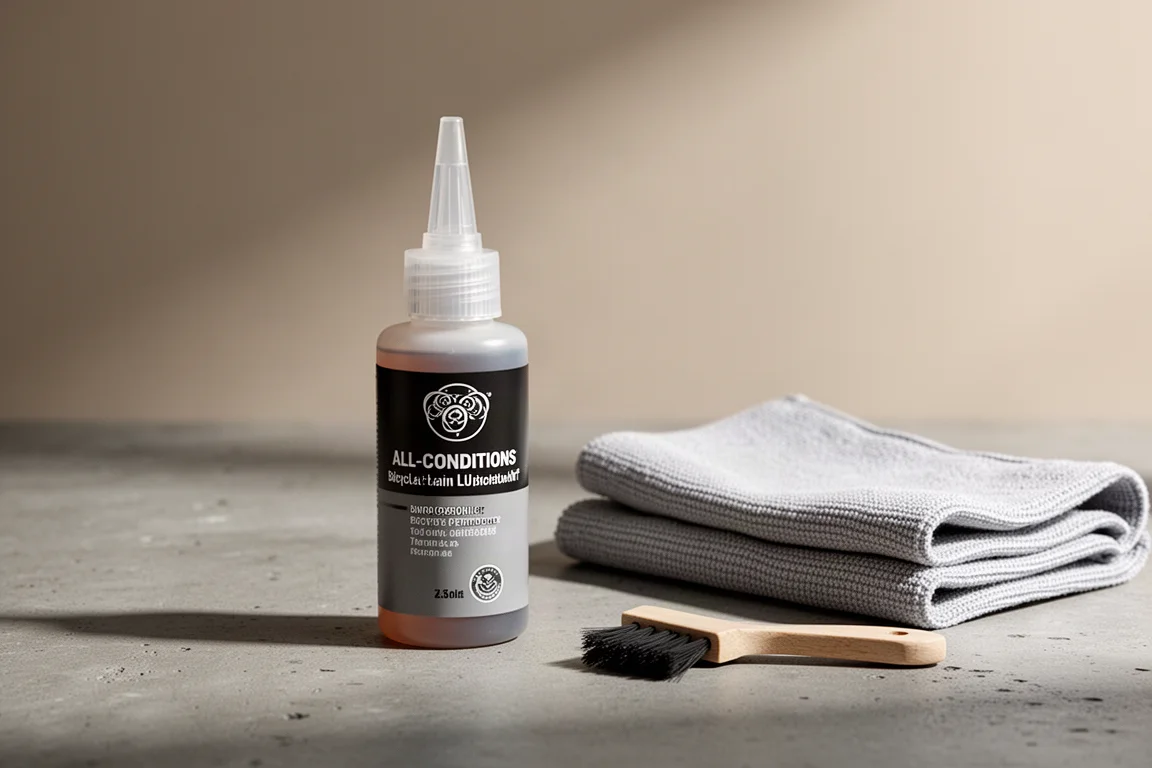
Phoenix All Conditions Lube: One Bottle, Every Bike
Phoenix All Conditions Lube removes the wet-lube versus dry-lube decision entirely. The same bottle covers a road bike, a mountain bike and a commuter, and it works well across all of them. It also washes off easily, which keeps the drivetrain clean rather than collecting a layer of grit.
For riders who would rather keep one bottle on the shelf than match a lubricant to the weather, this is the simpler approach. Other names in this category have built solid reputations over years of workshop use, so it pays to look at what a shop actually reaches for rather than what the label promises.
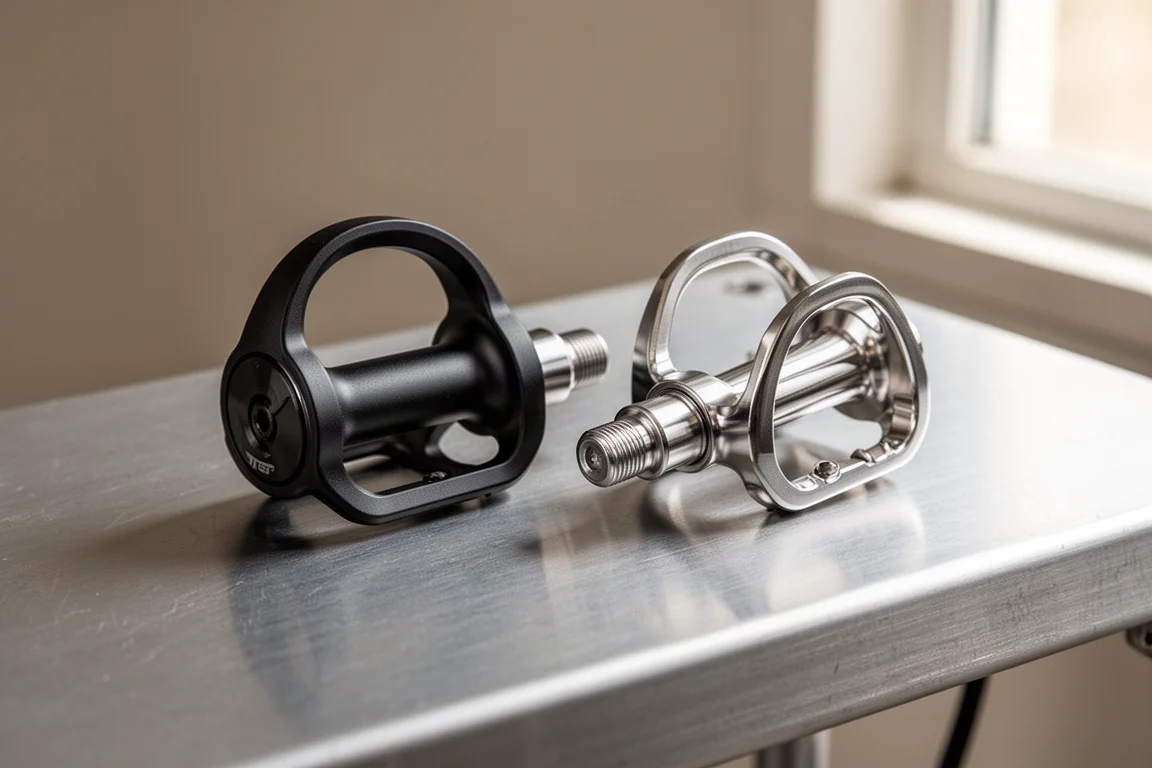
Speedplay Pedals: More Adjustment Than Most Riders Need
Speedplay pedals use the lollipop-shaped design that has a following among riders who want maximum tunability. The range of spindle lengths and cleat adjustments is genuinely large, but that only helps if someone qualified is setting it up. Without a bike fit and a proper cleat setup, all of that adjustment range is more likely to create knee problems than solve them.
There are other practical drawbacks. Clipping in takes more effort than most riders expect, cleat durability is poor, and replacement cleats are expensive. Weight claims also tend to flatter the pedal by leaving the cleat out of the calculation, and since you cannot ride without being clipped in, that comparison is not especially meaningful.
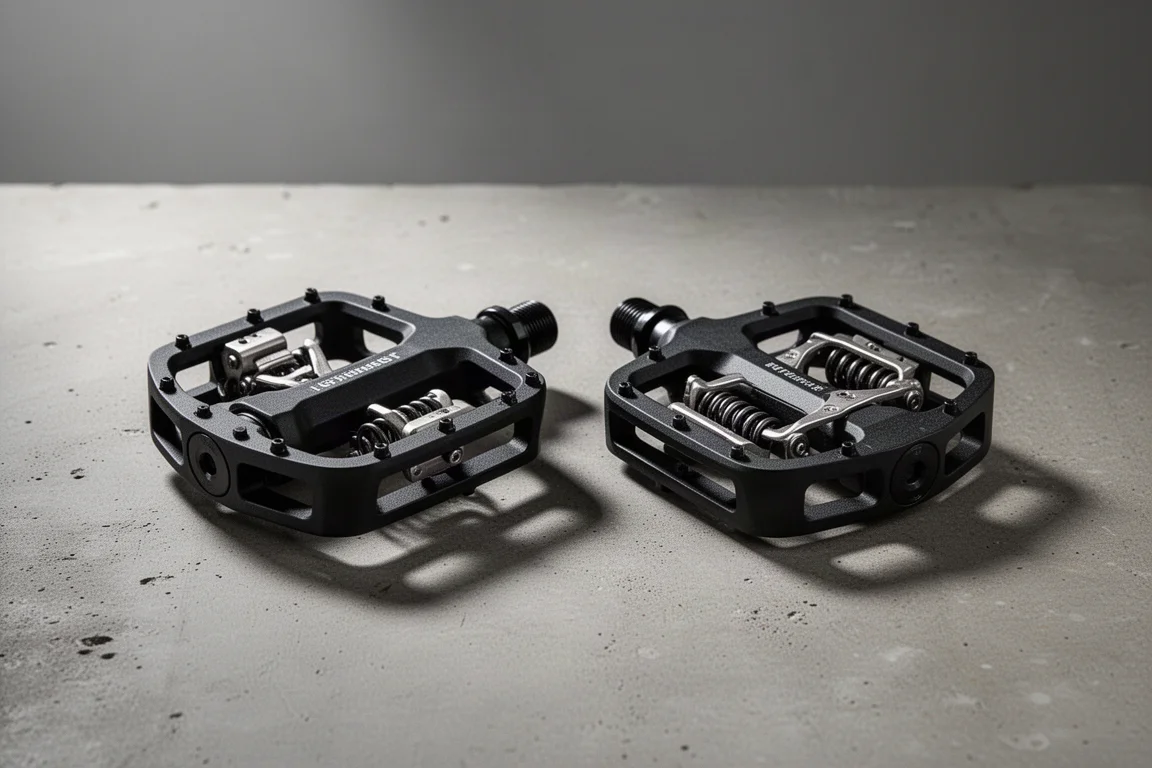
Time Pedals: Float Without the Fuss
If you want float and a design that looks after your knees, Time pedals are the straightforward answer. Look also makes a solid pedal in the same category, and both are easier to live with than a system that demands constant fine-tuning.
The point is not that adjustment is bad. It is that most riders are better served by a pedal that clips in predictably and stays comfortable, rather than one offering a wide setup range that nobody has helped them dial in.
What to Check Before You Buy: Clearance, Standards and Compatibility
The most expensive problems in cycling are rarely caused by the parts you can see. They come from proprietary designs that make routine maintenance awkward.
Electronic groupsets that run their cabling through the battery are a good example. Damage a single cable and the battery has to be replaced rather than the cable, and the connectors at the levers are bulky enough that the lever has to be dismantled to plug them in. A conventional cable costs a fraction of that and can be swapped in minutes.
Suspension headsets and unusual headset standards follow the same pattern. A suspension headset design such as Specialized’s involves a stack of small components and several bolts to adjust, and if it breaks, a non-dealer workshop is unlikely to hold the parts. Canyon’s headset arrangement uses a top cap system with bearings that are easy to damage, and repairing it is costly. Cannondale has moved back to a standard threaded bottom bracket, but its offset rear wheel dishing, and a Lefty fork that requires the brake caliper to be removed before the wheel comes off, are the kind of details that turn a simple job into a long one. A cable that fails on a conventional setup might cost around twenty pounds to replace, while these proprietary repairs run into the hundreds.
Front derailleurs deserve a mention too. On a modern 12-speed drivetrain, most riders do not need the extra range a front derailleur provides, and removing it eliminates chain drop and adjustment problems at a stroke. Slightly faster front shifts are a marginal benefit compared with the simplicity of a single chainring.
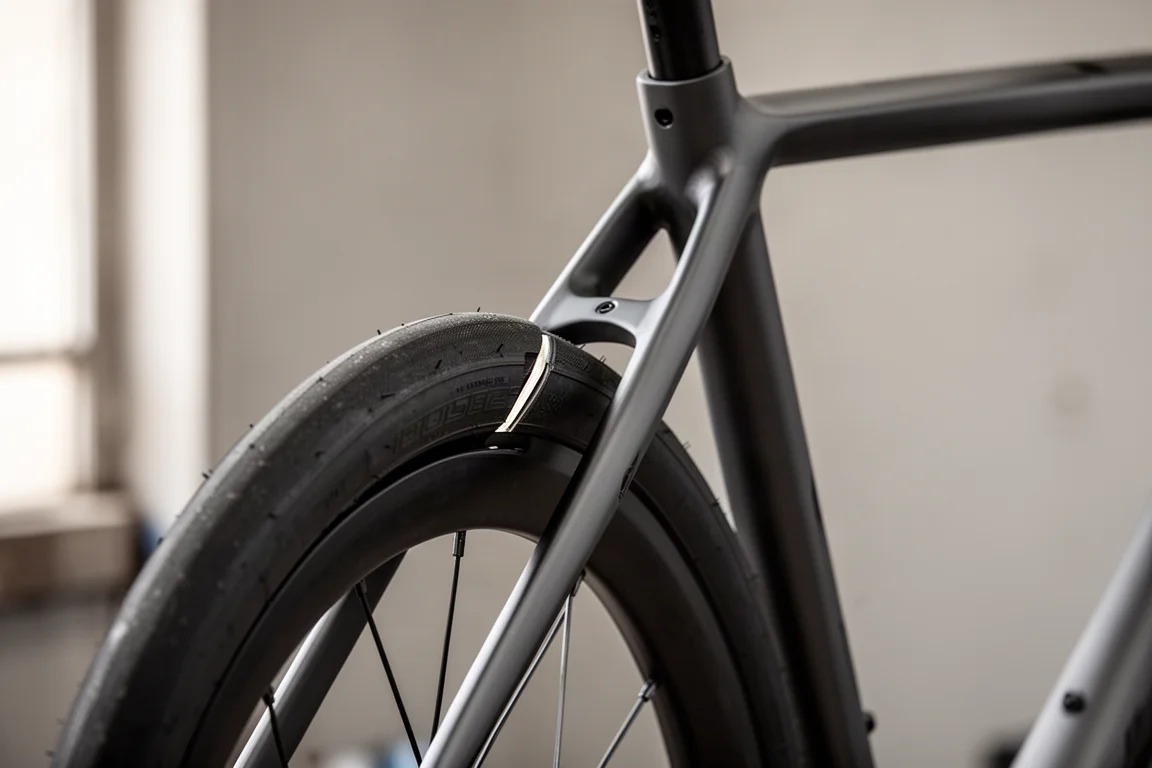
Tyre clearance deserves the same scrutiny. Bigger tyres are both more comfortable and, in practice, faster on imperfect surfaces, yet some new frames still barely accept a 28mm tyre. Sizing is not consistent either, because tyres can measure wider than their stated width depending on the rim, so a tyre marked 28mm may not fit a frame with a nominal 28mm limit. Look for at least 32mm of clearance, and check the specification before you buy. A gravel frame with a set of road wheels is one practical way to get that room.
Conclusion
None of these components are unusable, and none of the alternatives are exotic. The pattern is consistent: parts that work predictably in poor weather, use familiar standards and avoid special tools tend to be the ones that stay on the bike.
If you are choosing tyres, prioritise wet and cold performance alongside puncture protection. If you are choosing tape, prioritise stretch. If you are choosing lubricant, choose something that cleans off easily. And when a frame or component promises a clever new standard, ask what happens when it needs servicing. Those questions will save more money than any single upgrade.
Further reading
Related Reviews
Cycling Components
A 20,000-Mile Budget Race Bike Build: Five Parts Worth Knowing
A rim brake race bike assembled from low-cost components and ridden for 20,000 miles. Here is what delivered real speed, what caused problems, and what to weigh before copying the formula.
Cycling Components
7 Bike Fit Products Fitters Avoid: What to Check Before You Buy
Seven bike components that regularly cause knee, foot and saddle problems, with the specific concerns behind each one and what to look for instead.
Cycling Components
Four Affordable Bike Upgrades That Improve Ride Feel
Four low-cost cycling products that make a real difference to ride feel, plus the free setup changes worth trying first.