Portable Power
BigBlue CP500 Review: A Compact LFP Power Station with Real-World Limits
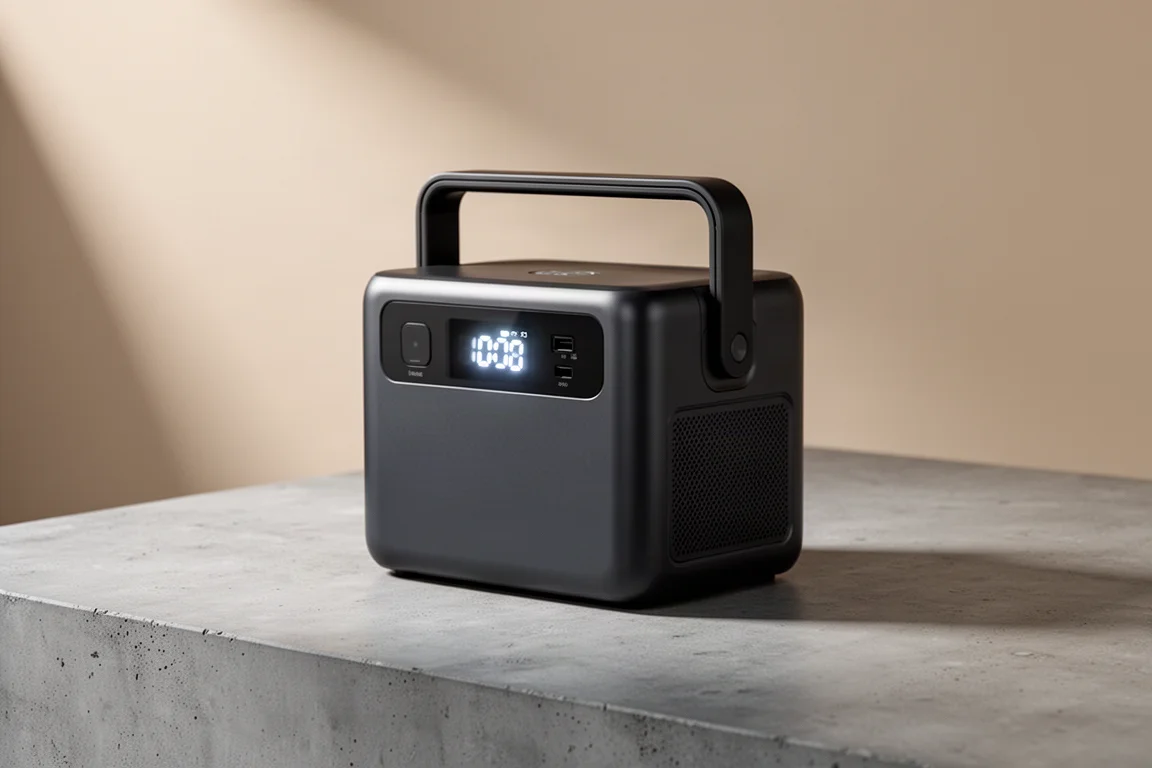
A 537Wh lithium iron phosphate power station with a crisp display, quality buttons, and useful outputs, though runtime and AC passthrough have trade-offs worth knowing before you buy.
Introduction
Portable power stations come out by the dozens these days, and picking a good one is harder than ever with so many brands offering near-identical boxes. Battery chemistry is the first thing worth checking. Lithium iron phosphate (LiFePO4) is where the market sits today, and units built on it should last 10 years or more. Lithium-ion power stations are largely fading out and tend to be the cheaper models. The BigBlue CP500 is a lithium iron phosphate unit, and that chemistry alone puts it in the right category.
Who the BigBlue CP500 Is For
The CP500 holds 537 watt hours, which means it can run something drawing around 500 watts from the AC outlet for just under an hour. In practice that positions it for very small electronics: charging phones, drones, and laptops, or running small items. It can also handle a refrigerator or small cooler, and 12V devices like 12V TVs and 12V refrigerators run especially well off it and for longer stretches of time.
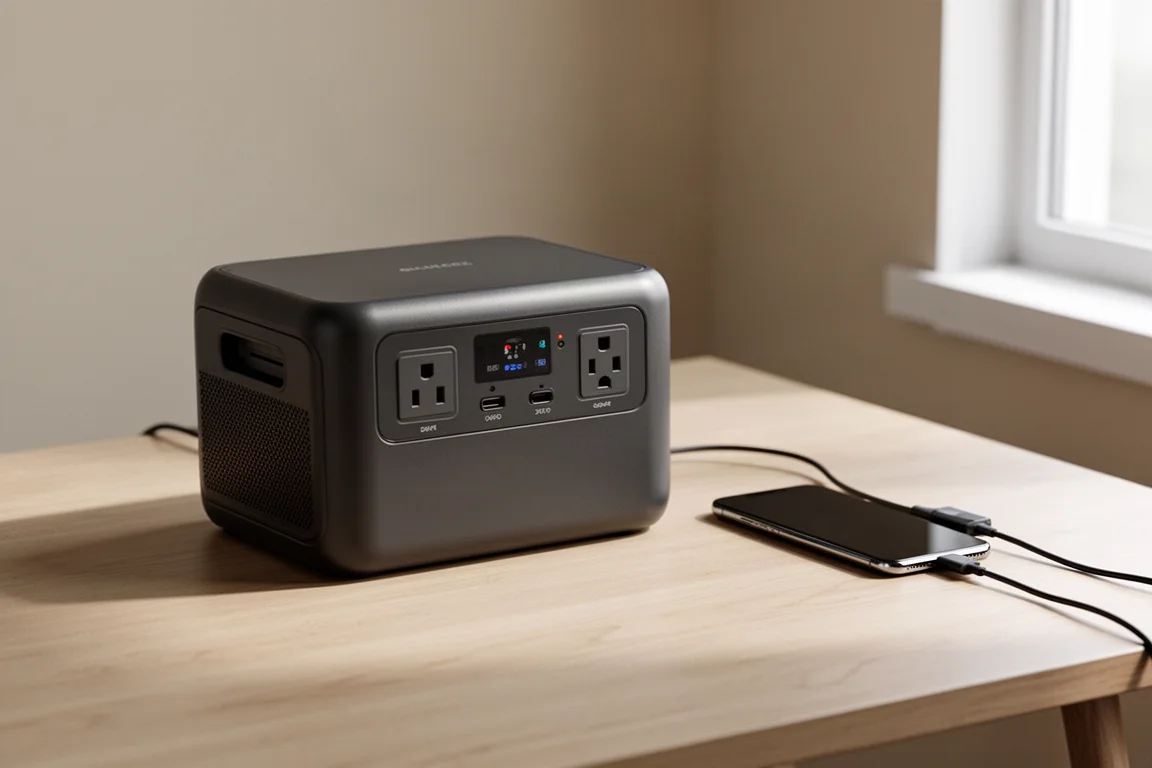
For output, you get PD 60W ports, which some buyers will wish were PD 100W, plus two USB-A 3.0 quick charge ports that handle a phone charging nicely. It is a practical little unit for light loads rather than heavy appliance duty.
Real-World Testing and Output Quality
With a multimeter and a battery charger connected, the CP500 delivered 132 watts of output with 2.6 hours until empty. The AC output measured 121 volts, which mimics grid power, and the frequency read 59.71 Hz against a target of 60 Hz, so it sits right on the mark. Those are numbers you want to see from a small inverter.
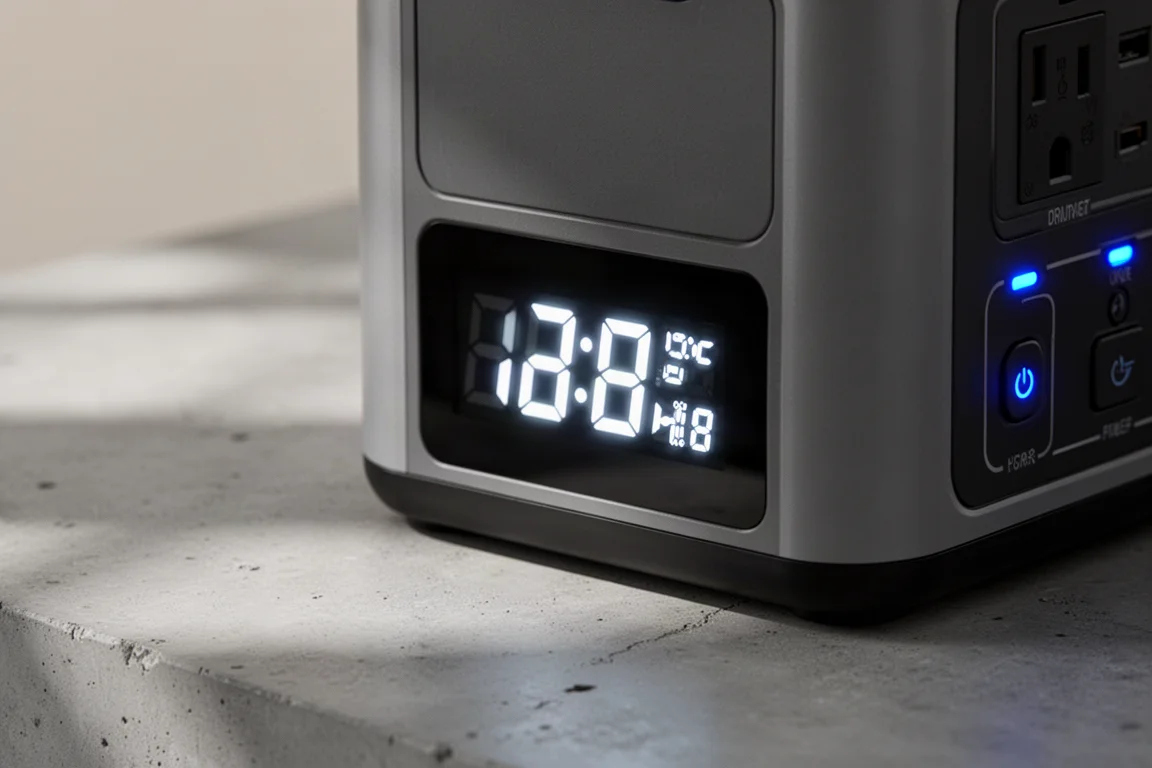
The screen is genuinely one of the nicer LED displays on a unit this size, easy to read and, in this editor’s opinion, quite EcoFlow-like in presentation. It shows input and output watts, hours to empty or full, and battery status at a glance, which makes planning your loads much easier.
Design, Display, and Build Quality
Build details matter on power stations, and this one gets them right. The buttons are among the best seen on any unit: positive, easy to press, nothing like the toy-like buttons that often accompany a nice screen. Small blue LEDs around the buttons add a polished touch.
The handle lifts up for carrying and folds back down, and the unit is not overly heavy to move around. There is also an LED light on the back with multiple functions. It requires a press and hold to activate, and while it may not be something you use every night, campers will absolutely appreciate having it.
Solar Charging and Everyday Use
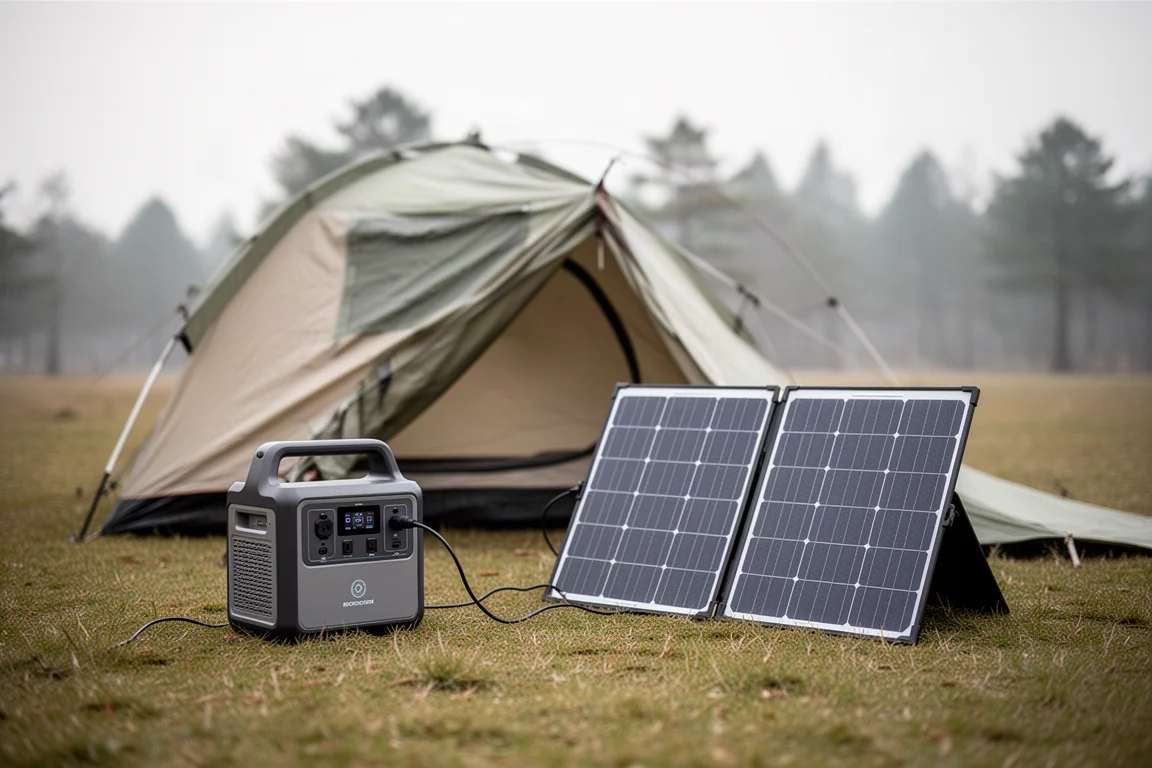
The CP500 can be plugged into a solar panel, and on a mediocre sunny day it pulled just about 80 watts into the unit. That makes topping it up off-grid reasonably quick, though solar panels are typically a separate purchase.
One behavior worth noting: plugging in AC grid power immediately dumps the AC output. DC output continues to work while charging, so a refrigerator or TV on the DC side keeps running, but anything on the AC outlet will not. Some units allow AC passthrough while charging; this one does not, which is a genuine downside depending on your use case.
Things to Consider Before Buying
Cost is the main hesitation. The unit runs about $400, and adding a solar panel for 60 to 70 watts of average charging on a sunny day adds roughly $200 more, putting you around $600 total. For that money you get a battery charger running for about 2.6 hours, phone charging, and great voltage quality, but limited runtime for a unit this small.
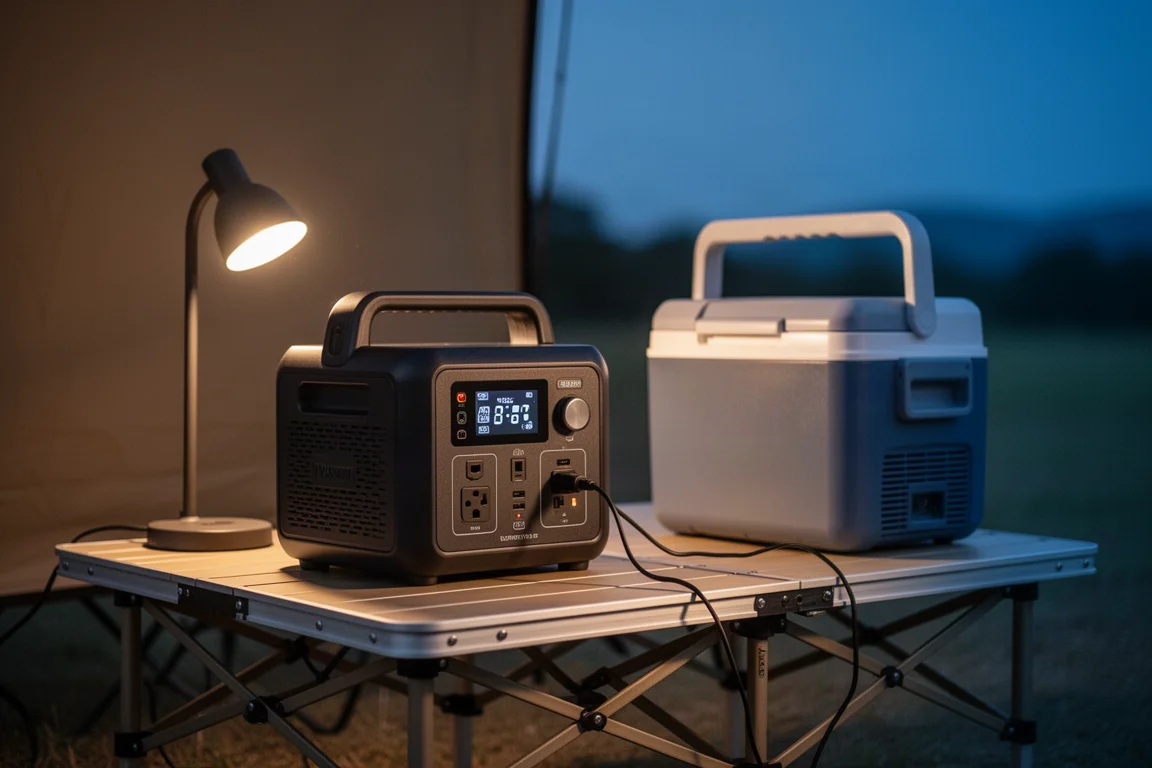
That is a lot of money for this capacity, so think carefully about your actual loads before purchasing. The lithium iron phosphate chemistry and 10-plus year longevity justify part of the premium, but the price is getting up there for something this size. If your needs stay within small electronics, 12V devices, and occasional cooler duty, it makes sense; if you expect to run larger appliances for hours, look at larger capacities.
Conclusion
The BigBlue CP500 nails the fundamentals that matter: long-life lithium iron phosphate chemistry, a best-in-class readable LED screen, excellent buttons, clean 121V AC output, and handy 12V and USB capabilities. Its limits are equally clear: modest 537Wh runtime, AC output that drops while grid charging, and a total system cost that climbs quickly once you add solar. For small-electronics users and campers who value longevity over raw capacity, it is a strong pick; for bigger power needs, budget for a larger unit.
Product link
View more details for BigBlue CP500
This product is mentioned in the review. Check the specifications, options, and compatibility before buying.
View more details for BigBlue CP500Further reading
Related Reviews
Portable Power
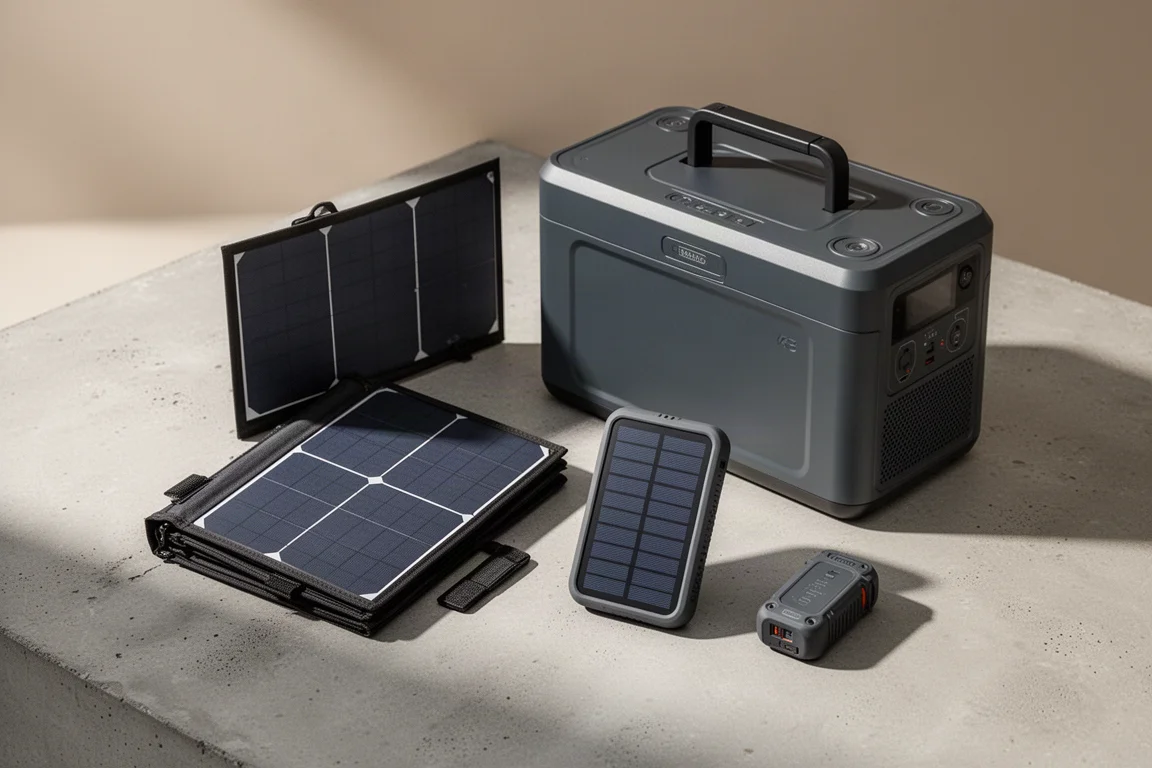
Best Portable Power for Camping and Remote Work: Six Power Banks and Solar Panels Compared
A practical comparison of six portable power options, from a 500W solar generator for car camping to a one pound solar power bank built for backpacking.
Portable Power
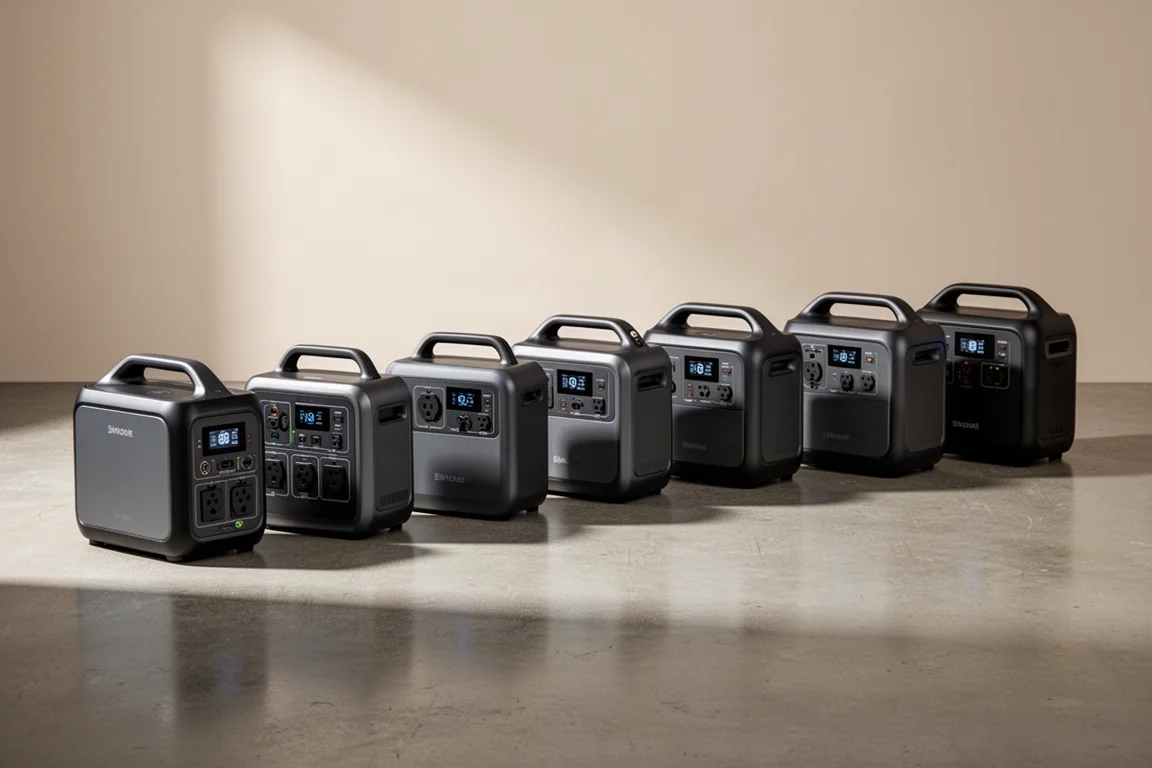
Best Portable Power Stations 2026: Nine Models Compared for Real-World Use
We compared nine portable power stations across output, capacity, charging speed, noise, and UPS performance to find the best value and the best overall pick.
Portable Power
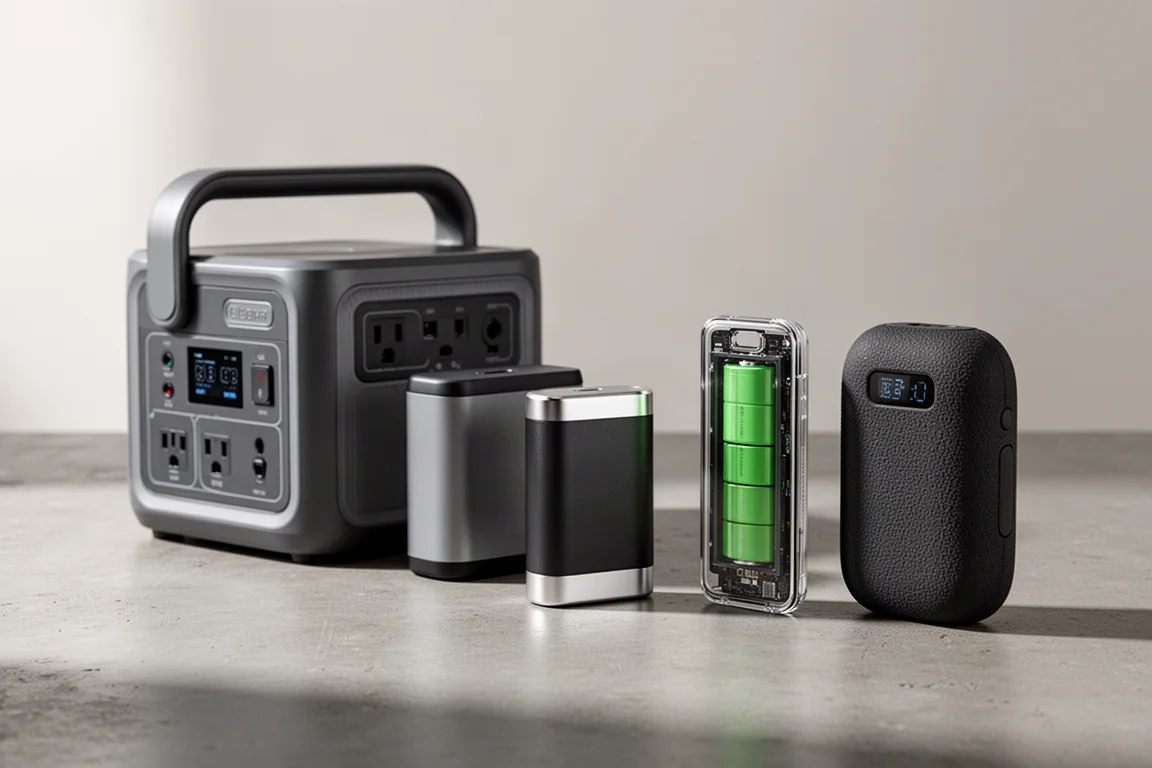
Best Portable Power Stations and Power Banks for Blackouts and Travel
Five portable power solutions compared: two EcoFlow power stations, a flight-friendly Zendure power bank, a see-through Shargeek, and the feature-packed Omni 20c+.