Sleeping Pads
Big Agnes Zoom UL vs Nemo Quasar: Two Lightweight Sleeping Pads for Backpacking Comfort
A closer look at two three-season sleeping pads: the lightweight Big Agnes Zoom UL and the comfort-focused Nemo Quasar.
Introduction
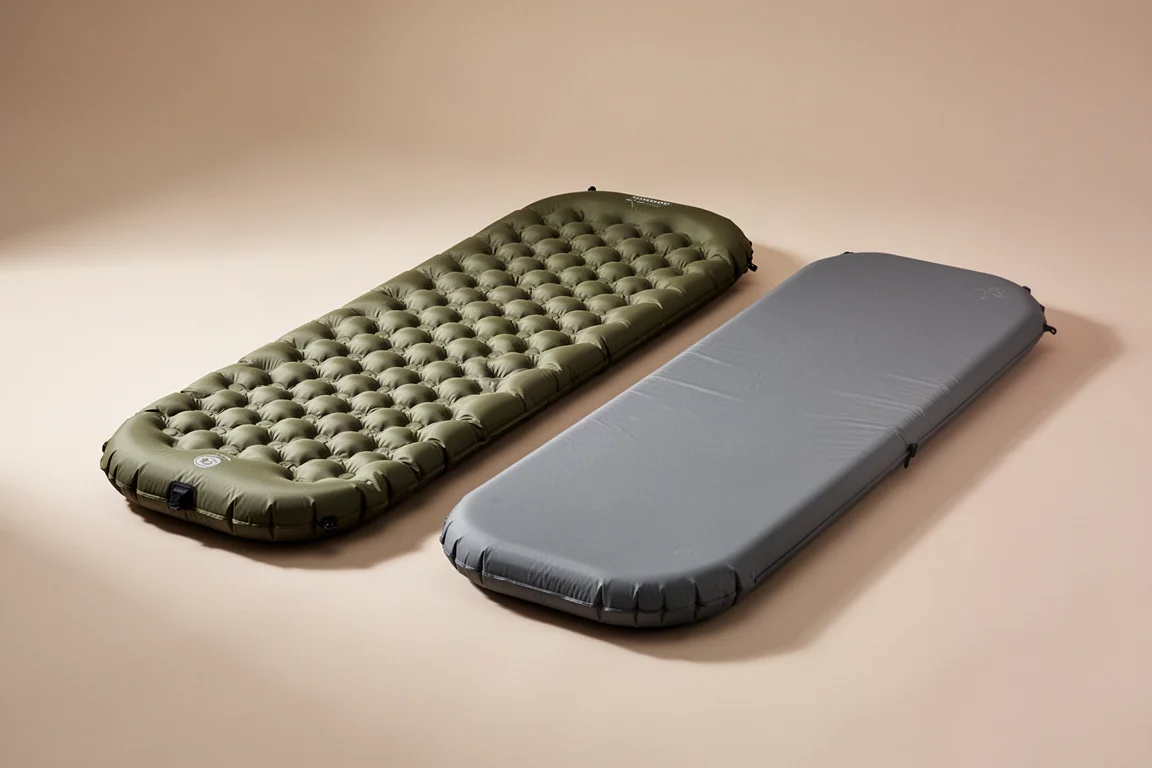
Finding a backpacking sleeping pad that balances comfort, low weight, and warmth is a genuine challenge. The market offers three main types: closed-cell foam pads, self-inflating pads, and air mattresses. Each has trade-offs, but for most backpackers, an air mattress delivers the best combination of comfort, weight savings, and warmth.
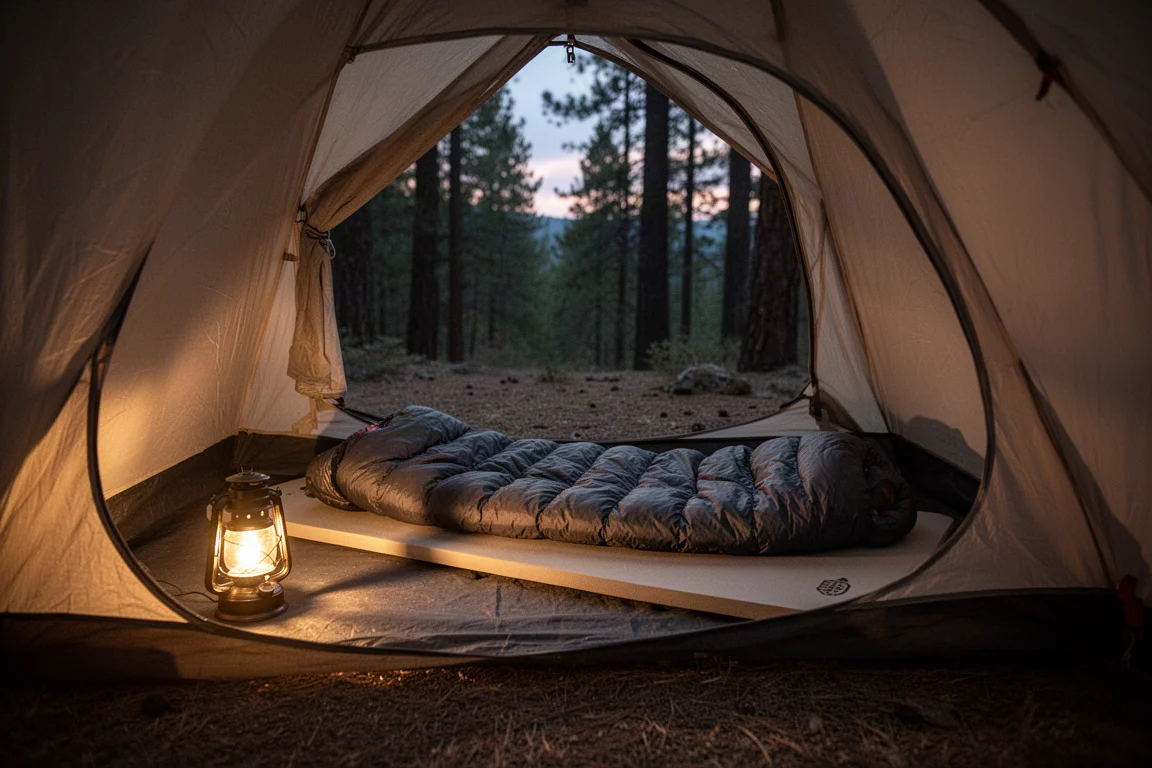
Two air mattresses stand out for three-season use: the Big Agnes Zoom UL and the Nemo Quasar. They take different approaches, one prioritizing low weight and the other emphasizing plush comfort. This guide breaks down what each offers so you can choose the pad that fits your trips.
What to Look for in a Backpacking Sleeping Pad
When evaluating a sleeping pad, focus on three core factors: comfort, weight, and warmth. Comfort depends on thickness, surface design, and stability. Weight matters for long hikes, where every ounce counts. Warmth is measured by R-value, which indicates how well the pad insulates you from the ground.
Closed-cell foam pads are the simplest and most durable option. They are lightweight, virtually indestructible, and inexpensive, but they offer minimal cushioning and are best used as an additional layer for extra warmth or protection. Self-inflating pads combine foam and air for a comfortable, stable sleep, but they are bulkier and heavier because of the internal foam. Air mattresses, like the two featured here, use advanced fabrics and insulation to provide comfort, low weight, and warmth without the bulk.
Big Agnes Zoom UL: Lightweight Three-Season Performance
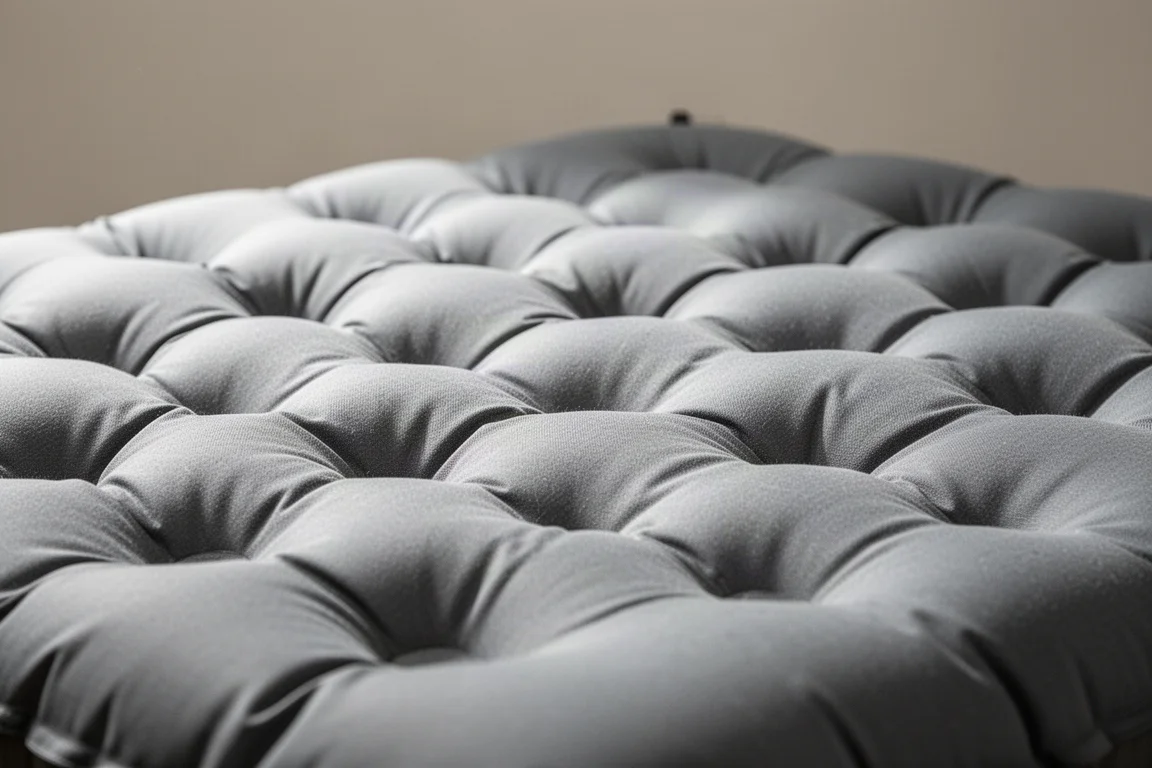
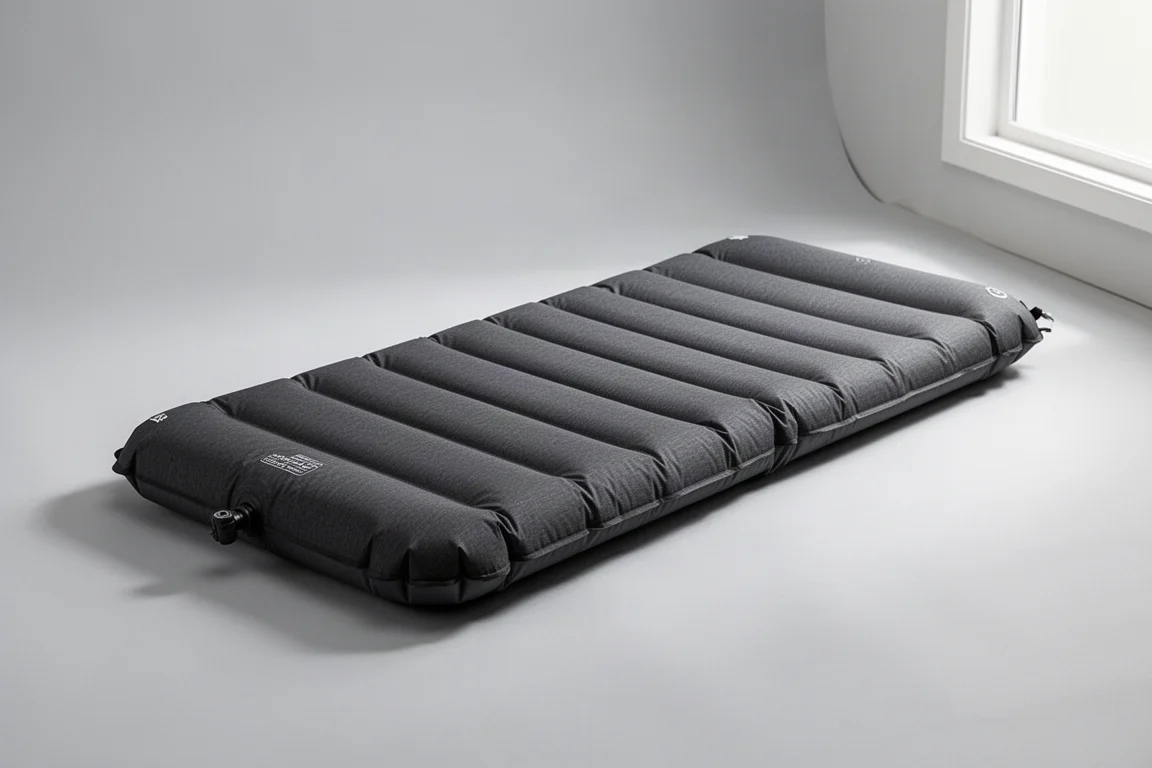
The Big Agnes Zoom UL is a phenomenal sleeping pad for three-season use. In temperatures at or above freezing, it keeps you warm and comfortable. Its quilted dimpled baffle pattern spreads and supports your body weight effectively, reducing pressure points and creating a stable sleep surface.
Weight is a major strength. Depending on the size you choose, the pad weighs between 17 and 20 ounces. It is also available in wider sizes, including a 25-inch width, which adds comfort without sacrificing its lightweight character. This makes it a strong choice for backpackers who want to minimize pack weight while still sleeping well.
Nemo Quasar: Comfort-First Design
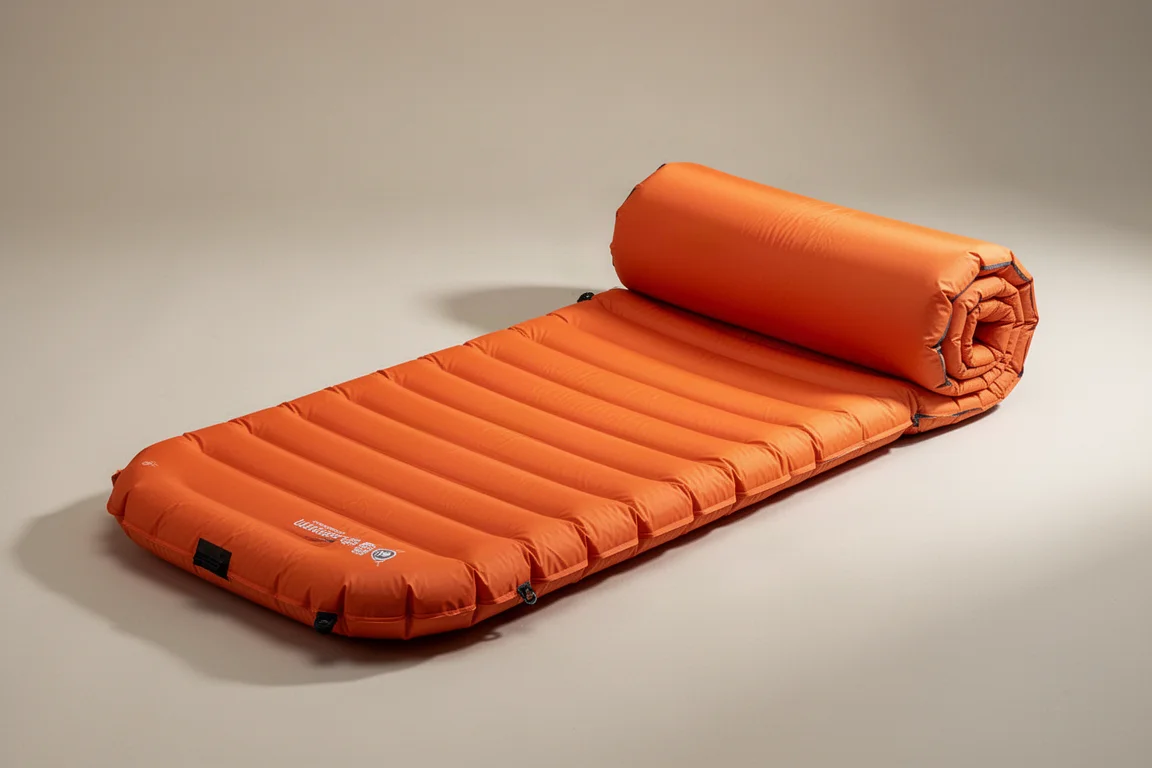
The Nemo Quasar takes a different path. It focuses on comfort above all else, and many consider it one of the most comfortable sleeping pads on the market. With an R-value over three, it provides reliable warmth for three-season trips, keeping you cozy when temperatures drop.
That comfort comes with a weight penalty. The Quasar weighs just over 2 pounds, so it is not the lightest option. If you prioritize a plush, stable sleep and do not mind carrying a bit more weight, this pad is an excellent choice. It is a great fit for backpackers who value a good night’s rest over shaving ounces.
How Pad Types Compare for Backpacking
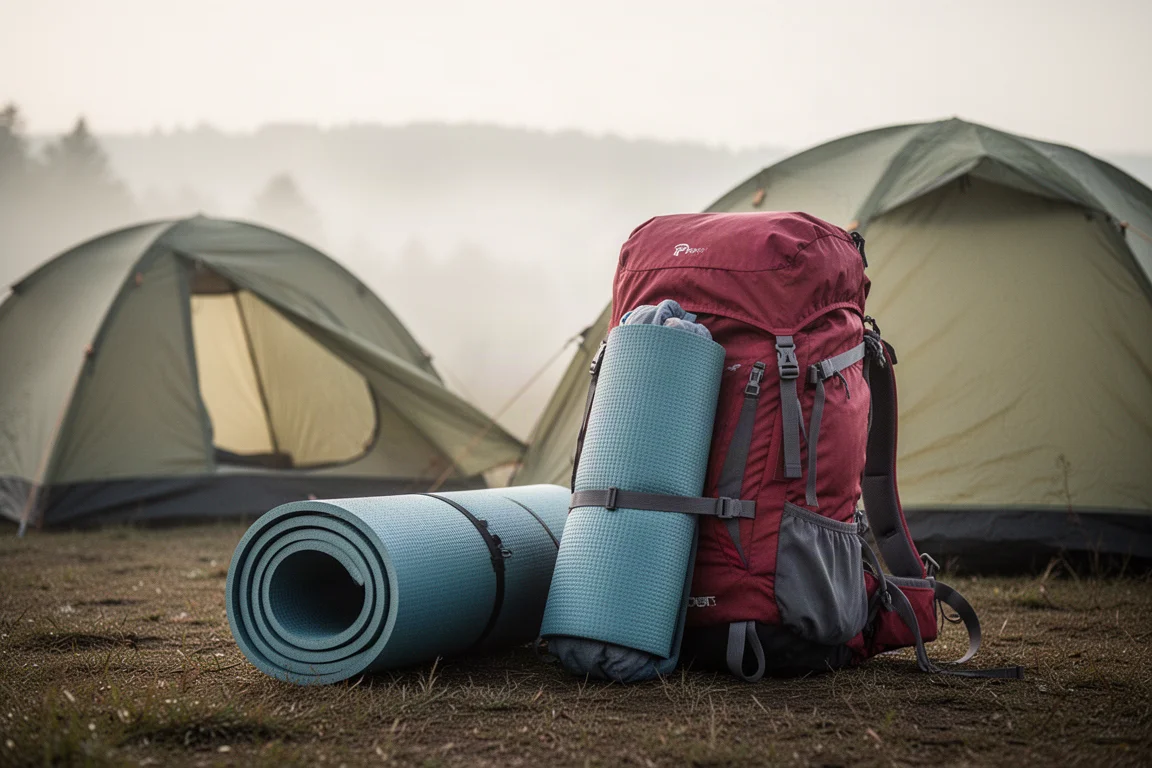
Understanding the differences between pad types helps you make a confident decision. Closed-cell foam pads are best reserved as an additional layer under your main pad to boost R-value or protect against punctures. They are not comfortable enough to use alone for most backpackers.
Self-inflating pads offer a comfortable, stable sleep and decent warmth, but their internal foam makes them bulky and heavier. They are a solid option for summer use or shorter trips where packed size is less critical. Air mattresses, such as the Big Agnes Zoom UL and Nemo Quasar, provide the best overall balance. They are comfortable, warm, and pack down small, making them the preferred choice for the vast majority of backpacking trips.
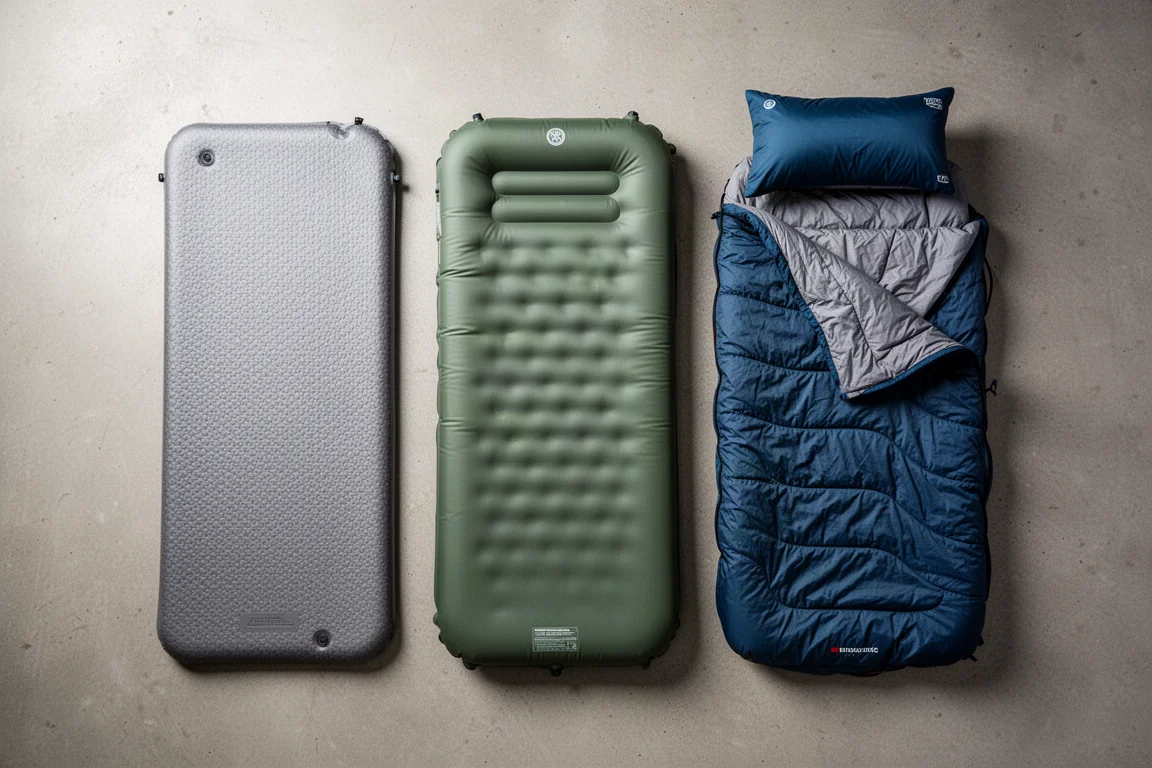
For cold-weather trips, you can pair an air mattress with a closed-cell foam pad underneath for extra insulation and puncture protection. This combination gives you the comfort of an air pad and the reliability of foam.
Buying Advice: Matching a Pad to Your Trip
Your choice between the Big Agnes Zoom UL and the Nemo Quasar depends on your priorities. If low weight is your main goal and you mostly backpack in three-season conditions at or above freezing, the Zoom UL is the clear pick. Its lightweight design and wide size options make it easy to carry without compromising on comfort.
If comfort is your top priority and you are willing to carry a bit more weight, the Nemo Quasar is the better fit. Its R-value over three and plush design deliver a luxurious sleep, especially on longer trips where rest matters most. For either pad, consider adding a closed-cell foam pad if you expect colder temperatures or want extra peace of mind against punctures.
Final Considerations
Both the Big Agnes Zoom UL and the Nemo Quasar are excellent three-season sleeping pads. The Zoom UL wins on weight and packability, while the Quasar wins on comfort and warmth. Neither is a bad choice; they simply serve different backpacking styles.
When you weigh comfort, weight, and warmth, air mattresses like these offer the best trifecta for most backpackers. Closed-cell foam pads are best as supplements, and self-inflating pads are a niche option. For the majority of three-season adventures, an air mattress will keep you comfortable, warm, and light on your feet.
Conclusion
Choosing the right sleeping pad comes down to matching its strengths to your trip. The Big Agnes Zoom UL is ideal for weight-conscious backpackers, while the Nemo Quasar suits those who prioritize comfort. Whichever you choose, you will be investing in better sleep under the stars.
Further reading
Related Reviews
Sleeping Pads
Best Backpacking Sleeping Pads 2026: Nine Pads Rated on Price, Comfort, Warmth, and Weight
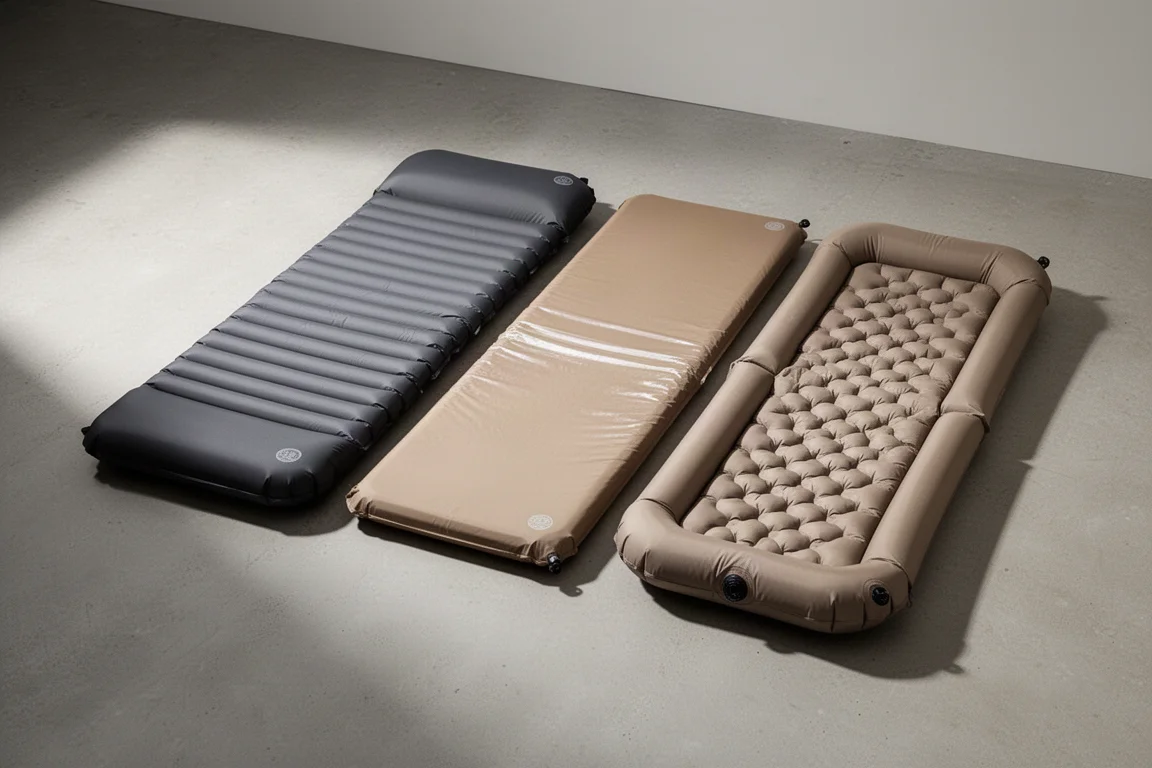
Nine backpacking sleeping pads compared on price, comfort, warmth, and weight, from a $65 summer pad to a year-round option rated at R-7.3.
Sleeping Pads
Best Backpacking Sleeping Pads: Comfort, Warmth, and Weight Compared
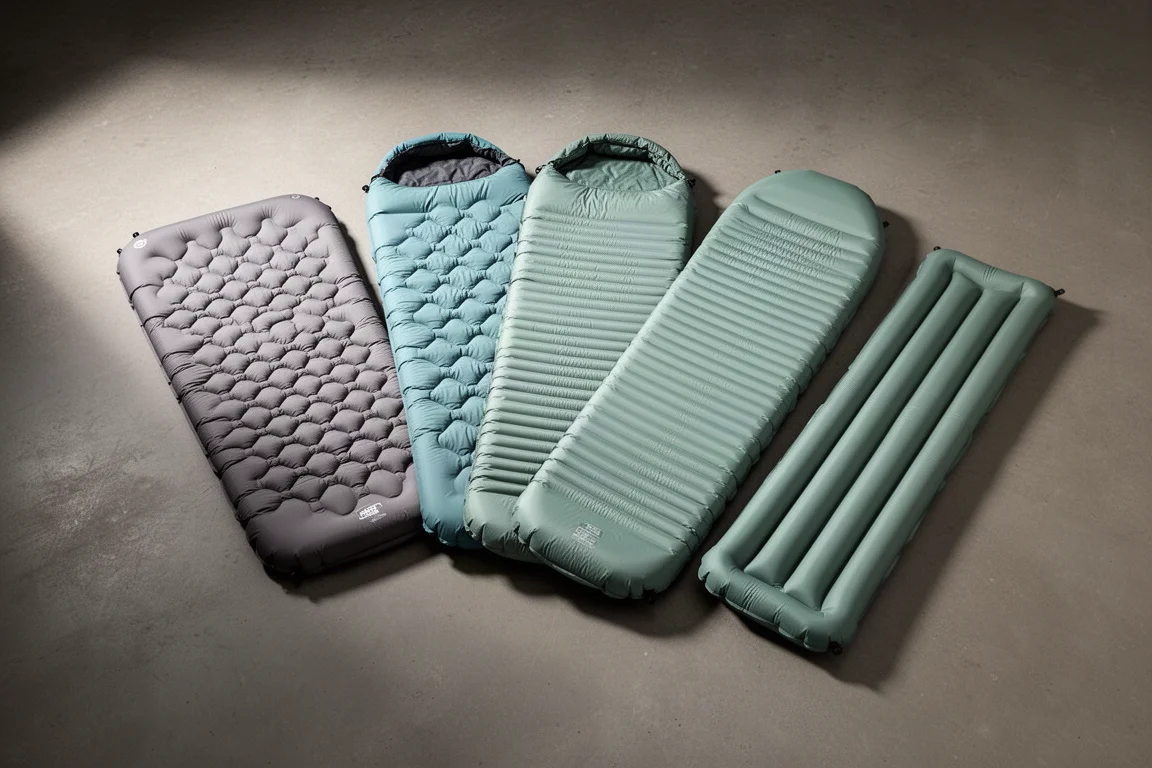
A practical comparison of the Nemo Quasar 3D, Therm-a-Rest NeoAir XTherm Max, and Big Agnes Rapide SL for backpackers choosing between comfort, warmth, and packed weight.
Sleeping Pads
Best Backpacking Sleeping Pads: Ultralight, Winter, Comfort and Budget Picks
A practical roundup of the sleeping pads that stand out for ultralight weight, winter warmth, pressure relief and value, plus three popular pads that fell short.