Sleeping Pads
Big Agnes Zoom UL vs Nemo Quasar: Two Backpacking Sleeping Pads Compared
Two inflatable sleeping pads that take different routes to comfort, warmth, and packed weight, plus how both compare with closed-cell foam and self-inflating designs.
Introduction
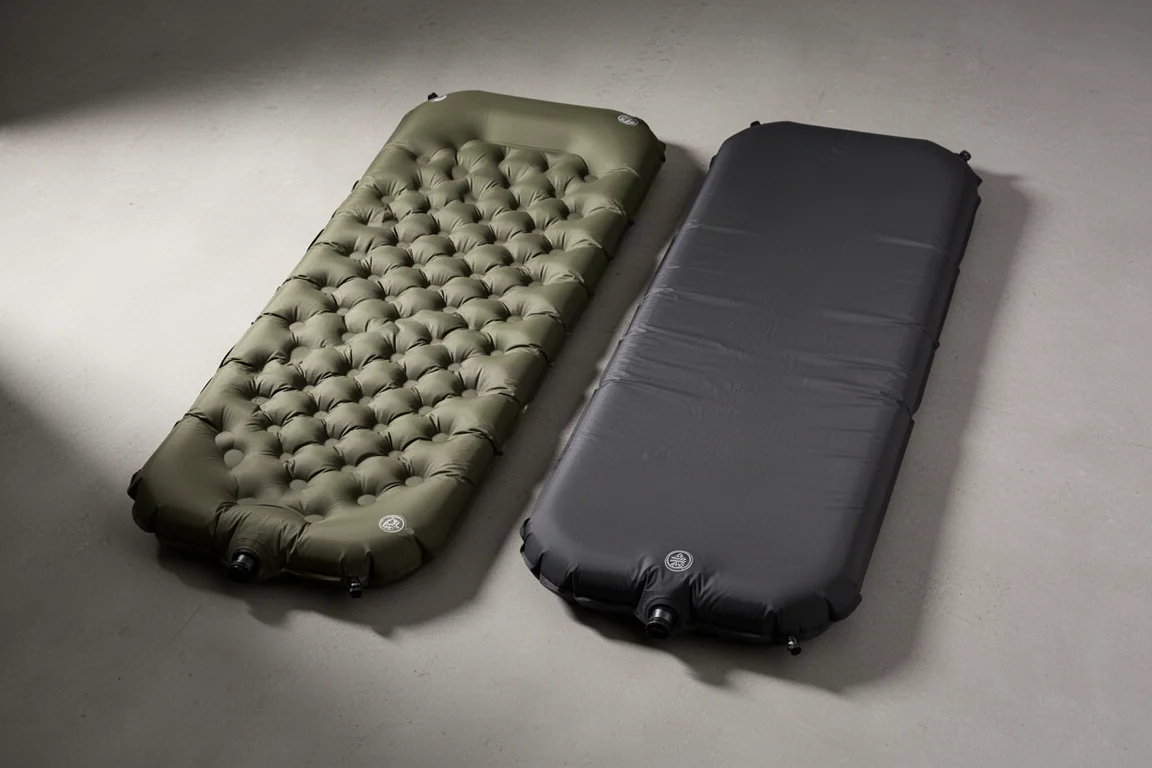
Comfort, weight savings, and warmth are the three things most backpackers want from a sleeping pad, and finding one pad that delivers all three at once is genuinely difficult. Closed-cell foam pads, self-inflating pads, and inflatable air pads each solve a different part of that equation, and the right answer depends on where and how you sleep.
Two inflatable pads show how differently that balance can be struck. The Big Agnes Zoom UL leans toward low weight, while the Nemo Quasar leans toward cushioning. This guide looks at both, then sets them against the older foam and self-inflating designs.
What Matters Most in a Backpacking Sleeping Pad
Three attributes decide whether a pad works for you: how comfortable it feels across a full night, how much weight and bulk it adds to your pack, and how much warmth it holds between you and the ground. That last quality is usually expressed as an R-value, and it matters most once temperatures drop toward freezing.
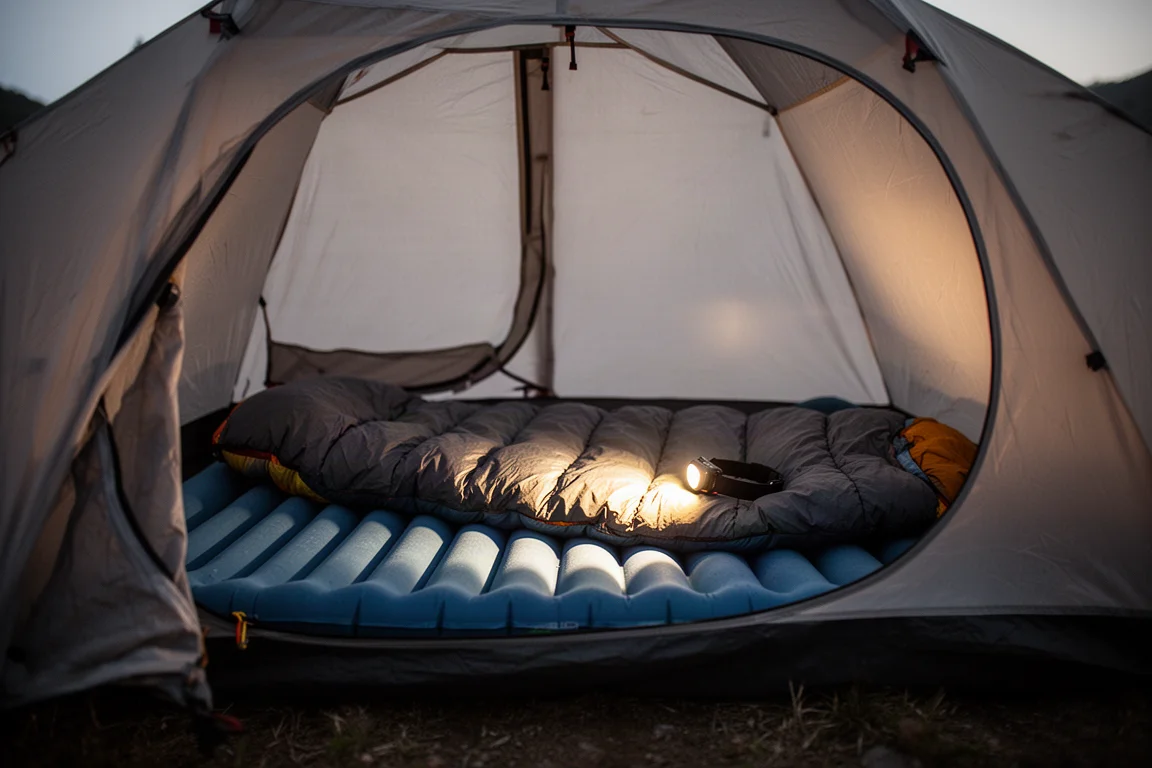
Pad construction sets the ceiling on all three. Closed-cell foam pads are simple and durable but sit very close to the ground and offer little cushioning. Self-inflating pads add a foam core for stability and warmth, at the cost of bulk. Inflatable air pads use advanced fabrics and insulation to combine comfort with real weight savings, which is why they are the usual choice for three-season backpacking.
Big Agnes Zoom UL: Lightweight Three-Season Warmth
The Big Agnes Zoom UL is built for three-season use. In temperatures at or above freezing it keeps you warm, and its quilted, dimpled baffle pattern spreads body weight and supports it well rather than letting you sink into a single spot. Weight runs from roughly 17 to 20 ounces depending on which size you choose, which puts it firmly in ultralight territory.
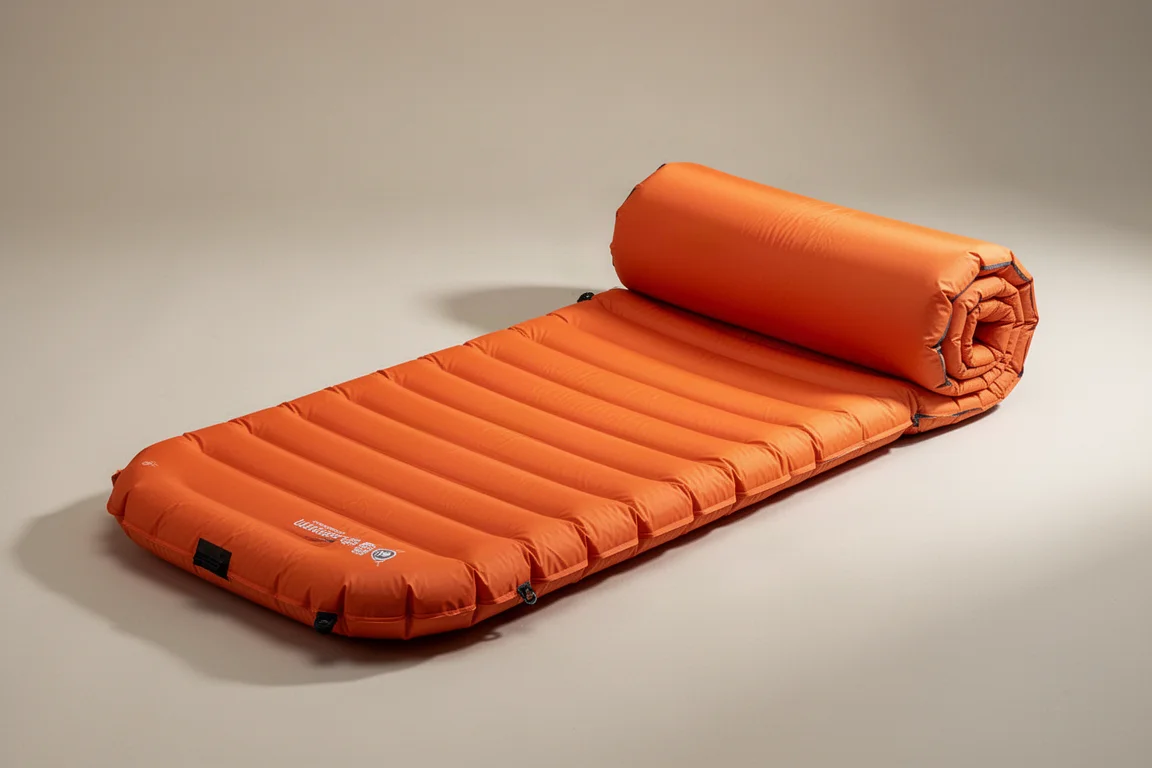
The other advantage is sizing. Fabric and insulation advances mean a 25-inch-wide pad no longer has to be heavy, so you can gain real comfort from a wider sleeping surface without the old compromise of a narrow 20-inch pad. For backpackers who want warmth and low weight in the same pad, the Zoom UL is a strong three-season option.
Nemo Quasar: Comfort-First Cushioning
The Nemo Quasar takes the opposite approach, prioritizing comfort over the scale. It weighs just over 2 lbs, a meaningful penalty next to an ultralight pad, but it is arguably one of the most comfortable sleeping pads on the market, and its R-value sits above 3.
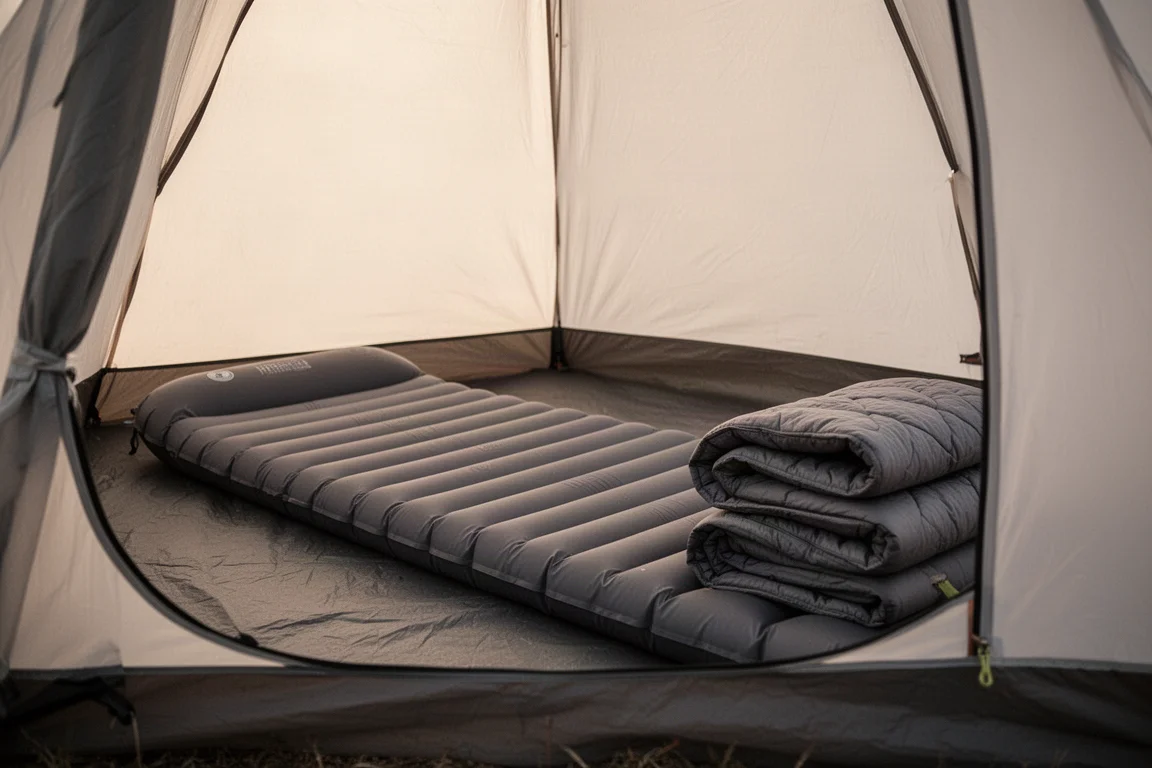
That trade-off is deliberate. If you would rather carry a little more weight and sleep better, the Quasar makes the case clearly, and for anyone whose sleep quality suffers on thin pads, the extra ounces are easier to justify than they look on paper.
Closed-Cell Foam Pads: Where They Still Make Sense
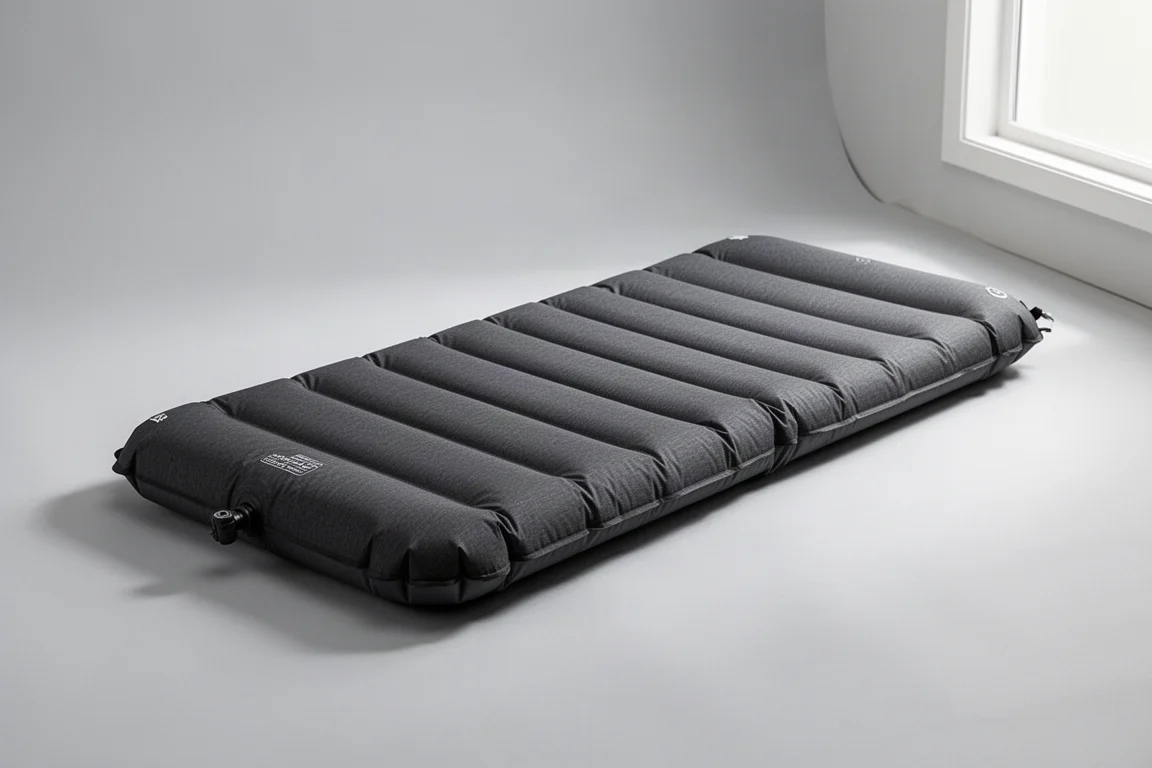
Closed-cell foam is the least comfortable option of the three. You sit very close to the ground, the pad is narrow, and the R-value is low, so a night on one feels closer to sleeping on a brick than on a mattress. Its appeal is simplicity: setup and cleanup take seconds, there is nothing to inflate, and there is nothing to puncture. Torso-length versions exist for people who want to travel as light as possible.
The best use for closed-cell foam is as a supplement rather than a standalone bed. A thin foam pad works as a sit pad around camp, and it can be laid underneath an inflatable pad to add R-value and a protective barrier in cold conditions. As a primary sleeping surface for a backpacking trip, it rarely makes sense.
Self-Inflating Pads: Comfort With a Bulk Penalty
Self-inflating pads sit between the two extremes. A foam layer inside makes them stable and comfortable, supporting body weight and spreading it across the length of the pad, and it builds an R-value quickly because the foam creates a barrier between you and the ground. For many backpackers, some of their best nights outdoors have come on a self-inflating pad.
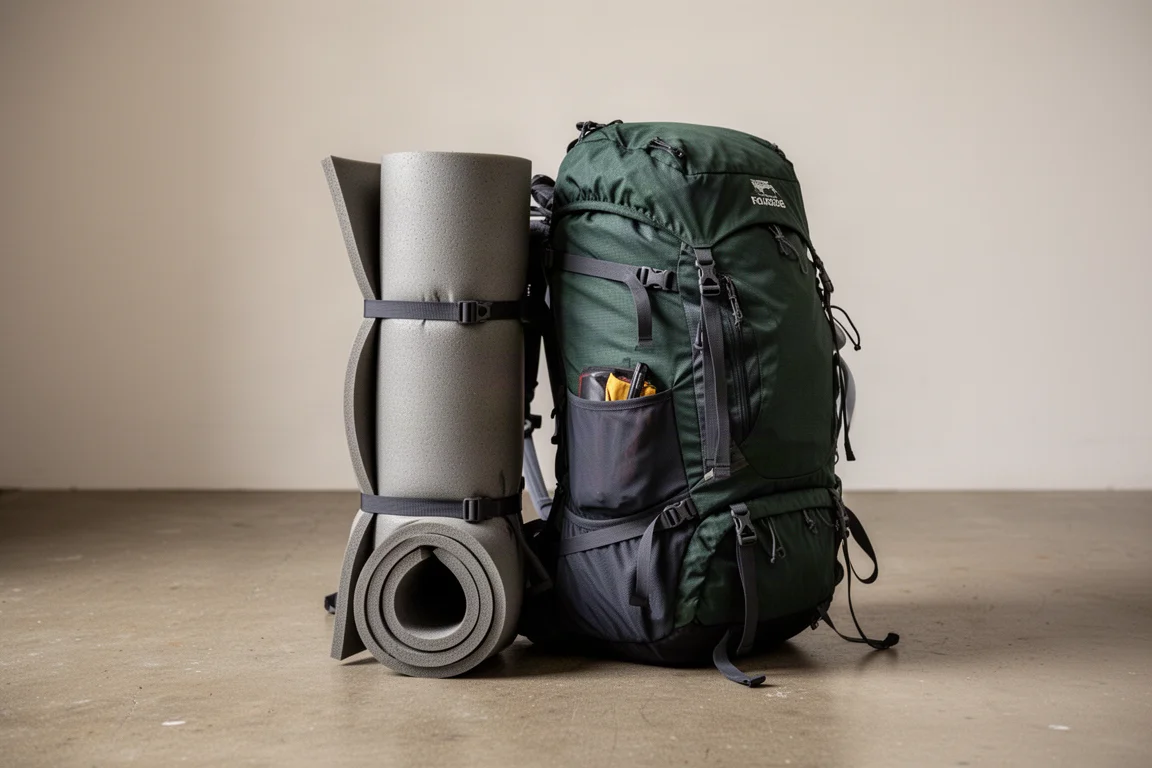
The drawback is bulk and weight. To pack small enough for a backpack, a self-inflating pad has to be thin, which limits how much R-value it can deliver. Make it thicker and it becomes genuinely bulky, edging into the territory of large car-camping mattresses that are not suitable for backpacking. For summer trips, a thinner self-inflating pad remains a comfortable and practical choice, and punctures are easier to find and patch than on a fully inflatable mattress.
Zoom UL or Quasar: Choosing Between the Two
Decide what costs you more: grams or sleep. The Zoom UL keeps the scale low, stays warm through three-season conditions, and comes in wide sizes that add comfort without much weight. The Quasar gives up weight savings in exchange for cushioning that stands with the best available, with an R-value above 3 keeping it a genuine three-season pad.
If you are counting every ounce on long days, the Zoom UL is the more efficient choice. If a good night’s sleep is what makes a trip work, the Quasar’s extra weight is easier to live with.
Buying Advice: Matching the Pad to Your Trip
For most backpacking trips, an inflatable pad is the better answer than closed-cell foam. Foam earns its place as an extra layer under your pad for warmth and protection. Self-inflating pads remain a solid option, particularly in summer, but the internal foam is a real constraint when pack space is tight.
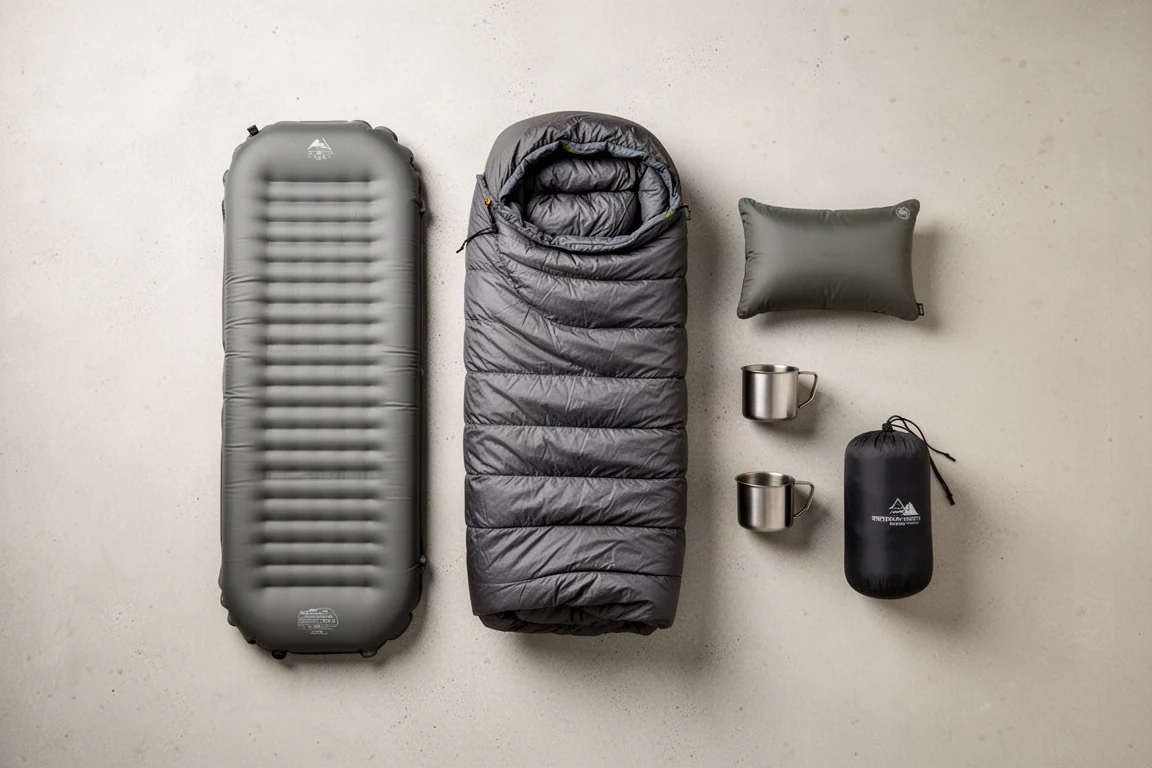
Check three things before you buy: the R-value against the temperatures you expect, the packed weight against the rest of your kit, and the width against how you sleep. Warmer trips open up lighter pads, while shoulder-season and freezing conditions call for more insulation.
Conclusion
Comfort, weight, and warmth still pull against each other, and the right pad is the one whose compromise matches your trips. The Big Agnes Zoom UL is the pick for three-season backpackers who want low weight and a wide, supportive surface. The Nemo Quasar is the pick for anyone who would rather carry a few extra ounces and sleep well.
Further reading
Related Reviews
Sleeping Pads
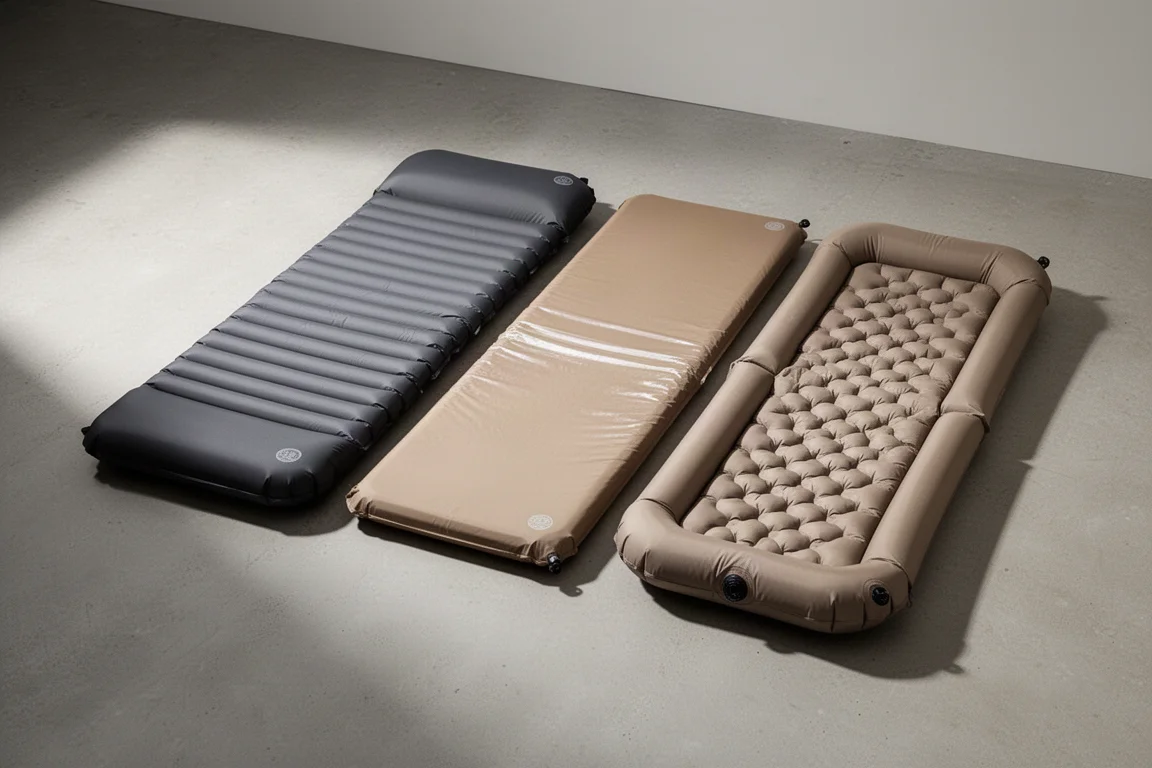
Best Backpacking Sleeping Pads 2026: Nine Pads Rated on Price, Comfort, Warmth, and Weight
Nine backpacking sleeping pads compared on price, comfort, warmth, and weight, from a $65 summer pad to a year-round option rated at R-7.3.
Sleeping Pads
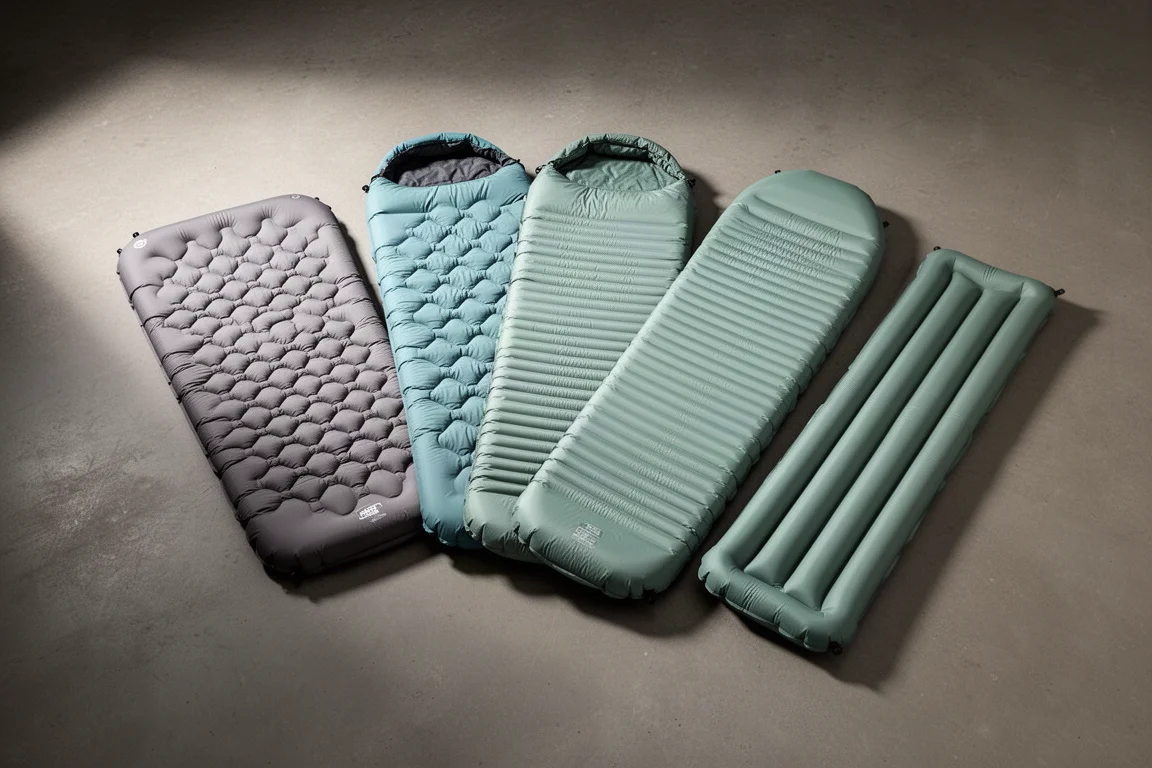
Best Backpacking Sleeping Pads: Comfort, Warmth, and Weight Compared
A practical comparison of the Nemo Quasar 3D, Therm-a-Rest NeoAir XTherm Max, and Big Agnes Rapide SL for backpackers choosing between comfort, warmth, and packed weight.
Sleeping Pads
Best Backpacking Sleeping Pads: Ultralight, Winter, Comfort and Budget Picks
A practical roundup of the sleeping pads that stand out for ultralight weight, winter warmth, pressure relief and value, plus three popular pads that fell short.