Sleeping Pads
Big Agnes Zoom UL Sleeping Pad Review: Ultralight Comfort With a Clear Cold-Weather Limit
A long-term field review of the Big Agnes Zoom UL sleeping pad: outstanding comfort and low weight, plus a temperature ceiling worth understanding before you buy.
Introduction
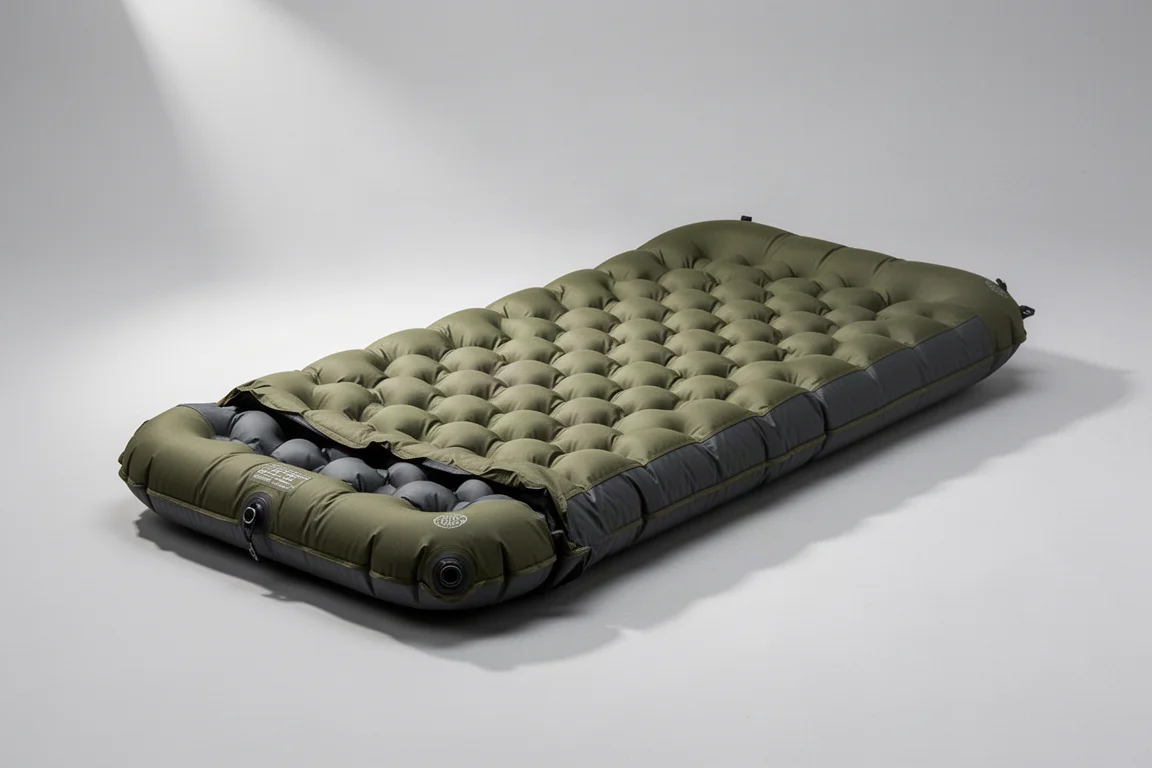
The Big Agnes Zoom UL has now been used across four months of camping and backpacking trips, covering more than a dozen nights and overnight lows stretching from 14°F all the way up to 45°F. That range is wide enough to answer the question most shoppers actually care about: not what number is printed on the pad, but how it behaves when the temperature drops and you are still lying on it.
The short version is that the Zoom UL is exceptionally comfortable and genuinely light, and it also has a real cold-weather ceiling that buyers should understand before committing. It earned a place as the standout pad of the year in testing, with one important caveat attached.
Who This Sleeping Pad Is For
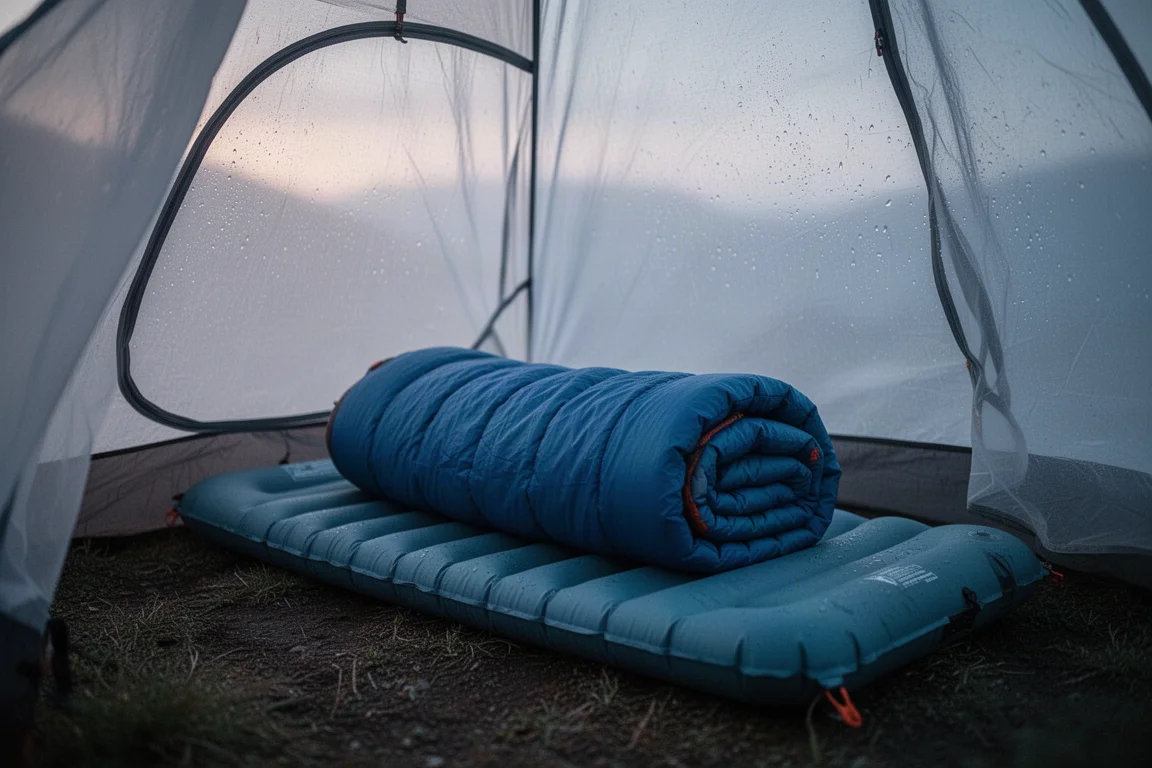
This pad suits three-season backpackers who count grams and refuse to compromise on comfort. The 25 x 72 inch version weighs roughly 17 ounces, which puts it ahead of several well-known ultralight competitors, and the quilted surface is comfortable enough that side sleepers, back sleepers and stomach sleepers can all settle in without hunting for a soft spot.
It is not the right pad for winter trips, late-season alpine nights, or anyone who regularly sleeps below freezing. Riders of cold weather will want to look elsewhere, and the section on temperature limits below explains exactly why.
Main Strengths: Comfort and Construction
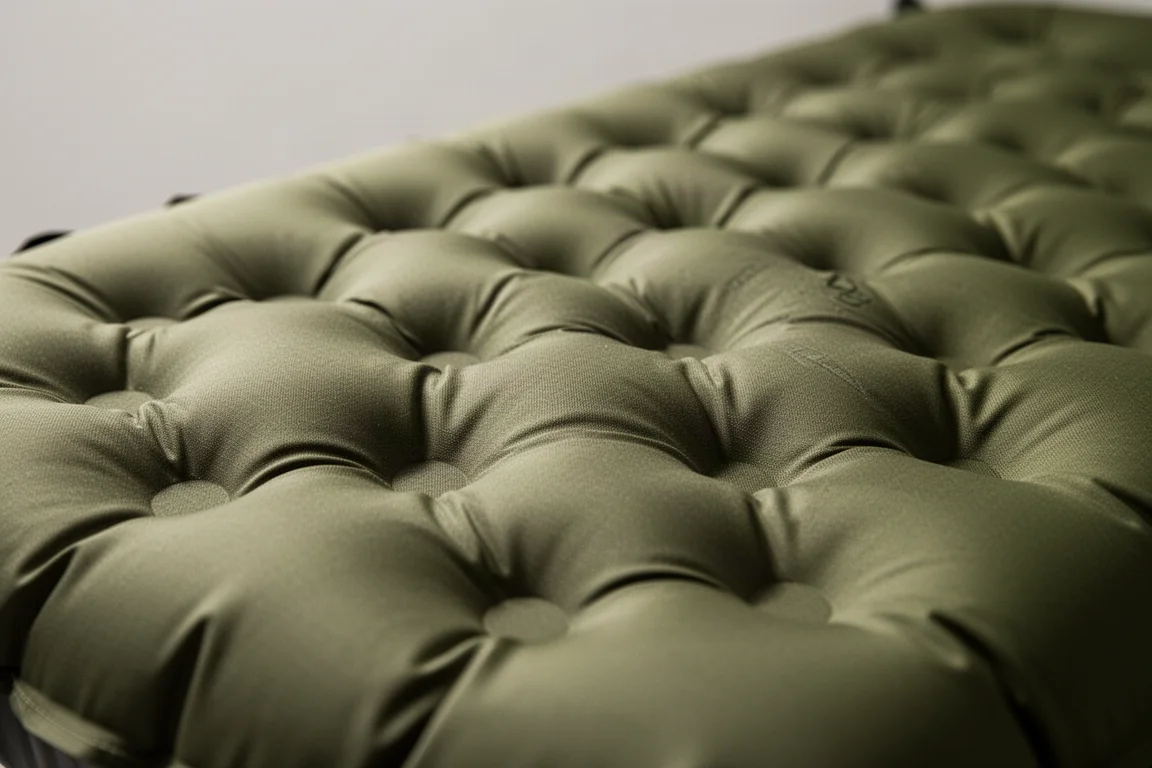
Comfort here comes from the surface design rather than from thickness alone. The quilted baffle pattern is very similar to the Ether Light XT, and the two pads land at an equal level of comfort in practice. The dimpling spreads body weight out well, and the bolstered sides at each edge gently push you back toward the middle of the pad, which keeps you centered through the night instead of drifting to one side.
The pad measures three inches thick in the center, rising to about three and a quarter inches at the edges. The construction uses an O-beam pattern, and the key detail is that the dimples and baffles do not pass all the way through the pad. That matters because pads with through-welds can develop cold spots where the weld sits against itself and uninsulated air moves along it. Two layers of insulation film inside the pad complete the picture.
The valve system is a genuine improvement. It uses a separate inlet and outlet with a one-way valve, and deflation is handled by pushing the cap and the top into the valve. The trade-off is speed: air does not dump out as quickly as it does on some competing pads. Whether that matters comes down to patience, since the difference is roughly a minute inside the tent.
Weight and Packability
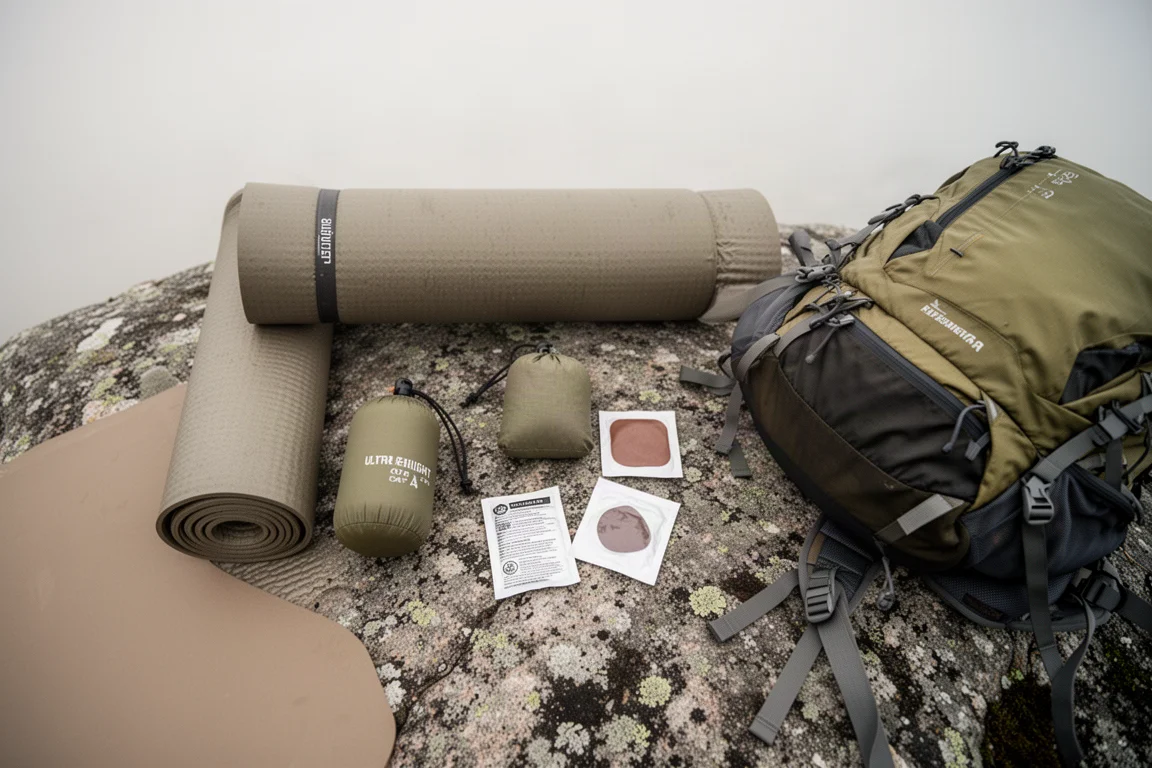
At approximately 17 ounces for the 25 x 72 inch size, the Zoom UL is one of the lighter large pads available. Measured weight varies slightly depending on whether the stuff sack, repair kit and included pump sack are counted, so treat 17 ounces as a close approximation rather than an exact figure.
For context, that is about two ounces lighter than the NeoAir XLite NXT Max and roughly five ounces lighter than the Nemo Tensor. The practical appeal is straightforward: you get the footprint and comfort of a large pad while carrying less weight than several established alternatives, which is exactly the combination weight-conscious backpackers are looking for in a sleep system.
Real-World Warmth and Temperature Limits
The pad carries a claimed 4.3 R value under ASTM testing. Real nights on the ground tell a more nuanced story. The lowest overnight low spent on this pad was 14°F and the highest was 45°F, and across that spread a clear threshold emerged.
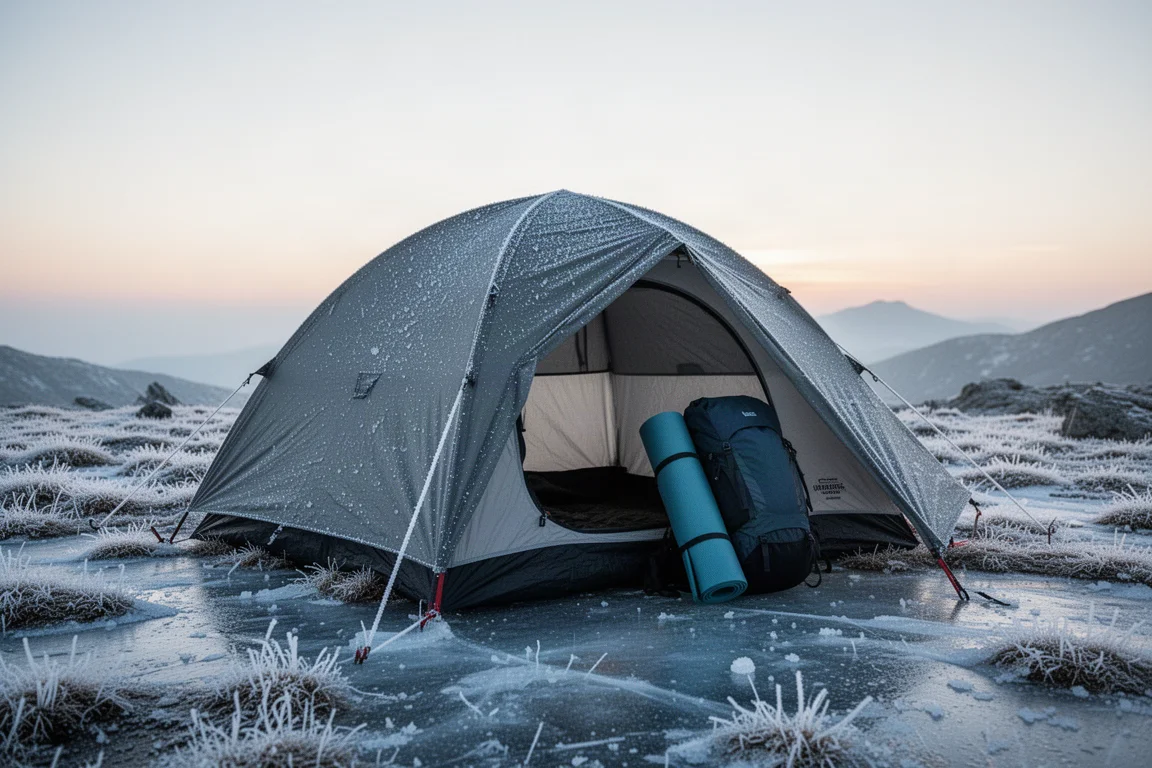
The pad stays warm and comfortable down to roughly 35°F, and it can reasonably be taken to freezing, 32°F or 0°C, with confidence. Below that point it does not keep you warm. Even with a closed-cell foam pad placed underneath to add an insulating barrier, nights below freezing were cold. The gap between a controlled laboratory rating and a real campsite is worth taking seriously, because ground conditions, moisture and how much you move during the night all change the outcome.
A useful comparison is the Big Agnes Rapide SL. It carries a similarly high R value of over four, but uses I-beam construction instead of O-beam, which leaves fewer gaps in the internal insulation, and it sits you slightly higher off the ground. Those two factors appear to make the difference: the Rapide SL has been used consistently below freezing and slept warm, while the Zoom UL has not.
Things to Consider Before Buying
The first consideration is the temperature ceiling described above. If your trips stay above freezing, this is close to an ideal pad. If they do not, plan to carry a warmer pad instead.
The second is deflation speed. The one-way valve design is tidy and reliable, but emptying the pad takes longer than on pads that release air in a rush. It is a minor annoyance rather than a real problem, though it is worth knowing if you break camp early and often.
The third is that R value alone is not a complete buying guide. A rating produced in controlled conditions does not automatically translate into a comfortable night in the mountains, and it is worth checking how a pad performs in the field rather than relying on the number by itself.
Buying Advice
For three-season backpacking above freezing, the Zoom UL is easy to recommend. It pairs a large, supportive sleeping surface with a weight that undercuts several direct competitors, and it delivers comfort on par with the Ether Light XT while remaining more comfortable than the NeoAir and the Tensor in extended use.
For colder trips, accept the weight penalty and take the Rapide SL instead. That swap guarantees warmth below freezing, which is worth more than the saved ounces when the forecast is uncertain. Buyers who camp in mild conditions and value low weight will find the Zoom UL worth the investment, while anyone chasing sub-freezing nights should treat it as a warm-weather specialist rather than an all-season pad.
Conclusion
The Big Agnes Zoom UL is a superb ultralight sleeping pad with a clearly defined comfort and temperature window. Above freezing it is comfortable, light and hard to beat. Below freezing it will leave you cold, and knowing that boundary in advance is the difference between a great purchase and a disappointing one. Match the pad to the conditions you actually camp in, and it delivers.
Product link
View more details for Big Agnes Zoom UL Sleeping Pad
This product is mentioned in the review. Check the specifications, options, and compatibility before buying.
View more details for Big Agnes Zoom UL Sleeping PadFurther reading
Related Reviews
Sleeping Pads
Best Backpacking Sleeping Pads 2026: Nine Pads Rated on Price, Comfort, Warmth, and Weight
Nine backpacking sleeping pads compared on price, comfort, warmth, and weight, from a $65 summer pad to a year-round option rated at R-7.3.
Sleeping Pads
Best Backpacking Sleeping Pads: Comfort, Warmth, and Weight Compared
A practical comparison of the Nemo Quasar 3D, Therm-a-Rest NeoAir XTherm Max, and Big Agnes Rapide SL for backpackers choosing between comfort, warmth, and packed weight.
Sleeping Pads
Best Backpacking Sleeping Pads: Ultralight, Winter, Comfort and Budget Picks
A practical roundup of the sleeping pads that stand out for ultralight weight, winter warmth, pressure relief and value, plus three popular pads that fell short.