Sleeping Pads
Big Agnes Zoom UL Insulated Sleeping Pad Review: Ultralight Comfort for Three-Season Trips
A close look at the Big Agnes Zoom UL Insulated Sleeping Pad, covering its 4.3 R value, 17-ounce regular wide build, dimpled baffle comfort, and the cold-weather limits to know before buying.
Introduction
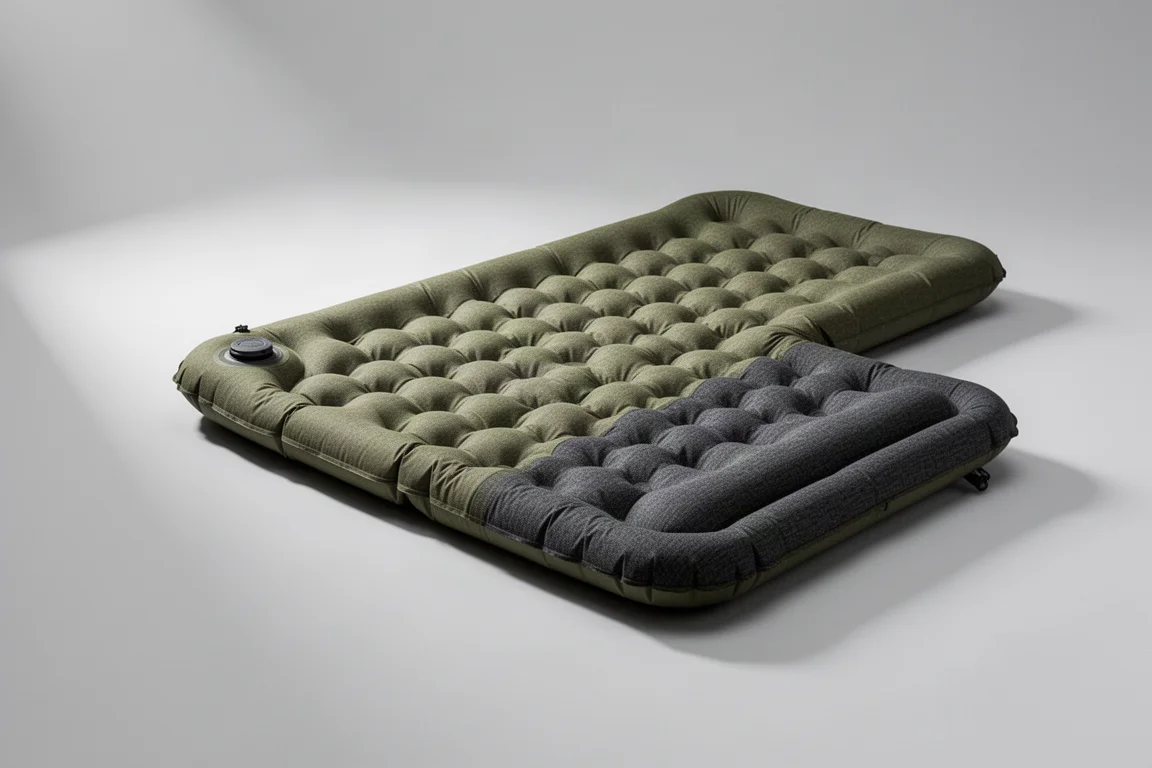
Big Agnes has added a new ultralight insulated pad to its lineup, and it lands in a genuinely useful spot for backpackers who count ounces. The Zoom UL Insulated Sleeping Pad carries a 4.3 R value and, in the regular wide size, measures 25 inches across and 72 inches long at 17 ounces. Three sizes are available.
That combination of width and weight is what makes the pad worth a closer look, since wide pads usually ask for a real weight penalty. The trade-off is that a 4.3 R value is a three-season number rather than a winter one, and the baffle construction plays a direct role in how warm the pad actually feels once temperatures drop.
Who This Pad Is For
This is a pad for three-season backpackers who want a wide sleeping surface without carrying a wide pad’s usual weight. At 17 ounces for the regular wide, it sits comfortably in ultralight territory for its dimensions, and the 25-inch width gives side sleepers room to shift without rolling off the edge.
It also suits anyone who has liked the feel of Big Agnes pads built around dimpled beam baffling but wants something lighter. If your trips run from late spring through early autumn and you are not planning to sleep on snow, the Zoom UL lines up well with how you actually camp.
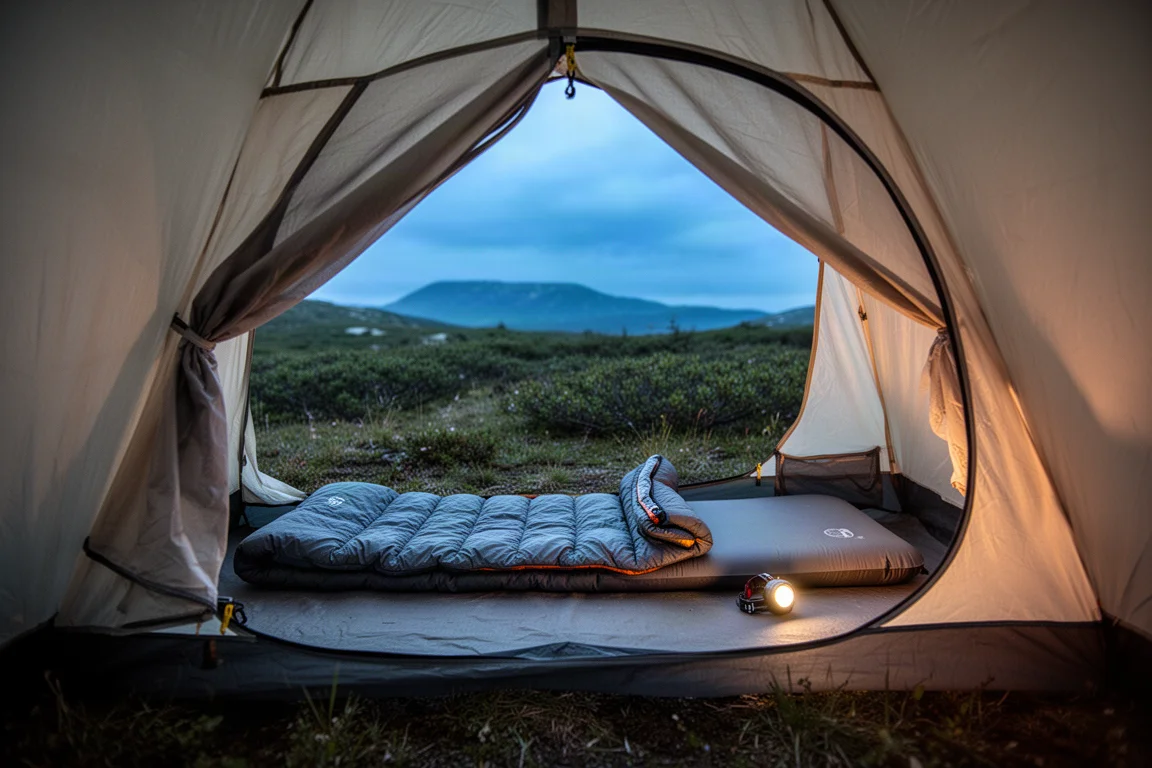
Campers who need a single pad for everything, including cold shoulder-season nights, should read the insulation section below before deciding, because that is where this pad draws its clearest line.
Main Strengths: Comfort, Support, and Packability
Comfort is the standout. The pad measures roughly 3.25 inches thick through the center and about 3.5 inches at the outer edge. That difference is subtle enough that it is barely noticeable when lying down, and the intent is a surface that cradles the body slightly rather than sitting perfectly flat.
For side sleepers, that thickness matters. There is enough material under the hips and shoulders to keep pressure points from reaching the ground, which is the usual failure mode of thinner ultralight pads. The dimpled beam construction distributes support across the surface instead of running in straight horizontal or vertical channels, so the pad relieves pressure rather than concentrating it.
The weight story is equally strong. A regular wide pad at 17 ounces is a genuinely low number, and it comes with the packability you would expect from a pad in this class.
Insulation and Cold-Weather Limits
The 4.3 R value puts this pad in three-season territory. In practice, that means it is a pad for mild to cool nights rather than deep cold, and the baffle design explains why.
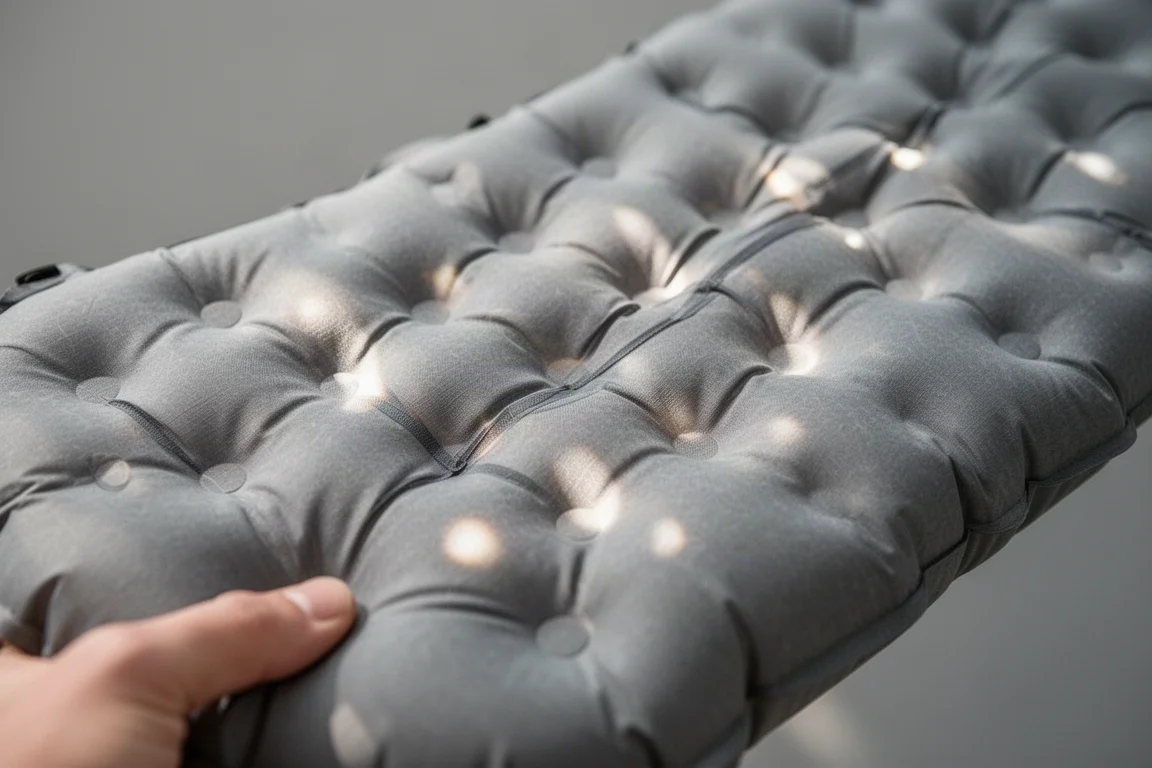
The dimpled beam construction uses a reflective film inside the pad, but the dimples create points where that film is interrupted. Holding the pad up to daylight shows light passing through at those dimple points, and the same openings give cold air from the ground a path toward your back. The reflective layer does not form one continuous barrier across the whole surface.
On a night that dropped to 17 degrees Fahrenheit, the pad felt cold even with a closed-cell foam mat placed underneath. Based on that experience, a sensible ceiling for this pad is somewhere around 25 degrees Fahrenheit, possibly 20 degrees in favorable conditions. Anyone using a quilt system rather than a full sleeping bag should plan for the warmer end of that range. Below those temperatures, a higher R value pad is the safer choice.
How It Compares With Other Big Agnes Pads
Two natural comparisons come up, and both are useful for understanding where the Zoom UL fits.
Against the Rapide SL, the baffling is the biggest difference. The Rapide SL uses a different construction that keeps its reflective film more continuous, while the Zoom UL’s dimples leave those gaps described above. The Rapide SL is also thicker and adds a little more comfort as a result. The Rapide SL is the warmer, more cushioned option, and the Zoom UL is the lighter one.
Against the Ether Light XT, the picture is different. The Ether Light XT rates at 3.4 R value, so the Zoom UL’s 4.3 is a meaningful step warmer, and the two pads share very similar dimpled baffling. The Ether Light XT is widely regarded as one of the most comfortable backcountry pads available, and the Zoom UL inherits that pressure-relieving feel while saving weight and reducing the squeaky noise the Ether Light XT is known for.
The valve design is the other notable change. Many Big Agnes pads use a double valve, which means two openings, more glue and more surface area where leaks can develop. The Zoom UL uses a single one-way valve instead. To deflate, you simply tuck the valve to hold it open and let the air dump out.
Things to Consider Before Buying
The insulation gaps are the main thing to weigh. If your trips regularly dip below roughly 25 degrees Fahrenheit, this is not the pad to rely on alone, particularly with a quilt.
The single valve is a deliberate simplification and a welcome one, but it is a change from the double-valve setup on other pads in the range, so it is worth knowing before you buy rather than after.
Availability is the final consideration. At the time of this first look, the pad was still a few months away from reaching the market, so timing may matter if you are planning a trip around it.
Buying Advice
Buy the Zoom UL if you want a wide, genuinely light three-season pad and you sleep on your side. The 17-ounce regular wide build, the 3.25-inch center thickness and the dimpled baffling add up to a comfortable night in the conditions this pad is designed for.
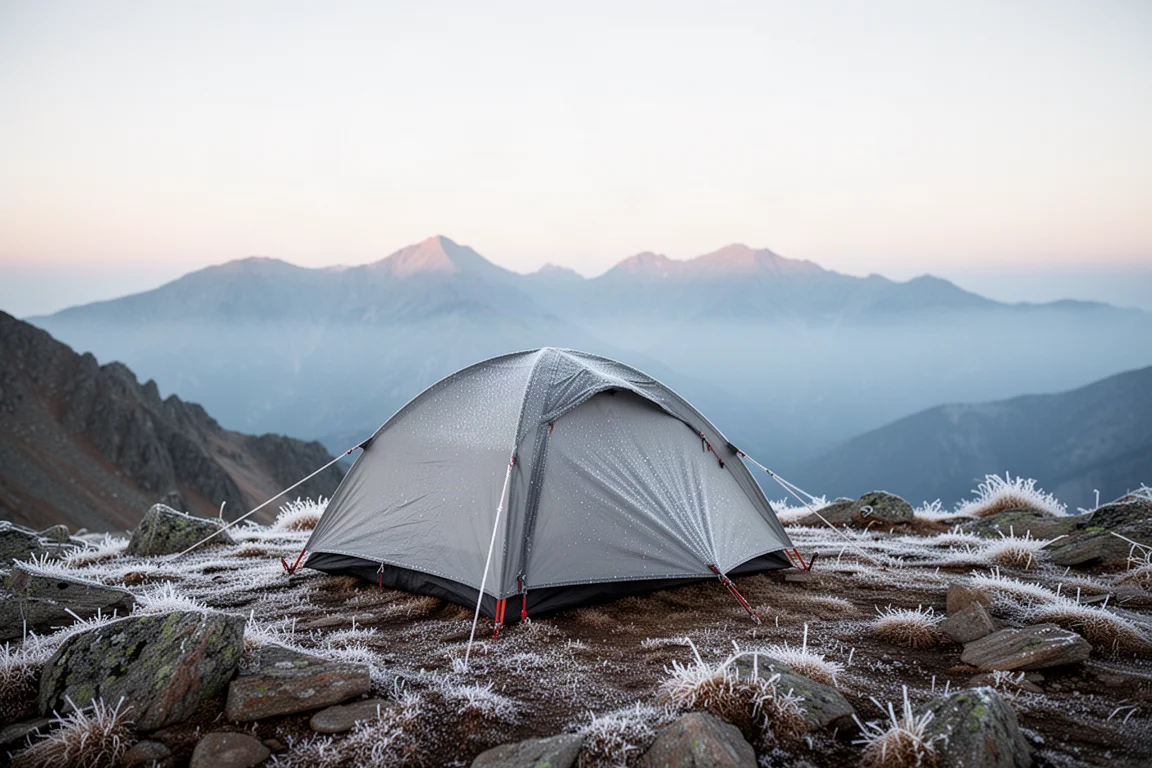
If you camp in colder shoulder seasons or winter, put the money toward a higher R value pad instead. If you already own an Ether Light XT and want something lighter and a little warmer, this is a logical step. And if you want maximum cushioning with fewer insulation gaps, the Rapide SL remains the more protective option.
Whichever way you go, match the pad to the temperatures you actually sleep in rather than the temperatures you hope for. That single decision will do more for your sleep than any spec sheet.
Conclusion
The Big Agnes Zoom UL Insulated Sleeping Pad makes a strong case for itself as a three-season ultralight pad. The 4.3 R value, the 17-ounce regular wide weight and the dimpled beam construction deliver real comfort for side sleepers at a weight that wide-pad buyers rarely get.
Its limits are just as clear. The dimple points interrupt the reflective layer, so the pad is best kept to nights around 25 degrees Fahrenheit and above, and colder trips call for a different pad. Read that boundary honestly and this is an easy pad to recommend for the shoulder seasons it was built for.
Product link
View more details for Big Agnes Zoom UL Insulated Sleeping Pad
This product is mentioned in the review. Check the specifications, options, and compatibility before buying.
View more details for Big Agnes Zoom UL Insulated Sleeping PadFurther reading
Related Reviews
Sleeping Pads
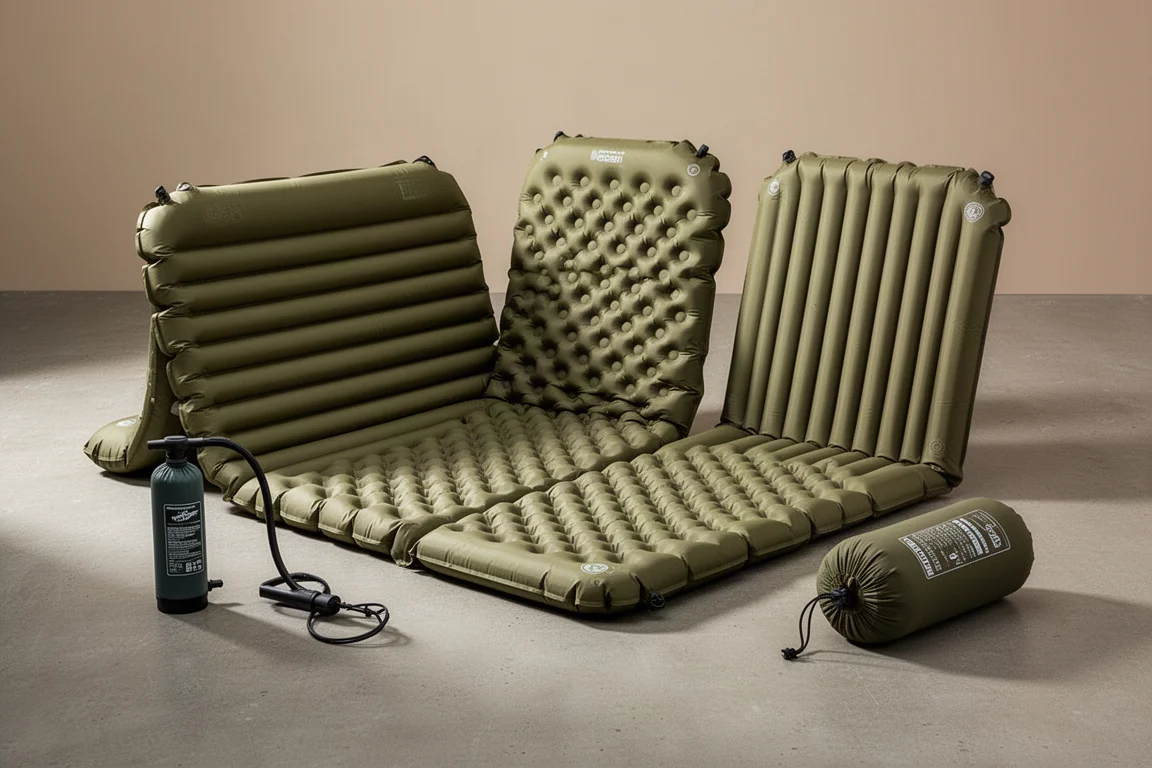
Best Backpacking Sleeping Pads 2026: Nine Pads Rated on Price, Comfort, Warmth, and Weight
Nine backpacking sleeping pads compared on price, comfort, warmth, and weight, from a $65 summer pad to a year-round option rated at R-7.3.
Sleeping Pads
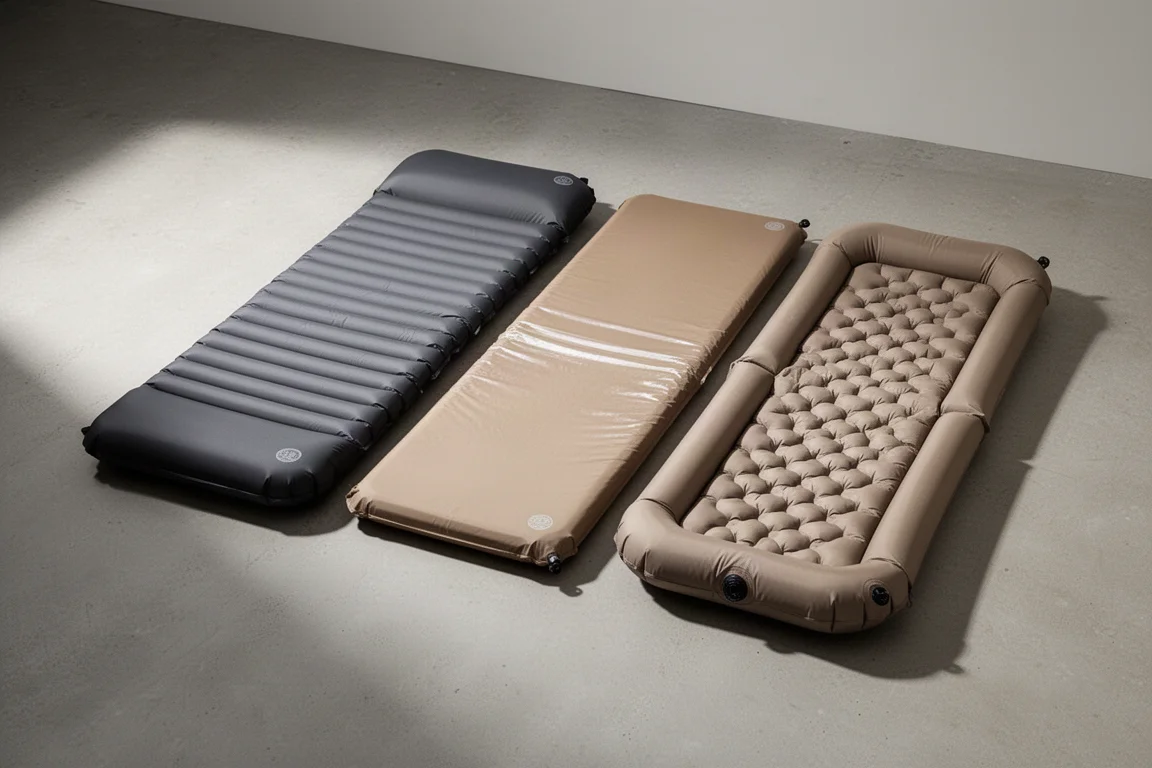
Best Backpacking Sleeping Pads: Comfort, Warmth, and Weight Compared
A practical comparison of the Nemo Quasar 3D, Therm-a-Rest NeoAir XTherm Max, and Big Agnes Rapide SL for backpackers choosing between comfort, warmth, and packed weight.
Sleeping Pads
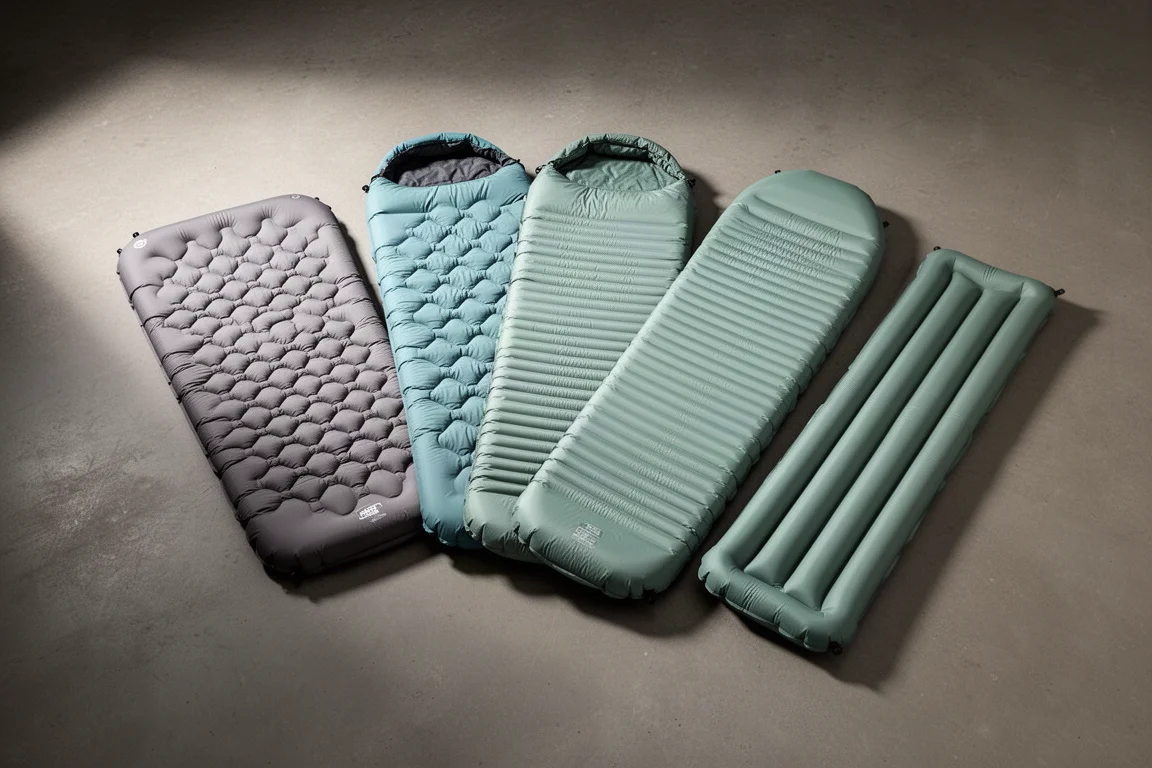
Best Backpacking Sleeping Pads: Ultralight, Winter, Comfort and Budget Picks
A practical roundup of the sleeping pads that stand out for ultralight weight, winter warmth, pressure relief and value, plus three popular pads that fell short.