Sleeping Bags
Big Agnes Torchlight 20: Synthetic vs Down Sleeping Bag Comparison
Two identically built Big Agnes Torchlight 20 sleeping bags, one synthetic and one 850 fill power down, compared on warmth, weight, packability, and price.
Introduction
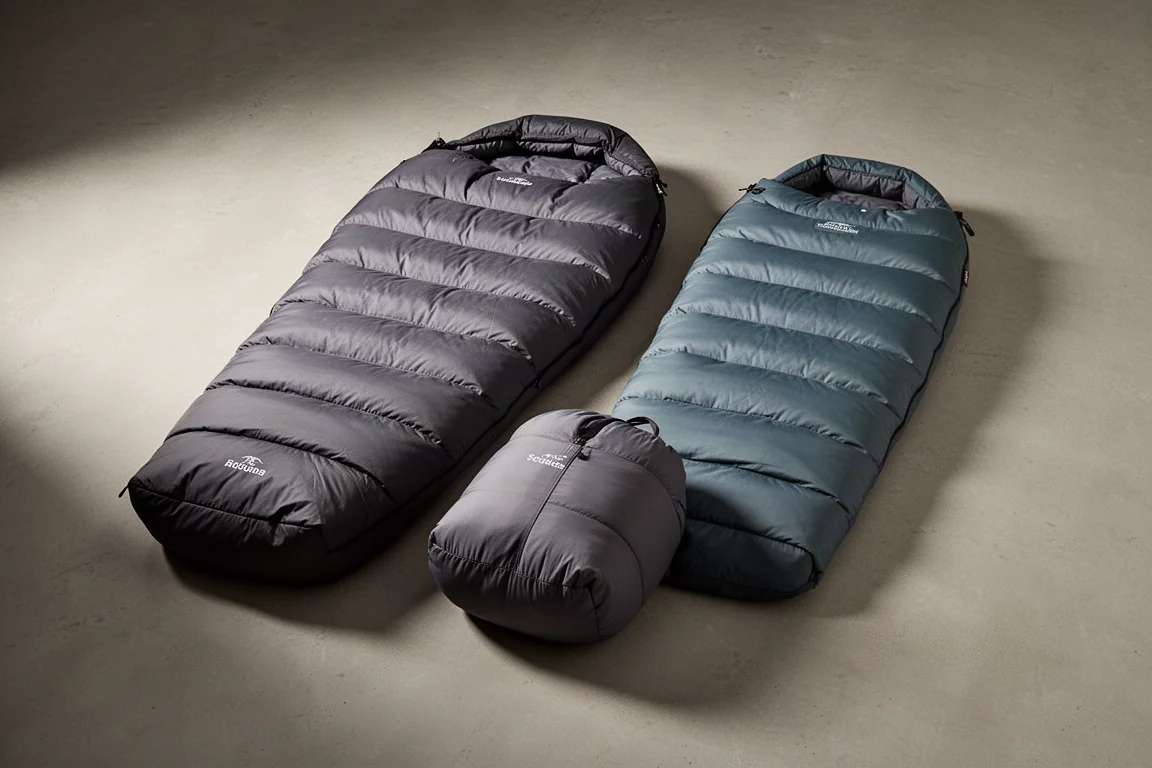
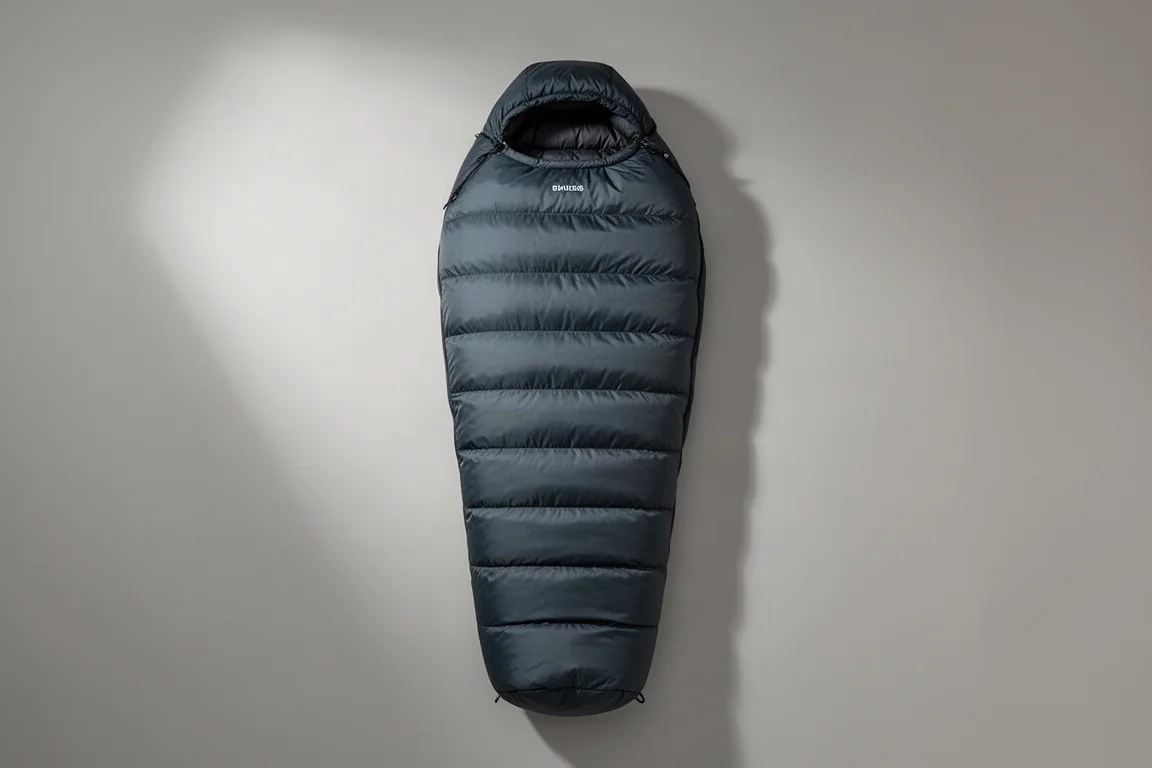
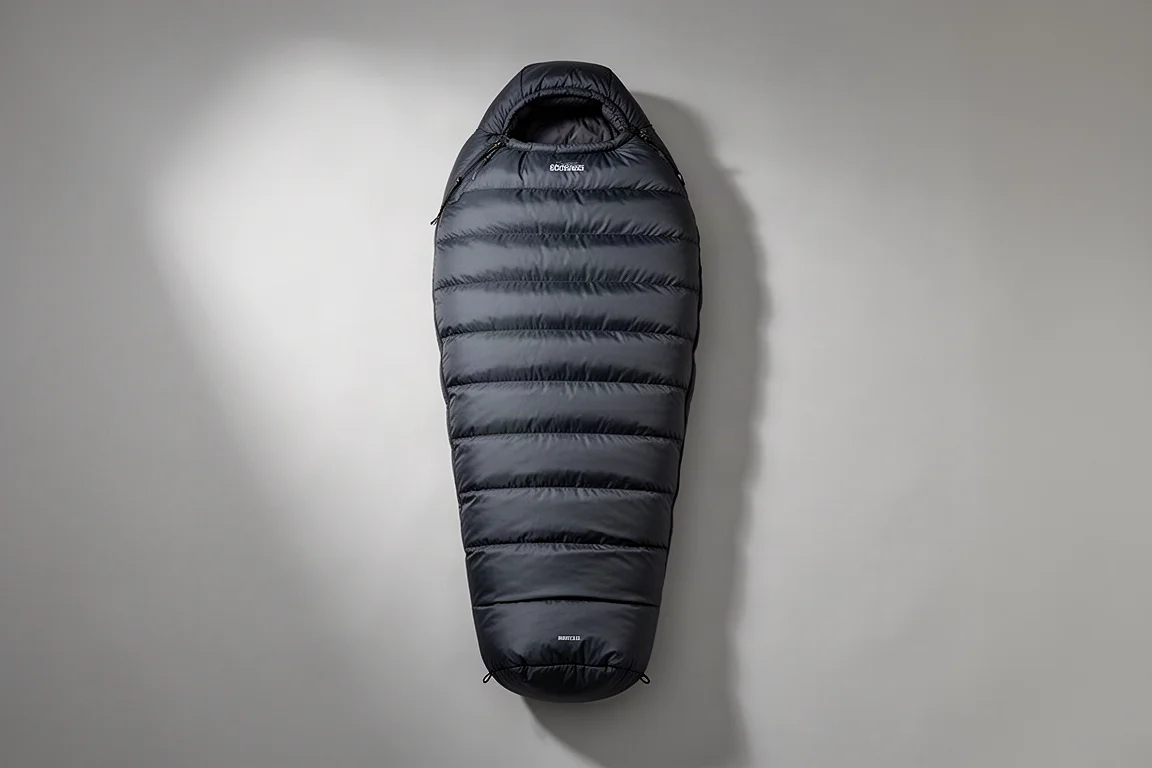
The Big Agnes Torchlight Camp 20 and the Big Agnes Torchlight UL 20 are, structurally, the same sleeping bag. They share the same construction and the same 20 degree temperature rating. The difference is what goes inside: the Camp 20 uses synthetic insulation, and the UL 20 uses 850 fill power down with a water-repellent treatment.
That single change drives everything else. The synthetic version costs considerably less, while the down version weighs a full pound less and packs down much smaller. In cold, damp conditions the two bags also warm up at noticeably different speeds.
Choosing between them comes down to how you camp and what you are willing to carry.
What Synthetic Insulation Does Well
Synthetic insulation is man-made. It is spun into fibres that create air pockets, mimicking the way down traps warm air through loft. The trade-off is that synthetic has never matched down for compressibility, so a synthetic bag is bulkier for the same temperature rating.
Where synthetic earns its place is moisture. Condensation is a constant companion on cold trips, especially in a single-wall shelter, and the foot box and hood of a sleeping bag are the places most likely to press against a wet tent wall. Synthetic insulation does not lose its loft when it gets wet, dries faster, and does not clump the way down does.
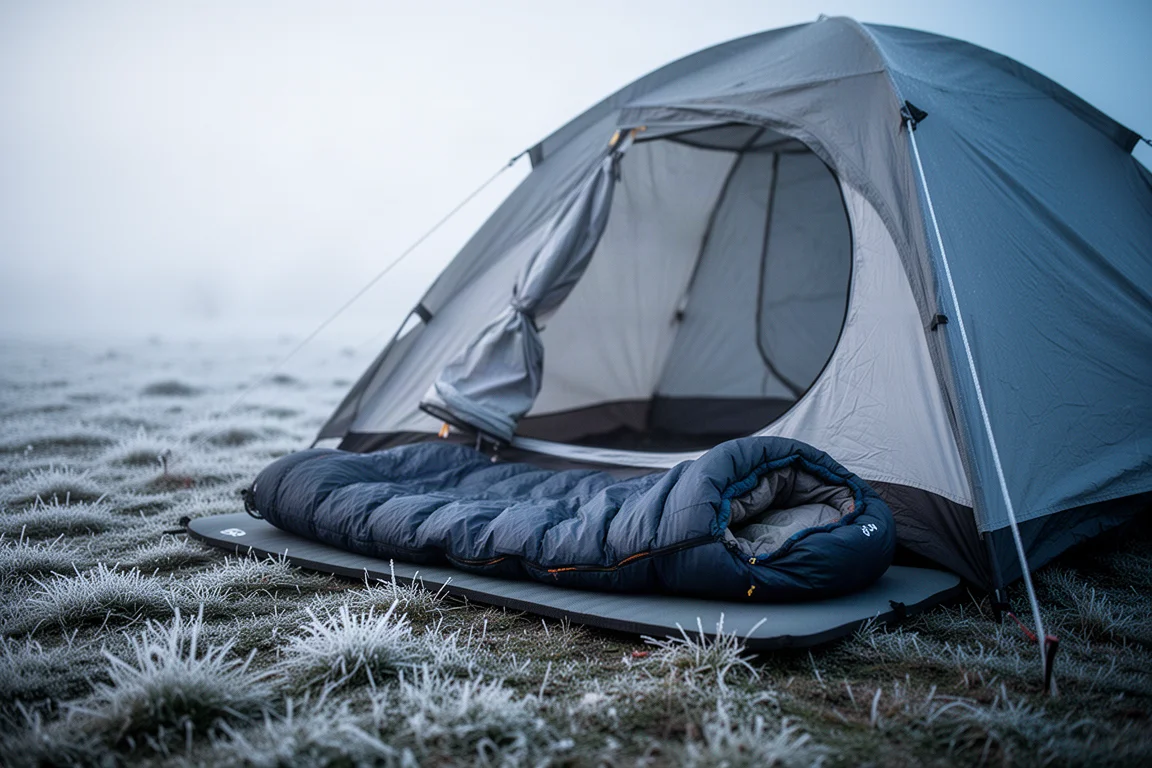
There is also a comfort point worth knowing. Synthetic bags are sometimes built with heavier, rougher fabrics, though the fabric on the Torchlight Camp is not a problem in that respect.
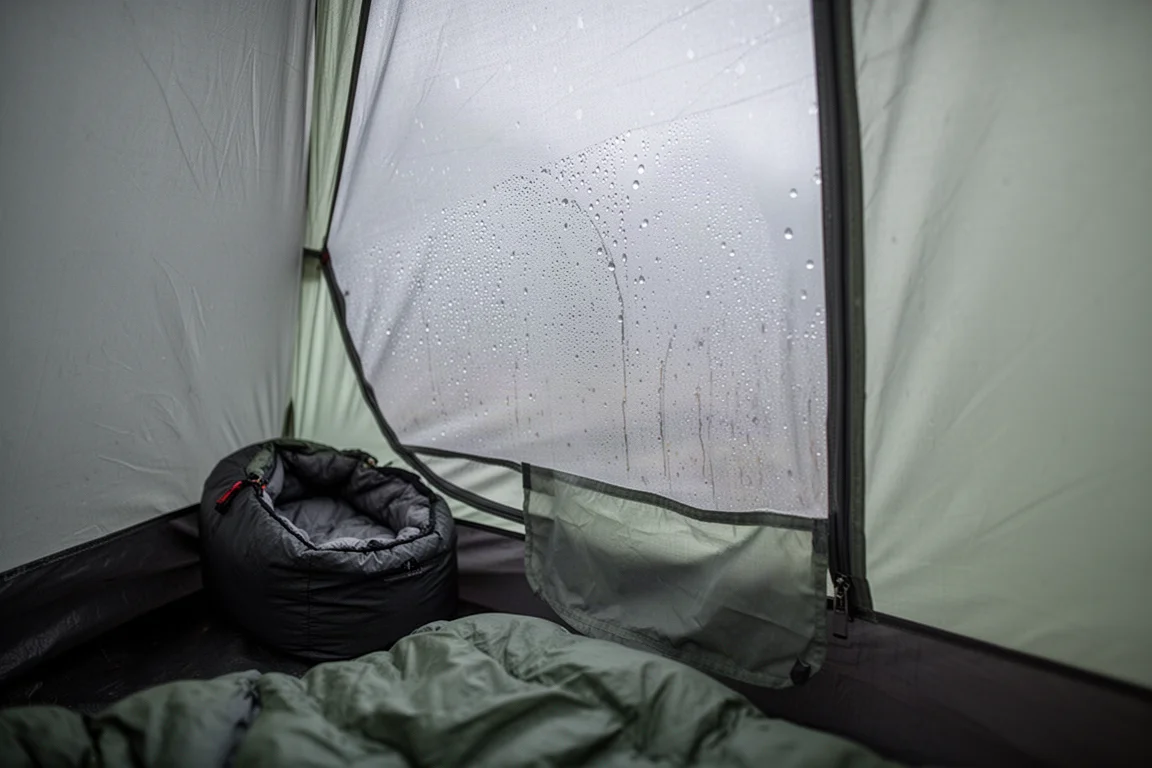
In a 20 degree test, the synthetic bag began warming the body almost immediately. That instant response is a real advantage on a cold evening when you get into the bag chilled.
What Down Insulation Does Well
The Torchlight UL 20 uses 850 fill power down with a water-repellent treatment applied to the insulation. That treatment helps the down resist water from condensation in the foot box and hood area and helps it dry faster, which matters because once down clumps from moisture it is very difficult to restore its loft in the field.
Down also shifts. It moves around inside the baffles, while synthetic insulation typically sits in sheet form and stays put. That means the down bag needs to be shaken out and lofted once you reach camp, so the fill spreads evenly through the baffles and cold spots do not develop after a day of compression in a pack.
The first impression inside the down bag is different from the synthetic one. It takes longer for body heat to replace the cold air pockets, and the bag felt slower to warm up over the first few minutes. That is a characteristic of down rather than a fault, but it is noticeable when you are cold and waiting.
Warmth, Fill Weight, and Packed Size
The clearest number separating these two bags is fill weight. The synthetic Torchlight Camp 20 carries 32 ounces of insulation to reach its 20 degree rating. The down Torchlight UL 20 reaches the same rating with 17 ounces of fill.
That is roughly double the insulation weight for the same temperature rating, and it explains the packability gap. The down bag compresses into a much smaller package, and the weight difference between the two is a full pound.
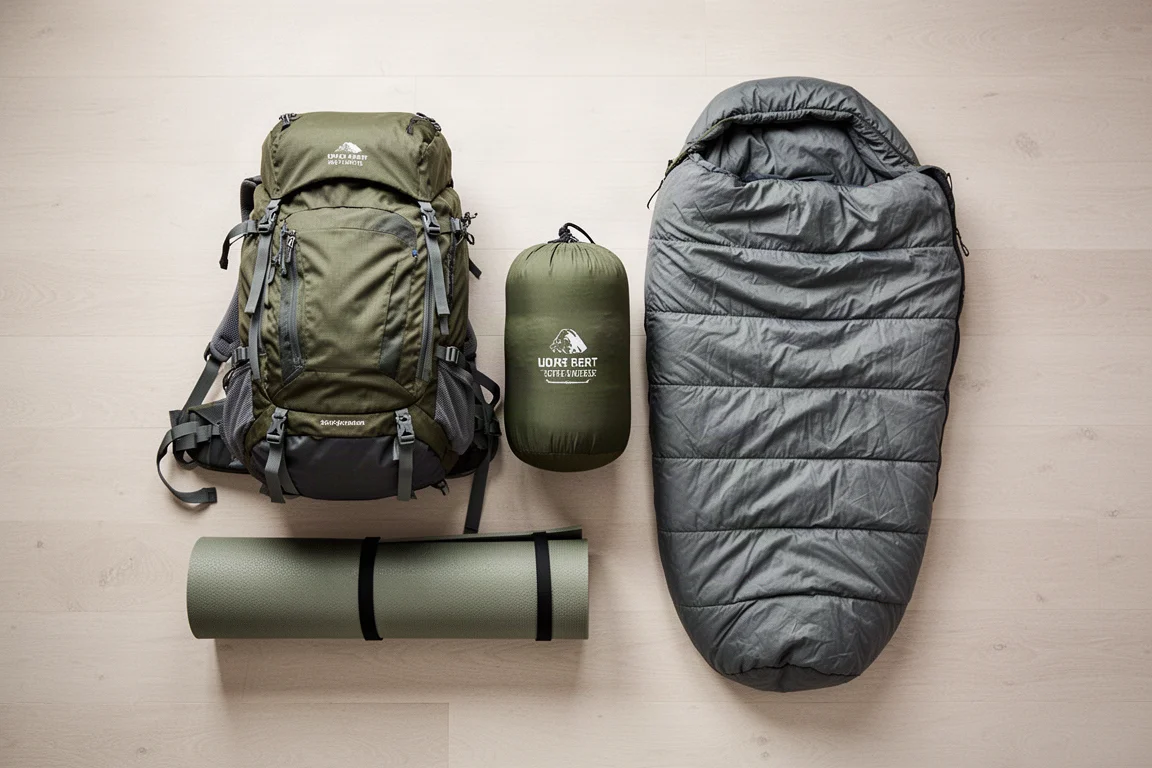
For anyone counting grams and litres in a backpack, that pound and that volume are the entire argument. For car camping, where the bag travels in a vehicle and gets laid out on a pad, neither number costs you anything.
Price and Value
The synthetic Torchlight Camp 20 sits at $179, while the down Torchlight UL 20 is $420. The gap is over $200, and it is not a design difference. The two bags share the same construction, so the premium is entirely about the insulation and the fabrics.
It is worth separating this specific comparison from the wider market. The $420 figure reflects this particular down bag, not down bags as a category, and there are plenty of down-filled sleeping bags well below that price point. The comparison here is deliberately narrow: two otherwise identical bags, one with synthetic fill and one with down, priced more than $200 apart.
If the down option is the one you want, the case for spending the extra is straightforward. You are buying back a pound of pack weight and a meaningful amount of packed volume on every trip.
Which Bag Makes Sense for You
If you mainly car camp, and weight and packed size are not constraints, the synthetic Torchlight Camp 20 is an easy recommendation. It will keep you warm and comfortable in the backcountry, it handles condensation better, and it costs less than half as much.

The synthetic bag can absolutely go backpacking too. If you carry a larger pack and you are comfortable with the extra bulk and the fact that it does not compress as tightly, it works. The only real question is whether you are prepared to spend over $400 on the down model.
For backpackers whose priority is maximising space and minimising weight, the down Torchlight UL 20 is the stronger choice. It delivers the same 20 degree rating in a far smaller, lighter package.
Conclusion
These two bags are a clean illustration of the synthetic versus down decision. The Torchlight Camp 20 gives you the same construction and the same rating for $179, with better wet-weather behaviour and instant warmth, at the cost of bulk and a pound of weight. The Torchlight UL 20 gives you 850 fill power down, a much smaller packed size, and a full pound saved, for $420.
Match the bag to the trip. If your pack space and weight matter, down is the better investment. If they do not, the synthetic version does the job for far less.
Further reading
Related Reviews
Sleeping Bags
Best Down Sleeping Bags Under $300: Four Backpacking Options Worth a Look
Four down sleeping bags that stay under $300, compared on fill power, baffle design, hood comfort, and packed size.
Sleeping Bags
Best Sleeping Bags and Sleep Systems: Five Premium Down Picks Compared
Five premium down sleeping bags and sleep systems compared on warmth, weight, construction, and value.
Sleeping Bags
Big Agnes Lost Ranger UL 3-in-1 Sleeping Bag System Review: One Bag, Three Setups
A practical look at the Big Agnes Lost Ranger UL 3-in-1 Sleeping Bag System, covering how the three configurations work, where it shines, and the details worth weighing before buying.