Camping Tents
Big Agnes Tents Compared: Which Model Fits Your Trip?
A practical comparison of four Big Agnes tents, from a luxury two-person shelter with built-in lighting to a minimalist single-wall option, plus a compact 360 camera for documenting the trip.
Introduction
Big Agnes builds tents for almost every kind of camper, from casual weekend campers to thru-hikers and mountaineers. That range is a strength, but it also makes the lineup hard to read from the outside: two tents can look nearly identical on paper and behave very differently on a cold, wet night above treeline.
This guide compares four Big Agnes models, ordered from the most comfortable to the most minimal, and then looks at a compact 360 camera that makes it easy to bring the trip home in footage.
What to Look For in a Big Agnes Tent
Three factors separate these tents more than anything else: packed weight, interior volume, and how much protection the fabric and structure provide.
Packed weight is the most obvious difference. The Scout 2 Carbon is the lightest of the group, the Copper Spur Mountain Glow is the heaviest, and the two Tiger Wall models sit between them. Interior volume matters just as much. All four tents here are two-person designs, but in practice a two-person backpacking tent is closer to a generous one-person shelter. Two adults will fit, though it is a snug arrangement, and the space feels far more generous with one person inside.
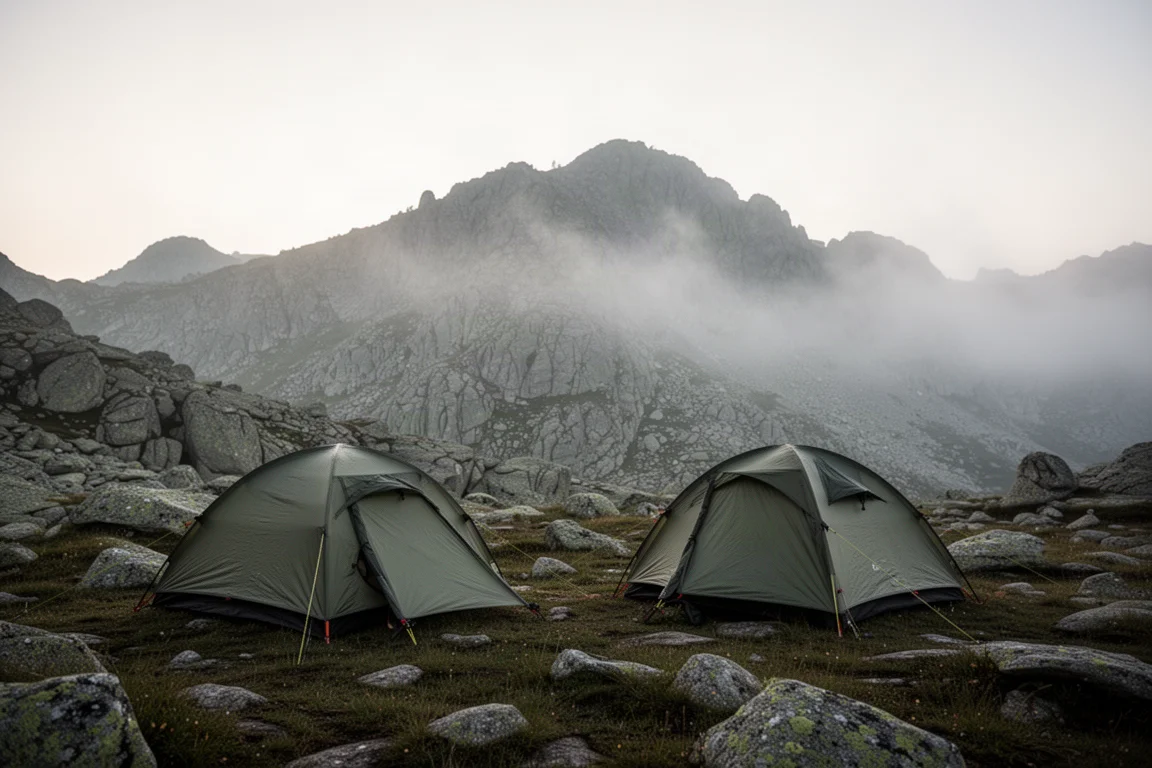
Fabric and structure decide how a tent behaves over time. The Scout 2 Carbon uses a single-wall Dyneema construction, which is remarkably light but thin and delicate. The Copper Spur Mountain Glow and the Tiger Wall models use more conventional materials and offer a vestibule for keeping gear outside the sleeping area.
Big Agnes Copper Spur Mountain Glow: The Comfort Pick
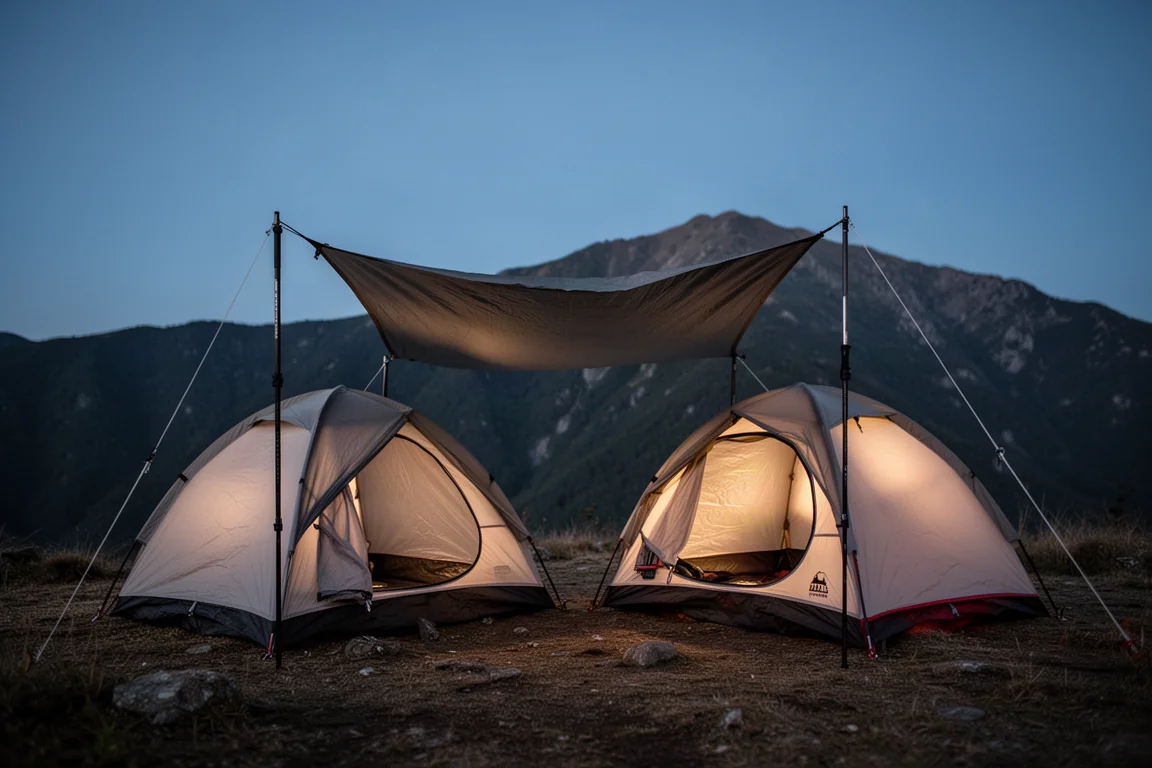
The Copper Spur Mountain Glow is the luxury end of this group. It is heavier than the other Big Agnes tents here, and it spends that weight on space and convenience: extensive storage, a roomy interior, and built-in lighting that makes the tent feel closer to a hotel room than a minimal shelter.
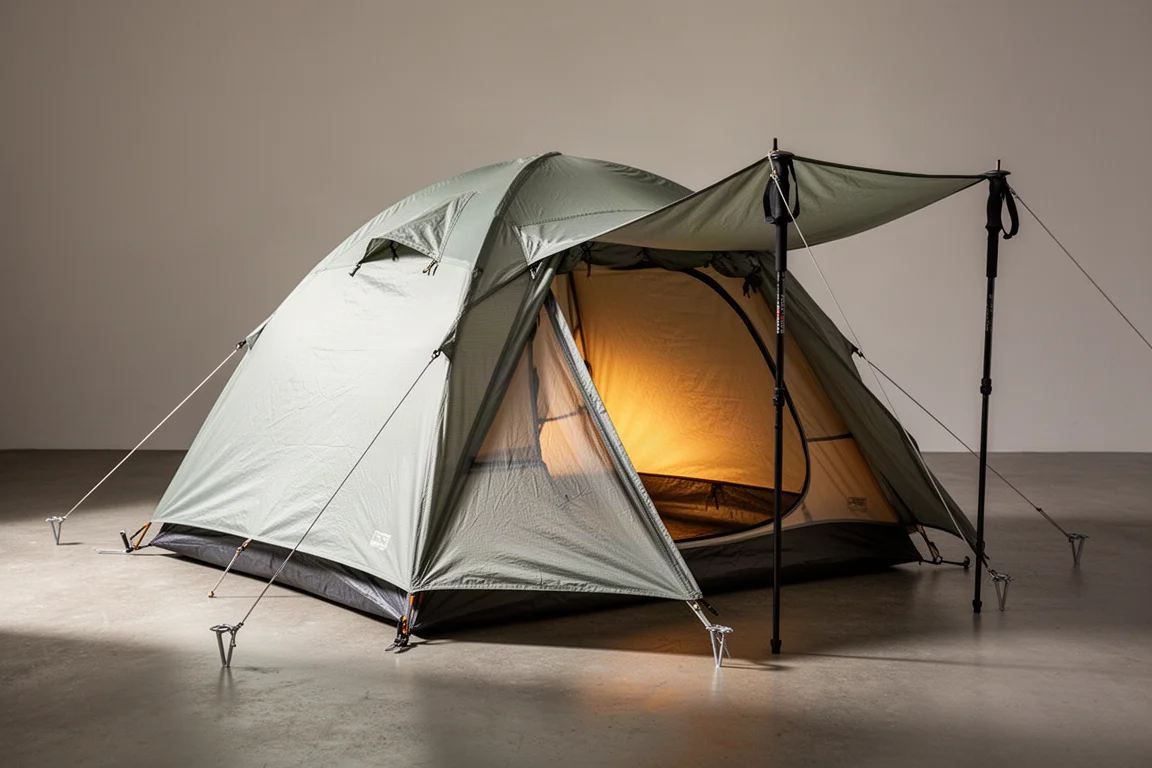
The vestibules are the other standout. They open up on both sides and can be propped out with trekking poles to form an awning, giving you a dry place to sit, eat, or watch the weather roll through instead of retreating into the sleeping area.
Big Agnes Scout 2 Carbon: The Lightest Option
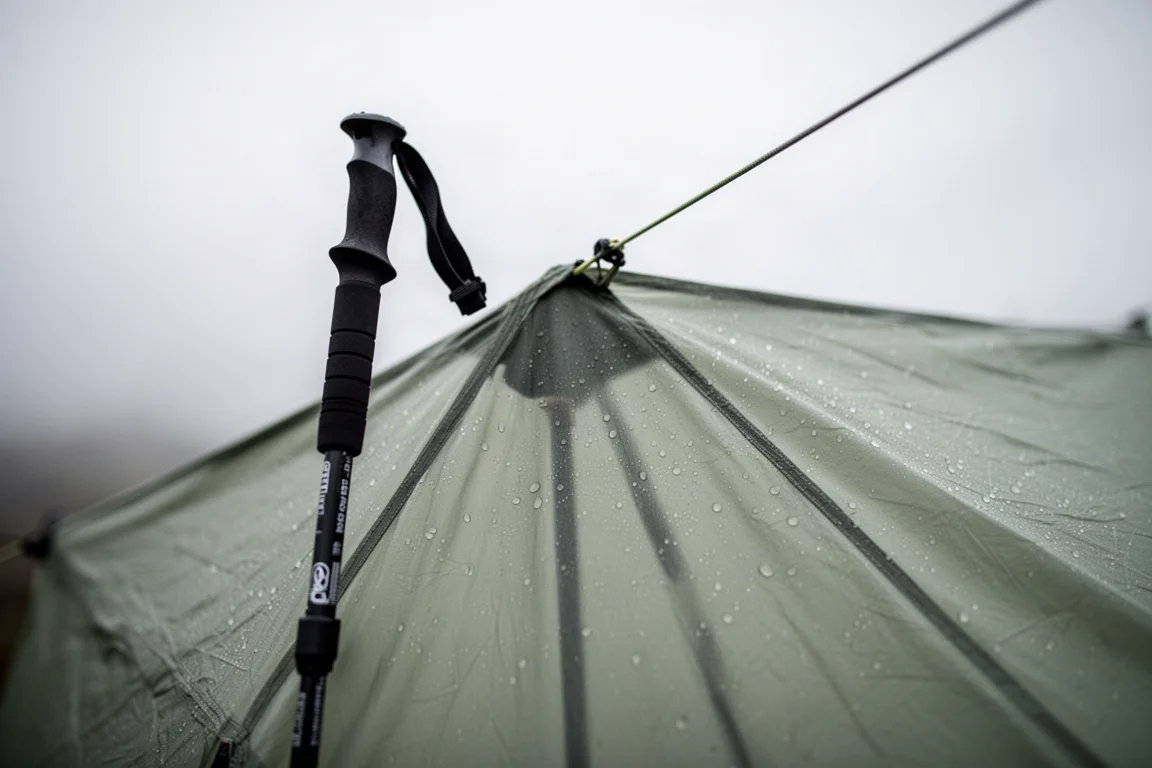
The Scout 2 Carbon is the minimalist counterpoint. It is presented as the lightest two-person tent you can buy, and that comes from a single-wall Dyneema build with no vestibule at all. Setup is quick, roughly two minutes, and it is well suited to being pitched in rain because the trekking poles lift the roof into shape as you raise it.
The trade-offs are real. Interior space is limited, so it works better as a solo shelter or for a parent and child than for two adults. Dyneema is also extremely thin and delicate, and regular use can leave small pinholes in the fabric.
If you want a shelter that disappears into your pack, this is the model that does it. If you want room to spread out or a covered porch for your gear, one of the other tents in this group will serve you better.
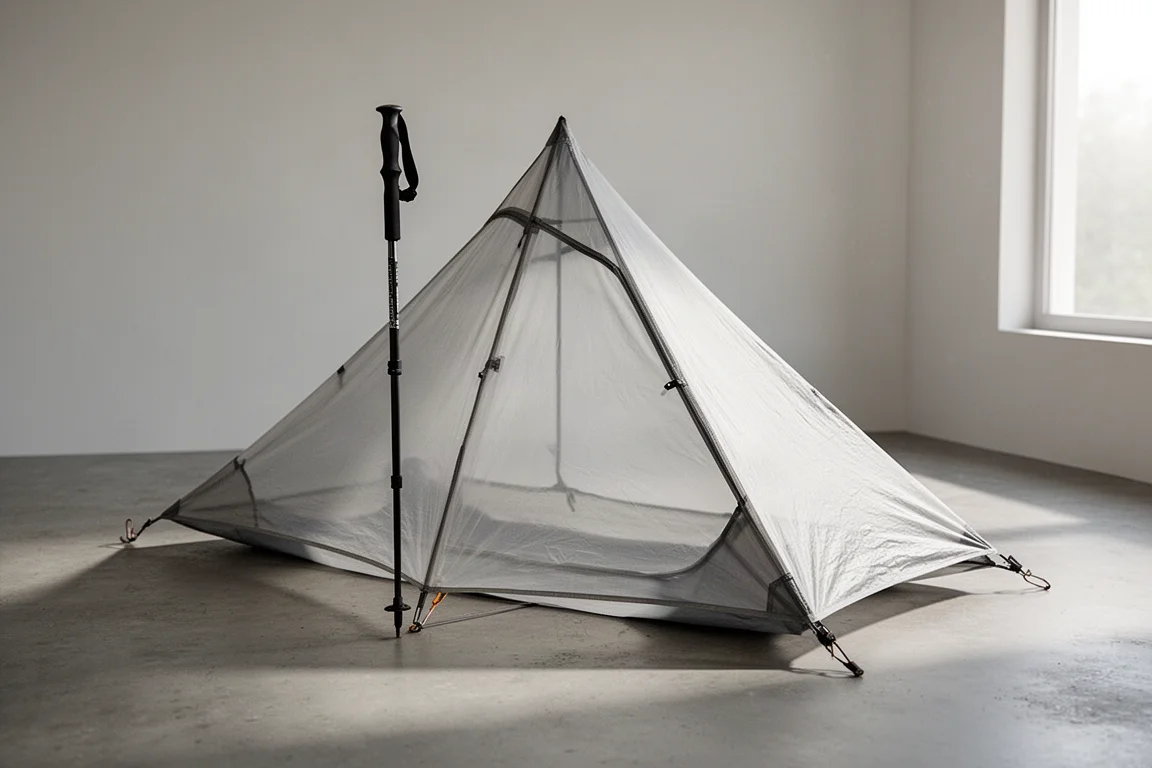
Big Agnes Tiger Wall UL2: The All-Round Sweet Spot
The Tiger Wall UL2 is the middle ground, and for many buyers it is the sensible place to land: light enough for backpacking at around 2 lb 2 oz, but less compromised than a single-wall shelter. Current versions are made with recycled and renewable materials.
It keeps most of the comfort of the Copper Spur while trimming meaningful weight, which is why it reads as the sweet spot of the range rather than a specialist tool.
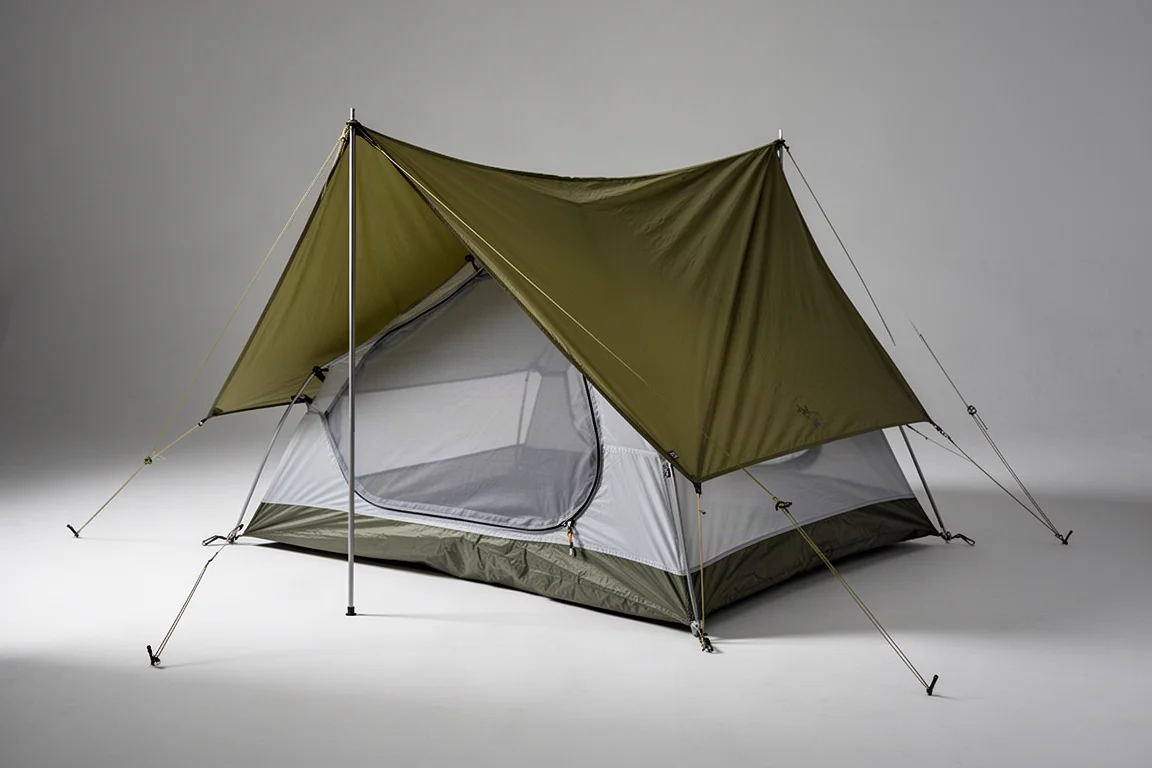
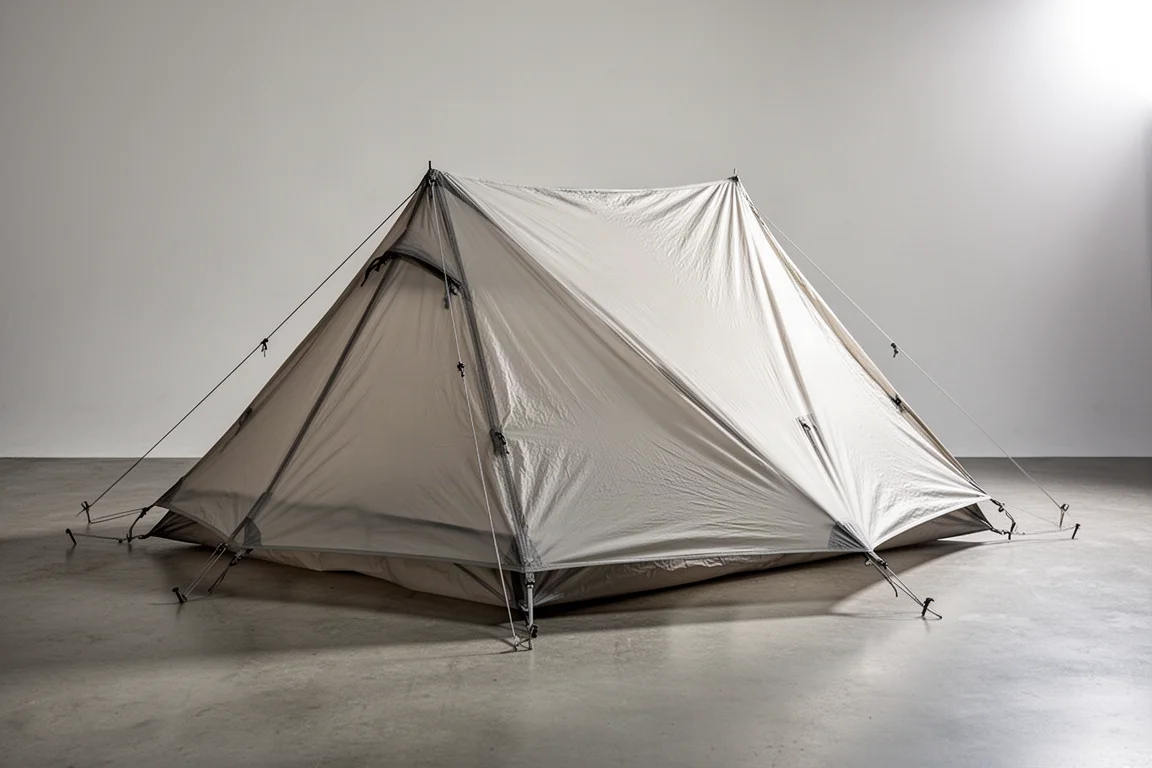
Big Agnes Tiger Wall UL2 Platinum: Same Design, Lighter Fabric
The Platinum version is the same tent in almost every respect. The difference is the material: a lighter high-tenacity nylon that removes roughly 4 to 6 ounces from the packed weight. That saving costs about $150 more than the standard Tiger Wall UL2.
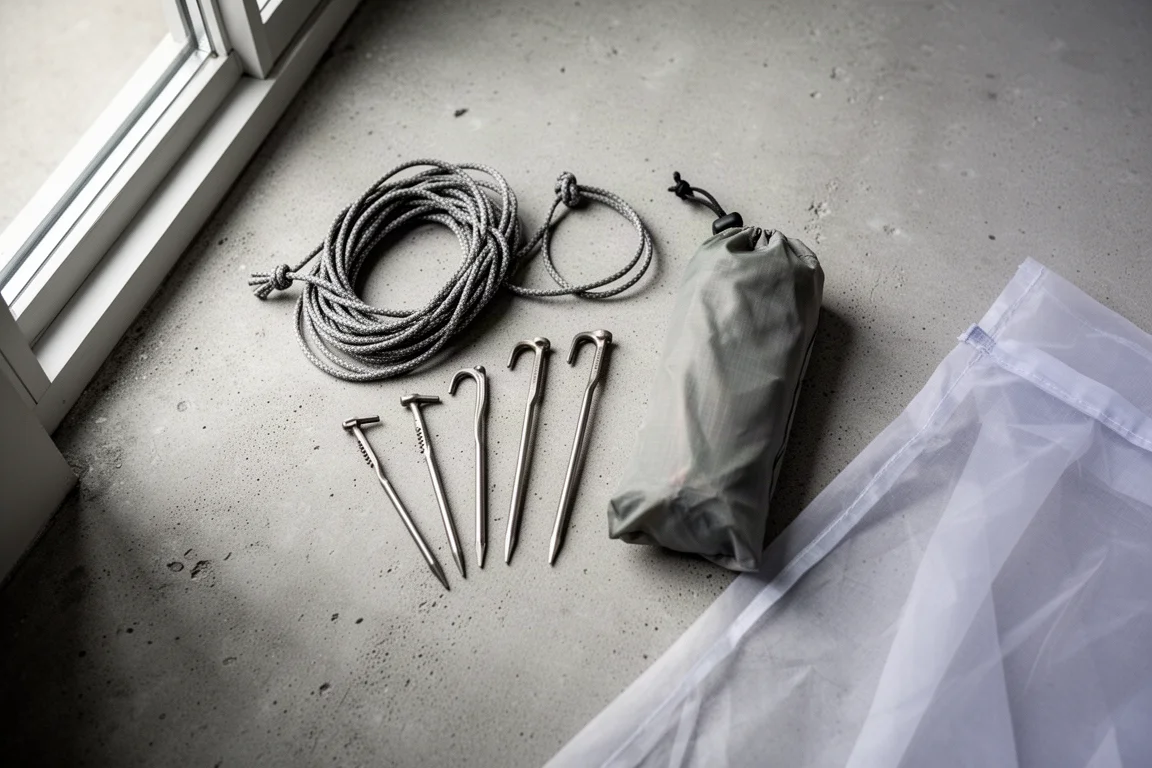
If you are counting grams and the budget allows, the Platinum is the more efficient choice. If not, the standard Tiger Wall UL2 offers the same design and layout for less.
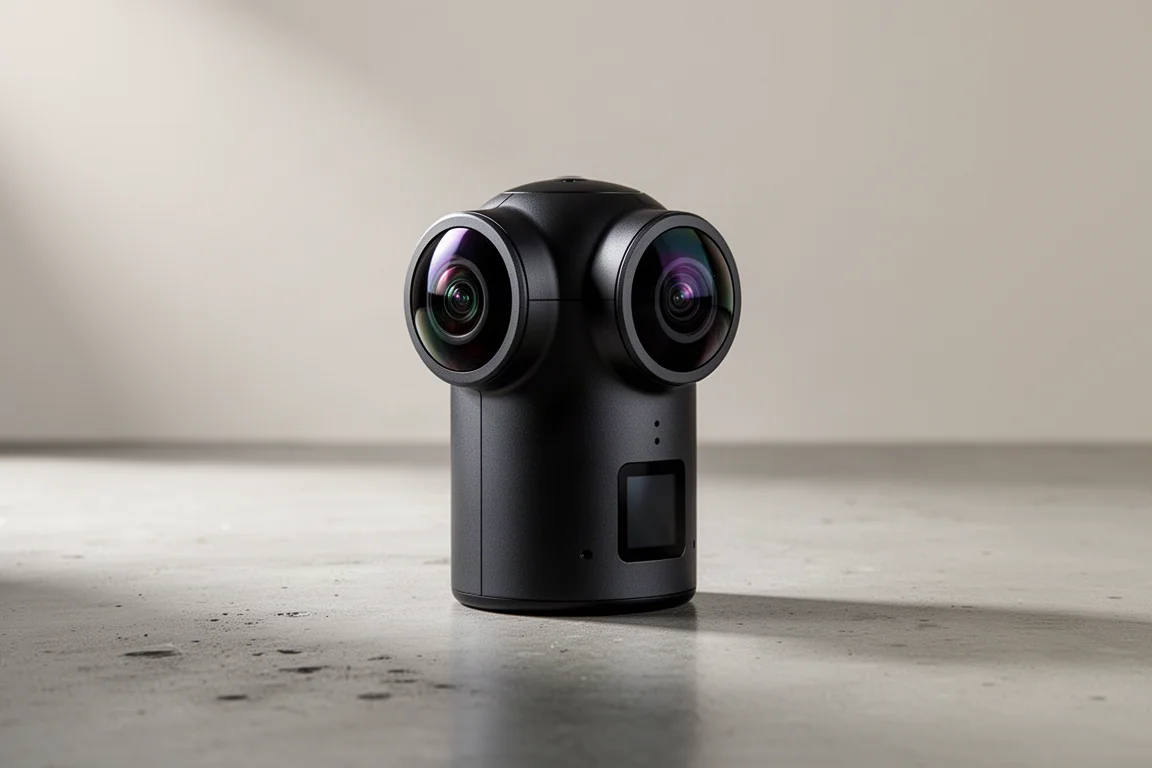
Insta360 ONE X2: Documenting the Trip
Camp footage usually means juggling a phone, an action camera, and the constant worry of pointing the lens the right way. The Insta360 ONE X2 sidesteps most of that. It shoots 5.7K video with audio recording, and because it captures in every direction, you simply hold it up and keep walking. There is no framing decision to make in the moment.
It is waterproof to 10 m without a case, so rain, river crossings, and even a dive are not a problem. Battery life is up to 55% longer than the previous version, and at around $500 it can reasonably stand in as your only camera for a trip, replacing a separate action camera or a phone.
Buying Advice: Matching the Tent to the Trip
Start with how you actually camp. If most nights involve a short walk from the car and you value space, storage, and built-in lighting, the Copper Spur Mountain Glow delivers the most comfort per night out.
If you are carrying your shelter for days at a time, the decision comes down to weight against liveability. The Scout 2 Carbon wins on weight and loses on space, so it suits solo hikers or a parent and child sharing one shelter. The Tiger Wall UL2 is the safer default for two adults who want one tent for most trips, and the Platinum version makes sense only when the 4 to 6 ounce saving is worth the extra cost to you.
A final note on pairing: the camera and the tent solve different problems, but they work well together. A 360 camera that needs no aiming is easier to use at camp than a conventional action camera, which means you are more likely to actually record the trip rather than leave it to memory.
Conclusion
Big Agnes covers a wide range here, and none of these tents is a poor choice. The Copper Spur Mountain Glow is built for comfort, the Scout 2 Carbon is built for minimum weight, and the Tiger Wall UL2 is the balanced middle that suits the largest number of backpackers. Match the tent to the way you travel, and any of them will earn its place in the pack.
Further reading
Related Reviews
Camping Tents
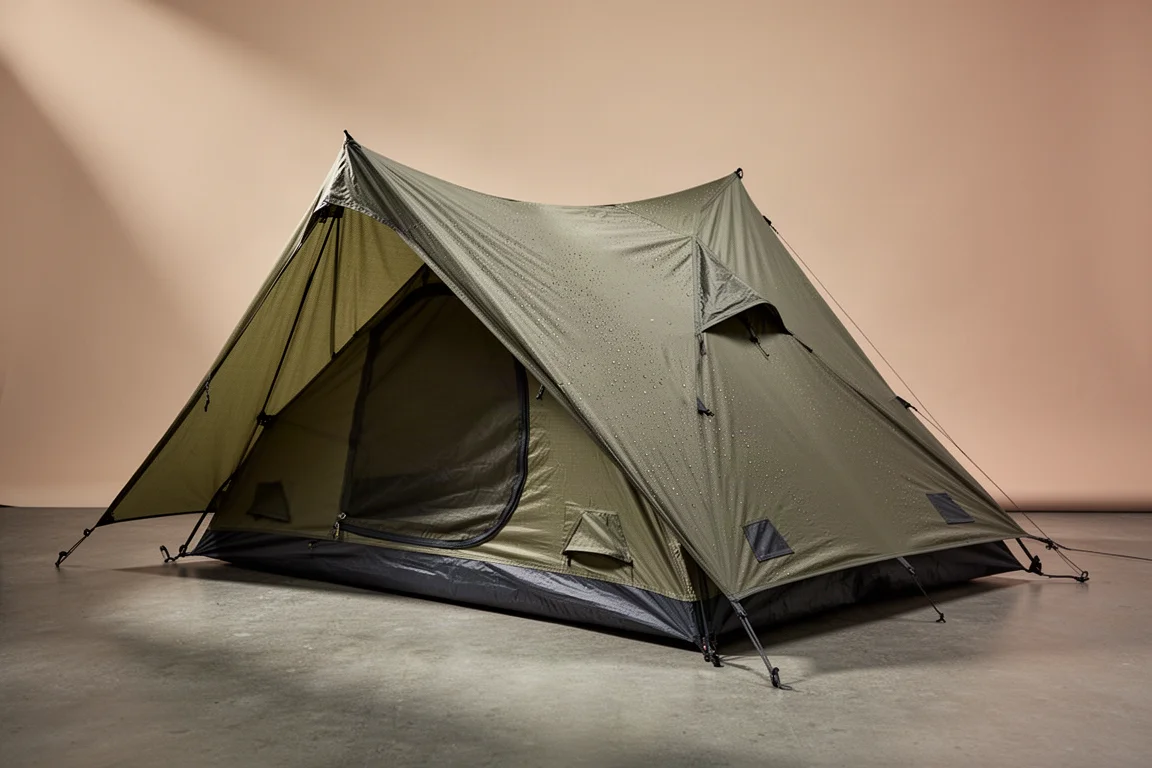
3F UL Gear Taiji Two-Person Tent Review: Field Waterproofing Results and Buying Advice
The Taiji pairs an attached fly with a removable inner, but sustained rain exposed untaped vent seams that need sealing before this shelter can be trusted.
Camping Tents
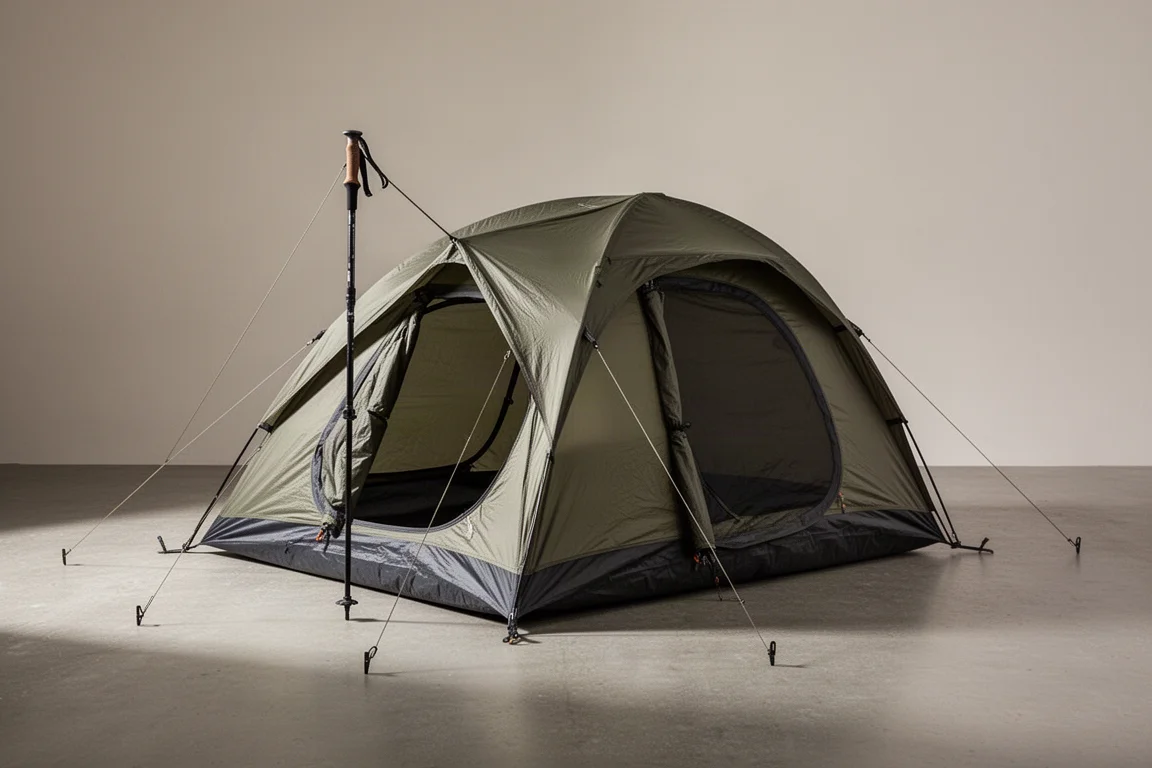
3FUL Gear Lanshan 2 Pro 4-Season Review: A Sub-$200 Single-Wall Trekking Pole Tent
An early look at the 3FUL Gear Lanshan 2 Pro 4-Season, covering its straightforward pitch, generous interior space, and the condensation and seam-sealing questions that come with any single-wall shelter.
Camping Tents
Alps Mountaineering Lynx 1-Person Tent Review: Big Value in a Small Budget Tent
A close look at the Alps Mountaineering Lynx 1-Person Tent, covering real interior dimensions, materials, setup time, ventilation limits, and who should buy it.