Sleeping Pads
Big Agnes Q-Core SLX vs Sea to Summit Ether Light XT: Two 3.2 R-Value Sleeping Pads Compared
Two insulated sleeping pads with the same 3.2 R-value and the same 22-ounce weight in regular wide, compared on baffle design, valve systems, fabric feel, and packed comfort.
Introduction
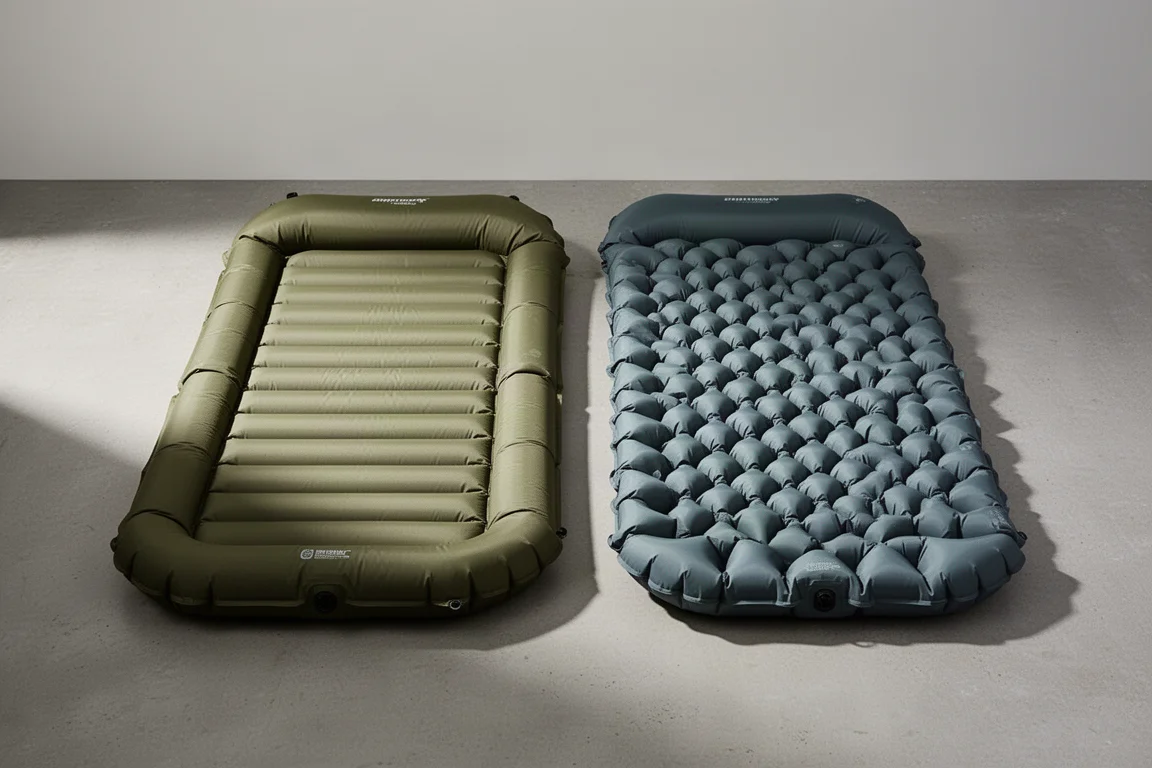
Two insulated sleeping pads, both rated at a 3.2 R-value and both weighing 22 ounces in the regular wide size, sound like the same product on paper. In practice, the Big Agnes Q-Core SLX and the Sea to Summit Ether Light XT get to that number in noticeably different ways, and those differences shape how each pad feels under a sleeper at the end of a long day.
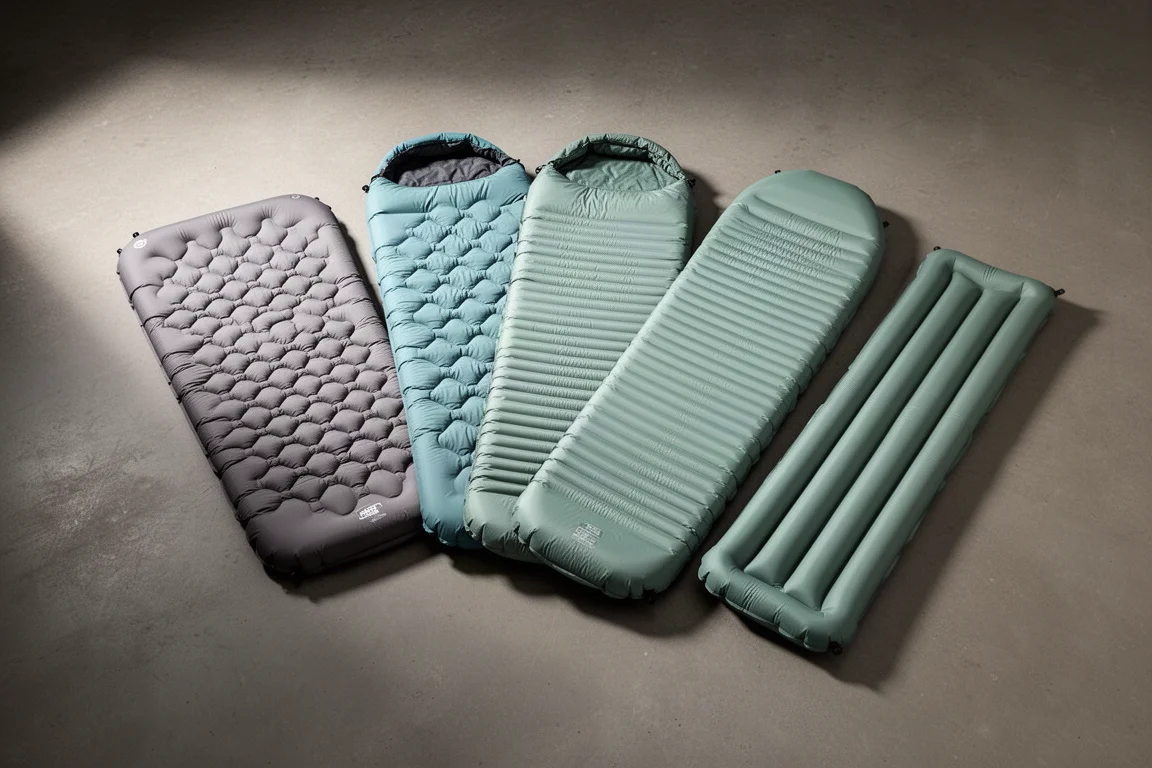
The Q-Core SLX leans on large welded side air chambers that cradle the body, while the Ether Light XT relies on a taller, dimpled air-sprung cell pattern. Both are three-season pads suitable for cold nights down to freezing temperatures, and both use a metallized film for insulation. The Ether Light XT adds a synthetic layer on top of that film to reach its rating.
This comparison focuses on what a buyer can actually feel and live with: baffle geometry, fabric behaviour, valve design, and the included inflation sack.
How These Two Pads Compare
The shared ground is worth stating clearly first. Both pads carry a 3.2 R-value tested to the newer third-party sleeping pad standard, so insulation performance is essentially a wash. Both come in at 22 ounces in the regular wide size, and both sit in a broadly comparable price bracket, with the Q-Core SLX often found at a somewhat lower cost.
The Q-Core SLX measures 4.25 inches of height at the side chambers with 3.5 inches through the centre. The Ether Light XT is taller through the middle of the pad, which contributes to its plusher feel.
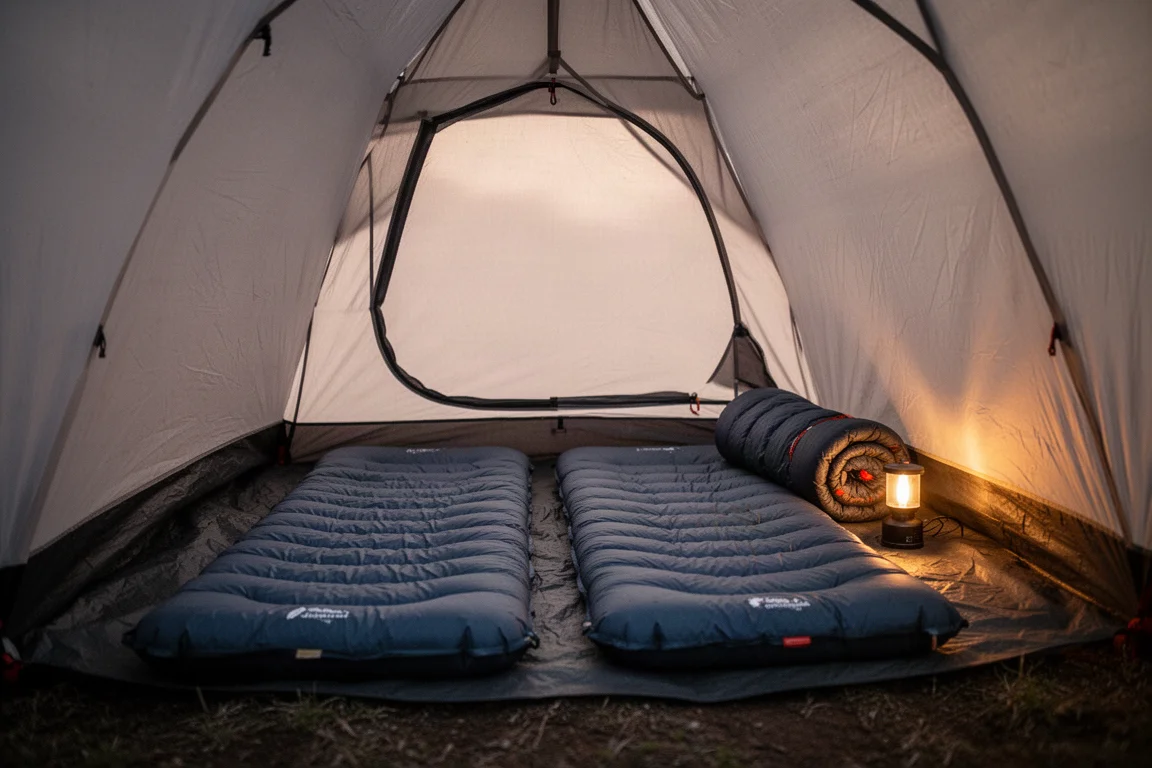
Where they diverge is in construction philosophy. The Q-Core SLX uses a more vertical baffle layout with a quilted pattern across the chambers. The Ether Light XT uses a more randomised air-sprung cell arrangement with greater height between the welded points.
Big Agnes Q-Core SLX
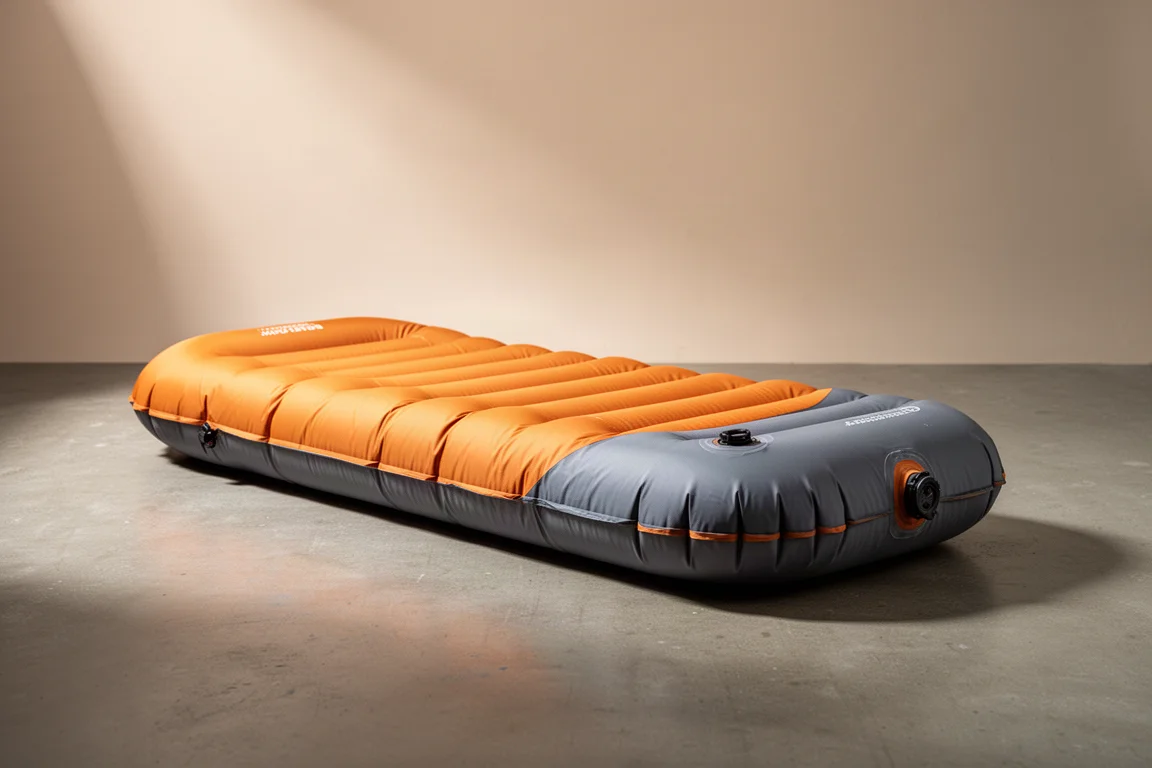
The standout design feature is the oversized side air chamber running along each edge. At 4.25 inches tall against a 3.5-inch centre, those chambers create a cradle that holds a sleeper in place and adds noticeable stability, particularly for back sleepers. Side sleepers also report a comfortable experience on the wide version.
That recommendation toward the wide version is not incidental. A narrower 20 by 72 inch version of this pad feels noticeably less comfortable with the same wide baffles, because the side chambers press inward on the shoulders. Broader-shouldered sleepers may still find that pressure point even on the wide model when the pad is inflated very firm.
The fabric is a double ripstop nylon. The denier is not specified, but the surface is soft and quiet, which matters when comparing against pads with a more rubbery hand feel. Insulation comes from a metallized film only, without an added synthetic layer.
Two elements hold the Q-Core SLX back. The valve uses a double-opening design that feels behind current standards, and rolling the pad aggressively raises concern about stressing the valve lamination. The included pump sack is also a weak point: the fabric is heavy, thick, and bulky, the closure is awkward to seal and roll, and it is harder to generate a strong vortex when filling. On the positive side, the sack is made using recycled or scrap material from the brand’s production.
For sleepers who value edge stability and a quiet fabric above all else, this pad delivers a genuinely comfortable night. The valve and pump sack are the compromises.
Sea to Summit Ether Light XT
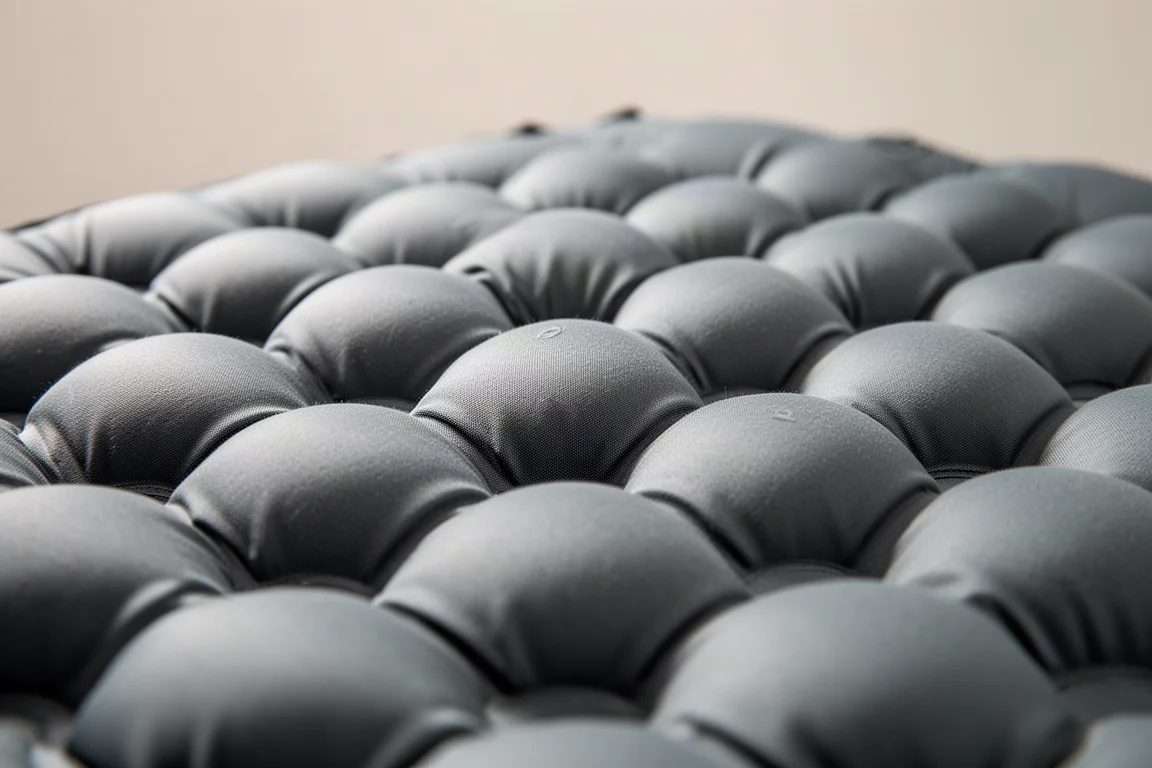
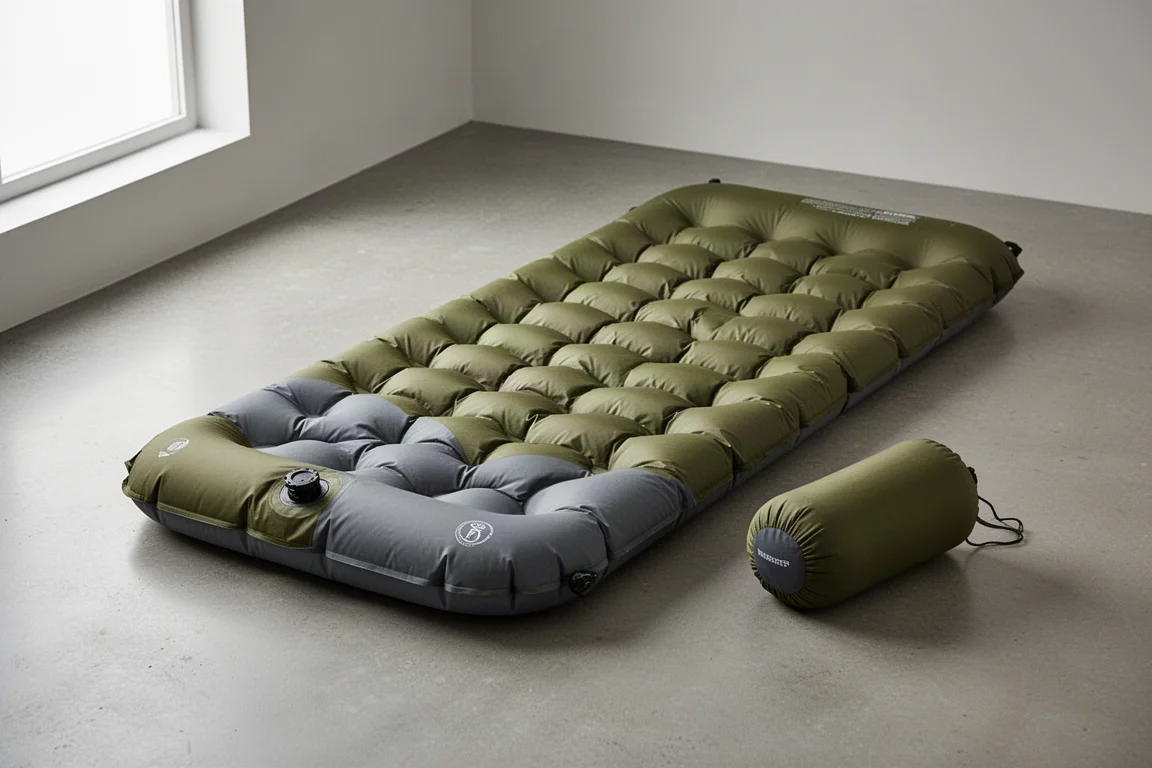
The Ether Light XT is widely regarded as one of the most comfortable pads available, and the air-sprung cell construction is the reason. The cells are taller than the baffles on the Q-Core SLX, and the pattern is more randomised rather than strictly vertical, which produces a plusher, more supportive surface. The dimpling between cells gives more give under pressure.
Insulation is a two-part system: a metallized film plus a synthetic layer, which together account for the 3.2 R-value.
The clear drawback is sound. The 30 to 40 denier hybrid fabric has a rubbery character, and while it stays quiet on its own with no chip-bag crinkle, it becomes distinctly squeaky against coated fabrics such as a tent floor with a urethane or PU backing. In a shared shelter that can be enough to wake a partner.
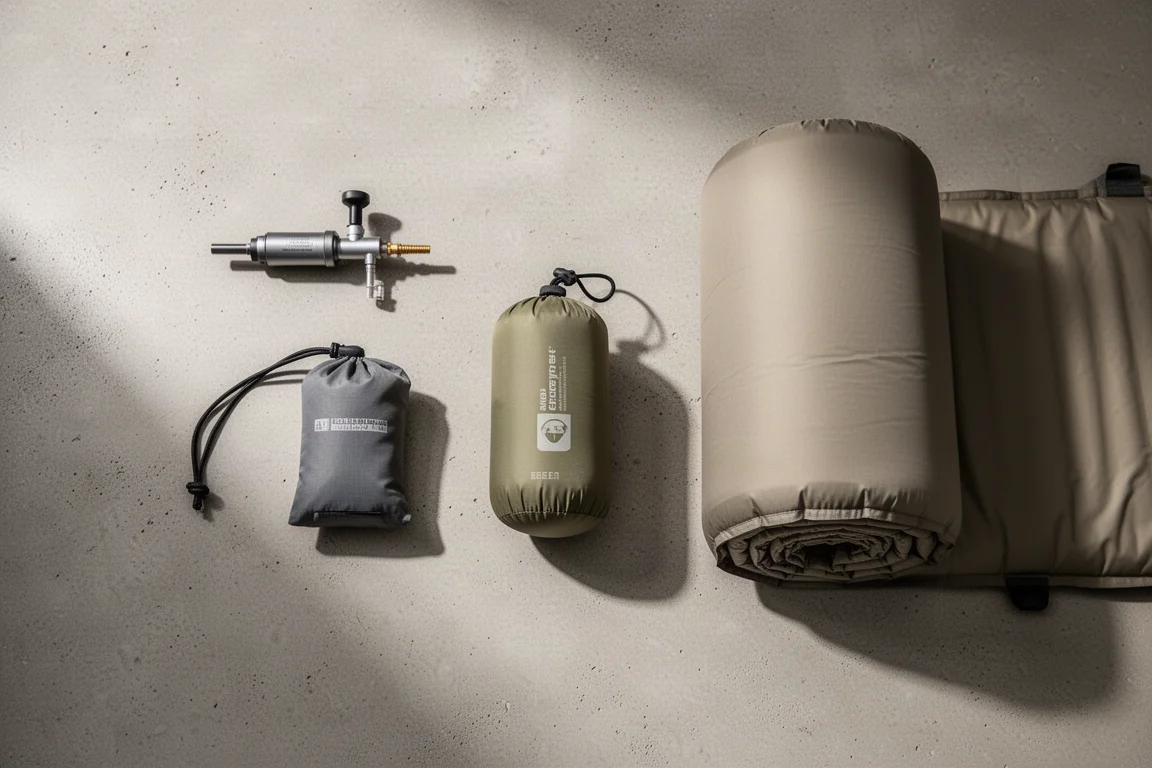
The other gap is the side baffle. It is shorter than the chamber on the Q-Core SLX, so the pad offers less of a cradle and a slightly higher chance of rolling toward the edge.
Where the Ether Light XT clearly wins is the valve. It is lower profile, simple to operate, and has not caused any concern when rolling the pad up. The pump sack is integrated into the stuff sack, which makes it a single-purpose item rather than a dual-use dry bag, but it fills far more efficiently than the sack supplied with the Q-Core SLX. A pillow lock system using a velcro strip helps keep a pillow anchored in place.
Buying Advice: Which Pad Suits Which Sleeper
The honest answer is that neither pad is a mistake. They match on weight, R-value, and roughly on price, and both are strong three-season options.
Choose the Q-Core SLX if edge stability matters most. The tall side chambers keep a sleeper centred, the fabric is soft and quiet against tent floors, and it is often the lower-priced of the two. Be prepared to accept the valve design and the bulky pump sack as the trade-offs, and strongly consider the wide version.
Choose the Ether Light XT if maximum plushness matters most. The taller air-sprung cells produce the more comfortable sleeping surface, the valve and integrated pump sack are better resolved, and the pillow lock adds a small convenience. Accept the squeaky interaction with coated tent fabrics and the shorter side baffle.

If the two could be blended, the ideal pad would take the quiet fabric and tall side chamber from the Q-Core SLX and pair them with the valve and pump sack from the Ether Light XT. That combination does not exist, so the decision comes down to whether edge support or surface cushioning ranks higher for the individual sleeper.
Conclusion
Both pads are excellent, and the choice between them is a matter of priorities rather than quality. The Big Agnes Q-Core SLX rewards sleepers who want stability, a quiet surface, and often a lower price. The Sea to Summit Ether Light XT rewards sleepers who want the plushest surface and the better valve and inflation system, at the cost of some noise against coated tent floors. Either way, a 3.2 R-value at 22 ounces in a regular wide size is a solid foundation for three-season nights down to freezing.
Further reading
Related Reviews
Sleeping Pads
Best Backpacking Sleeping Pads 2026: Nine Pads Rated on Price, Comfort, Warmth, and Weight
Nine backpacking sleeping pads compared on price, comfort, warmth, and weight, from a $65 summer pad to a year-round option rated at R-7.3.
Sleeping Pads
Best Backpacking Sleeping Pads: Comfort, Warmth, and Weight Compared
A practical comparison of the Nemo Quasar 3D, Therm-a-Rest NeoAir XTherm Max, and Big Agnes Rapide SL for backpackers choosing between comfort, warmth, and packed weight.
Sleeping Pads
Best Backpacking Sleeping Pads: Ultralight, Winter, Comfort and Budget Picks
A practical roundup of the sleeping pads that stand out for ultralight weight, winter warmth, pressure relief and value, plus three popular pads that fell short.