Backpacking Gear
Big Agnes Prospector 50 and Outdoor Vitals Shadowlight 60: Two Lightweight Load Haulers Compared
A practical comparison of the Big Agnes Prospector 50 and the Outdoor Vitals Shadowlight 60, covering carry comfort, hip belt fit, organization, and the trade-offs that show up on heavy trips.
Introduction
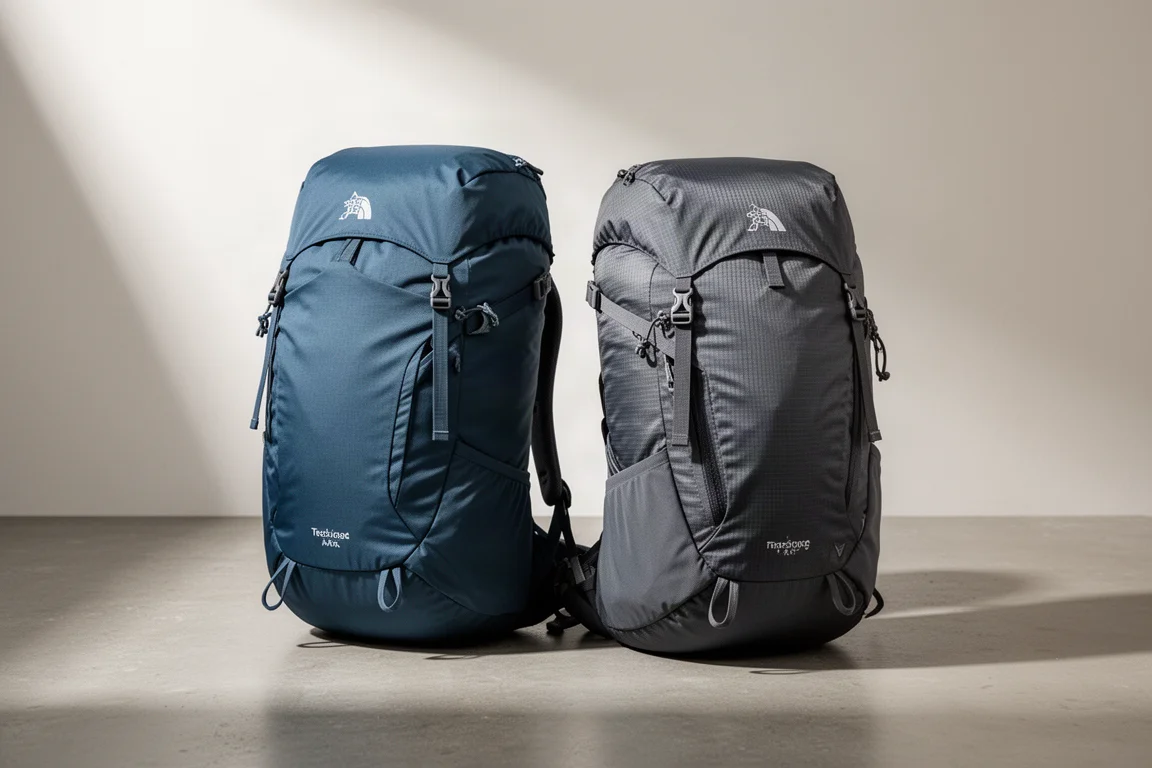
Carrying 40 pounds or more across long desert miles puts a backpack under real pressure, and the difference between a pack that disappears on your back and one that fights you all day comes down to a handful of details. Two lightweight, full-featured options sit in that space: the Big Agnes Prospector 50 and the Outdoor Vitals Shadowlight 60. Both are top loaders with internal frames, generous organization, and a similar load rating, so the decision is less about headline numbers and more about hip belt fit, attachment points, and how each pack behaves once the load gets genuinely heavy.
This comparison covers what each pack does well, the design choices that create friction, and which kind of trip each one suits.
What the Big Agnes Prospector 50 Gets Right
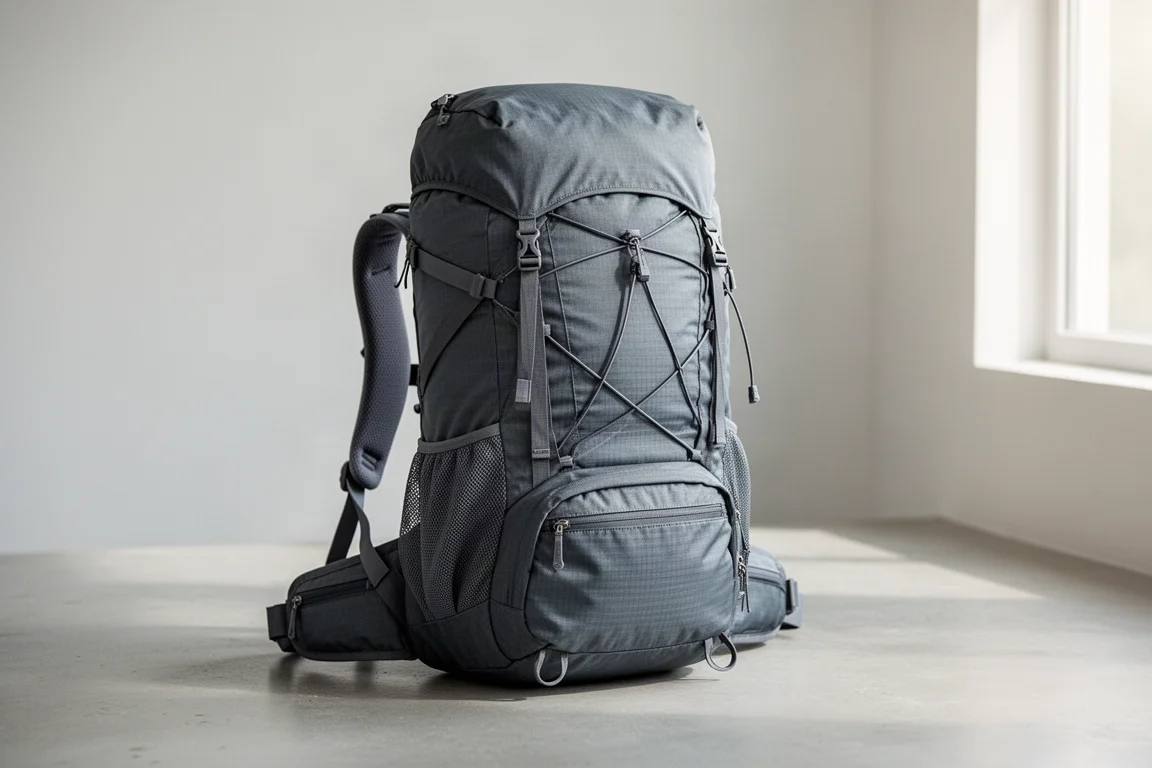
The Prospector 50 is a 50 liter top-loading pack built around an anatomically curved back panel with body-mapping foam padding. It is one of the better-looking load haulers around, with a tapered silhouette that follows the curve of the back rather than sitting like a box, and it comes in a few colorways. Comfort against the back was a clear strength on the trail, and the pack sits close to the body without feeling bulky.
The side water bottle pockets are a big part of the story. They are enormous, wide enough to take a four liter bladder in a single side pocket, which is unusual for a pack this size and genuinely useful on long dry stretches where total capacity matters more than quick access.
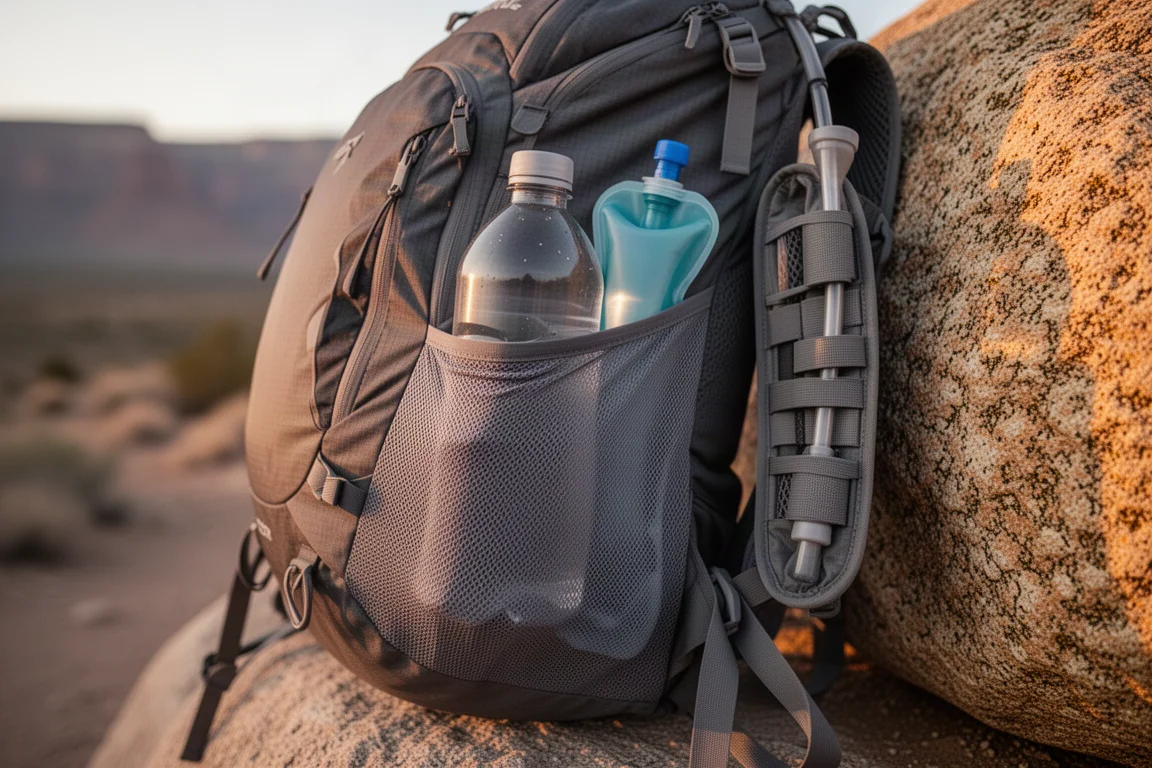
The other standout feature is the full-length zip panel on the back of the pack. Opening it gives complete access to the main compartment without unpacking from the top, which makes items buried at the base reachable in seconds. The same opening exposes the hydration sleeve, and clips for routing a drink tube sit right there, so a bladder can be filled, swapped, or cleaned without emptying the pack. There are also plenty of adjustment points and tensioners, so the harness and load lifters can be dialed in properly.
Details That Raise Questions
The Prospector 50 is not a waterproof pack, and that is normal for the category. The shell is a thick denier nylon that resists water, but the seams are not sealed, so sustained rain will eventually get through. What is less conventional is the zipper strategy. The rear organization pocket gets a waterproof zipper, while the hip belt pockets get standard ones. Hip belt pockets are where a headlamp, phone, or snacks usually end up, and they are the pockets most exposed to weather, so the waterproof hardware sits in the least useful place.
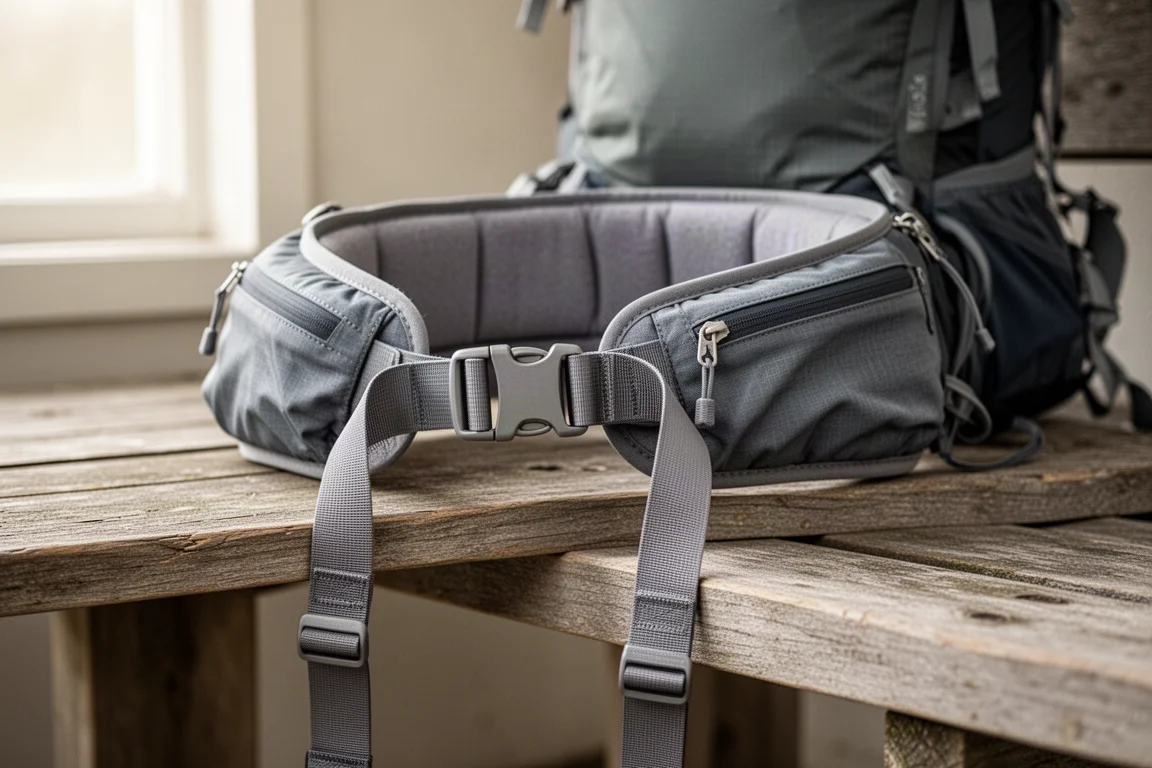
The hip belt pouches are removable. In practice they shift around on the belt, which makes them difficult to open one-handed, and one-handed access is the main reason to have them at all. Removing them saves very little weight on a pack that is not built for ultralight use, since it already weighs a little over three pounds. Fixed pouches would be the more sensible design here.
There are also no built-in straps for lashing gear to the top or the bottom of the pack. Attachment points for carabiners and cordage are present, and almost anything can be tied down with your own line, but there is no strap running over the roll-top and none along the base. Carrying a camp chair, a tent, or an extra water bladder on the outside of the pack therefore means improvising. At this price point, integrated lashing straps would be expected.
Finally, the pack ships with a small trash container. It is a well-intentioned accessory aimed at leave-no-trace habits, but a resealable bag does the same job with less weight and less cleaning.
Where the Prospector 50 Falls Short
The rear stretch pocket is small. It has some give, but only so much, so anything bulky has to go inside the main compartment instead of into the external pocket where it would be easier to reach. Given how generous the side pockets are, the rear pocket looks like an obvious place for the same treatment.
Noise was a persistent problem. The pack squeaked continuously while hiking, and the sound was audible even with breathing. Heavy dust on the trail may have contributed by working into the frame or harness, but the squeak lasted all day, and it is the kind of thing that becomes hard to ignore over long miles.
The most serious issue is the hip belt. With a 32 inch waist and the torso size selected according to the brand’s own fitting guidance, the belt was cinched fully tight and still slipped, riding up and leaving the load on the shoulders. That behavior continued after the pack was well under 40 pounds later in the trip, so it was not simply a matter of overloading. Because the hip belt is what transfers weight from the frame to the hips, a belt that will not stay put undermines the entire carry system, and it is the single reason this pack is hard to recommend without a try-on first.
The Outdoor Vitals Shadowlight 60 as an Alternative
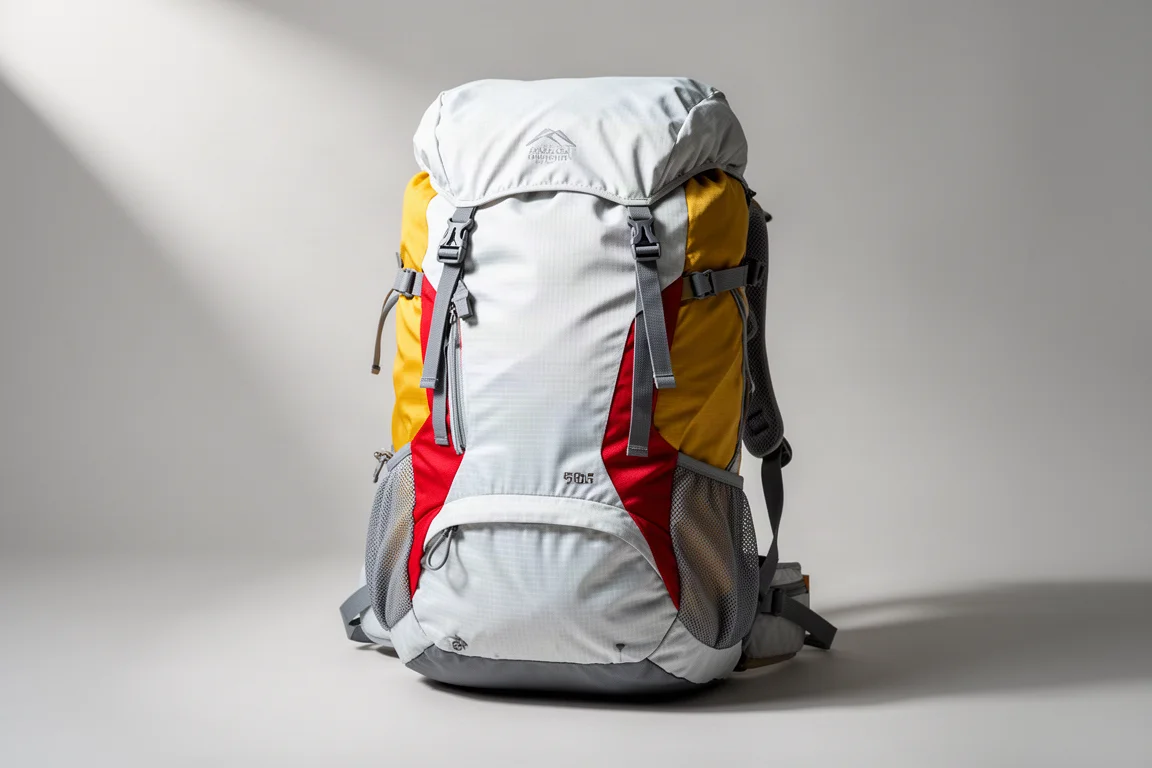
The Shadowlight 60 occupies the same category with a different set of priorities. It is a 60 liter top loader with a similar internal frame and the same load rating as the Prospector 50, but it weighs just under two pounds, more than a pound less, and it costs about $30 less.
The feature list reads as a direct response to the Prospector’s quirks. The hip belt pouches are permanently attached rather than removable, there is no waterproof zipper on a pack that is not waterproof, and there are built-in straps for lashing gear such as a chair or an extra water bladder to the top of the pack. Full-length panel access is available without opening the top lid, and there are extra organization pockets throughout.
Carry comfort is where it separates itself. The hip belt is among the best available on a backpack, and with the load reduced to well below the starting weight the pack carried comfortably over long miles.
How the Two Packs Compare in Practice
On weight, the gap is meaningful. The Shadowlight 60 comes in just under two pounds against a little over three pounds for the Prospector 50, and both are rated for a comparable load, so the lighter pack is not giving up capacity to get there.

On organization, both packs are well equipped. The Prospector 50 wins on side pocket volume and offers a comfortable, closely curved back panel, while the Shadowlight 60 matches it on panel access and adds built-in lashing straps that the Prospector lacks.
On fit, there is no contest in the sizes tested. A hip belt that stays in place is the foundation of any load-carrying system, and the Prospector’s belt did not, even when the pack was loaded below its rating. That single factor outweighs the Prospector’s stronger looks and larger side pockets.
Who Each Backpack Suits
The Big Agnes Prospector 50 suits hikers who want a sleek, comfortable back panel, very large side pockets, and full panel access, and whose torso and waist measurements fall comfortably inside the belt’s adjustment range. Anyone outside that range should try it on before committing.
The Outdoor Vitals Shadowlight 60 suits hikers who want a lighter pack with a secure, comfortable hip belt, built-in lashing straps for external gear, and a load rating in the same class, especially if the lower price matters.
Buying Advice
Fit comes first, and that means hip belt sizing. Measure your waist and torso before ordering, and if possible load the pack with 30 to 40 pounds and walk around before deciding. A pack that carries weight on the shoulders rather than the hips will feel worse with every mile, no matter how good the rest of the design is.
If the Prospector 50’s belt fits you well and you never need to lash gear to the outside, it remains a comfortable, good-looking pack with excellent side pockets and clean panel access. If you want more certainty, less weight, built-in lashing straps, and a lower price, the Shadowlight 60 is the safer choice of the two, and it costs about $30 less.
Conclusion
Both packs are capable, well-organized top loaders rated for similar loads, and both bring something distinct to a heavy trip. The Prospector 50 delivers a sleek shape, roomy side pockets, and full panel access, but its oversized hip belt and lack of lashing straps make it a risky purchase without a fitting first. The Shadowlight 60 answers most of those gaps with a lighter build, a hip belt that stays put, and integrated straps for external gear, all for less money.
Further reading
Related Reviews

Backpacking Gear
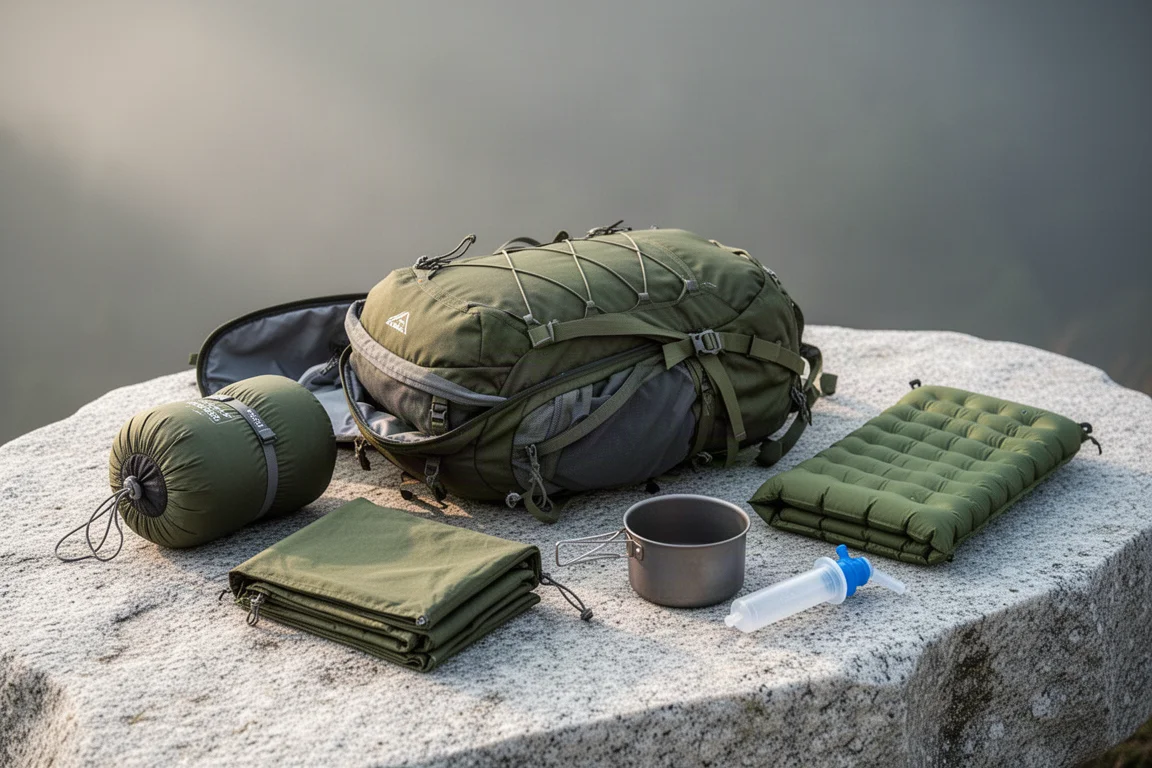
Building a 10 lb Base Weight: An Ultralight Backpacking Gear List
A practical walkthrough of the ultralight pieces behind a 10 lb base weight, from a 765 g pack and a roomy one-person tent to a full camp chair and a dependable water filter.
Backpacking Gear
A 15-Pound Lightweight Backpacking Gear List for Solo Trips
A beginner-friendly 15-pound backpacking setup built from easy-to-find gear, with notes on what each piece does, how it packs, and where to spend your attention.
Backpacking Gear
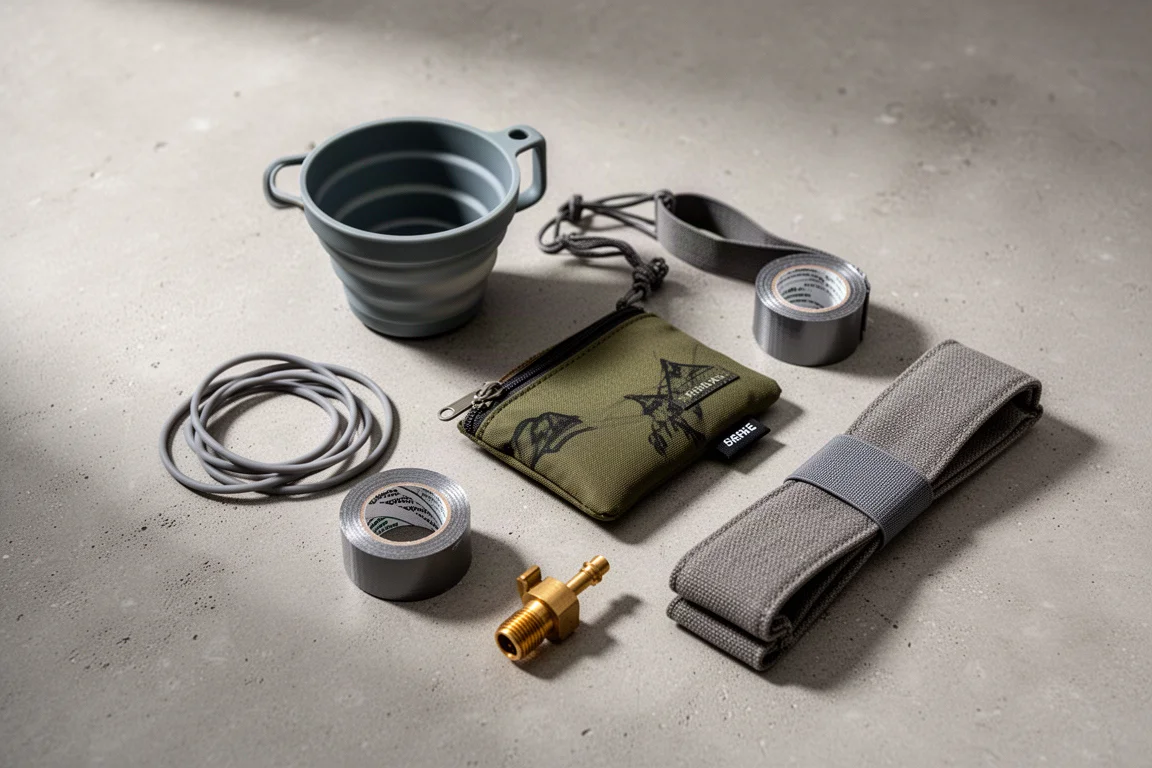
8 Ultralight Backpacking Gear Upgrades Worth Carrying
Eight small, affordable backpacking upgrades that solve real trail annoyances, from a pillow that stays put to a fuel valve that rescues leftover canister gas.