Cycling Wheels
Bicycle Wheels Ranked: Seven Sets Worth Considering
A practical ranking of seven road and gravel wheelsets, from the accessible Zipp 303 S through to premium options from Enve, Campagnolo and Zipp NSW.
Introduction
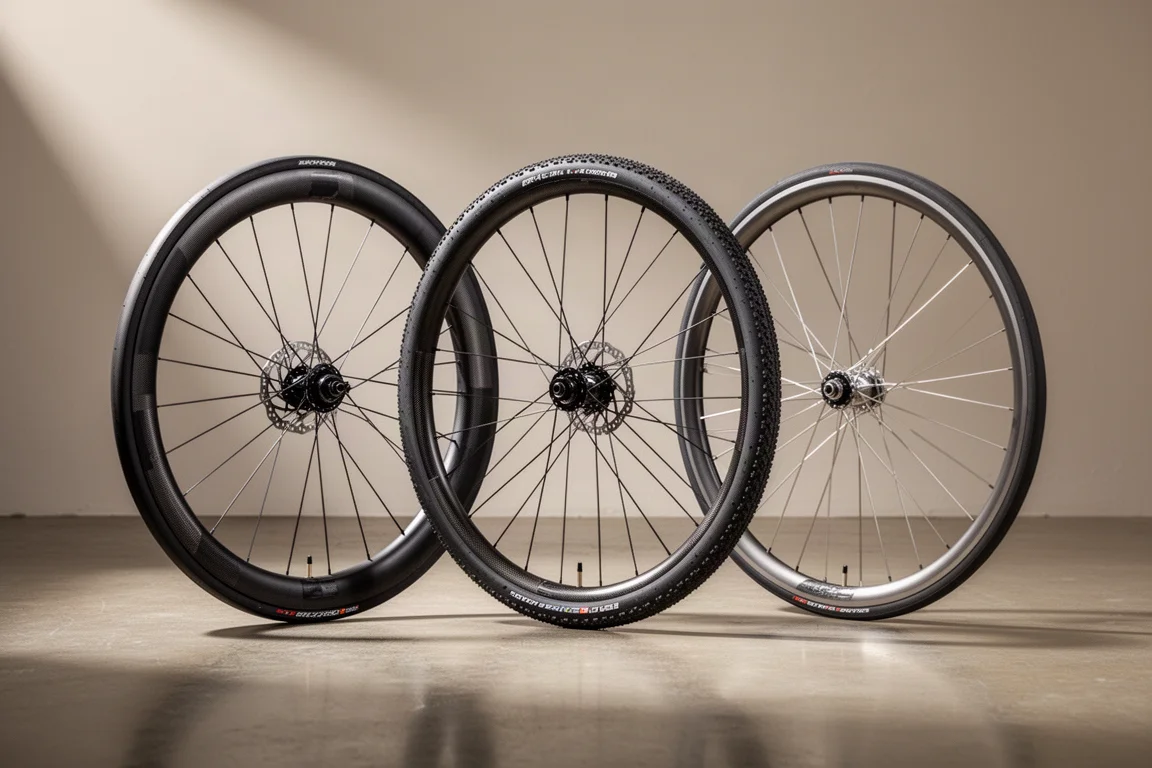
Wheel prices run from roughly a hundred pounds to several thousand, and the figure on the receipt is not a reliable guide to how a wheel actually rides. What matters is the combination of rim shape, internal width, hub quality, weight and the support you get if something goes wrong.
This roundup gathers seven wheelsets that stand out across road, gravel and touring use, followed by a short look at the sets that did not make the main picks. Every entry here has a clear reason for being included and a clear compromise to accept.
How These Wheels Were Evaluated
Each wheel was judged on the same handful of practical points: rim material and internal width, hub design and freehub compatibility, claimed weight, warranty and crash replacement terms, and how the wheel behaves in crosswinds and on rough surfaces.
One design detail deserves a flag before you buy anything. Hookless rims have no hook to hold the tyre in place, so the tyre simply presses against the rim walls. That limits the maximum pressure you can safely run, and the recommended limit varies between brands. Check the ETRTO guidance for safe tyre and rim combinations before riding any hookless wheel.
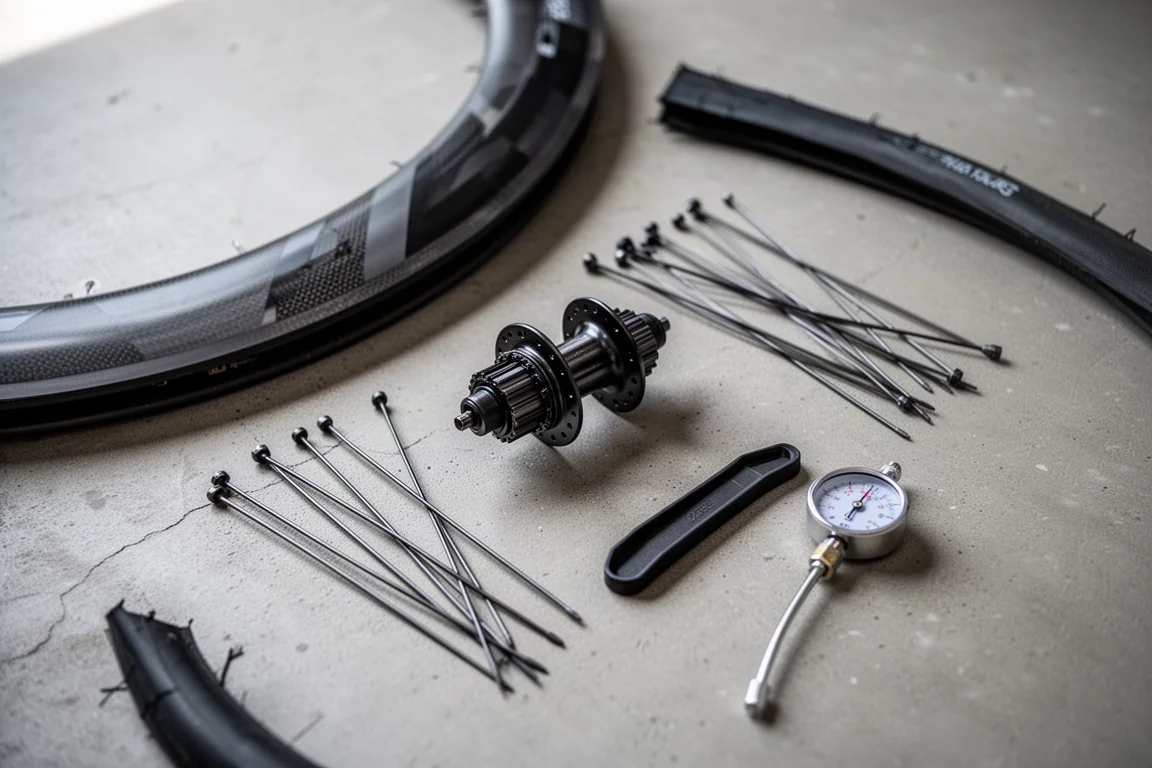
Price was weighed against performance rather than in isolation. Several sets here cost a fraction of the most expensive option and give away very little in real riding terms, which is the single most useful thing to understand before spending.
Best All-Rounder: Zipp 303 S
The Zipp 303 S is the most accessible carbon wheelset in Zipp’s range, and it earns its place on the strength of the overall package rather than headline numbers. You get carbon rims, tubeless-ready compatibility, disc brake fitment and a claimed weight of 1,525 g for the set. The rims are hookless, so pressure limits apply and the tyre and rim combination needs checking.
The standout feature is the lifetime warranty, which covers any intended use. A pothole strike on a training ride is covered, and so is a crash in a race. A collision with a car is not covered, on the basis that it falls under separate insurance. For a wheelset at this level, that degree of backing is unusual and it removes a lot of the risk from buying carbon. Ride quality has consistently felt strong, and there is very little to criticise beyond the fact that it is not the most exciting wheel on the market.
Premium Speed: Zipp 353 NSW
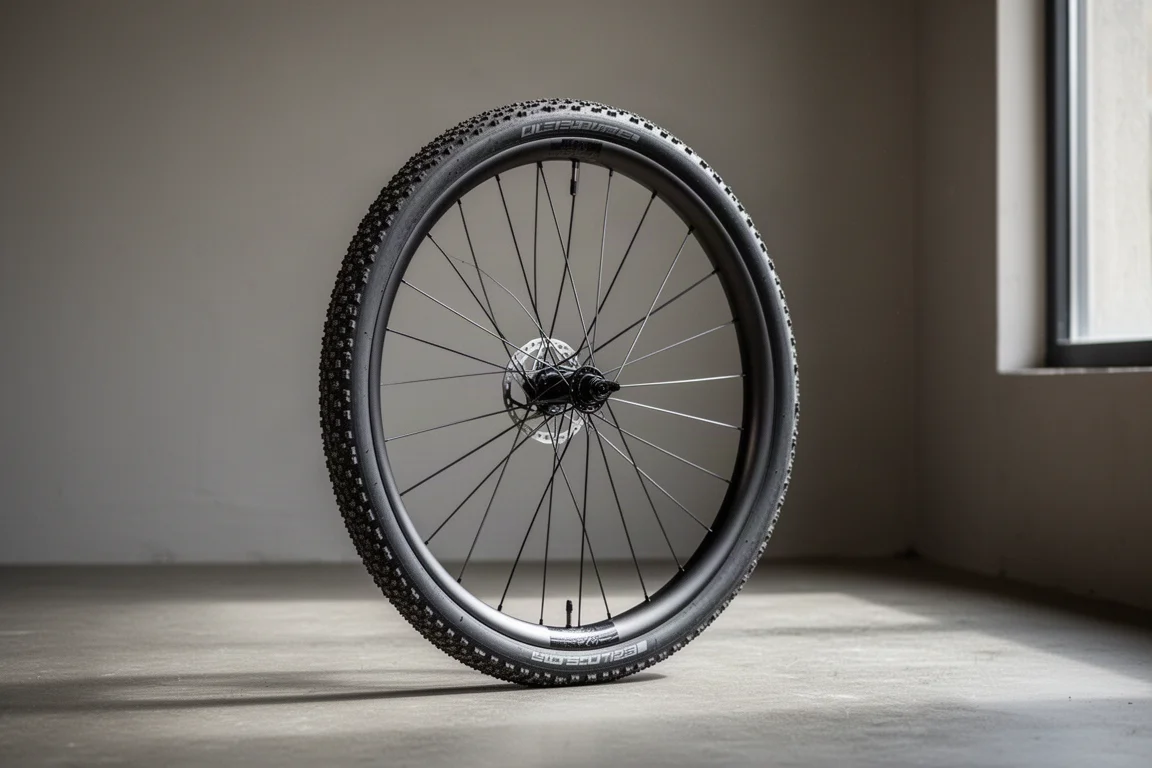
NSW stands for Nest Speedworks, named after the part of Zipp’s operation where the range is developed. These sit at the very top of the line, and the 353 NSW takes a slightly different approach to the deeper option in the range: it is shallower, wider internally and rated for gravel as well as road. The set is priced at around £3,376.
The ride quality is exceptional, which is what you would expect at this price, and the freehub makes a loud, distinctive sound that some riders love and others find excessive. The undulating rim profile and glossy finish are the more divisive points. It is worth noting that the lower-priced Firecrest 303 and 404 look cleaner to many eyes, so the premium here buys performance and exclusivity more than it buys styling.
Best Heritage Pick: Campagnolo Bora
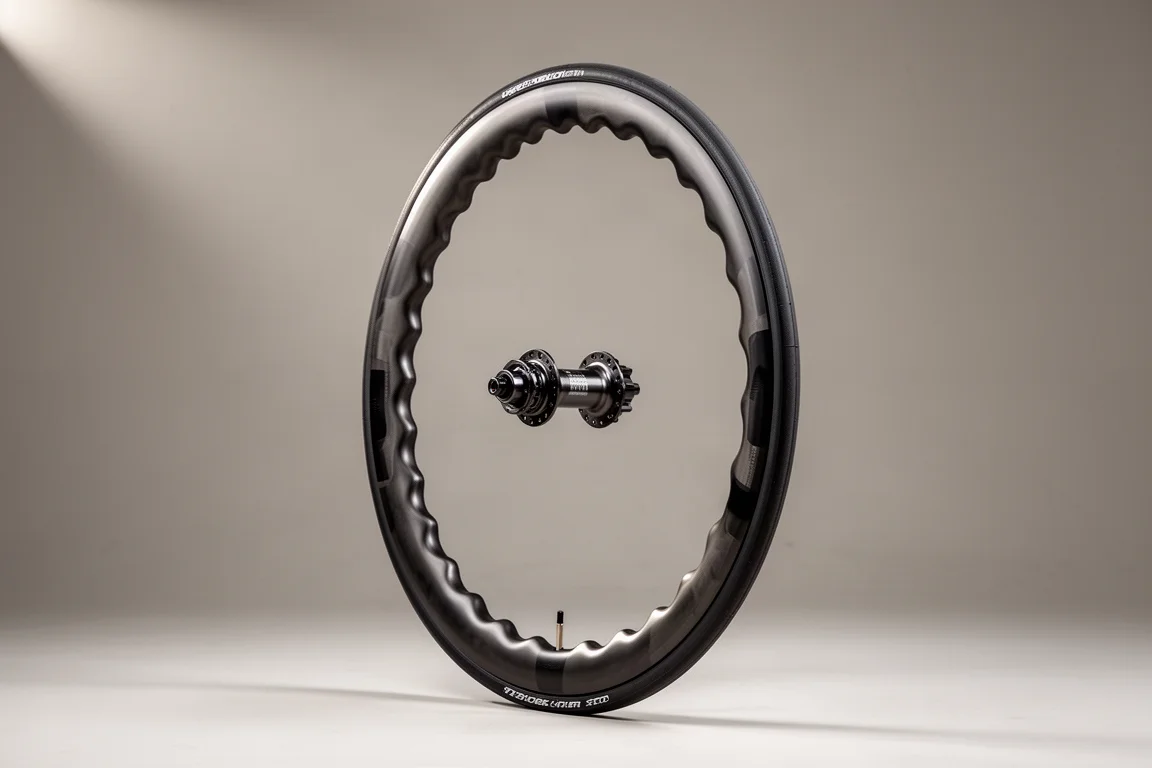
Campagnolo’s Bora wheels are effectively high-end Fulcrum designs with different logos and a different rear spoke pattern, and that distinctive rear lacing is part of the appeal. The ride quality places them at the very top of this list.
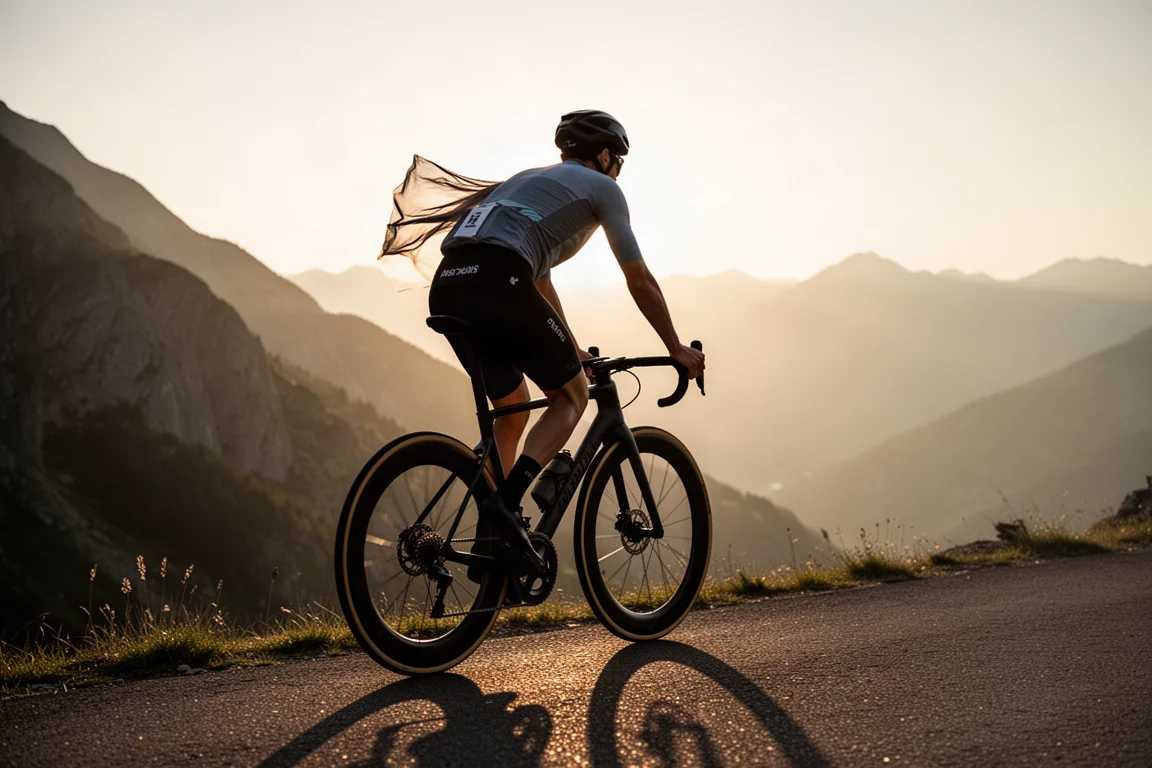
Freehub support is unusually broad. Despite carrying Campagnolo branding, they can be run with XDR or Hyperglide bodies, which means they will suit a wider range of drivetrains than the name suggests. For riders who want a premium wheel without being locked into one groupset ecosystem, that flexibility matters a great deal.
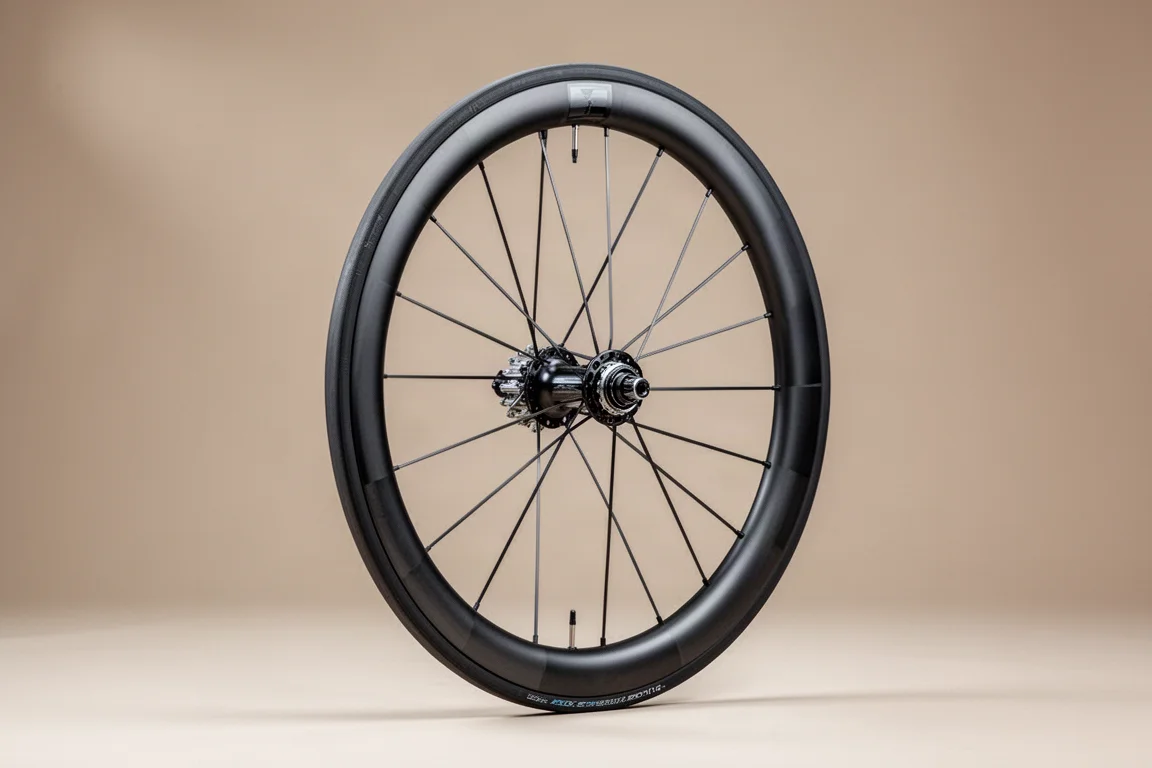
Best Crosswind Stability: Enve SES
Enve’s SES range is the brand’s flagship, and the defining numbers are the 25 mm internal diameter and the mismatched rim depths. Depending on which set you buy, the front wheel is shallower than the rear, and the rim profiles differ as well. The front wheel, which is the one that causes instability in crosswinds, is shaped specifically to stay calm.
That approach works. In strong, gusty conditions these wheels track noticeably more calmly than a conventional deep-section pair, which is the main reason to consider the roughly £3,350 asking price. The very wide internal width also makes tyres sit broader than most riders expect. Part of the cost is brand prestige, and the performance gain over cheaper wheels is smaller than the price gap suggests.
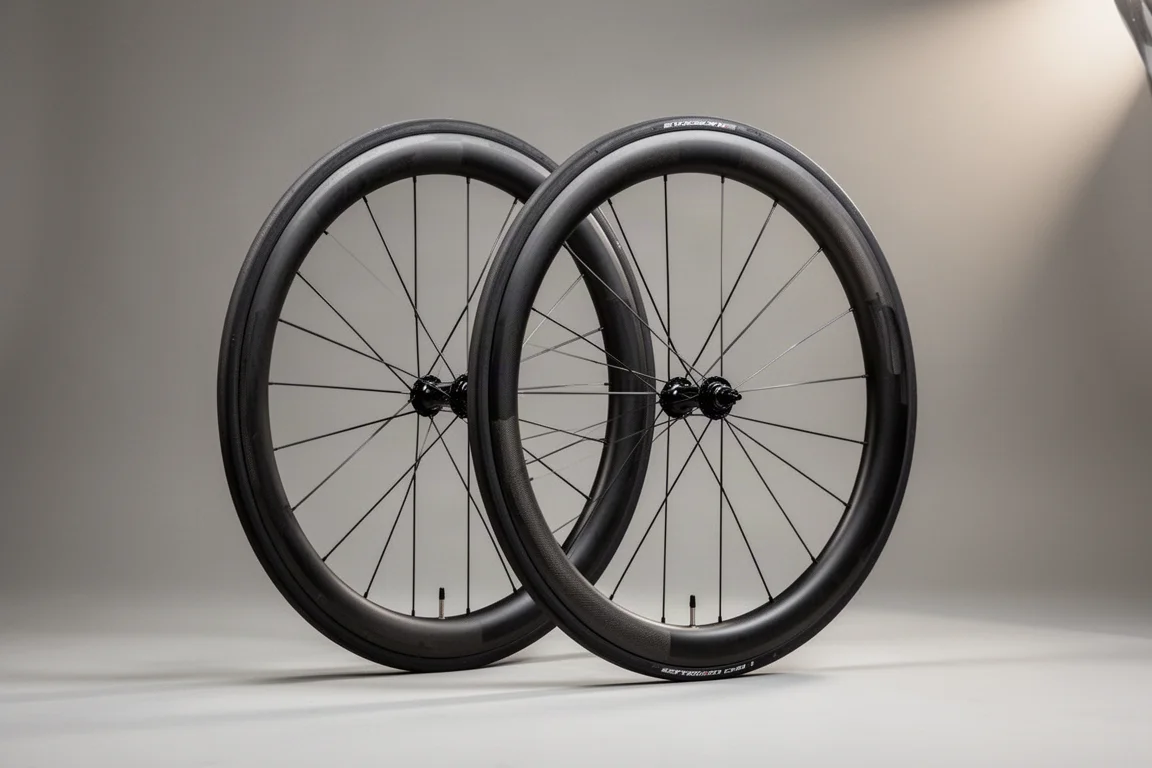
Best Hubs: DT Swiss ARC 1400 DICUT DB
DT Swiss manufactures its own hubs, and that is the strongest argument for this wheelset. The rim is 20 mm internally, which is not the most modern figure but is far from outdated, and the DT240 hubs with their ratchet drive give very fast engagement that you can feel the moment you start pedalling. A rim brake version is also available, which is increasingly rare at this level of the market.
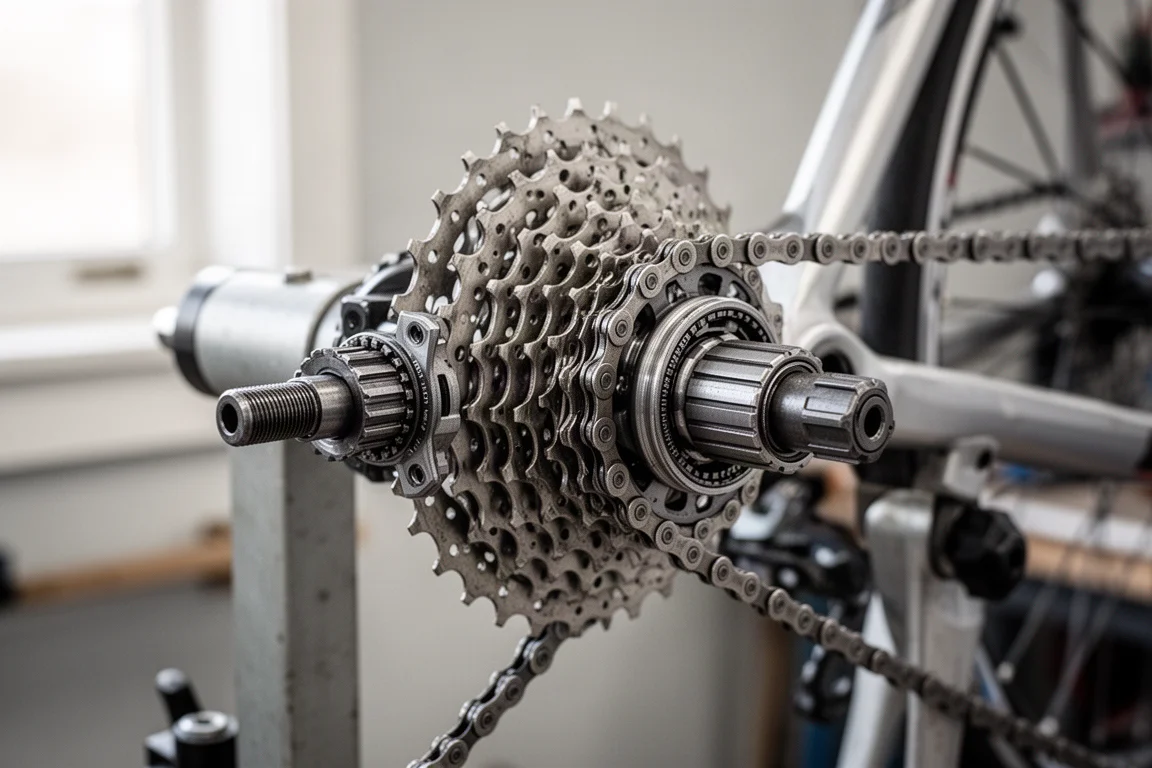
The trade-off is visual. Like most DT Swiss wheels, this one is understated to the point of being plain, with a single small logo, and at around £2,000 a set that restraint is a harder sell. What you are buying is hub quality and long-term reliability rather than showroom presence.
Best Value Carbon Upgrade: Shimano Ultegra C50
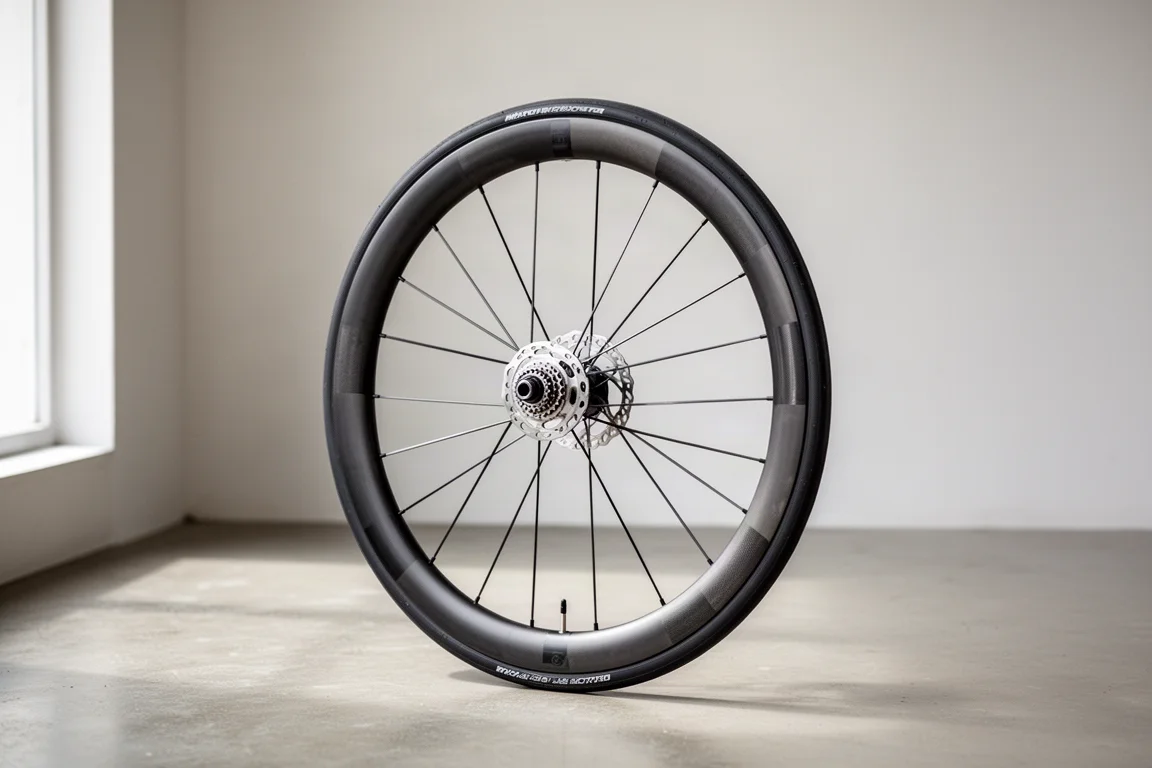
The Ultegra C50 sits a step above Shimano’s more affordable carbon road wheelset for a modest premium, and it is the better buy of the two. The extra money brings a lighter wheel, a better carbon layup, a deeper rim for more speed and a 2:1 spoke pattern on the rear.
Shimano still uses cup and cone bearings on most of its wheelsets, with small ball bearings that can be serviced rather than sealed units that cannot be. The system has been refined over a long period and it works well. The one real limitation is that you are locked into a Shimano freehub, so this is a wheel for riders already committed to that ecosystem. Weight is not class-leading, but the value is hard to argue with.
World Tour Performance at a Fair Price: Swiss Side Hadron Ultimate
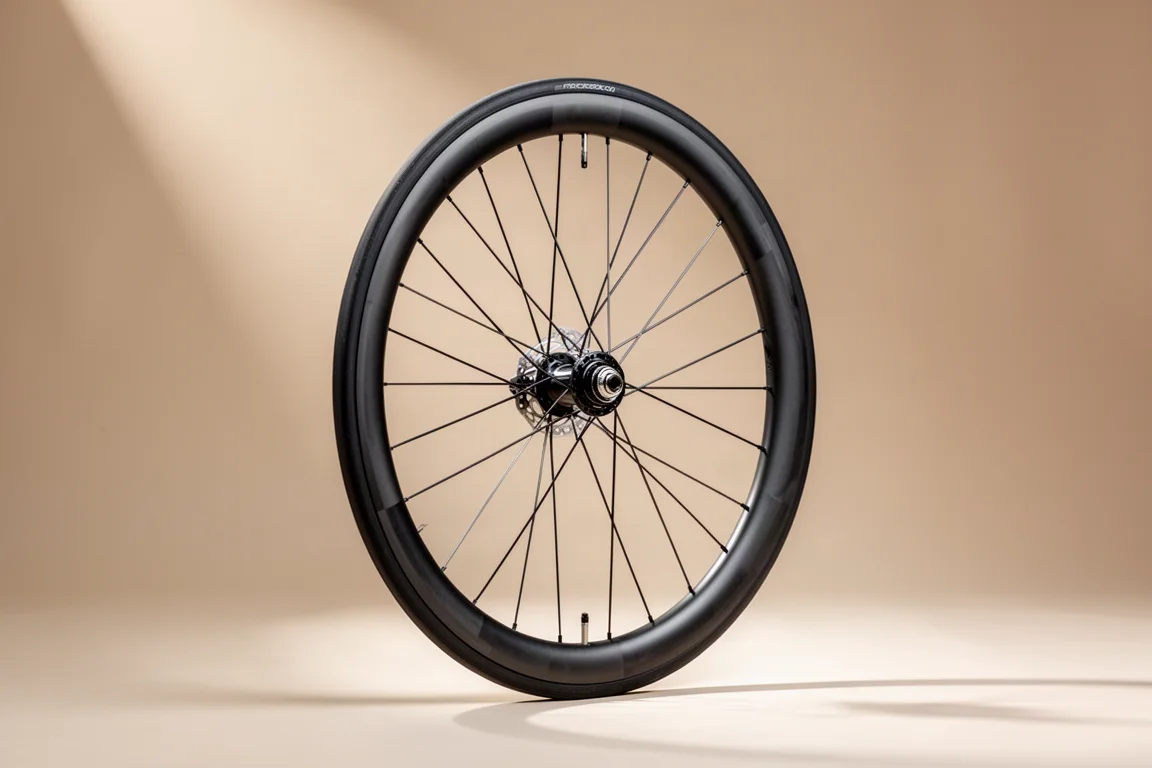
Swiss Side develops its wheels in collaboration with DT Swiss. The hubs differ, but much of the aerodynamic work is shared, and the Hadron Ultimate is used by the Decathlon AG2R World Tour team. That is genuine racing pedigree at around £1,396 a set.
These wheels are not as visually striking as a set of Zipps or Enves, and the understated look is part of the value proposition rather than a flaw. There is also a 50 percent crash replacement programme if the wheels are damaged in a race. For a bike built specifically to race, this is one of the strongest options on the list.
What Else Stood Out
Several sets outside the main picks are worth knowing about. The Halo Drove Line costs around £330 and survived a ride the length of Thailand with loaded bags, days of relentless rain and several flights, with the bearings still running smoothly and the rims still true. The Scope R3A has a 23 mm internal width that suits gravel, crash replacement cover and support for a very wide range of freehubs, along with a freehub loud enough to be heard well before you arrive. DT Swiss ER 1400 alloy wheels are reliable, inoffensive and easy to keep running because the right freehub can always be found. The Miche CarboGraph, at around £1,300, is light with well-finished hubs, though tyres proved difficult to mount. Shimano’s 105 WH-RS710-C46-TL brings a 46 mm carbon rim, a 21 mm internal width, a claimed 1,613 g and the same serviceable cup and cone bearing approach for around £1,000.
A few sets come with more obvious caveats. The Princeton CarbonWorks Wake 6560 with Tactic hubs is the most expensive wheel here at around £4,900, with the hubs alone costing over £1,000, and it is among the lightest available. It rides well, but the wavy profile and the bolder colour options will not suit everyone, and at equal depths most premium wheels are separated by only a few watts. The Enve Foundation 45 offers a 21 mm internal width, 45 mm or 65 mm depths and roughly 1,500 g for the 45 mm version, with the same bearings as the SES range and crash replacement cover, but at around £1,800 the price looks high next to rivals delivering similar performance. The Elite Drive uses carbon spokes, which makes it extremely stiff, and the rim brake version suffers the usual carbon braking limitations. The Fast Forward F4R carbon clincher, ridden with rim brakes, was just about acceptable in the dry but had a noticeable delay before braking bit in the wet. The Cube GR 2.3 wheels fitted to a new bike arrived with rumbly hubs, went badly out of true and ended up with worn bearings, which is a poor start for anyone new to the sport.
Buying Advice
Start with the rim. Carbon is lighter and faster, but hookless designs restrict tyre pressure and demand careful tyre matching. Alloy rims are heavier but forgiving, and for loaded touring or daily commuting they remain the sensible choice.
Then check the hub and freehub. A fast-engaging ratchet hub changes how a bike feels in traffic and on technical climbs, and freehub compatibility determines whether a wheel can move between bikes or drivetrains. Shimano wheelsets lock you into a Shimano freehub, while Campagnolo and Scope offer a much wider spread of options.
Warranty and crash replacement should carry real weight in the decision. A lifetime warranty that covers pothole damage and race crashes, or a 50 percent crash replacement scheme, is worth more over several seasons than a small weight saving.
Finally, be realistic about depth. Very deep rims are faster on open roads but less pleasant in gusty conditions, and shallow rims are easier to live with day to day. If a wheel is only used for racing, the trade-off is worth making. If it is the only set you own, a mid-depth rim with good crosswind behaviour will be the better long-term purchase.
Conclusion
Seven wheelsets, seven different reasons to buy. The Zipp 303 S is the safest all-round choice thanks to its warranty and ride quality. The Zipp 353 NSW is the premium speed option. Campagnolo’s Bora brings top-tier performance and unusually broad freehub support. The Enve SES is the calmest deep-section wheel in strong wind. DT Swiss offers the best hubs, Shimano the best value carbon upgrade, and Swiss Side the closest thing to World Tour performance at a fair price.
Spend according to how you ride, check tyre and rim compatibility before anything else, and the right wheel becomes a straightforward decision.
Further reading
Related Reviews
Cycling Wheels
Aero vs Lightweight Carbon Wheels: Hunt 60 Limitless and Hunt 32 Aerodynamicist Compared
Deep-section aero wheels and featherweight climbing wheels promise different things. Controlled real-world testing on flat laps and a steep climb shows where each set actually gains time.
Cycling Wheels
Best Carbon Road Bike Wheels 2026: Six Standouts From Entry Level to Premium
A practical guide to carbon road bike wheels across six price brackets, covering rim width, rim depth, hub engagement and what each step up actually buys.
Cycling Wheels
Best Rim Brake Road Wheels: Six Options From Budget to Premium
Six rim brake road wheelsets covering nearly every price point, from a value alloy set to sub-kilogram tubulars, plus advice on custom builds and buying secondhand.