Cycling Components
Bicycle Pedals Compared: Which Road and Trail Systems Are Worth Buying
A practical look at road, trail and flat pedal systems, from affordable SPD-SL options to niche wide-stance designs, plus the models worth avoiding.
Introduction
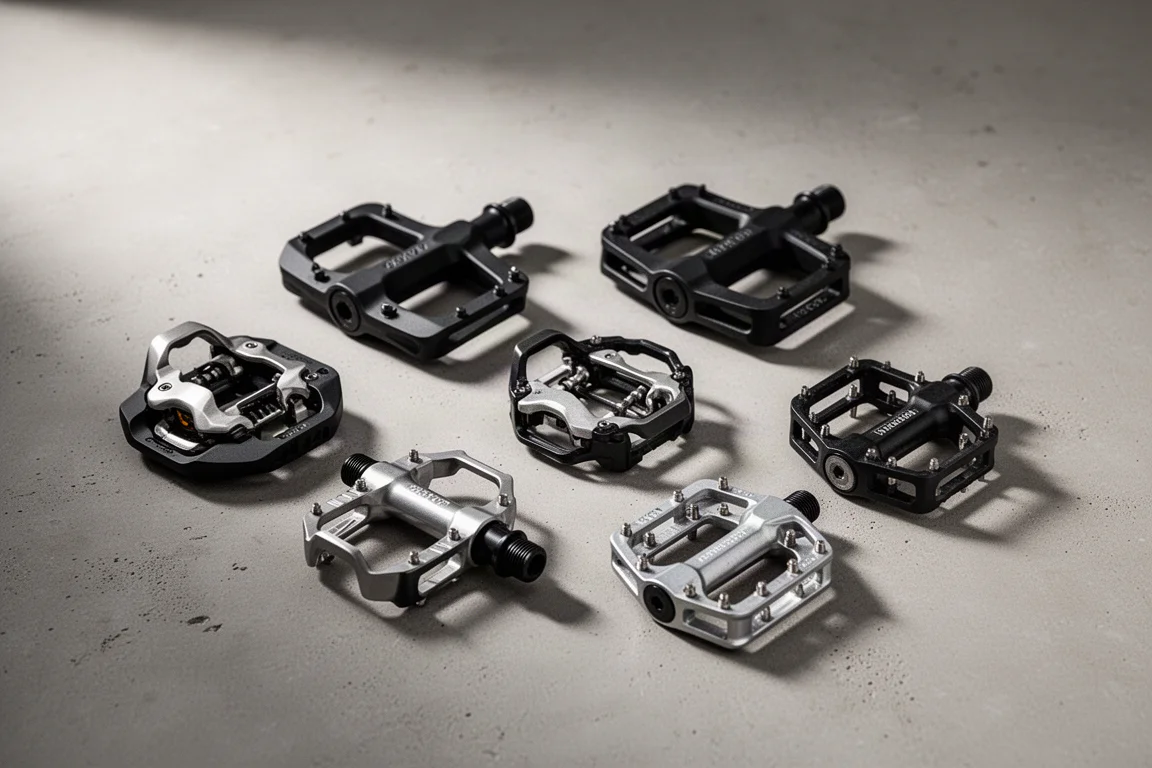
Bicycle pedals look like a small detail, but they decide how stable your foot feels, how easily you can get in and out at a junction, and how much of your effort actually reaches the road. The market is crowded: two-bolt mountain bike systems, three-bolt road systems, flat pedals, and a handful of niche designs that solve very specific fitting problems.
This guide groups the main options by what they are actually good at. Some are straightforward buys for most riders. Others make sense only if you have a specific need, such as a wider stance or a lower stack height. A short section at the end covers the models that are hard to recommend.
How These Pedals Were Assessed
The criteria here are practical ones. Platform stability matters most, because a pedal that lets the foot rock will make long rides uncomfortable no matter how light it is. Cleat fit and float come next, followed by bearing quality and how easily the bearings can be serviced.
Stance adjustability is the criterion that gets overlooked. Axle length, and the ability to add washers or spacers, changes where your feet sit relative to the bike, which affects knee tracking, pressure on the outside of the foot and how you load the saddle. Durability, ease of entry and exit, and value round out the picture.
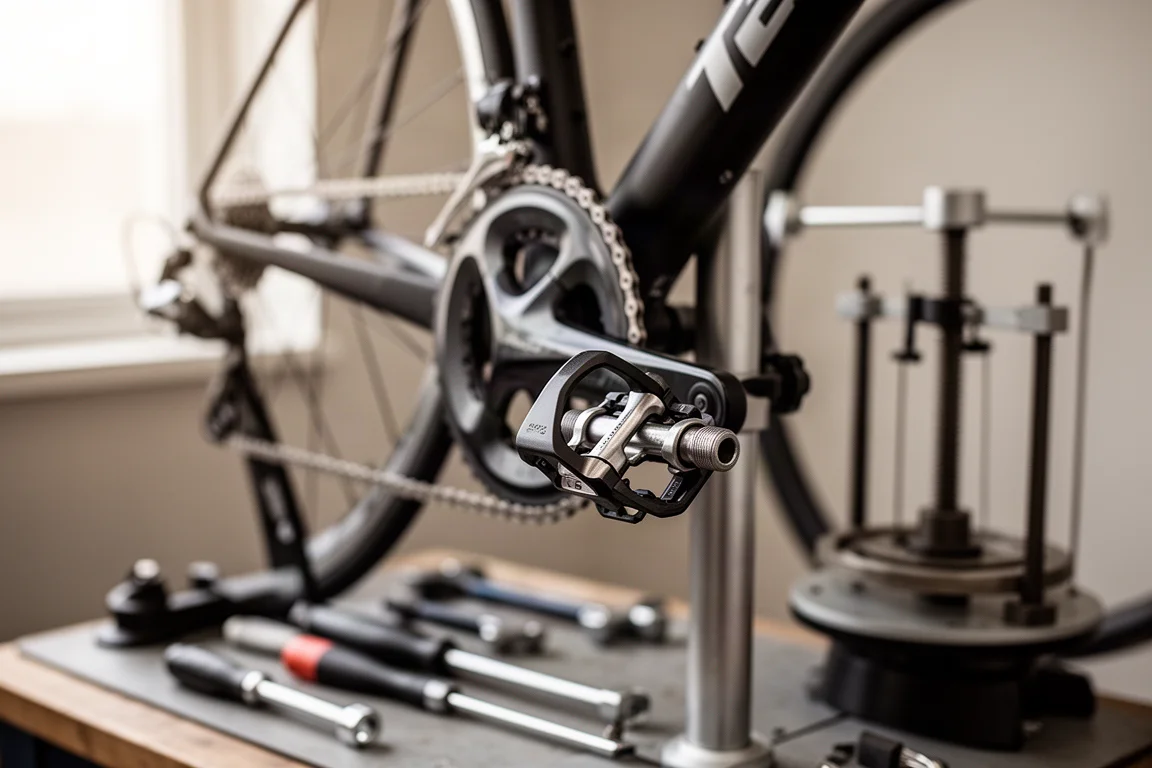
A pedal that scores well on stability and serviceability usually stays in service for years, which is why a resin body with a metal wear plate often makes more sense than a cheaper all-plastic design.
Shimano R550: The Sensible Entry Point to SPD-SL
The R550 is a resin-bodied SPD-SL pedal sitting at the affordable end of the Shimano road range. It shares the traits that make the rest of that range easy to live with: a stable platform, a metal wear plate across the body, and bearings that can be adjusted and replaced rather than thrown away.
Bearing quality improves as you move up through Ultegra and Dura-Ace, and those models last longer between services, but the basic character of the system stays the same. Entry and exit are predictable, and the float is manageable for most riders.
Shimano Ultegra SPD-SL: The Case for a Wider Stance
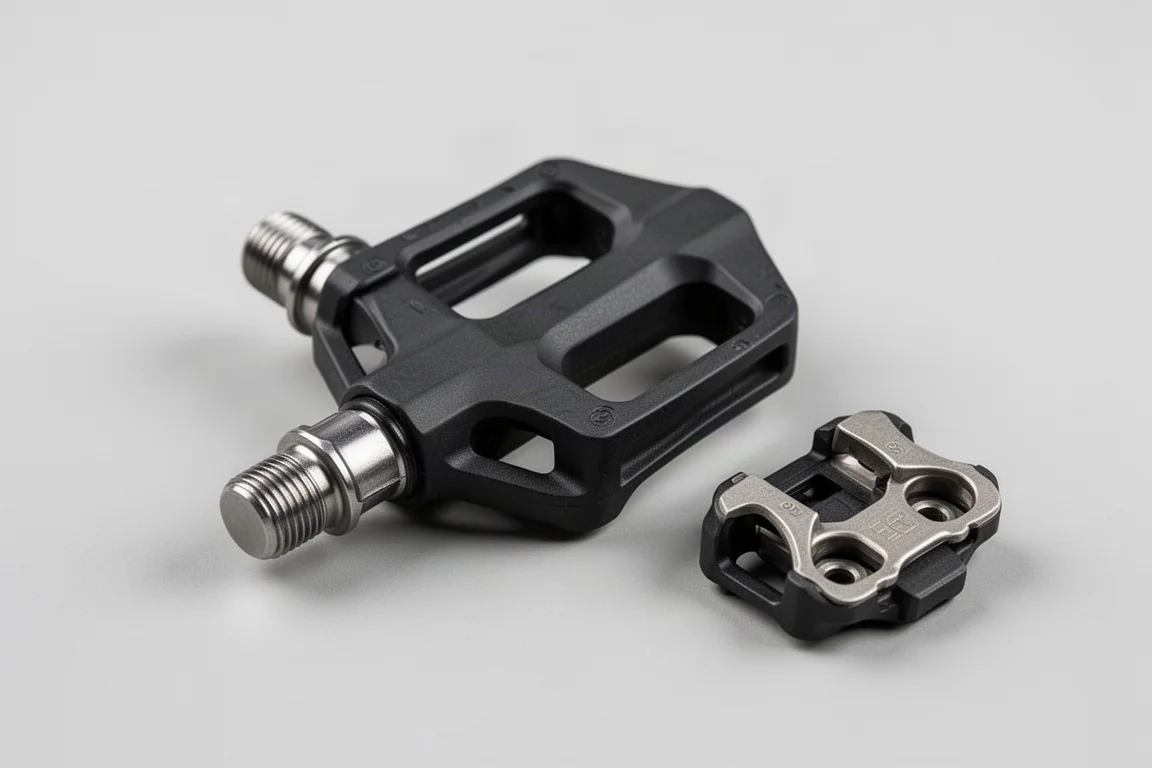
The extended axle version of the SPD-SL pedal adds 4 mm per side and is only available in Ultegra and Dura-Ace. That 4 mm is a bigger change than it sounds. Modern bikes have become narrower over the years, largely so that very flexible, very light riders can pedal through corners without striking the ground.
Most riders do not need that narrow a stance, and widening it can reduce pressure on the outside of the foot, improve how the saddle feels under load, and change the weight going through the front of the bike. It is one of the most common fitting adjustments made on road bikes for exactly that reason.
Shimano M540: Where the Trail Range Starts to Make Sense
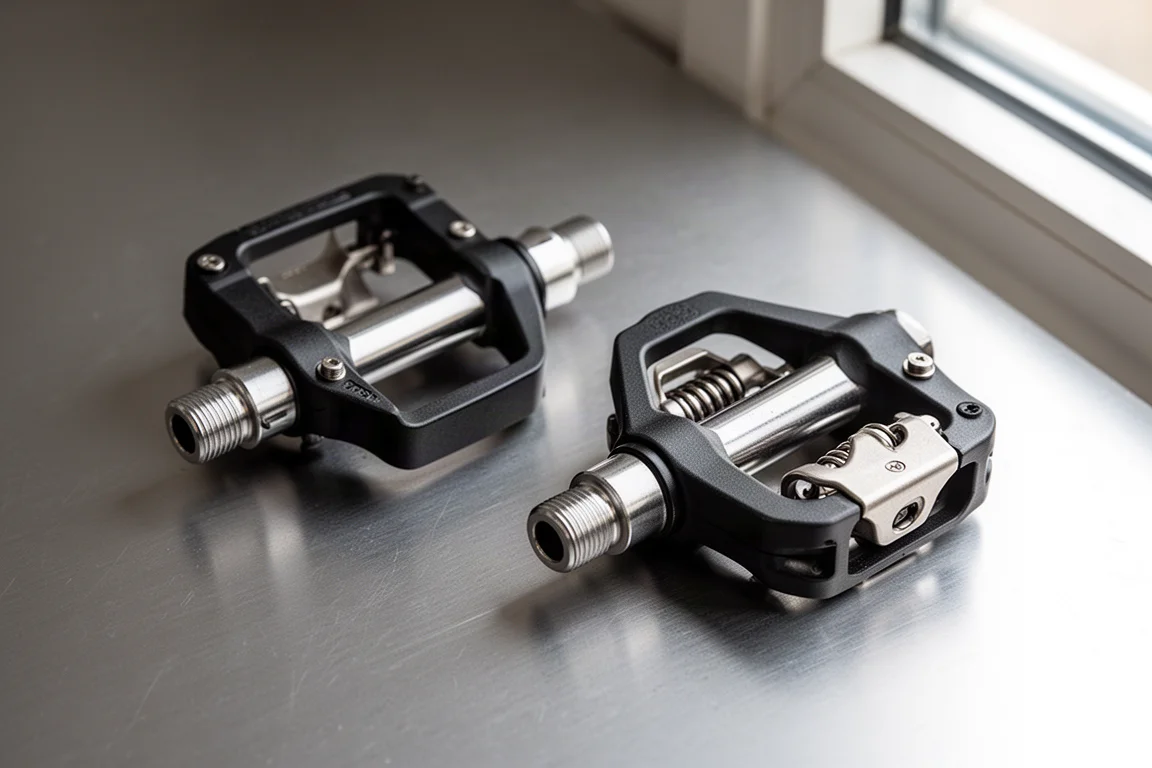
The M540 sits one step above the cheapest two-bolt SPD option and is a much better long-term purchase. Its bearings are significantly better, it lasts far longer, and the feel underfoot is close to the higher end of the range, including the XT and XTR models.
The cheaper alternative is worth understanding mainly so you can avoid it. Its bearings deteriorate quickly and the pedal does not hold up to regular riding. If you are buying a first trail pedal, the M540 is the point where the system becomes reliable.
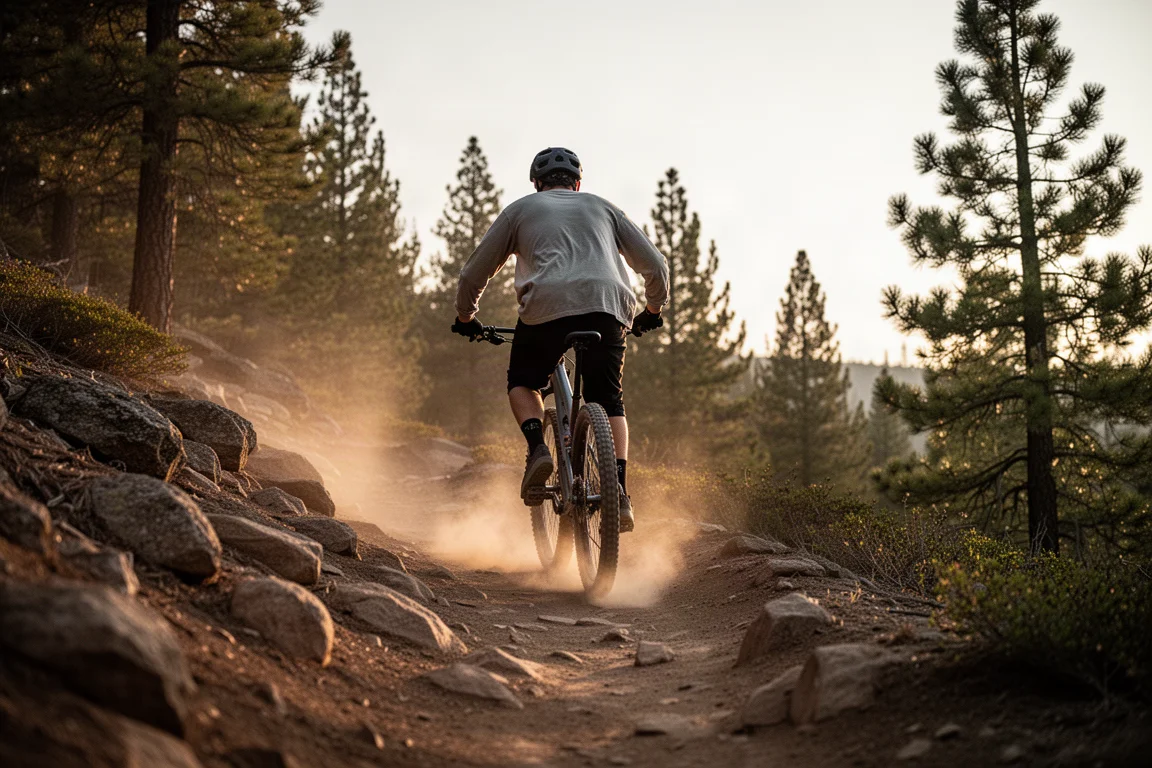
Dual-sided entry makes clipping in on loose ground far less fiddly, which matters more than weight on technical trails.
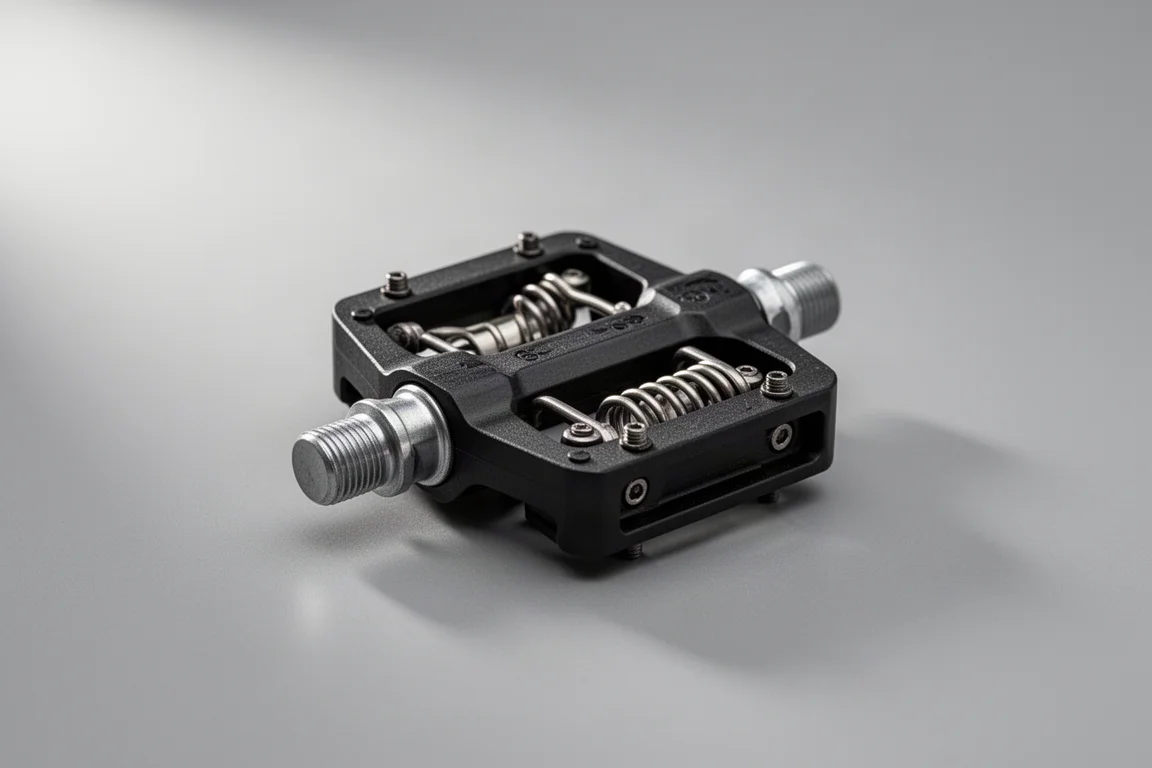
Shimano ME700: A Bigger Platform for Off-Road Riding
The ME700 is a trail version of the SPD design with a wider platform around the mechanism. The extra material gives your foot a bigger target, so if you come out of the pedal on a rough section, you still have a surface to stand on while you sort yourself out.
The trade-offs are real. It is a heavy pedal with modest bearings for the money, and the added bulk offers little for gravel or commuting use. On a mountain bike, though, the larger contact area is a genuine benefit.
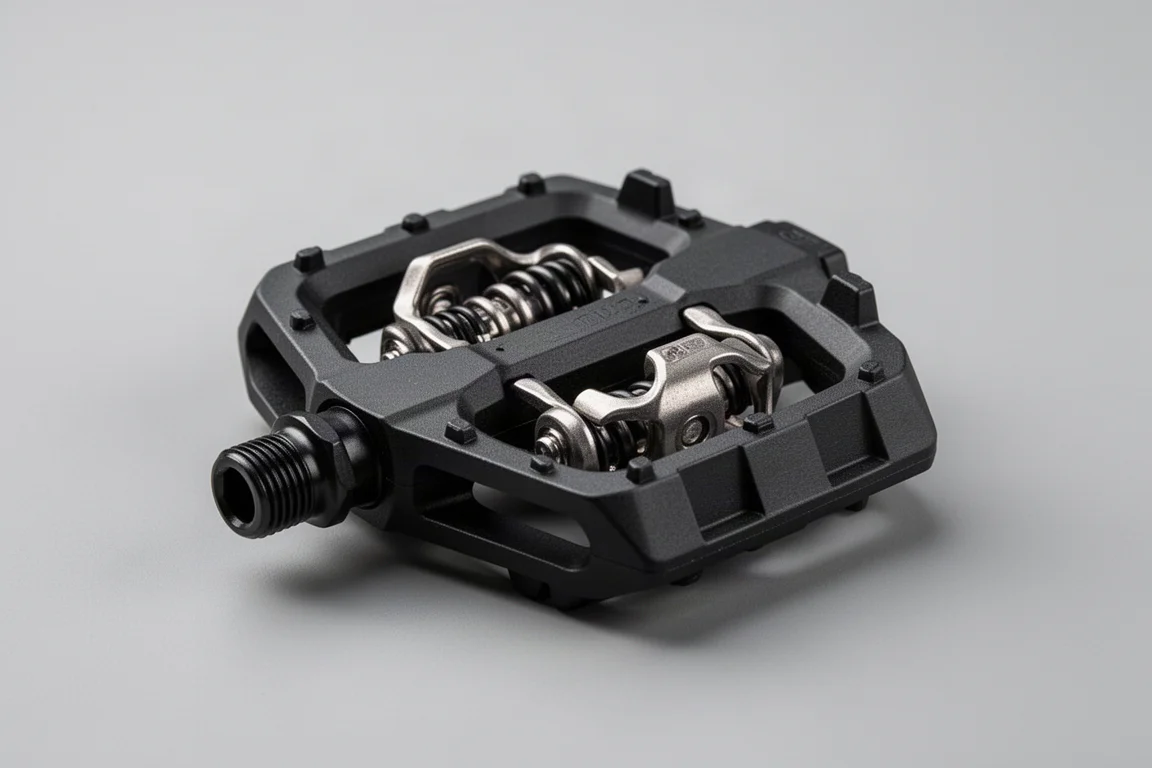
Look Keo 2 Max: An Easier Pedal to Live With
The Keo 2 Max is available with either a resin or a carbon body, and it uses adjustable, replaceable bearings with a choice of float options. In use it feels close to an SPD-SL pedal: a reasonable amount of adjustment and a predictable release.
Its advantage is orientation. The pedal tends to hang in a consistent position, which makes it noticeably easier to find and engage, especially for riders who are new to clipless pedals. Longer threads on the axle also allow more washers, which gives a little more room to adjust stance.
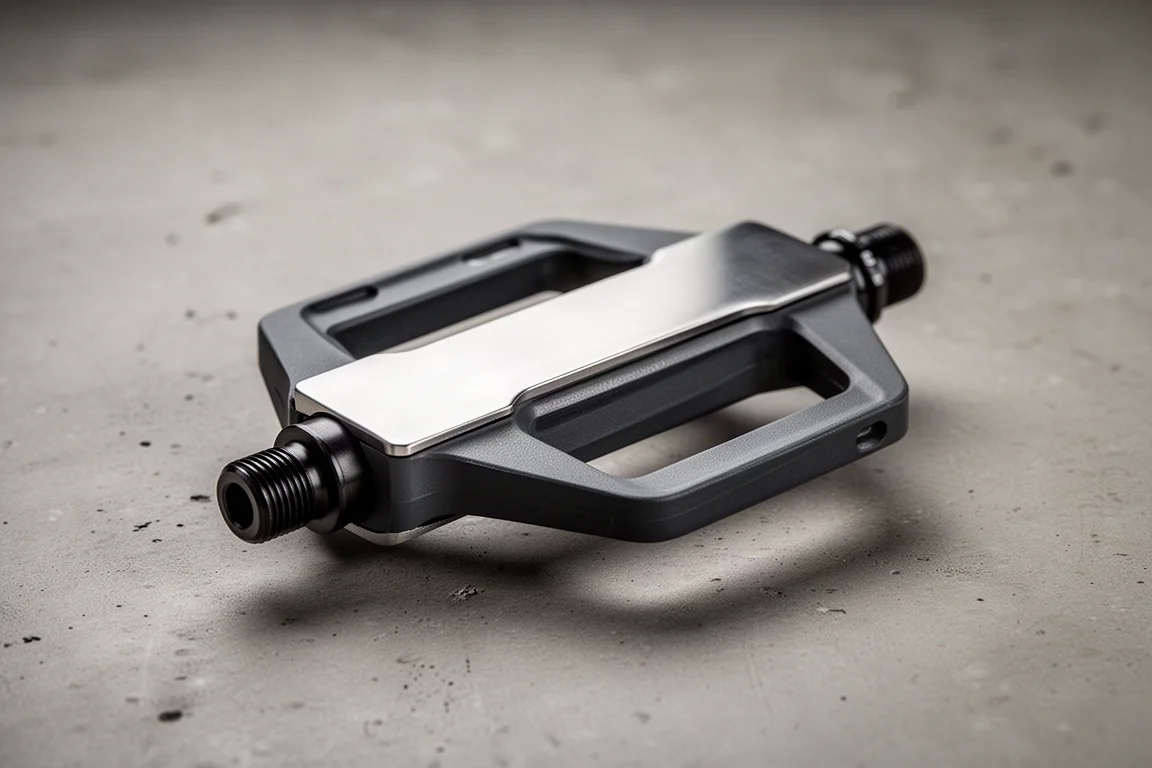
Time XPro 12: Stance Options Arrive in a Road Pedal
Time pedals have a mixed reputation. Older designs were neutrally weighted, which made accidental release easier, bearing quality was not a strength, and there was very little scope to adjust stance.
The XPro 12 addresses the last of those problems directly, with three factory stance options. The narrow version has limited appeal for most riders, and the widest is not as wide as some riders would like, but the move toward different axle lengths is a genuine improvement and makes the system worth a look for anyone who has struggled with foot position.
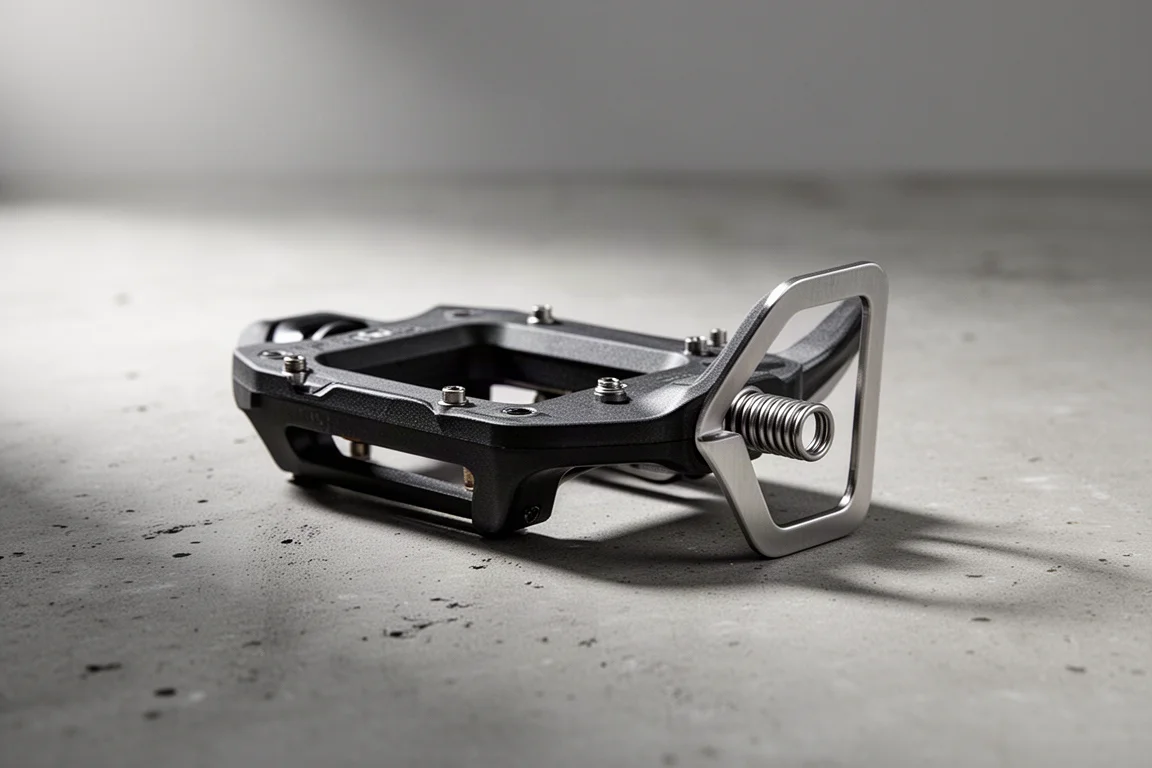
Crank Brothers Egg Beater: Float and Mud Clearance
The Egg Beater earned its following by doing two things well: shedding mud and offering generous float. The mechanism is open, so mud has little to cling to, and the release feels free compared with tighter road-style systems.
Durability is the weak point, and the small body can feel less secure under a larger foot in extreme cases. For muddy conditions and riders who like a lot of rotational freedom, it remains a strong choice.
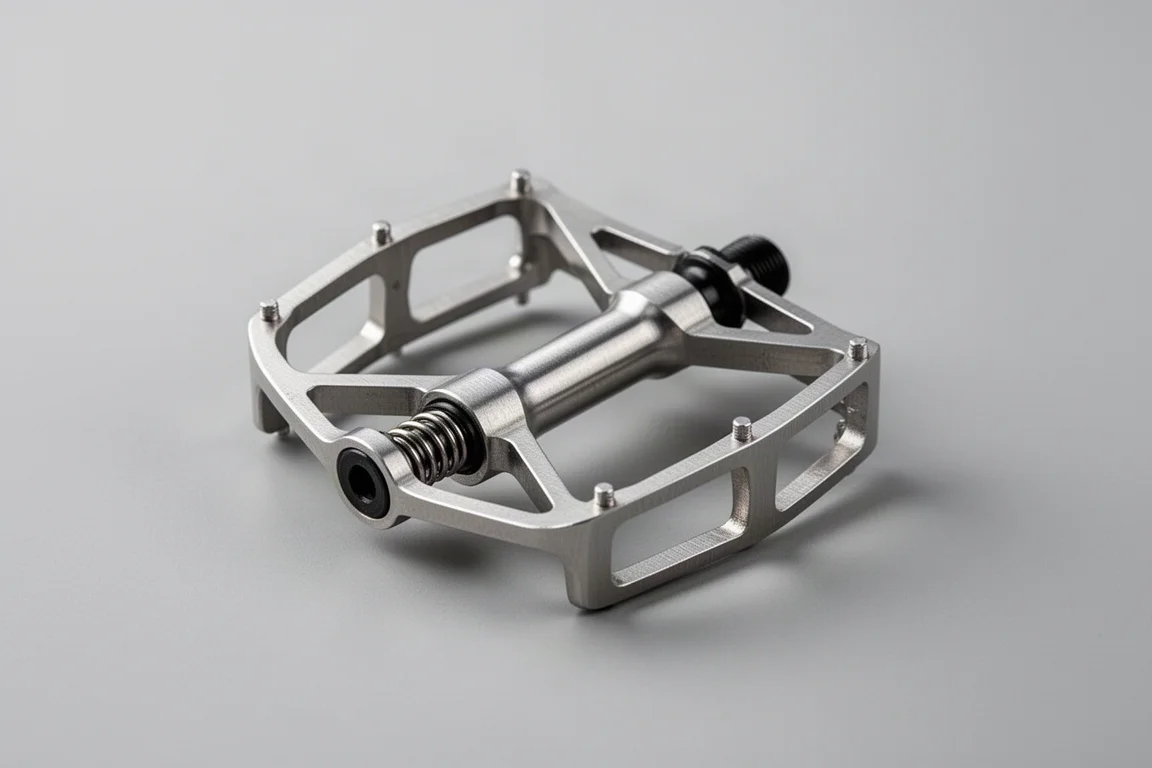
Crank Brothers Candy: A Bigger Platform, Same Easy Entry
The Candy takes the Egg Beater mechanism and wraps a small body around it. That single change resolves most of the stability complaints: you still get easy dual-sided entry, strong mud shedding and plenty of float, but the foot rests on a wider surface.
For trail riders who want float without feeling perched on a minimal mechanism, this is the more comfortable option of the two.
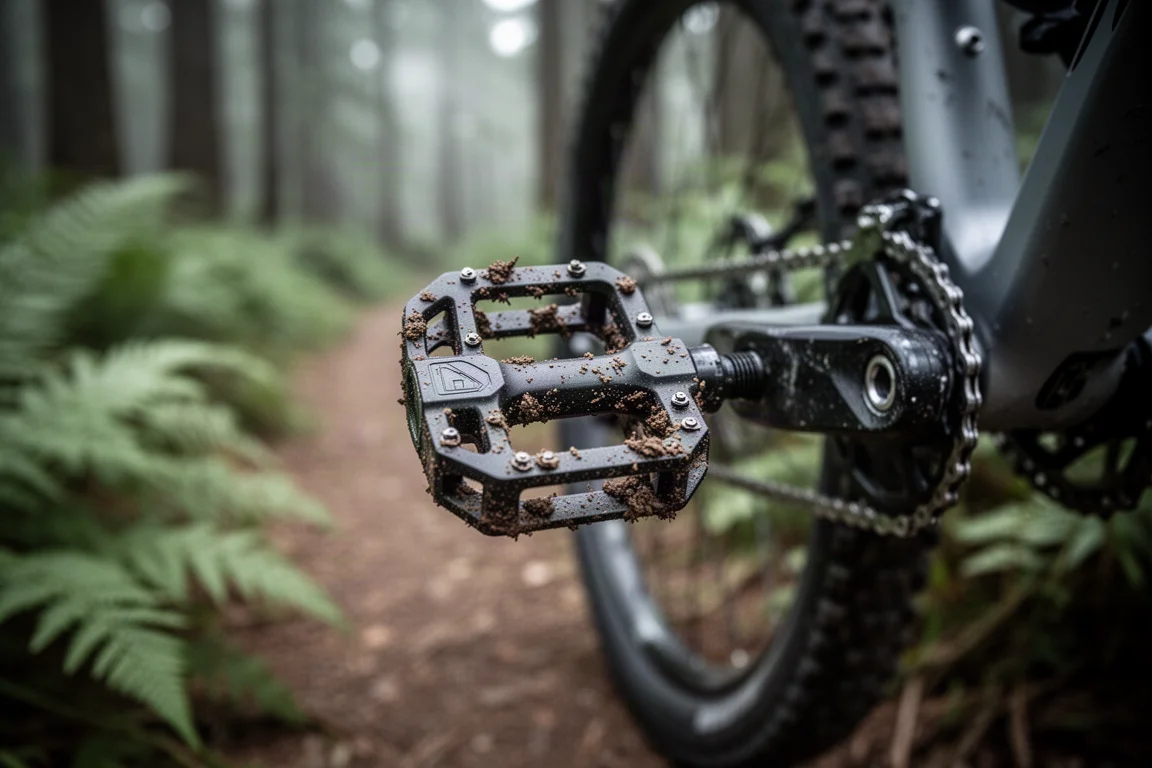
The wider body also helps when you are restarting on an incline and need to find the pedal without looking down.
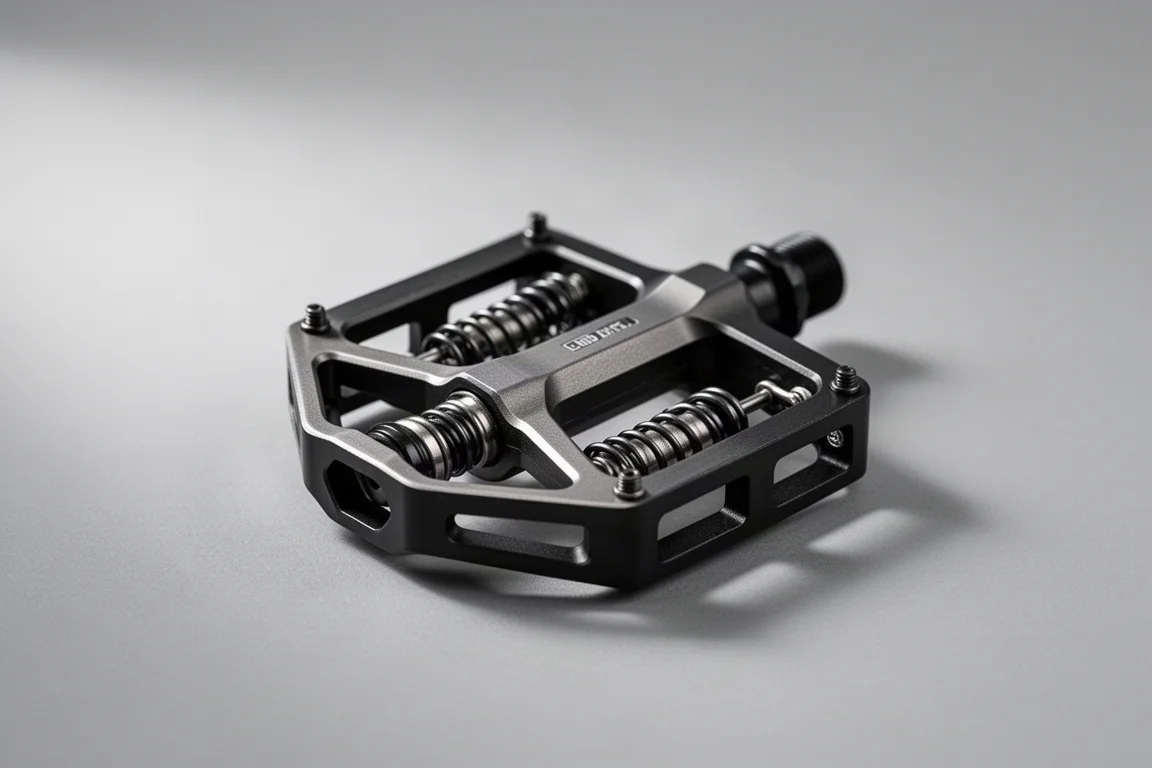
Keywin KC850: The Lowest Stack Height Option
The KC850 is a specialist road pedal built around two ideas: an unusually low stack height and a very wide cleat interface. Integrated wedging can be built into the setup, which gives fitters another way to tune stability for riders with different requirements.
More recently the range has added plus or minus 3 mm and 6 mm axle options, so there is now a reasonable spread of stance choices as well. If stack height or cleat contact area is your priority, this is one of the few systems designed around those numbers.
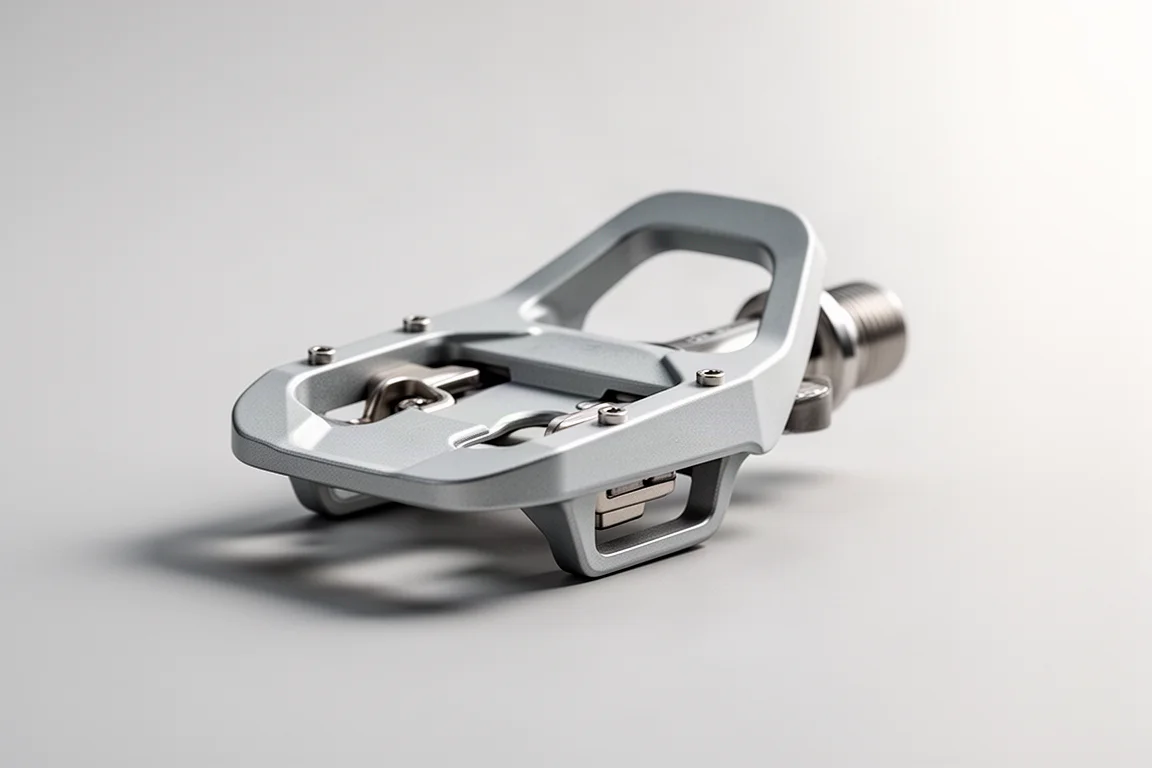
SQlab 511: Extended Axle for SPD Riders
The 511 is an SPD-compatible pedal offered with 8 mm and 15 mm extended axles, which makes it one of the only routes to a genuinely wide stance on a two-bolt system. For riders who need that and want to keep using SPD shoes and cleats, it solves a problem that few other pedals address.
As a pedal in its own right it is average. The cleat to pedal interaction is not the strongest, bearing quality is unremarkable, and the finish is less refined than mainstream alternatives. Buy it for the fit, not for the feel.
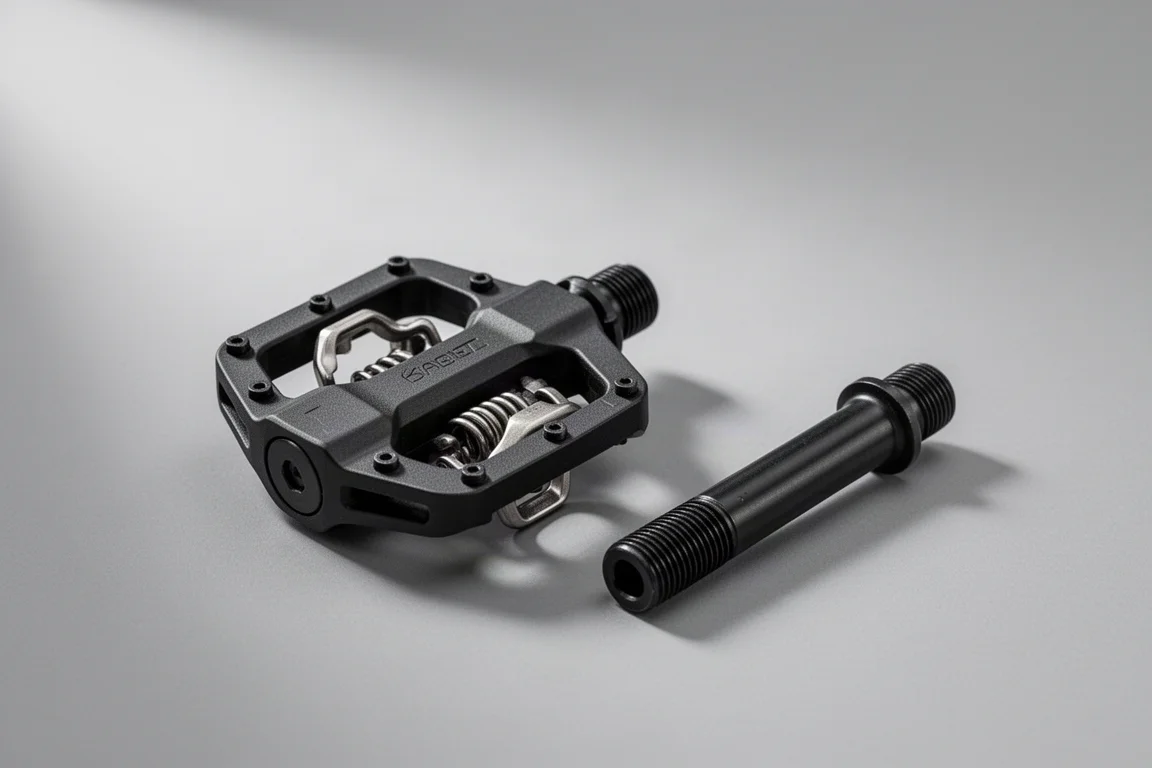
SQlab 512: Extended Axle in a Keo-Style Body
The 512 follows the same idea with a road-style mechanism and a resin body, using a cleat pattern that is compatible with Keo cleats. The 8 mm and 15 mm extended axle options carry over, which again makes it one of very few ways to reach a 15 mm extension.
Availability is limited and the pedal itself is nothing special, but for a rider with a specific stance requirement it can be the difference between riding comfortably and dealing with ongoing foot problems.
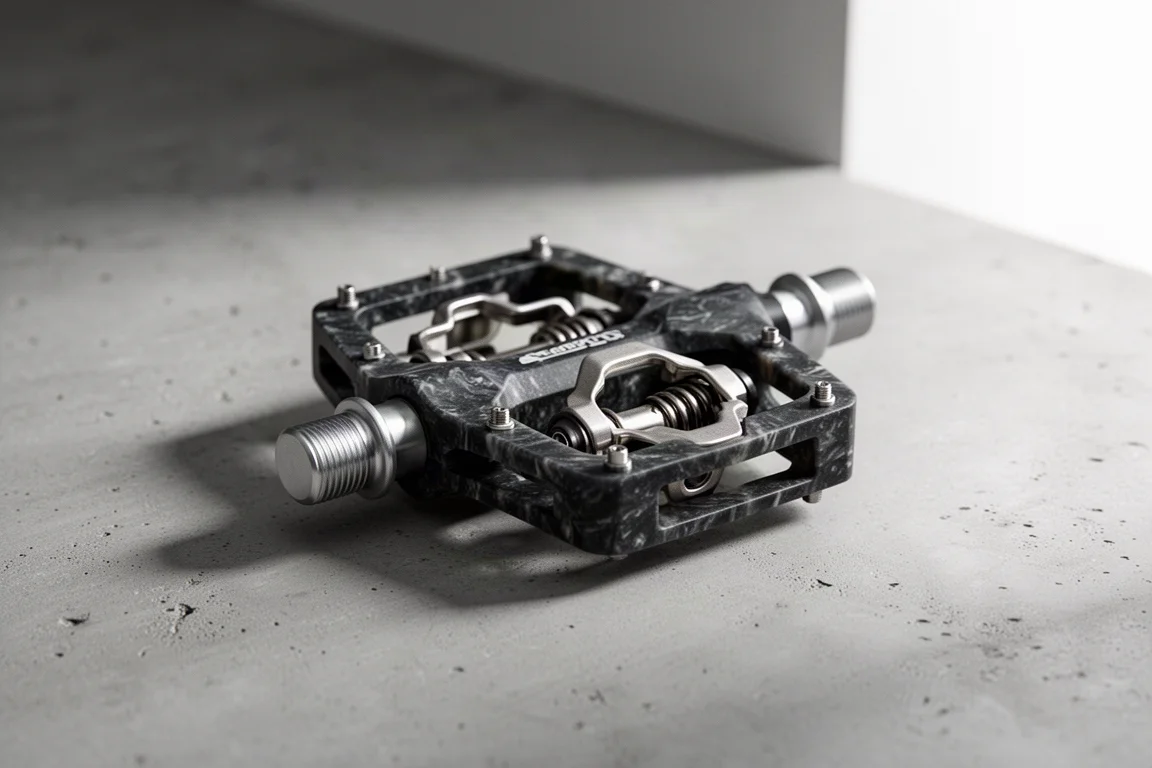
DMR V12: A Flat Pedal Worth Keeping
The V12 is available in aluminium and magnesium versions and uses sealed cartridge bearings, which is the main reason it outlasts cheaper flat pedals by a wide margin. Grip is strong, the platform is supportive, and the design has been refined over a long production run.
The older V8 makes the contrast clear. Its open bearings went rough quickly even though the body itself was tough and could be regreased. If you ride flat pedals, the V12 is the version to buy.
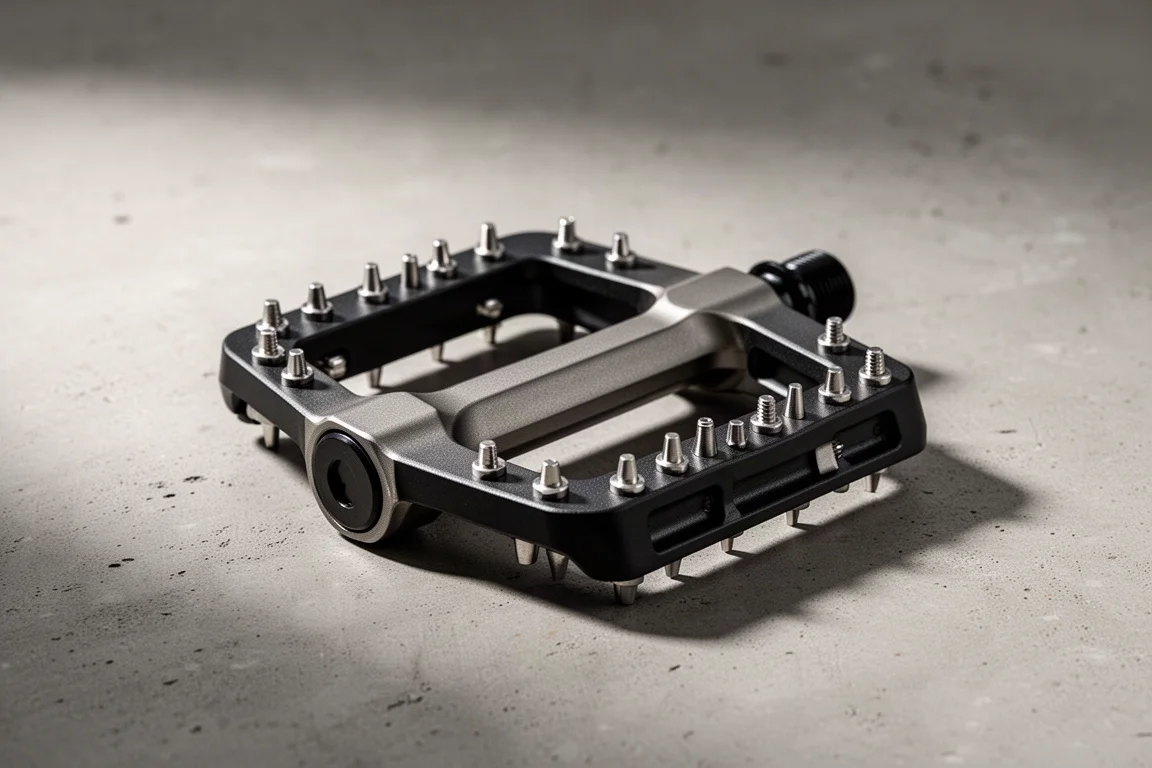
Pedals We Would Not Recommend
A few models are difficult to justify, either because a similarly priced alternative is clearly better or because the design causes problems that are hard to work around.
- Shimano R540: an inexpensive aluminium SPD-SL pedal where the cleat does not sit well on the body, producing excessive float and an unstable foot.
- Shimano M520: bearings that deteriorate within weeks and a mechanism that does not hold together under regular use.
- Look Keo Classic: an almost entirely plastic body with no metal stability plate, so it develops rock and wears quickly at a price where a more durable pedal is available.
- Look Keo Blade: the carbon leaf spring is not adjustable, higher tension versions are very hard to release from, and the neutral weighting leaves the pedal sitting upside down more often than not. Worth understanding before you buy, especially if you are a lighter rider.
- Wahoo SpeedPlay: axle length options are genuinely useful, but the cleats are expensive, wear quickly, and the small bolts are easy to round off or cross thread.
- Wahoo SpeedPlay power meter: the housing at the end of the axle is large enough to interfere with some shoes and cleat setups, and the supplied spacer adds 2 mm between shoe and cleat, which undoes the low stack height that makes the system appealing.
- Shimano EH500 and M324: half flat, half SPD pedals that always seem to be the wrong way up when you want them.
- Budget plastic flat pedals: the body cracks over time and the axle works its way out of the housing. They have no place on a decent bike.
Buying Advice: Matching the Pedal to the Rider
Start with the interface, not the model. Three-bolt road systems such as SPD-SL and Keo give a wide, stable platform and are the natural choice for road riding. Two-bolt SPD systems clear mud, work with walkable shoes and suit mountain biking, gravel and commuting. Flat pedals remain the simplest option for technical riding and for anyone who does not want to clip in.
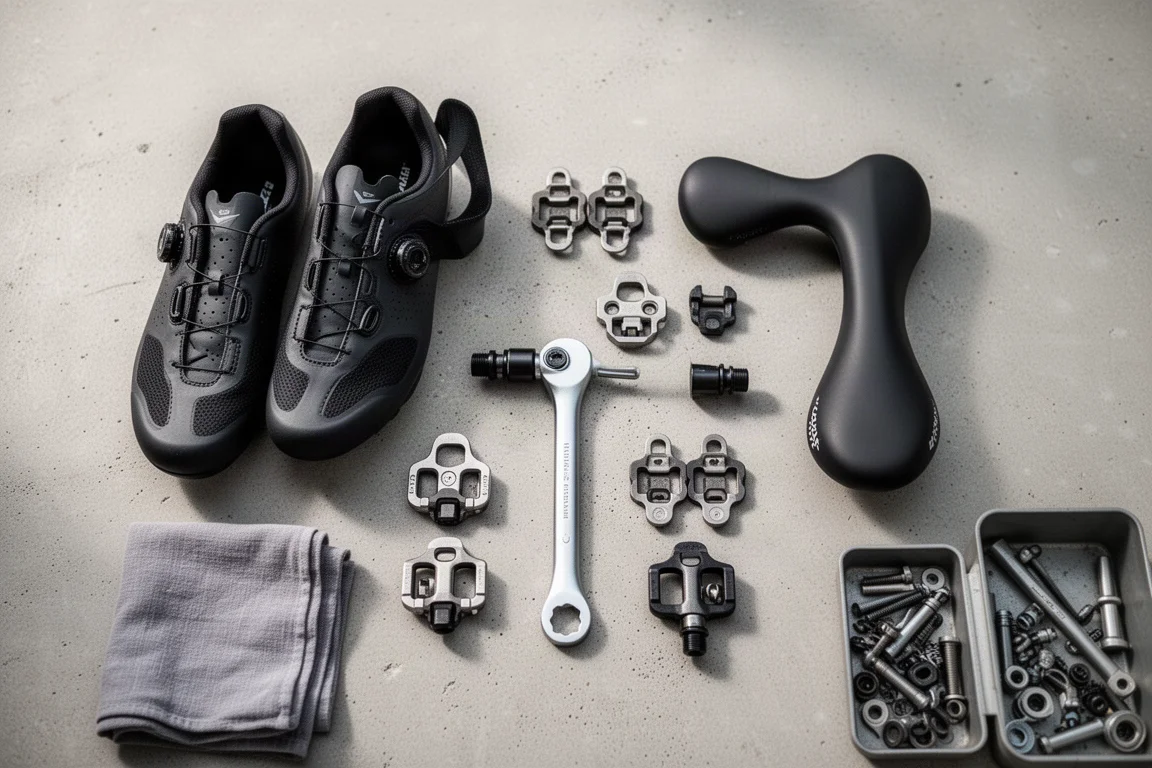
Stance is the second decision, and it is easy to get wrong. If you feel pressure on the outside of your foot, or your knees track oddly, an extended axle or a few extra washers may help more than any change of shoe. Ultegra and Dura-Ace cover that on the road side, SQlab covers it for SPD and Keo patterns, and Keywin and Time now offer their own axle options.
Finally, weigh serviceability against price. Bearings that can be adjusted or replaced keep a pedal alive for years, and a metal wear plate protects the body where the cleat contacts it. Paying a little more for those two things is usually cheaper than replacing a pedal every season.
Conclusion
The best pedal for most riders is the one that matches their interface, fits their stance and can be serviced. On the road, the resin-bodied SPD-SL models and the Keo 2 Max cover the majority of needs, with the extended axle Ultegra option solving a common fitting problem. On trails, the M540 is the sensible starting point, the ME700 adds platform for rough riding, and the Candy offers float with a stable base. Flat pedal riders are well served by the V12. The models worth avoiding are the ones that cut corners on bearings, cleat fit or body material.
Further reading
Related Reviews
Cycling Components
A 20,000-Mile Budget Race Bike Build: Five Parts Worth Knowing
A rim brake race bike assembled from low-cost components and ridden for 20,000 miles. Here is what delivered real speed, what caused problems, and what to weigh before copying the formula.
Cycling Components
7 Bike Fit Products Fitters Avoid: What to Check Before You Buy
Seven bike components that regularly cause knee, foot and saddle problems, with the specific concerns behind each one and what to look for instead.
Cycling Components
Four Affordable Bike Upgrades That Improve Ride Feel
Four low-cost cycling products that make a real difference to ride feel, plus the free setup changes worth trying first.