Mountain Bikes
Best XC Race Bikes: Four Modern Cross-Country Racers Compared
Four modern cross-country race bikes compared on geometry, suspension behaviour, and setup demands, with clear guidance on which one suits your racing.
Introduction
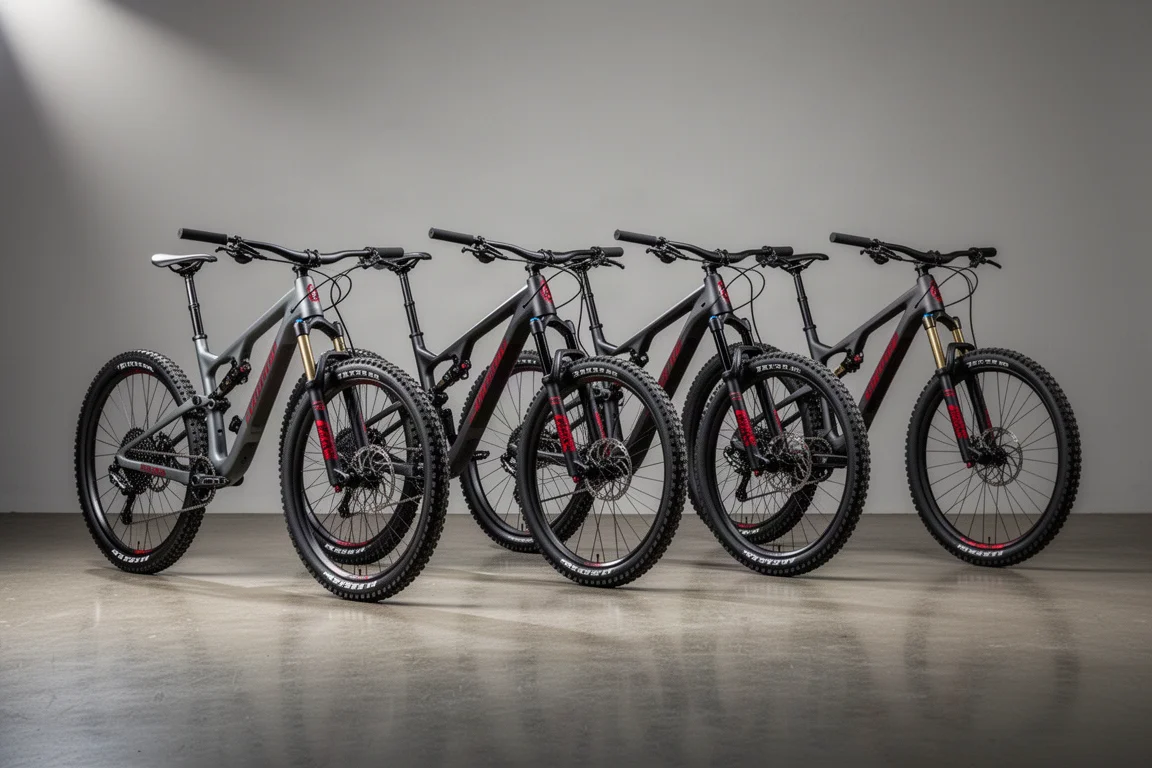
Cross-country racing has moved on. Frames are longer, head angles are slacker, travel has crept upward, and suspension designers are spending more time on how a bike behaves in its middle setting than on how firm it feels in lockout. The four bikes below sit at the sharp end of that shift.
They are the Cannondale Scalpel, the Specialized Epic 8, the Merida F-Podium, and the Yeti ASR. All four are updated current-generation models, and each was assessed in a second- or third-tier build rather than a flagship five-figure specification. That matters, because these are the builds most privateer racers and rank-and-file national-level competitors are realistically likely to line up on.
What to Look For in a Modern XC Race Bike
Three things separate a good cross-country race bike from a merely fast one. The first is geometry: reach, seat angle, and head angle decide how the bike behaves once a course turns steep and technical. The second is suspension behaviour, particularly how much pedal bob you are willing to tolerate before reaching for the lockout lever. The third is detail work, such as chainstay flex, pivot placement, and how straightforward the bike is to set up properly.
All four bikes were ridden back to back on long countryside loops, fast woodland laps, and race-pace efforts, then taken down red and black graded descents to see how they coped with terrain well beyond a typical cross-country course. Punctures happened along the way, and that is part of the picture too.
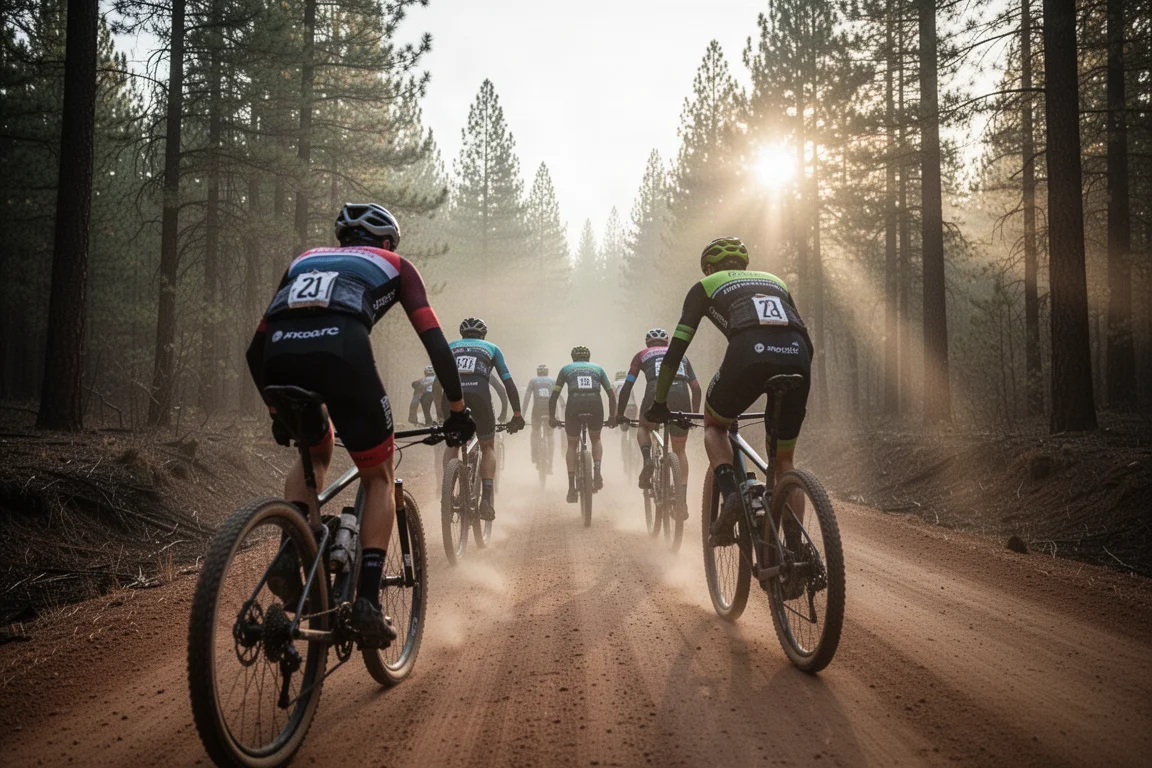
Every bike here is fast enough to race at a high level. The differences show up in character: how a bike feels in tight trees, how much support it offers under power, and how much attention its suspension asks for across a season.
Yeti ASR: Light, Agile, and Playful
The ASR returns after a long absence, and it comes back with a flex stay rear end rather than the brand’s better known linkage design. Excess carbon has been removed from the layup, pivots have been positioned to reduce material requirements, and frame stiffness is size specific. Geometry is moderate rather than radical, with a 66.5 degree head angle across five sizes, a 76.5 degree seat angle, and 465mm of reach in a large. Rear travel is 115mm.
The T3 build pairs RockShox Ultimate suspension with a three-position twist lock on the bars, a SRAM drivetrain, alloy DT Swiss wheels, and a fast Recon and Recon Race tire combination. Bars are a narrower 740mm.
On the trail the ASR feels like the shortest bike of the group, and that plays into its hands in tight, twisty singletrack. It is super reactive through the trees, and the narrower bar gives it a little more breathing space. The fork and rubber combine for a supple, traction-rich ride, and the front end does not shy away from technical tracks.
Push harder and the picture changes. The shock runs a 40mm stroke where the others use 45mm, so it needs higher pressures and more care to set up well. The skinny stays and light build do not deliver the same planted confidence as sturdier bikes, and the suspension can feel pingy and slow to recover between big hits. On smooth, fast terrain, though, its ability to generate speed is exhilarating, and it carries momentum beautifully from corner to corner.
All three suspension positions are genuinely useful. The middle setting became the default: the bike still has some bite on the climbs, while off road it delivers stability, comfort, and grip.
Merida F-Podium RR: Stout, Stable, and Confident in Steep Terrain
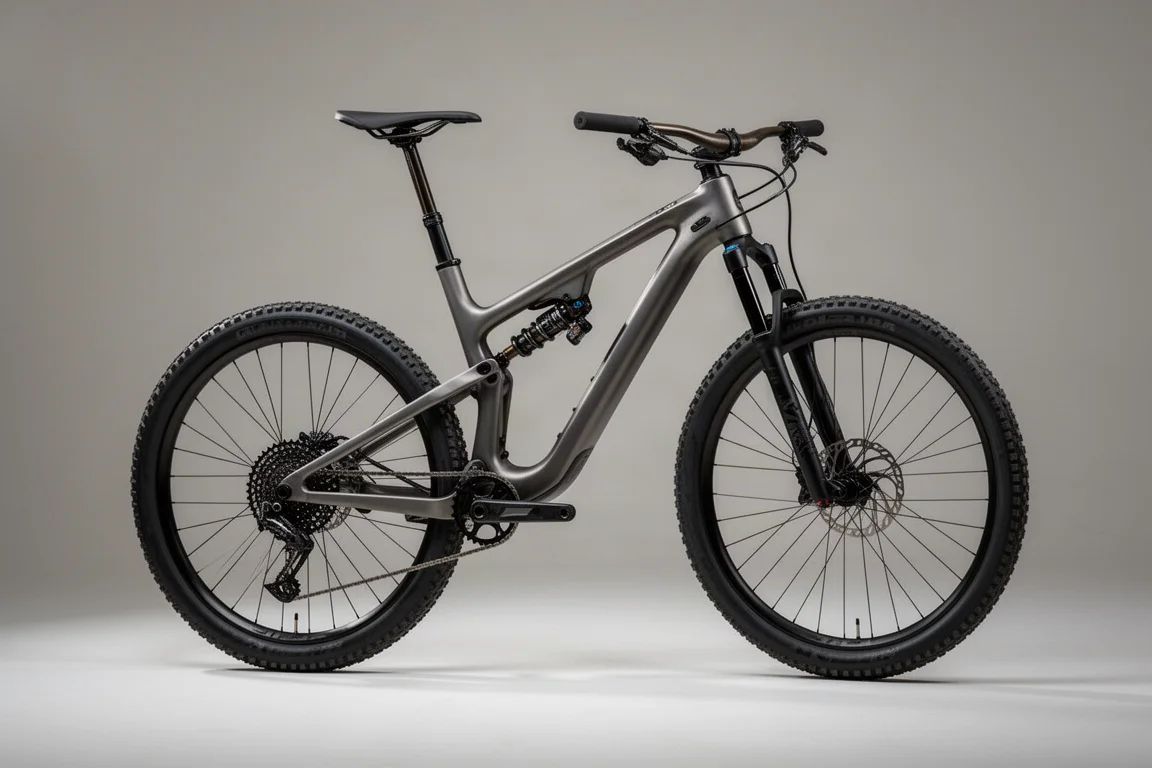
Merida has merged the purebred F-Podium with the down-country F-Podium DC into a single do-it-all 110mm package. The RR is the only bike here without a flex stay single pivot: its ZERO suspension system is a twin-link design, with the front and rear triangles joined by a pair of short links. Rear travel is 110mm, front travel 120mm.
Geometry follows Merida’s forward philosophy, blending high-speed stability with agility: a moderately slack 66.5 degree head angle, a steep 77.5 degree seat angle, 480mm of reach, and short 435mm chainstays in a large. The build uses a 120mm Fox 34 StepCast matched to a Fox Float shock, both Factory level units with a three-position on-bar lockout, plus a mechanical SRAM drivetrain and carbon Mavic wheels.
Setup takes a little patience. The lack of sag markings on the shock, and the struts either side of it, make measuring sag accurately tricky, and the lockout lever requires an over-bar dropper lever that needs fine tuning to sit well.
The ZERO system feels very active. Traction on climbs is high, but so is the chance of pedal bob, and the lockout lever gets used often on the way up. Around 28 percent sag worked best overall. In the medium or firm positions the bike turns into a rocket ship, and the stout chassis feels reactive and ready to accelerate at a moment’s notice.
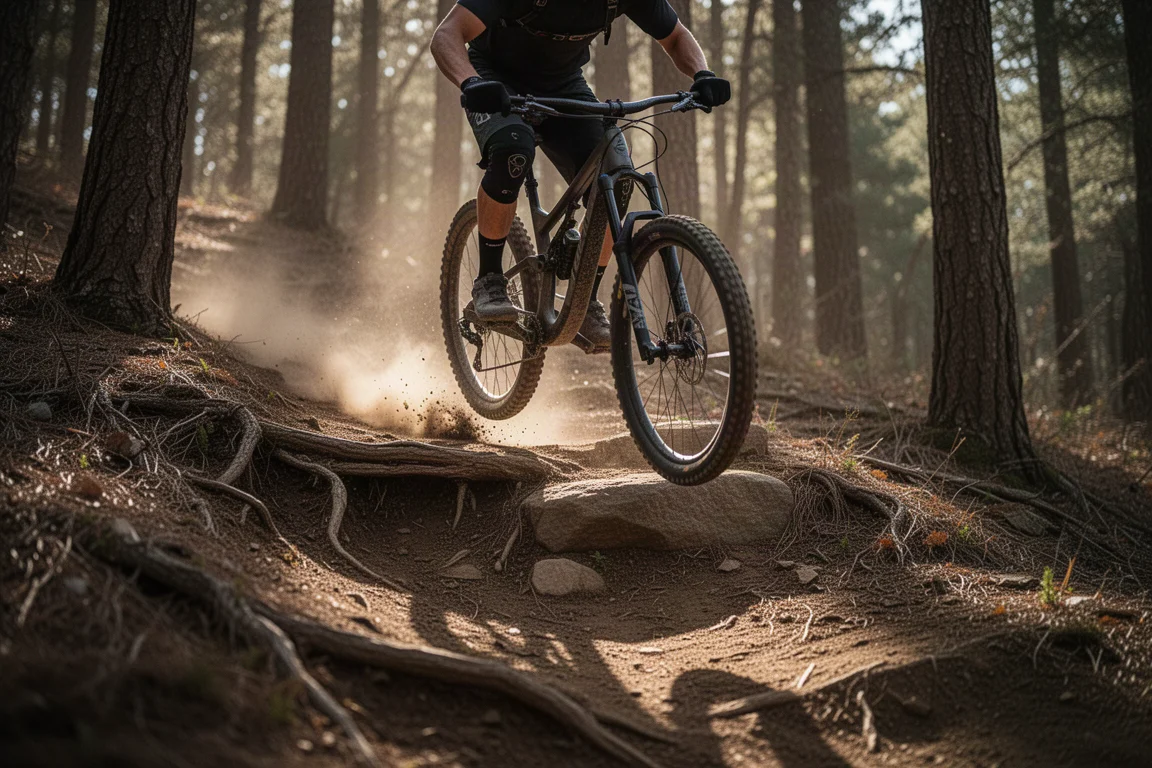
Where it shines is the steep stuff. The faster and more technical the track, the better the shape feels, with the front wheel well ahead of the cranks and a supportive fork that makes it hard to eject over the front. The shortest stays in the group let it twist and turn on a dime, and the low bottom bracket helps it carve through corners. Well-damped suspension keeps it composed through big hits, though it soaks up chatter less effectively than lighter-damped setups, so rock gardens and rooted sections feel choppier. Expect to adjust shock pressure course by course.
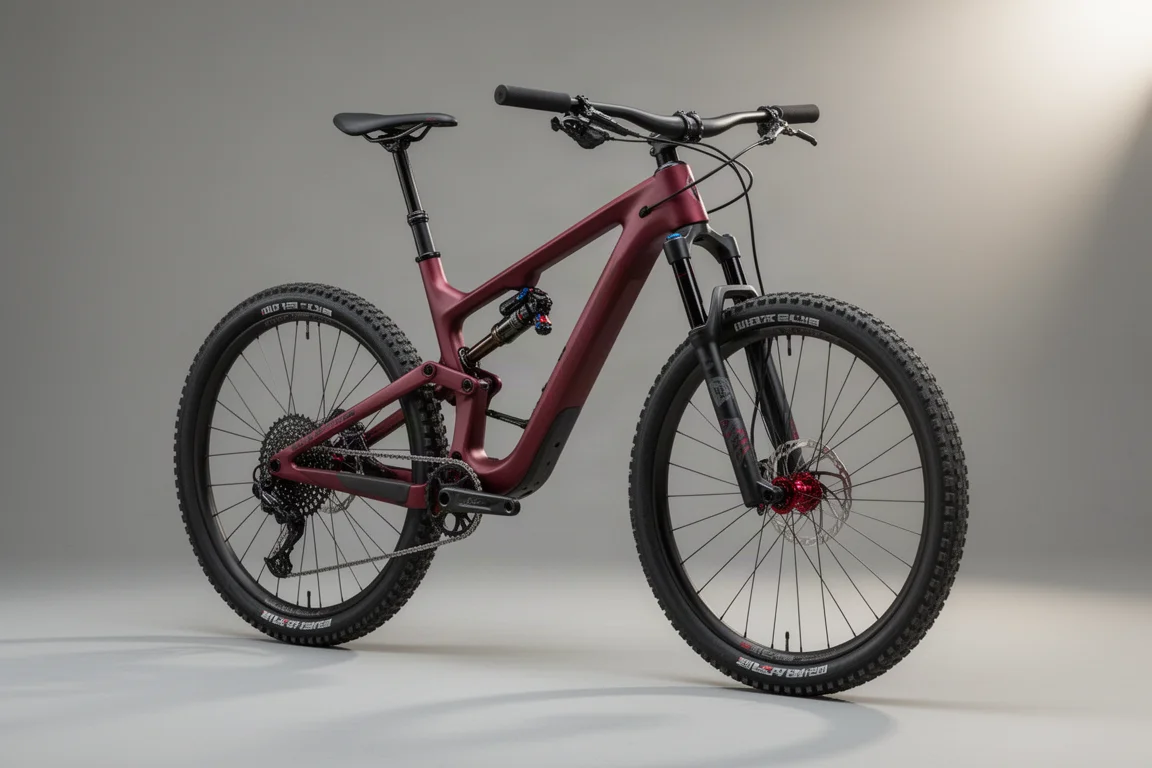
Cannondale Scalpel: Smooth Lefty Suspension and Sprint Speed
The Scalpel name has a long history in cross-country, and this iteration carries it forward with a thoroughly modern shape: a 66.6 degree head angle, a 77.5 degree seat angle, and 475mm of reach in a large. The king seat tube allows long droppers, and the 1.5 inch headset top bearing is said to be large enough for brake levers to pass through, which should reduce maintenance in future.
The Lefty Ocho is the talking point. Its single-leg design might not look it, but it is stiff, and the action is smooth thanks to stanchions that roll on needle and roller bearings. A quick-release lever on the brake caliper mount makes wheel removal easier, though the caliper itself flaps around frustratingly. Travel is 120mm at each end, and the chainstays have a noticeably flattened area that mimics the location and function of a pivot.
Suspension offers only two modes, open and locked. Cannondale has managed to make open mode climb without excessive pedal bob, so the lockout can be saved for smoother climbs and sprints. The Aspen rear tire rolls ridiculously fast, and stiffness from the chassis and wheels makes the Scalpel quick in a sprint. Because the suspension usually stays open and the longer rear stays give a nicely balanced four-bar feel, there is more grip on offer than the skinny treads suggest.
Point it downhill and the long front end and slack head angle provide plenty of high-speed confidence, while the front tire corners better than you might expect. The Lefty deals with hits big and small, and its internals make it work exceptionally well on flat landings, binding less than a conventional telescopic fork. The Scalpel is fun to ride, happy to be picked up and played with, and stable through slower trails thanks to the early stroke of the suspension, with smooth progression toward the end of the travel.
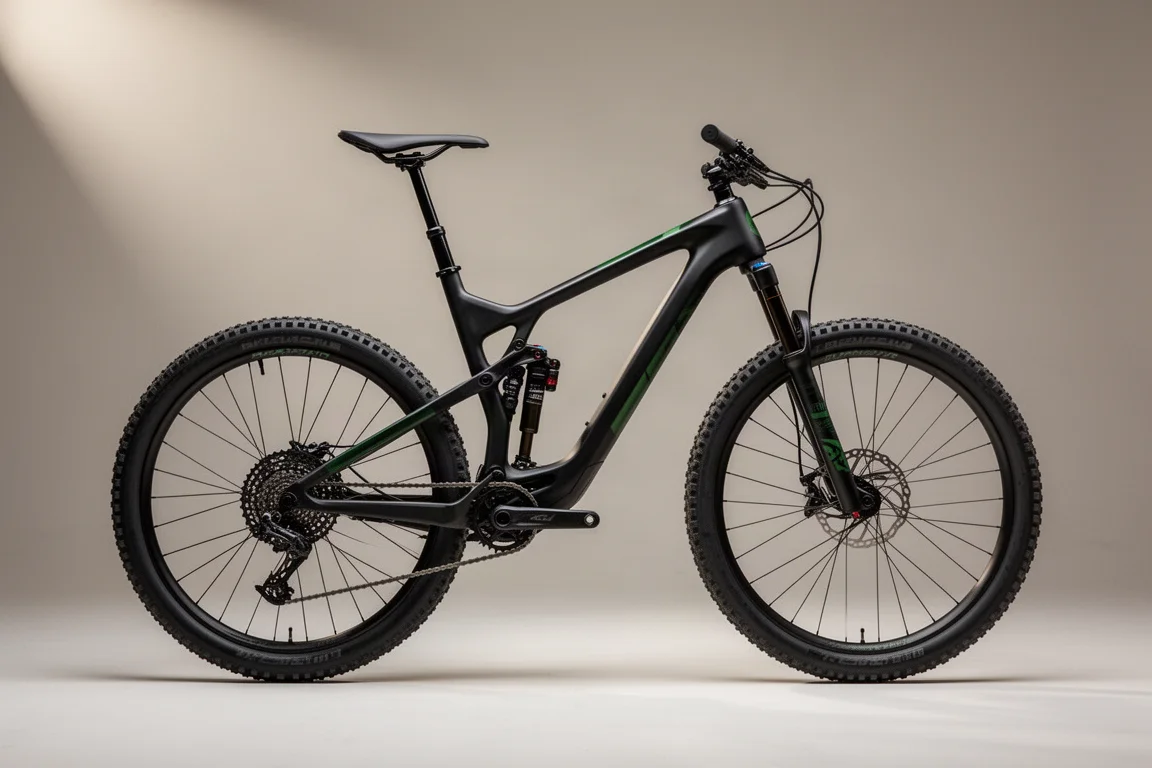
Specialized Epic 8: The Magic Middle Suspension Tune
The Epic 8 runs 120mm of travel and, on shape alone, is not the most radical bike here. What sets it apart is the suspension tune: a collaboration between Specialized and RockShox with custom internals for the fork and shock.
It is a digressive low-speed compression damping tune. In effect, the early part of the travel feels relatively firm, then the suspension opens up deeper into its stroke. Speed-sensitive valving does the work: slow shaft speeds such as pedal bob are damped out, while a larger impact produces a faster shaft speed, more oil flow, and a more open damper. The goal is a system that resists pedal bob but soaks up bumps from the ground up.
The practical benefit is that you can largely leave it alone. The engineers suggest riders should be able to spend around 80 percent of their time in the middle mode rather than flicking constantly between settings. It is a subtle difference from a conventional tune, but it makes a noticeable difference to how the bike performs. Open mode descends slightly better and lock mode is solid, but most of the time there is no need to think about changing anything.
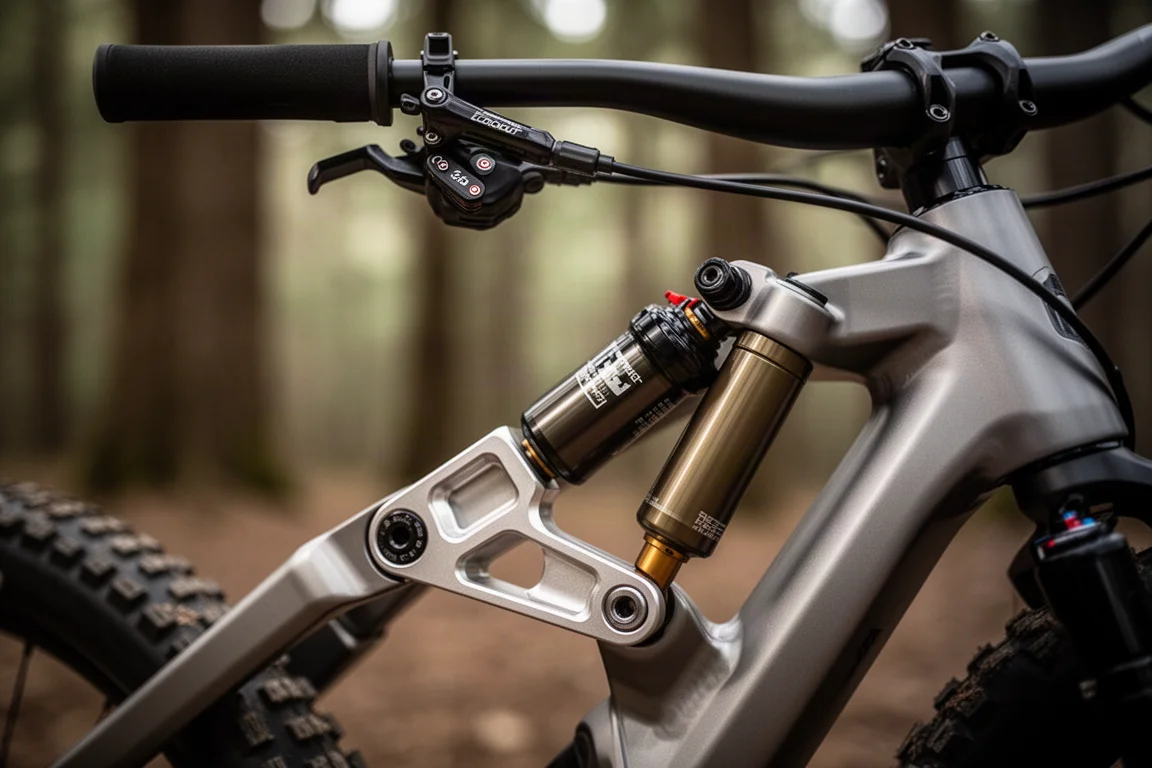
The chassis is sorted, blending maneuverability with a steadfast nature that begs to be let off the brakes. It felt the most confident of the group on black-rated test tracks, planted and composed in the most technical terrain. The main criticism is tire choice: the stock rubber is rounded for some tastes, so the bike tips more when a turn is initiated, which can feel unnerving, and grip is not quite as good on off-camber tracks. The rest of the build leaves little to be desired, with strong wheels, drivetrain, and brakes, though some riders may want a longer dropper post.
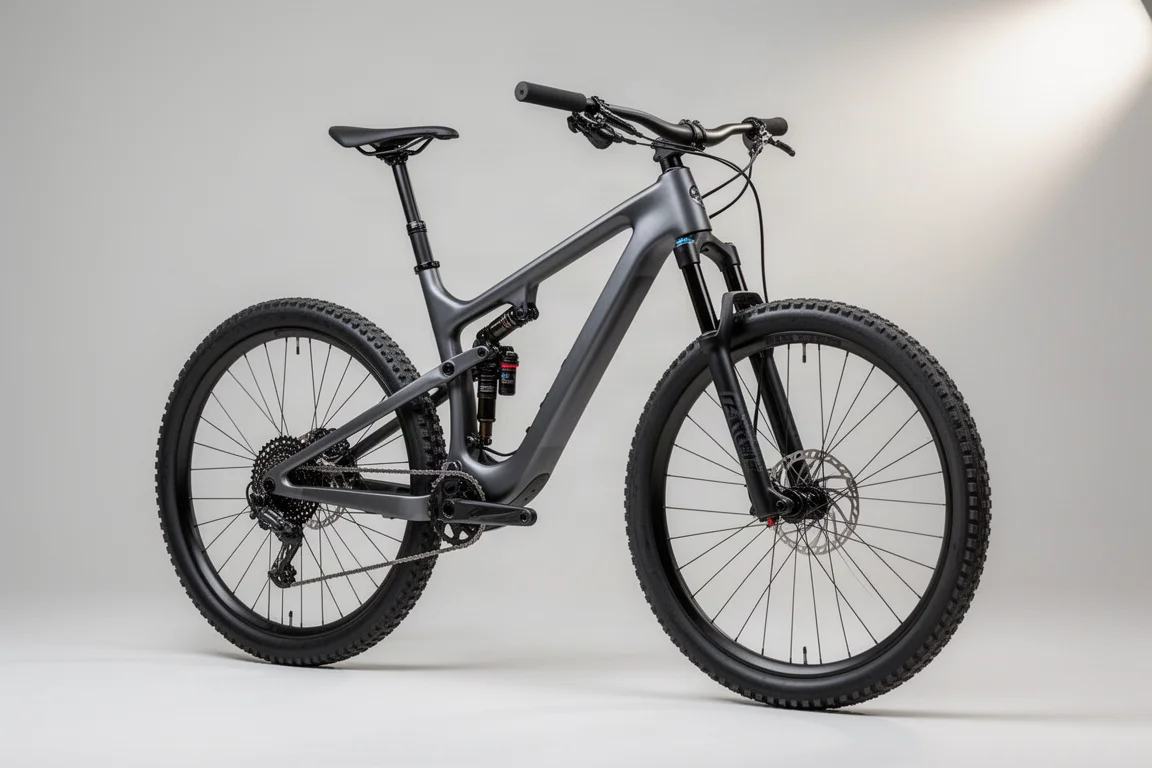
Buying Advice: Matching the Bike to Your Racing
None of these bikes will leave you embarrassed on a race course. All four are incredibly fast machines capable of tackling cross-country tracks anywhere, and the right choice comes down to the terrain you race most often and the way you like a bike to feel.
If your racing is tight, twisty, and smooth, and you value a bike that feels springy and alive, the Yeti ASR is a joy: fast, agile, smooth, and fun. If your courses are steep and technical, the Merida F-Podium’s shape and short stays give it an edge, provided you are willing to manage shock pressure and setup. For riders who want sprint speed and a fork that behaves unlike anything else, the Cannondale Scalpel is brilliant, with very little to complain about. And if you want a sorted chassis with a suspension setting you can largely forget about, the Specialized Epic 8 is the one that steals the show.
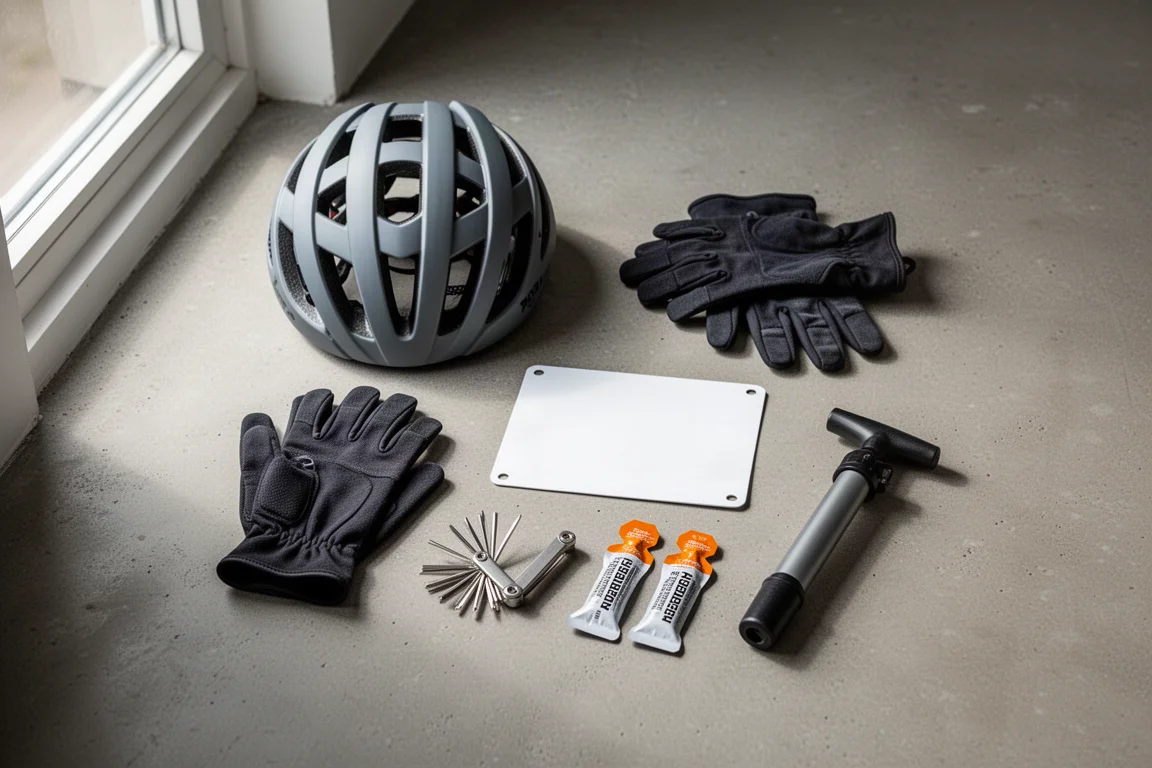
Budget matters as much as character. Every one of these models has flagship versions that reach five figures, but the second- and third-tier builds assessed here carry the same frames and geometry, which is where the value sits for privateer racers. Prioritize frame, geometry, and suspension platform first, then treat components as the part you can upgrade later.
Conclusion
Four very fast cross-country race bikes, each with a clear personality. The Yeti ASR is the lightest feeling and the most fun in tight trees, the Merida F-Podium is the most at home on steep terrain, the Cannondale Scalpel pairs sprint speed with a genuinely smooth Lefty fork, and the Specialized Epic 8 combines a sorted chassis with a suspension tune that quietly does the work for you. Match the character to the courses you ride and any of them will serve you well, though the Epic 8 is the most complete package of the four.
Further reading
Related Reviews
Mountain Bikes
Atherton AM.130 Review: 3D-Printed Titanium Lugs and a 130mm Trail Bike That Descends Like a Bigger Machine
The Atherton AM.130 pairs 3D-printed titanium lugs with carbon tubes and a DW6 suspension platform. Here is how it rides, what the build delivers, and who it suits.
Mountain Bikes
Beginner Mountain Bike Buying Guide: What to Look For in a Trailworthy Hardtail
A practical framework for evaluating beginner mountain bikes, whether new or used, by examining key components that indicate real trail capability.
Mountain Bikes
Best Aluminum Mountain Bikes 2026: Five Alloy Bikes Worth Your Attention
Five aluminum mountain bikes that show how far alloy has come, from a 120mm trail bike and a versatile machined frame to a 180mm freeride machine.