Home Theater
Best Wireless Surround Sound Systems 2026: Three Options Compared
We compare three wireless surround sound in a box systems from Highense, Valyrian, and Sony to see which offers the best home theater experience without the hassle of running speaker cables.
Introduction
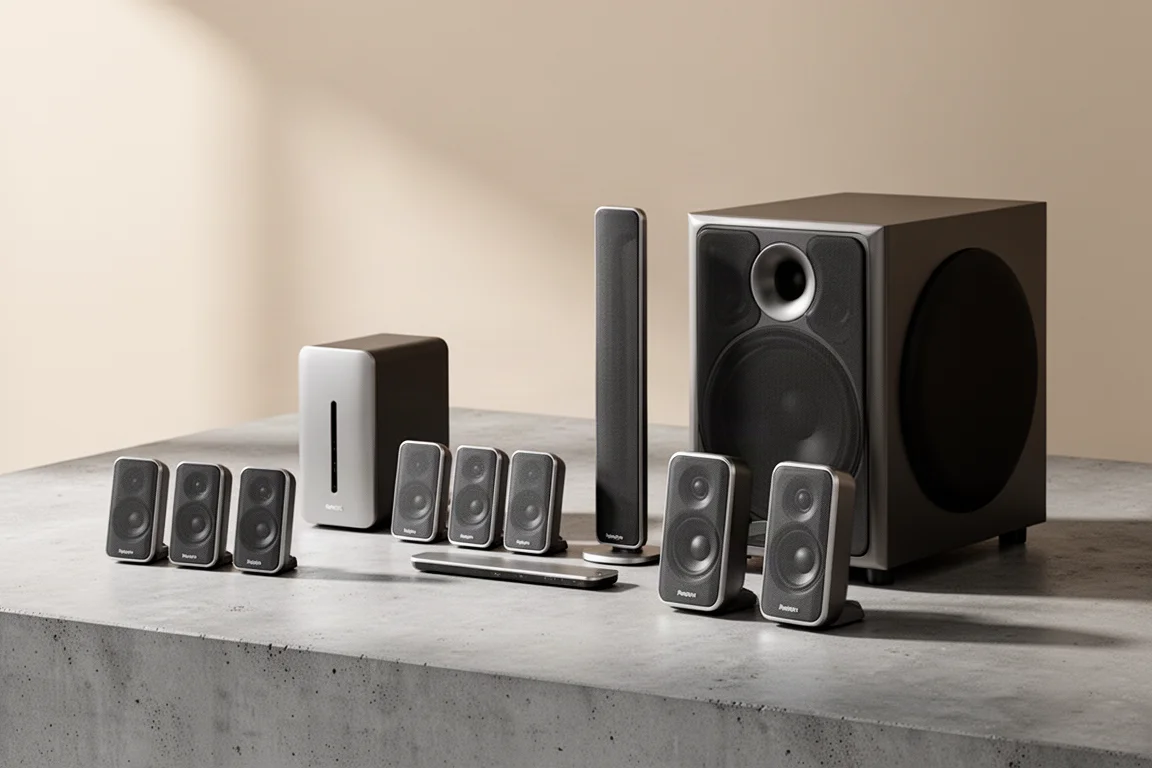
Getting a home theater experience that is wider and more immersive than a soundbar usually means spending hours crawling around in an attic running speaker cables. Wireless surround sound in a box systems promise to change that. Three options from Highense, Valyrian, and Sony aim to deliver true surround sound without the installation headache. Each system was tested against a higher-end 5.1.4 reference setup with dedicated ceiling-mounted height speakers and a 12-inch subwoofer to see which wireless option comes closest.
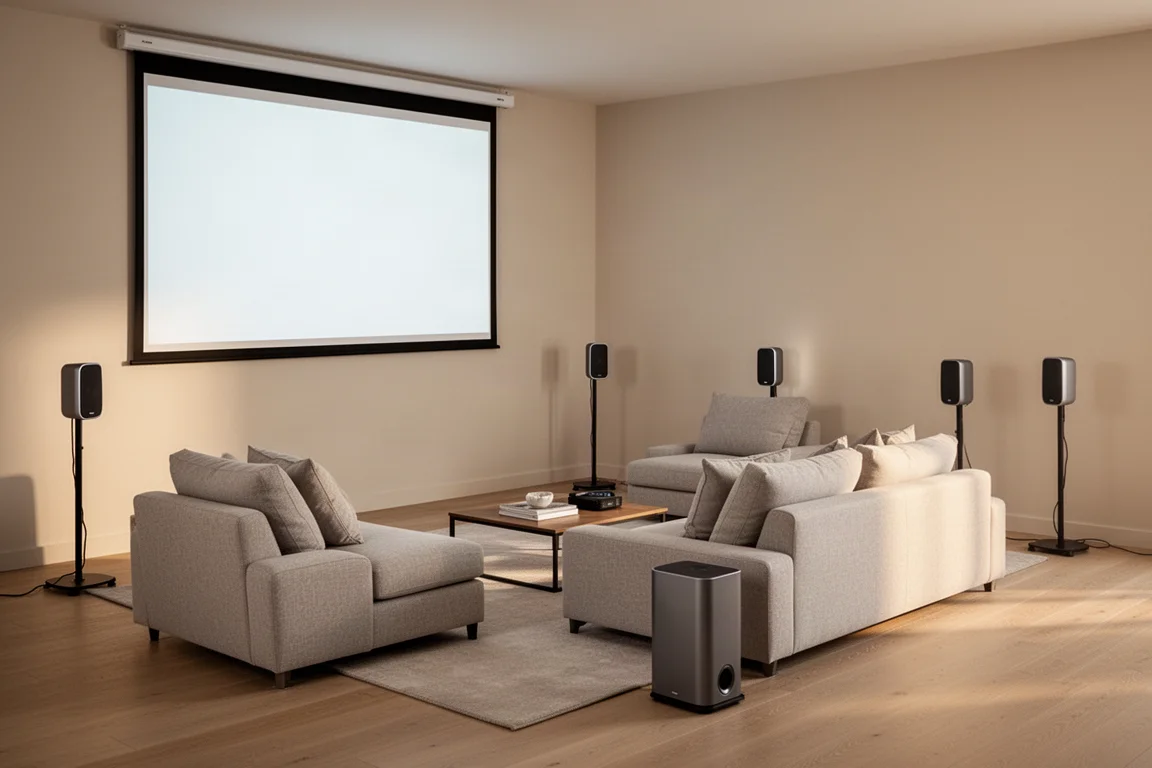
These systems are especially appealing for projector users, since the connection box can sit right next to the projector with a single short HDMI cable. The comparison covers vocal clarity, front sound stage width and separation, surround effects, height effects, and bass response across a mix of Dolby Atmos, DTSX, Dolby 7.1, and Dolby 5.1 content.
Highense HT Saturn: The Budget Champion
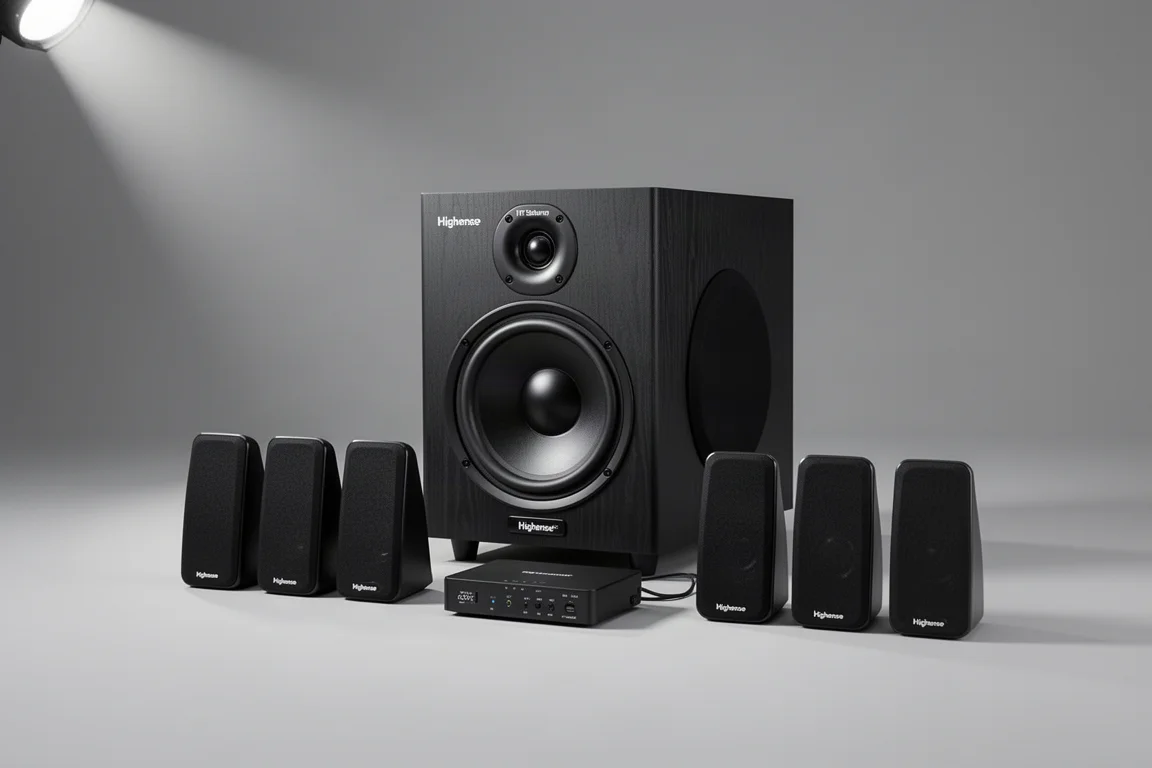
The Highense HT Saturn retails for $999 and comes with two wireless front speakers and two identical wireless rears. Each speaker has a woofer tweeter combo for the horizontal front and rear channels, plus a smaller upward firing woofer for height effects. Instead of making up a 4.1.4 system, the front and rear speakers on each side combine their upward firing channels to make a single height channel, resulting in a 4.1.2 system.
The system includes a single wireless 6.5-inch ported subwoofer. Everything connects via a single box, which is part of the magic for projector users since you can place it right next to your projector and connect it with a short HDMI cable into the eARC port. In addition to eARC, the Highense has optical input for older systems and an HDMI 2.0 input for video pass-through. It also supports Bluetooth 5.3.
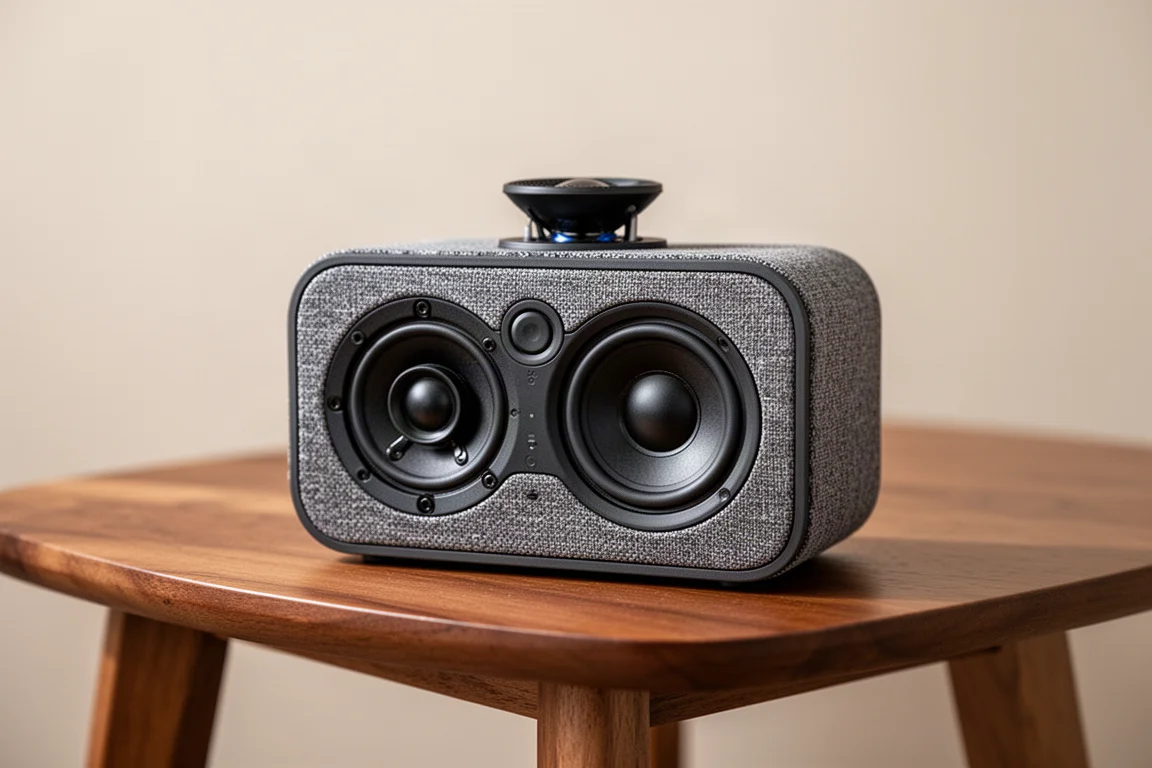
In testing, the Highense took the top spot for vocal clarity with the clearest and most separated vocals and a very convincing phantom center channel. It also led the front sound stage width and separation category, with objects on screen matching exactly with the sound output. For surround effects, it came out on top again with excellent directional rear audio at a level that was impactful without being distracting. In the 360-degree sound field test, the most budget system was frankly incredible, producing a sound that appeared to come from everywhere rather than a single point location.
Valyrian Thunderbee 4.1.2: Style Over Substance
The Valyrian Thunderbee 4.1.2 system also retails for $999 for the base system. It shares a lot in common with the Highense, featuring four identical wireless speakers, two for the front and two for the rear. Each has a woofer tweeter combo for the horizontal channels and a single woofer for height. Like the Highense, the front and rear speakers combine for a single height channel per side, making it a 4.1.2 system.
The Thunderbee comes with a long, skinny ported subwoofer. The cloth cover might suggest a large 10-inch driver, but in reality it is the same 6.5-inch driver as in the Highense. Unlike the Highense, the Valyrian has an optional wireless center channel available for $299, making it a more traditional 5.1.2 system. However, the center channel is not really optional. The system without it was a total mess in terms of frequency response with a ton of peaks and dips, which are corrected by adding the center. The actual price of the system is therefore $1,298.
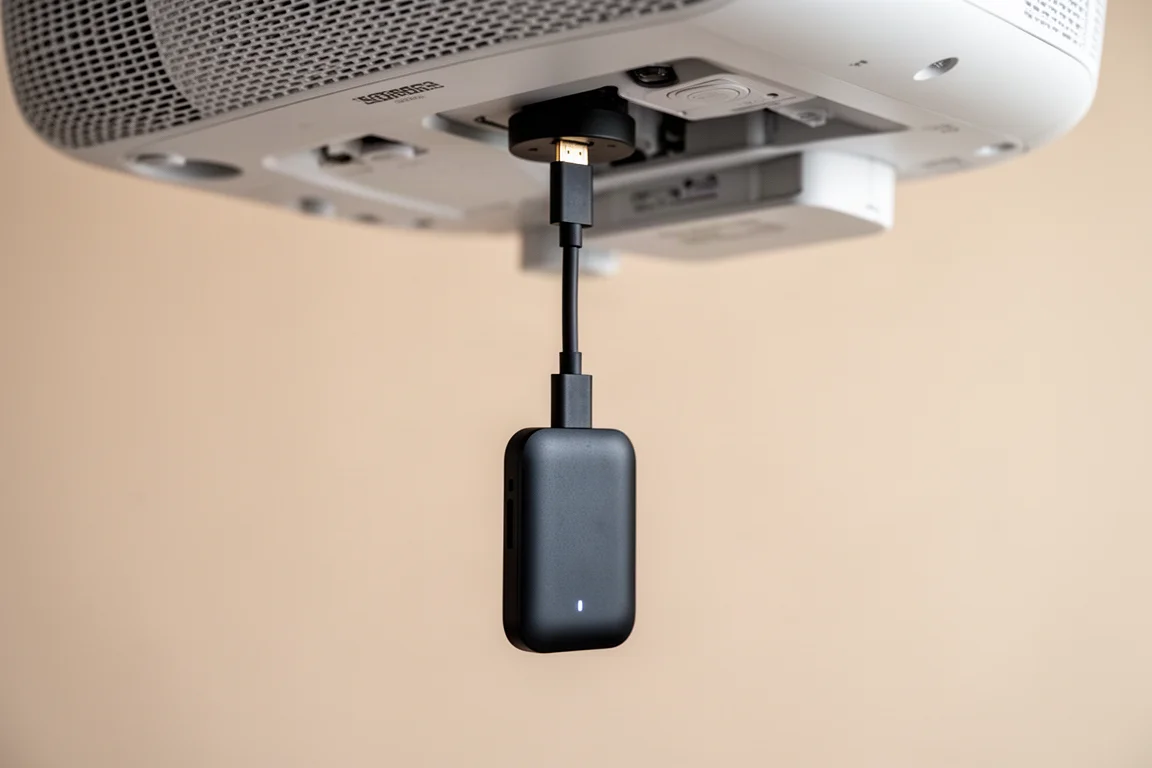
The Valyrian uses a more dongle-style wireless receiver with a built-in HDMI cable to attach to your projector or TV’s eARC port. The only other ports are a 3.5mm aux input and a 2.5mm output for connecting your own third-party wired and powered center channel. It also supports Bluetooth 5.3 input.
Despite having the best aesthetics and a convenient wireless dongle that hangs from the back of a projector, the Valyrian had several deal-breaking issues. The subwoofer regularly overplayed its hand, causing clipping and distortion. There were massively varied volume levels between PCM 2.0 and Dolby audio formats. The $299 add-on center channel is basically required to fill in gaps in the frequency response curve, but does not look, feel, or sound anywhere near what you would expect from a nearly $300 speaker.
Sony Bravia Quad: Premium Performance With a Catch
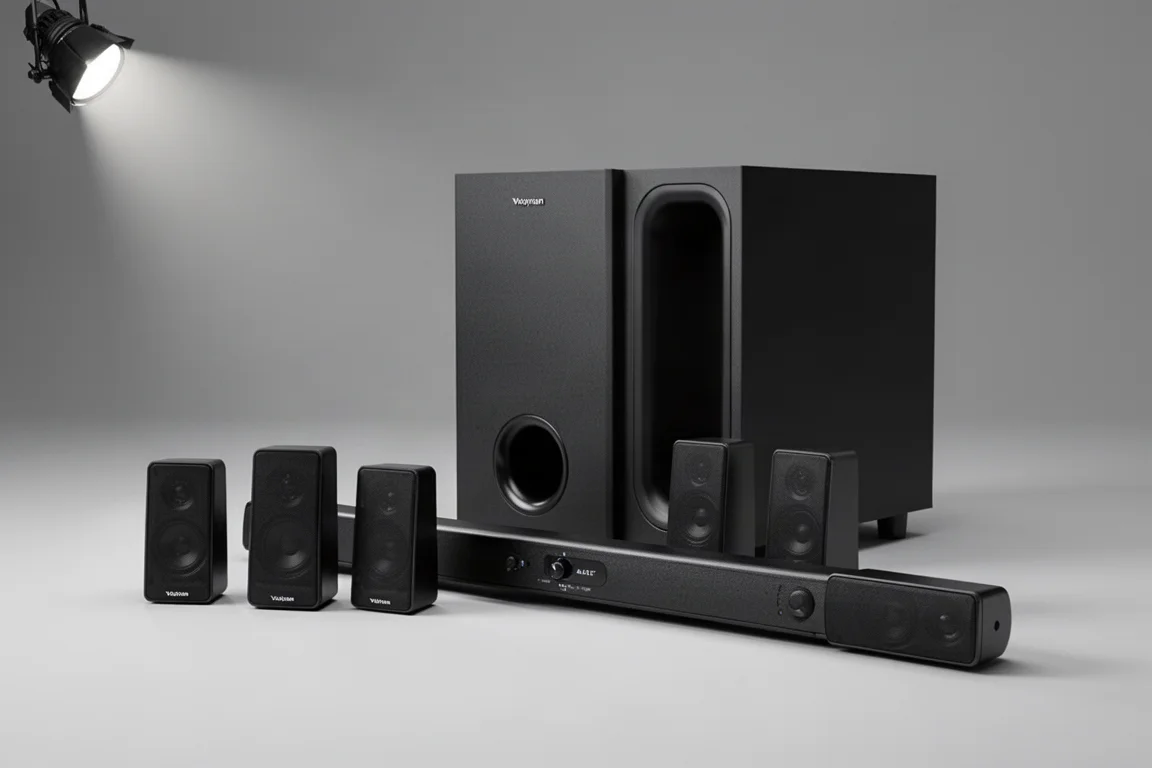
The most expensive wireless option is the $2,698 Sony Bravia Quad surround system. It does not come with a subwoofer at all, so if you want decent bass, you are all but required to buy either the Sony SW3 or the Sony SW5 separately. Paired with the SW5 for an additional $698, the system totals $3,396, about three times more expensive than the others.
For that price, you get four identical wireless speakers, each with four drivers: three that support the horizontal channels and one upward firing driver for the height channel. Unlike the other two systems, Sony does not disclose whether they are trying to emulate a 4.1.2 or 4.1.4 system. Instead, they focus on their 360-degree sound field that relies on digital sound processing and room correction completed using the Bravia Connect app and your phone’s microphone.
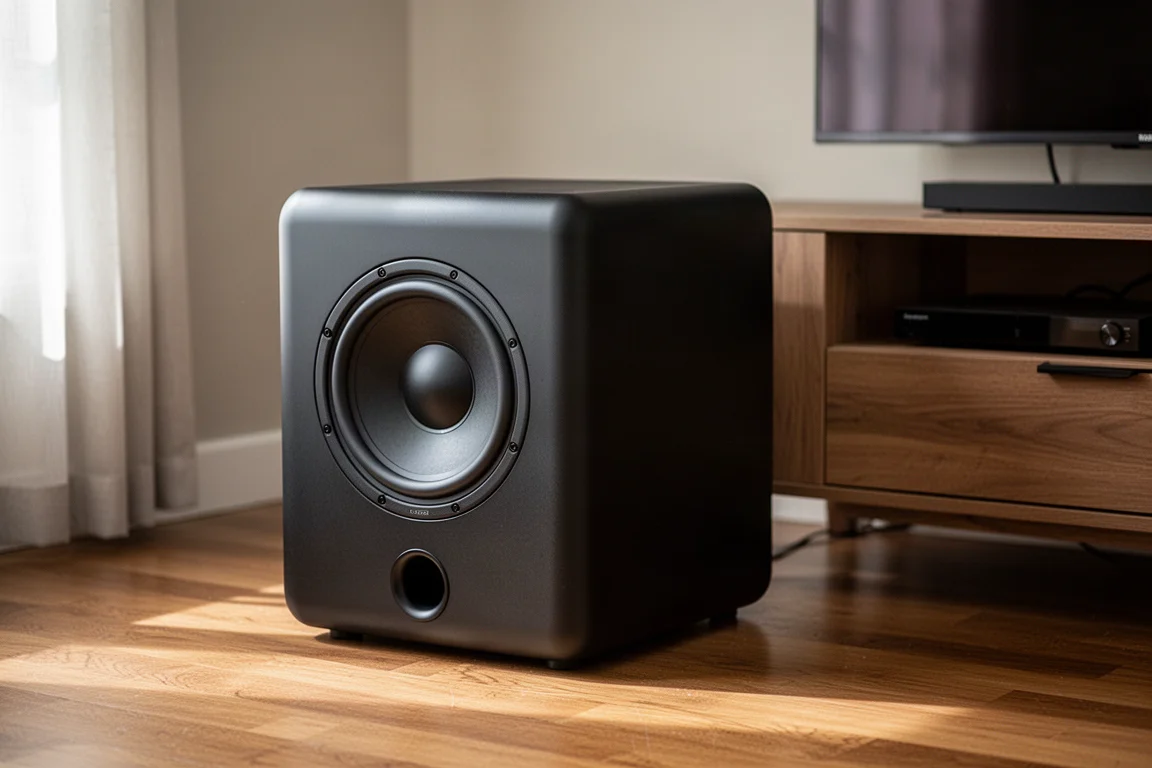
The optional SW5 subwoofer is substantially larger and heavier than the Highense and Valyrian subwoofers, with a similar sized front-facing driver measuring about 7 inches. Instead of a ported enclosure, the SW5 has a passive driver on the bottom, sometimes referred to as a bass reflex driver. The Bravia Quad’s connection box is quite a bit bigger than its competitors and includes an eARC port, a wired Ethernet connection, an HDMI 2.1 input, and an S-center channel out in case you want to use a compatible Sony TV as a center channel.
The Sony took the top spot for height effects, largely due to the room correction setup process. The height effects seemed to come from above, while the Highense and Valyrian height effects were more behind. The SW5 subwoofer rightfully took first place for bass performance, as it should since it costs two-thirds the price of the other systems by itself. However, the Bravia Quad came in unquestionably last in the 360-degree sound field test, which is surprising given Sony’s reputation in that area.
While the Highense is a $1,000 system that sounds more like a $2,000 system, the Bravia Quad is a $3,400 system that sounds sort of like a $2,000 system. It may work well if you love Sony products or have a strange room with terrible speaker placement, thanks to its room correction and DSP. But in most cases, the Highense is a better option, not only in terms of value but also sound quality.
Overall Buying Advice
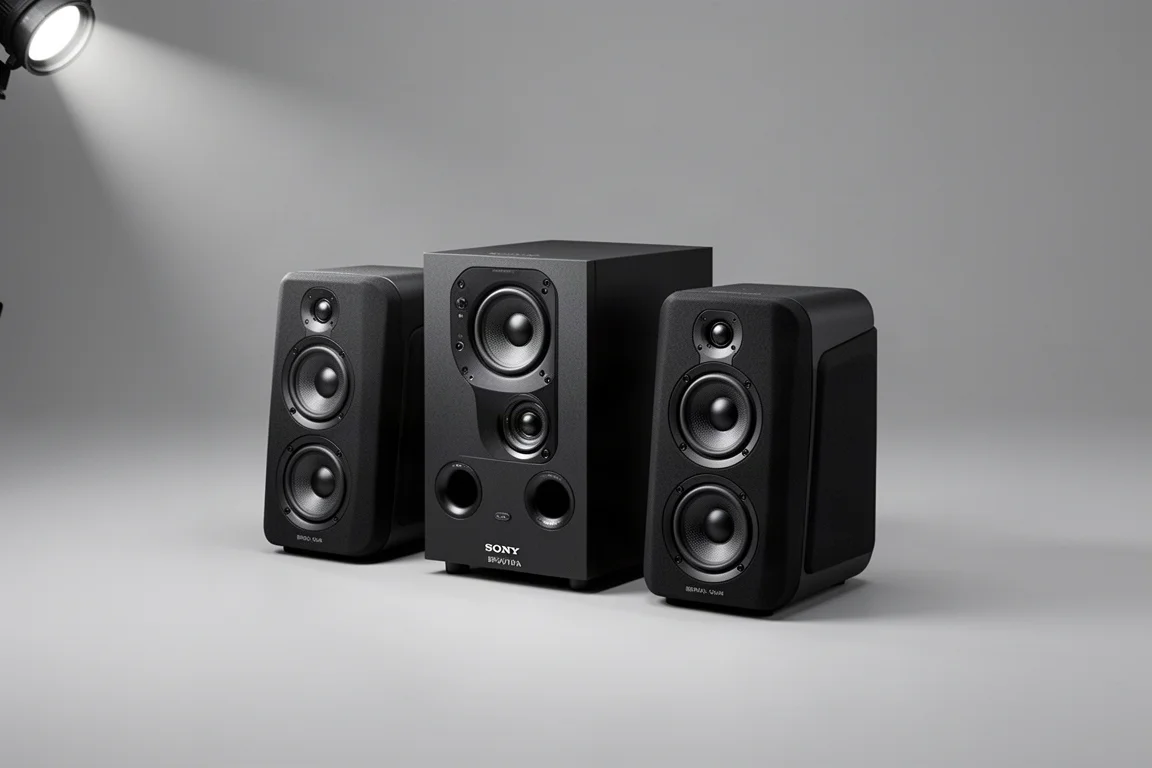
The Highense HT Saturn is not only the lowest price system, but it also finished first or second in every category. It delivers a convincing phantom center channel, excellent front sound stage separation, impactful surround effects, and an impressive 360-degree sound field. For most people, this is the wireless surround system to buy.
The Sony Bravia Quad with its SW5 subwoofer also sounds pretty good, and most people would not find many faults with it. It makes sense if you are invested in the Sony ecosystem or have a room with challenging acoustics that benefit from room correction. The Valyrian Thunderbee, despite its attractive design, is hard to recommend given the required center channel add-on, subwoofer clipping issues, and inconsistent volume levels across formats.
One thing to keep in mind with all of these systems is that wireless speakers can have a large impact on the range of a computer’s wireless mouse and keyboard. If you are using a home theater PC, these systems might cause unexpected issues. Also, some brands are starting to lock consumers into specific ecosystems, such as systems that only work with compatible TVs from the same brand, which prevents switching brands down the road.
Conclusion
Wireless surround sound in a box systems have come a long way. The Highense HT Saturn proves that you do not need to spend a fortune or run cables through your attic to get an immersive home theater experience. It outperformed systems costing three times as much in most content, making it the clear winner for value and sound quality. The Sony Bravia Quad offers premium build and room correction for those who need it, while the Valyrian Thunderbee falls short despite its good looks.
Further reading
Related Reviews
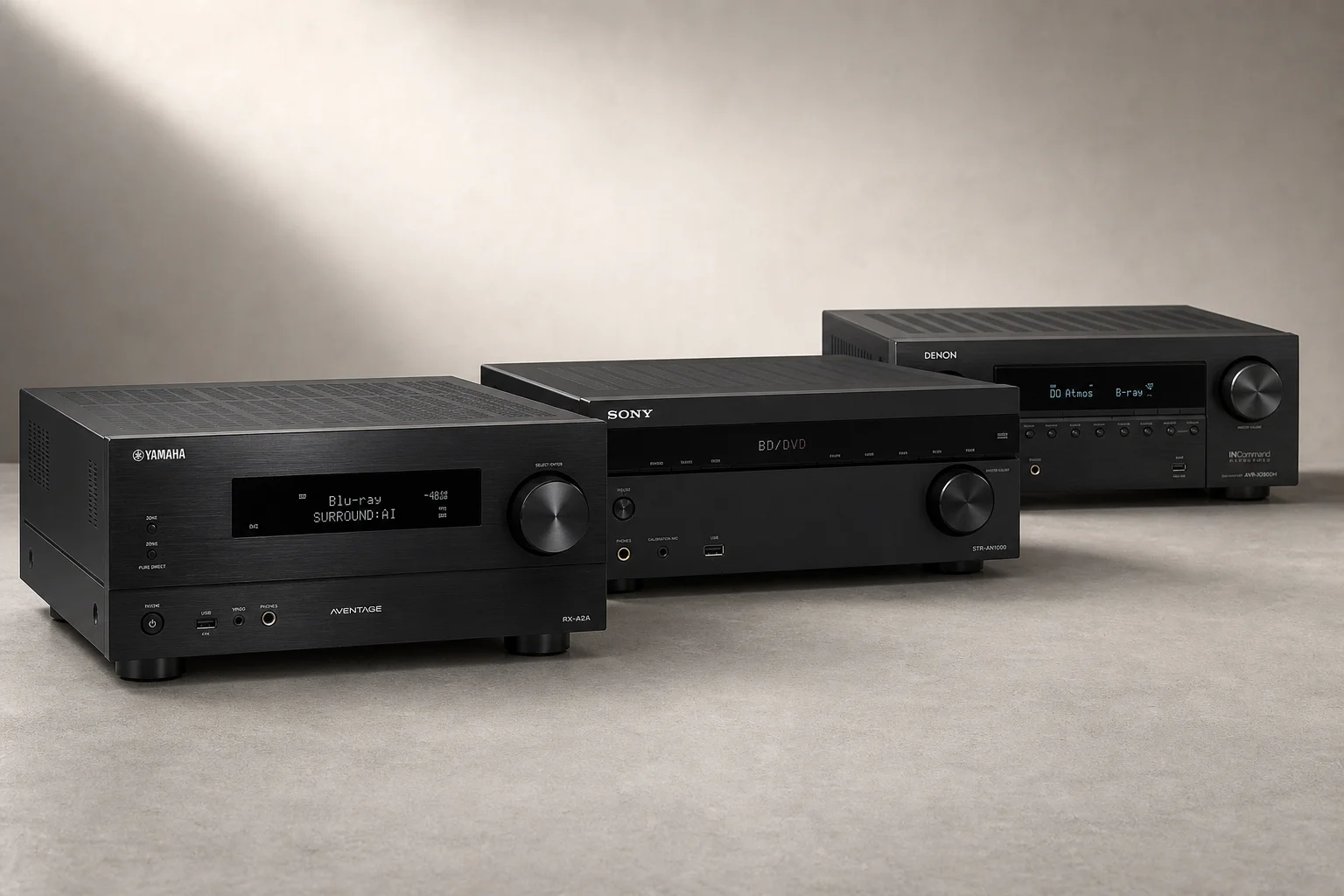
Home Theater
Best Home Theater Receivers 2026: Three Strong Contenders for Music and Movies
Three capable AV receivers that balance home theater performance with music listening, each with distinct strengths in power, connectivity, and room calibration.
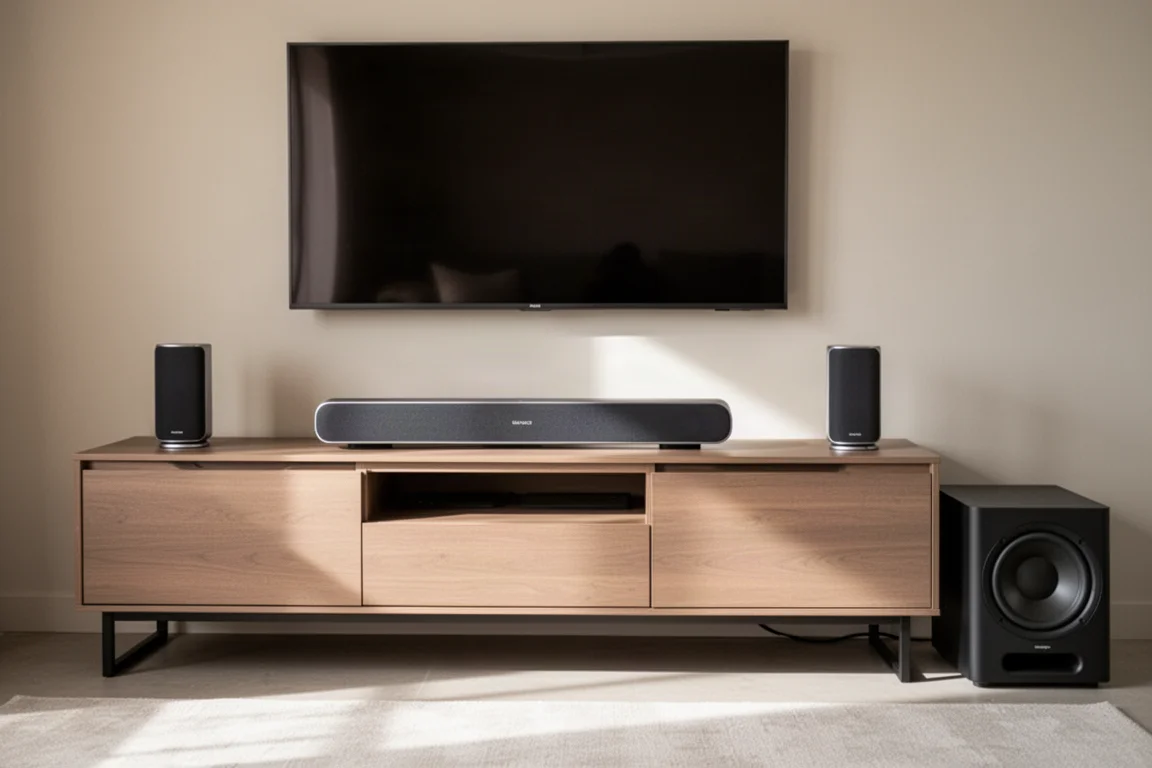
Home Theater
Best Premium Soundbar Systems 2026: Eight Flagship Setups Compared
Eight premium soundbar systems from $1,000 to $4,000 tested for vocal clarity, sound stage, surround effects, height performance, and bass.
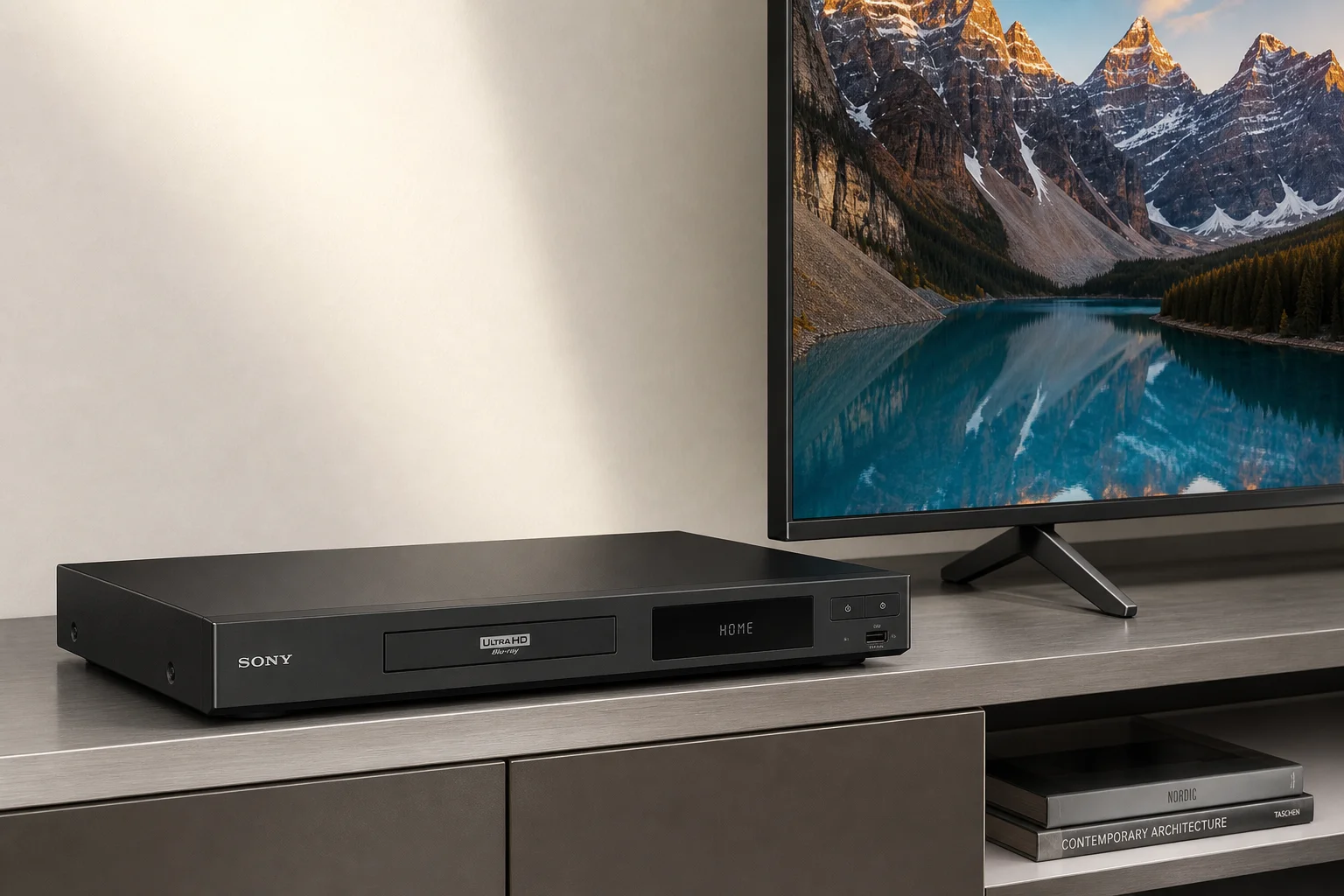
Home Theater
Blu-ray Players vs Game Consoles, 70-Inch TVs, and HDMI eARC Explained
Why dedicated 4K Blu-ray players differ from game consoles, whether 70-inch TVs are worth buying, and how eARC and HDMI 2.1 actually work together.