Sleeping Pads
Best Winter Sleeping Pads 2026: Three Lightweight Pads With R-Values Above 6
A practical comparison of the Therm-a-Rest XTherm, Sea to Summit Ether Light XT Extreme, and Exped DownMat, covering real-world warmth, comfort, packed size, and valve design.
Introduction
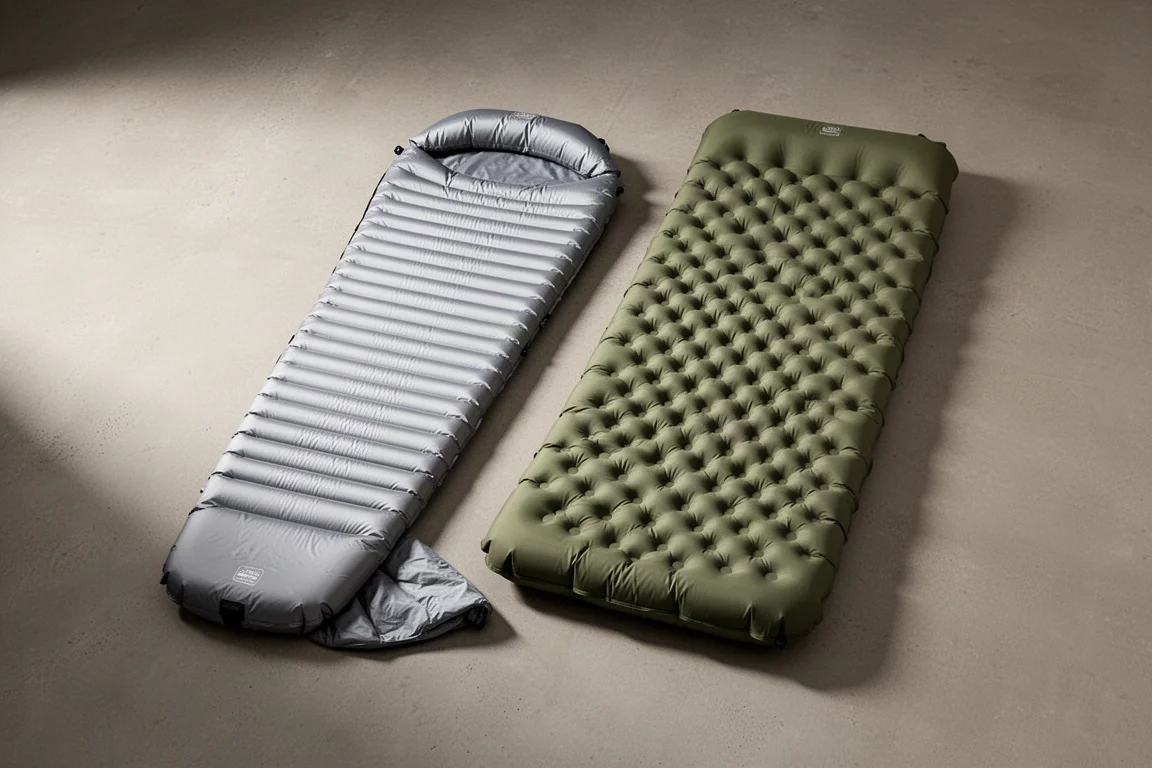
Winter camping and backpacking put a sleeping pad under more pressure than any other season. The ground pulls heat out of you all night, and a pad that felt perfectly adequate in summer can leave you shivering by midnight. For self-propelled trips in cold conditions, an R-value above 6 is a sensible threshold, and low weight matters just as much when you are carrying everything on your back.
That said, R-value is an incomplete measure on its own. It comes from a standardized test that does not capture how a pad behaves when you roll onto your side, how much convective heat circulates inside the baffles, or whether cold air can travel up through uninsulated edges. Real-world warmth depends on the whole design, not just the number printed on the stuff sack.
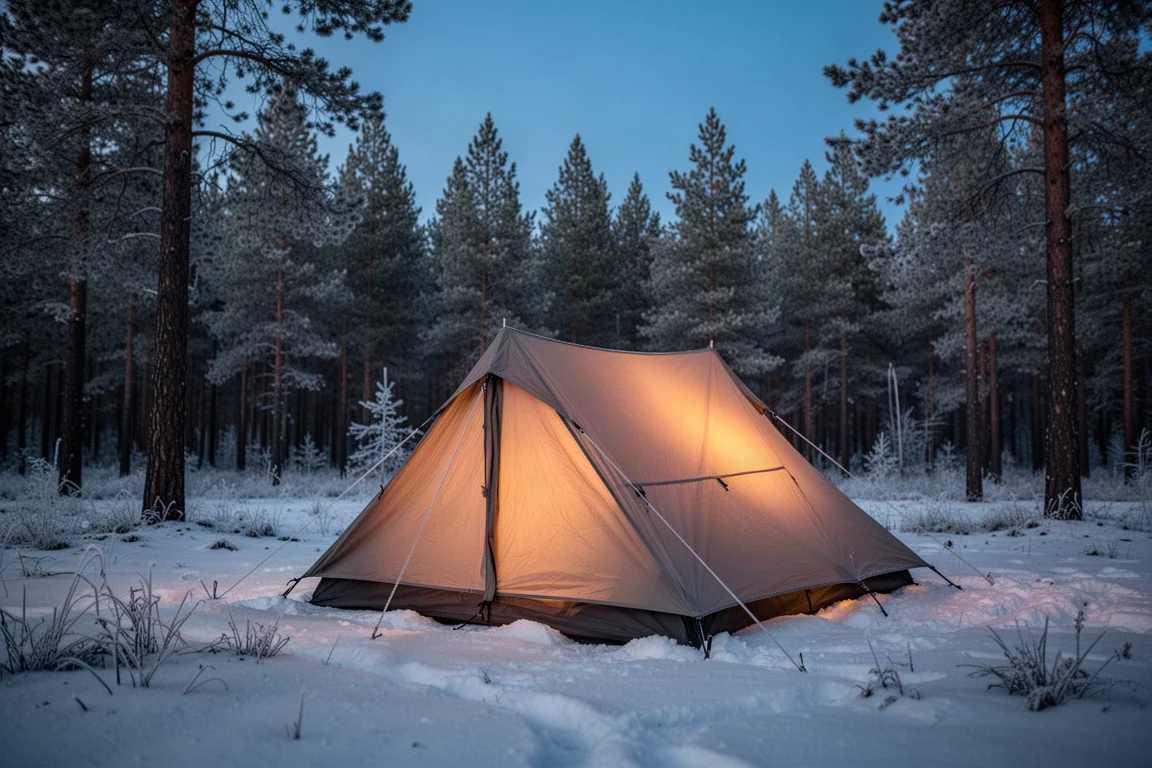
Three pads stand out for winter use: the Therm-a-Rest XTherm, the Sea to Summit Ether Light XT Extreme, and the Exped DownMat. All three carry R-values above 6 and all three are built with weight in mind. They differ sharply in comfort, valve design, packed size, and how warm they actually feel after a long day on the trail.
What Winter Campers Should Look For
Cost is the first filter. In Regular size, the Therm-a-Rest XTherm runs about $220, the Sea to Summit Ether Light XT Extreme about $200, and the Exped DownMat about $230. That is a narrow spread, so price alone rarely decides the purchase.
Weight separates them more clearly. The XTherm weighs roughly 420 grams, the DownMat about 480 grams, and the Ether Light XT Extreme about 720 grams, making it the heaviest of the three. Packed size follows a similar pattern: the XTherm is the smallest once it comes out of the bag, while the DownMat and especially the Ether Light XT Extreme take up noticeably more room in a pack.
Durability and warranty are worth weighing too. The XTherm uses a 70-denier base, the most durable material here, and both Therm-a-Rest and Sea to Summit back their pads with lifetime warranties. The Exped DownMat uses a twined polyester fabric and carries a five-year warranty.
Beyond the spec sheet, three practical questions matter most: how easy the pad is to inflate and deflate, how comfortable it is across a full night, and how consistently it insulates you from the ground when temperatures drop.
Therm-a-Rest XTherm: The Warmest Option
The XTherm has an R-value of 6.9, but its real strength shows up in use. Thin reflective film is suspended throughout the pad, reflecting heat back toward the sleeper and cold back toward the ground. A triangular core matrix structure reduces convective heat loss, so when you toss and turn through the night you are not mixing cold air from the base and sides with the warm air you have built up around your body. That combination gives the XTherm the highest warmth-to-weight ratio of the three and makes it the lightest pad in this group.
The valve design is a clear step forward. The WingLock valve paired with the included inflation bag fills the pad efficiently and deflates quickly. Earlier Therm-a-Rest valves were a genuine weak point, and this generation resolves that.
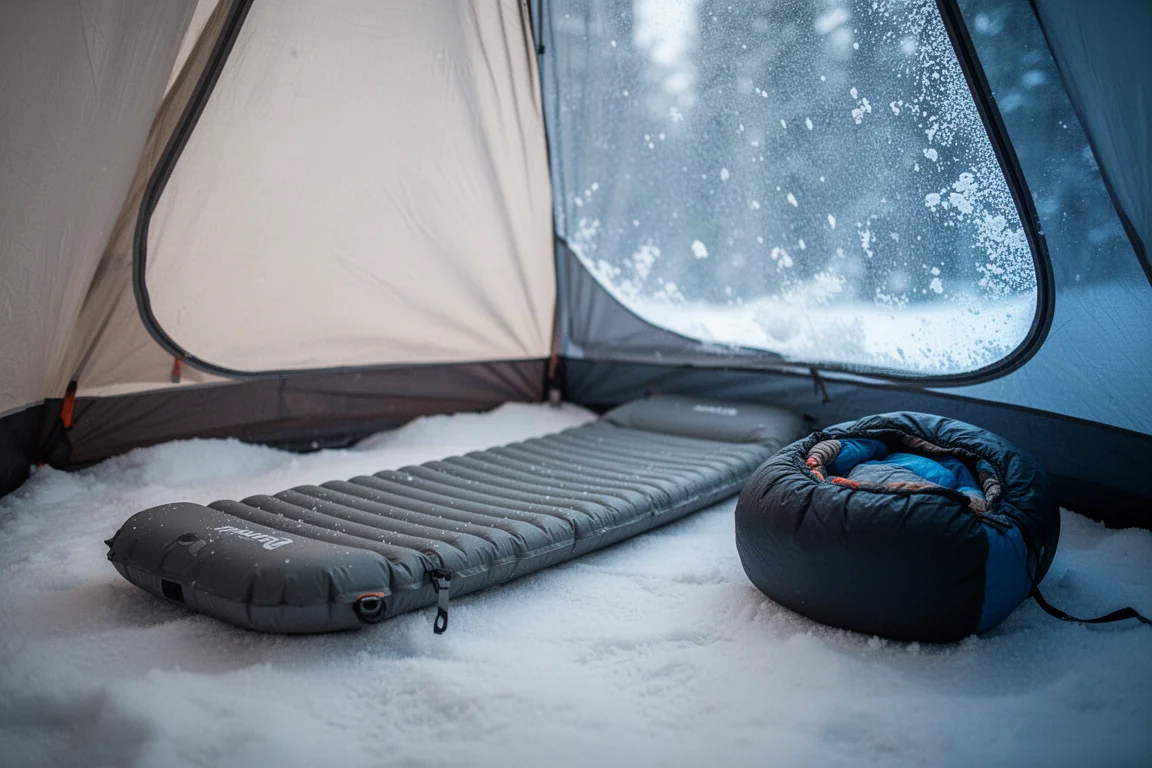
The trade-offs are comfort and noise. At 2.5 inches thick with horizontal baffles, the XTherm is the least comfortable pad here. Heavier sleepers can sink through it and feel the ground, and the horizontal baffles can create odd pressure points that leave an arm or leg numb. The reflective film inside also crinkles with a chip-bag sound, which is noticeable indoors or in a quiet tent, though the exterior is quieter than some earlier Therm-a-Rest designs.
In practice, this pad has kept sleepers comfortable down to roughly minus 25 degrees Celsius on its own, which is the coldest range of the three.
Sea to Summit Ether Light XT Extreme: The Most Comfortable
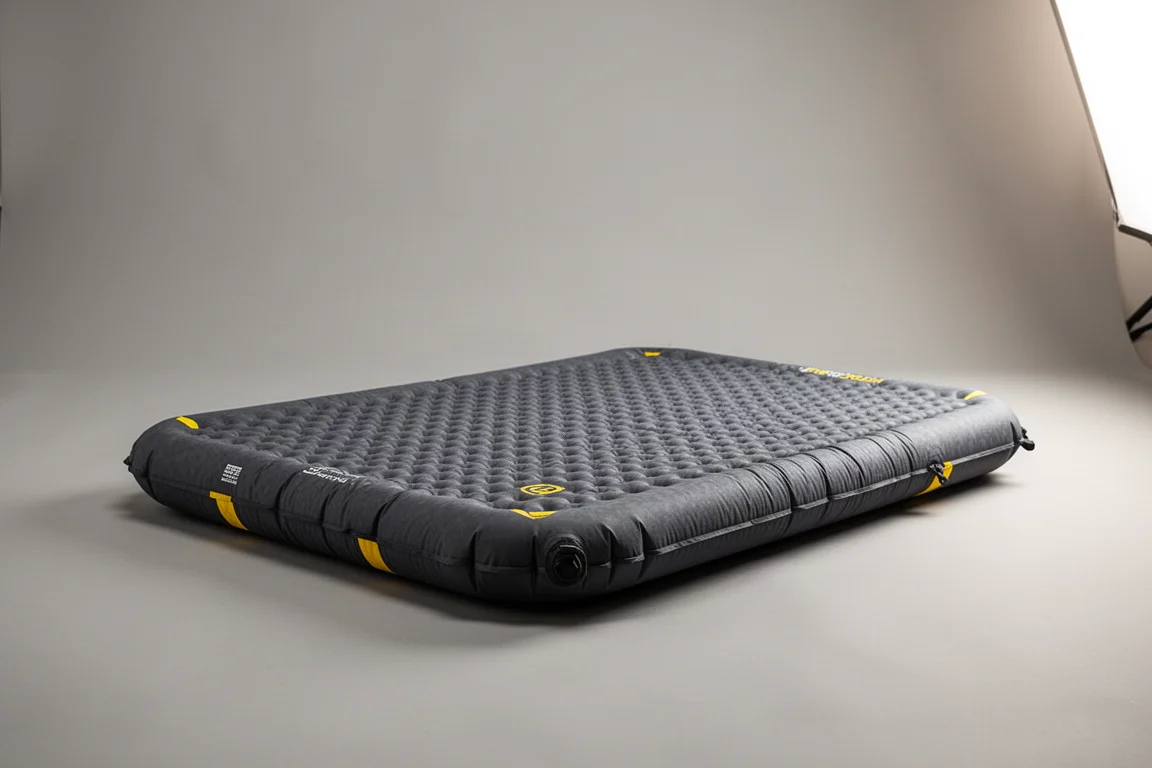
If comfort is your priority, the Ether Light XT Extreme is the pad to beat. It is four inches thick, the deepest of the three, and its dimpled baffle pattern relieves pressure at contact points very effectively. Side sleepers get real support at the shoulder, edge support is strong enough that you can sleep near the perimeter without rolling off, and the result is a stable platform that has allowed full nights of uninterrupted sleep, a rare outcome in the backcountry.
Its R-value of 6.2 is the lowest of the group, yet in practice it feels like the second warmest pad here. Thermolite synthetic insulation is bonded across the pad to insulate you from the ground, and while it is not the most efficient insulation available, it performs better than the raw number suggests.
The inflation system is the best of the three. A double flap valve lets you open one flap to attach the inflation bag and a second flap to dump a large volume of air quickly. The stuff sack doubles as the pump: a second chamber extends from the bottom, and a narrow nozzle pushes into the valve so you can fill the bag and force air into the pad without fighting for a seal. A small button on the valve releases air in short bursts, so you can fine-tune firmness precisely.
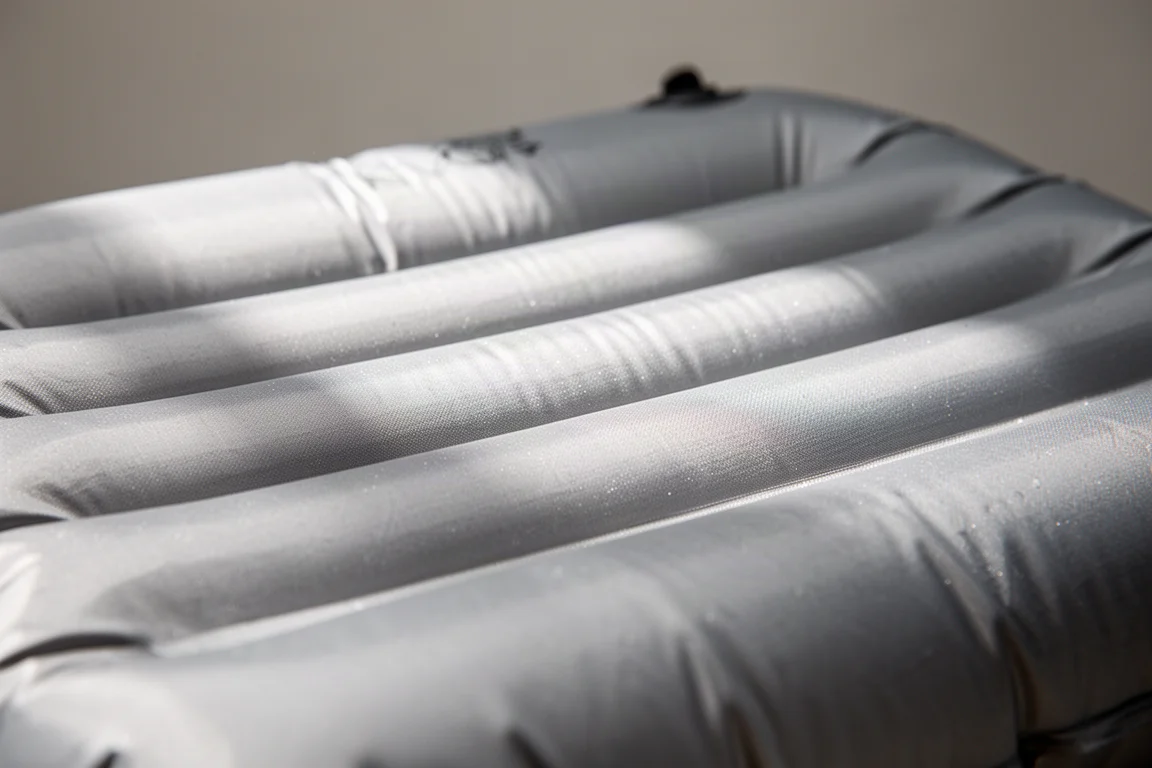
The compromises are weight, bulk, and sound. At around 720 grams it is the heaviest pad here, and it is the bulkiest to pack. The rubbery nylon shell squeaks against a tent floor and shifts audibly as you move. Heat also migrates toward the edges, and because the pad is four inches thick, cold air can cool those side walls and let that chilled air move inward, which matters for active sleepers on very cold nights. Expect it to work comfortably to about minus 15 degrees Celsius.
Exped DownMat: Highest R-Value, Mixed Results
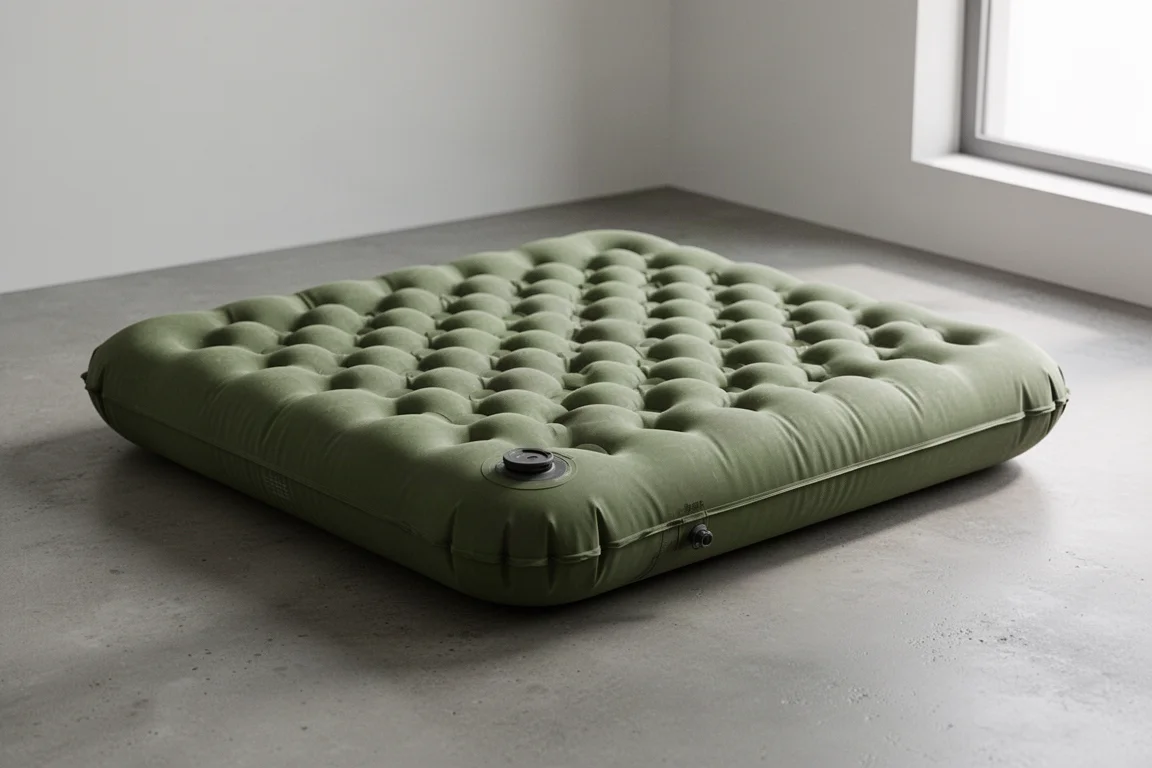
On paper the DownMat looks like the winner. Its R-value of 7.1 is the highest of the three, it weighs about 480 grams, and it is priced around $230. Inside, 700 fill power down provides the insulation, and down is genuinely excellent at preventing convective heat loss, so tossing and turning does not mix cold and warm air the way it does in some other designs. It is also the quietest pad here: the soft polyester shell and down fill produce almost no crinkle or squeak.
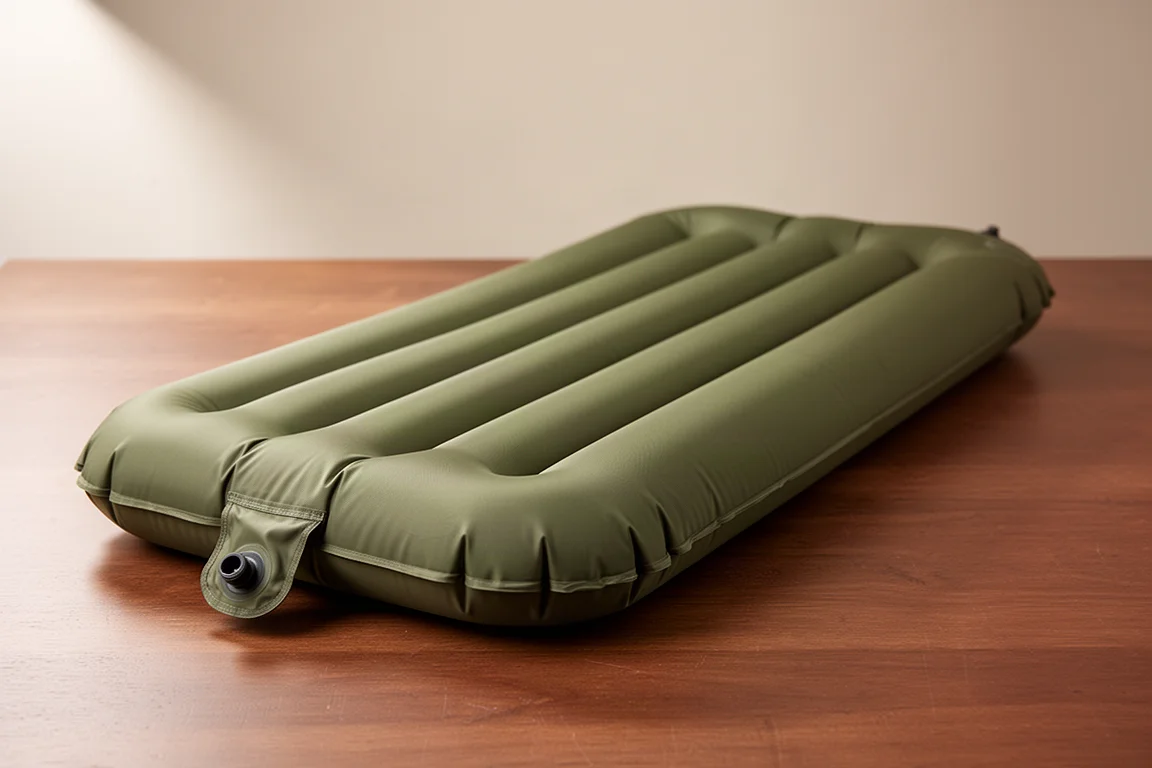
Comfort is solid. Vertical baffles run lengthwise, which distributes pressure more evenly than horizontal baffles, and the 3.5-inch thickness with a soft polyester surface feels more forgiving than the rubbery nylon used elsewhere. A grippy texture on top helps hold a slippery sleeping bag in place, which is a genuinely useful detail.
Two design decisions hold it back. Down migrates through the baffles over time, creating cold spots that move around the pad. More importantly, the two side baffles contain no insulation at all. If you sleep even slightly on your side, or use a quilt that wraps around the pad, those edges offer very little protection. The valve is the weakest of the group: an old flap design that requires you to hold the flap open with a finger while pushing air out, which makes deflation slow and awkward. The inflation bag has a wide opening that is hard to seal properly. The five-year warranty is also shorter than the lifetime coverage offered on the other two pads, and the fabric is less durable.
In practice, the DownMat has been comfortable only to around freezing, roughly zero degrees Celsius, which is a meaningful limitation for winter trips.
What Thermal Testing Reveals
Infrared imaging helps explain why the R-value ranking and real-world warmth do not line up. In testing, a heating pad was stabilized at 40 degrees Celsius, left for 10 minutes, then covered with each pad for another 10 minutes before surface temperatures were measured.
Average surface temperatures came out close together: about 24 degrees Celsius for the XTherm, 24.3 for the DownMat, and 25 for the Ether Light XT Extreme. That ordering roughly matches the R-values, which makes sense given the similarity to standardized test methodology.
Hot spot temperatures tell a more useful story. The XTherm’s hottest point measured about 27 degrees Celsius, roughly 13 degrees below the heat source. The Ether Light XT Extreme reached about 28 degrees. The DownMat reached about 31 degrees, meaning more heat traveled straight through in concentrated channels that can cool the air inside your sleeping bag.
Heat distribution differed as well. The DownMat showed very little spread, with the down blocking heat from moving across the pad. The Ether Light XT Extreme showed heat migrating toward the edges. The XTherm insulates most consistently, with fewer hot spots and less variation across the surface.
Overall Buying Advice
Scoring each pad across size, weight, cost, warmth, comfort, features, and quality produces a close race at the top. The XTherm and the Ether Light XT Extreme finish level, with the DownMat trailing. The XTherm earns its place on weight, packed size, warmth, and build quality. The Ether Light XT Extreme stands out on cost, features, comfort, and quality. The DownMat scores lower overall despite the best R-value, largely because of its valve, its uninsulated side baffles, and its shorter warranty.
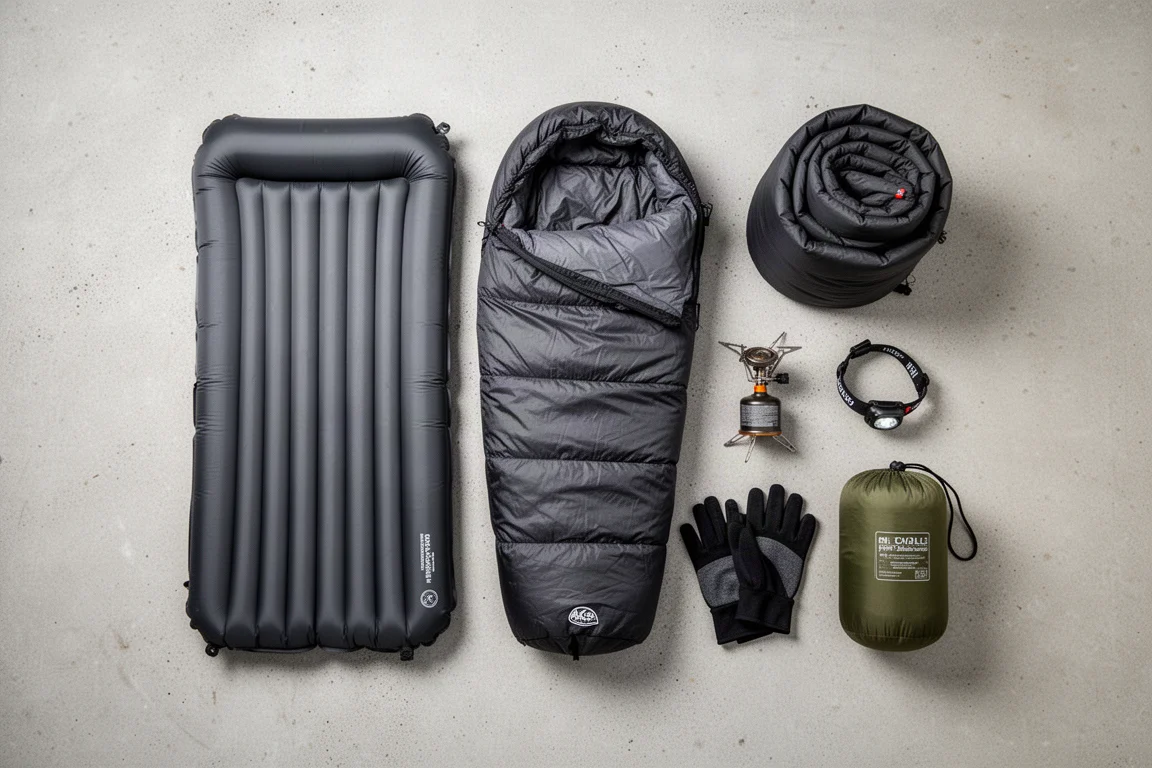
For the coldest trips and the smallest pack volume, the XTherm is the most dependable choice. It is the pad to take when warmth and weight matter more than plushness, and its minus 25 degrees Celsius comfort range gives real margin.
For sleepers who value comfort above all else, the Ether Light XT Extreme is the easiest pad to recommend. Its dimpled surface, four-inch depth, and excellent valve system make it genuinely pleasant night after night, and it remains a capable cold-weather pad down to roughly minus 15 degrees Celsius.
The DownMat suits a narrower set of buyers: those who want the highest R-value available, sleep mostly on their backs, and value a quiet, soft surface over fast deflation and durable materials. Its side baffles and valve design are worth accepting only if those priorities match your trips.
All three pads work for winter camping, and all three also suit three-season campers who sleep cold. Whichever you choose, match it to the temperatures you actually expect and the comfort you need to sleep through the night.
Conclusion
Winter warmth on a sleeping pad comes down to more than an R-value. The Therm-a-Rest XTherm wins on consistent insulation and low weight, the Sea to Summit Ether Light XT Extreme wins on comfort and an excellent inflation system, and the Exped DownMat offers the highest rating on paper with real compromises in the details. Pick the pad whose strengths line up with how you sleep, and you will get far more out of a cold night outdoors.
Further reading
Related Reviews
Sleeping Pads
Best Backpacking Sleeping Pads 2026: Nine Pads Rated on Price, Comfort, Warmth, and Weight
Nine backpacking sleeping pads compared on price, comfort, warmth, and weight, from a $65 summer pad to a year-round option rated at R-7.3.
Sleeping Pads
Best Backpacking Sleeping Pads: Comfort, Warmth, and Weight Compared
A practical comparison of the Nemo Quasar 3D, Therm-a-Rest NeoAir XTherm Max, and Big Agnes Rapide SL for backpackers choosing between comfort, warmth, and packed weight.
Sleeping Pads
Best Backpacking Sleeping Pads: Ultralight, Winter, Comfort and Budget Picks
A practical roundup of the sleeping pads that stand out for ultralight weight, winter warmth, pressure relief and value, plus three popular pads that fell short.