Cycling Gloves
Best Winter Cycling Gloves: 5 Options for Cold and Wet Rides
A practical guide to winter cycling gloves, from lightweight rain-ready options to deep winter insulation, based on real-world features and temperature ratings.

Introduction
Winter riding puts your hands through a lot. Cold, wind, and rain all take a toll, and a good pair of gloves can make the difference between a comfortable ride and one you cut short. The right glove depends on the conditions you ride in and how much you feel the cold. Riders with poor circulation often need heavier insulation, while others can get away with thinner options. The general advice is to spend as much as you can reasonably afford on gloves. High quality gloves are durable, comfortable, and a solid investment. Cheap gloves often need replacing quickly.
This guide covers five winter cycling gloves, from lightweight rain-ready options to deep winter insulation. We’ll look at key features, temperature ratings, and who each glove suits best.

Sportful No Rain Gloves: Rain-Ready Versatility
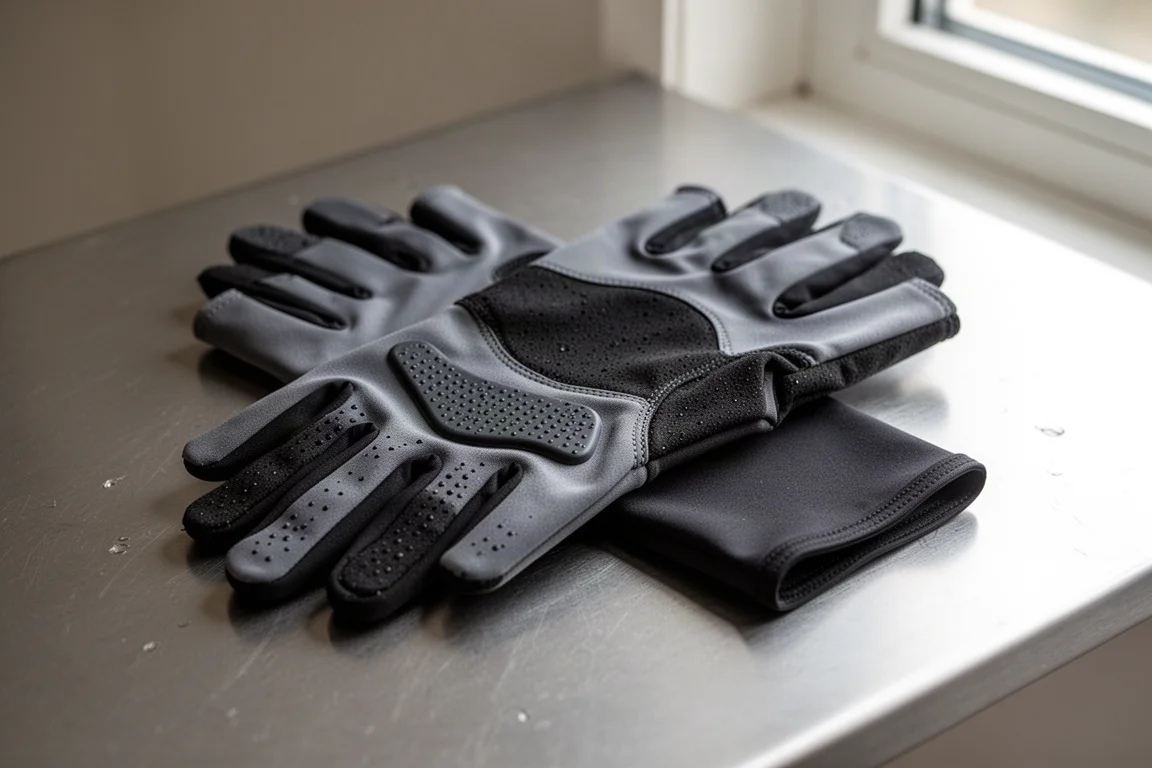
Sportful No Rain gloves are a smart choice for mild, moist conditions. The No Rain technology embeds a rain-repellent material into the fabric, which keeps rain off while allowing the glove to breathe. They are not fully waterproof, but they stop you from getting clammy or overheated. The palm has a full silicone gripper with no padding, so comfort is basic but grip is excellent in wet, greasy conditions. The longer cuff and good fit add to their appeal, and durability is very good. These gloves work well when it is a bit colder but not freezing, and there is a chance of rain.
Giro Kinetic H2O Gloves: Waterproof Performance
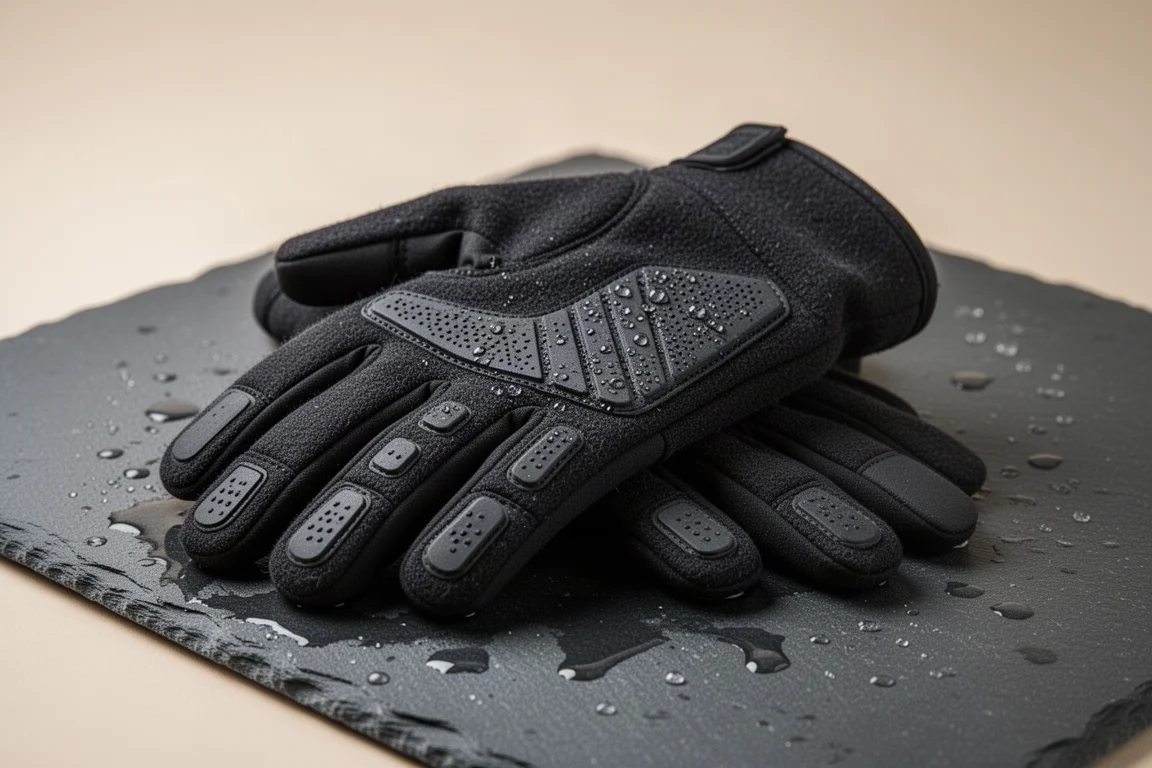
The Giro Kinetic H2O gloves look like a traditional wooly glove, but inside is a waterproof membrane. This design keeps rain out while maintaining good breathability, so your hands stay dry without getting sweaty and clammy. Comfort is high: they are soft next to the skin and on the outside, flexible, and fit well. The simple design includes plenty of silicone gripper on the palm for wet-weather grip, and smartphone-compatible fingertips let you use your phone without removing the gloves. These are a strong option for tackling wet conditions.

If you ride in persistent rain, the waterproof membrane makes a real difference. The breathability also means you can wear them for longer without discomfort. They are not designed for extreme cold, but for wet and cool rides they perform very well.
Giro Blaze 2.0 Gloves: The All-Rounder
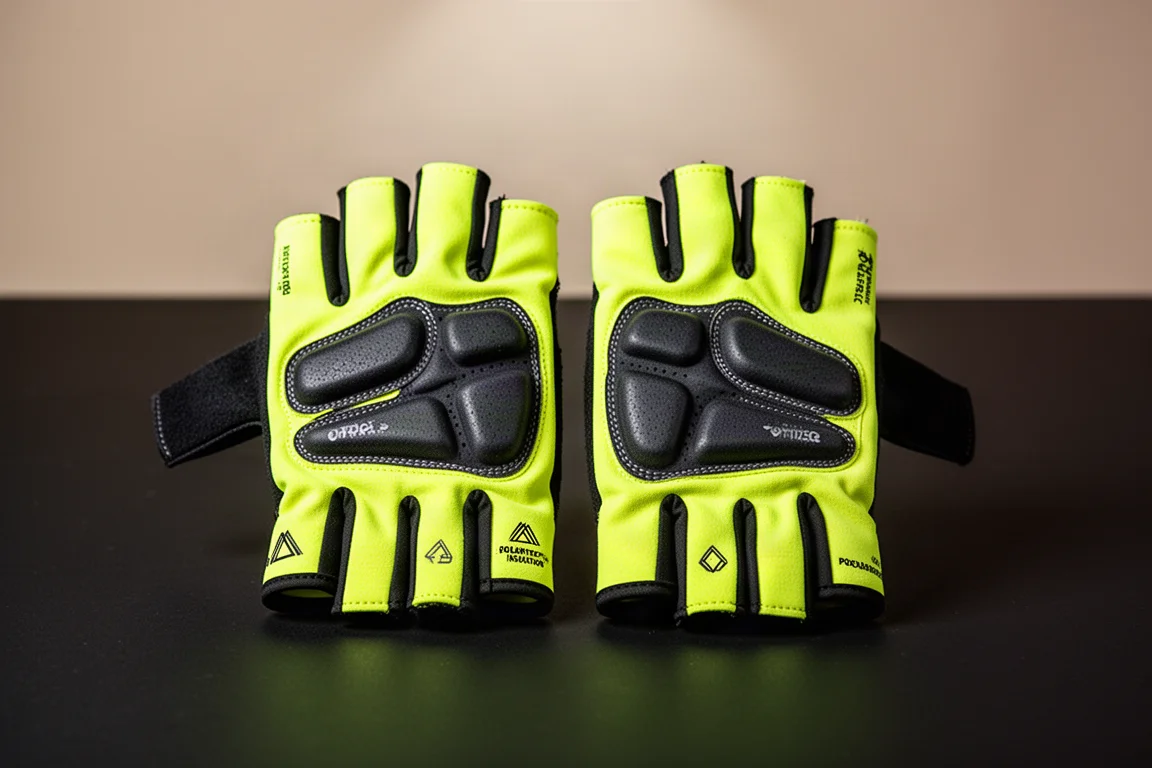
Giro Blaze 2.0 gloves sit in the middle of the range. They offer more warmth than lightweight options but less than deep winter gloves, making them suitable for most typical conditions and shorter rides. The Polartec insulation on the back provides warmth without too much bulk, and gel padding adds comfort for longer rides. They are well stitched, come in a high-visibility color, and have a short cuff with a good fit. The temperature range is roughly 5°C to 10°C, which covers a wide band of conditions. If you are unsure how warm a glove to choose, these are a safe bet.
Sportful Fiandre Gloves: Warmth for Cold Days
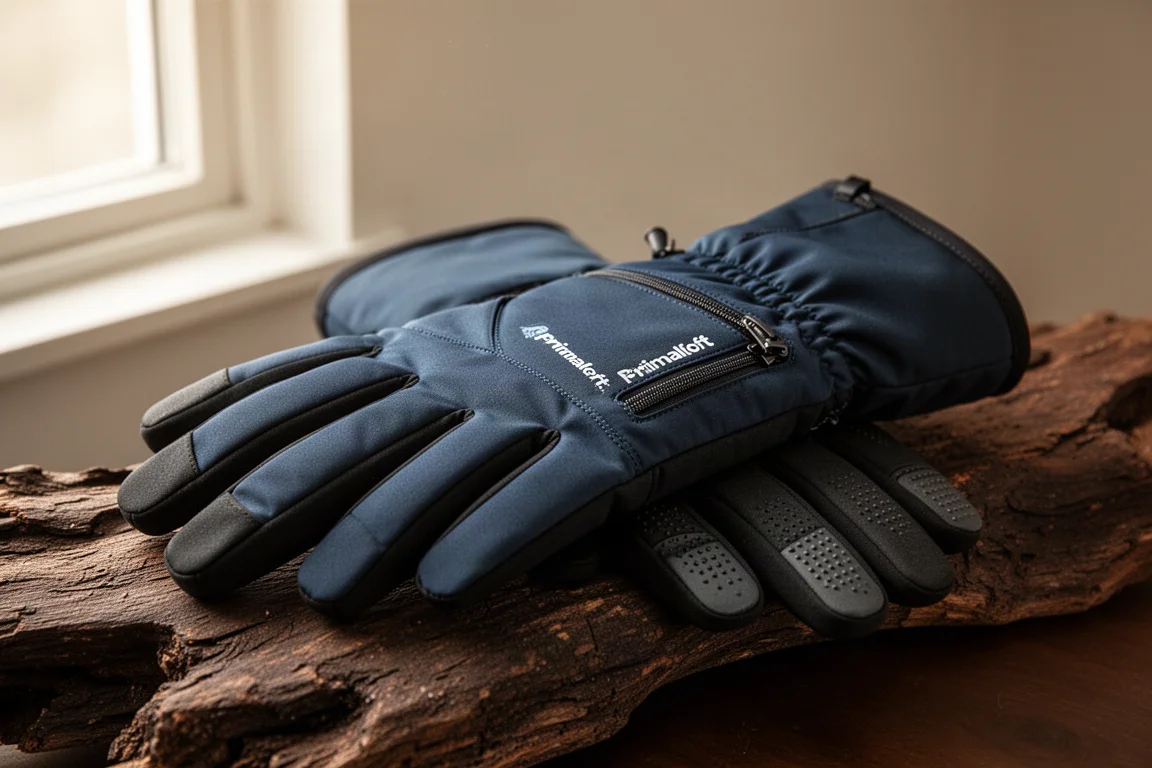
Sportful Fiandre gloves are named after Flanders, Belgium, and designed for the cold, windy, and wet conditions typical of that region. They offer a good level of insulation thanks to Primaloft and Polartec materials inside, providing more warmth than lighter gloves without excessive bulk. Comfort on the bike remains high, and the company recommends them down to about 0°C, so they work well in subzero wind chill. Details include a long cuff, a small zipper, silicone on the palm, and a bit of gel padding. They deliver a lot of warmth for a lightweight glove.

For riders who face genuinely cold days, the Fiandre gloves strike a nice balance between insulation and dexterity. They are not as bulky as some deep winter options, so you retain good control of the bike.
Castelli Estremo Gloves: Deep Winter Protection
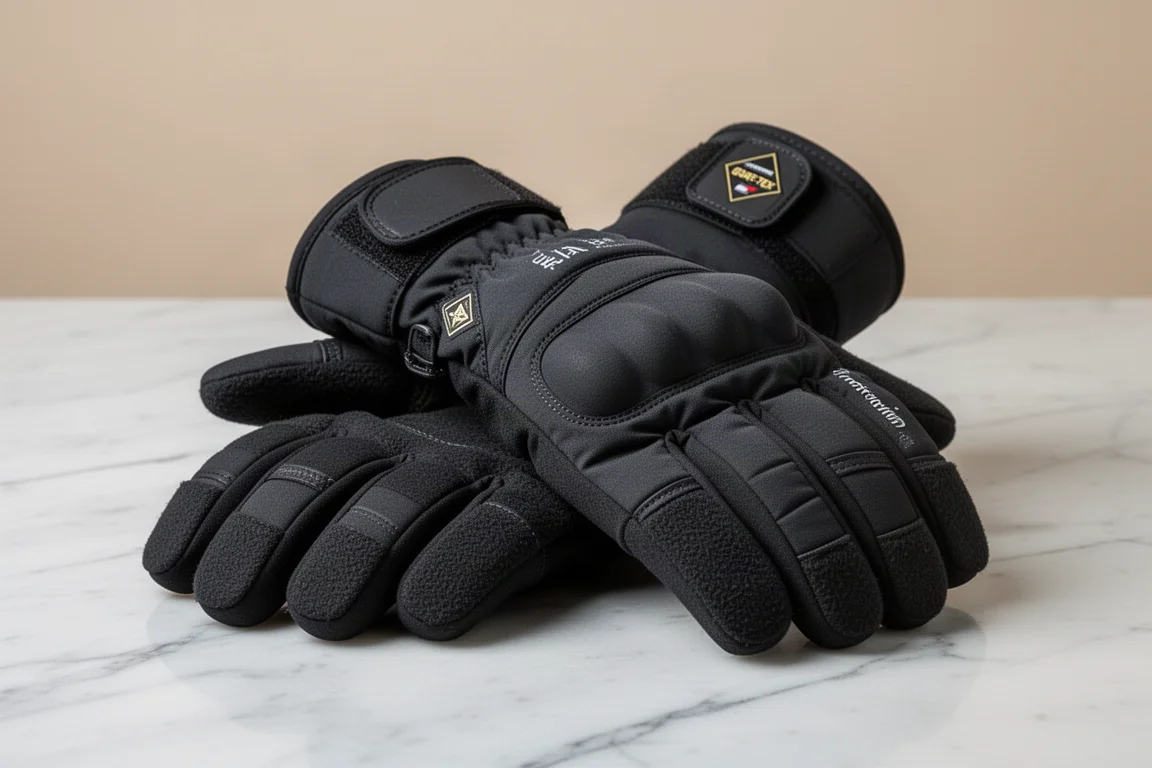
Castelli Estremo gloves are the most thickly padded gloves the Italian company makes. They use Gore-Tex Infinium fabrics and offer significantly more padding than the Sportful options. This makes them bulkier, but they still feel relatively low profile when worn, and you can operate brake levers and gear shifters reasonably well. A Gore Windstopper fabric on the back keeps wind chill at bay, while a fleece-lined palm adds warmth. The temperature rating goes down to -5°C, making them suitable for the coldest conditions. They are rugged, with lots of stitching and reinforcing, silicone on the palm for grip in the rain, and a large velcro cuff to seal out the cold. They are expensive but built to last.
Buying Advice
When choosing winter cycling gloves, consider the conditions you ride in most often. A lightweight, rain-ready glove like the Sportful No Rain is ideal for mild, damp weather. If you need full waterproofing, the Giro Kinetic H2O is a strong choice. For an all-rounder that handles a wide temperature range, the Giro Blaze 2.0 is hard to beat. Riders facing colder temperatures should look at the Sportful Fiandre, while the Castelli Estremo is for the deepest winter days.

Also think about fit and dexterity. Gloves that are too bulky can make shifting and braking awkward. The best glove is one that matches your personal circulation and the weather you actually ride in. For extreme cold, some riders opt for lobster-style mitts, which group fingers together for warmth. These can be very warm but often compromise control. If you frequently ride in subzero conditions and struggle to keep your hands warm, they are worth considering as a specialized option.
Conclusion
A good pair of winter gloves transforms cold-weather riding. The five gloves here cover a wide spectrum, from lightweight rain protection to serious deep winter insulation. Spending more upfront generally gets you better materials, durability, and comfort. Assess your local climate, your circulation, and how long you ride, then choose the glove that fits your needs. With the right gloves, winter miles become far more enjoyable.
Further reading
Related Reviews
Backpacking Gear
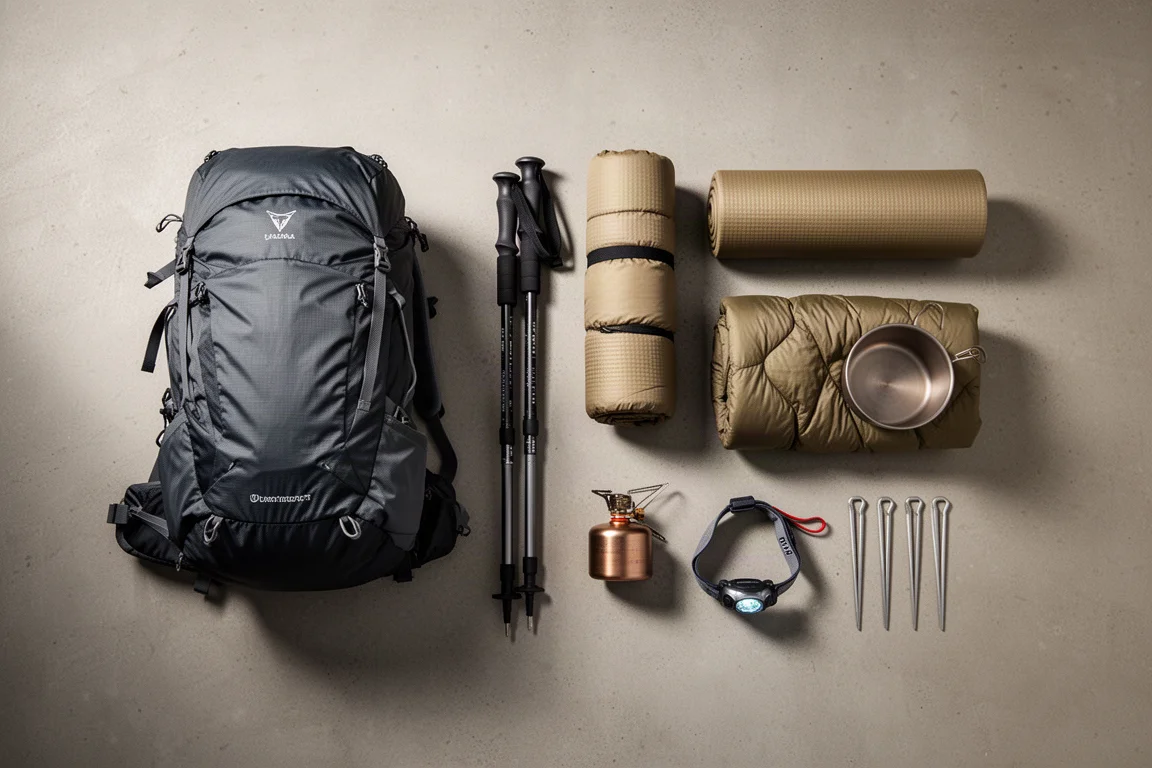
Building a 10 lb Base Weight: An Ultralight Backpacking Gear List
A practical walkthrough of the ultralight pieces behind a 10 lb base weight, from a 765 g pack and a roomy one-person tent to a full camp chair and a dependable water filter.
Road Bikes
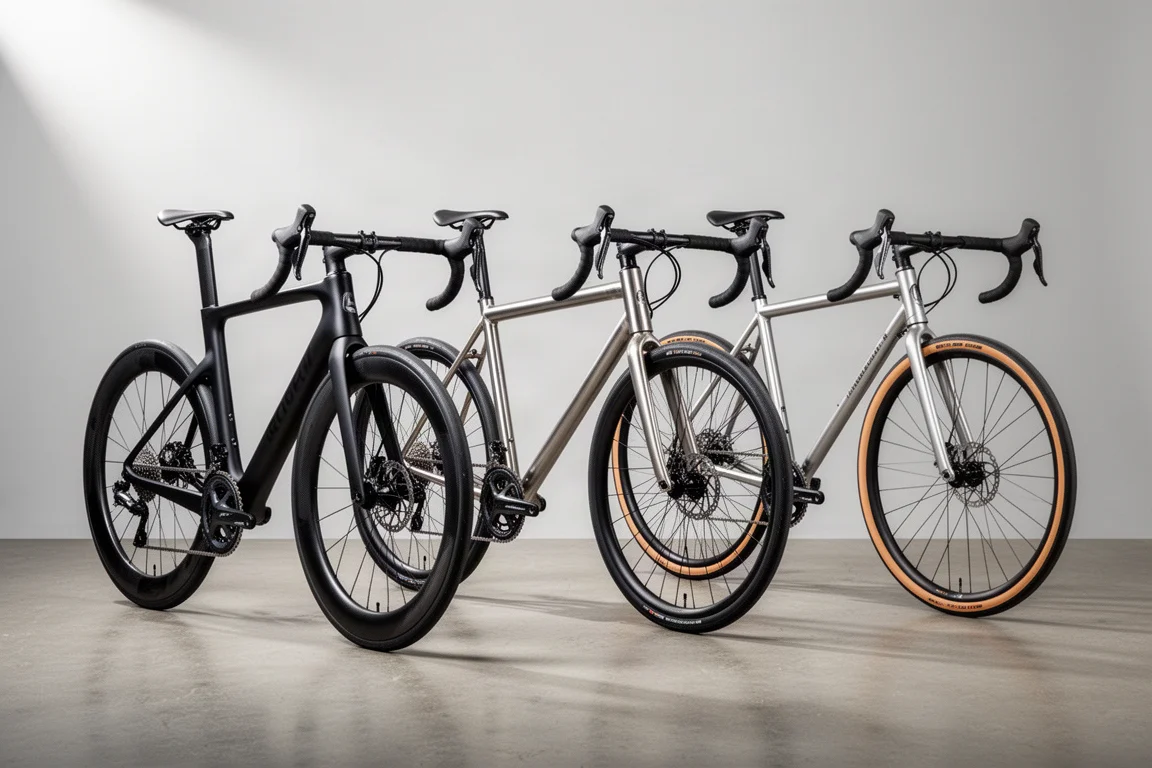
10 New Road Bikes Worth Watching: Aero, Titanium, Steel and Endurance Standouts
A practical roundup of 10 new road bikes, from aero flagships chasing single-watt gains to titanium, steel and endurance platforms built for real roads.
Bikepacking Gear
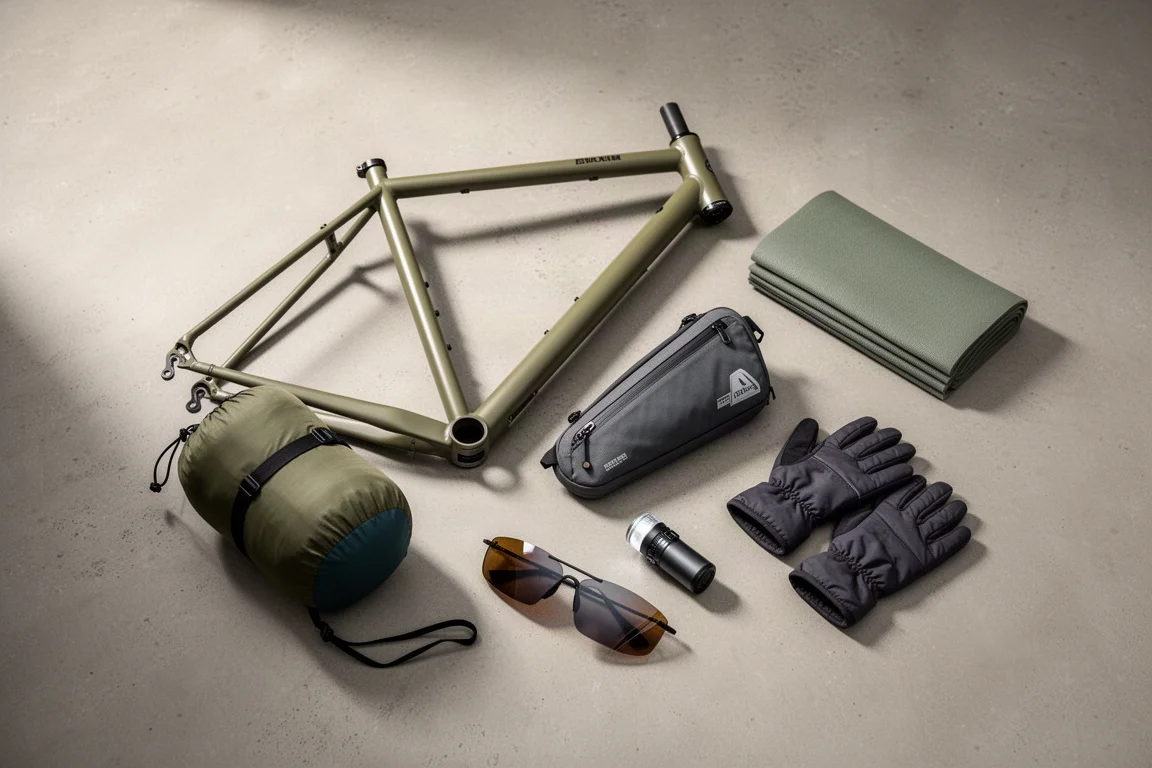
11 Bikepacking Essentials for Long-Distance Cycling
Eleven bikepacking essentials for long-distance cycling, from a steel gravel frame and a two-person tent to helmet lights, packable gloves, and a frame bag that puts weight in the right place.