Gravel Cycling
Best Wide Gravel Tires and Wheels: Picking the Right Width
A practical look at the widest gravel tires and aero gravel wheels shaping the market, and how to choose clearance that will not date your next bike.
Introduction
Gravel bikes evolve slowly, but gravel tires do not. Widths that looked extreme a few seasons ago now read as modest, and the frames built around them are beginning to feel their age. If you are shopping for a new gravel bike, tire clearance is the one specification worth checking before anything else, because it decides which tires you will be able to run for the entire life of the frame.
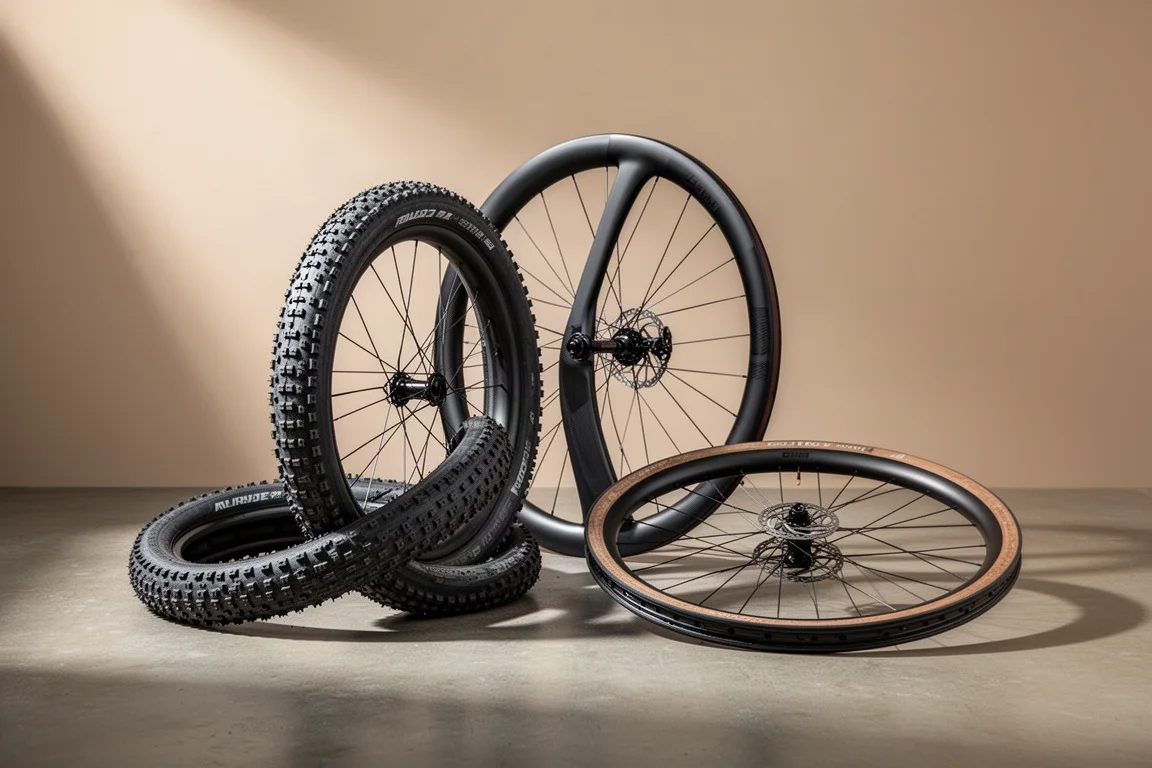
The direction of travel is clear. Forty to forty-five millimetres of clearance was a generous figure not long ago. Today, cross-country mountain bike tires in the 2.1 inch range are being fitted to drop-bar bikes, and wheel manufacturers have responded with rims designed to support them. This guide covers the tires and wheels leading that shift, and what to look for so your next purchase stays useful for years rather than seasons.
What Matters in a Wide Gravel Setup
Two numbers drive almost everything else: how much rubber the frame can swallow, and how wide the rim sits underneath it.
More air volume brings grip and comfort on loose or rough surfaces, and it does not automatically cost speed. A thin, supple casing can produce lower rolling resistance than a narrower gravel tire that relies on a thicker, more heavily protected casing. That is the core argument behind fitting cross-country mountain bike tires to gravel bikes. A 2.1 inch tire and a 45 mm gravel tire can also end up within a few grams of each other, so the usual weight penalty does not always apply.
Rim width matters just as much as tire width. Wide gravel rims shaped to be aerodynamic with large tires increase the effective width of whatever you mount, sometimes by another few millimetres. That helps tire shape and airflow, but it also eats into the space between the tire and the frame.

This is where clearance becomes a long-term decision rather than a detail. A frame with generous room gives you the option to move up a size or two later, try a different casing, or run a wider rim without the tire rubbing under load. A frame that is already tight at its stated maximum has nowhere left to go, no matter how good it rides today.
Schwalbe Thunder Burt: The XC Tire Case
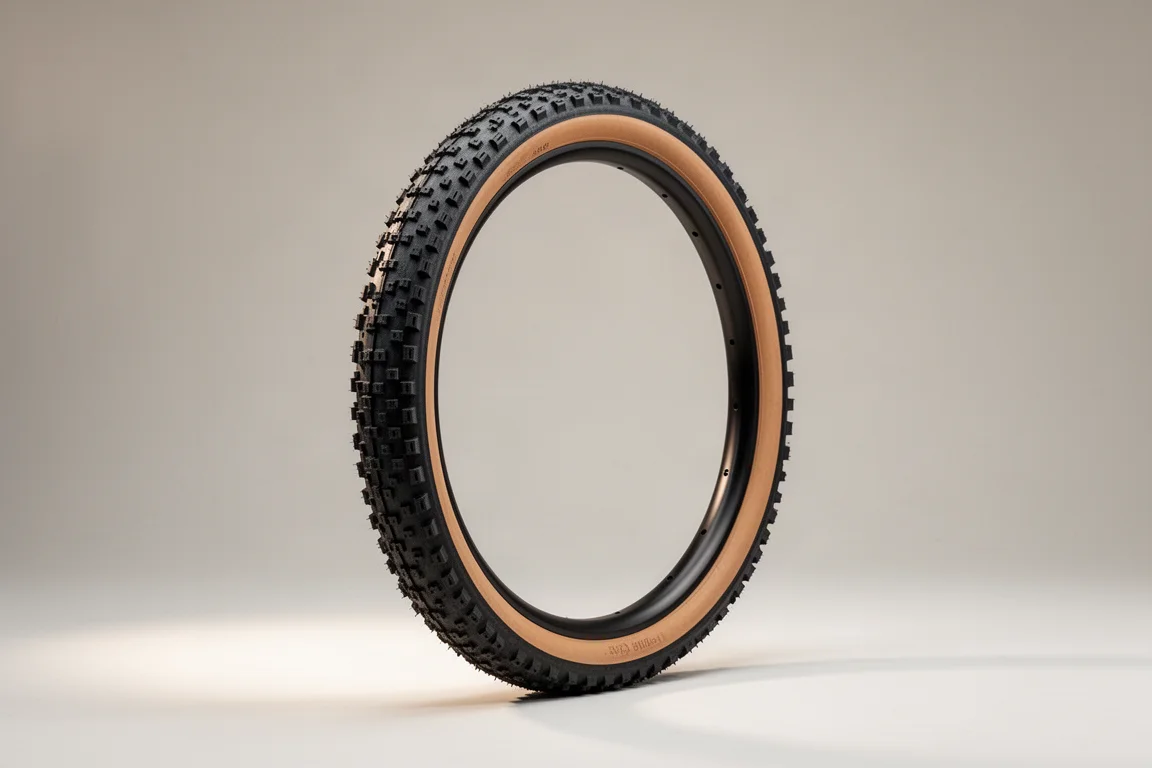
The 2.1 inch Thunder Burt is the clearest illustration of the cross-country tire idea applied to gravel. Mounted on a 23 mm internal rim it measures roughly 50 mm across, so it delivers noticeably more volume than a 45 mm gravel tire while weighing in the region of 560 to 580 grams per tire. A comparable 45 mm gravel tire sits close to 555 grams, which means the extra volume can arrive at almost no weight cost.
That combination is what makes the concept persuasive. You get a larger contact patch and a more forgiving ride on chunky surfaces, plus a casing that can roll efficiently on smoother sections. The trade-off is space: on a frame rated for 45 mm tires, a 50 mm effective width can leave only the narrowest margin at the fork, and there is no room to move to a wider rim.
Continental Terra Speed: A Proven 45 mm Option
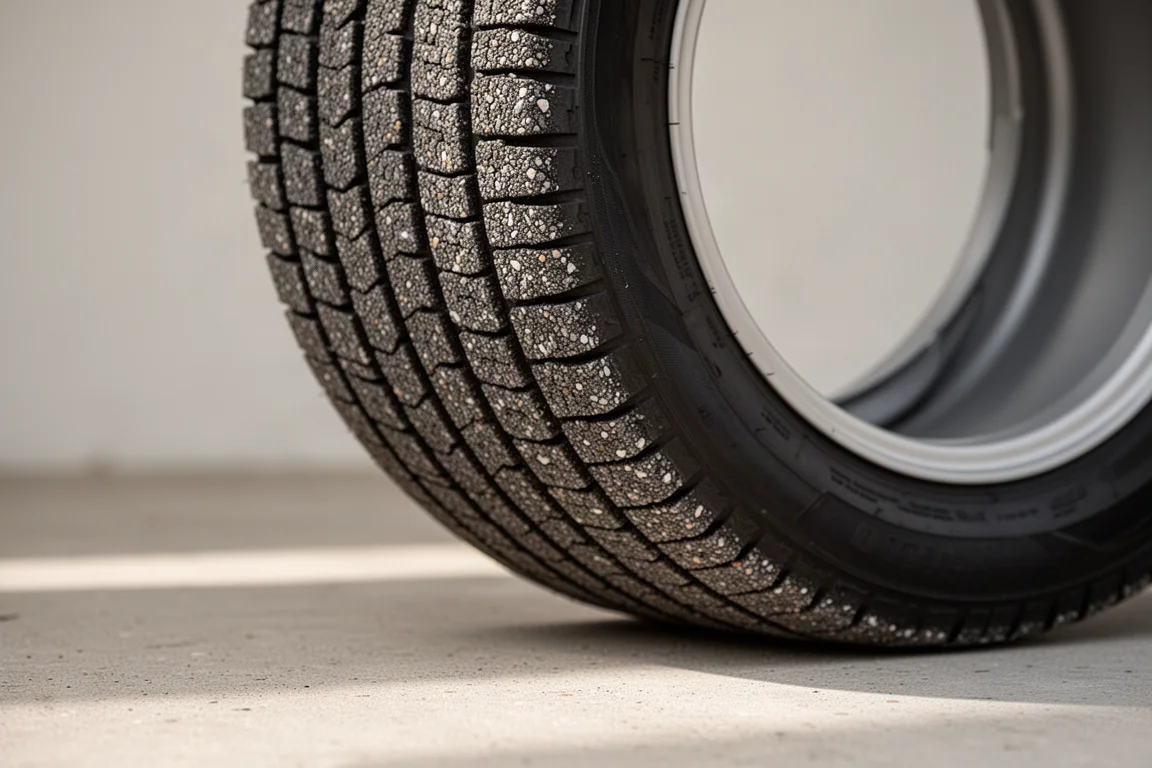
Forty-five millimetres remains the pragmatic choice for a very large group of riders, and the Terra Speed is a straightforward example of that class. Tires in this size weigh around 555 grams each, which keeps them competitive with the wider cross-country options while staying inside the clearance of a conventional 45 mm gravel frame.
The appeal here is balance. A 45 mm tire is a genuine step up from the 38 to 40 mm rubber that many gravel bikes shipped with, and it brings meaningfully more comfort and grip without demanding a new frame or a new set of wheels. For riders who split their time between tarmac approaches and mixed gravel, it is the width that asks the least of the rest of the bike.
It is also worth remembering that 45 mm is not a compromise for everyone. Riders who spend most of their time on fast, smooth, non-technical gravel with stretches of tarmac in between often find this width is the fastest and simplest answer available.
Zipp 303 Explore Aero Gravel: Setting the Wide Rim Direction
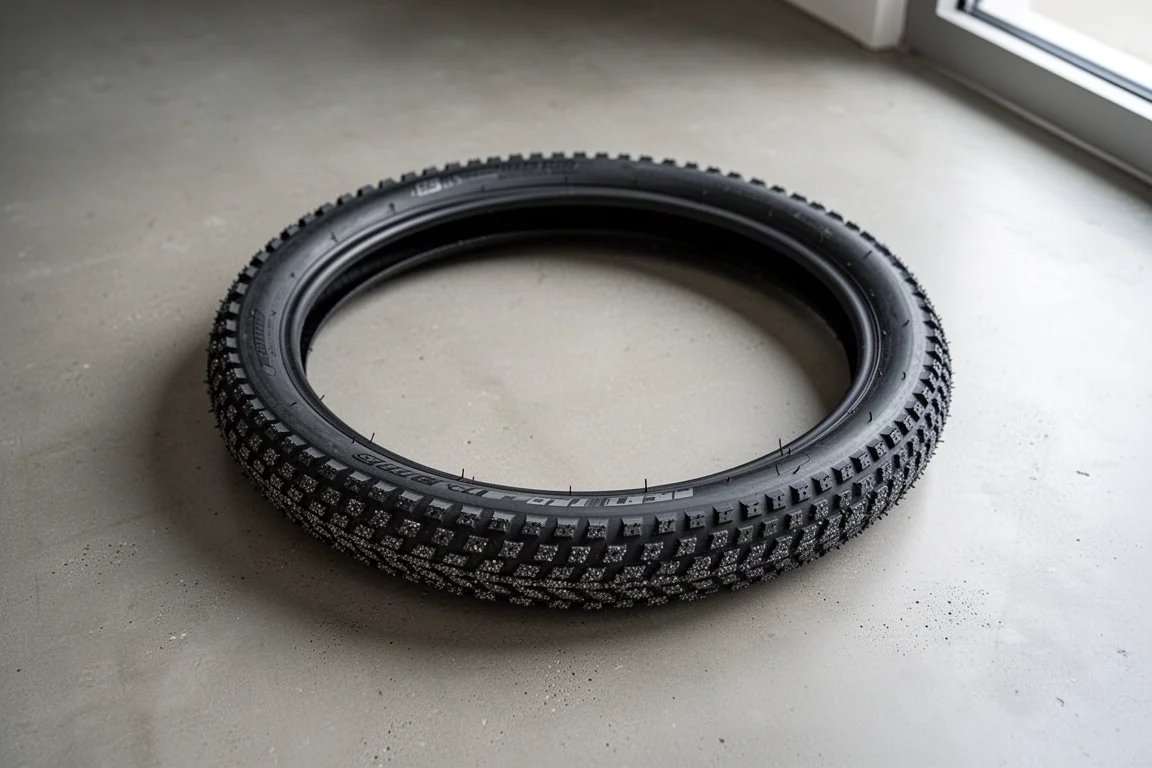
Zipp released the 303 Explore Aero Gravel in 2024, and the wheelset is widely seen as the moment the wide gravel rim became mainstream. The rims are both deep and wide, and they are shaped to be aerodynamic with large tires rather than with the narrow rubber that traditional road aero design assumed.
The practical consequence is a large internal width and a correspondingly large external width. That combination supports a wide tire properly, giving it a rounder, better-supported profile, and it typically adds a few millimetres to the tire’s measured width once mounted. For anyone building a bike around 45 mm or wider tires, this is the design philosophy that now defines the category.
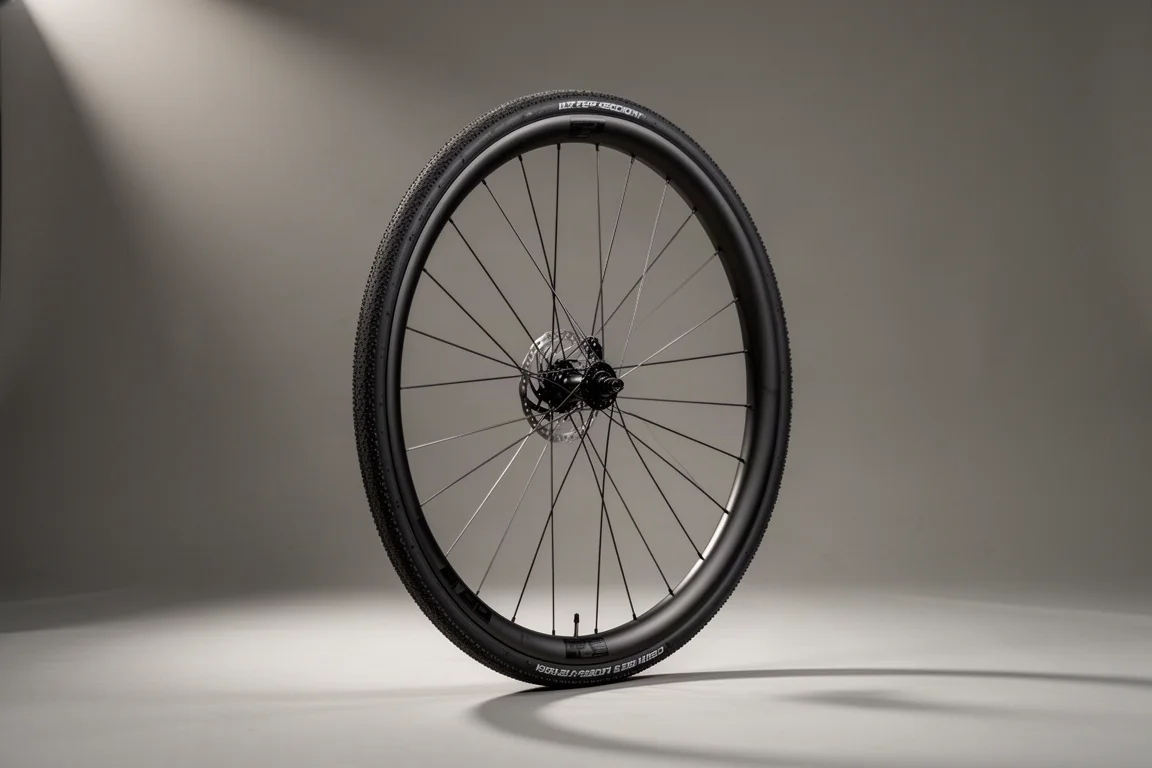
Hunt Limitless 40 Gravel Aero: A Deep and Wide Alternative
Hunt followed the same path with the Limitless 40 Gravel Aero, a wheelset that pairs a similarly deep and wide rim profile with the same intention: make a large tire fast. The design brief is aerodynamic performance with big rubber, not aerodynamic performance with small rubber.
That distinction matters when you are choosing wheels for a bike that will spend its life on 45 mm or larger tires. A rim built around a wide tire supports the sidewall, holds a more consistent shape under cornering load, and keeps airflow attached across a wider surface. It is a subtle difference on paper and a much more obvious one on loose, fast descents.
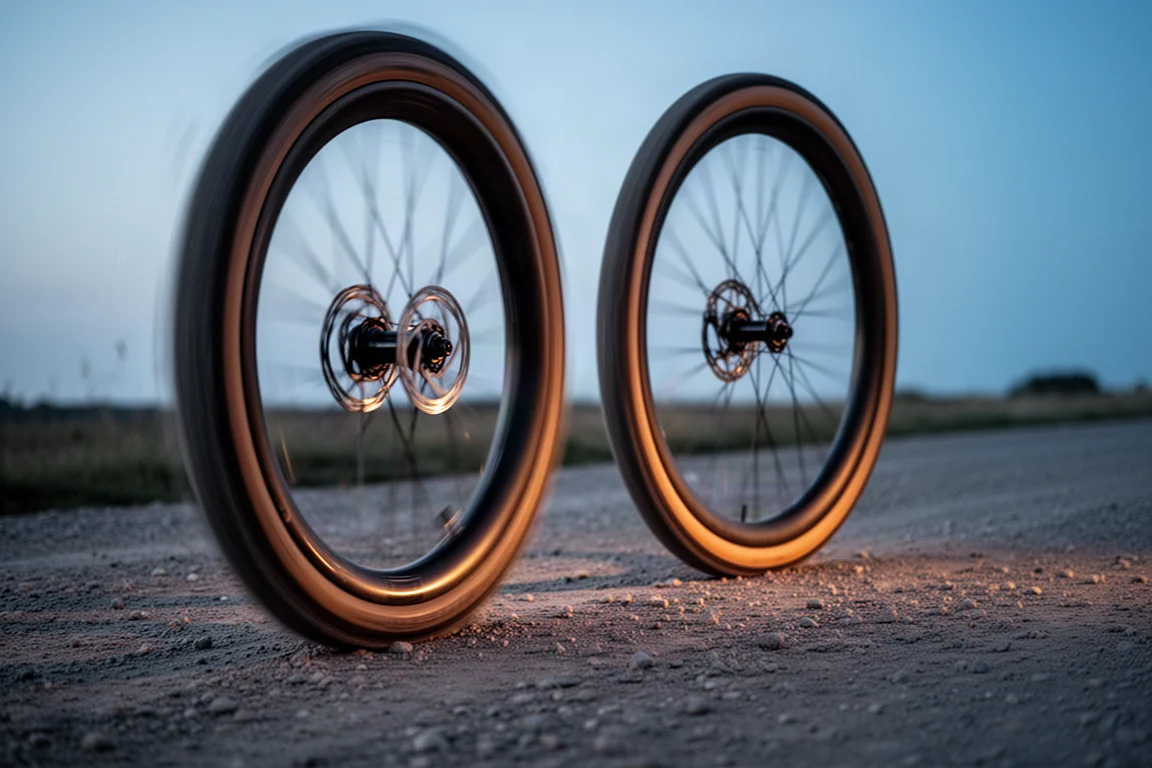
As with any wide rim, the extra effective tire width is a factor on tighter frames. If your fork or rear triangle is already close to its limit, a wide rim can be the difference between comfortable clearance and contact under flex.
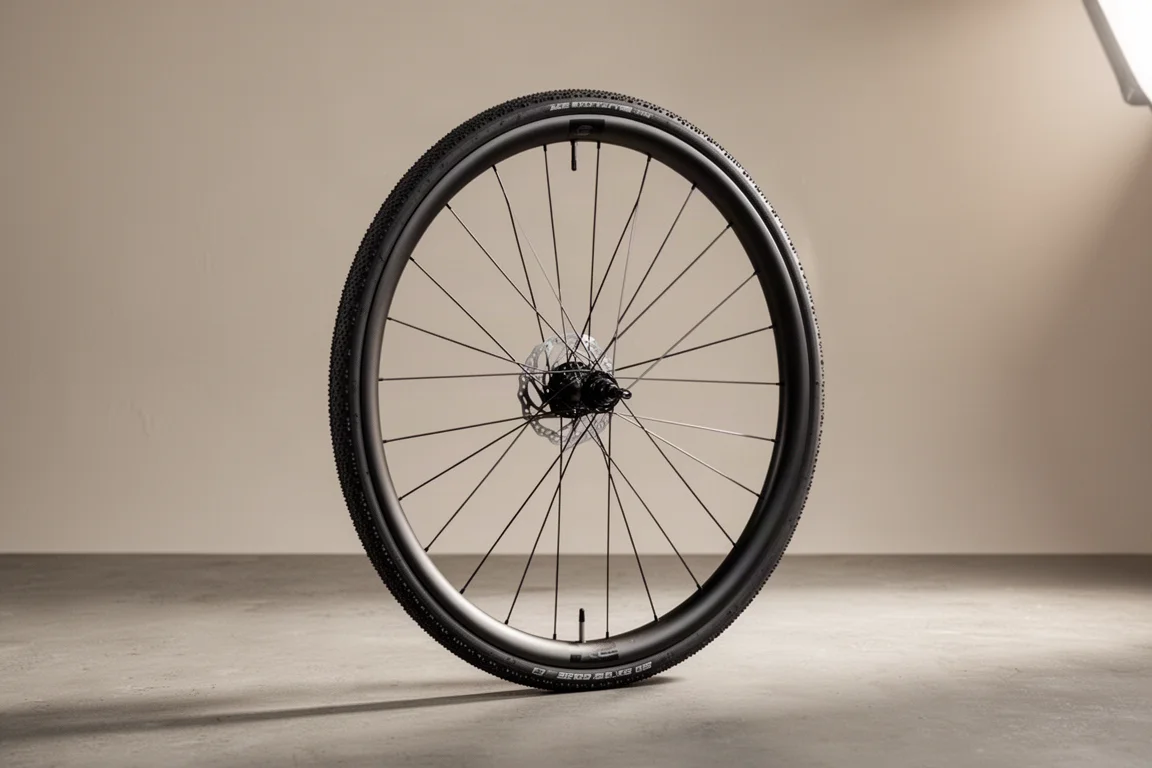
Roval Terra Aero CLX: Aero Rims Built Around Big Tires
Roval’s Terra Aero CLX is the newest arrival in this group, and it repeats the same formula: a wide rim with a deep profile, shaped and tuned for aerodynamic performance with large gravel tires. It uses wide internal and external dimensions, matching the direction set by the earlier wheelsets rather than chasing a narrower, more traditional gravel shape.
For riders who have already committed to wide tires, this is good news. It means the wheel market is now supplying rims that treat 45 mm and beyond as the default rather than an exception, so you can build a fast setup without working against the parts you have chosen.
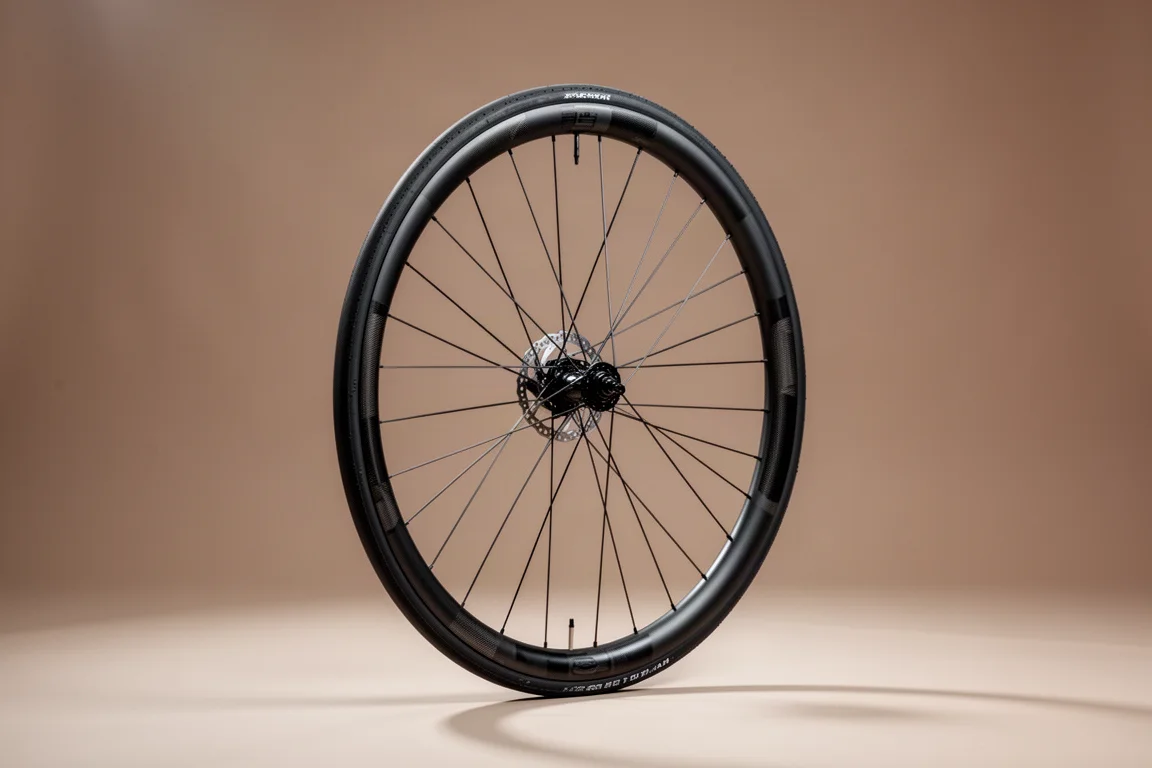
Matching Tire Width to Your Riding and Your Frame
Gravel is a broad church, and the demands vary enormously from one region and one riding style to the next. Not everyone agrees that wider is better, and that disagreement is reasonable. Some professional gravel racers argue that cross-country tires optimize for the wrong qualities and that narrower rubber is almost always the fastest choice in a race. Many experienced gravel riders land on 45 mm as the sweet spot for the widest possible range of conditions.
The bikes themselves reflect that split. One manufacturer designed its latest gravel model with only 40 mm of tire clearance, aimed squarely at championship-style racing where courses mix fast, non-technical gravel sectors with long stretches of tarmac and run much like a spring classic on unpaved roads. At the other extreme, a bike with 57 mm of clearance on 700c rims targets the American gravel racing scene, where races such as Unbound are almost entirely off-road.
Both approaches are valid. The problem is not which width you choose today, it is how many widths you are allowed to choose later. When you mount a wide tire on a wide rim, the measured width grows beyond the nominal size, and that is exactly the point at which a frame with a stated 45 mm limit runs out of room.
Buying Advice
Extra tire clearance you never use is far less frustrating than insufficient clearance for the tire you want to try. That single principle should shape the purchase.
A gravel bike limited to 40 mm tires now feels roughly equivalent to a road bike limited to 28 mm. Such a bike can still be excellent at its intended job, but it is a dead end as tires continue to grow. Modern disc brake road bikes routinely fit 32 to 35 mm rubber, and often more, with few real downsides. Gravel frames follow the same logic.
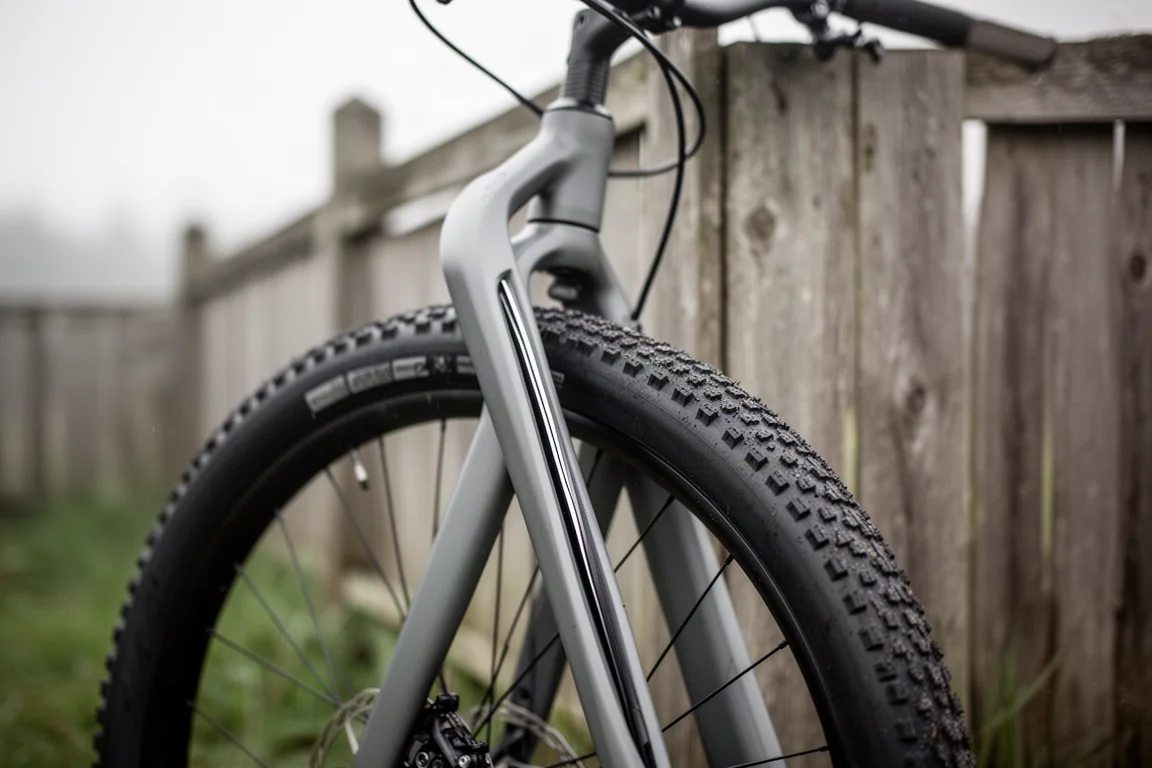
It is worth weighing the commonly cited arguments on the other side. Slightly shorter chainstays or a marginally shorter fork trail are difficult to feel on a real ride, while the benefit of running the right tire for the day is obvious within the first few hundred metres. Tires are too important a part of how a bike behaves to be constrained by frame geometry choices you cannot perceive.
If you are buying a new gravel bike, treat 50 mm of clearance as the sensible floor and check the actual measured width of your intended tire on your intended rim before you commit. If you are buying wheels, wide aero gravel rims are now the mainstream choice rather than a niche experiment, and they pair best with the wider tires that this whole category is moving toward.
Conclusion
Tire volume has become the defining specification of the modern gravel bike, and the parts industry has already committed to it. Cross-country tires such as the Thunder Burt show that more volume can come with almost no weight penalty and genuinely strong mixed-surface manners. Wide aero gravel rims from Zipp, Hunt and Roval show that the wheel market expects you to run big tires.
The right width for you still depends on where and how you ride, and 45 mm remains a defensible answer for a lot of people. What is much harder to defend is buying a frame that cannot grow with you. Clearance is cheap insurance against a decision you would otherwise have to reverse with a whole new bike.
Further reading
Related Reviews
Gravel Cycling
Best Gravel Kit and Components 2026: Eight Standout Picks
Eight gravel picks that earned their place over a year of long rides, from a value wireless groupset and a light carbon frameset to a waterproof jacket that survived a week of Scottish rain.
Gravel Cycling
Best Gravel and Off-Road Upgrades: Power Meter Pedals, Suspension Stems and Race Shoes
Five gravel and off-road upgrades that have earned their place, from SPD power meter pedals you can swap between bikes to a suspension stem you can tune on the trail.
Gravel Cycling
Best Gravel Race Tires, Wheels and Sealants: A Practical Setup Guide
A roundup of gravel tires, wheels and sealants, with measured widths, real race pressures and the puncture kit that holds a fast setup together.