Astrophotography
Best Wide-Angle f/1.4 Lenses for Milky Way Photography: Seven Lenses Compared
Seven bright wide-angle primes tested under the same night sky, including Sigma's redesigned mirrorless DG DN Art lenses and their DSLR-era rivals.
Introduction
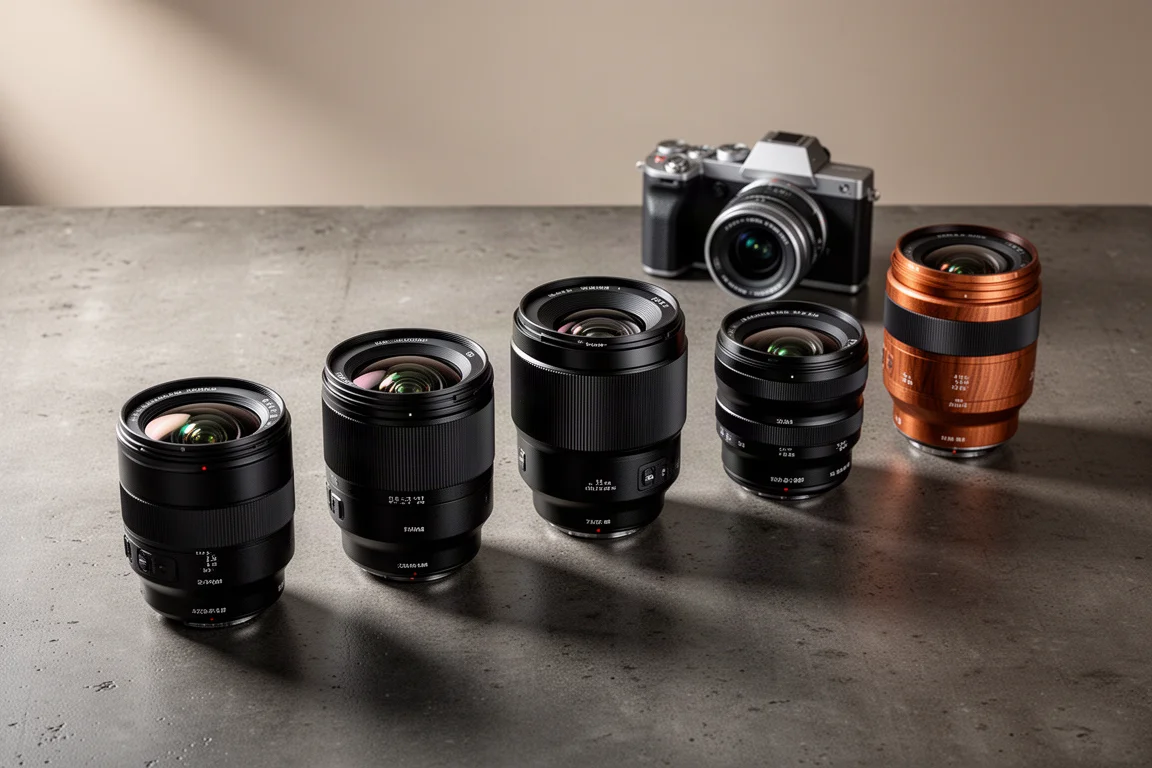
Sigma’s redesign of its Art-series wide primes for mirrorless cameras gives astrophotographers a good reason to look at the whole bright wide-angle market again. Seven f/1.4 primes between 20mm and 28mm were tested on the same night, on the same full-frame mirrorless body, at the same settings, specifically for Milky Way shooting. That focal range is a favorite for night-sky work on full frame: wide enough to capture the core of the Milky Way, fast enough for short tracked exposures.
Mirrorless vs DSLR Design Basics
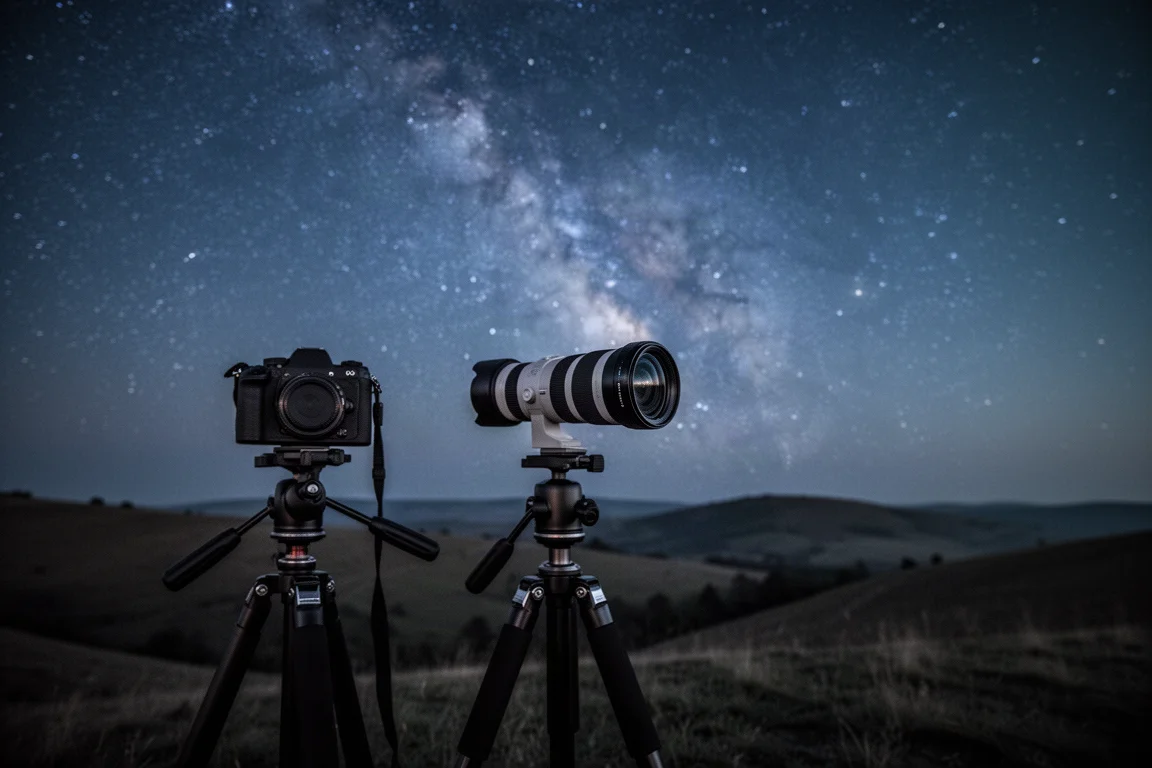
The core difference is simple: a DSLR uses a mirror and prism to feed an optical viewfinder, while a mirrorless body replaces that assembly with an always-on live view system. Because there is no mirror, the sensor sits much closer to the lens mount. Focal flange distances drop from 44mm (Canon EF) and 46.5mm (Nikon F) to as little as 16mm (Nikon Z), with L mount at 20mm and Sony E at 18mm.
That short light path is why DSLR lenses can be adapted to mirrorless bodies with the right adapter, but mirrorless lenses cannot go the other way. For astrophotography, this matters for anyone who shoots with modified astro cameras, since native mirrorless glass locks you to its mount system.
Focus Systems and the Focus-by-Wire Trade-off
Many new mirrorless lenses, including the new Sigma DG DN primes, use focus-by-wire: the focus ring is electronic, with no mechanical coupling to the focusing elements. The lens must be powered and communicating with the camera to focus at all, even manually. That reduces adaptability with bare-metal astro adapters, at least until smart adapters appear.
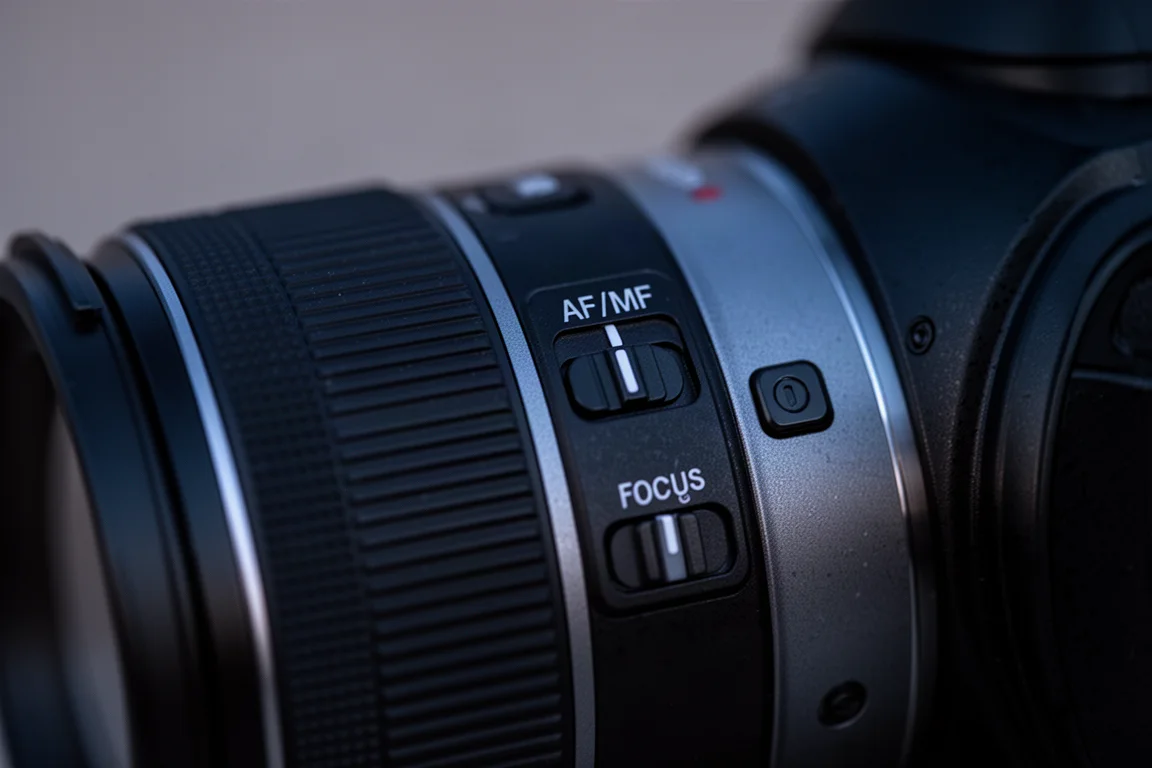
There is a real upside, though. Because a bumped or creeping focus ring can ruin a night of tracked subframes, the new Sigma lenses include a manual focus lock switch. Once focus is set, flipping the lock disables the ring entirely, so accidental contact does nothing. It is a genuinely useful feature for night shooters and worked well in testing.
Sigma 20mm f/1.4 DG DN Art
This complete redesign weighs just 635g (1.4 lb) and measures about 111mm long, versus over a kilogram for the older DSLR version. The optical formula uses 17 elements in 15 groups with four aspherical and two special low dispersion elements. It has an 82mm front filter thread on a flat front, accepts rear gel filters, includes a detachable petal hood, and offers an AF/MF switch, a focus lock switch, and a de-clickable aperture ring.
Astrophotographers get two thoughtful touches: a dew heater band retainer lip that keeps the heater strip from sliding into the frame and causing vignetting, and the manual focus lock. Corner performance at f/1.4 was among the best in this comparison, with only mild astigmatism at extreme magnification. The main trade-off is noticeably more vignetting than the larger DSLR glass wide open, mostly gone by around f/2.2. It is priced at $899 in the US and was launched in L mount and Sony E.
Sigma 24mm f/1.4 DG DN Art
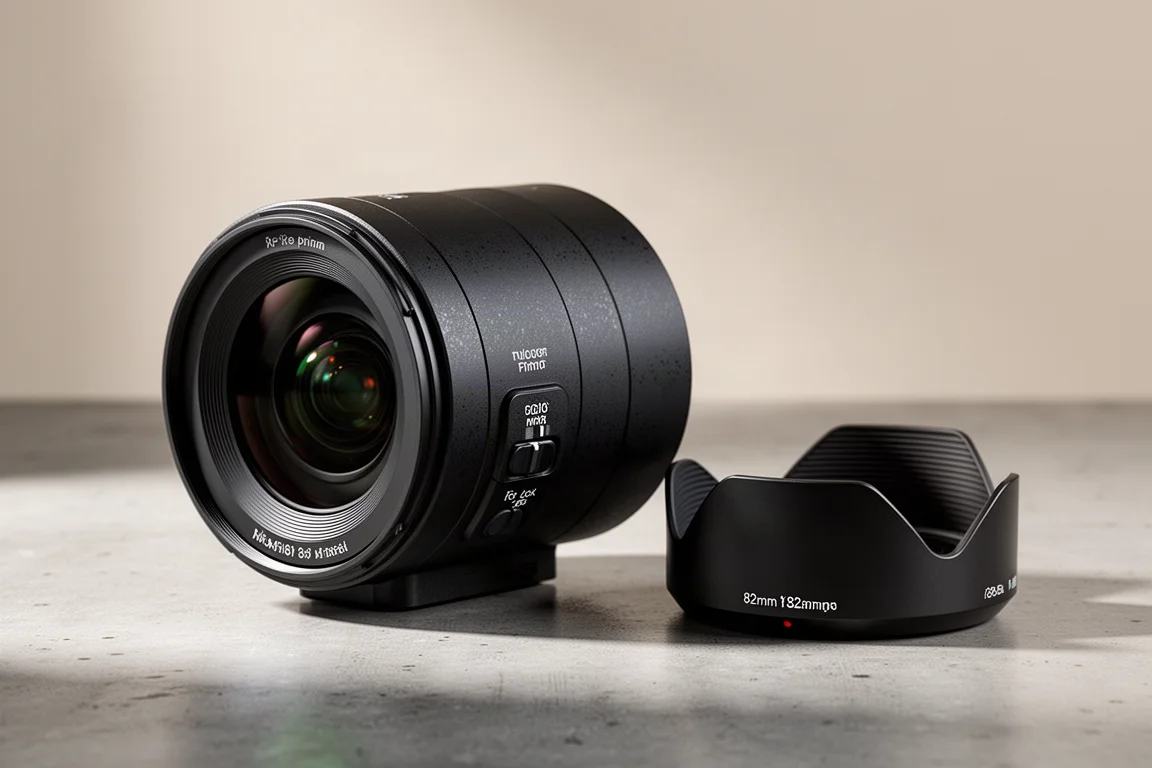
Very similar in design and controls to the 20mm DG DN, but lighter at 520g (1.1 lb) and shorter at 95mm. The optical design uses 17 elements in 14 groups, with four aspherical and three low dispersion elements. It drops to a 72mm front filter thread and omits the dew heater band retainer of the 20mm.
In the star tests, central sharpness matched its DSLR predecessor closely, but corner performance was dramatically better: where the older lens showed heavy astigmatism and chromatic aberration in the far corner wide open, the DG DN version stayed sharp and well controlled. It launched at $799 in the US in L mount and Sony E.
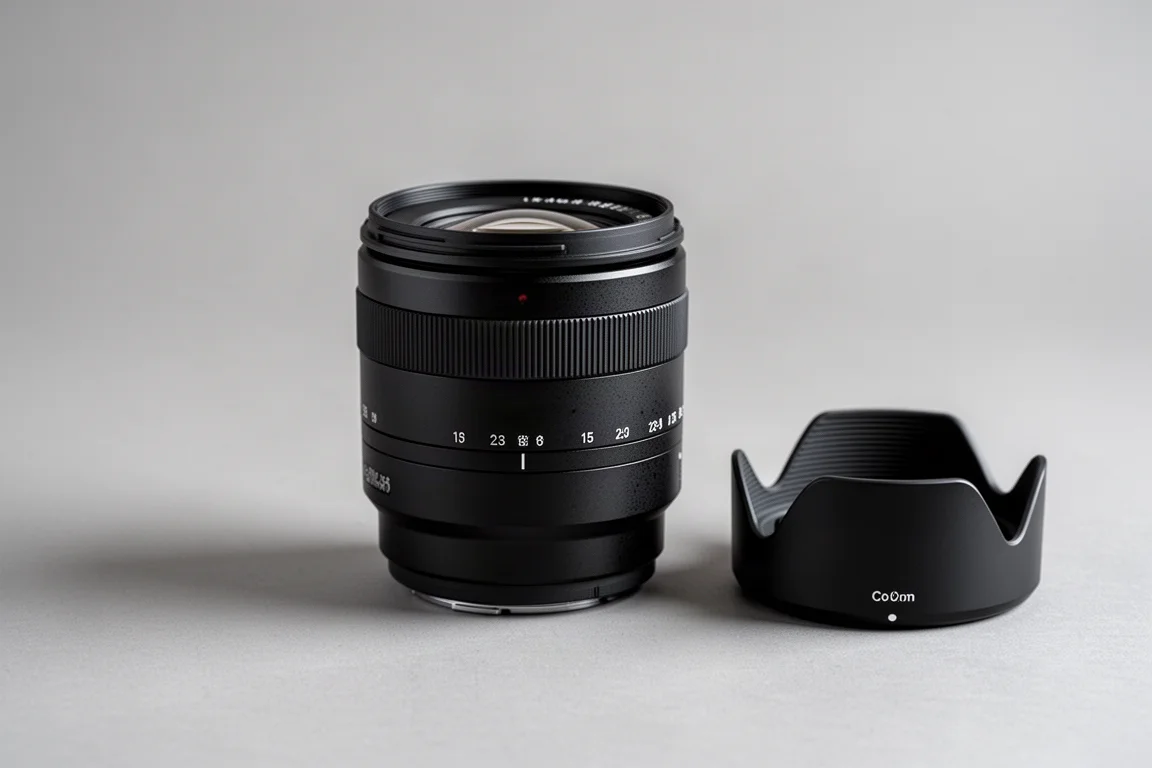
Sigma 20mm f/1.4 DG HSM Art
The older DSLR-based 20mm weighs 1,035g (2.3 lb) and uses a permanently attached petal hood over a large bulbous front element, so it cannot take front threaded filters and offers no rear filter option either. It has a true mechanical focus ring with a focus distance window and a single AF/MF switch, with 15 elements in 11 groups.
At $899 it matches the new mirrorless version’s price, and it is available in Canon EF, Nikon F, L mount, and Sony E. In this comparison the tested copy produced noticeably soft central stars and poor corner stars, likely a poor sample rather than a design verdict, so results should be read with caution.
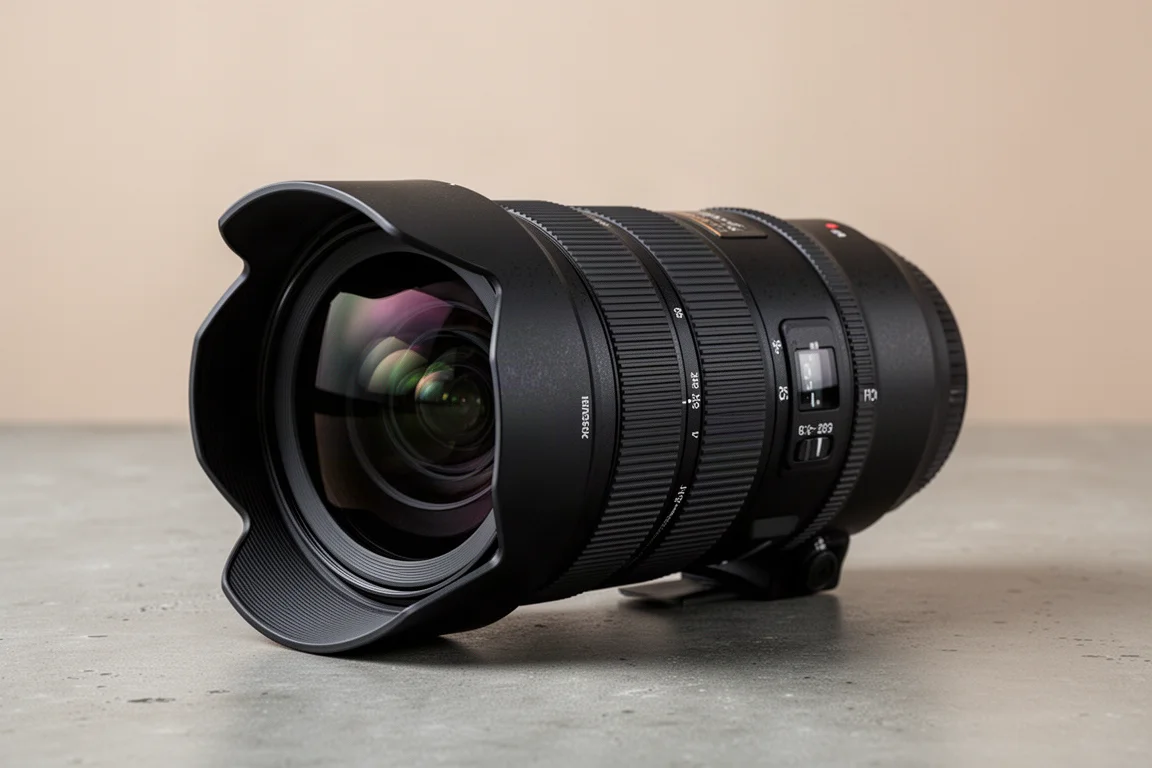
Sigma 24mm f/1.4 DG HSM Art
The DSLR 24mm weighs 755g (1.6 lb) with a 77mm front filter thread and the older hood style. Its formula is 15 elements in 11 groups with two aspherical and seven low dispersion elements, and it is sold in Canon EF, Nikon F, L mount, and Sony E at $799.
In corner crops wide open it showed clear astigmatism and visible chromatic aberration, with strong corner distortion remaining even stopped down. Compared directly with the DG DN redesign at the same settings, the difference in corner star quality was night and day.
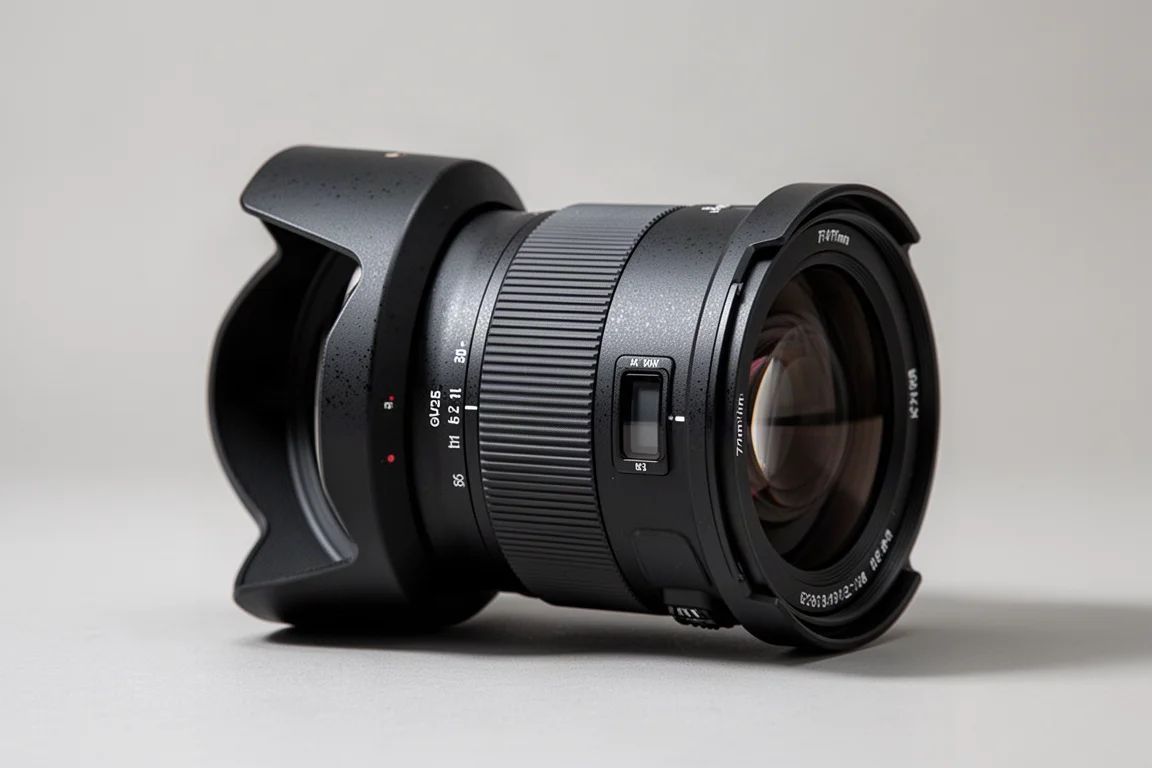
Sigma 28mm f/1.4 DG HSM Art
The 28mm was previously the benchmark in this class, considered the sharpest wide-angle lens in this kind of testing. It weighs 865g (1.9 lb), has a 77mm filter thread, a removable button-release petal hood, and 17 elements in 12 groups with three aspherical and five low dispersion elements. It sells at $799 in Canon EF, Nikon F, L mount, and Sony E versions.
The new 20mm and 24mm DG DN lenses matched or slightly exceeded its corner sharpness at f/1.4, which is remarkable given their smaller size and lower weight.
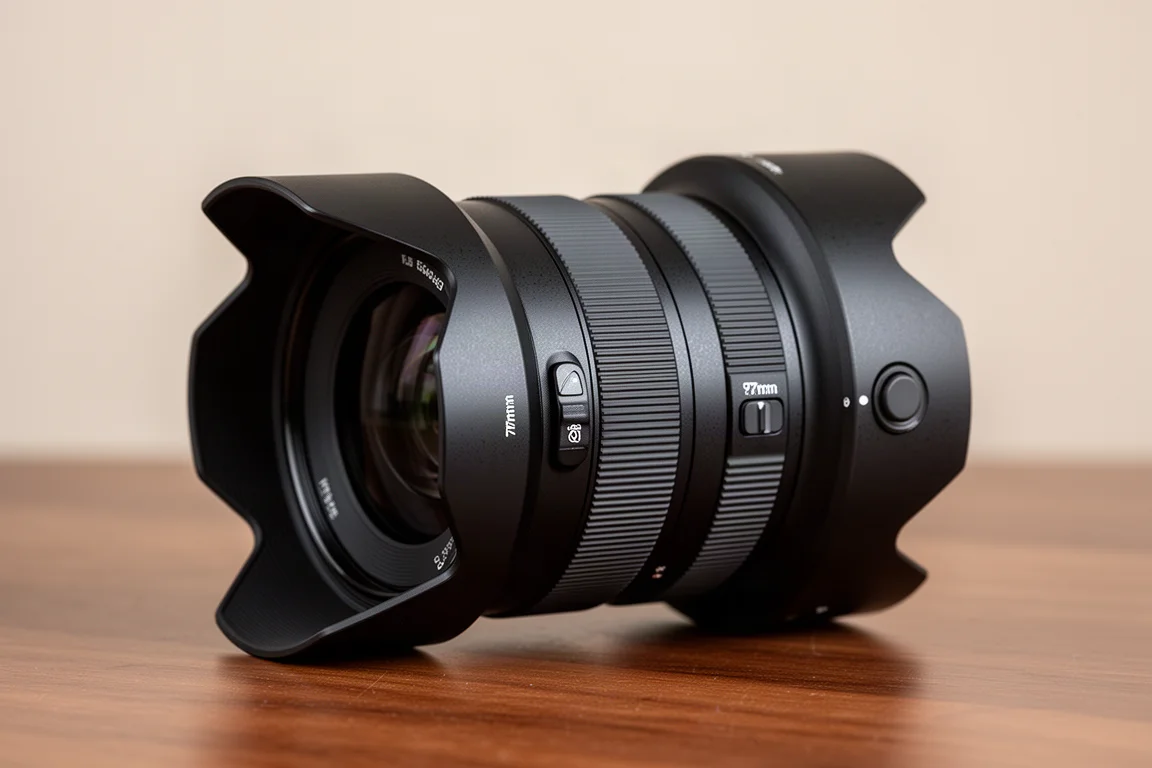
Rokinon 24mm f/1.4
This fully manual lens has no electronic contacts or switches at all: focus and iris are controlled entirely by mechanical rings. It weighs only 580g (1.3 lb), has a flat front accepting 77mm threaded filters, a removable petal hood, and a 13-element, 12-group design with two aspherical and four low dispersion elements. The cine version tested here is optically identical to the photo version.
At $549, and often on sale for less, it is the budget option of the group, available in Canon EF, Nikon F, Sony E, Pentax K, and Fujifilm X. Under the stars it showed noticeably more chromatic aberration than the Sigma lenses, with magenta flares on bright stars, plus the classic coma-plus-astigmatism pattern in the corners wide open. Stopping down removes the astigmatism but leaves corner distortion. Both issues are partly correctable in processing.
Zeiss Milvus 25mm f/1.4
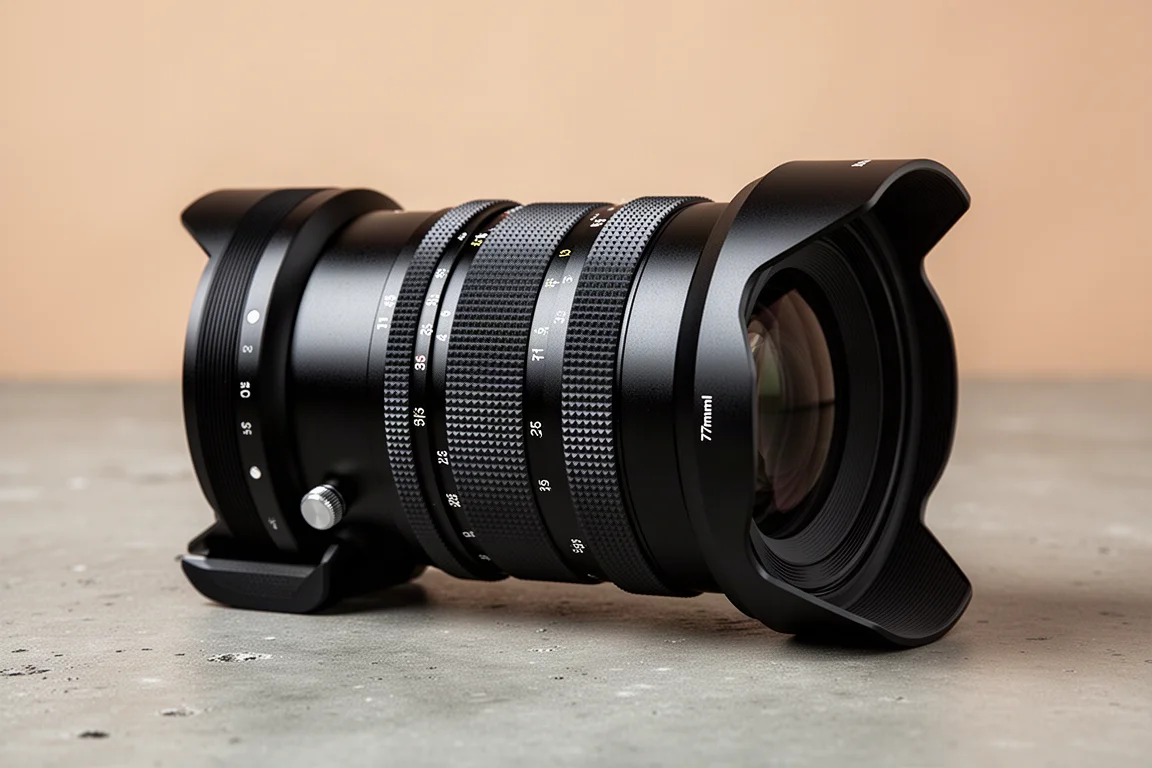
The Milvus 25mm is the heavyweight of the group at 1,225g (2.7 lb) and 123mm long, with a premium all-metal build where the entire barrel acts as the focus ring. Focus is mechanical, but there is no aperture ring, so the iris is controlled electronically from the camera. It has an 82mm filter thread and a detachable metal hood, and it is manual focus only.
At $2,474 new, it is by far the most expensive lens here. The tested rental copy produced soft central stars and strongly uneven, distorted star performance across the field, possibly due to sample quality or tilt from the adapter carrying its weight, so treat this result with caution. Stopped down to f/2.8 it looked much healthier.
How the Lenses Performed Under the Stars
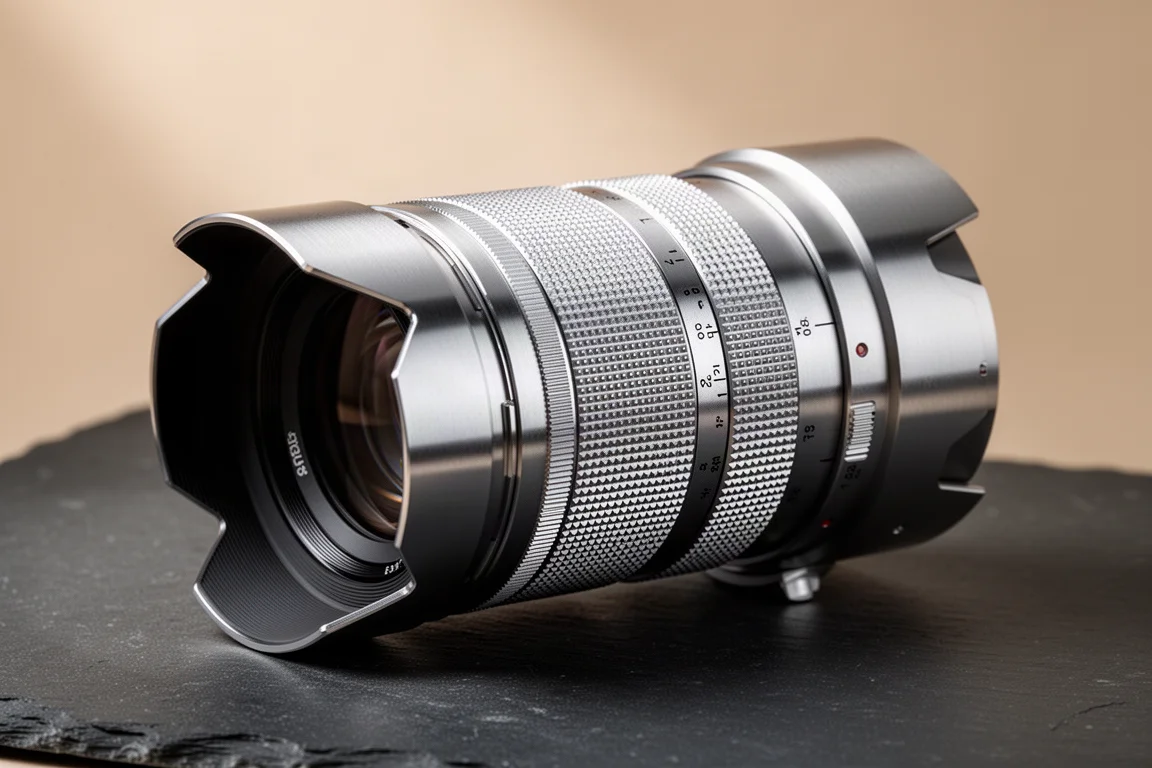
All seven lenses were shot at ISO 1600 on the same full-frame mirrorless body with 3.78-micron pixels, tracked on a equatorial mount, with exposure adjusted as the lenses were stopped down. Central sharpness was broadly strong across the field, with the notable exceptions of the two suspect samples discussed above.
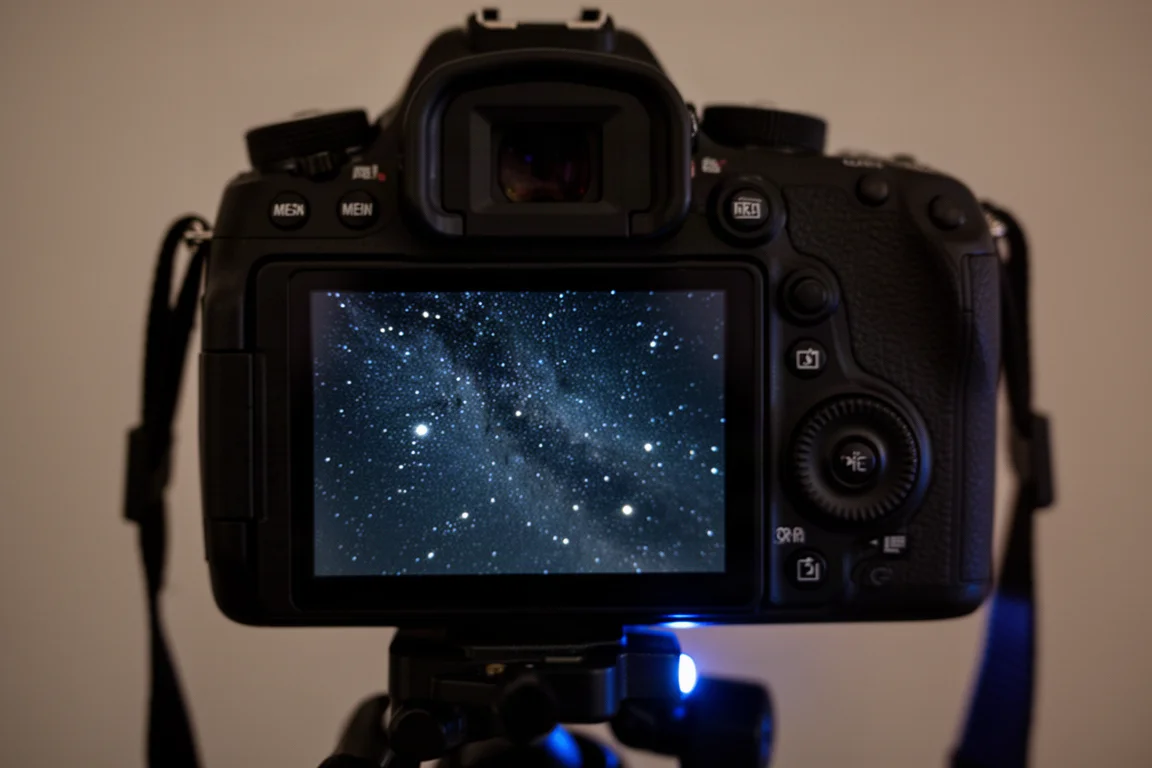
The clearest pattern: the new mirrorless lenses are sharper in the corners than the DSLR lenses they replace, but they vignette more at f/1.4 and f/1.8. By f/2.8, vignetting is a non-issue on every lens, and the corners converge considerably.
One important caveat: copy variation is real. With the demanding combination of stars, full frame, and small pixels, the difference between a poor, average, and excellent copy of the same lens can be dramatic, and it is hard to detect a lemon until you photograph stars and zoom in. Buying expensive lenses from reputable dealers with a return window is a sensible safeguard.
Buying Advice for Astrophotographers
If you shoot on a modern mirrorless body and want the best wide-open star performance, the new Sigma DG DN primes are the standout picks, with corner correction matching or beating the previous benchmark at a much lower weight. If you use modified DSLRs or astro cameras, the older HSM versions and the Rokinon still make sense, since mechanical focus and standard mounts matter more than a few hundred grams.
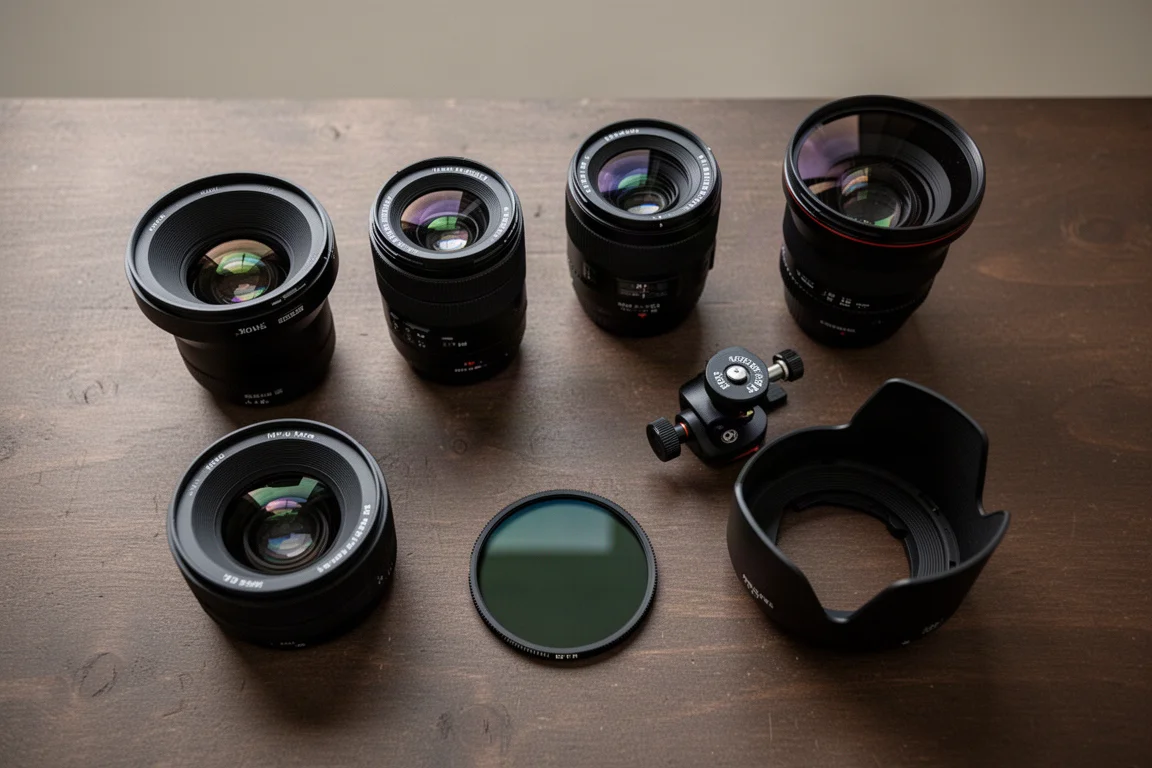
Budget-minded shooters should look hard at the Rokinon 24mm, accepting more chromatic aberration and coma in exchange for a much lower price. The Zeiss is hard to recommend for astro at its price given the questions raised in testing, though its build quality is exceptional.
Conclusion
The Sigma 20mm f/1.4 DG DN and 24mm f/1.4 DG DN are impressive redesigns: lighter, shorter, filter-friendly, and sharper in the corners than the DSLR Art lenses they replace, with astro-specific touches like a focus lock and a dew heater retainer. Their main cost is added vignetting wide open. The older DSLR lenses remain viable for adapted and astro-camera setups, the Rokinon is the value play, and the Zeiss remains a premium mystery that deserves a retest with a different copy.
Further reading
Related Reviews
Astrophotography
ASKAR FRA400C Review: A Versatile 400mm Refractor for Astrophotography and More
The ASKAR FRA400C is a compact 72mm refractor that balances reach, versatility, and portability for astrophotographers and visual observers.
Astrophotography
Askar SQA106 Review: A Premium 106mm Astrograph With Exceptional Optics
The Askar SQA106 is a premium 106mm quintuplet astrograph with impressive sharpness across full-frame sensors, though its price and weight demand careful consideration.
Astrophotography
Astro Imaging Gear 2026: Eight New Products Worth Watching
A look at the most interesting new astrophotography and astronomy products announced this year, from fast telescopes to smart cameras and wireless accessories.