Auto Accessories
Best Wheel Locks Tested: 7 Locks Put Through Removal Attacks and Corrosion
Seven wheel lock brands tested against locking pliers, sockets, extractor tools, and even a welder, plus a corrosion comparison, to find out which locks are actually worth buying.
Introduction
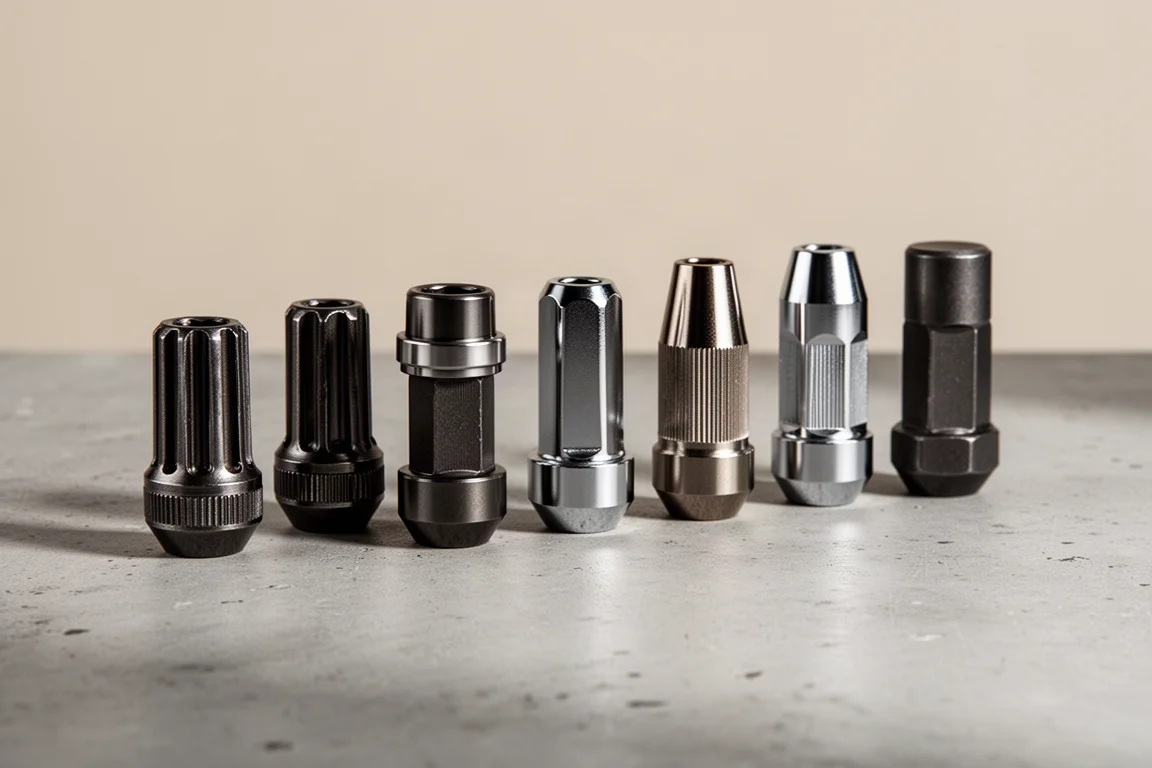
Tires and wheels can easily cost thousands of dollars, so a wheel lock is one of the cheapest insurance policies you can add to a car. But not all wheel locks are equal. In this comparison, seven brands were put through a series of realistic removal attempts: locking pliers, undersized sockets, extractor sockets, universal sockets, spiral screw extractors, and finally a portable inverter welder. Each lock was also tested for corrosion resistance, because a rusted wheel lock can become nearly impossible to remove with its own key. All locks tested were 12 mm x 1.5 thread pitch, torqued to 100 ft lbs, so the results are directly comparable.
White Knight Wheel Locks: The Budget Baseline
At $15, White Knight makes the least expensive lock in the test, manufactured in China. Unfortunately, it set the low bar for the rest of the field. Locking pliers bit into the soft steel and removed the lock in about a minute, leaving heavy visible damage. An undersized 6-point socket carved through it in roughly 30 seconds, and a spiral screw extractor made very easy work of it. In the corrosion test, it showed significant rust where the plating had been damaged.
Dorman Wheel Locks: Spinning Collar Helps, But Not Enough
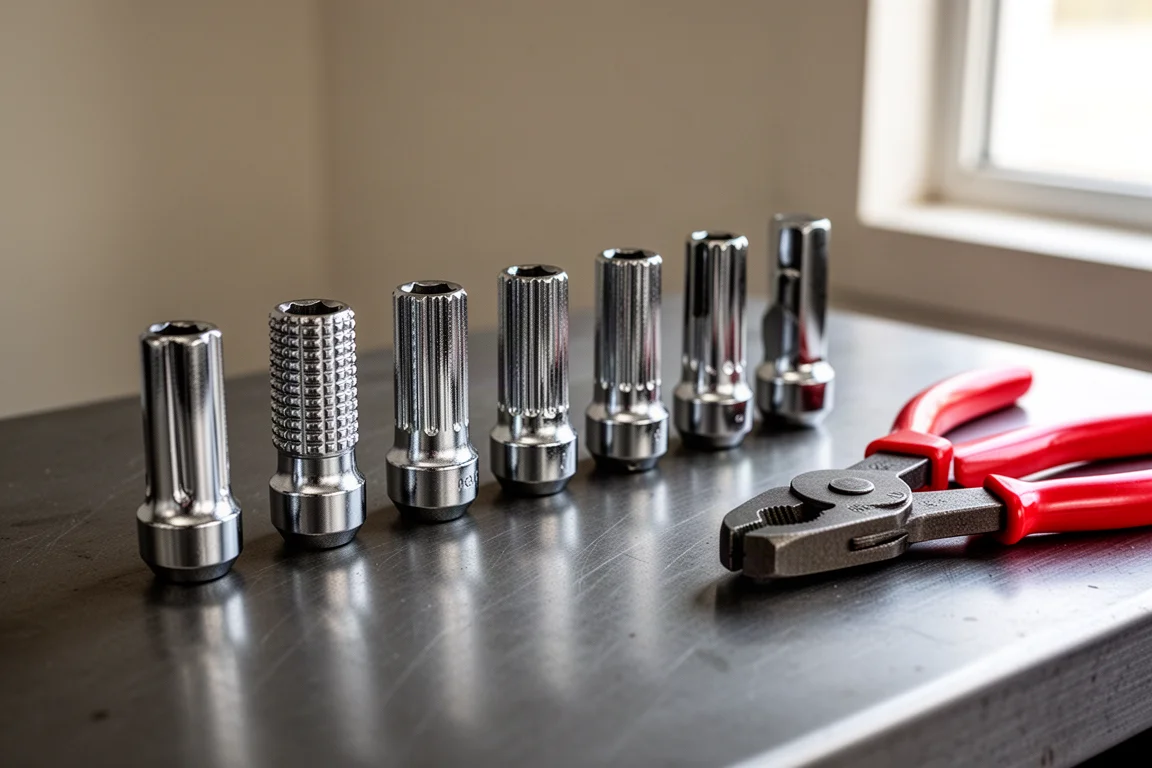
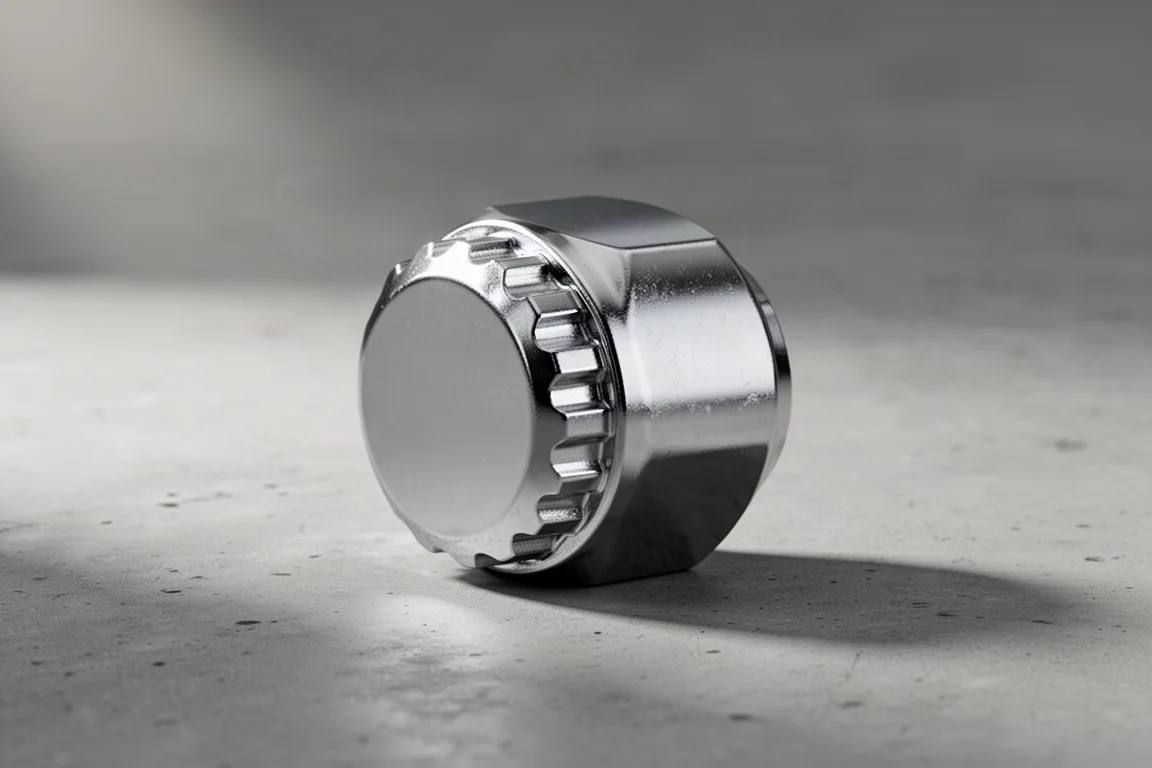
At $18, Dorman includes four locks and one key, made in China, with a spinning collar designed to prevent theft and a corrosion-resistant claim to test. The sleeve did slow things down initially, but once the sleeve was removed with a self-tapping screw, locking pliers defeated the lock in just over two and a half minutes. With the sleeve removed, an extractor socket finished the job in another 20 seconds. The universal socket’s best result of the entire test was pulling off the Dorman’s metal collar, though it still could not remove the lock itself. Corrosion performance was poor, similar to White Knight.
McGard Wheel Locks: The Best Value Performer
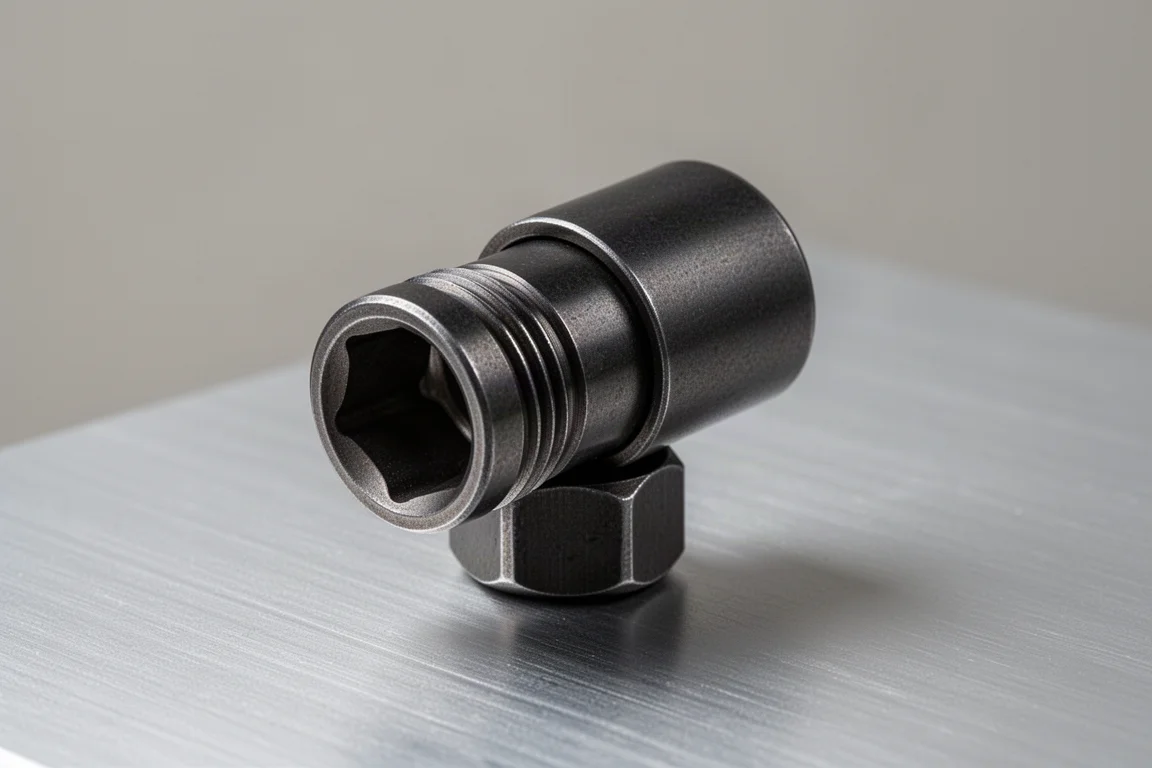
At $19, McGard, made in USA, uses a narrow pattern groove to resist tool intrusion and a multi-layer plating process with several layers of nickel plus one layer of microporous chrome. That plating mattered: locking pliers could not sink their teeth into the finish, and even with 360 degrees of access and full leverage, they barely left a mark. With limited access on the OEM wheel, the McGard lock could not be loosened at all, and on an open rim design it was one of only two survivors.
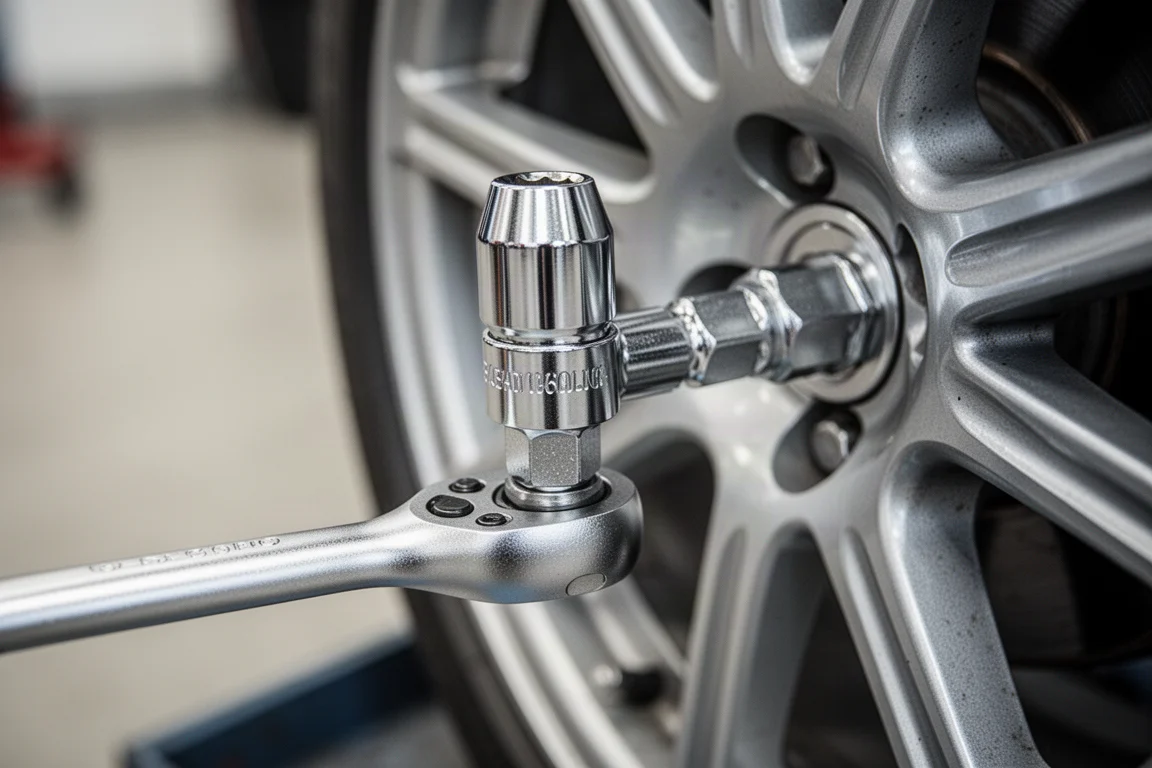
The extractor socket did make quick work of it in about 20 seconds, leaving deep tooth marks, but notably the lock destroyed the points of a poor-quality socket in the process. Corrosion was present but clearly less than White Knight or Dorman. For decent protection at an affordable price, this is the high-quality pick.
Devosky Wheel Locks: Strong Coating, Weak Under Full Leverage
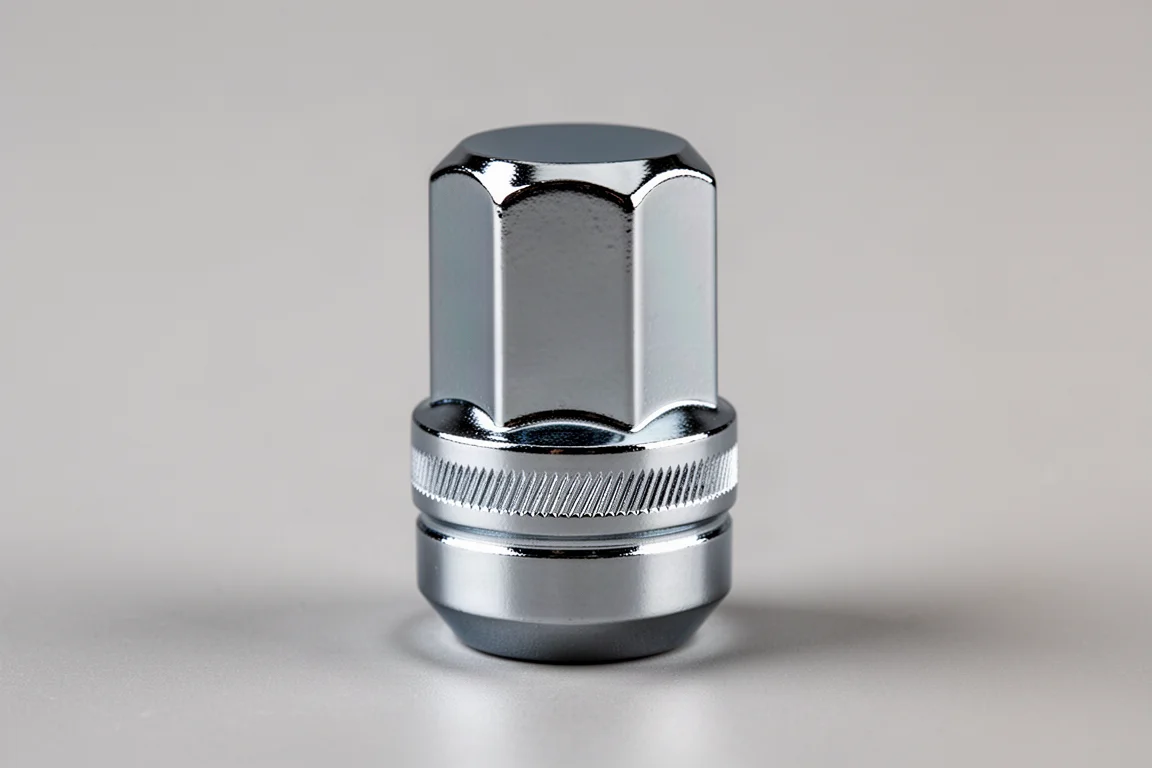
At $21, Devosky is made of precision machined hardened steel with triple nickel chromium plating, manufactured in China. Like McGard, the coating and hardness stopped locking pliers from gaining a grip, and testing was abandoned after about 25 seconds. However, with 360 degrees of access, the pliers gained enough leverage to remove it in under 30 seconds, leaving only minor scratches. The extractor socket also removed it in about 20 seconds, and a 12-point socket broke it loose in roughly the same time, though the socket itself held up fine. Corrosion performance was similar to the weakest brands in the test.
Gorilla Small Diameter Wheel Locks: Easy to Defeat
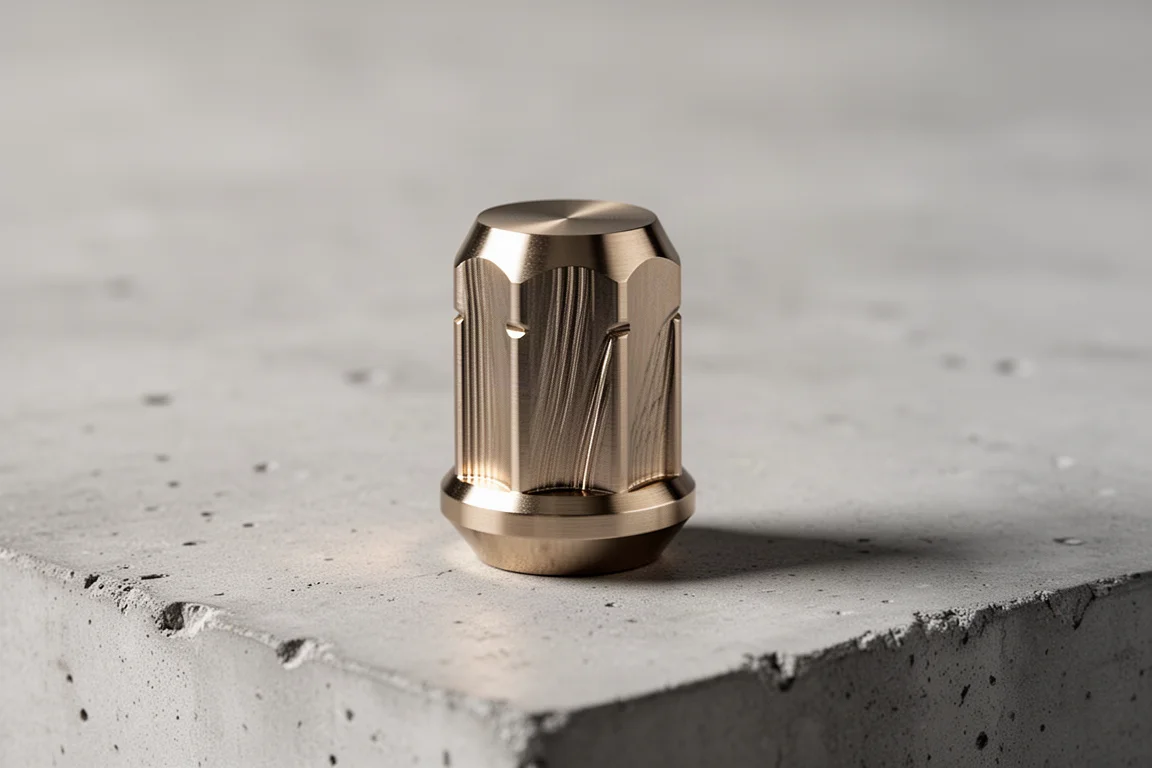
At $26, this Gorilla lock is made of hardened steel with triple chrome plating, manufactured in Taiwan. The problem is the design: the small diameter and external locking pattern gave locking pliers an ideal grip, and it was defeated quickly with heavy damage. The socket method worked very well on the soft metal in about 20 seconds, and the extractor gained easy traction on the outer pattern, removing it in about 20 seconds as well. It is a weak choice despite the reasonable price.
Gorilla Free-Spinning Wheel Locks: Clever Design, Softer Metal
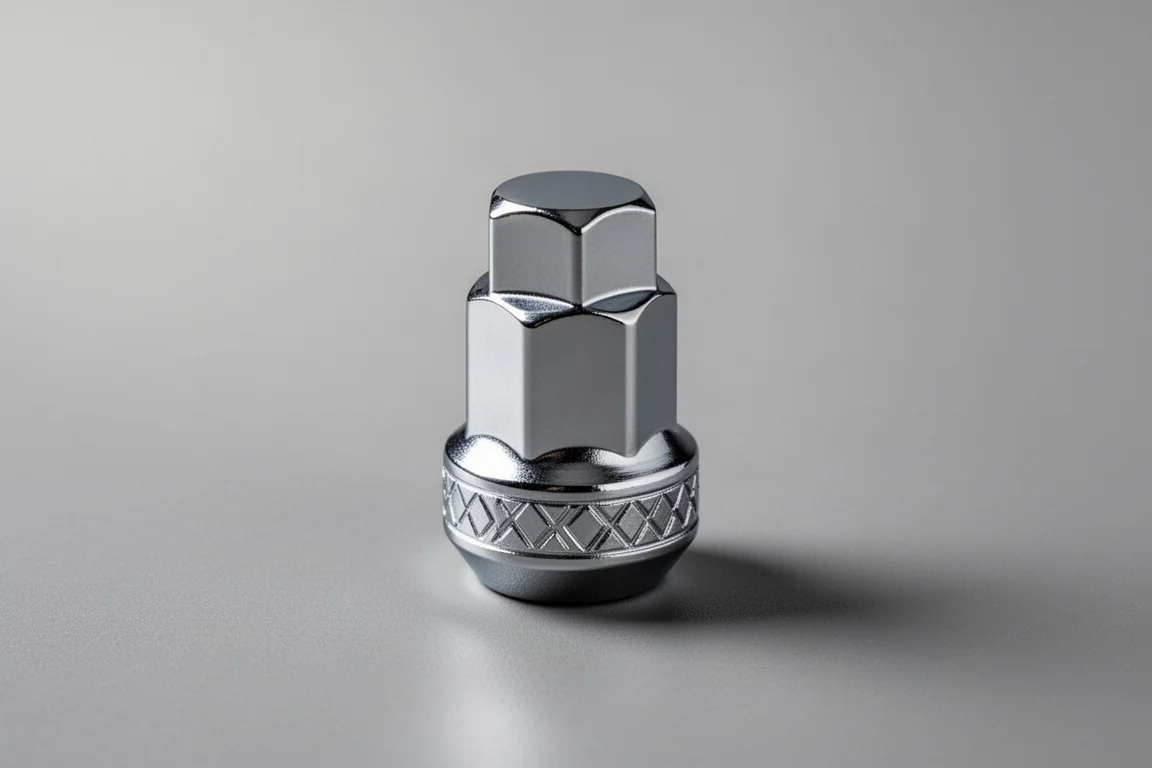
At $36, this second Gorilla design has an upper stage that free spins, protecting the lower stage from removal tools. Made in Taiwan, it performed well in the pliers test: with limited access on an OEM wheel, testing was abandoned after a minute and a half, and the free-spinning design also blocked the extractor tool entirely. The weakness is the soft metal. On an open rim design with better access, pliers loosened it in about a minute, leaving teeth marks, and a 6-point socket driven deep to capture both portions took about 35 seconds to defeat it.
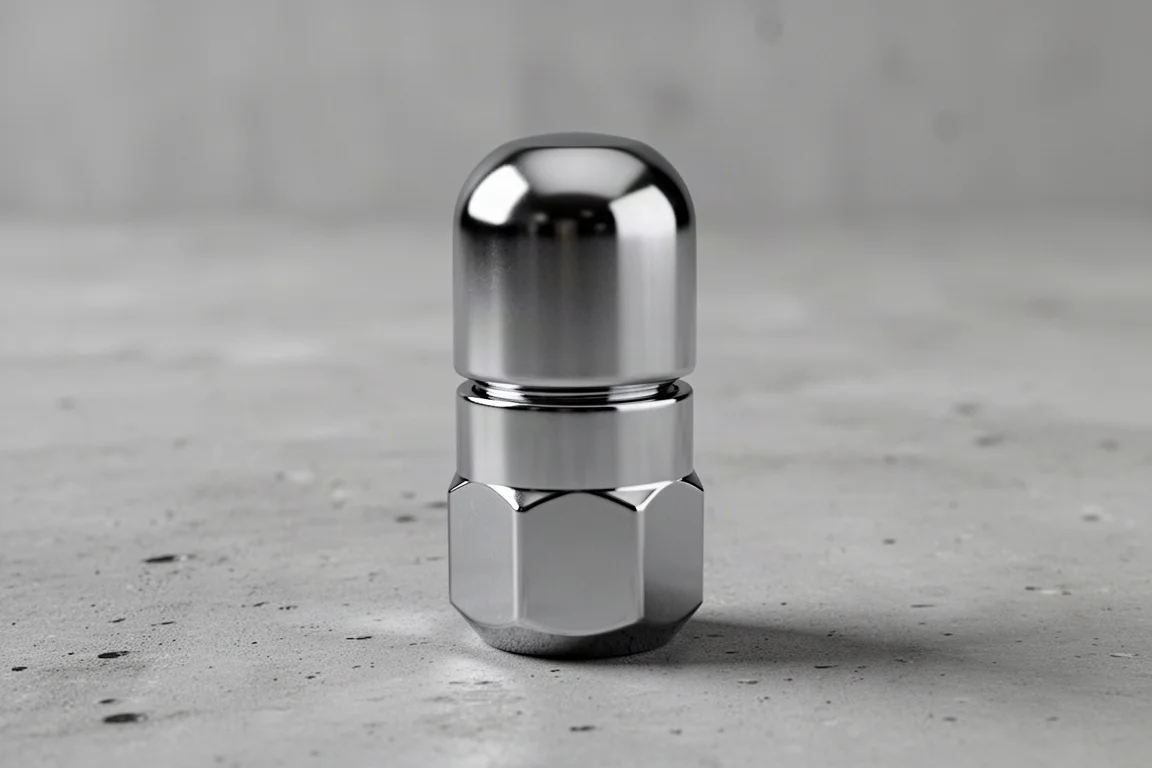
Advance Wheel Lock System: The Undisputed Winner
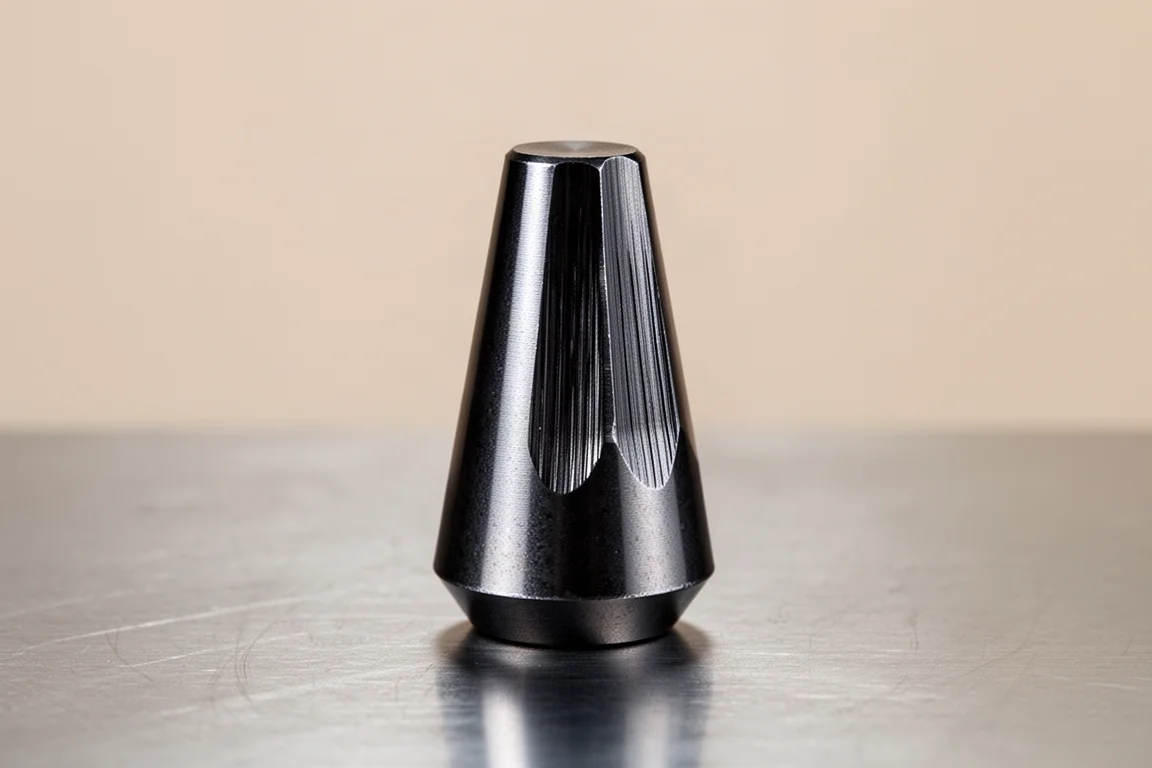
At $90, the Advance wheel lock system, made in USA, is manufactured from heat treated alloy, claimed to make it the strongest wheel lock on the market, with a patented lock system configurable with infinite key plates and a design meant to prevent surface rust. It held up in every category. Locking pliers could not gain traction thanks to the tapered shape and very hard metal, even with full access. The socket method failed entirely. The extractor tool could not get a grip. The spiral screw extractor would not work on it either.
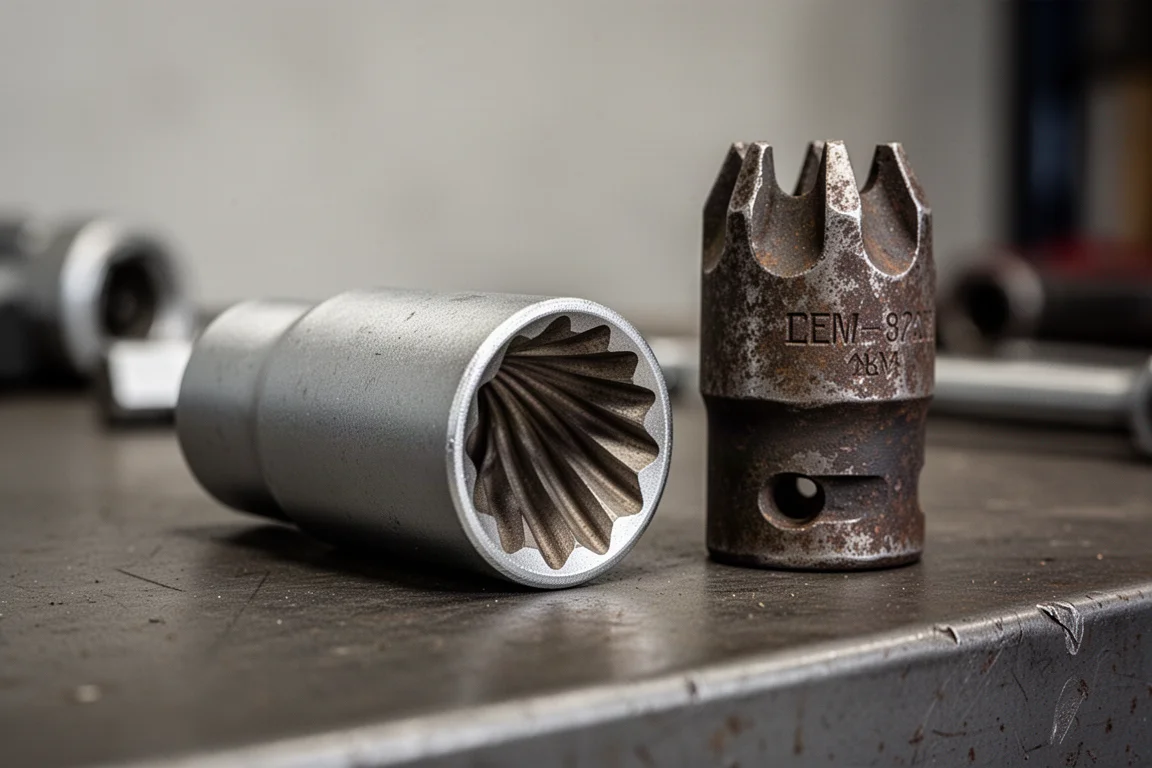
The only thing that finally defeated it was welding a nut onto the lock with a 110 V handheld inverter welder, a slow, risky method that damages the wheel and requires real skill. In the corrosion test, the plating was visibly higher quality than every other brand, with no corrosion on the undamaged lock. If budget allows, this is the best protection you can buy.
Corrosion Resistance Comparison
Corrosion was tested using a hydrogen peroxide, vinegar, and salt mix, on both undamaged and previously damaged locks. White Knight and Dorman showed significant corrosion where plating was damaged. Devosky performed similarly to the weakest pair. McGard corroded less than both. Gorilla showed corrosion that was difficult to see but similar in degree to the weaker brands. Advance stood alone with noticeably higher quality plating and no visible corrosion on the undamaged lock, though the test ran less than 24 hours.
Buying Advice: What to Check Before You Buy
Before purchasing any wheel lock, four things matter. First, the diameter, for example the 12 on packaging means 12 mm. Second, the thread pitch, such as 1.5. Both must match the lug nuts being replaced. Third, the thread depth of the wheel lock must be deeper than the thread length of the stud. Fourth, the overall diameter of the wheel lock must be narrow enough to work with your wheel design. Note that a lock with a large diameter, like White Knight, may not even fit recessed OEM wheel designs.
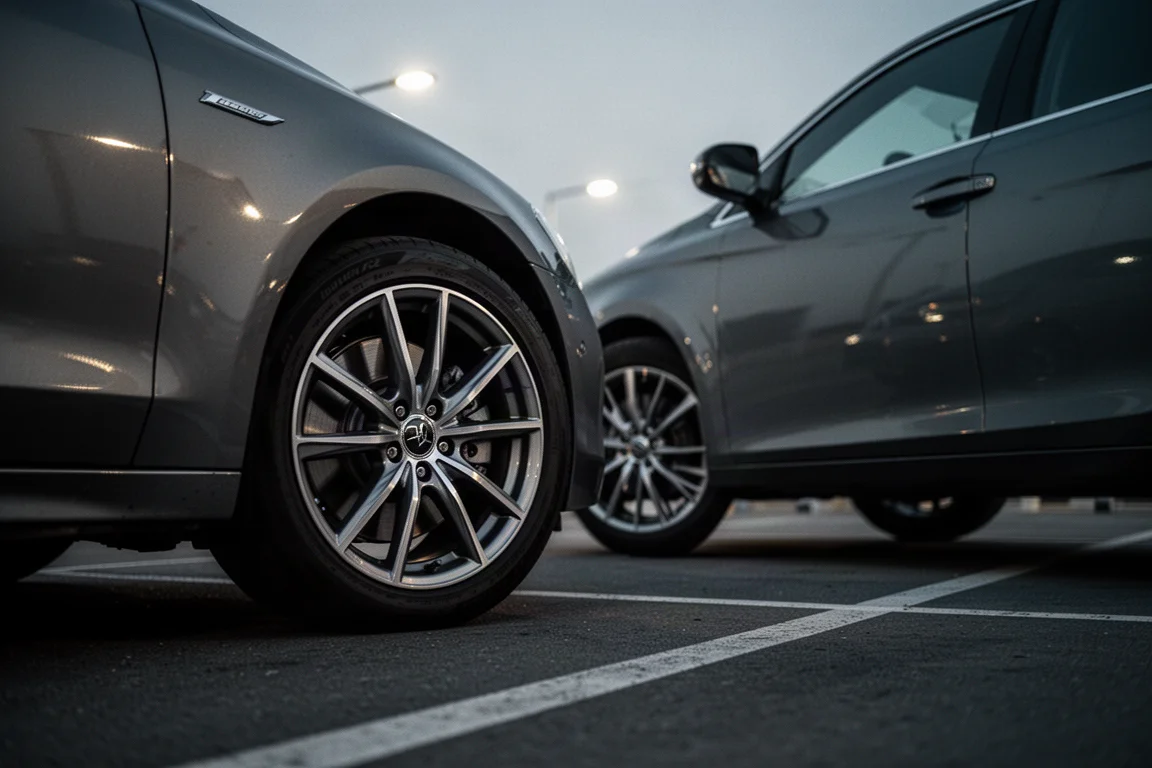
It is also worth keeping expectations realistic. No lock is unbreakable, but locks deter most opportunistic thieves, and the same logic that applies to door locks applies here. A determined thief with the right tools and time can defeat almost any wheel lock, and this comparison shows exactly how. The goal is to make your wheels a harder target than the next car.
Conclusion
The Advance wheel lock system wins in every category and is by far the strongest option, if you accept the $90 price. The Gorilla free-spinning design also performed well thanks to its clever upper stage. For buyers who want decent protection at an affordable price, McGard is the quality pick, resisting pliers, sockets, and corrosion better than the budget brands. White Knight, Dorman, the small-diameter Gorilla, and Devosky all fell quickly to common tools, so they are best treated as minimal deterrents rather than real security.
Further reading
Related Reviews

Backpacking Gear
Building a 10 lb Base Weight: An Ultralight Backpacking Gear List
A practical walkthrough of the ultralight pieces behind a 10 lb base weight, from a 765 g pack and a roomy one-person tent to a full camp chair and a dependable water filter.

Road Bikes
10 New Road Bikes Worth Watching: Aero, Titanium, Steel and Endurance Standouts
A practical roundup of 10 new road bikes, from aero flagships chasing single-watt gains to titanium, steel and endurance platforms built for real roads.
Bikepacking Gear
11 Bikepacking Essentials for Long-Distance Cycling
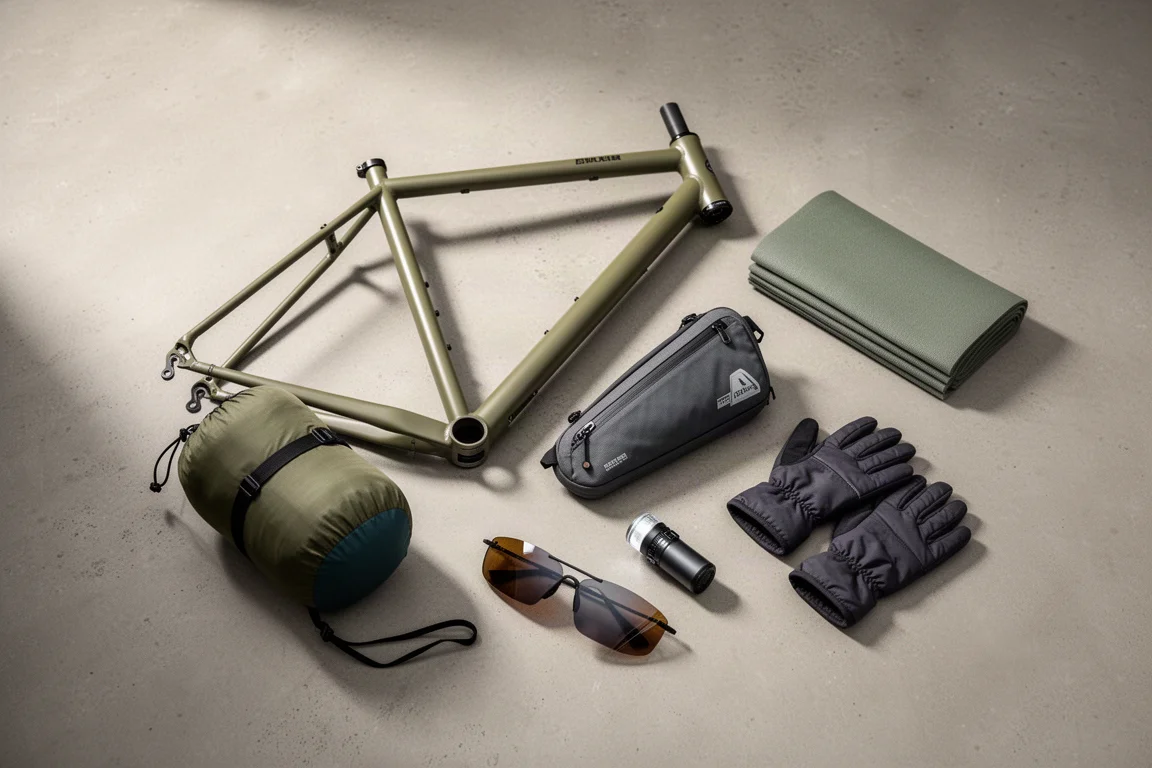
Eleven bikepacking essentials for long-distance cycling, from a steel gravel frame and a two-person tent to helmet lights, packable gloves, and a frame bag that puts weight in the right place.