Camping Tents
Best Waterproof Camping Tents for Heavy Rain: 7 Picks That Stayed Dry
Seven camping tents that held up to sustained heavy rain and flooding, plus the features that separate a genuinely waterproof tent from one that is merely water resistant.

Introduction
Rain is the test that separates a tent that works from a tent that only looks the part. Across more than 30 camping tents put through sustained downpours, yard flooding, and multi day rain, only a handful kept their interiors completely dry. The seven tents below earned their place through full length rainflies, thorough seam taping, and fabrics rated for real weather.
The list covers solo and two person shelters, instant pop-up designs, cabin tents, and large family tents, along with the specific features worth checking before you buy.
What Separates a Waterproof Tent from a Water Resistant One
Four details decide how a tent behaves in heavy rain. The first is rainfly length. A full length rainfly extends almost all the way to the ground, leaving only a small gap at the bottom for ventilation, and it always outperforms a partial fly that covers only the top of the tent. The second is seam taping. Taped seams, especially at the corners and along the floor, hold up far better than inverted seams, which are usually the first place water gets through.
The third detail is the hydrostatic head rating of the fabric. A tent rated at 1000 mm or more can reasonably be called waterproof. Anything below that is water resistant only, which means the fabric itself can eventually let water through rather than just the seams. The fourth is whether the tent has a vestibule for wet gear, and whether its vents can be opened and closed from inside the tent rather than only from outside.

Ventilation is easy to overlook until a warm, wet night makes it obvious. Vents that can be adjusted from inside let you manage airflow and condensation without stepping out into the rain, and a vestibule keeps soaked jackets, packs, and boots out of the sleeping area.
Best Budget Waterproof Tent: Teton Sports Mountain Ultra
The Mountain Ultra is the pick for anyone who wants an affordable one to four person tent that genuinely handles heavy rain. It sat through one hour of heavy rain, followed by many hours of light to moderate rain that continued into the night and was still falling the next morning. The rain stopped after 12 hours, and there was not a single drop of water inside the tent.
Its rainfly is full length and extends almost all the way down to the ground, with only a small gap at the base for ventilation. The seams are thoroughly taped, particularly at the corners, and none of them let in water. The 1 person model has one vestibule, while the 2 to 4 person models each have two. The two person version offers 34 square feet of inner floor space, enough for a queen bed, plus two large vestibules that add 14 square feet together for a total of 48.5 square feet.
The two rainfly vents at the top can only be reached from outside and are angled in a way that lets water in, so they are best kept closed when rain is likely. Two vestibule vents, one in each vestibule, can be opened and shut from inside, which is the more useful arrangement. Build quality sits above the cheapest options, with 150D polyester flooring and 7000 series aluminum poles.
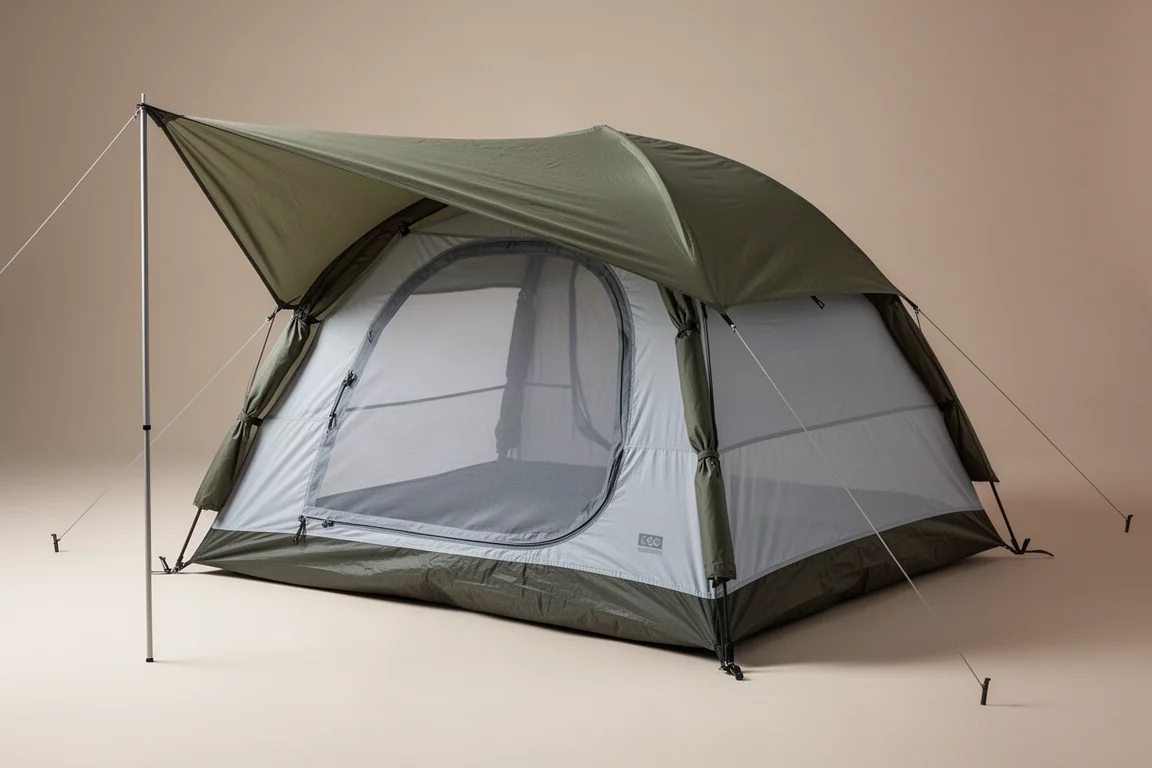
Best Instant Tent: Quechua 2 Seconds
When setup speed matters most, the Quechua 2 Seconds is the strongest instant tent in rain. It was tested in one hour of heavy rain, in light flooding, and through three consecutive days of heavy afternoon rain, and it held up through all of it. The design looks single walled but is not: an outer rainfly in green or white covers a separate black polyester inner layer, and that separation is what keeps the sleeping area dry.
Seam taping is thorough, and the important seams, such as those on the flooring, are factory taped. The main limitation is the lack of a vestibule, so wet gear has to stay inside or under the fly. The newer 2 Seconds Easy adds a small vestibule and is the better choice if you need somewhere to stash wet kit. The standard model also has weak ventilation, with a single rear vent that does not move much air.
Materials are more budget oriented than the Teton Sports tent, with polyethylene flooring and fiberglass poles rather than aluminum. Pricing varies a great deal by region: the 2 Seconds line is well priced in countries with a Decathlon store, particularly across Asia, while US Decathlon pricing is noticeably higher.

Best Ventilated Instant Tent: Quechua 2 Seconds Fresh & Black
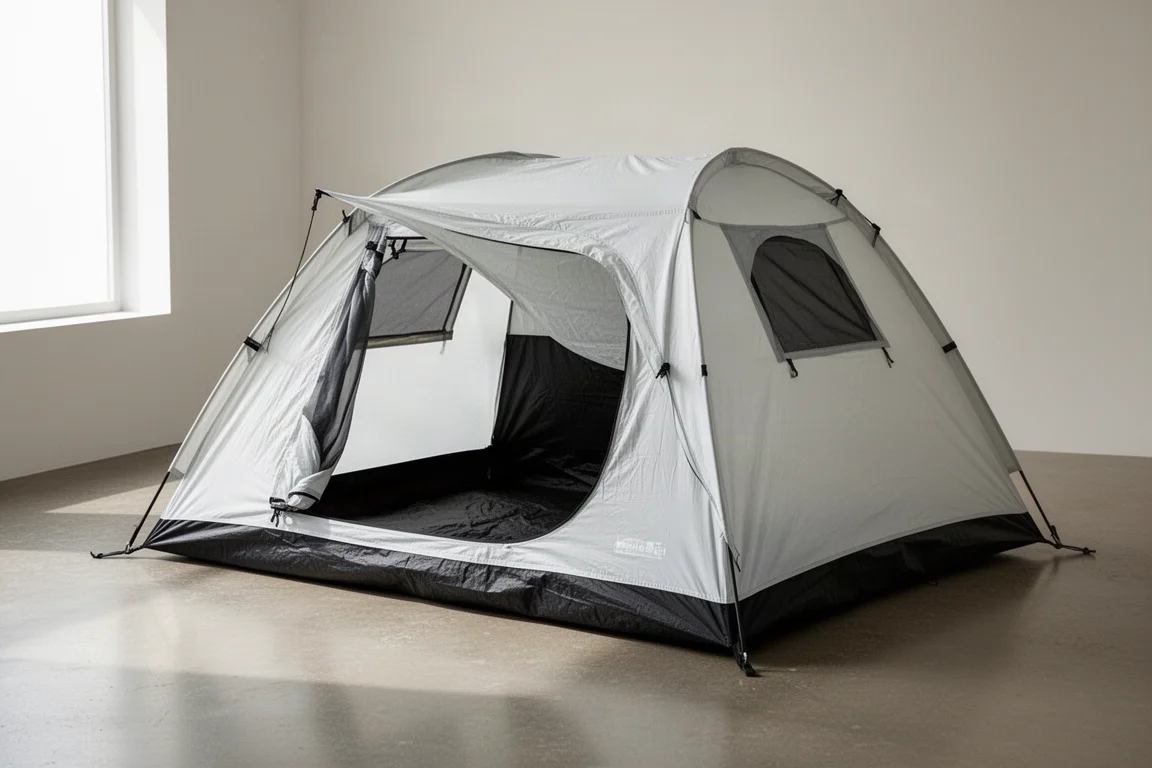
The Fresh & Black version keeps the same two layer construction and the same rain performance as the standard 2 Seconds, but fixes the airflow problem. It has two large rainfly vents, one at each end of the tent, and these can be left completely open during heavy rain without letting water in.

They can also be shut from inside if conditions change, which means you are not stuck choosing between a stuffy tent and a wet one. For anyone buying a Quechua instant tent mainly for wet weather, this is the version to choose over the standard model.
Best Cabin Tent: REI Wonderland 6
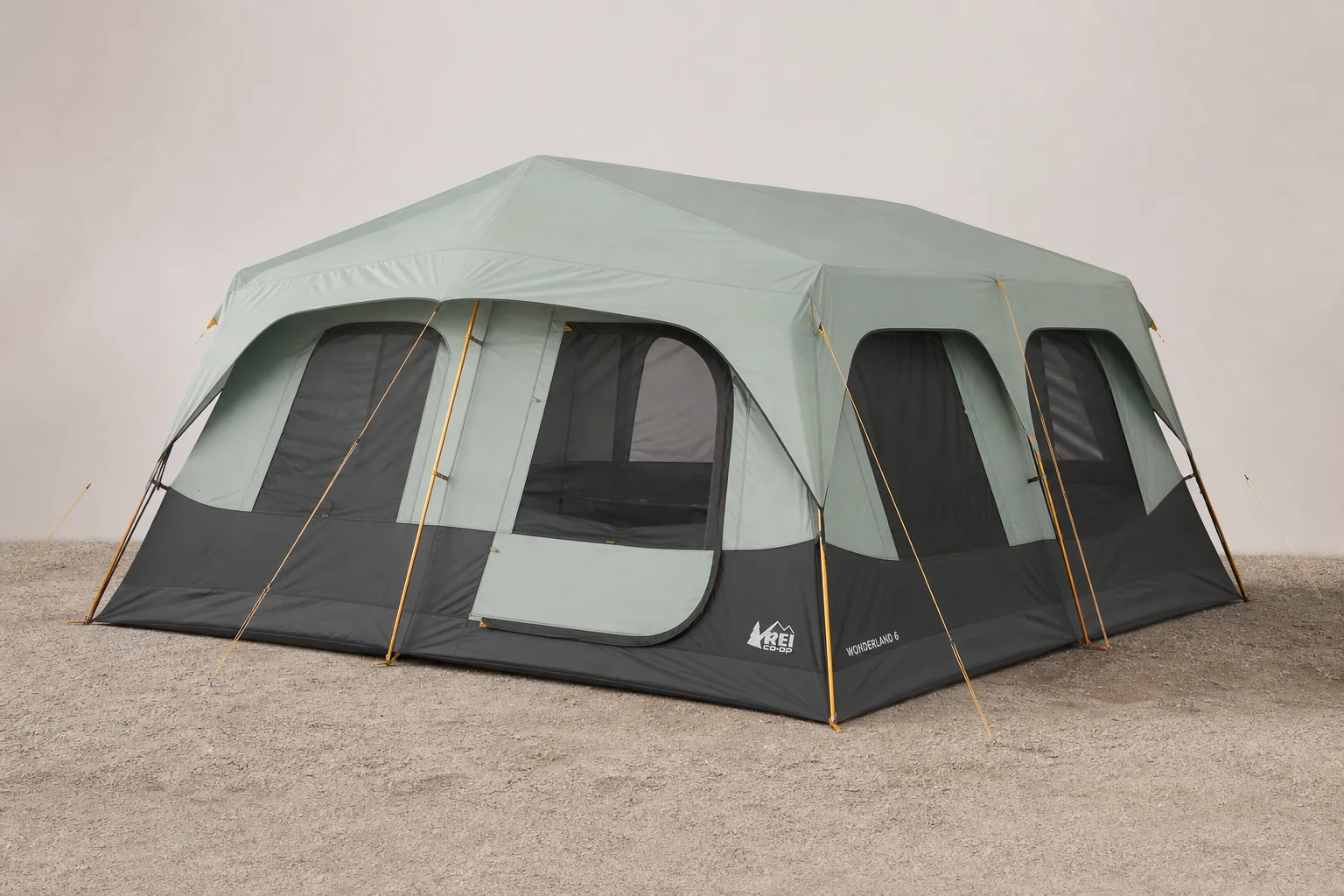
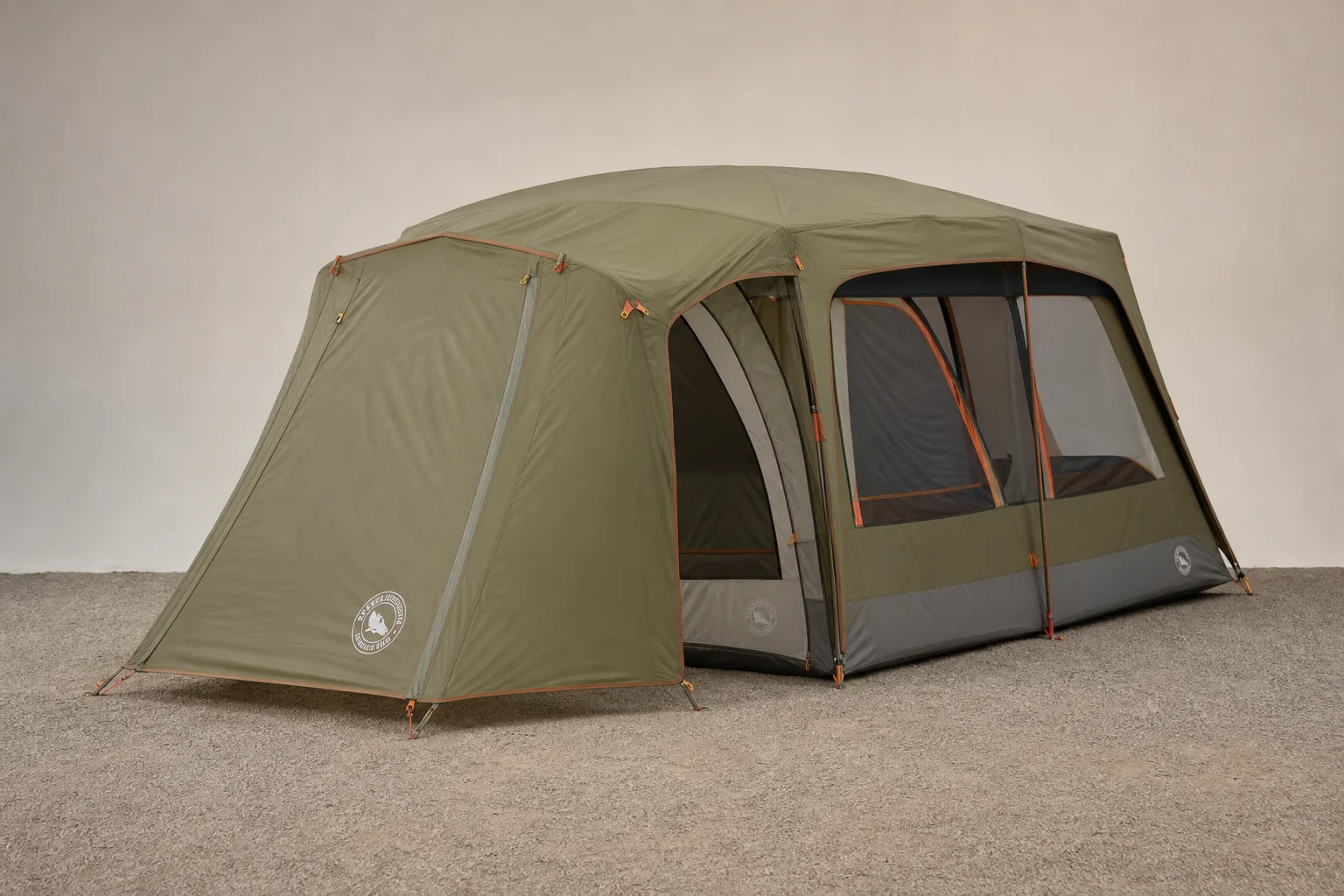
Most cabin tents use rainflies that cover only the very top of the tent, sometimes extending down just five to ten inches. The Wonderland 6 is different: its rainfly is the longest of the cabin tents tested, reaching all the way to the ground for the most part. There is a small gap in the middle of the fly to accommodate the lower triangle windows, and that gap is where the only weakness appeared. After one hour of heavy rain followed by several hours of moderate rain overnight, two drops of water showed up inside, traced to the divider loops at the bottom, which are not covered by the rainfly and were not waterproofed. Sealing those loops should resolve the issue.
Everything else held up. The remaining seams are thoroughly taped and no other leaks appeared. The tent does not include a vestibule, although separate mud rooms can be purchased at extra cost, which is worth budgeting for if you want covered storage.
Best Shoulder Season Family Tent: REI Base Camp 6
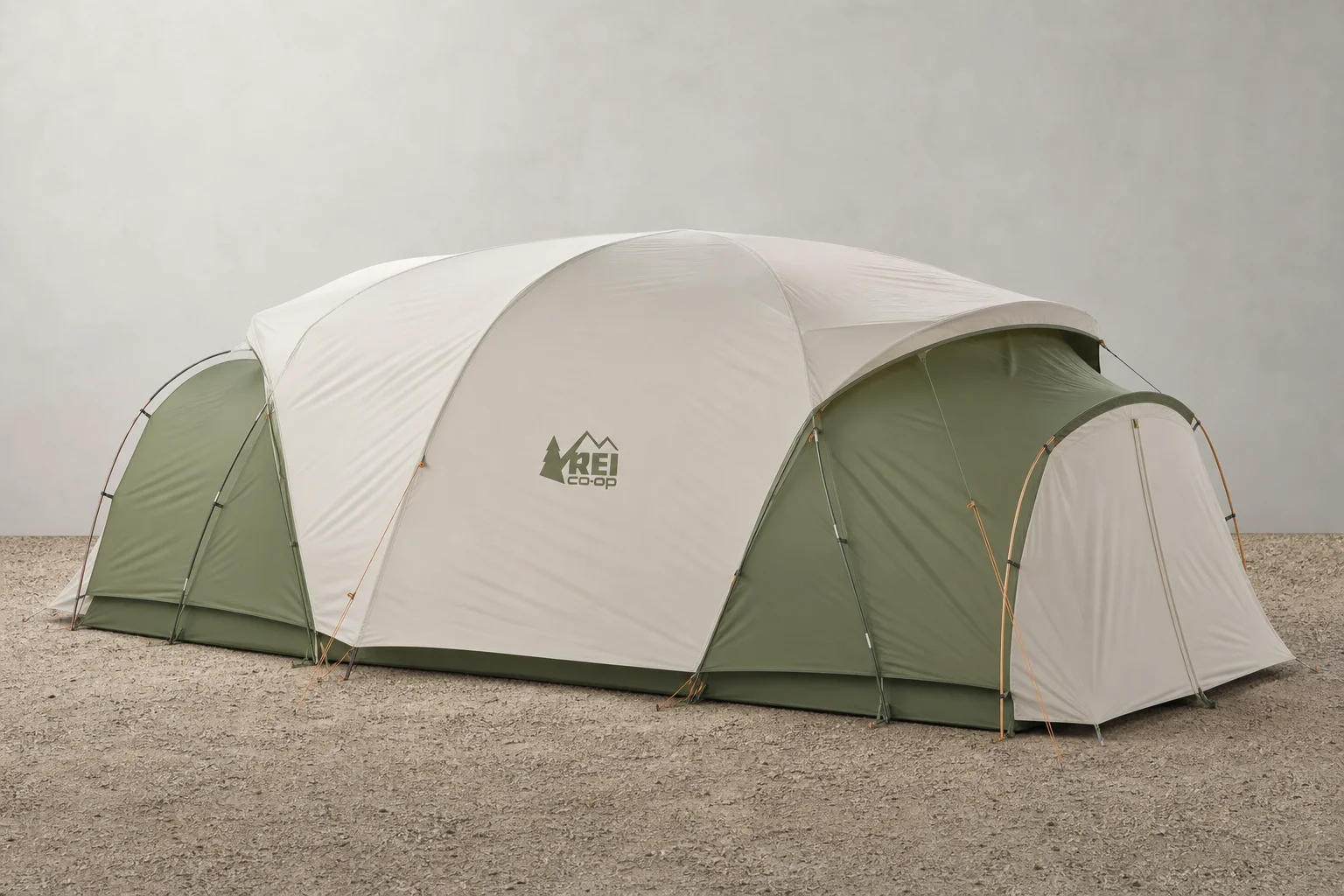
The Base Camp 6 uses far more fabric than mesh, which makes it the better choice for cooler shoulder season trips while still performing in heavy rain. Its full length rainfly extends almost all the way to the ground, and after a full hour of continuous spray the inner body stayed completely dry while water ran off the fly and straight onto the ground.
Ventilation is strong for a tent this enclosed, with four vents in total: two roof vents and two floor vents, all of which can be opened and closed from inside. Storage is generous too, with two vestibules. The front vestibule measures about 31 square feet and comfortably fits two camping chairs, while the rear vestibule is smaller at roughly 21 square feet, too small for a chair but genuinely useful for wet gear.
One detail to plan for: some flooring seams are taped, including the seams running the length of the tent and the corner seams, but a flooring seam at the edge of the floor where it meets the tent body is not taped, and neither is the white seam running down to the bottom at the corners. Both are inverted rather than taped. When water was sprayed directly onto the tent body instead of the rainfly, those corner seams leaked after 30 to 45 minutes. Sealing them is a small job, and once done the Base Camp becomes a very solid off season family tent. If light flooding is possible where you camp, sealing the floor seams is worth doing.
Best Overall Waterproof Tent: The North Face Wawona 6
The Wawona 6 is the most rainproof tent here and the one that needs no preparation before its first wet trip. In a three hour heavy rain test the yard flooded, water reached ankle depth, and the bottom of the tent sat in two inches of water. Nothing got inside. The corner seams, fully submerged, did not leak at all.
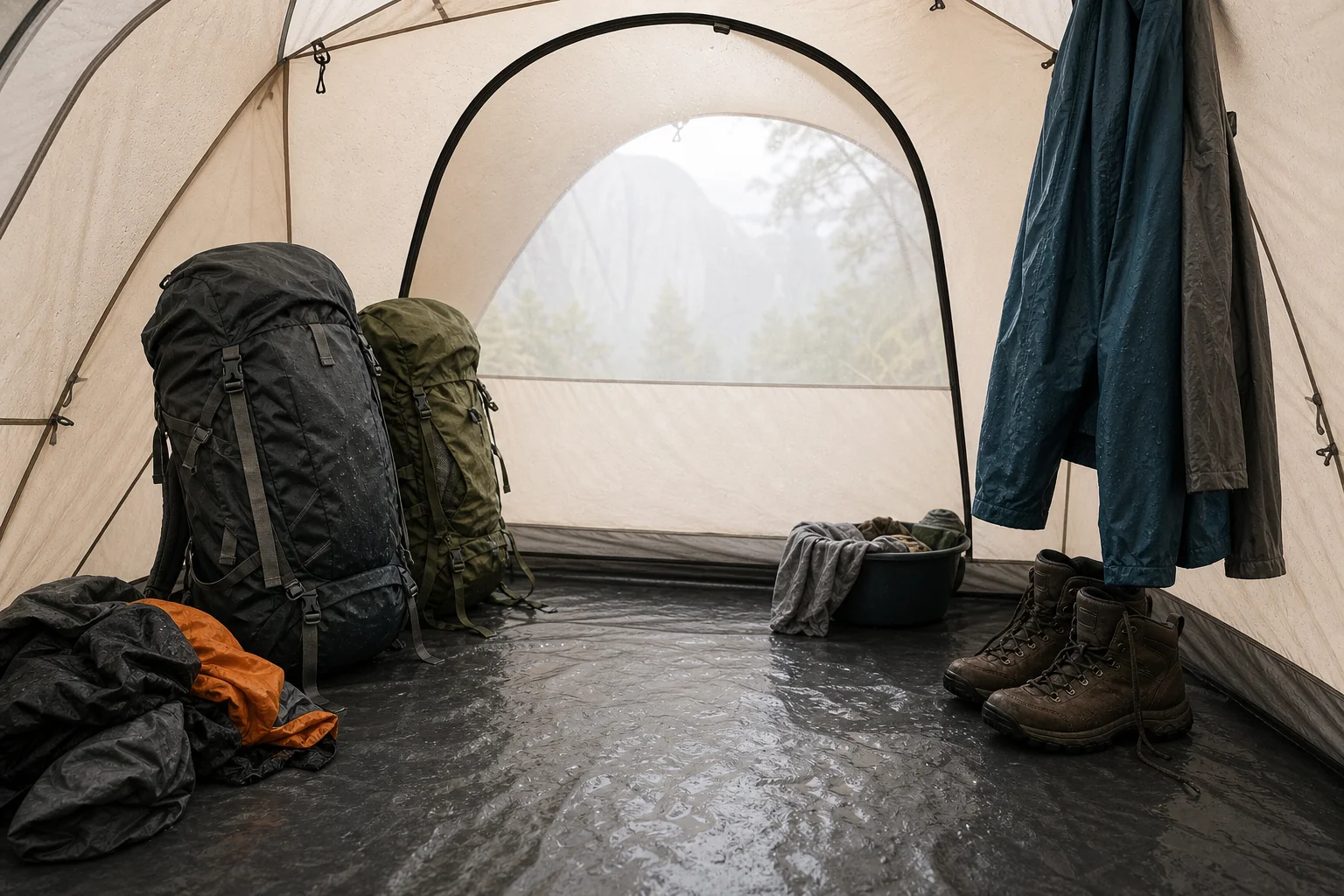
The reason is seam taping. Every seam not covered by the rainfly is perfectly taped, and although the Wawona does not use a full length rainfly, that taping more than compensates for it. The tent carries a hydrostatic head rating of about 1200 mm. After three consecutive days of heavy rain the back wall eventually felt slightly damp from the inside, without dripping, which marks the practical limit of the fabric at that rating. A higher rating would push that limit toward five days or even a week.
The vestibule is the largest in any family camping tent tested here: 51 square feet, enough for a couple of large camping chairs plus a full size camping table. Peak height inside the vestibule is 74 inches and the lowest point is still 65 inches, so you can stand up throughout. Two side windows and two side vents, one of each per side, cannot be opened from inside, which is a minor annoyance, though none of them leaked in heavy rain.
Wind performance is equally strong. In about 15 mph winds the tent stayed completely stable when fully guyed out, helped by an aerodynamic dome shape, a large number of guylines, and DAC MX aluminum poles. The trade-off is seasonality: ceiling mesh panels and a heavily meshed front wall make this strictly a three season summer tent, so it is not the right choice for cold weather camping where the Base Camp 6 is the better fit.
Best Fully Sealed Alternative: Big Agnes Bunk House
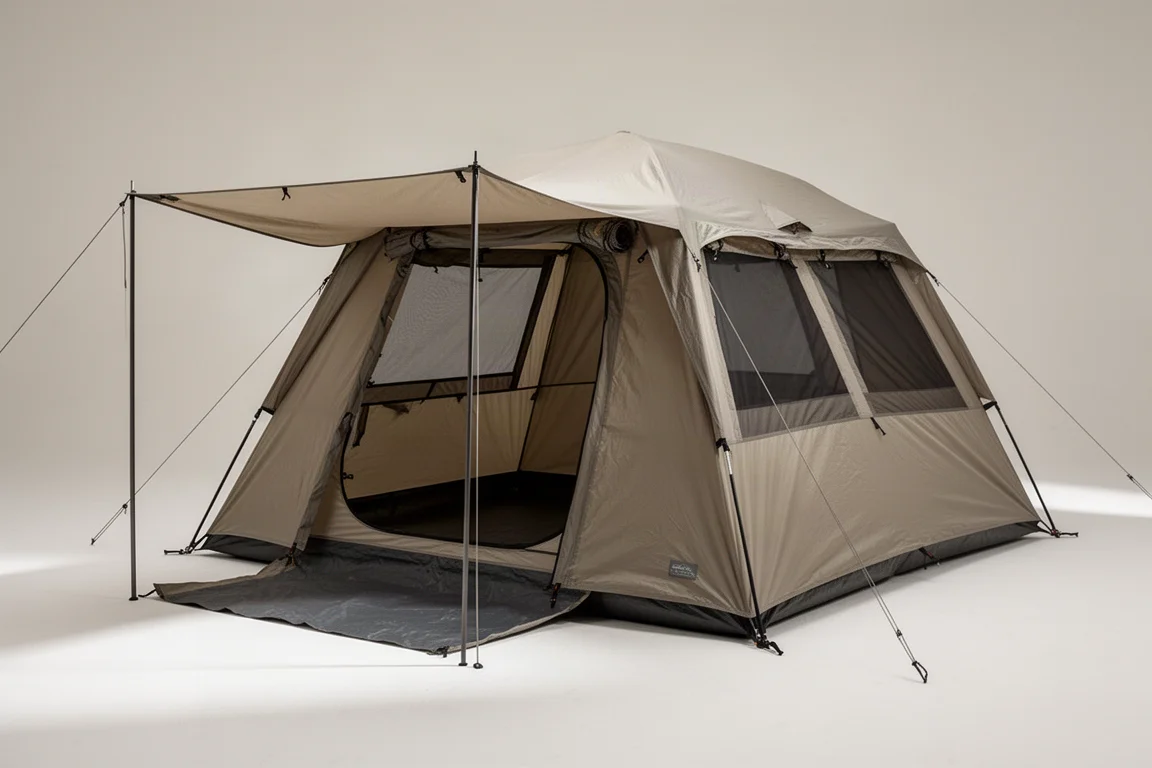
If the goal is a completely full rainfly with no gap at all, the Big Agnes Bunk House is the alternative worth considering. Its rainfly covers the tent fully, and it includes a large front vestibule as standard rather than as a paid add-on, which matters for anyone who wants dry storage without an extra purchase.
Buying Advice: Matching a Tent to Your Conditions
Hydrostatic head rating is the number to check first. A tent rated at 1000 mm or more can reasonably be called waterproof; anything below that is water resistant only. Core tents are rated at 600 mm, and Coleman tents range from 450 mm to 1000 mm with most sitting at the lower end, which is why both brands tend to let water through the fabric after roughly 30 minutes to an hour of heavy rain. In practical terms, Coleman and Core tents with small rainflies, untaped or inverted seams, and low ratings generally lasted around three hours in light to moderate rain and between 30 and 60 minutes in heavy rain. Ozark Trail tents fared worst, lasting about 15 minutes in light rain and soaking through almost immediately in heavy rain.

Wind is the other factor that is easy to overlook. A tent that stays dry in rain but collapses or flaps badly in wind is not much use on an exposed pitch, so look for an aerodynamic shape, a generous set of guylines, and aluminum poles rather than fiberglass.
Price and region matter as well. Teton Sports and Decathlon both sit at the affordable end of the waterproof tent market. In the US, the Teton Sports Mountain Ultra is the cheaper of the two and the better value; in countries with a Decathlon store, and especially across Asia, the Quechua 2 Seconds line is priced very competitively. Between the two, materials are the tiebreaker: 150D polyester flooring and aluminum poles on the Mountain Ultra, polyethylene flooring and fiberglass poles on the Quechua.
Finally, decide how much preparation you are willing to do. The Wonderland 6 and Base Camp 6 are both excellent once a couple of seams are sealed, while the Wawona 6 and the Quechua tents arrive ready for heavy rain with no additional work.
Conclusion
The Wawona 6 is the best overall pick for heavy rain, thanks to thorough seam taping, a 1200 mm rating, a 51 square foot vestibule, and strong wind performance. The Mountain Ultra is the value choice for one to four person camping, the Quechua 2 Seconds Fresh & Black is the instant tent to buy when ventilation matters, the Wonderland 6 is the best cabin tent, the Base Camp 6 is the best shoulder season option, and the Bunk House answers the case for a completely full rainfly with an included vestibule. Match the tent to the weather you actually expect, and you will stay dry.
Further reading
Related Reviews
Camping Tents
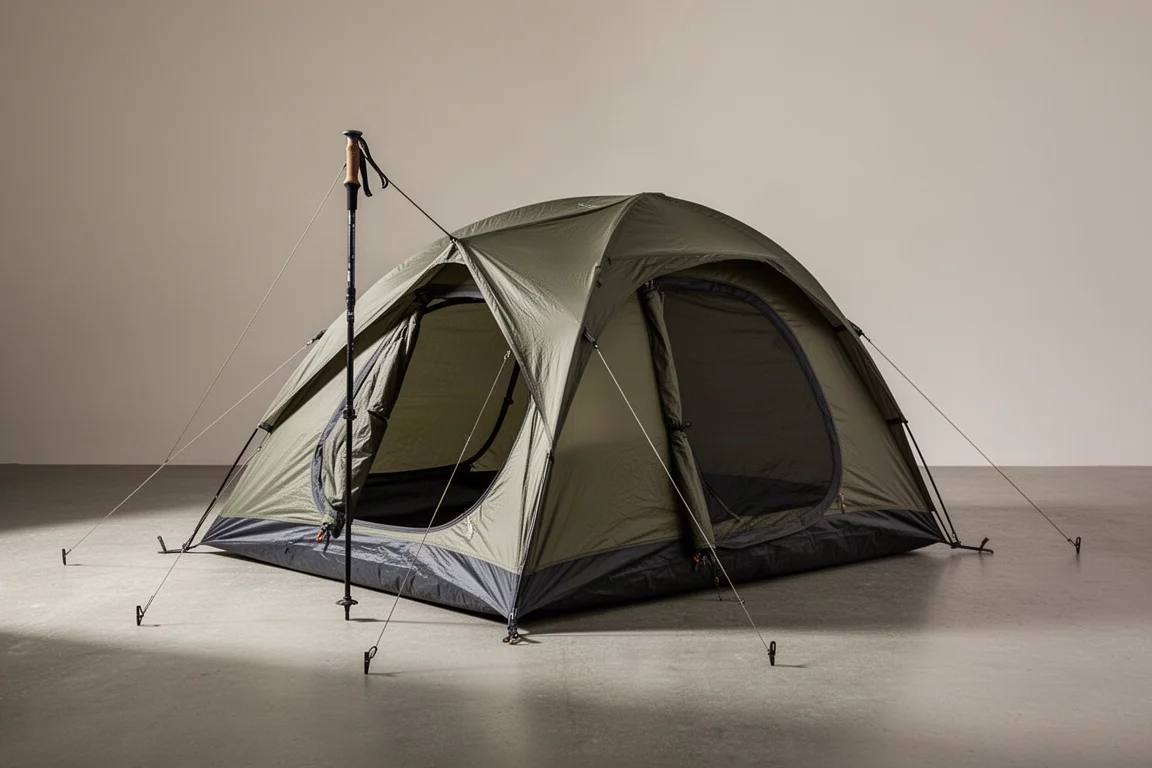
3F UL Gear Taiji Two-Person Tent Review: Field Waterproofing Results and Buying Advice
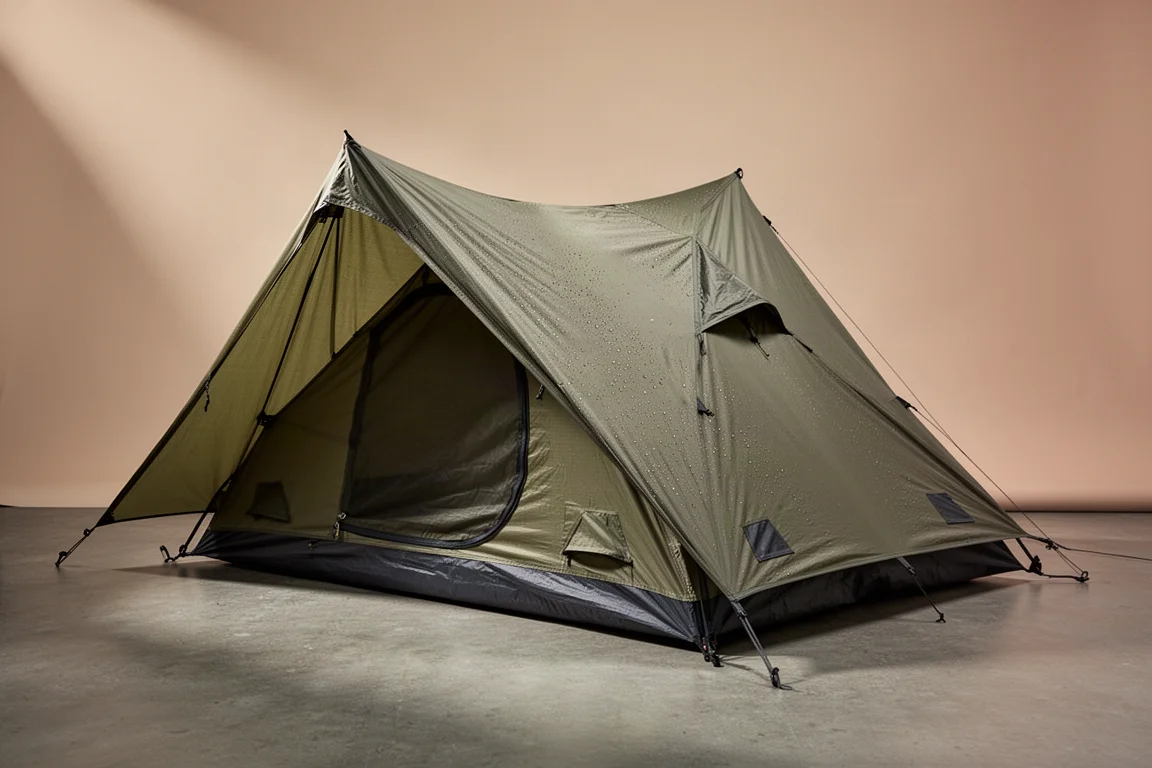
The Taiji pairs an attached fly with a removable inner, but sustained rain exposed untaped vent seams that need sealing before this shelter can be trusted.
Camping Tents
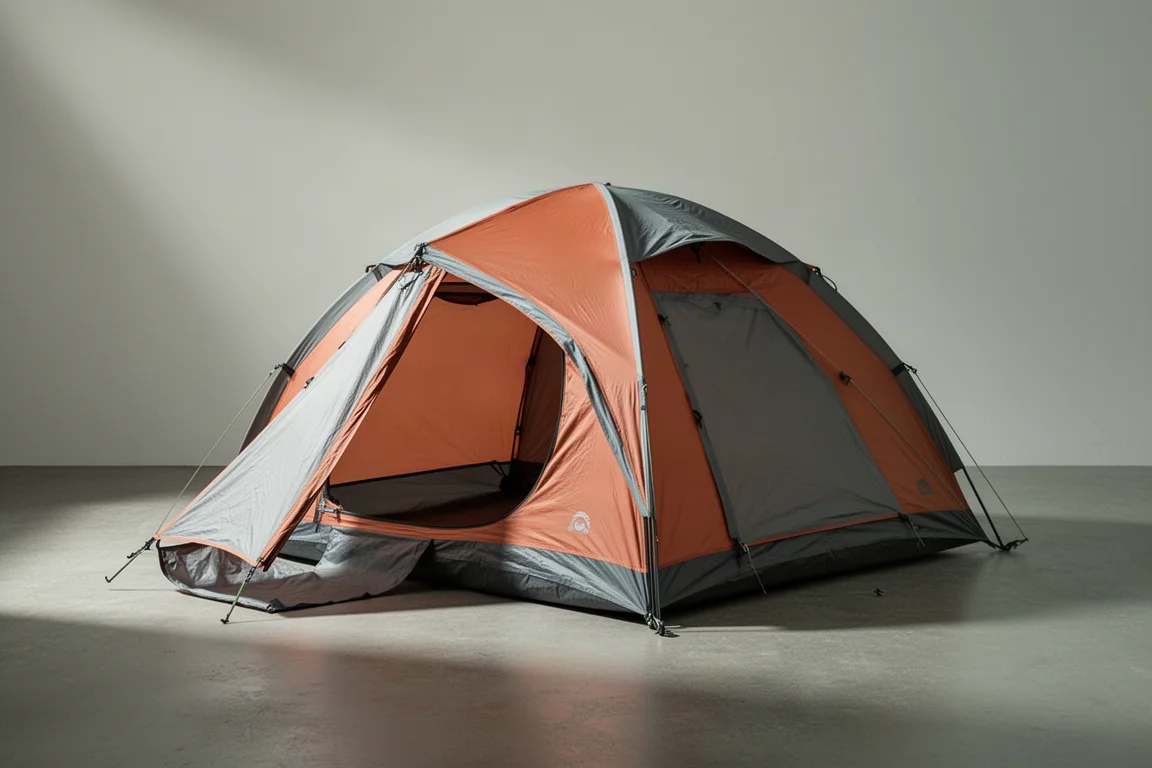
3FUL Gear Lanshan 2 Pro 4-Season Review: A Sub-$200 Single-Wall Trekking Pole Tent
An early look at the 3FUL Gear Lanshan 2 Pro 4-Season, covering its straightforward pitch, generous interior space, and the condensation and seam-sealing questions that come with any single-wall shelter.
Camping Tents
Alps Mountaineering Lynx 1-Person Tent Review: Big Value in a Small Budget Tent
A close look at the Alps Mountaineering Lynx 1-Person Tent, covering real interior dimensions, materials, setup time, ventilation limits, and who should buy it.