Acoustic Treatments
Best Vicoustic Acoustic Panels for Home Theater and Audio Rooms
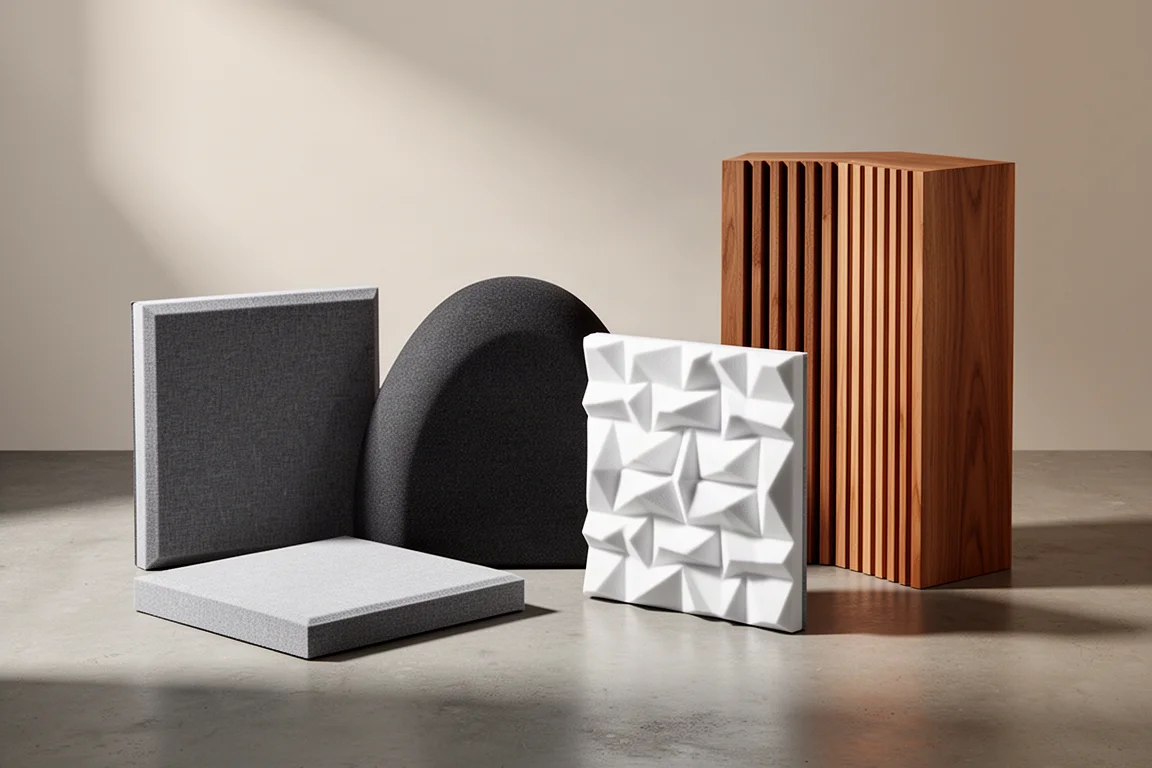
Five Vicoustic acoustic treatments covering absorption, diffusion, hybrid control, and bass trapping, with practical guidance on where each panel belongs.
Introduction
Vicoustic is a Portuguese company founded in 2007 that designs acoustic treatments for both residential and commercial spaces. What sets the brand apart is the way it pairs performance with appearance, and the fact that many of its products are built from recycled or fully recyclable materials. Since 2007 the company has recycled more than 250 tons of plastic bottles, and around 60 percent of its product line is made with recycled materials.
For a home theater or a dedicated audio room, acoustic treatment is arguably the single biggest upgrade available. It is also one of the most confusing, because Vicoustic offers more than 30 products and it is not always obvious which ones belong in which room. This guide covers five of the most practical options, one from each of the main treatment categories: absorption, diffusion, hybrid panels, and bass traps.
Choosing the Right Acoustic Treatment
The final acoustic character of a room is influenced by many factors, but for an existing room the most reliable gains come from treating the surfaces around you. The best sounding rooms combine absorption, diffusion, panels that do both, and in some cases bass traps.
Absorption is usually the first step. Hard, reflective surfaces bounce sound so that it reaches your ears at different times, which makes it harder for your brain to pick out small details. A room with nothing but hard surfaces is essentially an echo chamber. Once you tame those reflections, dialogue becomes noticeably easier to follow and quieter details in a mix come forward.
The usual starting point is the first reflection point, which is normally on the sidewalls near the main left and right speakers. A simple way to find it: sit in your main listening seat and have someone slide a mirror along the sidewall. Anywhere you can see a speaker in the mirror is a spot worth treating.
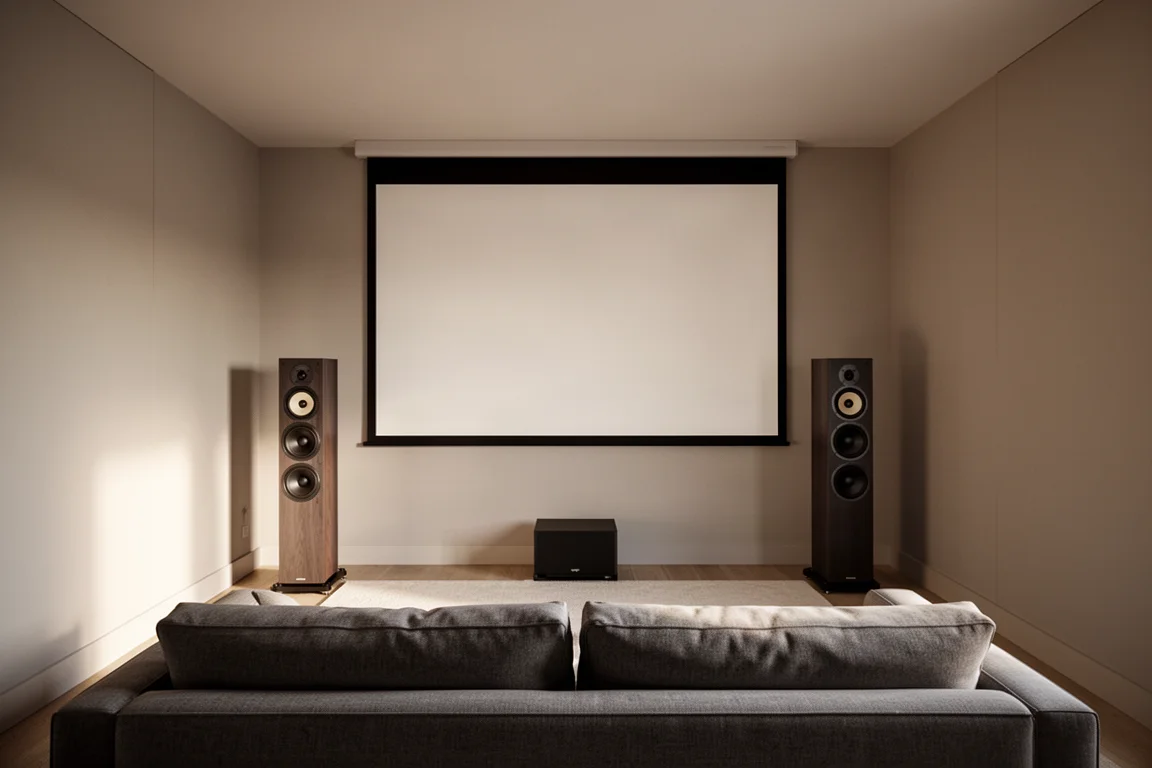
From there the plan expands. Diffusion panels break up reflections without leaving the room sounding dead. Hybrid panels combine absorbent and reflective areas so you can cover more wall without over-damping. Bass traps address the low frequency peaks tied to room dimensions. Knowing which category a panel belongs to is the fastest way to decide where it goes.
Vicoustic Flat Panel VMT: Best for First Reflections
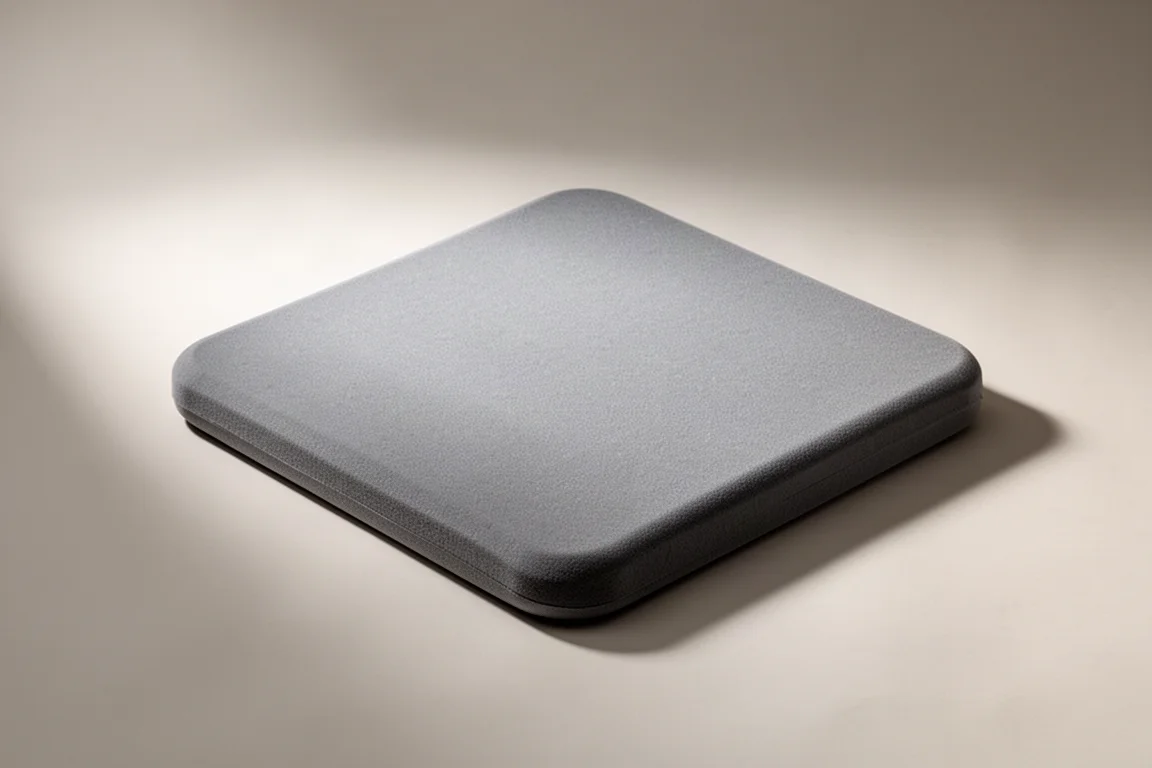
The Flat Panel VMT is built from VicPET wool, a material made mostly from recycled plastic bottles. The most useful size is roughly two feet by two feet and one inch thick. It is designed to absorb the upper mid and higher frequencies that create annoying echo effects, which is exactly the range that muddies dialogue and fine detail.
These panels work on walls and on the ceiling, but their best use is on the sidewalls where your speakers’ first reflections land, plus the area directly between the speakers in a stereo setup. They are light enough to attach with velcro, and light enough that 3M strips can hold them without leaving a trace when you take them down, which makes them a good fit for rooms where you would rather not damage the walls.
They arrive eight to a box with a good selection of color choices, so a single box covers a typical pair of sidewalls with panels to spare.
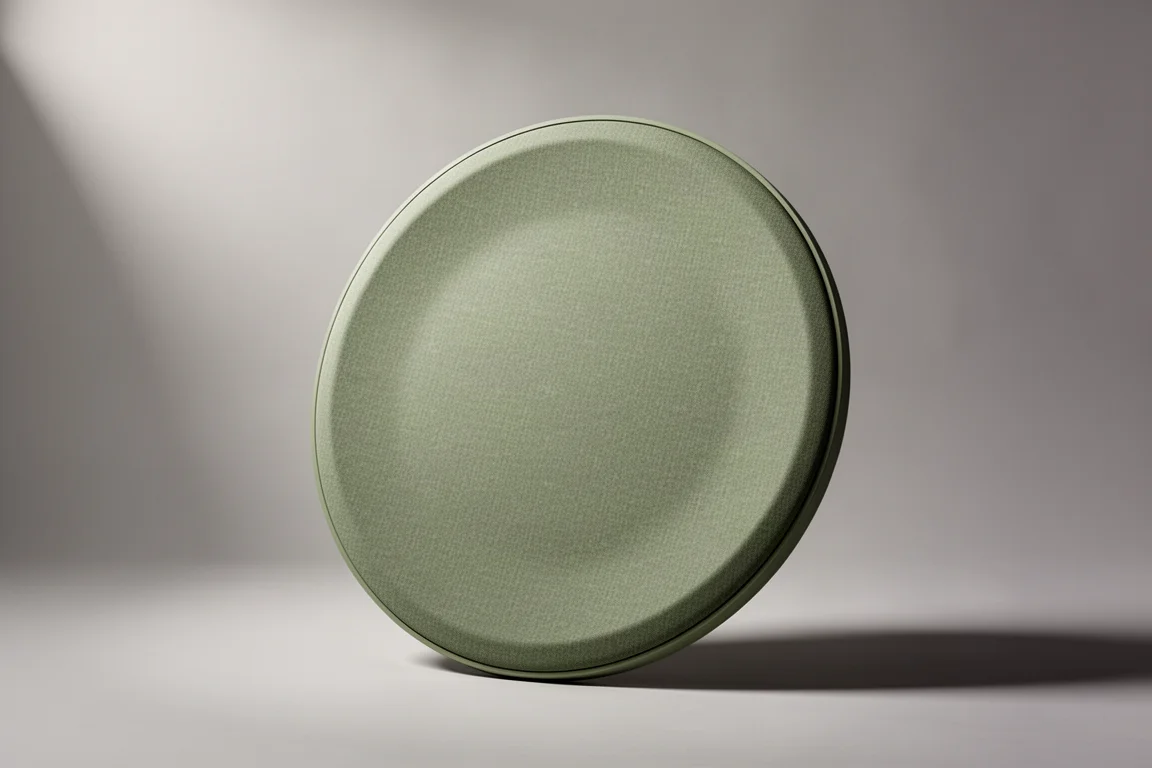
Vicoustic Cinema Round Premium: Best Linear Absorption
The Cinema Round Premium is the standout of the range. It absorbs frequencies starting in the lower midrange and carries on upward in a very linear fashion, which means it removes energy evenly rather than coloring the sound. Its shape is convex, about three inches deep at the peak of the curve.
From a linear absorption perspective it is one of the best panels available, and it suits both home theater and two channel audio. The curved face also has a visual advantage: groups of four rotated as they are mounted create an interesting pattern rather than a flat grid.
Placement follows the same logic as any absorber. Use them first on the sidewalls for first reflections, where they perform exceptionally well, then consider the rear wall, the ceiling, and in some stereo setups the front wall. A strong combination is Cinema Round Premium panels on the sidewalls for the primary reflections with Flat Panel VMT on the front wall.
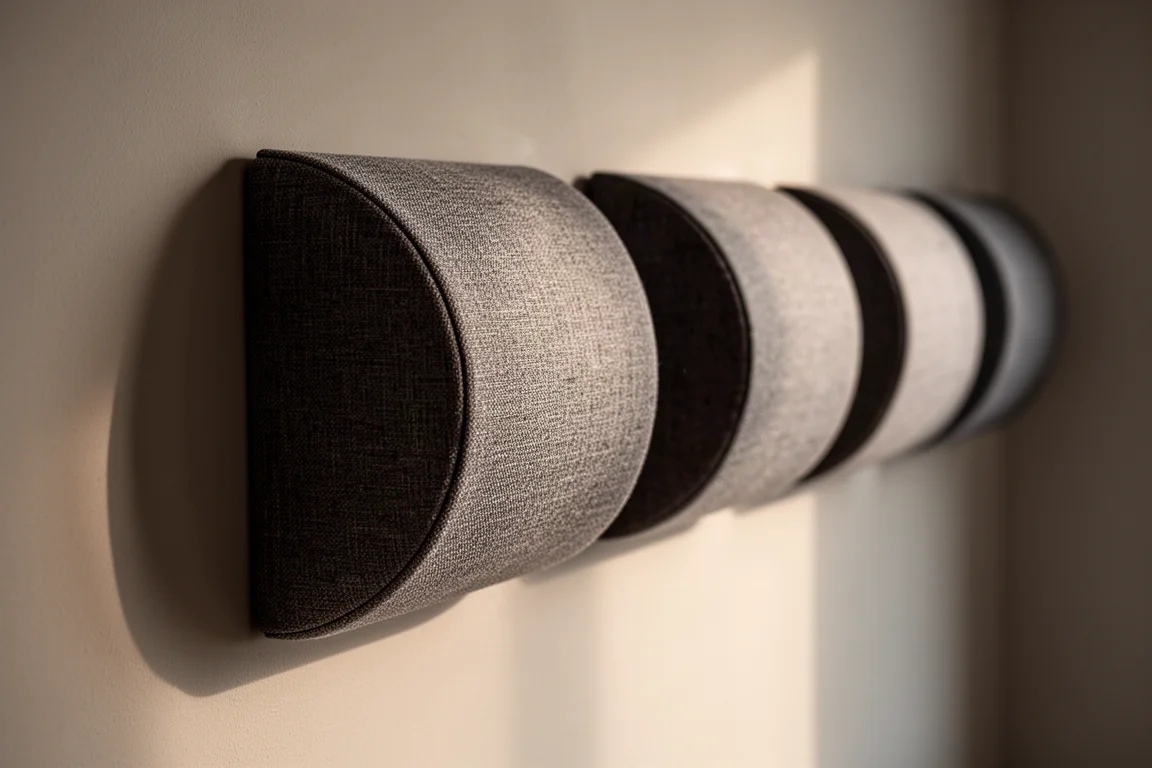
They come eight to a box in colors similar to the Flat Panel VMT, so the two products can be mixed on the same walls without the room looking mismatched.
Vicoustic MultiFuser DC3: Best Value Diffusion
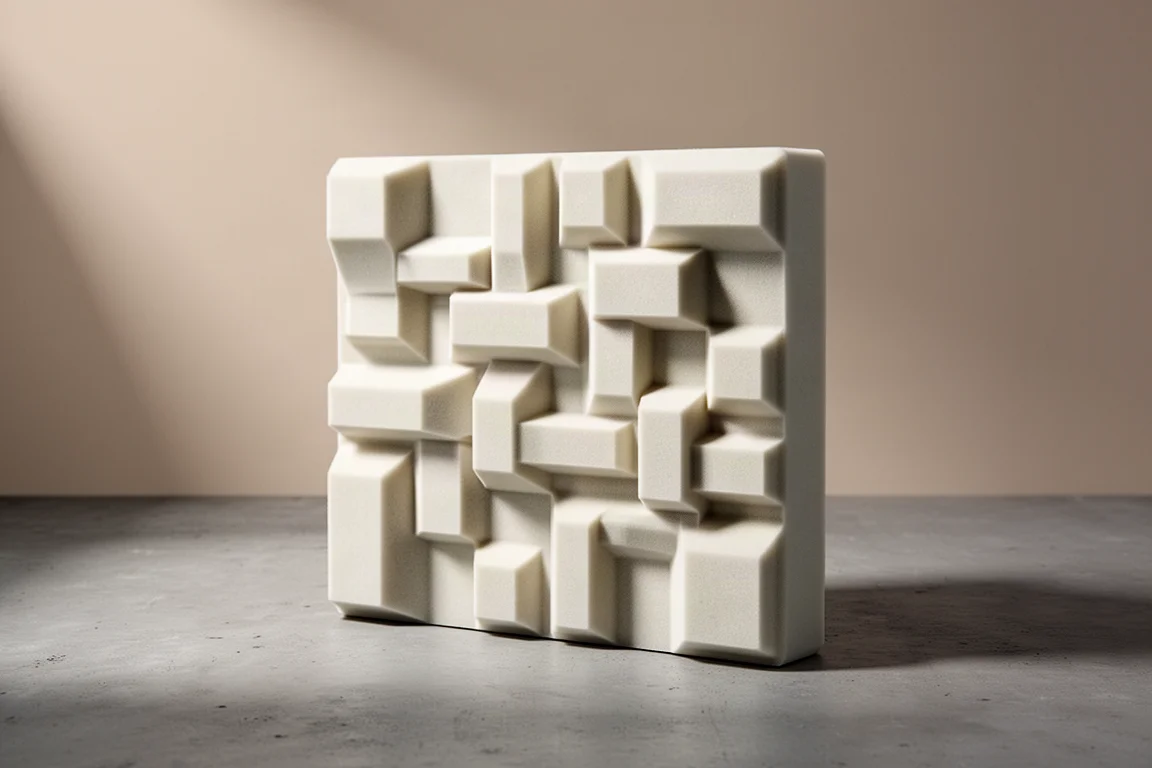
Not every reflective wall should be turned fully absorptive, because it is possible to have too much absorption in a room. Diffusion panels use raised geometric sections to break up sound so reflections stop being a problem without the room taking on that dead quality.
The MultiFuser DC3 is the value pick for diffusion. It is made from high quality expanded polystyrene molded into a geometric pattern, and when properly placed in a room it diffuses frequencies all the way down to 125 Hz and up to about 5,000 Hz. In practice that translates into a large improvement in how well you can understand a dialogue track or hear subtle musical detail.
The natural home for it is the middle of the back wall in a home theater or an audio room, which pairs neatly with absorption on the sidewalls and the front wall. It comes six to a box in black, white, or gray.
Vicoustic Wavewood Diffuser Ultra: Absorb and Diffuse in One Panel
A hybrid panel lets you treat more wall area without making the sound too dull, because part of the surface is fully absorbent while other areas are reflective. Several companies make something along these lines, but few combine the performance and the visual appeal of the Wavewood Diffuser Ultra.
It is made using high density polystyrene with a wood finish, and it absorbs, diffuses, and scatters sound, focusing mostly on the middle acoustic frequencies. That makes it a useful complement rather than a replacement for a dedicated absorber.
A practical approach is to mix it with Cinema Round Premium panels on the sidewalls to cover a larger area with a balanced result. It is light enough to be used on the ceiling as well, where the wood finish reads as a deliberate design feature rather than a treatment. It comes three to a box with several finish options.
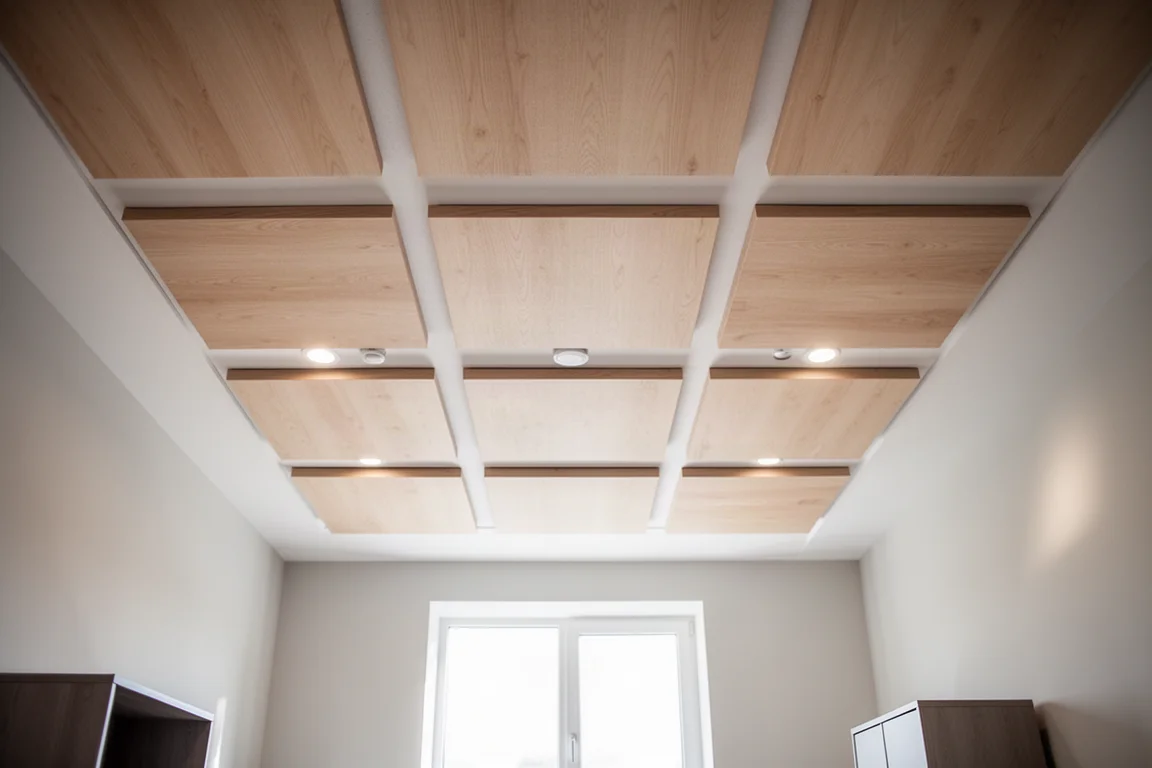
Because it handles the middle frequencies rather than the extremes, it works best as part of a layered plan: absorption at the first reflection points, hybrid panels where you need broader coverage, and diffusion where the room still feels closed in.
Vicoustic Super Bass Extreme Ultra: Best Corner Bass Trap
Bass traps are designed to reduce the low frequency peaks that occur because of a room’s dimensions. Every room has some standing wave behavior, and some rooms have a great deal of it. That said, bass trapping is a debated topic: many traps take the life out of a room, and modern home theater processors and receivers can measure a room and remove bass issues electronically. Used sensibly and without going overboard, a good trap adds a more effortless quality to the low end, and smaller rooms normally benefit most.
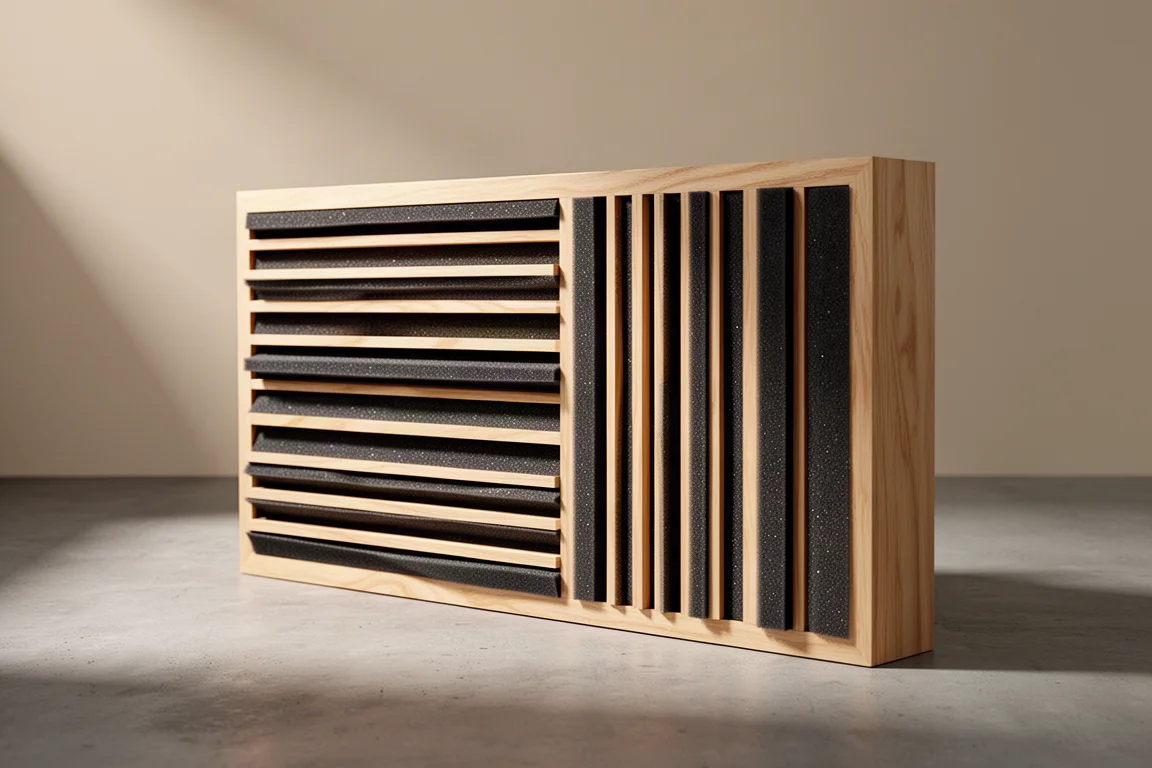
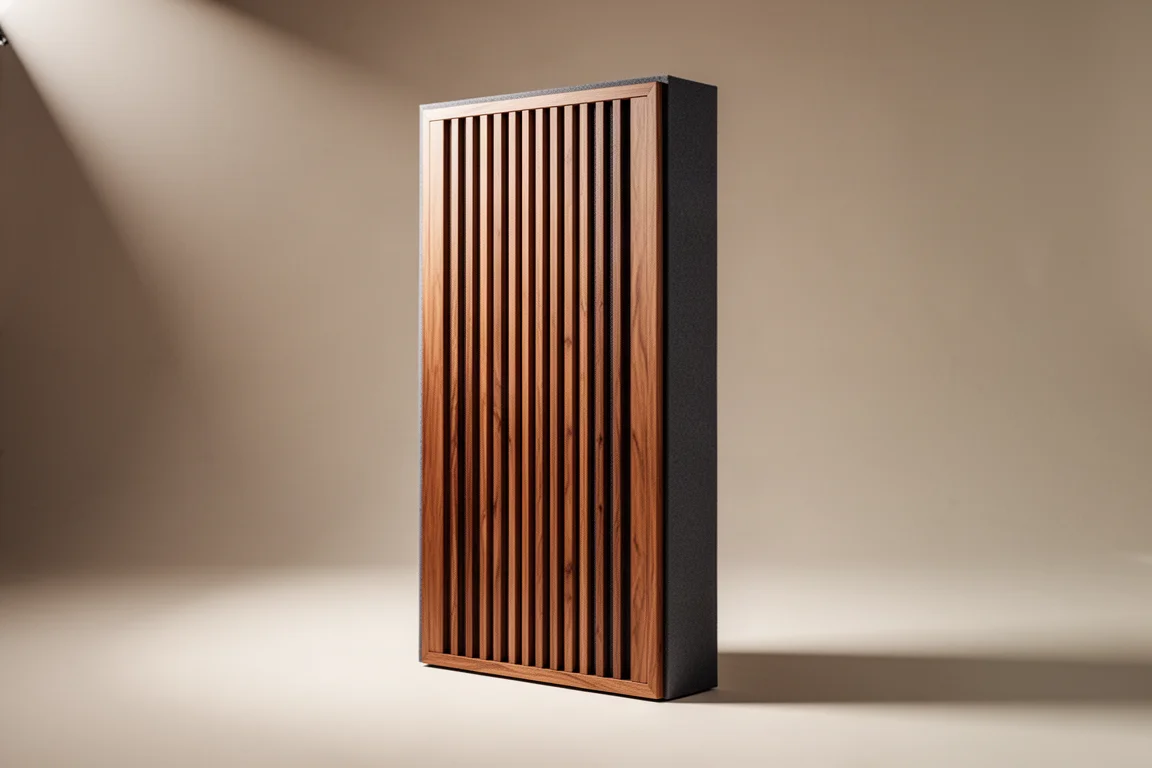
The Super Bass Extreme Ultra is a modular system that works as a bass trap while adding other benefits. Corners are the obvious place for a trap, but they are also a position where odd midrange reflections collect, and this panel addresses both. Its front face looks much like the Wavewood Diffuser Ultra.
Inside, an internal membrane vibrates sympathetically in the 75 to 100 Hz range and passes air through a layer of high density foam that absorbs the lower frequencies, right where most room problems occur, all while keeping the panel compact. The front then absorbs and diffuses middle frequencies to break up reflections in the corners. Stack them in the two rear corners first, then the front two if needed. Two per corner is usually enough, and they come two to a box in the same colors as the Wavewood Diffuser Ultra.
Installation and Mounting Notes
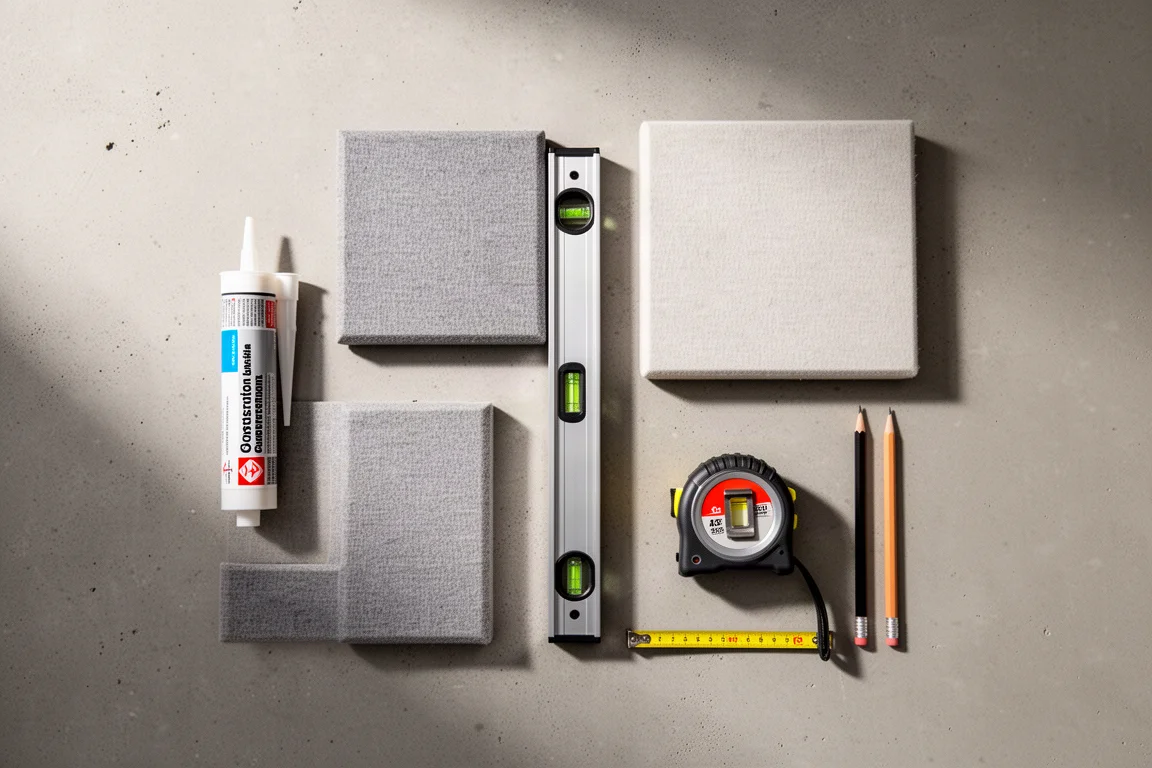
For the vast majority of installations, construction adhesive is all you need. Gorilla Glue Heavy Duty Construction Adhesive and Loctite Power Grab both give you a few minutes to get a panel aligned before the bond locks down. Map out where the panels will go and mark the wall first. The first panel in each section matters most: once it is in the right spot and perfectly level, the others line up around it. Press each panel firmly for about two minutes and move on.
Flat Panel VMT is light enough that 3M strips are a genuine option. Vicoustic also offers the VicFix system, which uses large metal discs glued to the back of some panels with a small magnet fixed to the wall. It makes fine tuning placement easier, but it costs more, sometimes more than a panel itself. There is also the VicFix J Profile rail system: some panels hang straight onto it out of the box while others need a VicFix base. Rails simplify leveling, but they are not especially cost effective. For most people, careful measuring plus construction adhesive leaves more of the budget available for additional panels.
Buying Advice
The modular design is the real advantage here. You can start small and add as budget allows, or treat the whole room in one pass. For many rooms, a single box of Flat Panel VMT or Cinema Round Premium divided between the two sidewalls near the main speakers will make a huge difference on its own.
Bear in mind that panels are priced per box, with two to eight pieces per box depending on the model, so most projects need only one or two boxes per product. For elaborate builds, the Vicoustic team can carry out a complete analysis of a room and propose a solution, though that service carries a charge.
If you are deciding where to begin, work in this order. Absorption first, at the first reflection points. Then diffusion on the back wall if the room still sounds closed in rather than open. Then bass trapping in the corners if the low end remains uneven after the reflections are under control.
Conclusion
Vicoustic covers every major treatment category with products that are straightforward to install and designed to look like part of the room rather than an afterthought. For most listeners the sensible path is absorption first: the Flat Panel VMT at the first reflection points and the Cinema Round Premium wherever linear absorption matters most. Add the MultiFuser DC3 on the back wall when the room needs diffusion instead of more absorption, bring in the Wavewood Diffuser Ultra to cover more area without over-damping, and reach for the Super Bass Extreme Ultra when corner bass problems remain. Because the system is modular, you can begin with a single box and build from there as your room tells you what it needs.
Further reading
Related Reviews

Backpacking Gear
Building a 10 lb Base Weight: An Ultralight Backpacking Gear List
A practical walkthrough of the ultralight pieces behind a 10 lb base weight, from a 765 g pack and a roomy one-person tent to a full camp chair and a dependable water filter.

Road Bikes
10 New Road Bikes Worth Watching: Aero, Titanium, Steel and Endurance Standouts
A practical roundup of 10 new road bikes, from aero flagships chasing single-watt gains to titanium, steel and endurance platforms built for real roads.

Bikepacking Gear
11 Bikepacking Essentials for Long-Distance Cycling
Eleven bikepacking essentials for long-distance cycling, from a steel gravel frame and a two-person tent to helmet lights, packable gloves, and a frame bag that puts weight in the right place.