Hi-Fi Speakers
Best Value Hi-Fi Speakers: Wharfedale, Q Acoustics and Focal Compared
Four value-focused speakers compared on ease of drive, bass weight, treble character and current sale pricing, with amplifier matching advice for each.
Introduction
Choosing a pair of speakers in this bracket is less about chasing specifications and more about how comfortably the speaker fits the amplifier you already own. The four models here sit in a similar price band and each takes a slightly different approach: one leans on being almost impossible to drive badly, one leans on bass, and two come from a line with an unusually sweet top end.
All four work as the foundation of a two-channel system or as the front pair of a small home theater setup. Pricing and availability vary considerably by region, and several of these models are currently discounted, which changes the value calculation more than any specification does.
What to Look For in a Value Speaker
The first thing worth checking is how hard the speaker is to drive. Sensitivity and a flat impedance curve matter more than a long list of numbers, because they determine whether a modest integrated amplifier will sound comfortable or strained. Two of the models here are genuinely easy loads, which makes them a safe match for a wide range of amplifiers.
Cabinet construction is the second factor. Better bracing and a stiffer enclosure usually show up as a cleaner midrange and less boxiness, and that is one of the areas where a newer generation can improve on an older one without changing the driver count.
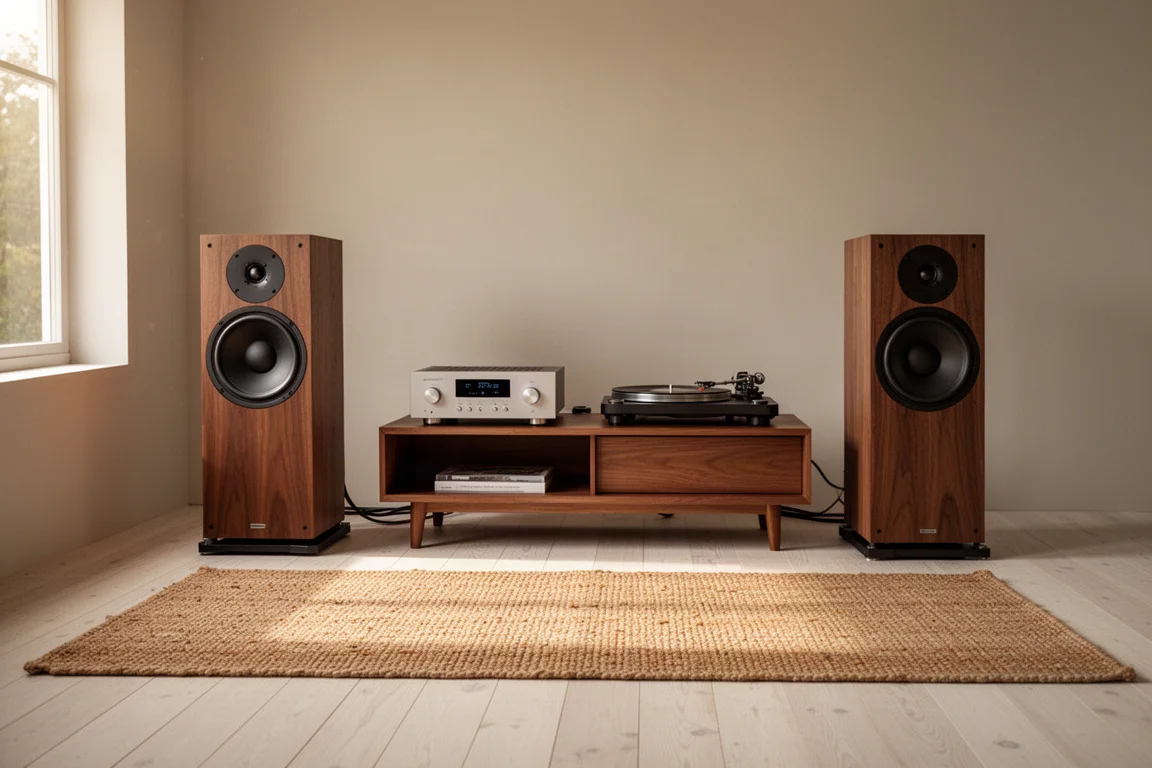
Room size and placement matter as much as the speaker itself. A large floorstander can overwhelm a small room, while a bookshelf will always run out of low-frequency output sooner. Sale timing is the final variable, and in this category it is significant: several of these models are discounted heavily right now, which shifts how much performance you get for the money.
Wharfedale Diamond 12.3
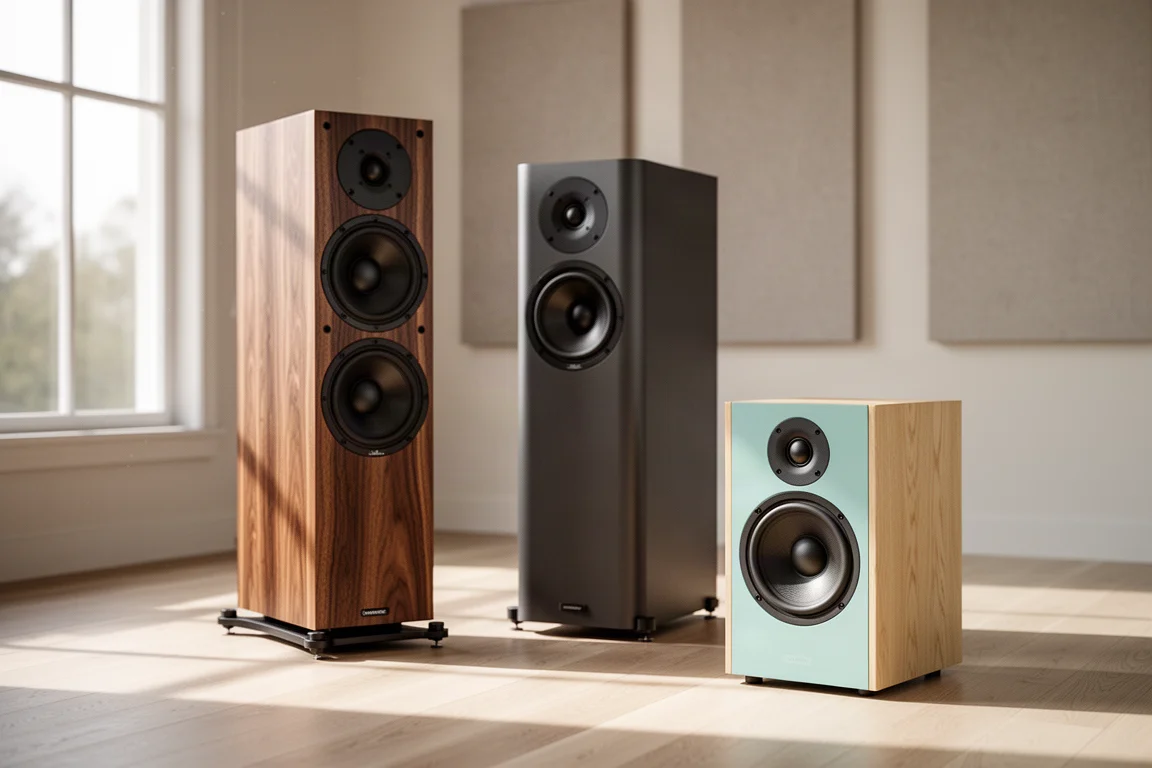
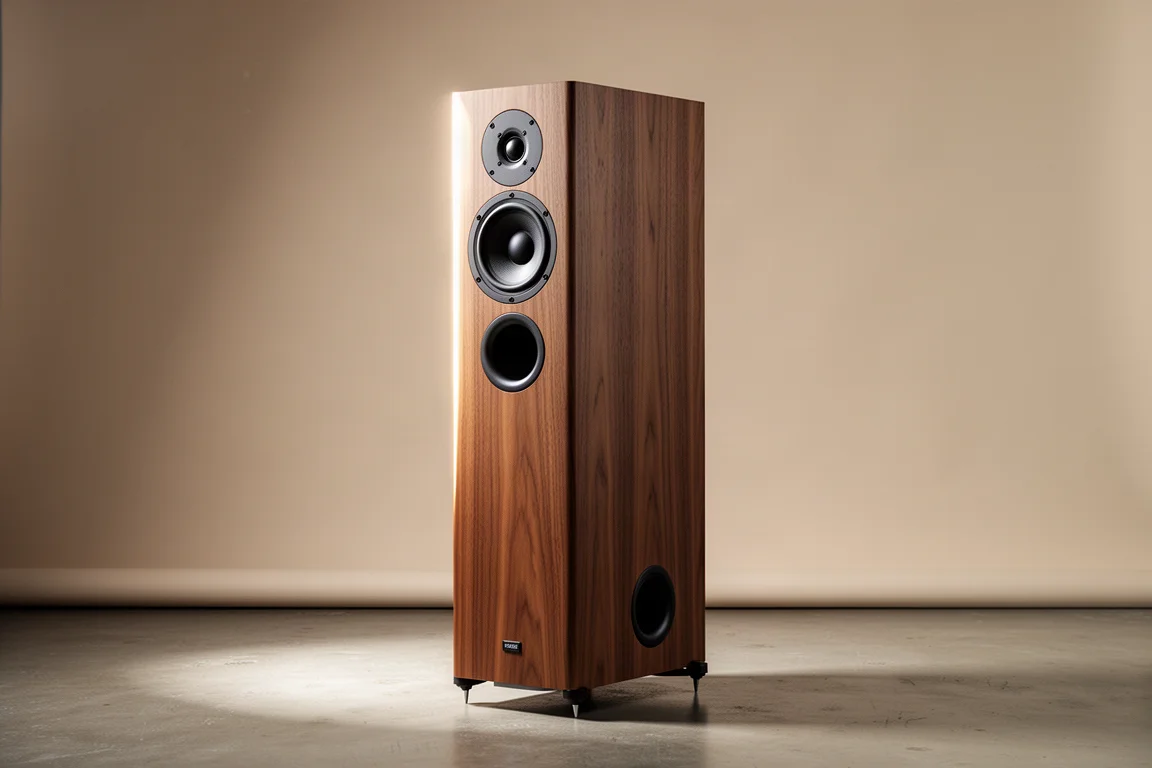
The Diamond 12.3 is a two and a half way floorstanding speaker, and it is best understood as a larger version of the well-regarded 12.1 bookshelf. The cabinet is better made than the previous generation, which helps the midrange stay composed when the volume rises.
Its strongest argument is how little it asks of an amplifier. Sensitivity is high and the impedance curve is flat, so it will play nicely with almost anything, though it does need roughly 30 to 50 watts from a decent solid state or tube integrated before it really opens up. It handles film soundtracks well and works particularly nicely as part of a 2.1 system.
Compared with the Q Acoustics 3050i it sounds smaller, but the two are similarly punchy, and the Diamond has the more extended treble of the pair. It is also one of the most amplifier-tolerant speakers you can buy at this price, and it pairs especially well with Audiolab, NAD and Croft amplification. Discounting is common, with reductions of 20 to 30 percent off the usual retail figure bringing it down to around $700 to $800 at times.
Q Acoustics 3050i
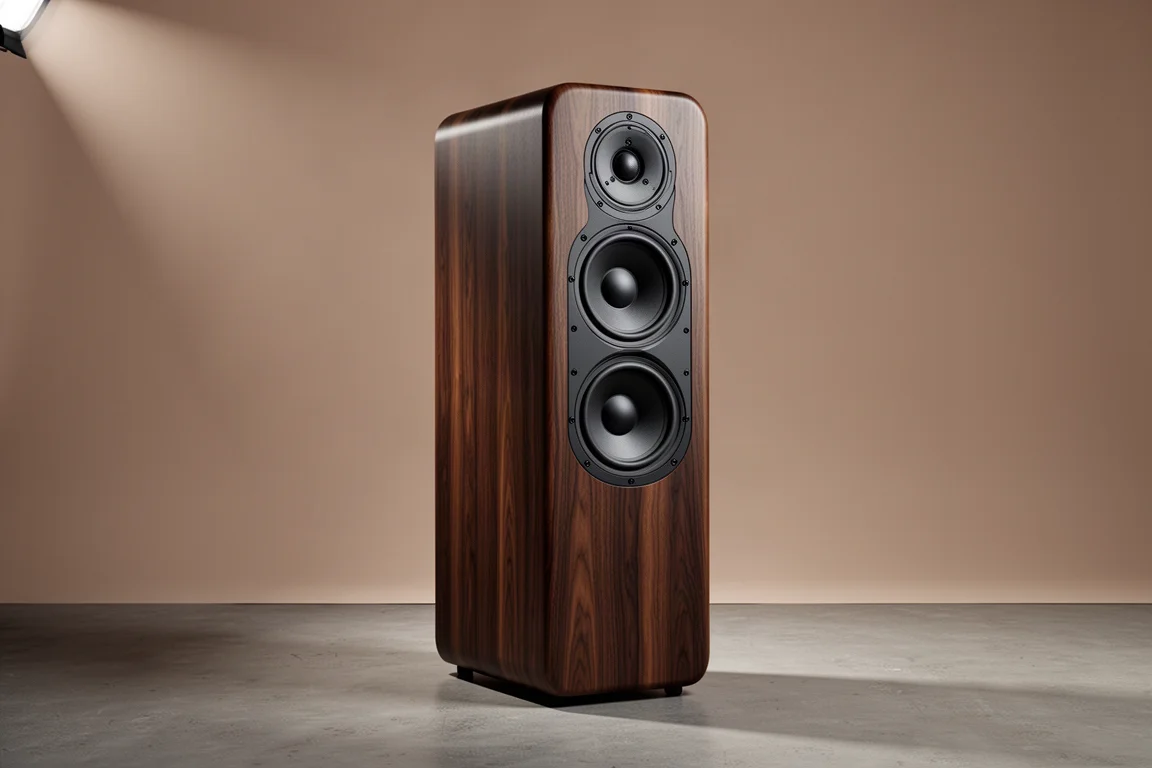
The 3050i is the bass champion of this group. Its low-frequency performance is the most impressive part of the design, and it delivers that weight without becoming difficult to drive: sensitivity is high and the impedance curve stays flat.
That combination makes it unusually friendly to low power amplification. A five or six watt tube amplifier can drive it comfortably, which is rare for a floorstander at this price.
Tonally it is punchy rather than refined, and the Focal Chora models are the more complete all-rounders overall. What the 3050i keeps is the low end, and for listeners who care most about bass weight for the money it remains the pick. In the UK it sells for under £500, which makes it one of the stronger value propositions here.
Focal Chora 806
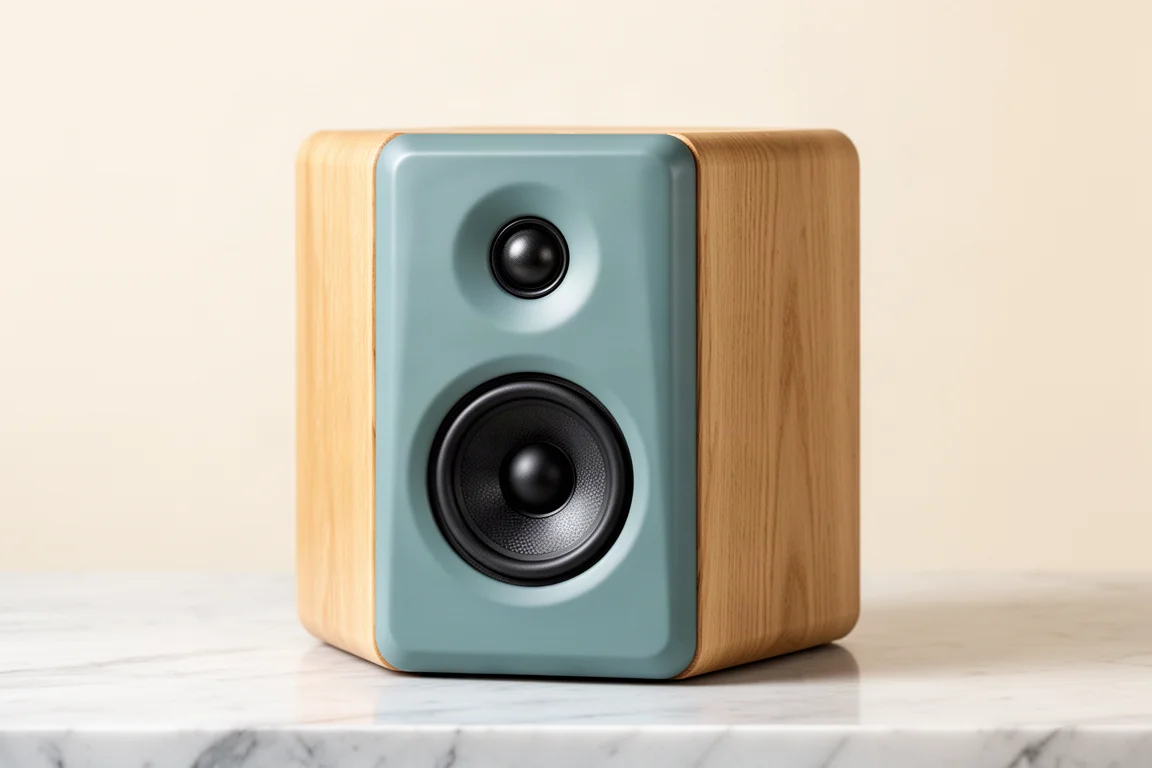
The Chora 806 is the bookshelf of the group, and its tweeter is the reason to pay attention. It does not use the beryllium tweeter found further up the Focal range, and the result is a much sweeter, more restrained presentation. Even at higher volumes there is little urge to turn it back down, which is not always true of brighter Focal designs.
It handles vocals particularly well and stays smooth, airy and detailed across the range. The finish helps too: a light blue-grey cabinet with a teal cast, paired with light oak side panels, looks considerably more expensive in person than it does in photographs.
At around $600 to $700 a pair it sits at the affordable end of the Chora line, and it works well with Cambridge Audio’s CXA range. Pairing it with a network amplifier costing several times as much also sounds good, though the price mismatch is hard to justify on value grounds.
Focal Chora 816
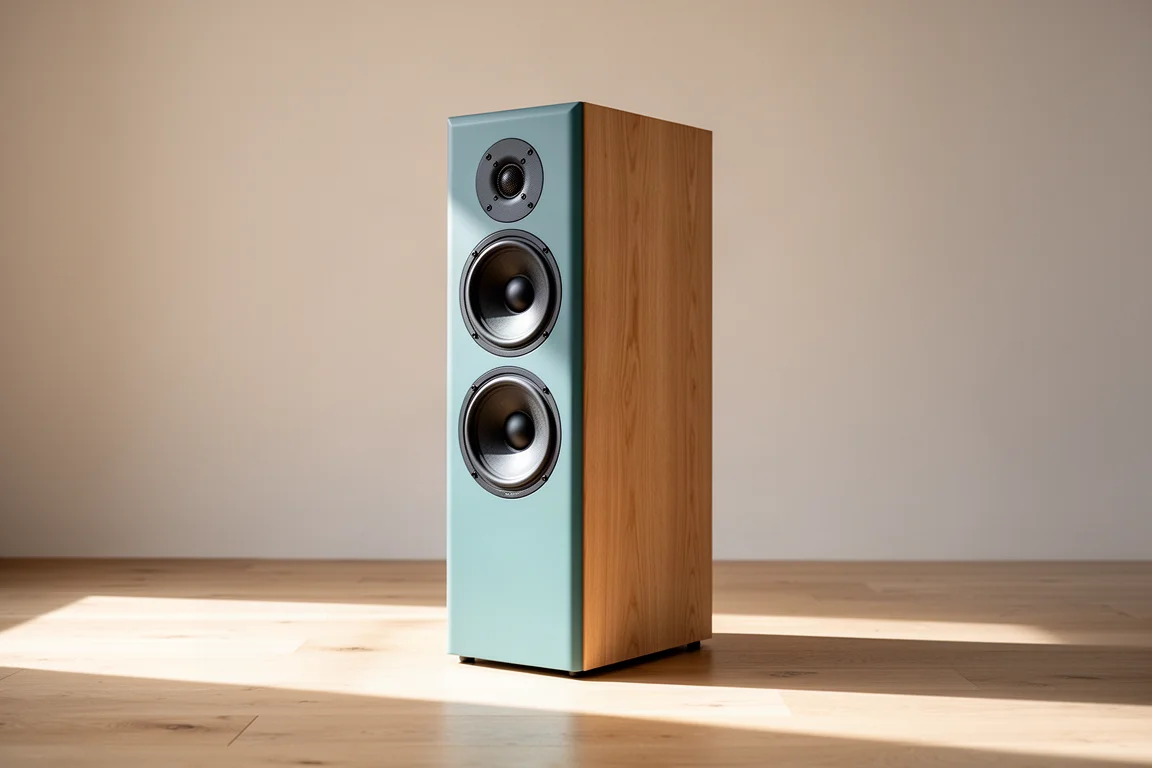
The Chora 816 takes the same sweet, restrained tweeter and places it in a floorstanding cabinet that sounds like a larger version of the 806. It is comfortable with both music and film, and the matching center channel blends with it cleanly for home theater use.
It usually sells for $1,500 to $1,600 or more, but the entire Chora line is currently discounted, and the 816 can be found for under $1,000. That pricing is expected to hold for another month or two, with the sale stretching toward the end of the year.
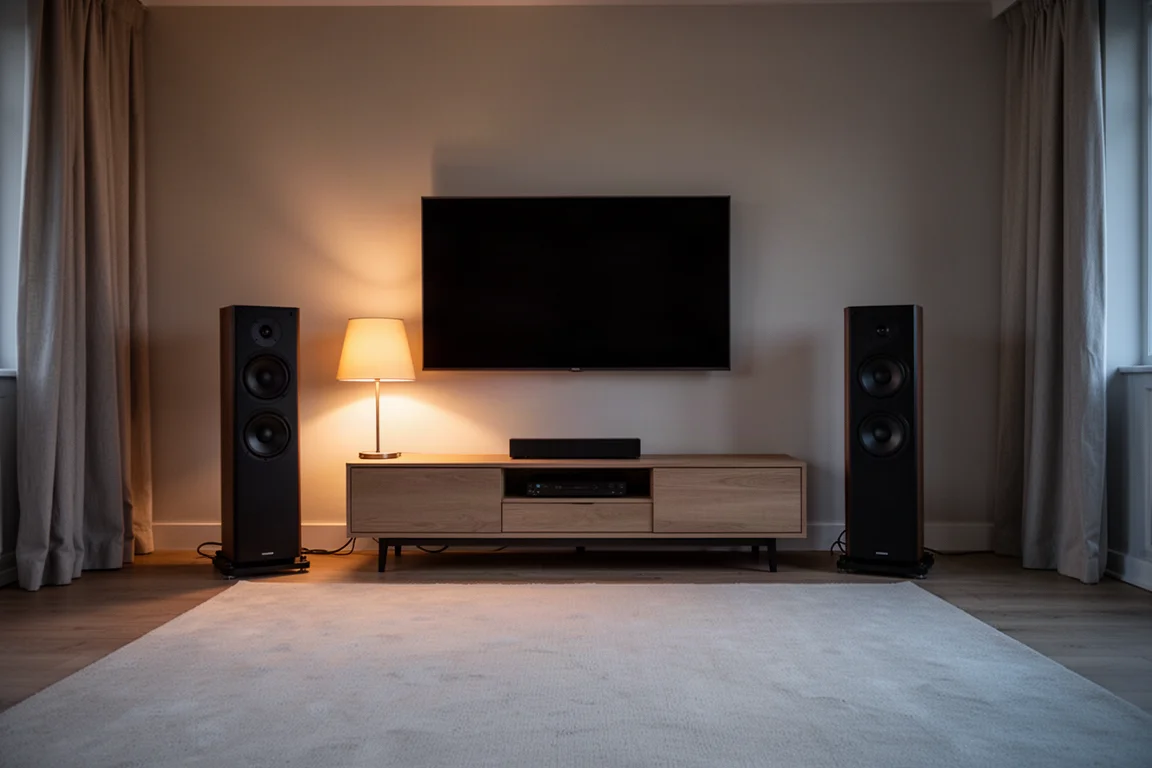
Power requirements are modest but not trivial. It does not need a huge amplifier, but it benefits from a little more current than something like the Naim Unity Atom provides, even though that pairing still works well. One version of the Chora adds upward-firing Dolby Atmos modules to the top of the cabinet. That variant is best avoided; a proper overhead speaker installation will do the job better.
Matching These Speakers to Amplification
Amplifier matching is where these four separate most clearly. The Diamond 12.3 is the safest option for almost any amplifier, and it has a natural affinity with Audiolab, NAD and Croft designs. The 3050i will run happily from a five or six watt tube amplifier, which makes it a good partner for low power valve setups.
The Chora models sit in the middle. Cambridge Audio’s CXA range is a strong match, and several Japanese AV receivers work well too, with the newer Marantz Cinema models looking like a particularly good fit for a Chora based surround system.
Buying Advice: Which Speaker Should You Choose?
If you want the speaker least likely to sound wrong with the amplifier you already own, the Wharfedale Diamond 12.3 is the straightforward answer. It is frequently discounted, and a sale price near $700 to $800 makes it an easy recommendation for a first serious system.
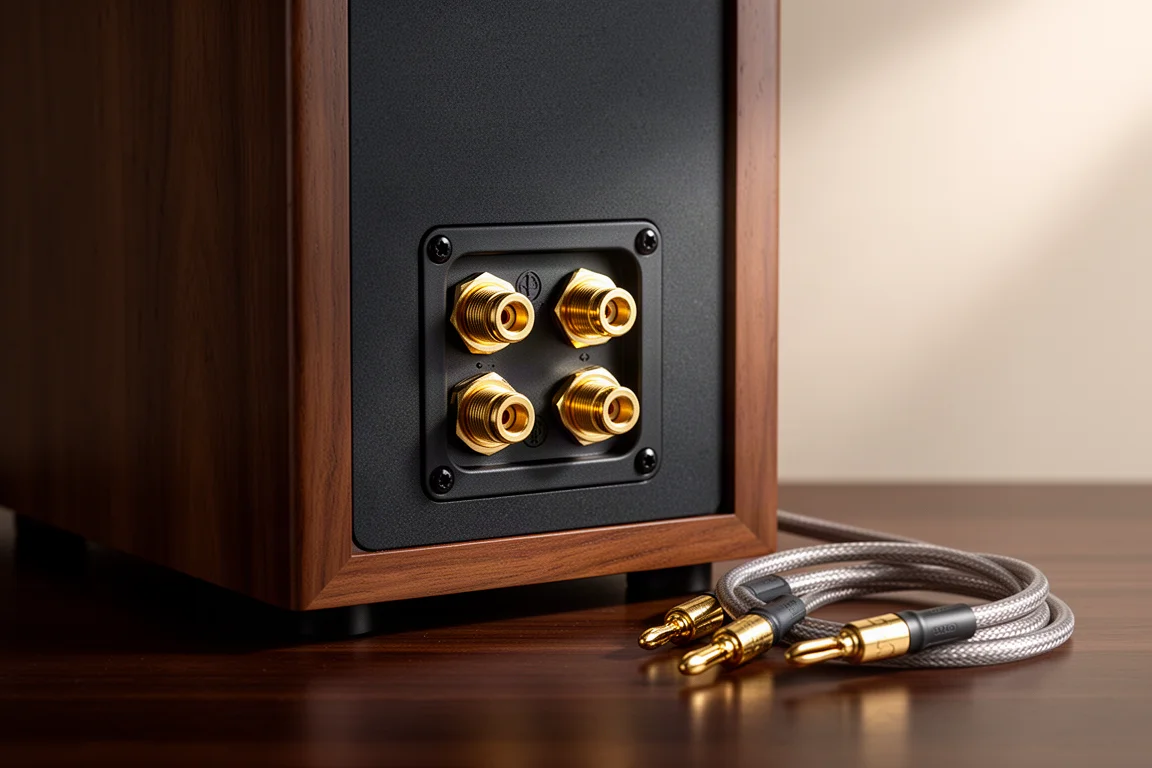
If bass output is the priority, the Q Acoustics 3050i delivers more of it than anything else here, and at under £500 in the UK it is exceptional value for a floorstander.
If you want the most complete all-round performer, the Focal Chora line is the strongest of the group, with a top end that is noticeably sweeter than other Focal designs. At its usual price the 816 is a harder sell, but under $1,000 during the current sale it becomes one of the more compelling options in this bracket. The 806 is the better choice if space is limited and you do not need deep bass.
Conclusion
Each of these speakers solves a slightly different problem. The Diamond 12.3 removes amplifier anxiety, the 3050i maximizes bass for the money, and the Chora models offer the most refined treble of the group. Match the speaker to your room and to the amplifier you already own, and any of the four will reward the purchase.
Further reading
Related Reviews
Hi-Fi Speakers
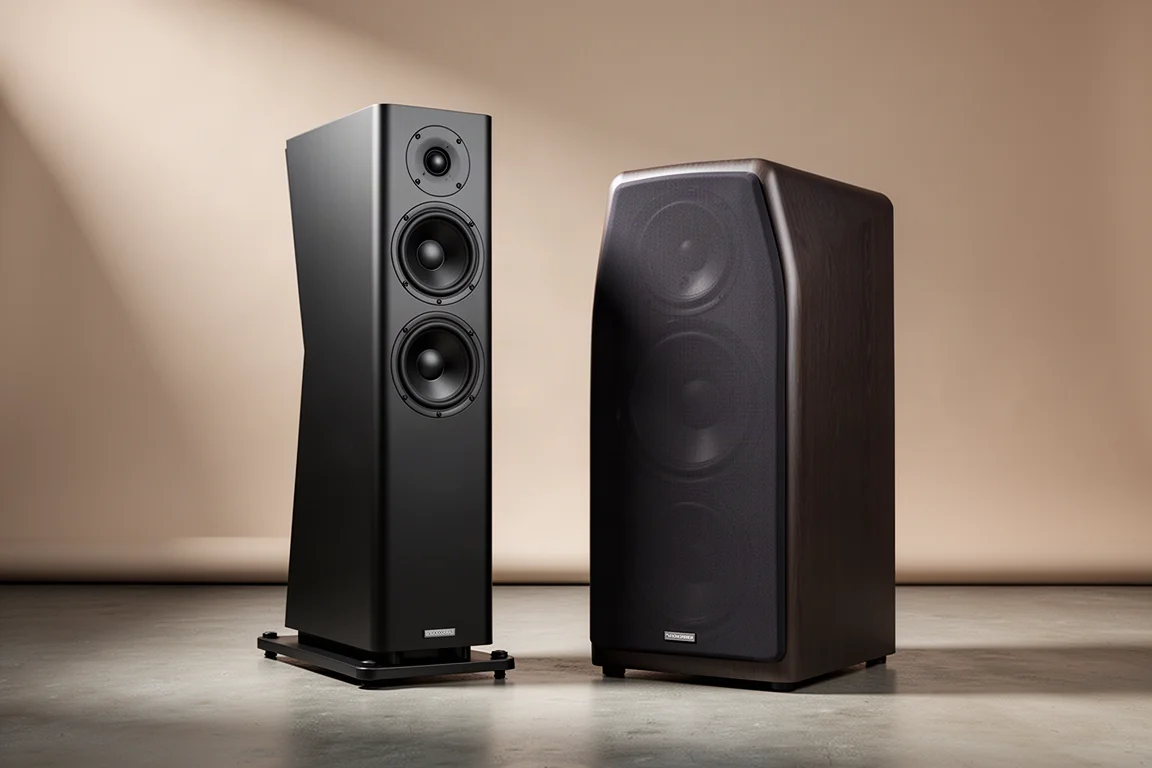
1723 THX Tower vs 1528 Bookshelf: Which Speaker Fits Your Room?
Two speakers at roughly the same price, built very differently. How the 1723 THX tower and the 1528 bookshelf compare on construction, bass, power needs, and sound.
Hi-Fi Speakers
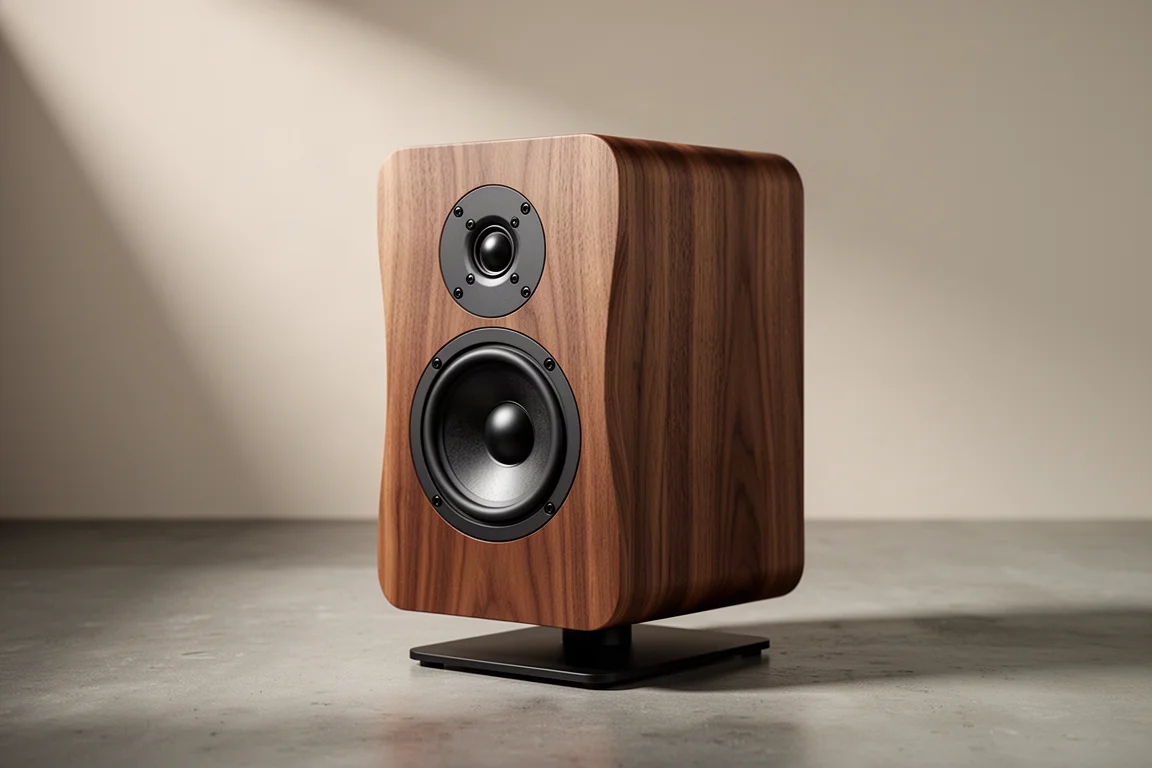
Acoustic Energy AE 300 Review: Deep Bass From a Compact Standmount
A two-way standmount with real wood veneer, surprising low-end weight, and a warm, easygoing character. Here is what to know before buying.
Hi-Fi Speakers
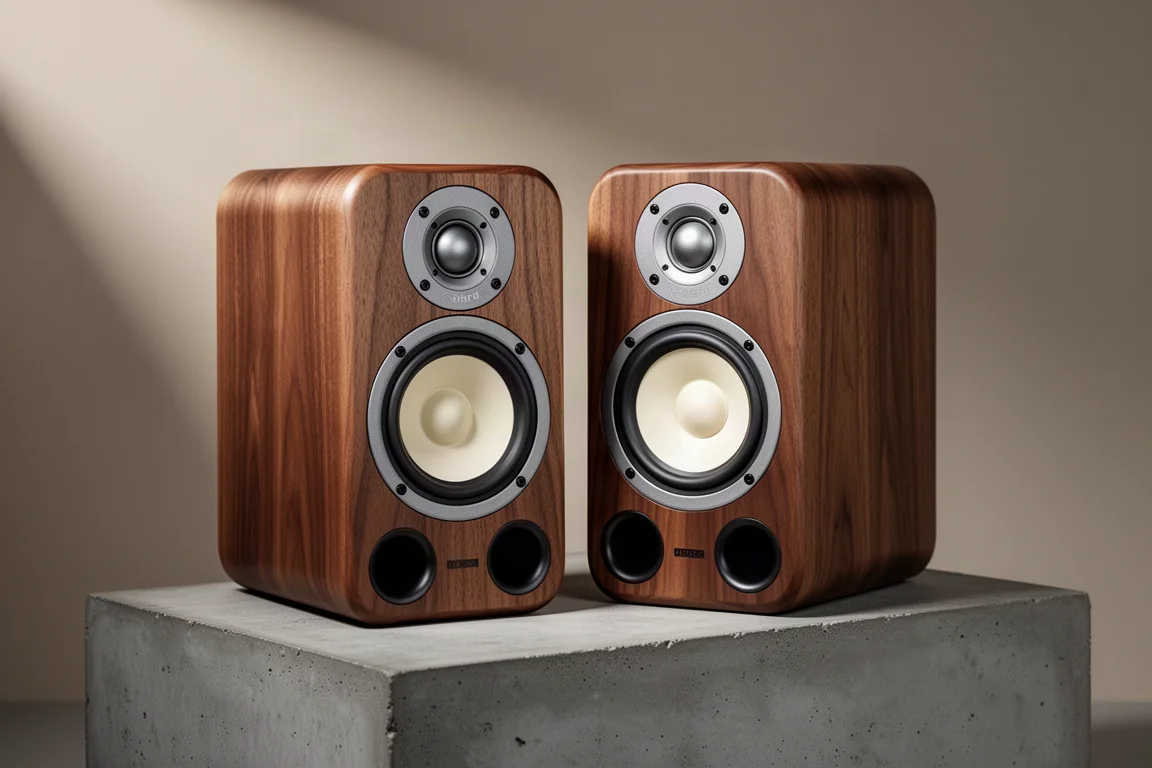
Acoustic Energy AE1 40th Anniversary Review: A Modern Take on a British Classic
A compact standmount that revives a 1980s favorite with all-new parts, a warm mid-centric balance, and a price of £1,499 per pair.