Mountain Bikes
Best Value Enduro Bikes 2026: Six High-Value Rigs Worth Considering
Six enduro bikes that deliver serious descending capability for the money, with the trade-offs worth checking before you buy.
Introduction
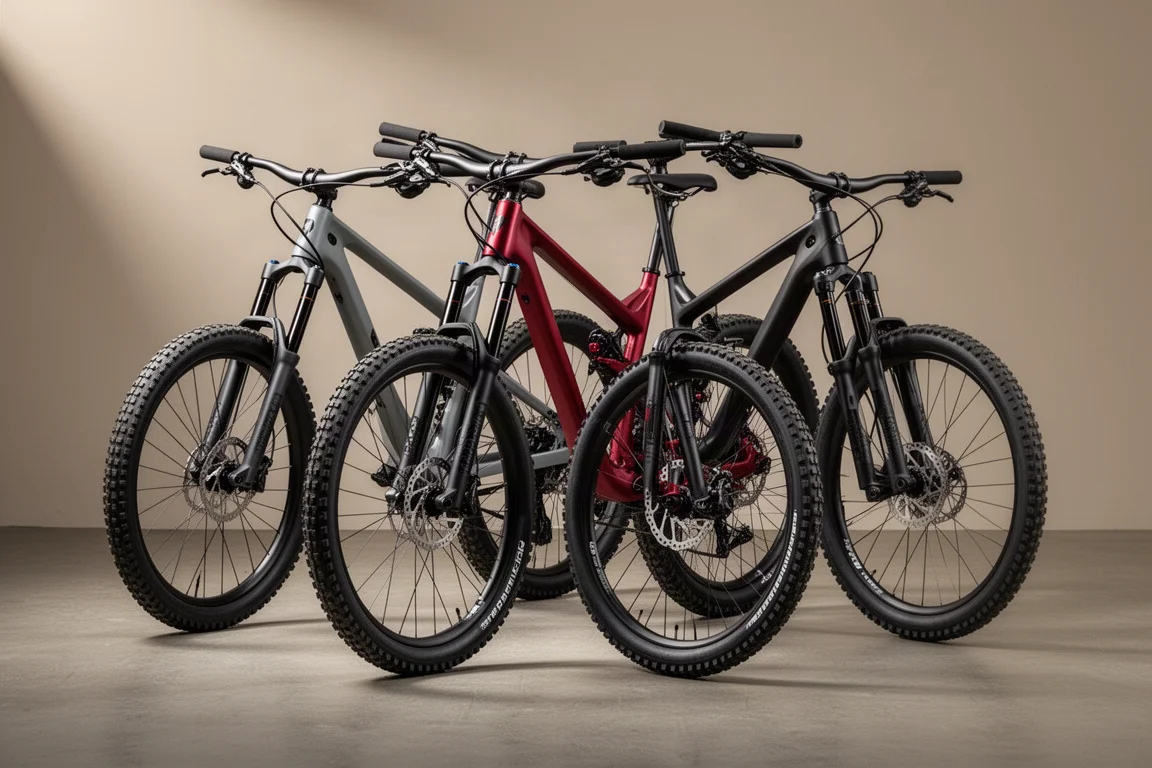
Enduro bikes are the closest thing mountain biking has to a do-it-all machine. With 150 mm of travel or more, 29-inch or mixed wheel setups, and frames built to take a beating, they are designed to descend long trails at speed and then climb back to the top for another run.
At the top end, enduro bikes can come with electronic gearing, electronic dropper posts, and even electronic suspension, often wrapped in carbon frames. That combination makes them extremely expensive. Entry-level enduro bikes are not exactly cheap either, because they are expected to provide massive performance at a price that stays within reach.
That is a genuinely difficult balance to strike. The six bikes below are the ones that stand out for value. That does not mean they are the cheapest, but each of them offers a serious amount of capability for what it costs.
What Makes a Good Value Enduro Bike
When you compare enduro bikes at this price point, a few things matter more than the badge on the down tube.
Travel sets the tone. Around 150 mm front and rear puts a bike in lighter enduro territory, while 170 mm is the more common figure for bikes built for rough terrain and big hits. More travel usually means more weight and more cost, so the sweet spot depends on where you actually ride.
Geometry is the next thing to check. A slack head angle, typically between 63 and 65 degrees, keeps the front wheel calm at speed, while a steep effective seat tube angle, often around 76 to 78 degrees, keeps you balanced and efficient on the climbs. Reach matters too, because a longer front centre adds stability but changes how the bike fits.
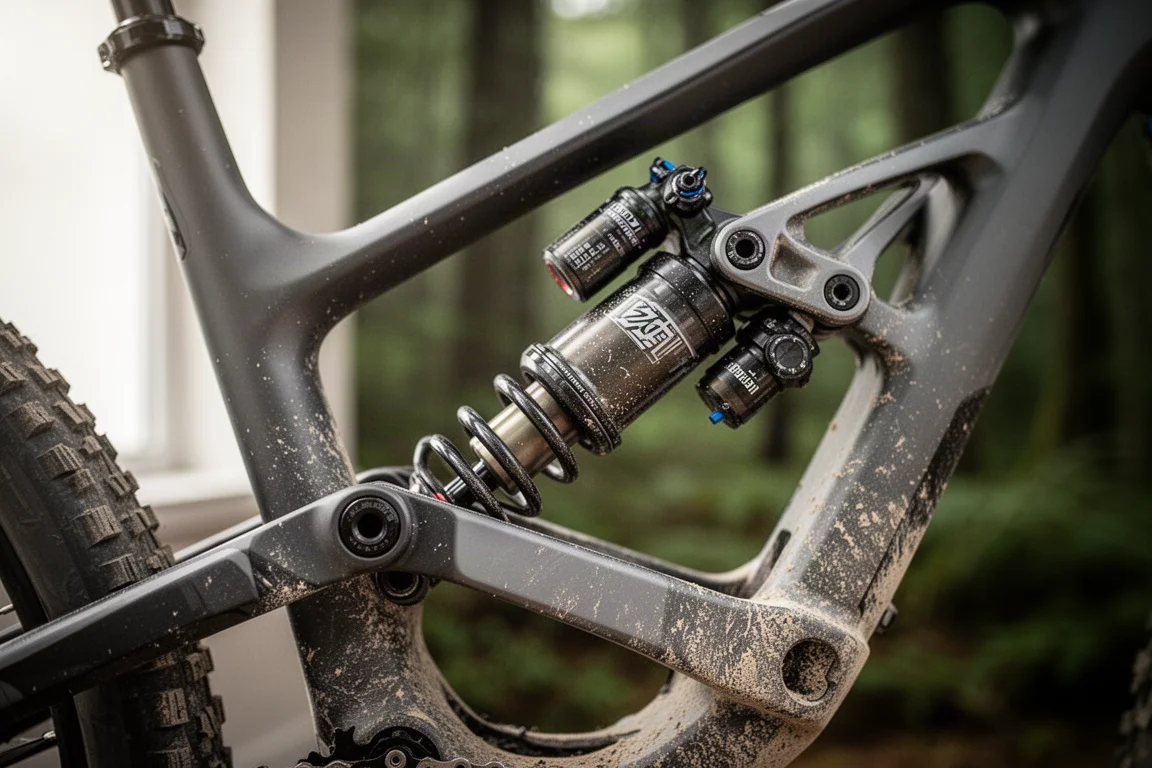
Suspension chassis quality is worth more attention than the number of adjustment dials. A well-damped fork and shock from a known range will usually outperform a fussier, lower-quality unit, and it can save you an expensive upgrade later.
Brakes and tires are where value is often won or lost. Four-piston brakes with large rotors, and a set of proven tires with a tougher casing at the rear, are signs that a bike was specced by people who ride it hard.
Finally, look at sizing and dropper post travel. Enduro bikes are ridden in attack position, so a frame that fits properly and a dropper with enough drop will do more for your riding than a fancier drivetrain.
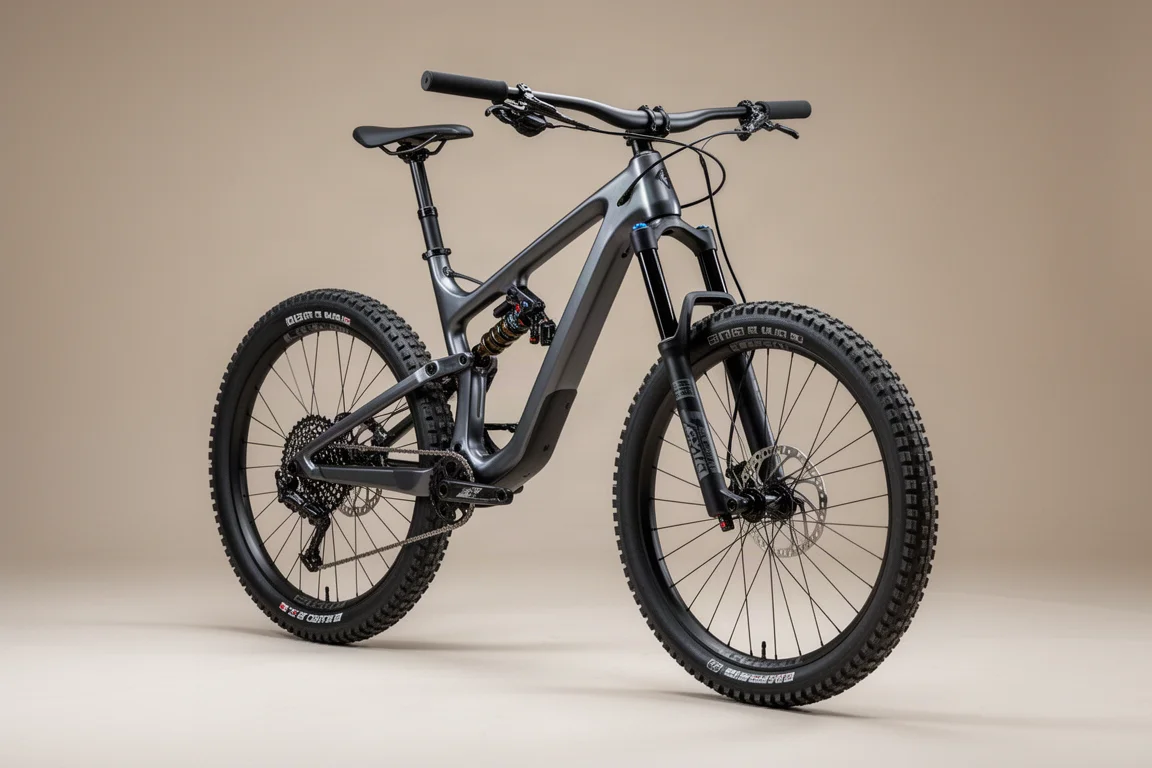
Specialized Status 160
The Status 160 is built on a seriously solid foundation. It uses Specialized M5 aluminium and the brand’s FSR H-link suspension design, the same layout found on its more expensive trail and enduro bikes. A Float X shock with a climb lever handles the rear, paired with a proven 36 Rhythm fork with 160 mm of travel, rebound adjustment, and a low-speed compression adjustment knob.
Geometry is progressive, with a slack 63.2-degree head angle and a steep 76-degree effective seat tube angle. Reach measures 487 mm on the S4 size, which is well aligned with modern mountain bike fit. The short 426 mm chainstays, which stay the same length across the whole size range, make for a lively bike with a long front centre, though they can affect balance in corners on the largest sizes.
The details are current: cables routed internally, including the one for the X-Fusion dropper post with its generous 170 mm of drop on S3 to S5 sizes, a Specialized Body Geometry saddle, an 800 mm bar, and a 40 mm stem.
The drivetrain is a full SRAM NX Eagle 12-speed setup with a wide-range cassette and an easy climbing gear. Braking comes from four-piston SRAM Code RS brakes with 200 mm rotors front and rear, and the bike rolls on Specialized’s own wheels with DT Swiss spokes and Boost-width hubs, wrapped in Specialized Butcher tires. Depending on where you live, the Status 160 could be found for around $3,000, and it is still listed on some regional sites even though it has technically been replaced.
Specialized Status 2 170
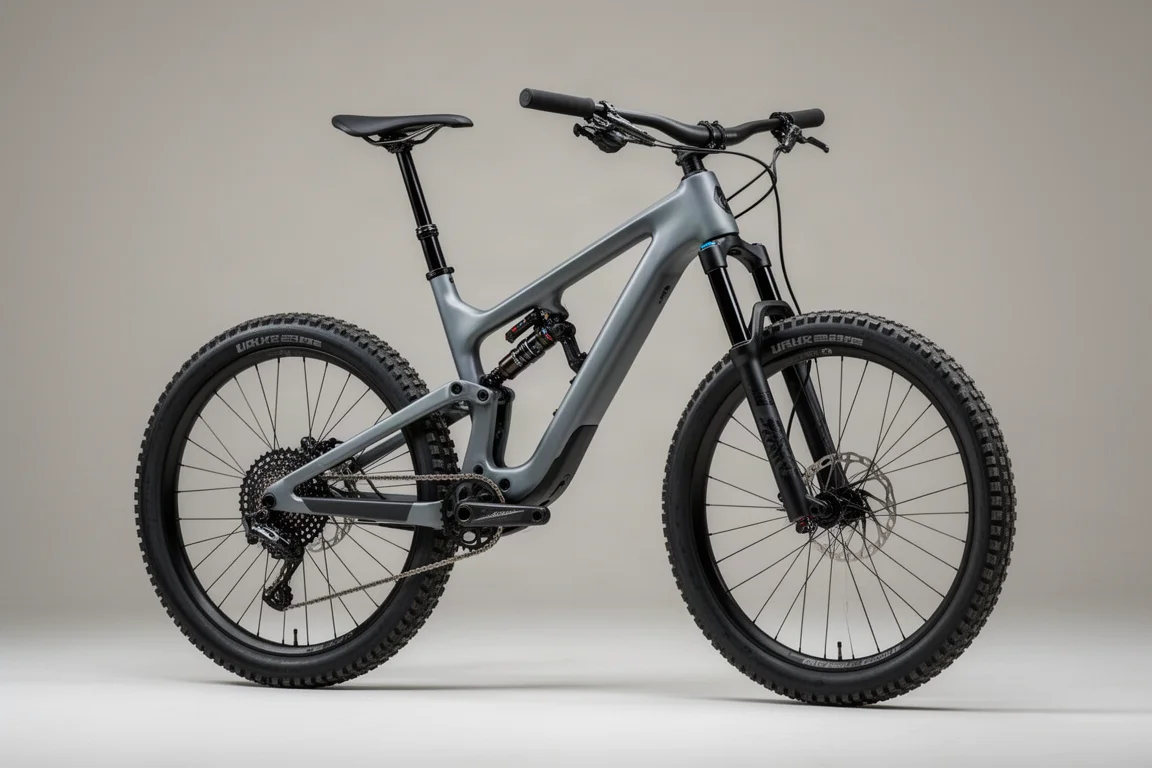
Specialized recently updated this big-hitting platform, and the Status 2 170 is the headline act. It takes the same aggressive intent as the Status 160 and steps the travel up to 170 mm, which makes it the more capable option for steep, rough descents.
On paper it looks like a top performer: an updated frame, mixed wheel sizing, and a build that leans on high-quality suspension components that offer real performance on the trail. The 170 mm travel figure puts it squarely in the territory of bikes built for long descents at speed.
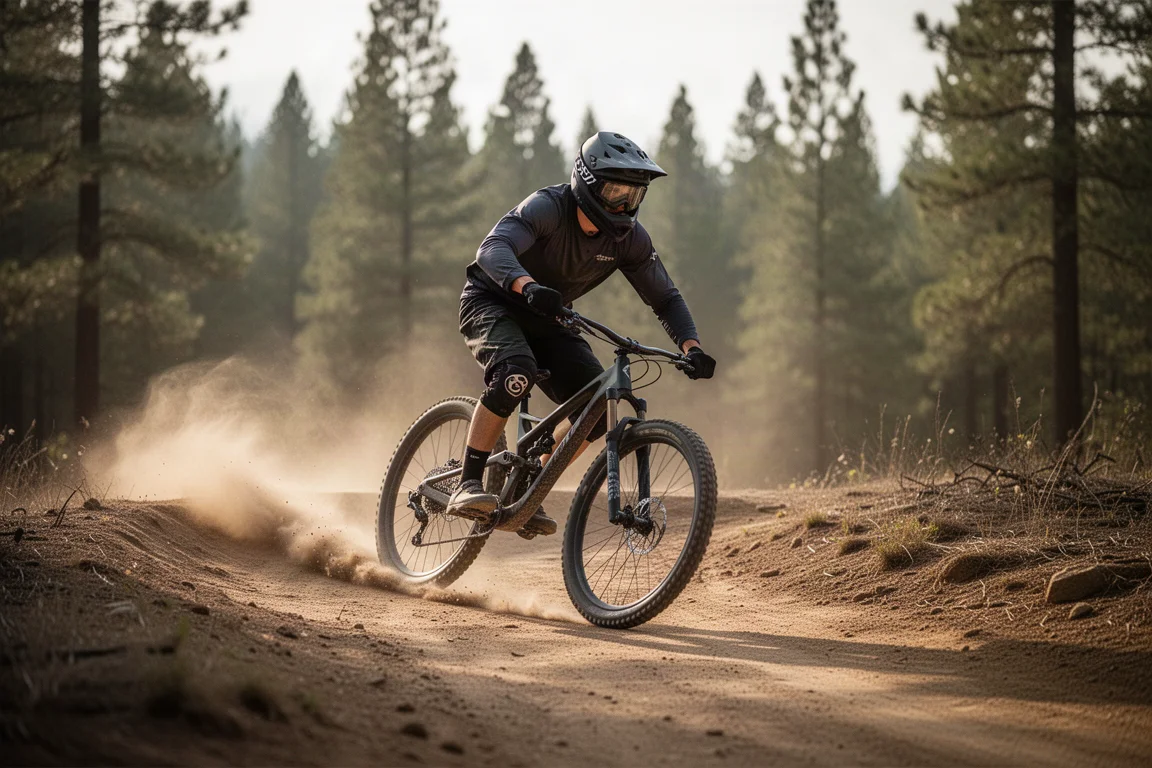
The price is where it gets interesting. At $3,500, or around £3,000, the Status 2 170 is impressive value for the amount of bike on offer, and it sits at the sharper end of the current enduro market. If you are weighing up the two Status models, the 160 is the one to hunt for if you can still find it at a discount, while the 170 is the more straightforward buy for riders who want maximum travel from the current line-up.
Canyon Spectral AL 5
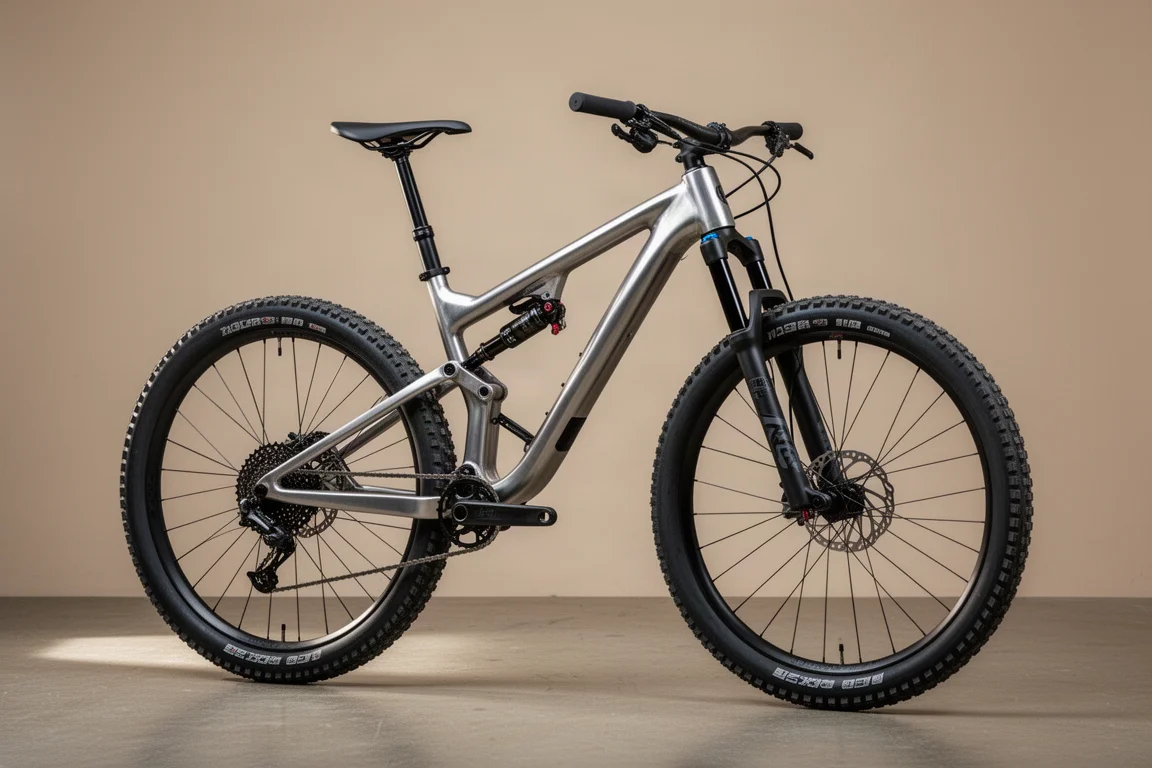
Canyon’s Spectral AL 5 earns its place on price as much as on performance. Starting at $2,499 with 150 mm of suspension front and rear, it is set up for light enduro riding rather than the roughest terrain.
The aluminium frame has well-sorted geometry. The extra small and small sizes run 27.5-inch wheels with a 64.5-degree head angle, while medium to extra large use 29-inch wheels and a slightly slacker 64-degree head angle. Reach measures 480 mm on the large, and the steep 76.5-degree seat angle should keep you balanced on the climbs.
Rear suspension uses a four-bar Horst link, a trusted design also found on much more expensive bikes. Cable routing is a practical compromise: internal on the front triangle and external on the rear triangle, which makes life easier for home mechanics.
The build is equally considered. Up front is a RockShox 35 Silver TK fork with 150 mm of travel, a Solo Air spring, and the Motion Control damper, with externally adjustable rebound and a lockout. The RockShox Deluxe Select shock uses a high-volume DebonAir air spring with 15 clicks of low-speed rebound adjustment and a two-position compression adjustment, so the chassis should not need upgrading soon.
The drivetrain is SRAM Eagle SX 12-speed with a wide-range cassette, and SRAM DB8 four-piston brakes with 200 mm rotors front and rear underline the descending focus. RaceFace AR30 wheels with Shimano hubs carry Maxxis Minion DHR II tires, with EXO casing up front and the tougher EXO+ casing at the rear where it is needed most. A Canyon G5 stem and 780 mm bar, an Iridium dropper post, and an Ergon saddle complete the package. The claimed weight is 16.68 kg.
Canyon Torque 5
If you want more travel and more capability from Canyon, the mixed-wheel Torque 5 fits the bill. At $2,899 it costs more than the Spectral AL 5, and here is what that extra outlay buys you.
Travel goes up by 20 mm front and rear. The aluminium frame delivers 170 mm at the rear, matched by a RockShox ZEB fork with 170 mm of travel and beefy 38 mm stanchions. The ZEB Select is air sprung and uses the proven Charger RC damper with low-speed compression and rebound adjustment.
Geometry is aggressive, with a 63.5-degree head angle and a steep 78-degree effective seat tube angle. Reach is generous at 485 mm on the large and 510 mm on the XL, which makes it a strong option for taller riders, though there is no extra small size for smaller riders.
Despite the extra travel, Canyon claims the Torque 5 weighs less than the Spectral, at just 16.2 kg, which is impressive for a bike this capable. Shimano Deore M6120 four-piston brakes with a 220 mm front rotor help keep heat buildup under control on the longest descents.
Whyte T-160 RS
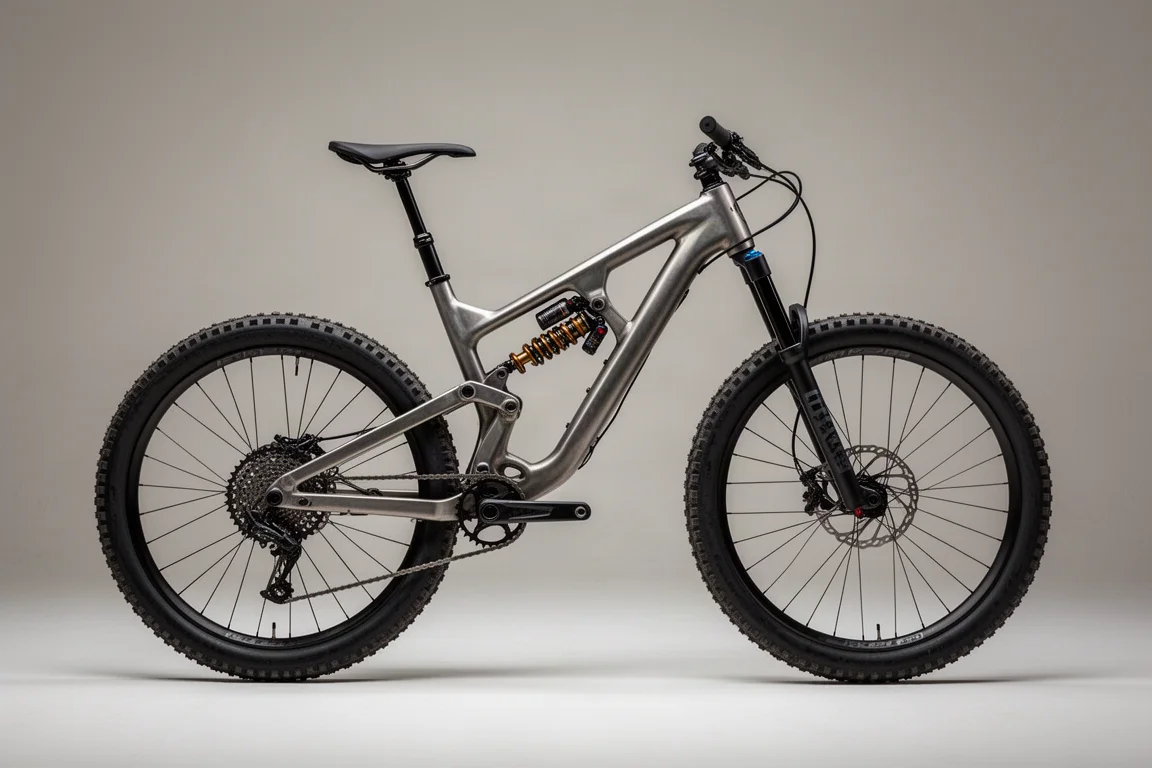
The Whyte T-160 RS is a 150 mm aluminium enduro bike that punches well above its price. At £3,000 it is not cheap, but it is hard to find a bike that ticks as many boxes.
The frame uses a Horst link suspension design and offers adjustable geometry through the shock link. That changes the head angle from 64.7 degrees to a slacker 64.1 degrees, and the bottom bracket height from 345 mm to 337 mm, so you can tune the bike to the terrain in front of you.
There are three sizes: medium, large, and extra large. Reach measures 478 mm on the large, which is right on trend, and the complete bike weighs around 16 kg in that size.
The specification is where the T-160 RS really stands out. The fork is a RockShox Lyrik Ultimate with a Charger 3 damper, and the shock is a Super Deluxe Ultimate, the highest-specification options RockShox offers. Both have adjustable rebound and independently adjustable high and low speed compression, plus a lockout to help on the climbs. The drivetrain is SRAM GX Eagle with 12 speeds, and SRAM Code R four-piston brakes clamp large 200 mm rotors.
Tires are Maxxis 3C triple compound models: an Assegai up front and a Minion DHR II at the rear in the tougher EXO+ casing, mounted on Race Face AR30 wheels. Whyte’s own bars, grips, saddle, and dropper post take care of the cockpit.
One important caveat: the T-160 RS is not available in the United States. Riders in Canada can pick one up for CAD 5,340.
YT Capra Core 1
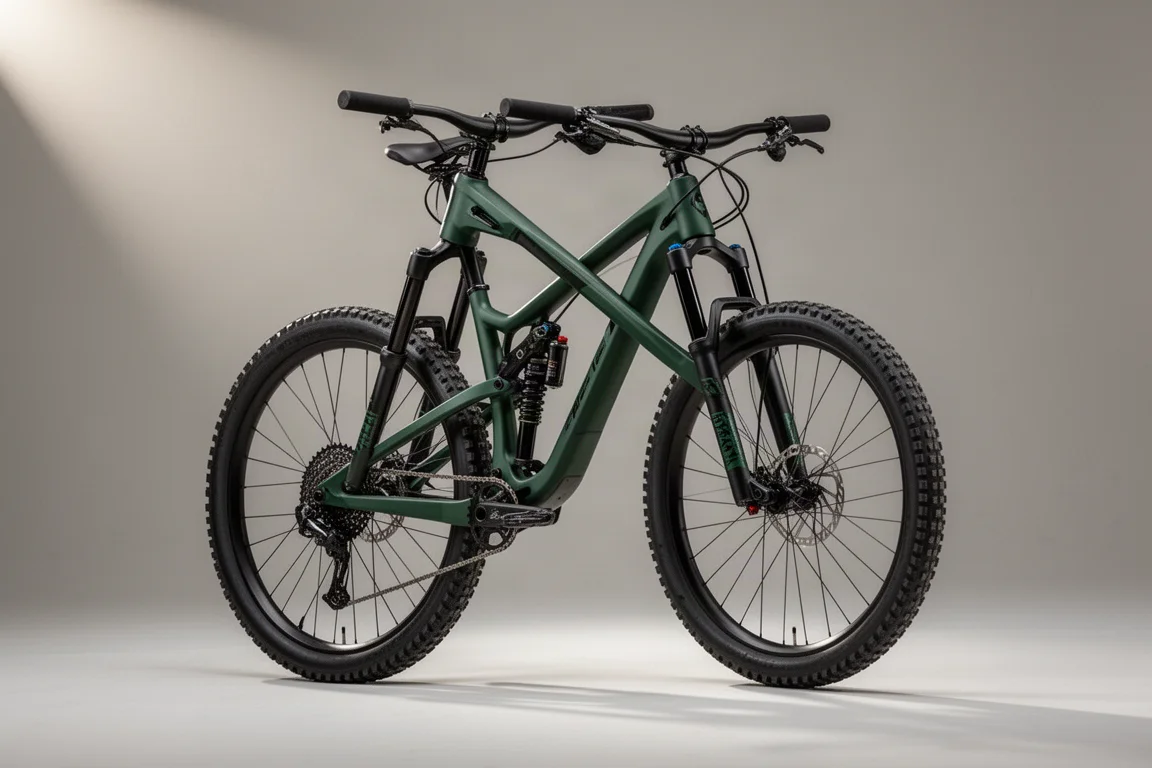
The Capra Core 1 is the cheapest model in the Capra range, and it borrows plenty from its more expensive siblings. Both the mixed-wheel and 29-inch versions list at £2,699 or $2,999, and they have been reduced further online, down to £2,499 and $2,399.
The aluminium frame offers 170 mm of travel and the same geometry as the more expensive carbon Capra models, with a 64-degree head angle and a steep seat angle in the low setting. Proportionally sized chainstays are impressive to see at this price, measuring 433 mm and growing to 438 mm on the XL and XXL sizes.
Sizing is a little surprising: reach is 464 mm on the large, which is on the short side for a modern enduro bike. The Capra is available in XL and XXL with 484 mm and 504 mm of reach, so taller riders or anyone chasing more high-speed stability can simply size up.
Suspension comes from a RockShox ZEB Base fork and a RockShox Super Deluxe Select R shock. Both provide a great chassis even though they lack some of the adjustment of the more expensive RockShox products. The drivetrain is SRAM NX Eagle 12-speed, and the cockpit uses an e*thirteen 800 mm wide bar with a 50 mm stem, which is on the long side.
Wheels are Sunringlé Duroc SD37 Comp, with a Maxxis Assegai up front and a Minion DHR II at the rear. SRAM DB8 brakes handle stopping, an SDG saddle sits on a YT Postman V2 dropper with 125 mm of drop on the small, 150 mm on the medium, 170 mm on the large and XL, and 200 mm on the XXL. A Thirstmaster 6000 bottle and cage are included in the price, and the claimed weight is 16.9 kg.
Overall Buying Advice
The right choice depends on where and how you ride, and on what you value most in a build.
For light enduro riding and the lowest entry price here, the Canyon Spectral AL 5 is the most cost-effective way into the category, with a chassis that will not hold you back as your riding progresses.
If you want maximum travel and a bike that can handle rough terrain and big hits, the Canyon Torque 5 and Specialized Status 2 170 are the obvious picks. The Torque 5 suits taller riders especially well, while the Status 2 170 brings updated geometry and mixed wheel sizing at a price that is hard to argue with.
Riders who want the best suspension specification for the money should look closely at the Whyte T-160 RS, provided it is available where you live. A Lyrik Ultimate and Super Deluxe Ultimate pairing is unusual at this price, and the adjustable geometry adds real versatility.
The YT Capra Core 1 is the value play if you want 170 mm of travel on a budget, and its XL and XXL sizes make it a good fit for riders who need a longer frame. If you can still find a Specialized Status 160 at a discounted price, it remains a strong all-round option.
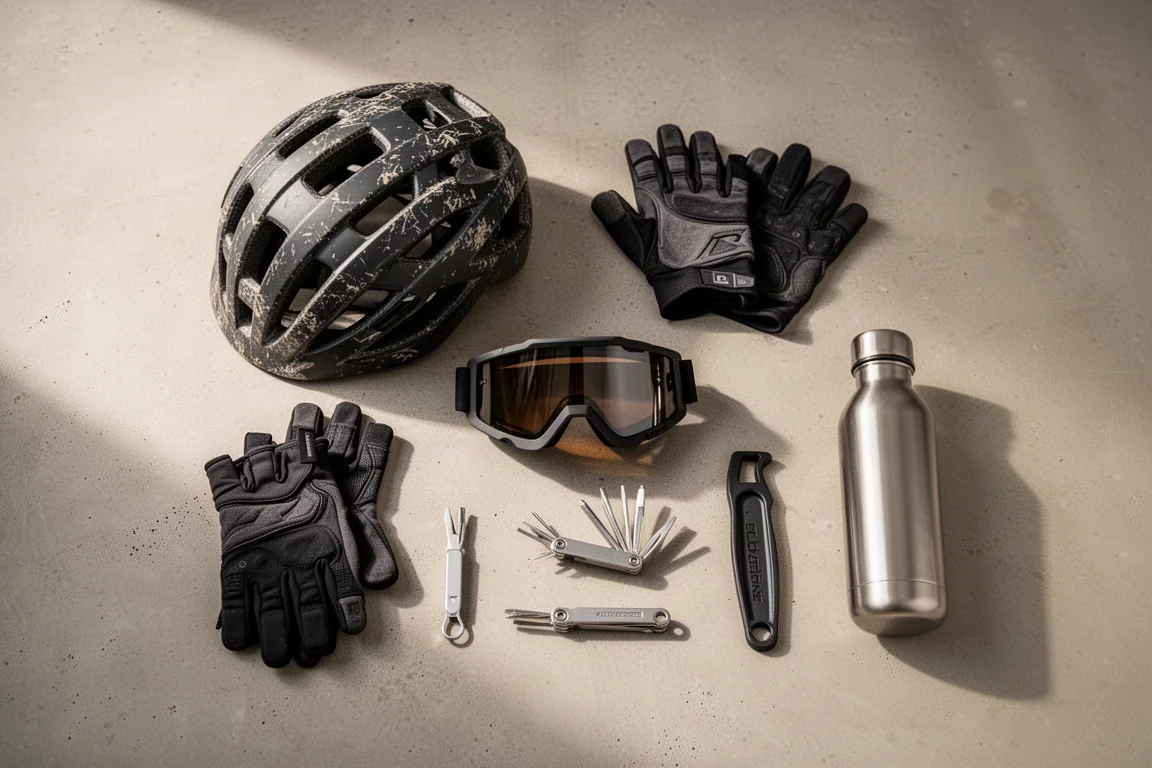
Whichever way you go, budget for the same essentials: a spare set of tires in a casing that suits your trails, fresh brake pads, and a shock pump so you can keep the suspension set up properly. Those small costs matter far more to how a bike rides than a slightly fancier groupset.
Conclusion
Value in enduro bikes is not about the lowest price tag. It is about how much capability, durability, and usable specification you get for your money. Every bike here delivers over 150 mm of travel, geometry built for descending, and components chosen with an eye on performance rather than marketing.
Match the bike to your terrain, your size, and the kind of riding you actually do, and any of these six will serve you well for a long time.
Further reading
Related Reviews
Mountain Bikes
Atherton AM.130 Review: 3D-Printed Titanium Lugs and a 130mm Trail Bike That Descends Like a Bigger Machine
The Atherton AM.130 pairs 3D-printed titanium lugs with carbon tubes and a DW6 suspension platform. Here is how it rides, what the build delivers, and who it suits.
Mountain Bikes
Beginner Mountain Bike Buying Guide: What to Look For in a Trailworthy Hardtail
A practical framework for evaluating beginner mountain bikes, whether new or used, by examining key components that indicate real trail capability.
Mountain Bikes
Best Aluminum Mountain Bikes 2026: Five Alloy Bikes Worth Your Attention
Five aluminum mountain bikes that show how far alloy has come, from a 120mm trail bike and a versatile machined frame to a 180mm freeride machine.