Backpacking Sleeping Pads
Best Value Backpacking Sleeping Pads 2026: Six Pads From Under $50 to Over $250
A price-band guide to six backpacking sleeping pads, from a $40 standout to a $250 comfort flagship, with the strengths and trade-offs of each.
Introduction
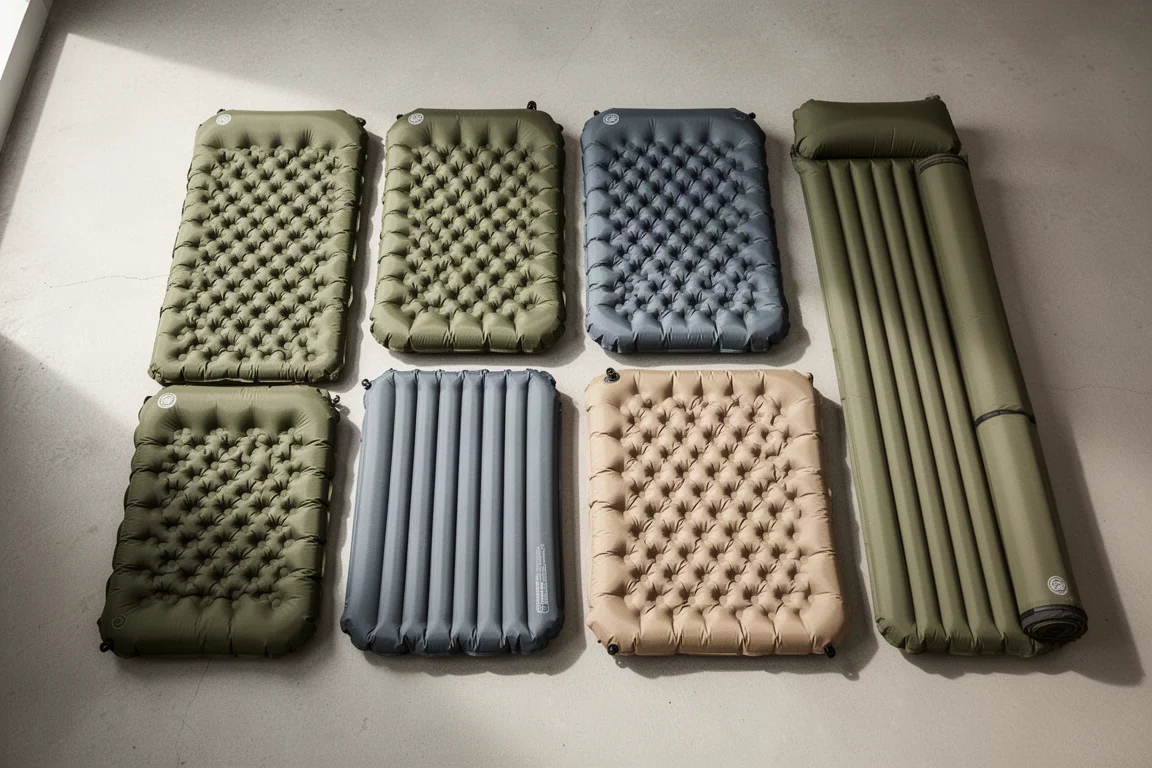
Sleeping pad prices span an enormous range. Basic inflatable pads can sell for around $20, while the most advanced models climb past $300. On the surface they all look like the same idea: fabric, baffles and air. The differences show up in warmth, comfort, packed size, weight and how well the pad survives seasons of use.
This guide works through six sleeping pads that span from under $50 to over $250, grouped by price band, and identifies the strongest option in each. It closes with the pads that deliver the best combination of price and performance, and with guidance on which one makes sense for different kinds of trips.
How Value Is Judged Here
Value here is not price alone. A cheap pad that sleeps cold is not good value, and an expensive pad that solves a problem you do not have is not good value either.
Each pad was weighed on four things: warmth, comfort, weight and packed size, with price measured against all four. The pads discussed below were assessed in the medium-wide size unless noted otherwise, since that is the size most backpackers end up choosing.
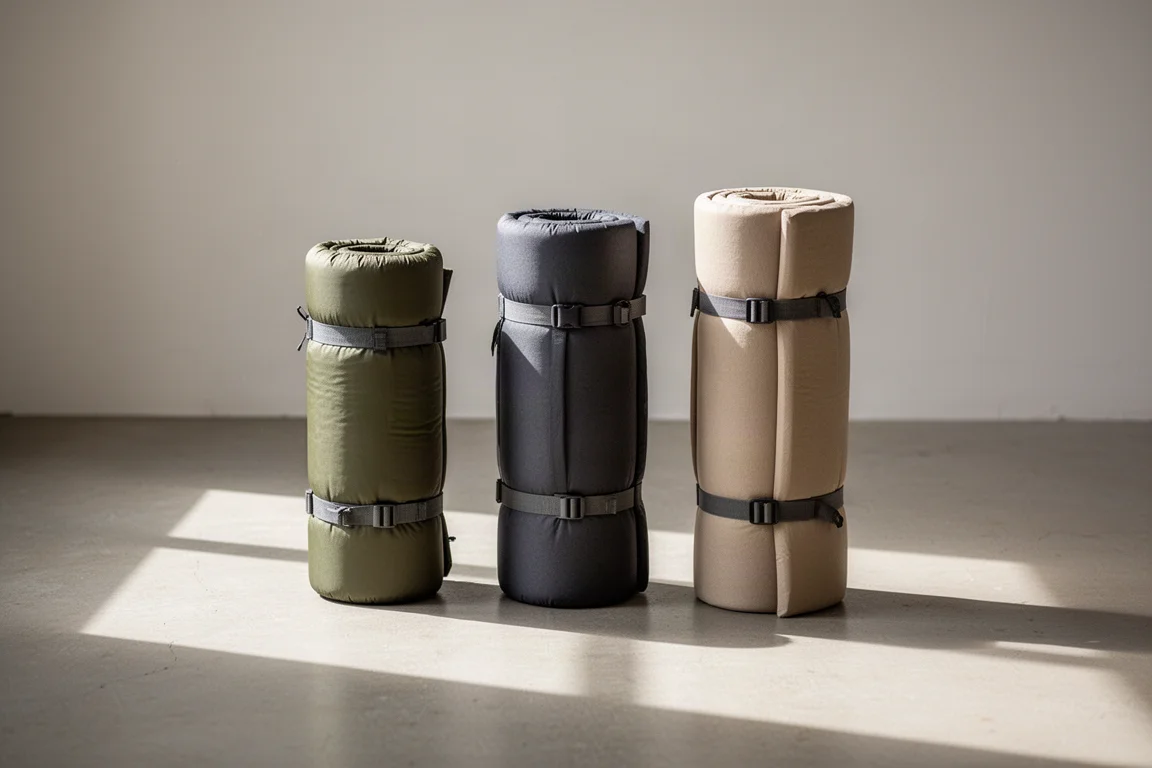
Two patterns are worth knowing before reading the picks. First, the trade-off between warm, comfortable and lightweight is real, and the cheapest way to manage it is usually to accept more weight or a thinner pad. Second, the features that separate the top price bands, such as stretchy top fabrics and sidewall construction, are genuinely harder to manufacture and harder to keep durable, which is why they rarely appear below the $200 mark.
Best Overall Value: Bestway RidgeRest
Under $50 the field is crowded with no-name pads, but one stands out clearly. The Bestway RidgeRest weighs around 700 g, sleeps warm below freezing thanks to reflective insulation on the inside, and uses a dimpled baffle pattern in which the raised sections act like small air springs and relieve pressure points.
It is also durable, which is not something usually expected at this price. The design is close enough to the REI Helix that the two are difficult to tell apart, with one meaningful difference: the RidgeRest puts the valve on top of the pad, which makes inflation easier and makes it simple to add or release a little air during the night without fully waking up.
The limitation is thickness. Sleepers above roughly 200 to 220 lb may find it too thin, while lighter users should find it comfortable, provided the pad is fully inflated. This is not a pad to under-inflate. At $40 it costs a fraction of the price of the pads it resembles.
Best Under $100: Naturehike 5.8
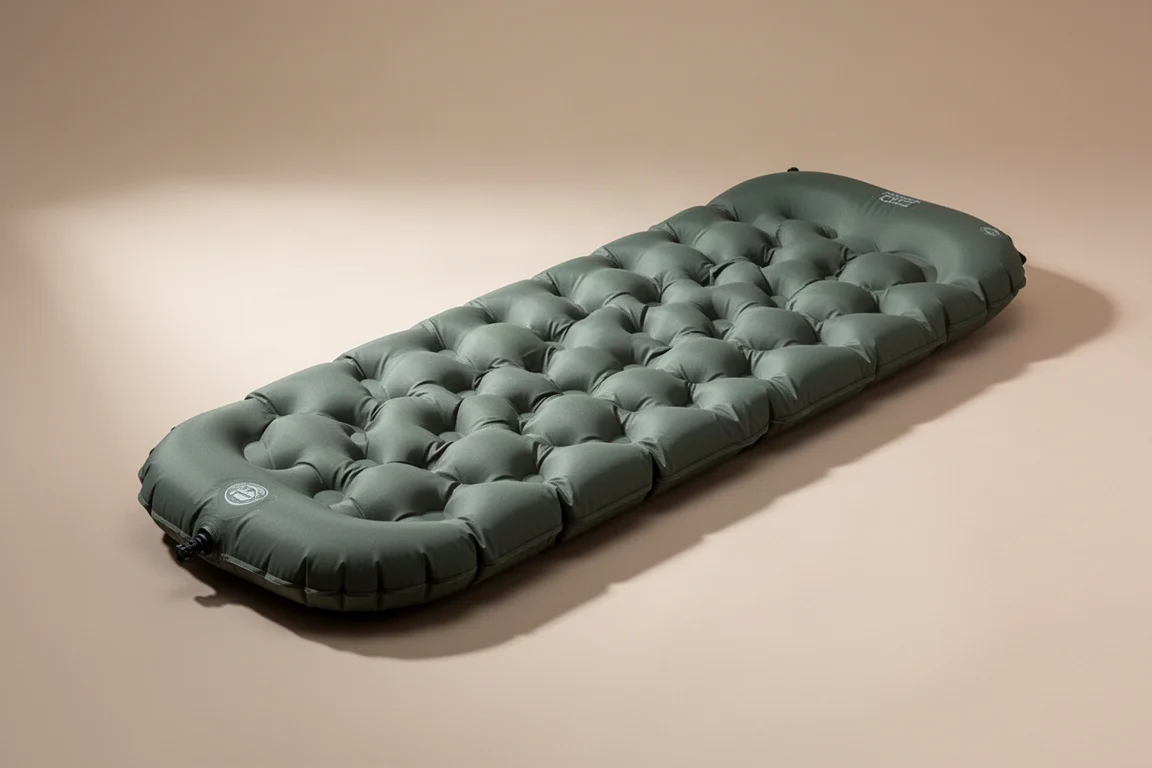
Under $100, brands such as Naturehike, Wind Cuester and Decathlon all produce pads that perform reasonably well in the backcountry. The Naturehike 5.8 takes the pick largely on weight: at $80 it weighs 594 g, making it one of the lightest pads under $100 while still sleeping warm below freezing with reflective insulation inside.
The baffling is dimpled and comfortable, though not quite as comfortable as the RidgeRest.
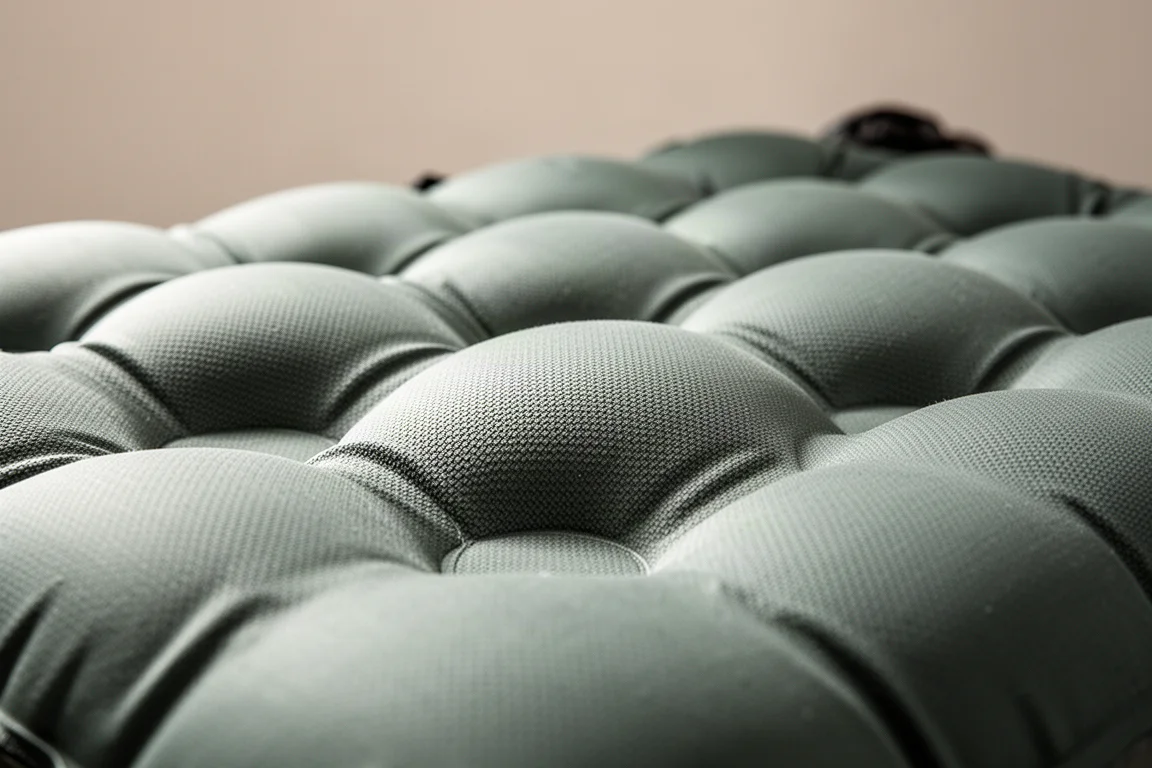
The compromise is thickness and overall comfort. This is the least comfortable pad in this guide. It is good enough for most trips, but the gap becomes noticeable next to the thicker, more expensive pads further down the list.
As with the RidgeRest, sleepers above roughly 200 lb may find it too thin. For anyone counting grams on a budget, that is a reasonable trade.
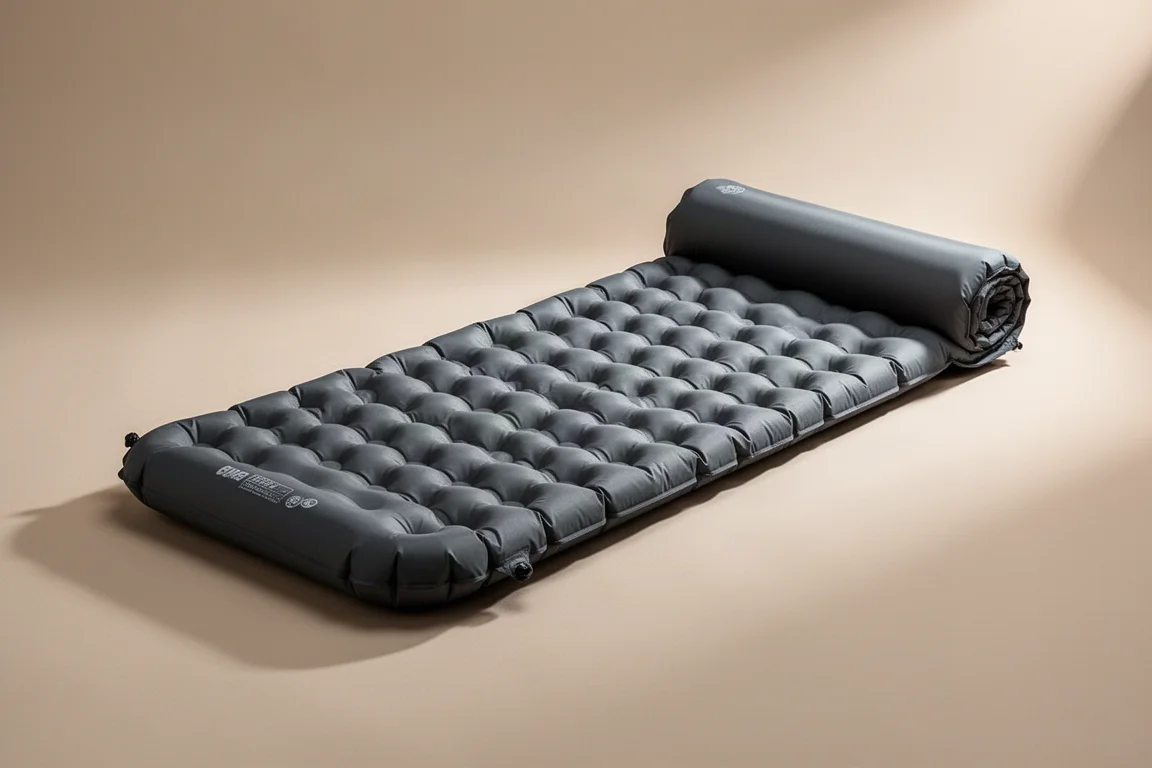
Best Comfort Value: FlexTail Tiny R05
The $100 to $150 band is where pads start hitting warm, light and comfortable at the same time. FlexTail, OneTigris, Paria and Sea to Summit all compete here, and the FlexTail Tiny R05 takes the pick.
It is closely related to the Paria Elevate XL, which costs a little more and weighs a little more at 595 g. Where two pads are this similar, the cheaper one wins. Both are warm below freezing and extremely comfortable: a 4-inch thickness, raised outer baffles that keep you centred and stable, and slightly dimpled vertical baffles for pressure relief. Because the pad is so thick and stable, releasing air does not make it feel like you are lying on a balloon, and the top-mounted valve makes those adjustments easy.
At 584 g the FlexTail also packs down small for its comfort level. The main drawback is price. FlexTail is known for affordable gear, and $130 is more than that reputation would suggest. That is true across this price band, where brands are adding more technology and pushing past $100 while still undercutting mainstream pads from Therm-a-Rest, Exped and Nemo.
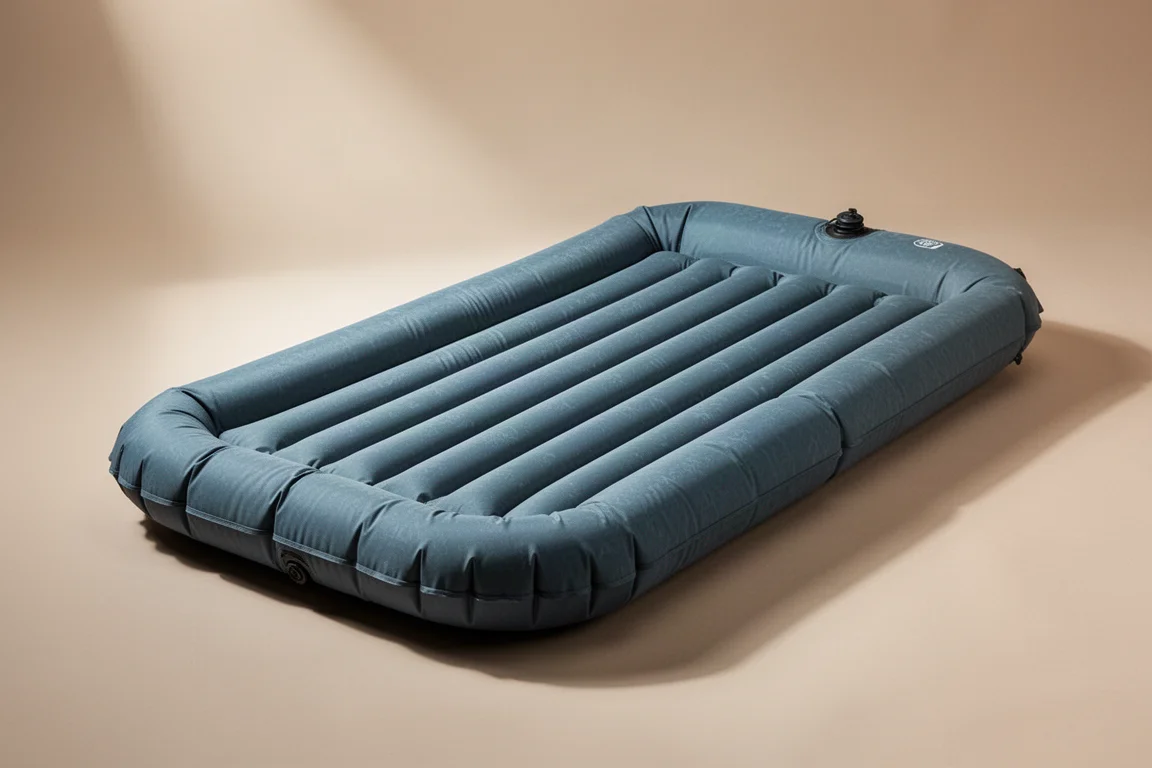
Best in the $150 to $200 Range: Nemo Eclipse
The $150 to $200 band brings in Nemo, Big Agnes and REI, and it is where patents and proprietary construction start to separate pads from the cheaper models. The Nemo Eclipse wins here.
It is very similar to the FlexTail Tiny R05 and the Paria Elevate XL, and it shares their thick, stable feel, but it holds its stability better when partially deflated. At around 70 percent inflation it stays noticeably more planted when you move around, which suggests something different in the internal baffling.
The trade-off is warmth. Nemo did not run the reflective insulation all the way to the edges of the outer baffles, so those outer chambers are uninsulated. The pad has a high R value but does not sleep anywhere near what that number would suggest, and it stays comfortable down to roughly -2 degrees Celsius on warm ground. Nemo has said the insulation will extend to the edges of the outer baffles for 2027, but that is not the pad on sale now.
For trips that stay above freezing, the extra stability and comfort make it a strong choice. For genuinely cold nights, the Exped below is the safer pick.
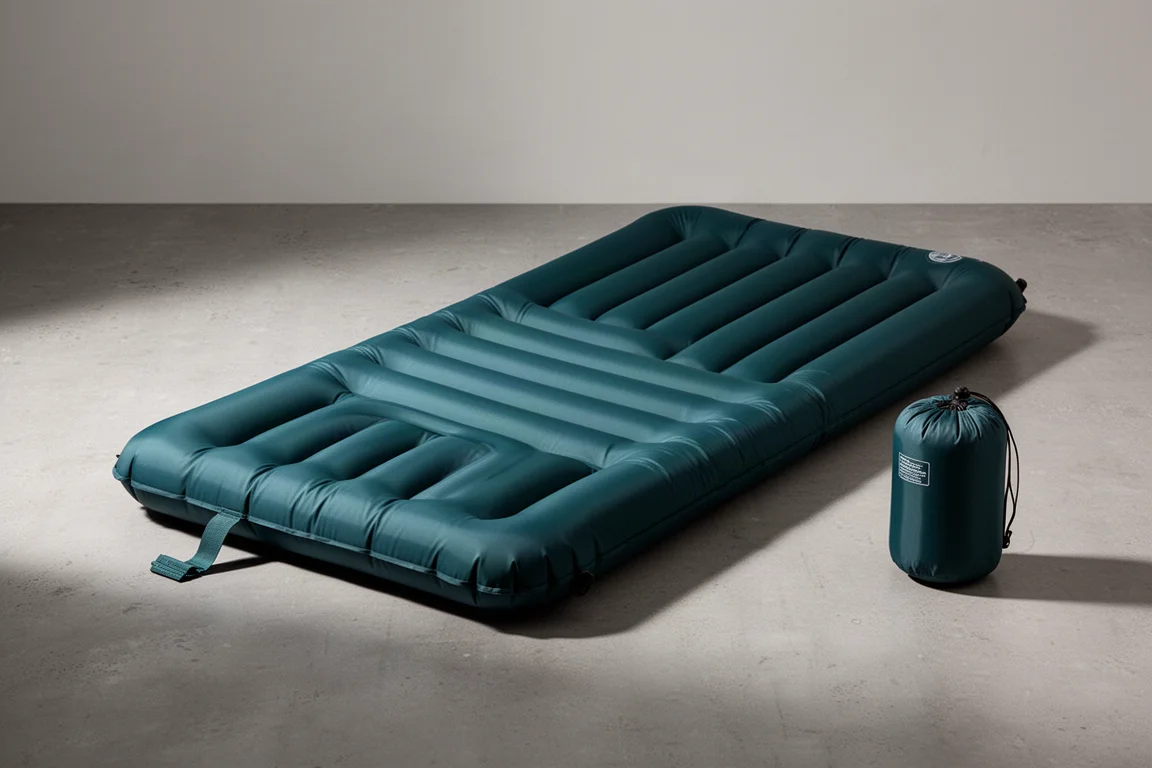
Best Ultralight Value: Exped Ultra 6.5R
Above $200 the compromises largely disappear. Therm-a-Rest, Exped, Big Agnes, Nemo and Sea to Summit all have pads in this band, and the Exped Ultra 6.5R takes the pick ahead of the Nemo All Season.
At around 550 g in the medium wide, it is very light, and it is warm: a very high R value and comfort down to roughly -6 degrees Celsius on fairly cold ground. Vertical baffles give good pressure relief, and a slightly stretchy top fabric makes it more comfortable still. That stretchy surface is one of the features that keeps pads in the $200 and above range, since those materials are difficult to work with and difficult to keep durable.
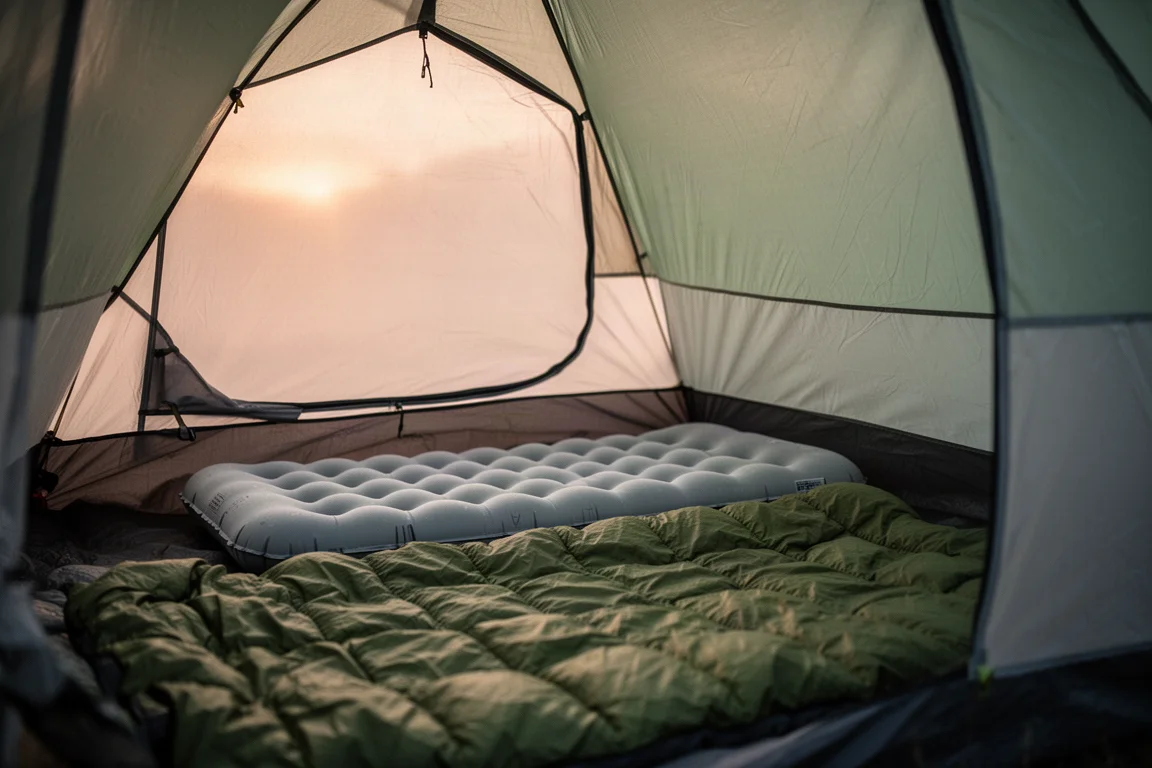
At $200 it sits at the bottom of its price band, which matters, because the same pad closer to $250 would be a much harder recommendation. The main limitation is thickness: some sleepers will want more, and combined with the slightly dimpled vertical baffles it is not quite as comfortable as the Nemo Eclipse. Weight and warmth are where it wins.
Best Comfort Above All: Exped MegaMat Ultra
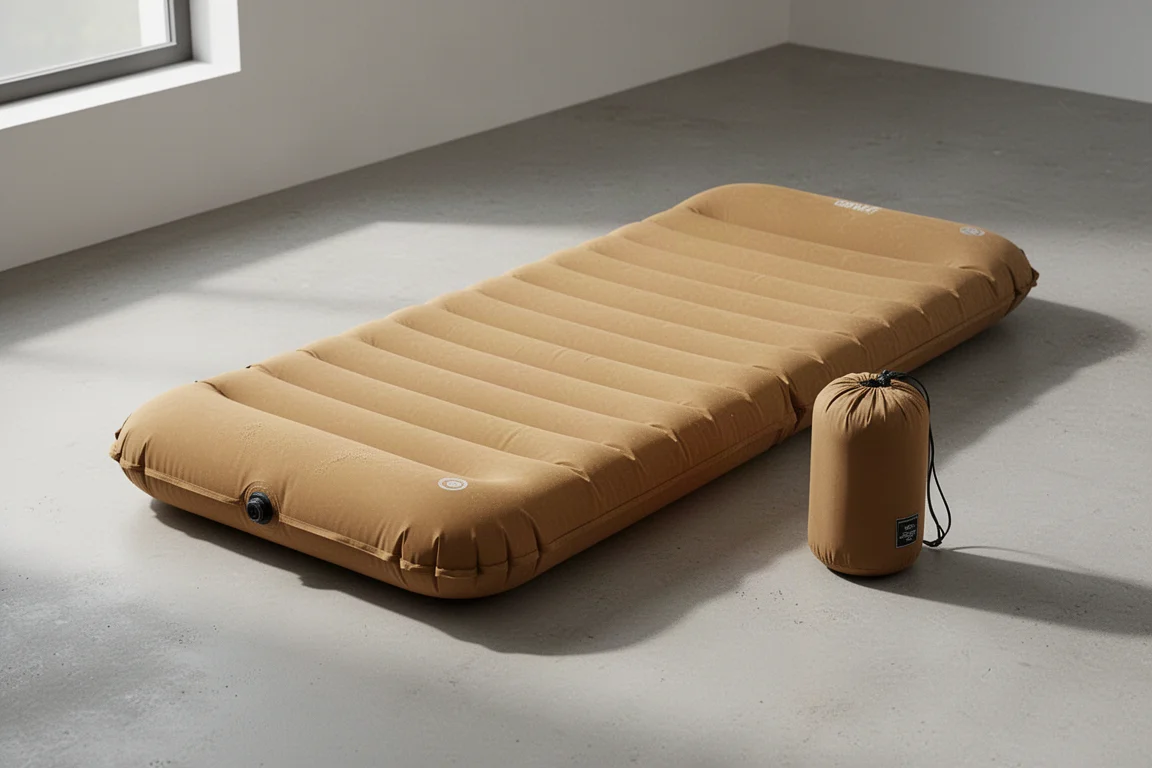
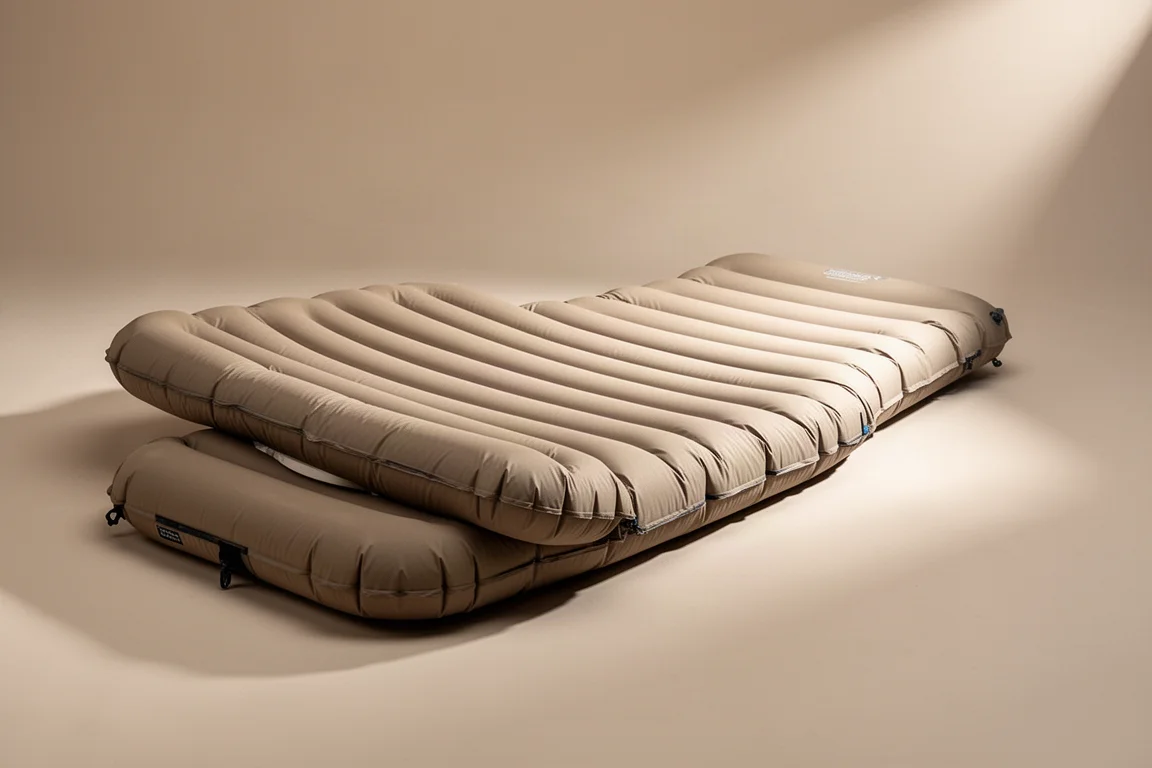
Above $250, pads tend to push to the very top of one category, whether that is weight, warmth or comfort, and accept sacrifices elsewhere. The Exped MegaMat Ultra wins this band by being the most comfortable backpacking sleeping pad in this guide.
It uses a sidewall construction, which allows a very thick pad with a large usable sleeping surface, and vertical baffles keep it stable. A stretchy, soft top material finishes the effect. At $250 for the medium wide it sits at the bottom of the top price band, and at 880 g it is light enough to carry on a backpacking trip and reasonably compact for its weight.
It is also available in a 30-inch wide version for anyone who wants more room to sleep, which is uncommon among backpacking pads. The cost is weight and bulk: it is significantly heavier than every other pad here, and it is expensive. That is the nature of this price band. For anyone whose priority is a genuinely comfortable night outdoors and who is willing to carry the extra grams, it is hard to beat.
Buying Advice
If you want the single best value pad overall, the Bestway RidgeRest is the answer. It is the cheapest pad in this guide, yet it is warm, comfortable, reasonably light, compact and durable, which is an unusual combination at $40. It is the clearest example of price and performance lining up.
For ultralight trips, the Exped Ultra 6.5R is the strongest value: around 550 g with real warmth and comfort, and a price at the bottom of its band. The Nemo Eclipse is the alternative if you are not camping below freezing and would rather have slightly more comfort and stability instead of maximum warmth per gram.
If comfort is the priority and weight is not, the FlexTail Tiny R05 is the best value in that direction, nearly as comfortable as the Nemo Eclipse for noticeably less money. The Paria Elevate XL is the near-equivalent option if it happens to be the cheaper of the two at the time you buy.
And if you want the most comfortable pad regardless of weight, the Exped MegaMat Ultra is the one to choose.
Conclusion
Spending more on a sleeping pad buys specific things: warmth at a given weight, stability, a stretchy top fabric, or raw thickness. None of that is free, and the cheapest pads on the market often fail on warmth or durability rather than on price.
The six pads here show that good value exists at every price point. The Bestway RidgeRest delivers the most performance per dollar by a wide margin. The Naturehike 5.8 is the lightest sensible option under $100. The FlexTail Tiny R05 is the comfort pick for value. The Nemo Eclipse adds stability for milder trips. The Exped Ultra 6.5R is the ultralight all-rounder. And the Exped MegaMat Ultra is the one to buy when comfort outranks everything else.
Further reading
Related Reviews

Backpacking Gear
Building a 10 lb Base Weight: An Ultralight Backpacking Gear List
A practical walkthrough of the ultralight pieces behind a 10 lb base weight, from a 765 g pack and a roomy one-person tent to a full camp chair and a dependable water filter.

Road Bikes
10 New Road Bikes Worth Watching: Aero, Titanium, Steel and Endurance Standouts
A practical roundup of 10 new road bikes, from aero flagships chasing single-watt gains to titanium, steel and endurance platforms built for real roads.
Bikepacking Gear
11 Bikepacking Essentials for Long-Distance Cycling
Eleven bikepacking essentials for long-distance cycling, from a steel gravel frame and a two-person tent to helmet lights, packable gloves, and a frame bag that puts weight in the right place.