Backpacking Gear
Best Value Backpacking Gear: Eight Essentials Worth the Money
Eight backpacking essentials that deliver real value, from a dependable canister stove and a titanium pot to a comfortable pillow, a reliable water filter and a compact power bank.
Introduction
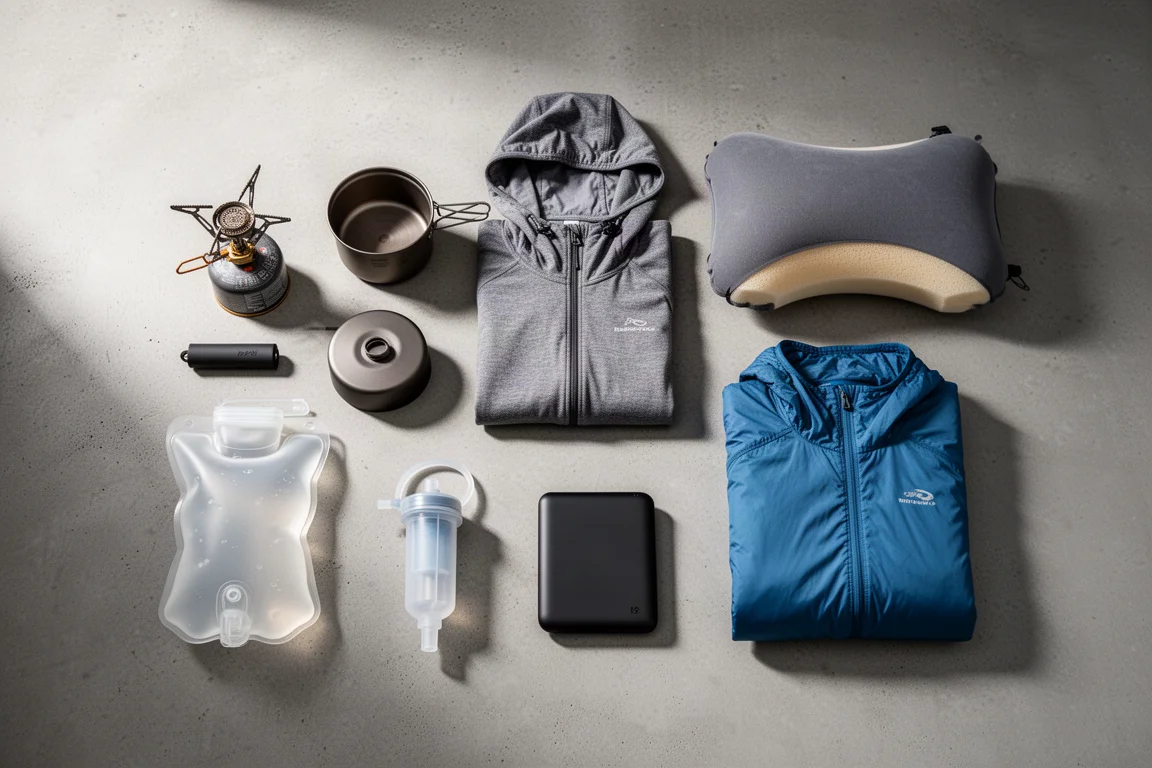
Backpacking gear does not have to be expensive to be genuinely good. Some of the most useful items in a pack are the ones that cost a sensible amount, hold up over multiple seasons, and solve a problem you actually run into on trail.
The eight items below cover the core of a lightweight backpacking setup: cooking, hydration, sleep, sun protection, insulation, and power. Each one earns its place because it delivers a clear benefit for the money rather than chasing specifications that rarely matter in the field.
How These Picks Were Chosen
The focus here is value rather than the absolute lightest or most technical option in each category. That means an item had to be reliable in real conditions, simple enough to use without a learning curve, and durable enough to justify repeat trips.
Weight, packability, and ease of use carried the most influence in the selection. A stove that is fiddly to set up, a filter that clogs constantly, or a jacket that only works in perfect weather is not good value no matter what it costs.
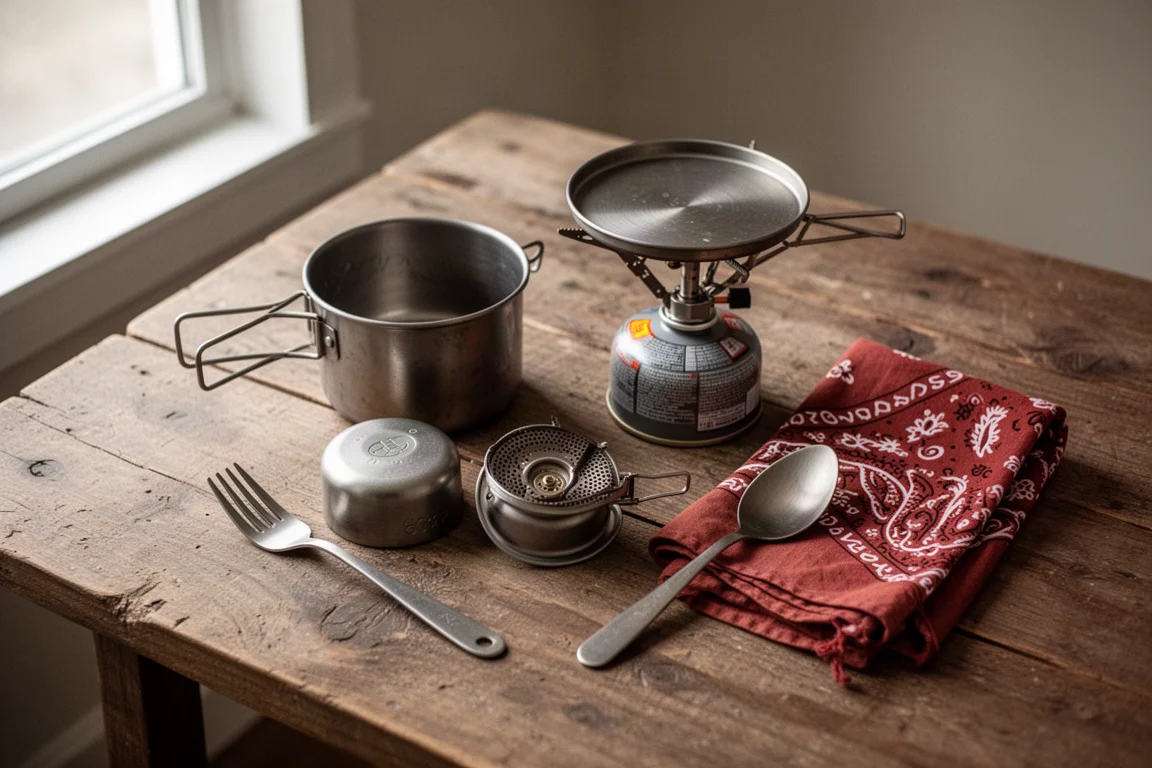
Comfort also mattered. A few of these picks, particularly the pillow and the sun hoodie, are the kind of gear that quietly improves a trip without adding much weight or complexity to a pack.
Durability expectations were kept realistic. Lightweight materials trade some abrasion resistance for lower weight, so the goal was to identify gear that holds up well when used sensibly rather than gear that claims to be indestructible.
Soto Amicus Canister Stove
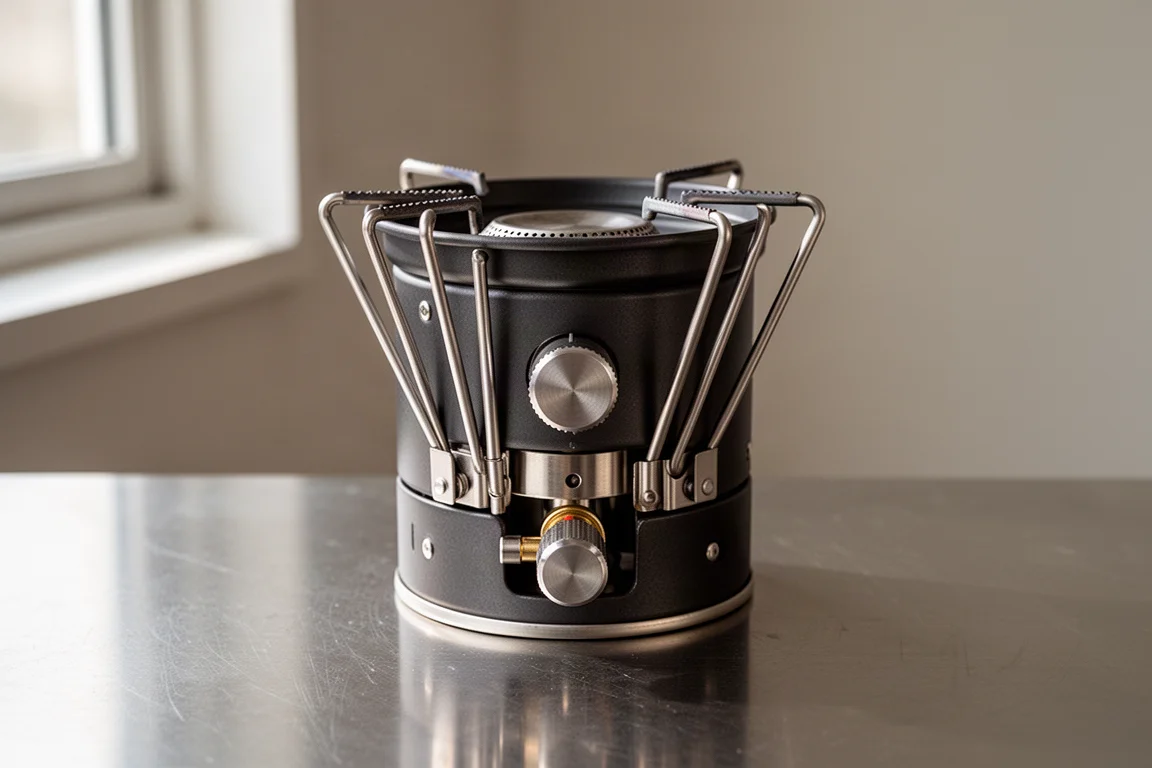
The Soto Amicus is a compact canister stove built with the kind of consistency that comes from careful manufacturing. It is lightweight, and the concave burner shape paired with a stable pot stand gives it a secure feel once a pot is loaded on top.
Its low profile matters more than it first appears. Because the burner does not sit far above the canister, the stove stays stable and fits neatly inside small pots, which keeps a cook kit compact in the pack.
For anyone buying a single stove and wanting it to last, this is a straightforward choice. The build quality and dependable operation make it an easy recommendation for years of use.
Toaks 550 Titanium Pot
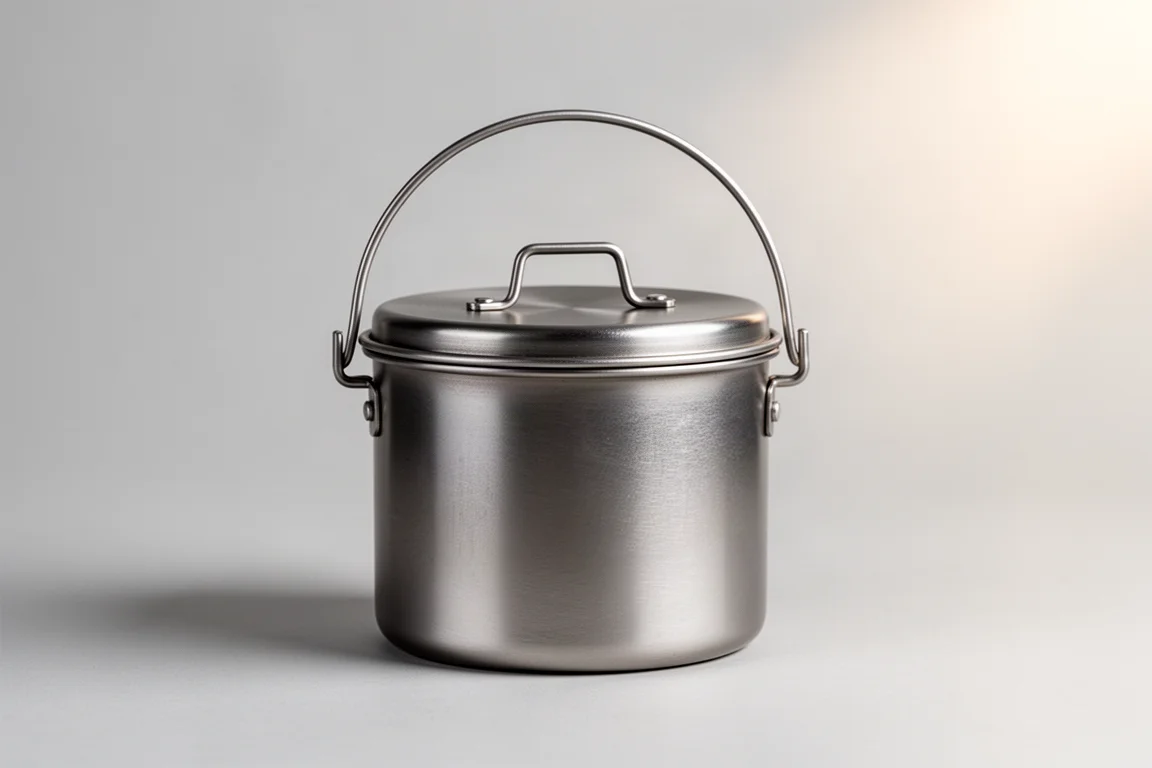
The Toaks 550 is a small titanium pot that punches well above its size. It holds enough volume to boil water for a freeze-dried meal, make coffee or hot cocoa, and still stay light enough to disappear into a pack.
Packability is where it shines. Most stoves, including compact canister models, nest inside it, so the pot effectively doubles as a storage container for the rest of a cook kit.
That combination of capacity, low weight, and price makes it one of the strongest solo cooking options available. It is the sort of item that stays in a kit for years without needing an upgrade.
Outdoor Vitals Altitude Sun Hoodie
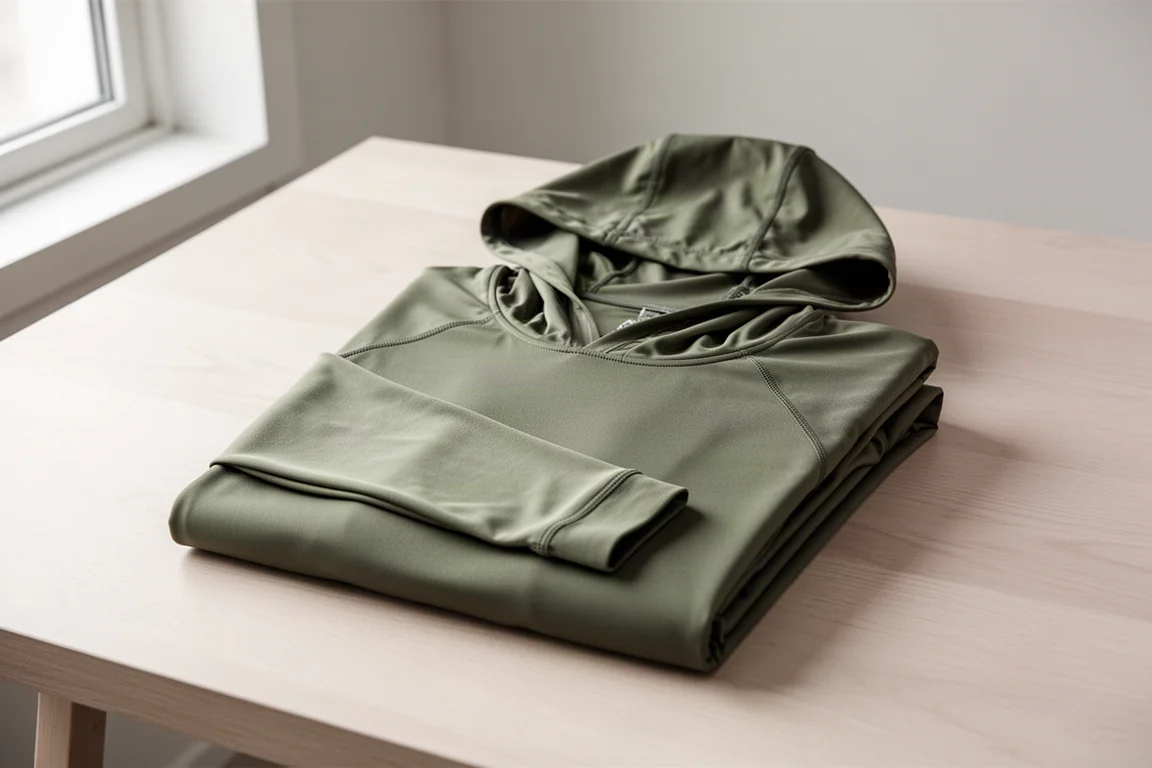
The Altitude Sun Hoodie has become a daily driver for backpacking trips. The hood fits well, the body length is right, and the sleeves are cut closer than the baggier hoodies that have become common, which keeps the silhouette tidy and reduces snagging.
As a base layer it performs across a wide range of conditions, and it has held up through heavy brush without major failures. Lightweight polyester does pill over time, and this fabric is no exception.
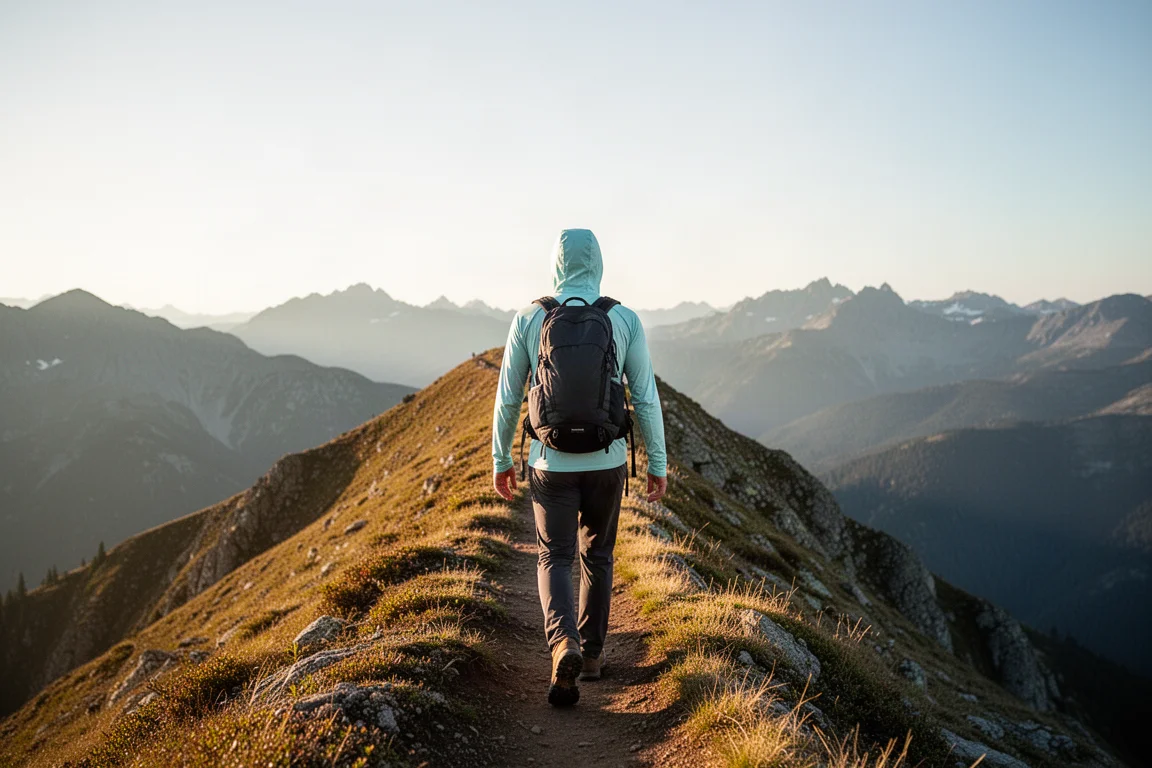
It is worth being realistic about durability. A sharp branch can still tear a lightweight hoodie, so this is a piece to treat with reasonable care rather than a piece to abuse. At its price, though, it remains an easy recommendation.
Nemo Fillo Pillow
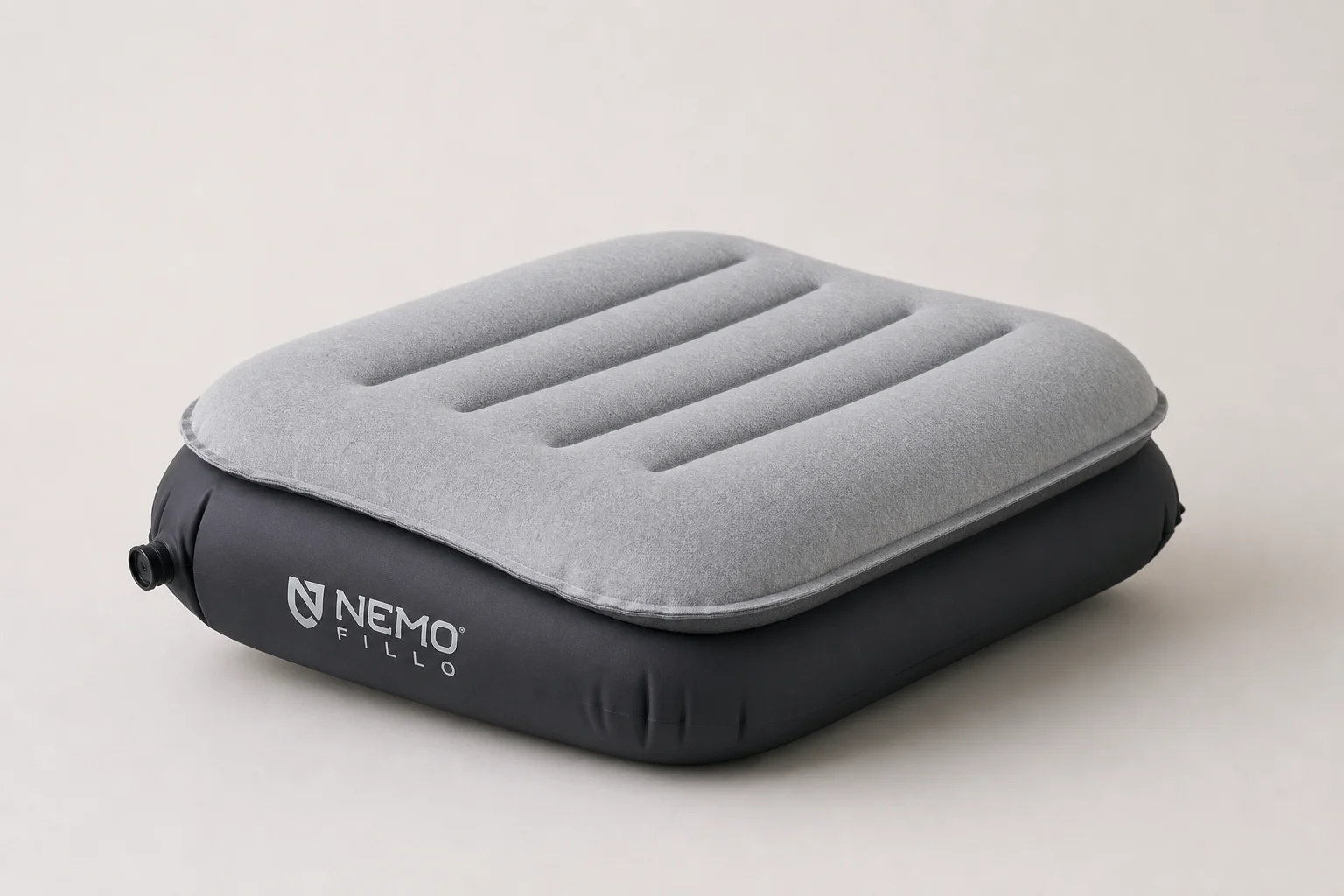
Sleep in the backcountry depends on more than a sleeping pad. The Nemo Fillo combines an internal air bladder with a memory foam top layer, which adds height and firmness without the balloon-like feel that affects many inflatable pillows.
The result is a pillow that genuinely improves rest. The memory foam softens the surface and keeps the head supported, which matters after a long day of walking.
The trade-off is packed size. The Fillo does not compress as small as some alternatives, so it takes up more room in a pack than a minimalist inflatable. For the comfort it delivers, that is a reasonable exchange.
CNOC Vecto Water Bag
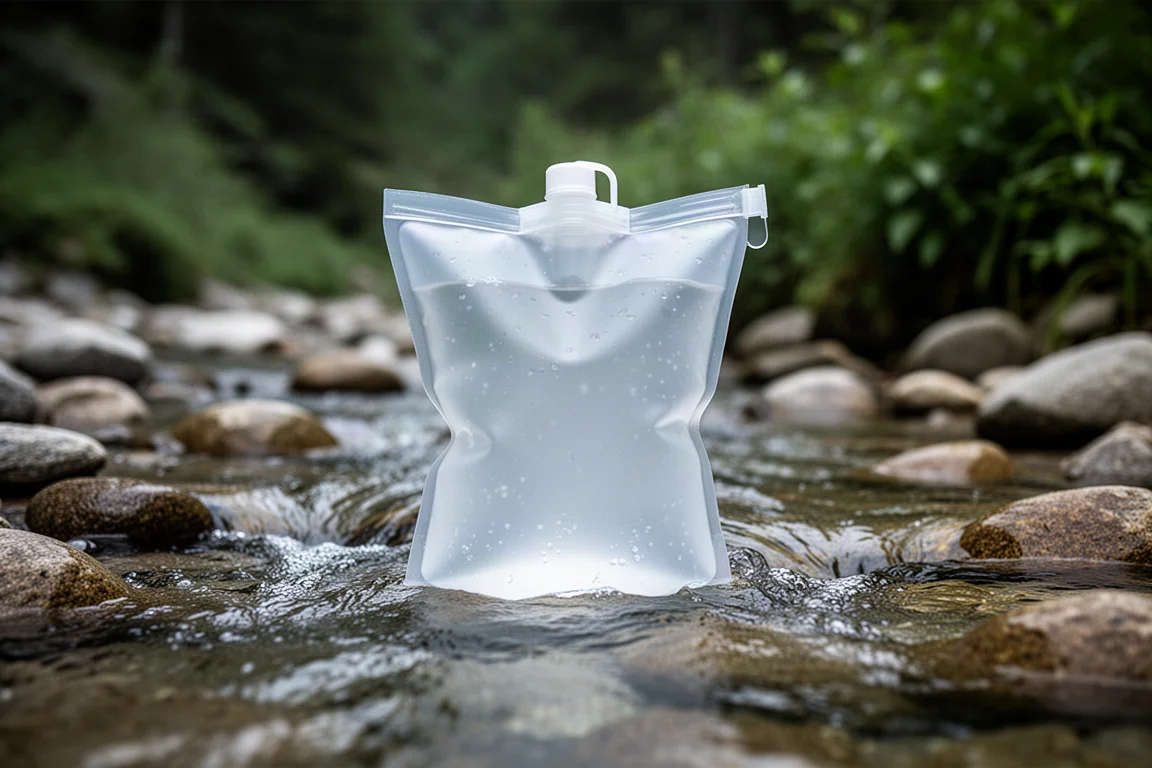
The CNOC Vecto is a lightweight water bag designed to pair with a squeeze filter. Its wide opening makes filling from a stream or lake quick and clean, and the simple design is one of the reasons it works so well as part of a filtration system.
It is not without faults. Long-term use has been linked to pinhole leaks, so it is worth inspecting the seams and handling the bag carefully when packing it against sharp gear.
Even with that caveat, the Vecto remains a favorite because few bags gather water as easily for the weight. Paired with a reliable filter, it forms a very effective hydration setup.

Sawyer Squeeze Filter
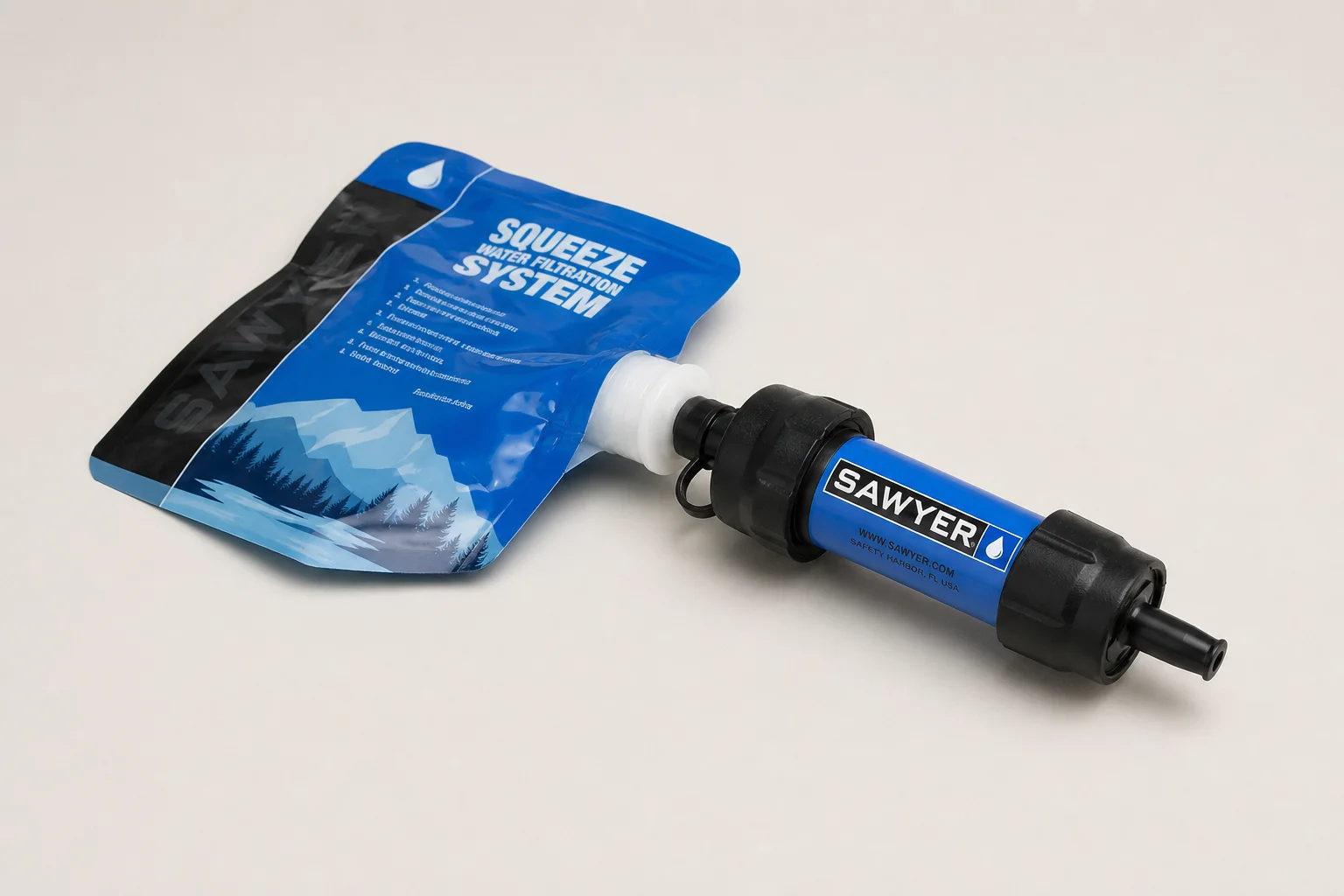
The Sawyer Squeeze has earned a long-standing reputation for reliability. It is the filter that keeps coming back into rotation because it works consistently and does not demand much attention on trail.
There is also a broader reason to support the brand. Sawyer works on humanitarian efforts to bring clean water to people who lack reliable access, so a purchase supports that work directly.
For backpackers, the practical appeal is simple. The filter pairs with a squeeze bag or bottle and delivers dependable water treatment trip after trip, which is exactly what most hikers need from a filtration system.
Decathlon Forclaz Trek 100 Synthetic Jacket
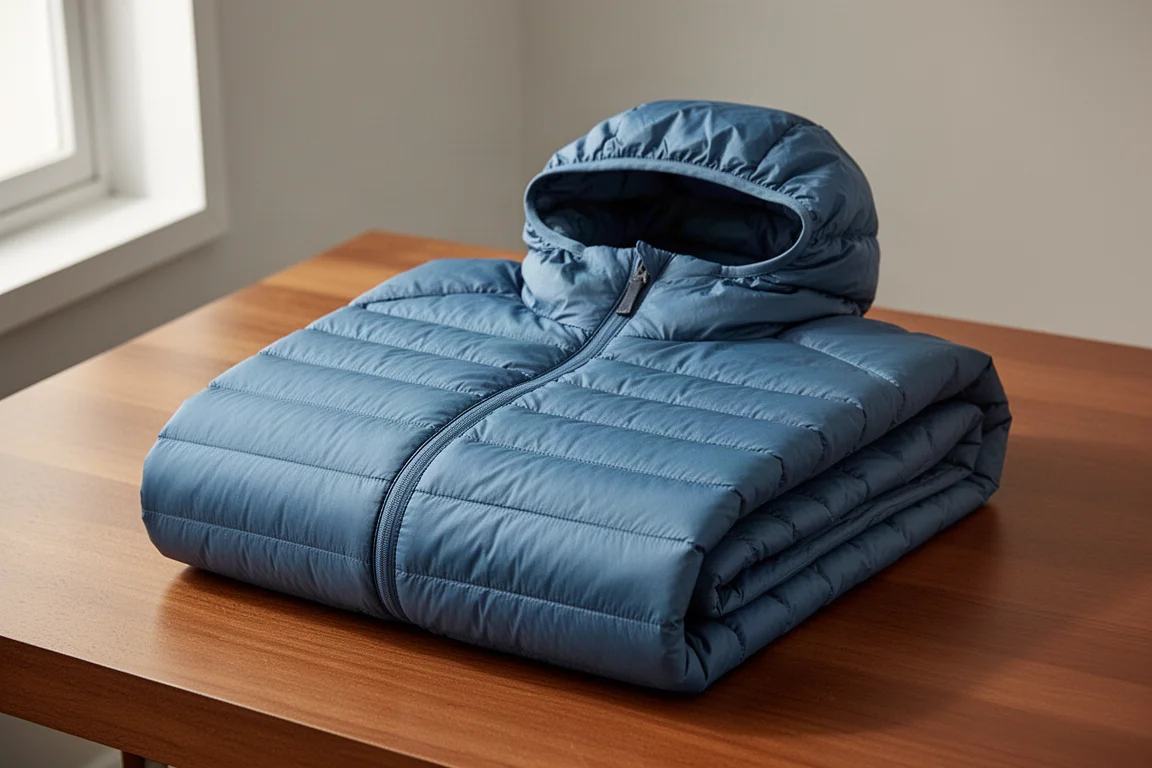
The Forclaz Trek 100 synthetic jacket is one of the most overlooked values in backpacking insulation. It uses recycled materials, stays lightweight, and has a fit that works well as a mid layer.
The price is the headline. At around $60, it costs far less than most comparable synthetic jackets, which makes it a low-risk addition to a pack or a sensible option for a first setup.
Synthetic insulation adds a little bulk compared with down, and this jacket is often overshadowed by the down version of the same model. For three-season use and damp conditions, though, it is a genuinely strong buy.
Nitecore NB10000 Power Bank
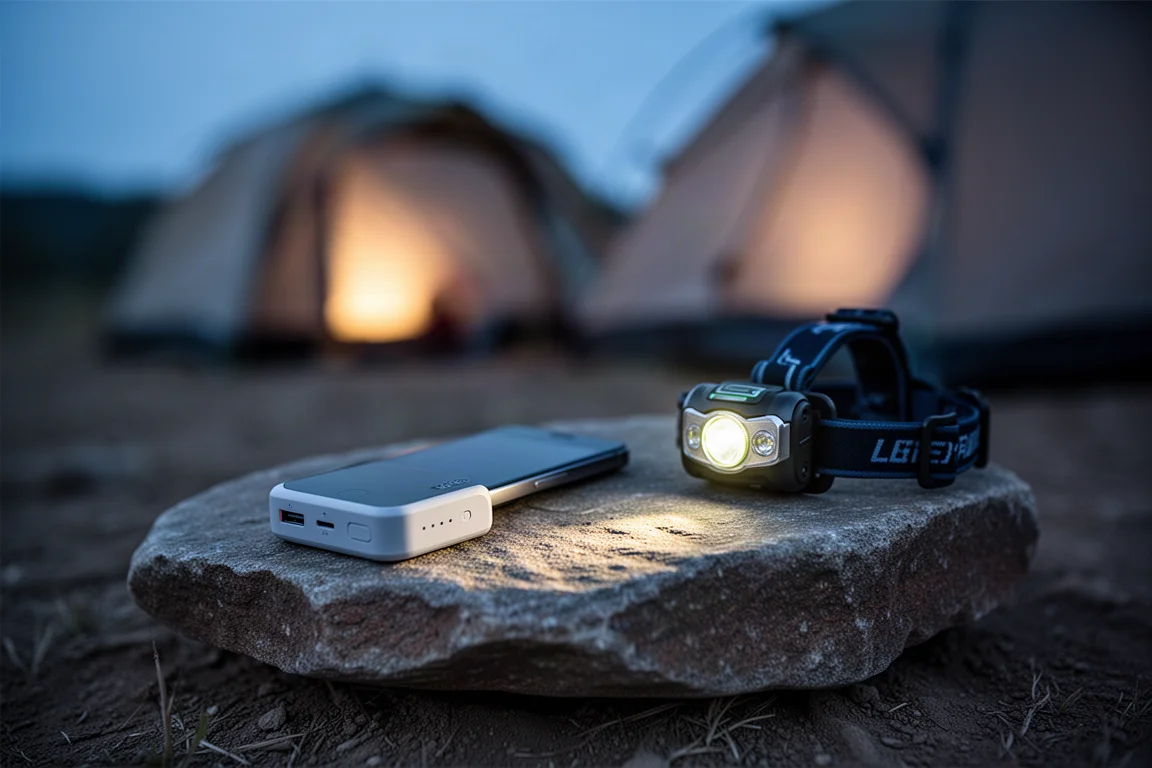
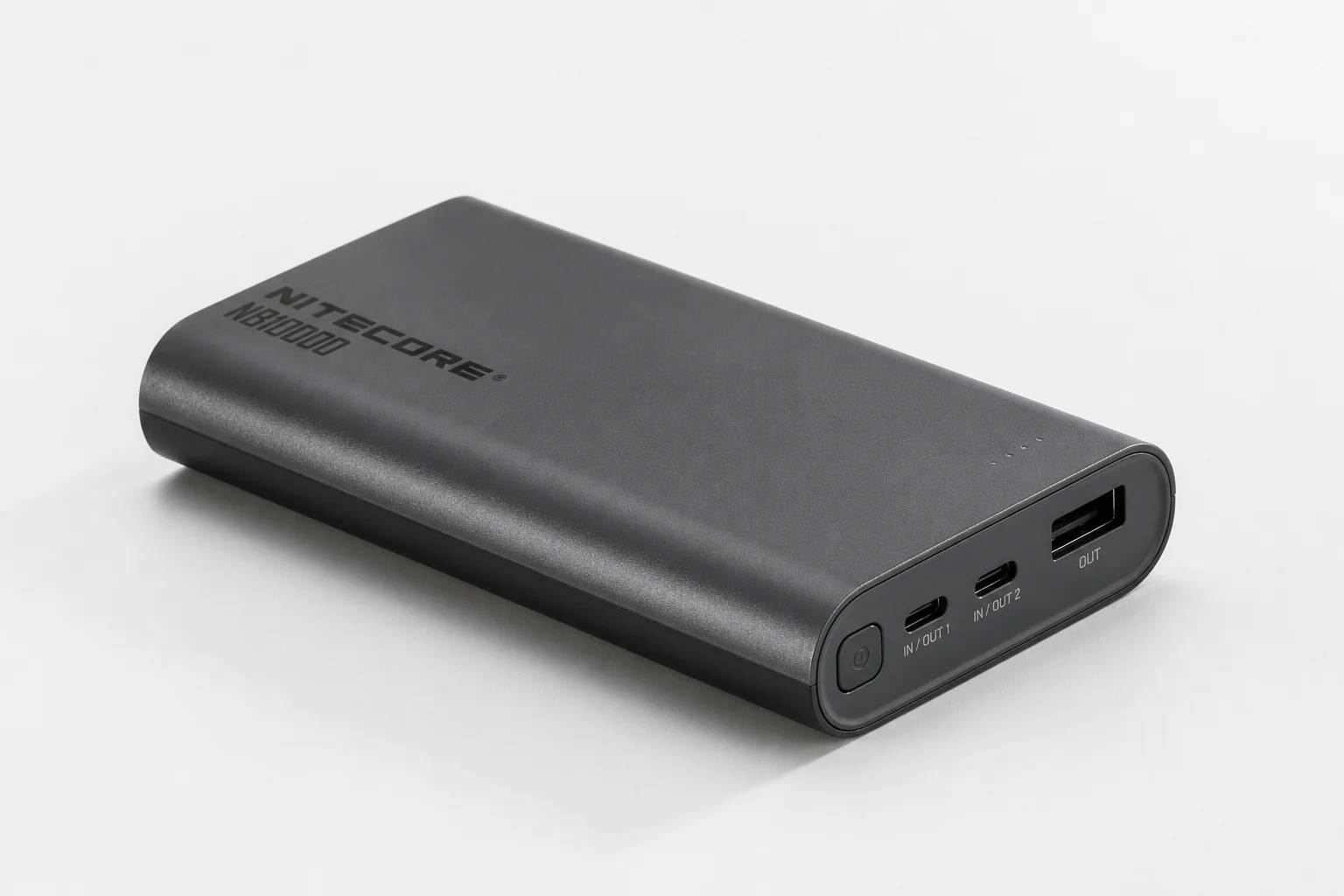
Almost every backpacker carries electronics: a phone, a camera, a GPS device, a satellite communicator, a headlamp, or a watch. The Nitecore NB10000 is a compact power bank that covers those recharging needs without adding much weight.
It is small and very light, and the build quality is a step above the bulkier options usually found at lower prices. Fast charging keeps top-ups short when a device matters most.
The main consideration is cost. The NB10000 sits at a premium price compared with common power banks, so it makes the most sense for hikers who value low weight and small size. For a three or four day trip, its capacity is more than sufficient.
Overall Buying Advice
Not every item on this list needs to be bought at once. A stove and a pot form the core of a cooking setup, and a water bag paired with a squeeze filter covers hydration. Those four items are the practical starting point for most new backpacking kits.
Insulation and sun protection come next. A lightweight hoodie works as a base layer across most of the year, while a synthetic jacket adds warmth when temperatures drop or conditions turn wet.
Sleep and power are the final pieces. A pillow is a small addition that makes a noticeable difference to rest, and a compact power bank keeps devices alive on multi-day trips. Buying in that order keeps spending aligned with the way a pack is actually used.
One general principle applies across all of it. Choose gear that is simple, reliable, and light enough to carry comfortably, and the value of each purchase tends to hold up over many seasons rather than just one.
Conclusion
Good backpacking gear is not defined by the highest price or the lowest weight. It is defined by how reliably an item does its job trip after trip, and every product here earns its place on that basis.
Start with the items that solve the problems you run into most often, then build the rest of the kit around them. That approach keeps a pack light, keeps spending sensible, and keeps the focus where it belongs: on the trail.
Further reading
Related Reviews

Backpacking Gear
Building a 10 lb Base Weight: An Ultralight Backpacking Gear List
A practical walkthrough of the ultralight pieces behind a 10 lb base weight, from a 765 g pack and a roomy one-person tent to a full camp chair and a dependable water filter.
Backpacking Gear
A 15-Pound Lightweight Backpacking Gear List for Solo Trips
A beginner-friendly 15-pound backpacking setup built from easy-to-find gear, with notes on what each piece does, how it packs, and where to spend your attention.
Backpacking Gear
8 Ultralight Backpacking Gear Upgrades Worth Carrying
Eight small, affordable backpacking upgrades that solve real trail annoyances, from a pillow that stays put to a fuel valve that rescues leftover canister gas.