Cycling Aero Upgrades
Best Value Aero Upgrades: Tires, Bottles and Front Hydration That Save Watts
Three practical aero upgrades with clear watt-saving claims, honest costs and the trade-offs to weigh before you buy.
Introduction
Aerodynamic drag does not rise in a straight line with speed. The faster you ride, the more sharply the effort needed to push air out of the way increases, which is why aero upgrades can feel like cheating the wind. The catch is that aero equipment has a reputation for costing a fortune.
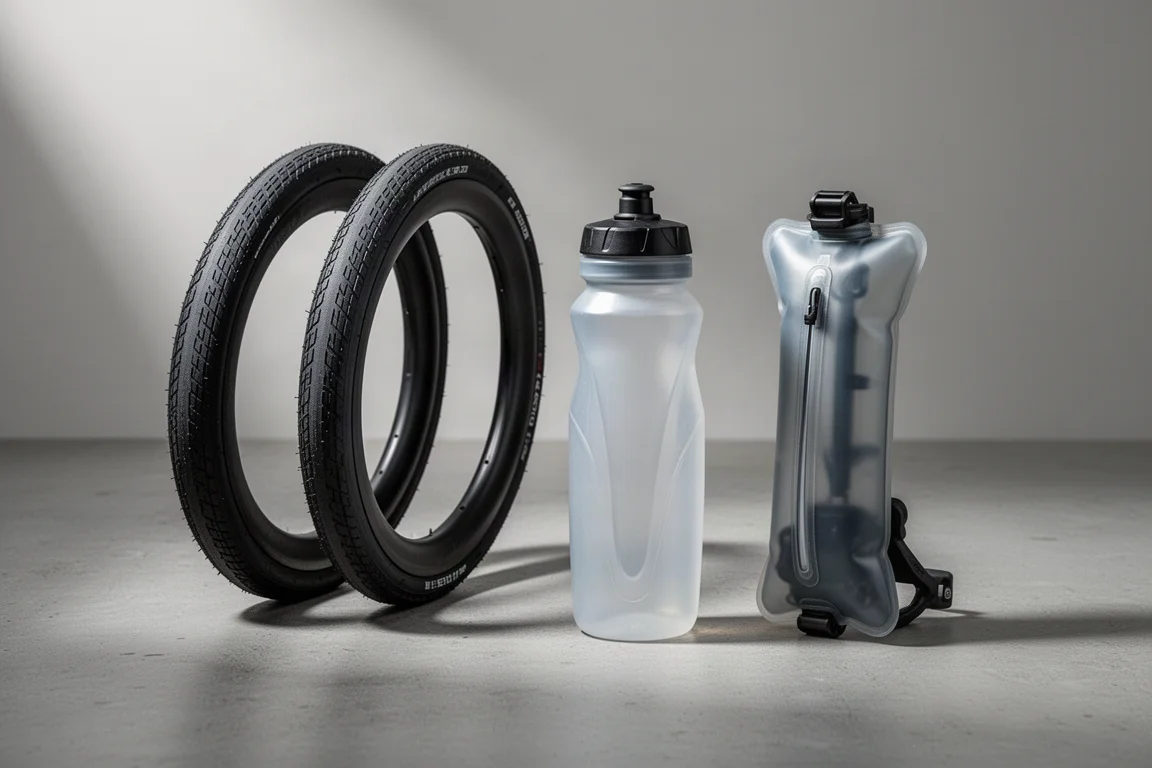
This roundup focuses on three upgrades that hold up better on value: a road racing tire, an aero bottle, and an integrated front hydration system. The watt savings quoted here are ballpark figures gathered from a range of sources, useful for judging relative value rather than as precise test data.
None of these parts will transform your speed on its own, but each one targets a specific source of drag, and each is easier to justify when it also solves a practical need.
What Makes an Aero Upgrade Worth Buying
Before spending anything, it helps to ask what a component actually changes. Aero gains generally come from one of two places: reducing your frontal area, or helping air stay attached and flow smoothly around you and the bike.
Cost per watt matters more than headline claims. A part that saves a few watts for a modest outlay is a better buy than an expensive component that saves a similar amount. Timing matters too. Tires wear out, bottles crack, and hydration needs change with the length of your events, so an upgrade that lands at the same moment as a replacement you already needed costs less in practice than it first appears.
Compatibility is the third filter. Tires need to match rim width, bottles need to suit your frame and cages, and front hydration needs to sit cleanly against the stem. A part that fits badly can give away much of its benefit.
Continental GP5000: A Tire Worth Choosing at Replacement Time
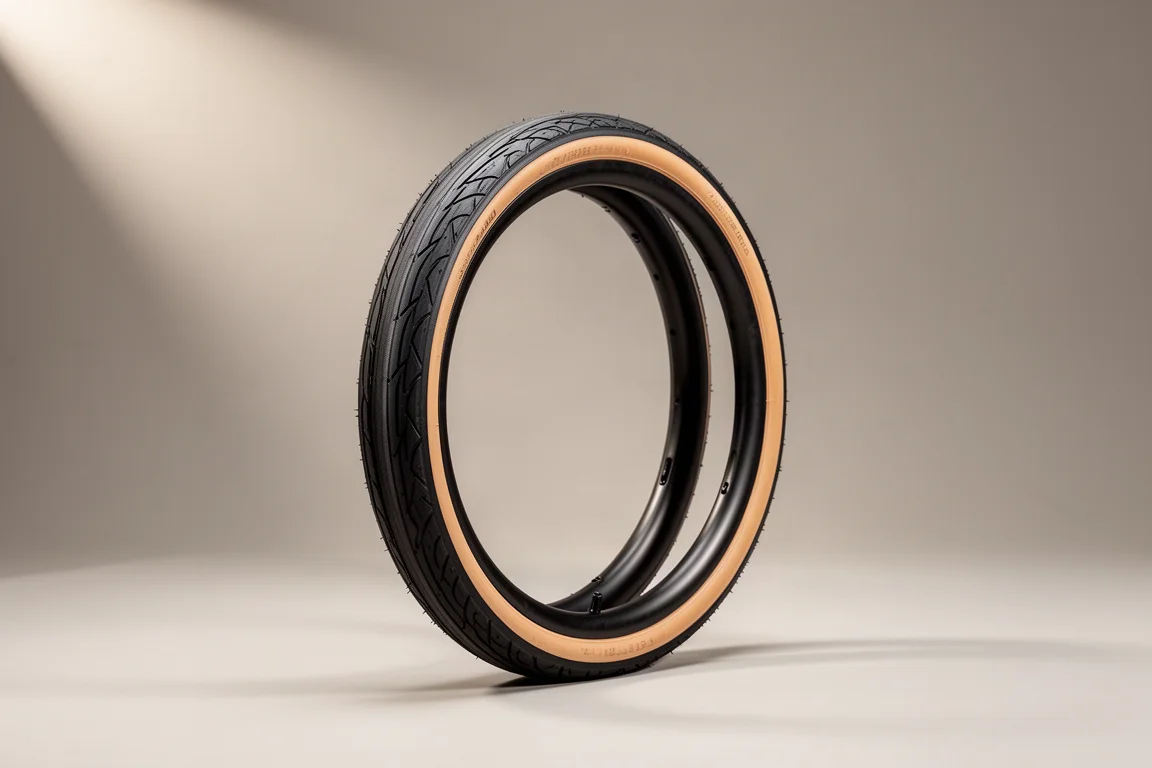
Tires are a natural place to look for value because you have to replace them eventually. A set of Continental GP5000 tires costs somewhere in the region of £50 to £75 per tire, which is not cheap, but it is money you would be spending on rubber regardless.
How a tire meets the wheel matters as much as the tire itself. A deep-section rim works by catching the airflow coming off the tire and smoothing it out, and the fastest combinations are those where the tire is the same width as the rim or slightly narrower. Wider tires in the region of 25mm also roll with lower resistance than older popular sizes such as 23mm or smaller, which is why wheel makers moved toward wider rims.
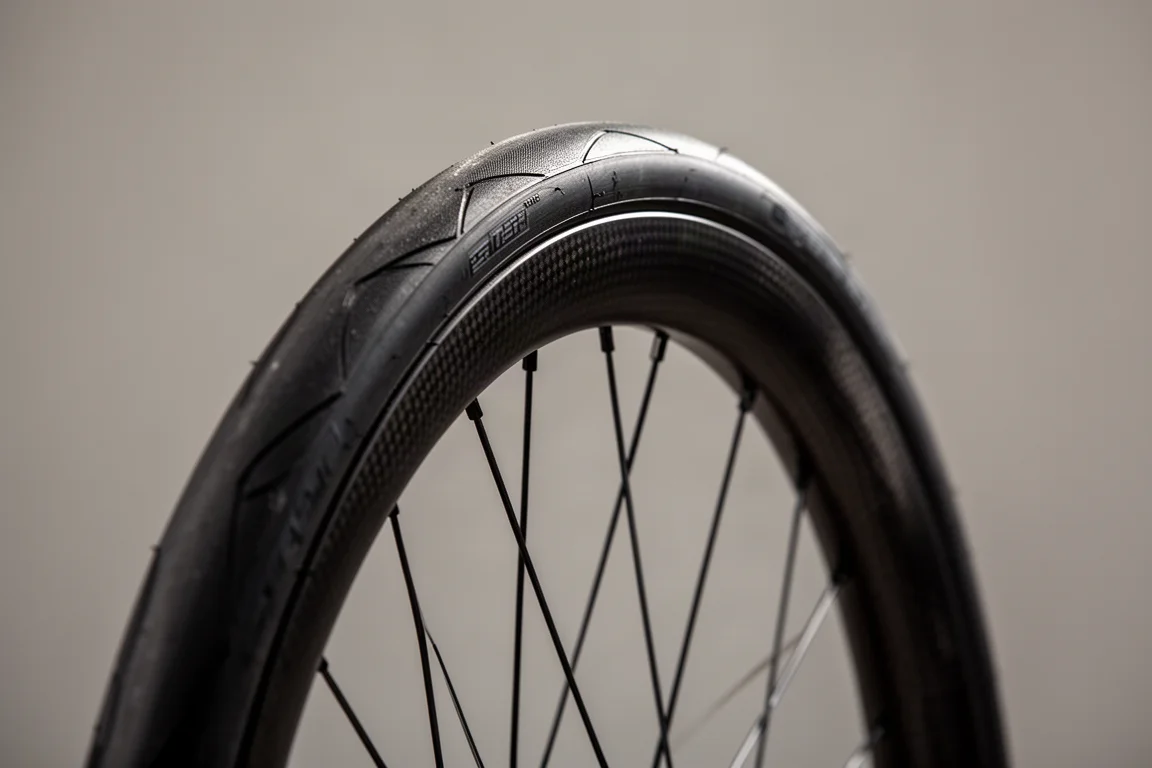
Because there are so many possible tire and wheel combinations, there is no single size that suits every setup. The practical approach is to check the wheel manufacturer’s published recommendations for tire widths, and if those are not available, look for specialist testing resources that publish tire and wheel data.
Elite Chrono CX: An Aero Bottle That Replaces a Round One
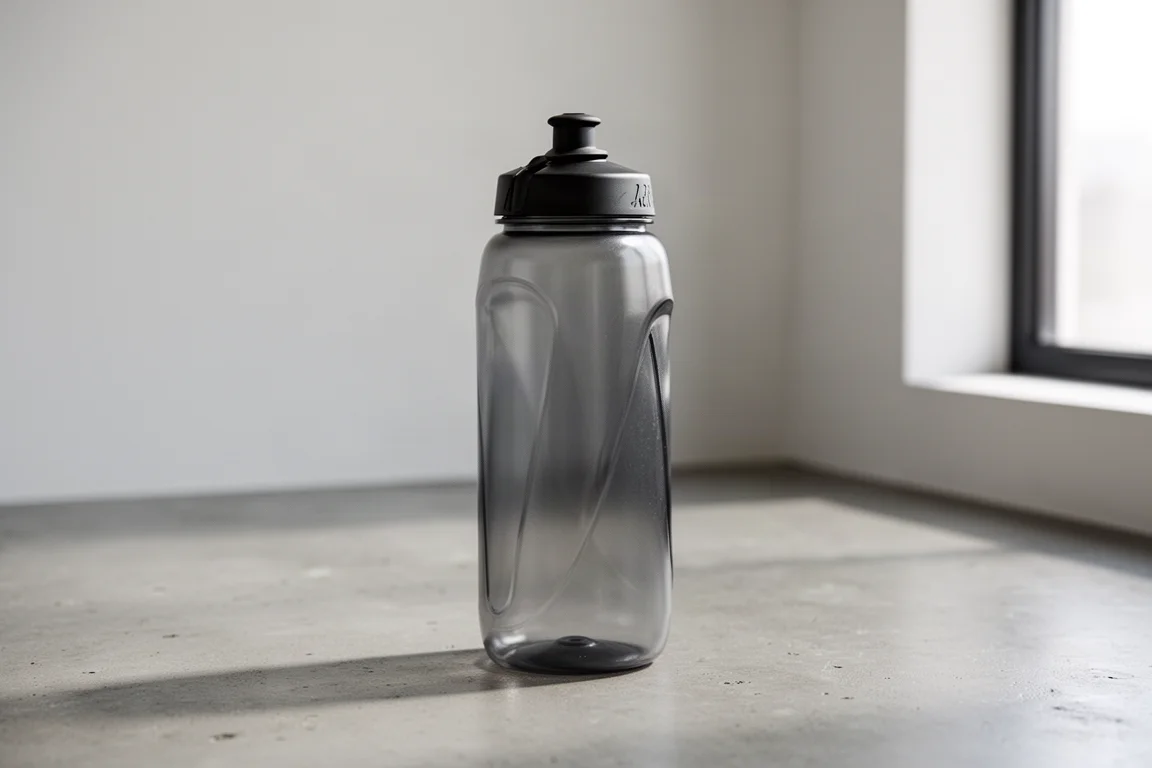
A standard round down tube bottle is one of the least aerodynamic objects on a road bike. Swapping it for an aero bottle such as the Elite Chrono CX can save in the region of 3 to 4 W at 40 km/h, which is a meaningful return for a part that costs £25 to £35.
That is expensive for a bottle, though modest next to most aero components. Placement is worth thinking about as well. Bottles stored behind the saddle sit in air the rider has already disturbed, which makes that position a sensible choice for extra bottles on long events, and spares stowed carelessly can cost 3 to 4 W depending on where they end up. Frame compartments and behind-the-saddle storage keep both hydration and tools out of the airflow.
Profile Design Aeria: Integrated Front Hydration
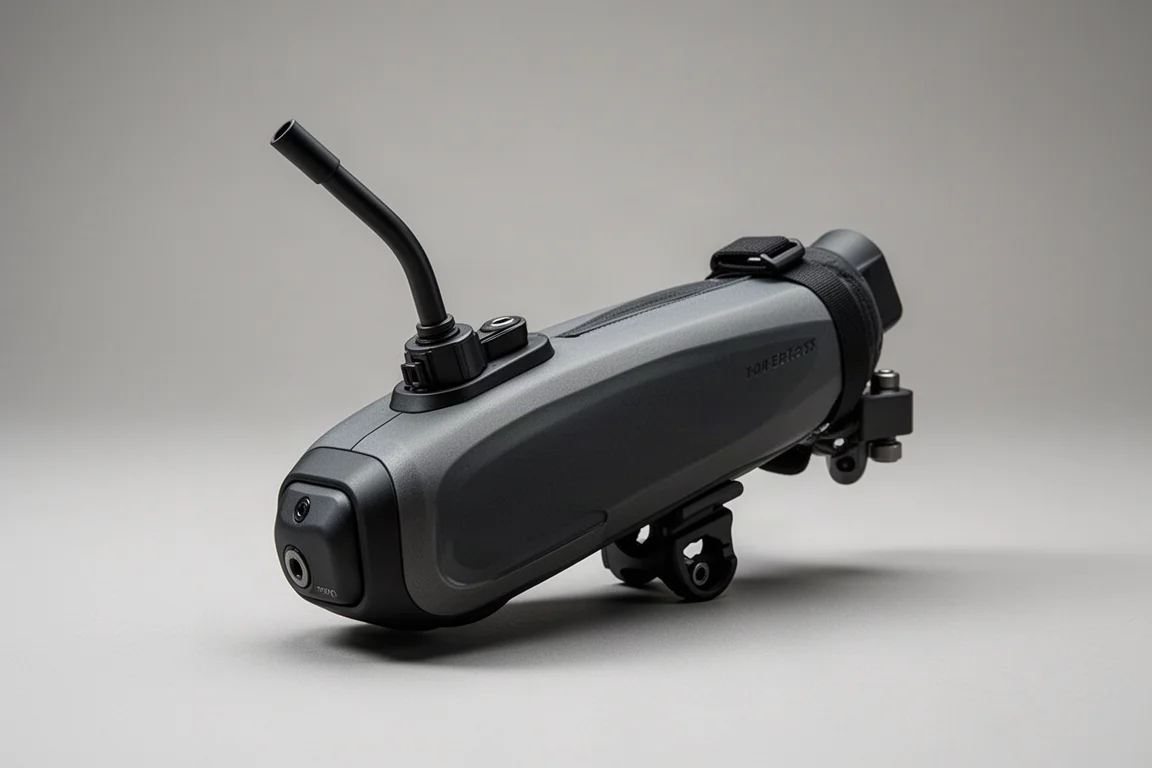
Hydration that sits neatly in front of the rider can be faster than carrying nothing at all. Many bikes test quicker with a well-integrated front hydration system than without one, because the shape fills the space between the arms and smooths the airflow in that area.
The Profile Design Aeria is an aftermarket option, so it can be added to most bikes rather than requiring a dedicated triathlon frame. It tucks into the stem and wraps around the frame, keeping the reservoir accessible without creating a bulky shape in the wind. For riders carrying multiple bottles across a long-distance event, that combination of storage and airflow is the appeal.
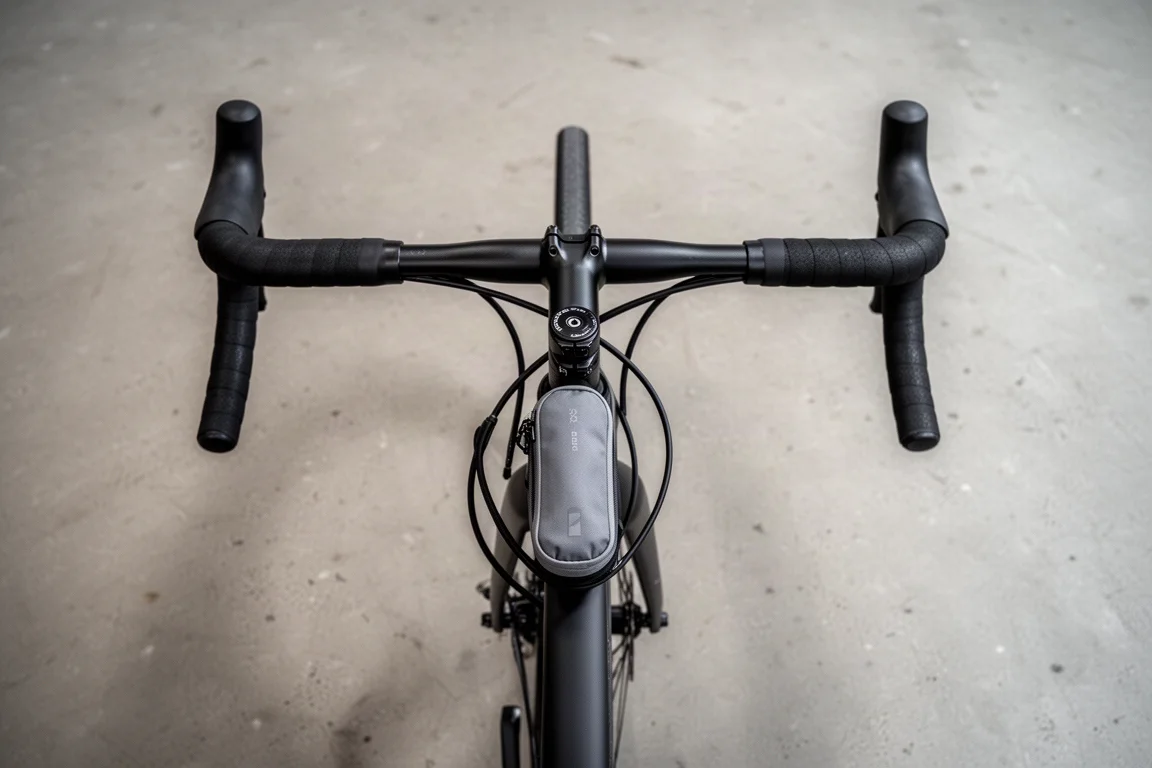
It is worth checking how the unit sits against your particular stem and frame before committing, since the benefit comes from a close, tidy fit. On a bike where it stands proud of the frame or interferes with cable routing, the airflow advantage will be smaller.
Other Low-Cost Aero Wins Worth Knowing
The same value logic applies to several other upgrades that cost little and target specific drag sources.
- Clip-on aerobars are the standout. They cut frontal area dramatically, and testing at 30 km/h showed a 40 W saving, rising to 124 W at 45 km/h. Basic sets start around £25 to £35.
- Narrower handlebars reduce frontal area slightly when you are down on the aerobars. Even a centimetre or two of extra width matters, and second-hand bars are worth searching for.
- Disc wheel covers convert an existing wheel for around £220 and have been tested to save roughly 10 to 15 W at 40 km/h, a fraction of the £1,000 to £3,000 or more a real disc wheel can cost.
- Aero socks use textured fabrics to manage airflow around the ankles and lower legs. Priced around £20 to £35, brands claim savings in the region of 4 to 8 W at 40 km/h, with one claiming 13.6 W at 50 km/h.
- Shaved legs measured almost 6 W at 30 km/h and 17.5 W at 45 km/h. A shaved beard was worth far less, around 1.5 W at 30 km/h and 2.29 W at 45 km/h, but it is still a gain.
- Aero helmets range from around 3 to 4 W for a vented aero road helmet at 40 km/h for a 75 kg rider, up to roughly 10 to 12 W for a full time trial helmet. The full TT figure depends heavily on the tail sitting flush against your back.
Buying Advice
Start with the parts you are already due to replace. If your tires are worn, the Continental GP5000 is the simplest upgrade on this list, because the money was going to be spent anyway and matching the width to your rims costs nothing extra.
If you ride long distances or race triathlon, hydration is where the returns stack up: an aero bottle on the frame, bottles behind the saddle, and a front system that integrates cleanly with the stem.
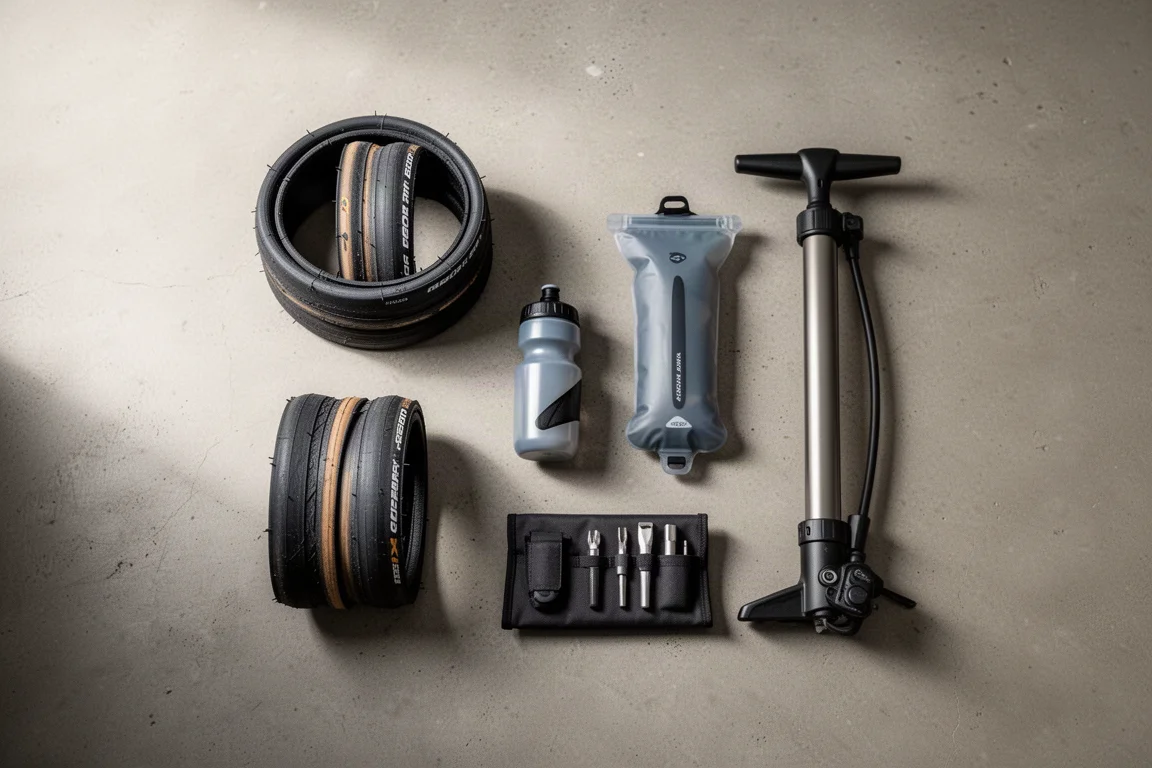
Whatever you choose, spend the effort on fit. Tire width against rim width, bottle placement, and how a front reservoir sits against the frame all determine whether a component delivers the airflow benefit it was designed for. The cheapest aero upgrade of all is still position work, and a modest yoga mat is a small price for the flexibility to hold a lower, more comfortable position for longer.
Conclusion
Three upgrades, three different jobs. The Continental GP5000 makes sense when your tires are due for replacement and you can match width to your rims. The Elite Chrono CX removes a small but persistent source of drag on the down tube. The Profile Design Aeria tidies up front hydration for riders who carry bottles over long distances.
None of them is a magic fix, and the quoted savings are ballparks rather than guarantees. But each one targets a real drag source at a price that is easy to live with, which is exactly what a value aero upgrade should do.
Further reading
Related Reviews

Backpacking Gear
Building a 10 lb Base Weight: An Ultralight Backpacking Gear List
A practical walkthrough of the ultralight pieces behind a 10 lb base weight, from a 765 g pack and a roomy one-person tent to a full camp chair and a dependable water filter.

Road Bikes
10 New Road Bikes Worth Watching: Aero, Titanium, Steel and Endurance Standouts
A practical roundup of 10 new road bikes, from aero flagships chasing single-watt gains to titanium, steel and endurance platforms built for real roads.
Bikepacking Gear
11 Bikepacking Essentials for Long-Distance Cycling
Eleven bikepacking essentials for long-distance cycling, from a steel gravel frame and a two-person tent to helmet lights, packable gloves, and a frame bag that puts weight in the right place.