Ski Resorts
Best US Ski Resorts Ranked: 10 Destination Mountains Worth Planning a Trip Around
From Utah's Little Cottonwood Canyon to Colorado's high alpine bowls, here are ten US destination ski resorts that deliver a genuine week-long vacation.

Introduction
Booking a ski trip in the United States can feel overwhelming. The country is home to dozens of large, destination-worthy mountains, and even the resorts big enough to justify a flight are wildly different from one another in terrain, snow quality, lodging, and crowd management. This ranking narrows the field to ten resorts that genuinely work for a week-long destination trip.
How We Sized Up Each Resort
To keep the list relevant, only resorts with on-site lodging and more than 2,000 acres of skiable terrain made the cut, which generally corresponds to places doable for a full week. Resorts interconnected by a trail network with a shared ticket or pass product count as one destination. Each mountain was weighed on terrain variety, snow quality and reliability, crowd flow, lodging, convenience, and overall value.
The good news: the top ten or so destinations in the US are so well rounded that it is hard to have a bad time at any of them. Which one you choose mostly comes down to personal preference.
Keystone
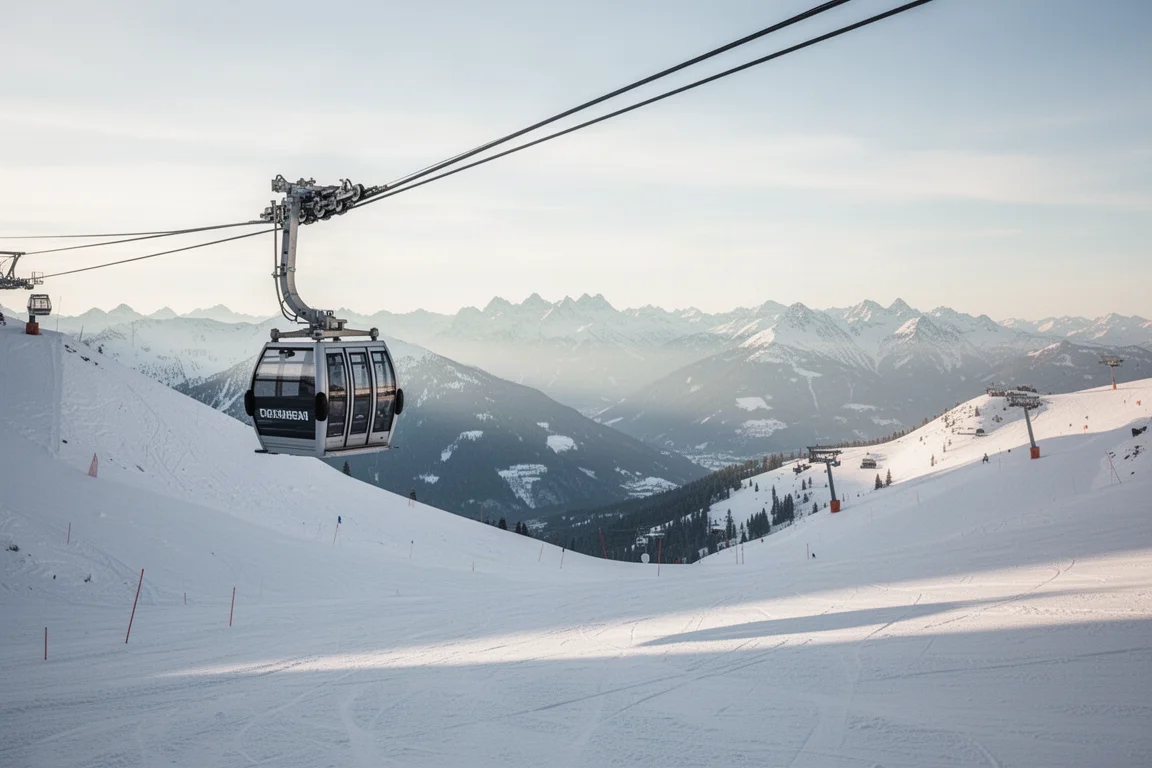
Keystone has undergone a real transformation in recent seasons, adding lift-served above-treeline terrain for the first time and standing out for its mix of groomed, mogul, and tree skiing. It is also the only Interstate 70 corridor resort offering twilight skiing on weekends and holidays. Nearly 40 percent of its terrain still requires hiking to reach, and true expert features such as chutes are essentially absent, but it has become a much more well-rounded destination. One-day tickets are steep, so an Epic Pass product purchased before early December is the sensible route.
Copper Mountain
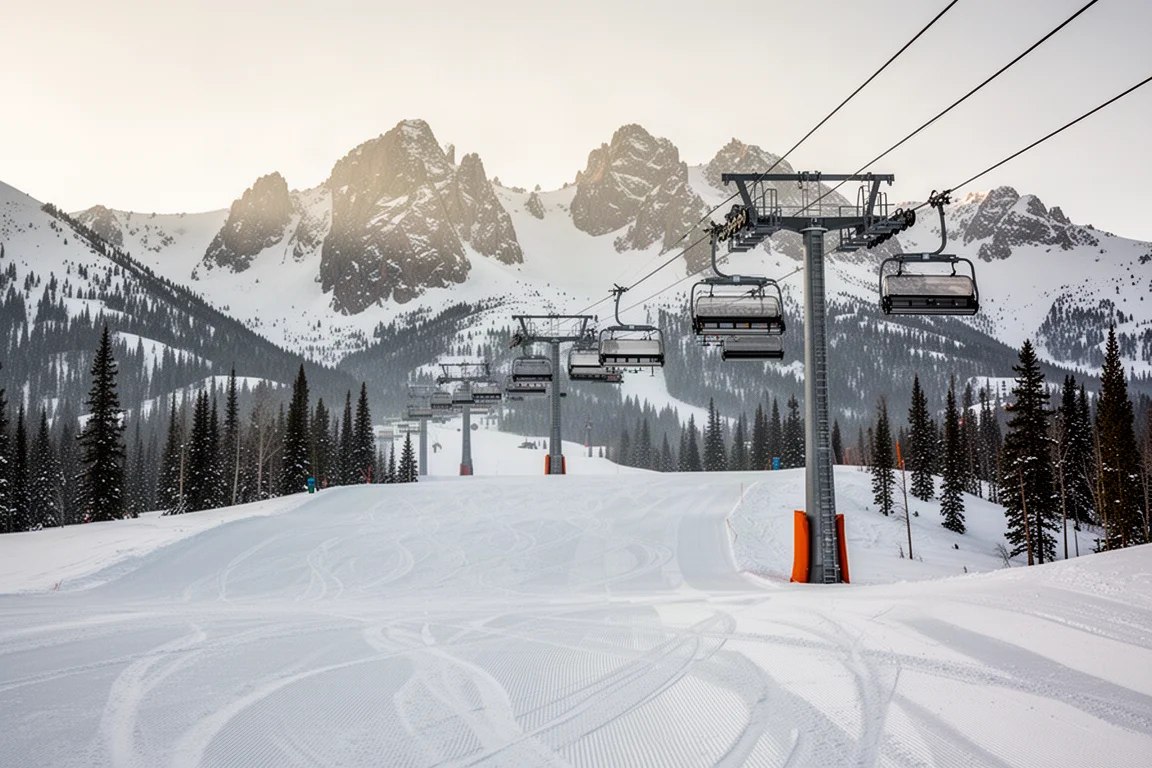
If you have a group of varying ability levels, Copper Mountain might be the best resort you can choose. Terrain runs from beginner to expert across naturally insulated zones, covering groomers, bump runs, glades, and high alpine bowls. The trade-offs are slow lifts outside the base and popular front-side zones, no indoor lodges on the backside or Tucker Mountain area, and a base village that is quiet after the slopes close. Advance planning through an Ikon pass product or a Copper four-pack gets you a much better deal.
Breckenridge
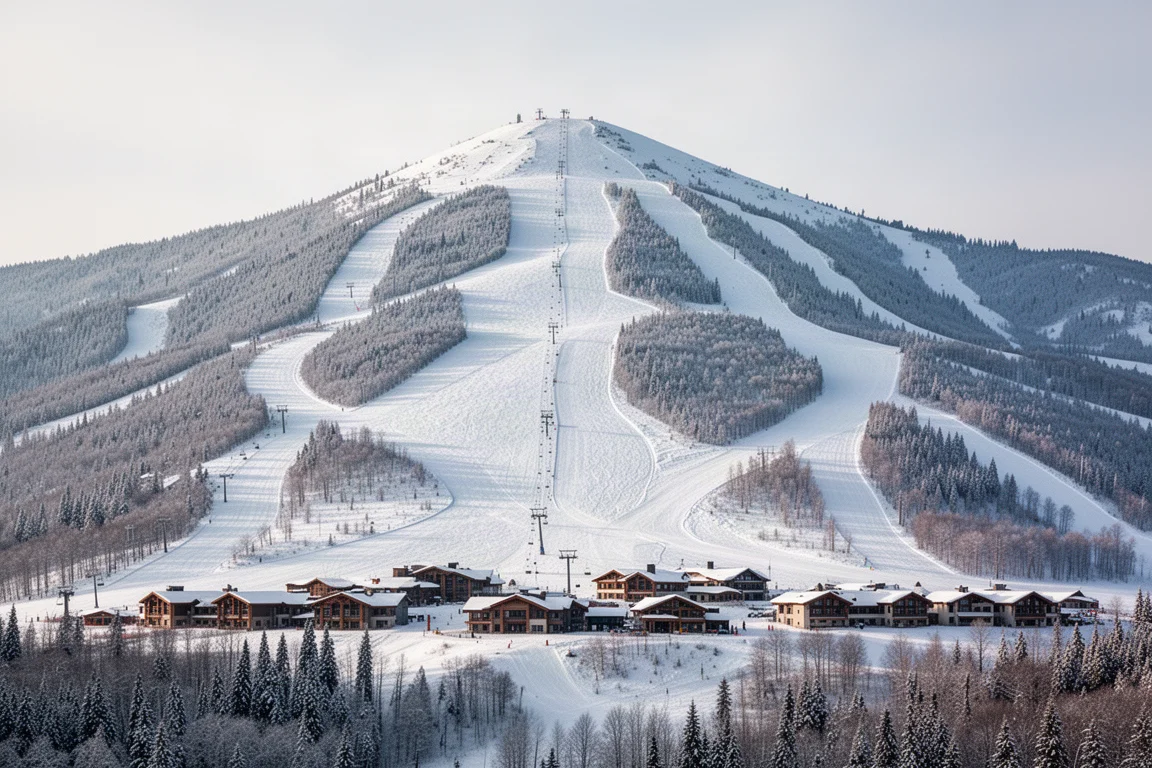
Breckenridge is one of the best-known ski destinations in the country, with a massive footprint, exceptional terrain diversity, and an excellent ski town. Its extensive network of high alpine bowls spans a considerable portion of the mountain. The downsides are real, though: serious peak-time crowds, five sprawling peaks that can be cumbersome to traverse, and frequent wind holds in the exposed bowls. Lift ticket rates have reached ridiculous levels in recent years, so secure an Epic Pass product by early December for a remotely reasonable deal.
Big Sky
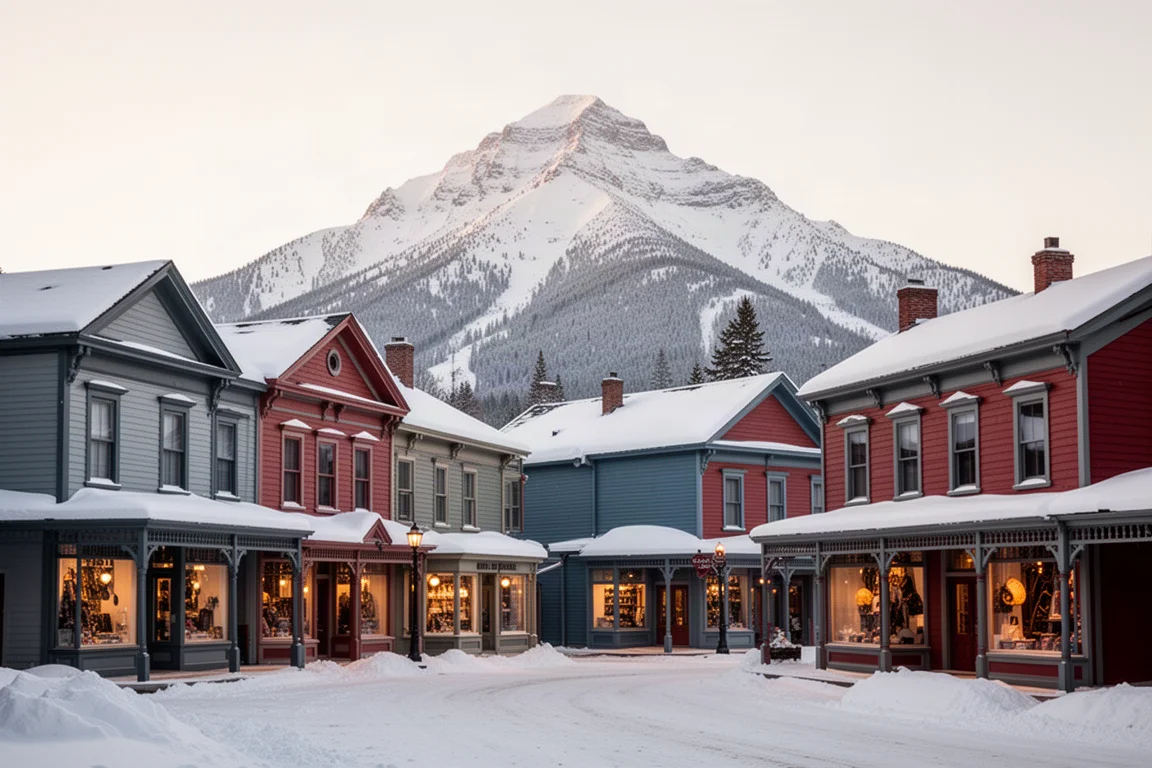
Big Sky offers a unique experience among US destinations, with a massive 5,850-acre footprint, genuinely fantastic terrain for all abilities, and some of the most intense expert descents anywhere, down steep, high-consequence chutes riddled with rock. Upscale ski-in ski-out condos can host large groups. It can be a logistical mess, however, with slow or oddly placed lifts, choke points that build long lines, and one frustration in particular: tram access to Lone Peak is not standard on Ikon, Mountain Collective, or lower-tier season passes and must be purchased per ride. Advance off-peak tickets are not totally unreasonable, but for many visitors a pass product is still the better value.
Beaver Creek
Beaver Creek is known primarily for hospitality, with exceptional service and well-thought-out facilities spread across the resort. The terrain holds up too, from exceptionally long mogul trails to McCoy Park, home to some of Colorado’s best beginner and low-intermediate bowls, and the technical Stone Creek chutes with mandatory cliffs on the hardest lines. Crowds are thinner than at most resorts here. The big gaps: no advanced or expert bowl terrain at all, limited upper-mountain intermediate skiing, and a roughly three-hour drive from Denver, though the Eagle airport is more convenient if pricier. One-day adult rates top out at an almost unbelievable $329, making the Epic Pass nearly essential.
Telluride
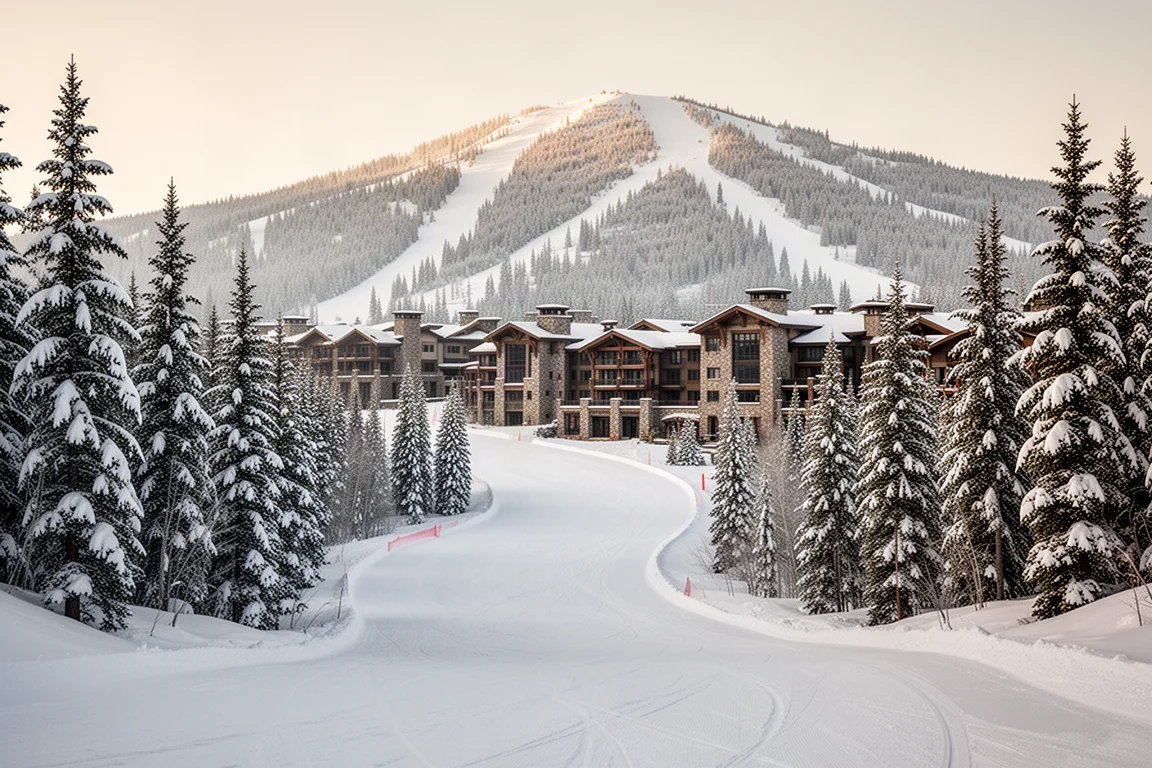
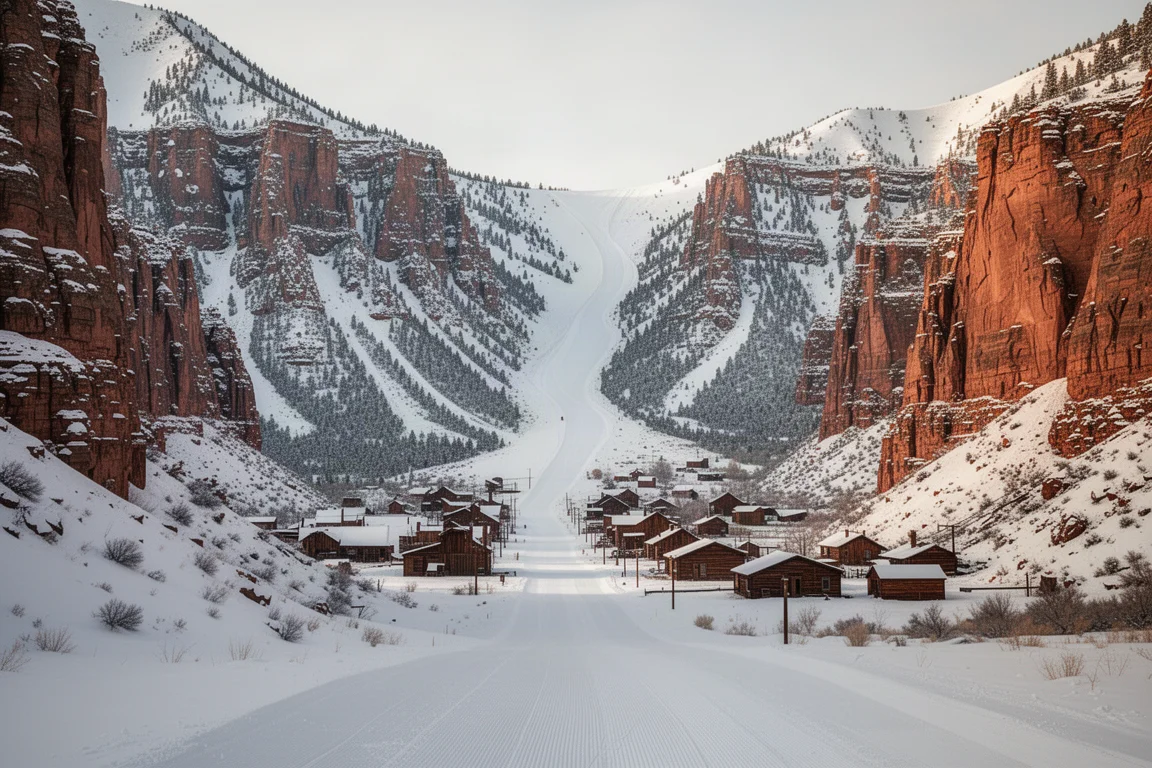
Telluride offers a wide variety of terrain for intermediate to expert skiers, set among jagged red-rimmed peaks unlike any other large resort in the country, and the town itself is one of the most picturesque and fun in skiing. Its remote location means crowds are rare even on peak weekends and holidays. Access is the biggest drawback, with the resort still an hour and a half from the nearest regularly scheduled regional airport, and lower snow totals than most destinations here. Much of the highest terrain, including Palmyra Peak, requires significant hiking. Tickets run about $200, and town lodging is steep unless booked far ahead. The resort is on the full Epic Pass and the highest-tier Epic Day Pass with at least four days.
Snowmass
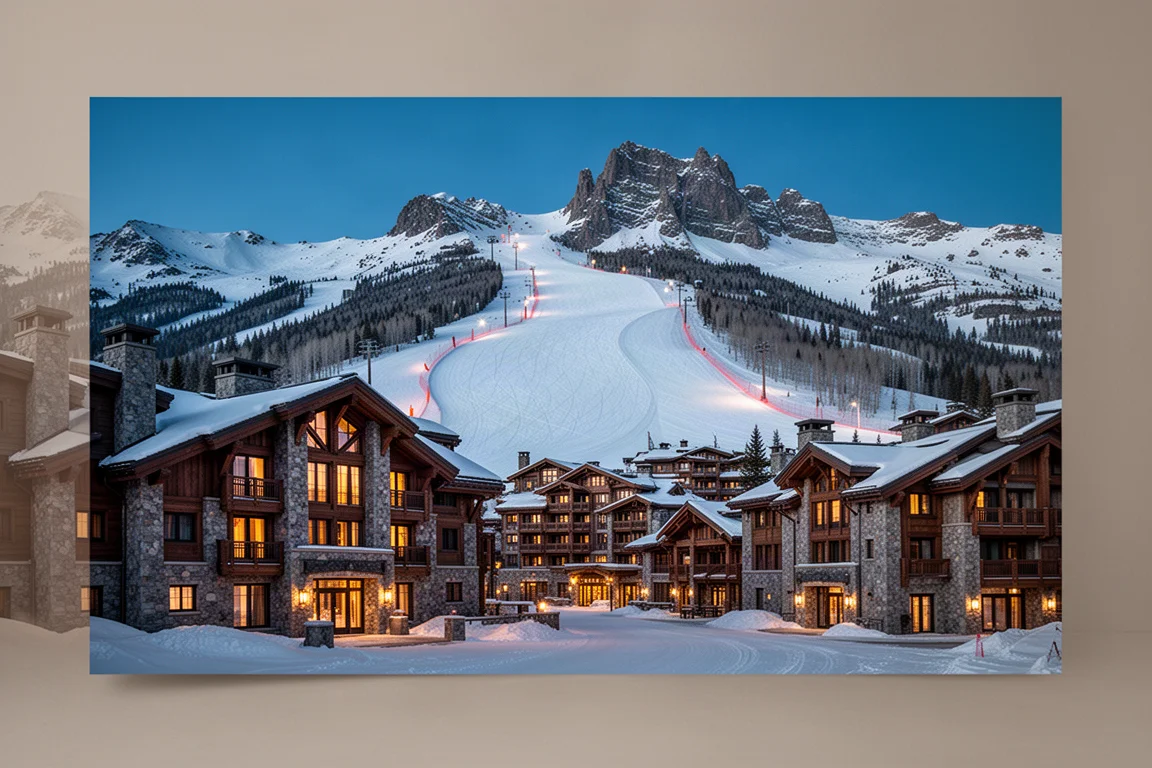
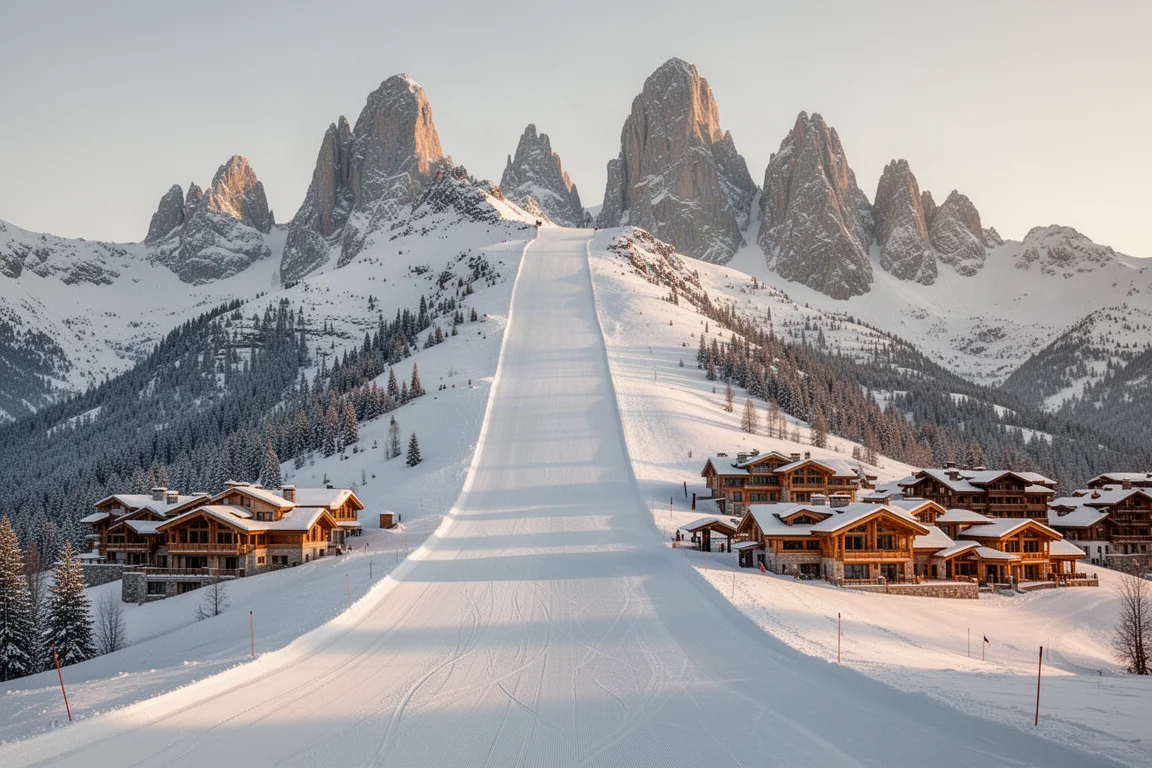
Snowmass checks every box for an upscale trip: high-speed lifts nearly everywhere, fancy lodges throughout the resort, and a walkable base village with hotels and shops. More importantly, it is a genuinely good ski mountain, with over 3,300 acres and a wide variety of tree-defined trails, glades, and bowls plus fantastic upper-mountain views. The main drawback is cost: the Aspen Snowmass complex is not cheap, and lodging in Snowmass Village or anywhere near Aspen is unaffordable for many. It is also over four hours from the Denver airport. Tickets start at over $200 but are usable at all four Aspen Snowmass mountains.
Vail Mountain
Vail is gigantic, with over 5,300 skiable acres and high-speed chairlifts almost everywhere. The mountain stands out most in its remote areas, where the expansive back bowls and supremely isolated Blue Sky Basin provide unforgettable scenery. What it lacks is truly extreme terrain, so riders seeking gut-wrenching chutes will not find them here, and the vast footprint can be disorienting if you get lost easily. Ticket prices have climbed to almost unthinkable levels, so get an Epic Pass product before they go off sale in early December.

Jackson Hole
Jackson Hole may be the toughest overall large ski area in the country, with extreme chutes and couloirs scattered across the mountain, including the famed Corbet’s Couloir, plus a vertical drop over 4,000 feet that allows advanced and expert pitches the entire way down. The resort has modernized its lift fleet, and the Teton range makes a stunning backdrop. Its biggest weakness mirrors its strength: the beginner experience is almost an afterthought, intermediates will find the blues steeper than at most resorts, and its east-facing aspect makes it susceptible to freeze-thaw during drought years. One-day adult tickets can exceed $200, and the mountain appears only on the full Ikon, Ikon Base Plus, and Mountain Collective passes.
Alta and Snowbird
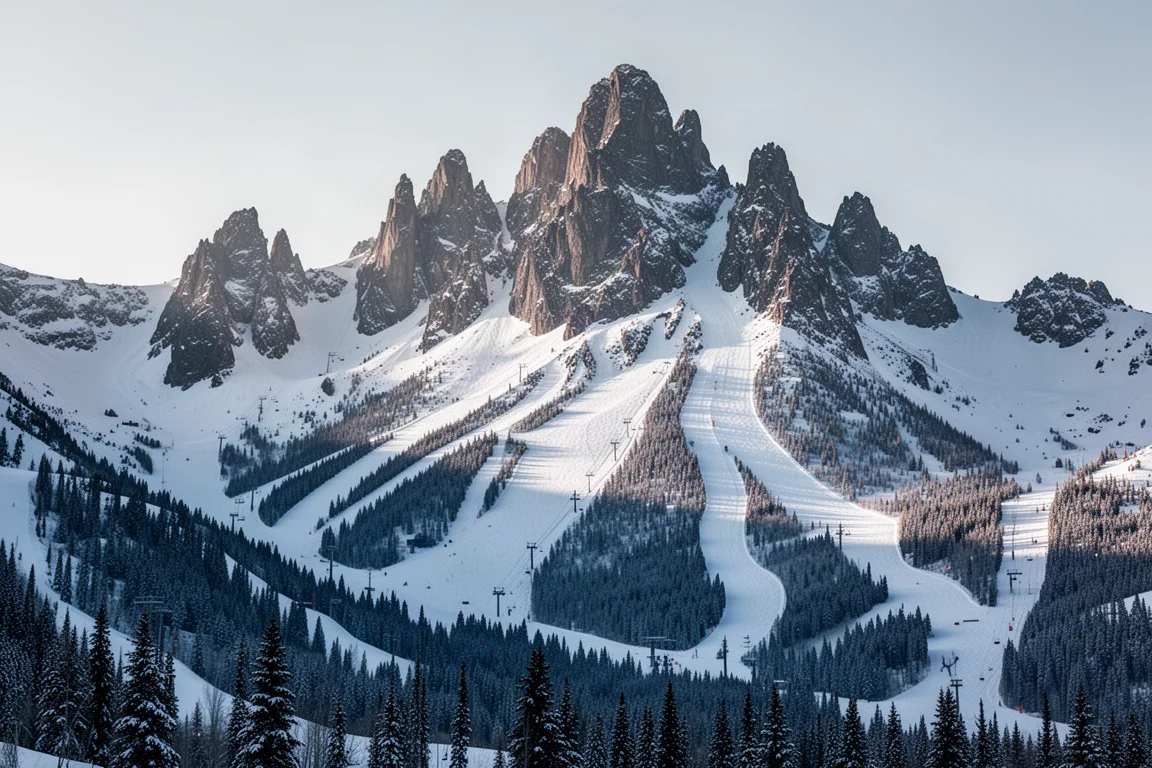
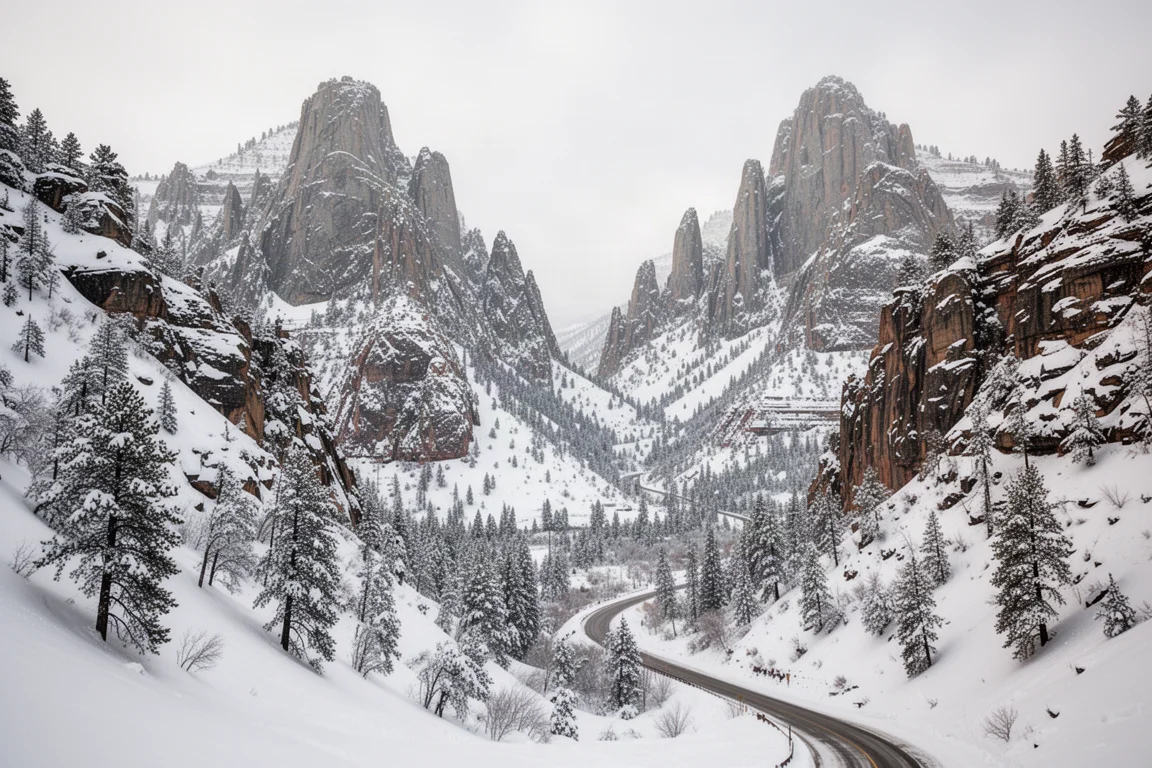
The interconnected Utah duo of Alta and Snowbird is the top ski destination in the United States. These Little Cottonwood Canyon resorts would rank highly even as separate entities, but combined they are hard to beat. They receive arguably the best natural snow of any destination here, supremely dry and light yet frequent and deep, with powder days a common occurrence. The combined footprint spans over 4,500 skiable acres with some of the most extreme terrain in the US, and an isolated, wild feeling thanks to the quality of the peaks and the lack of development. It is also remarkably convenient, sitting about 45 minutes from the Salt Lake City airport in good conditions.
The flaws: Alta bans snowboarding, so riders must stick exclusively to Snowbird. Neither resort has a particularly built-up town, and bad road conditions can bring traffic and temporary canyon closures. Pass access requires the full Ikon, Ikon Base Plus, or Mountain Collective, and combined tickets are only sold at the window at prices that can get expensive.
Buying Advice
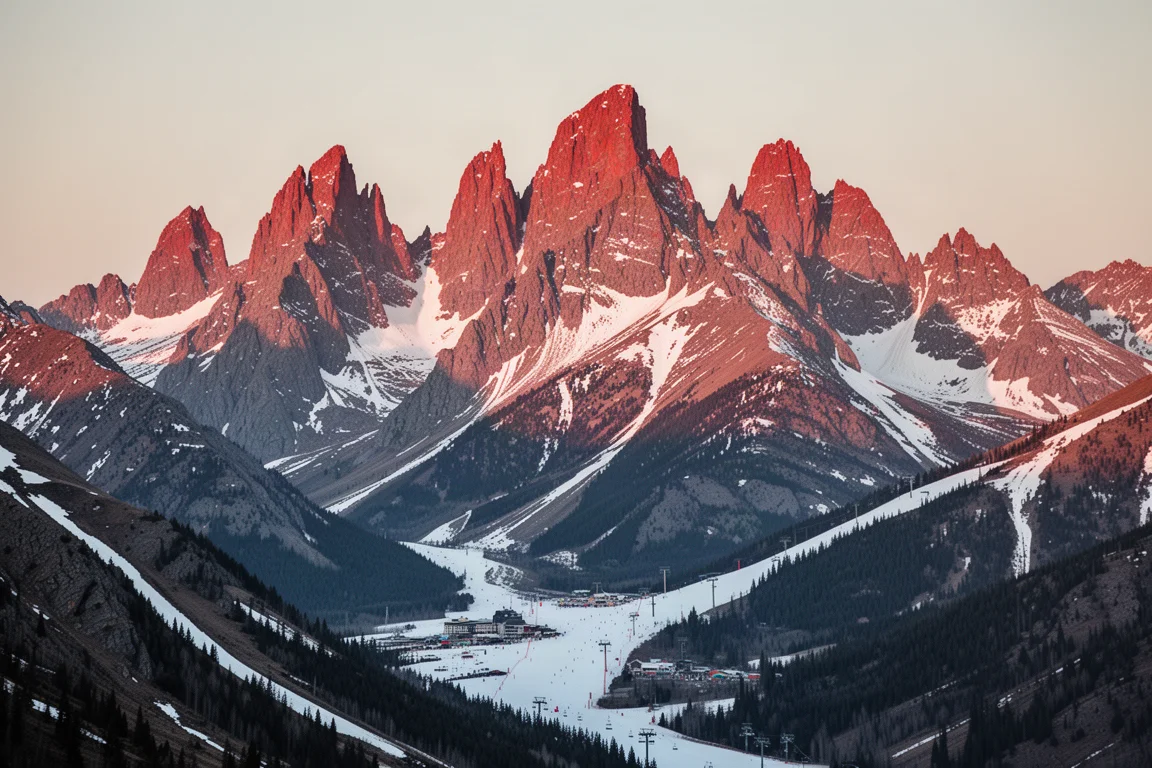
For the ultimate all-around destination, Little Cottonwood Canyon is the pick. Expert skiers chasing the most demanding terrain should look hard at Jackson Hole, Big Sky, and Telluride. Families and mixed-ability groups will find Copper, Winter Park, and Keystone easier to manage, while luxury-first travelers should weigh Snowmass and Beaver Creek against the price of admission. Whichever mountain you choose, buying a pass product before it goes off sale in early December is almost always the best value move on any of these mountains.
Conclusion
America’s destination resorts are not all created equal, but the top tier is strong enough that the decision comes down to what you value most: powder depth, extreme terrain, a lively ski town, or pure convenience. Match the mountain to your priorities and your group, and any of these ten can anchor a memorable week on the snow.
Further reading
Related Reviews
Ski Resorts
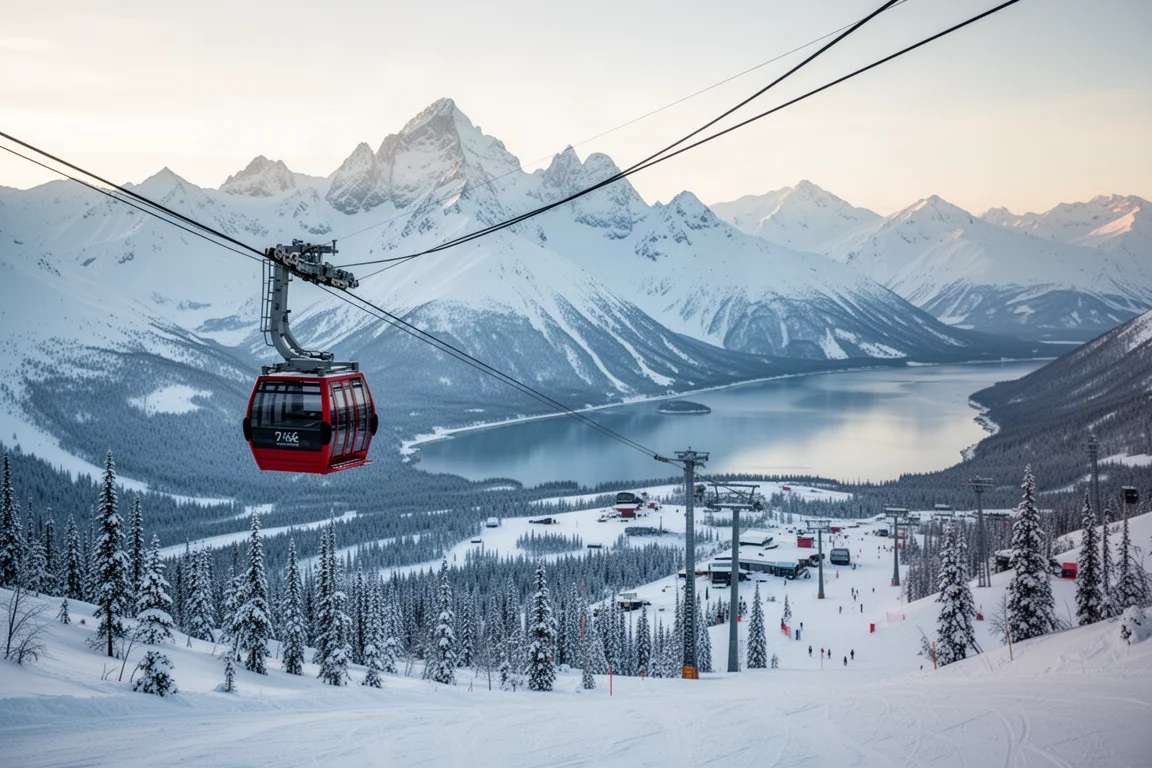
Alyeska Resort Review: Alaska's Largest Ski Resort, Worth the Journey?
A deep look at Alyeska Resort: heavy snowfall, expert terrain, an Icon Pass connection, and the trade-offs of a near-sea-level mountain in the Last Frontier.
Ski Resorts
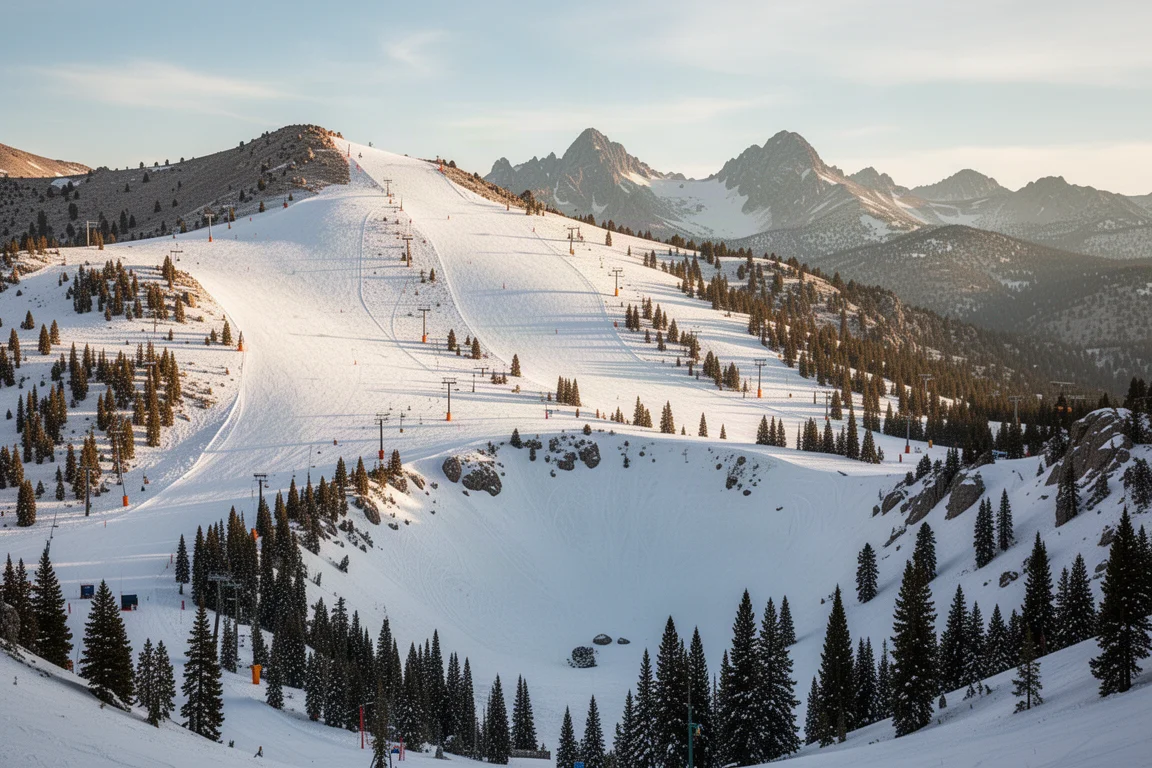
Bear Valley Ski Resort Review: Northern California's Quiet Sierra Alternative to Tahoe
A lesser-known Sierra resort with over 1,300 skiable acres, surprisingly strong expert terrain, and crowd levels Tahoe can only dream of. Here is what to know before you go.
Ski Resorts
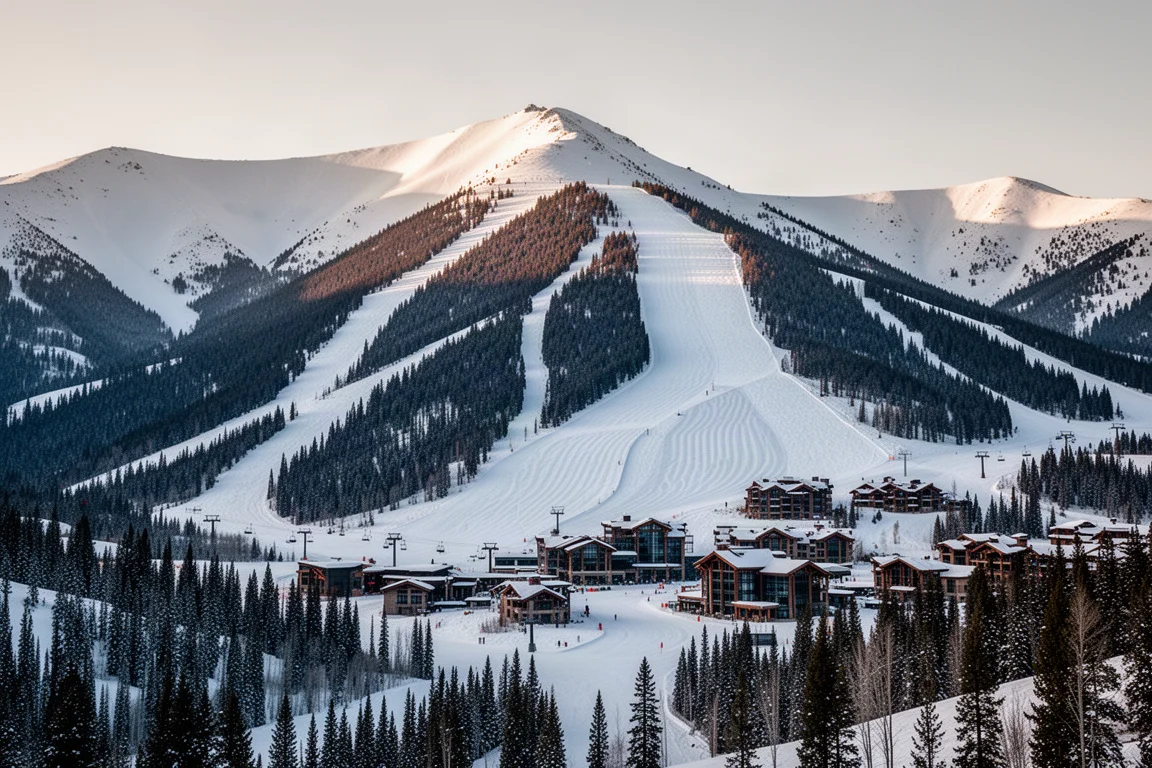
Colorado Ski Resorts Ranked: The Best Destination Mountains for Overall Experience
A ranked guide to Colorado's destination ski resorts, covering terrain, snow, logistics, crowds, and cost so you can pick the right mountain for your trip.