Road Cycling Upgrades
Best Upgrades for an Entry-Level Road Bike: 8 Changes That Transform the Ride
Eight upgrades for an entry-level road bike, ranked from the tire change that transforms ride feel to the wheels worth saving for.
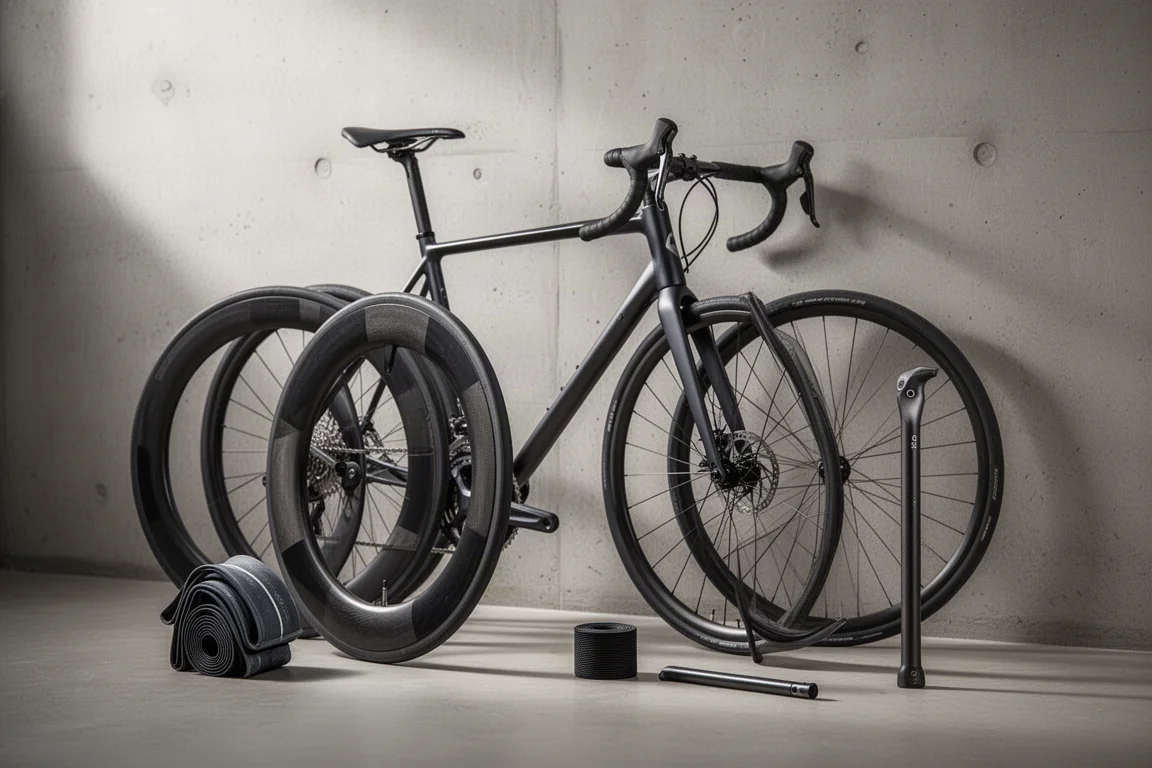
Introduction
Entry-level road bikes have become genuinely good. The gap between a well-chosen affordable bike and something costing several times as much is narrower than the price tags suggest, and most of that gap comes down to a handful of components rather than the frame itself.
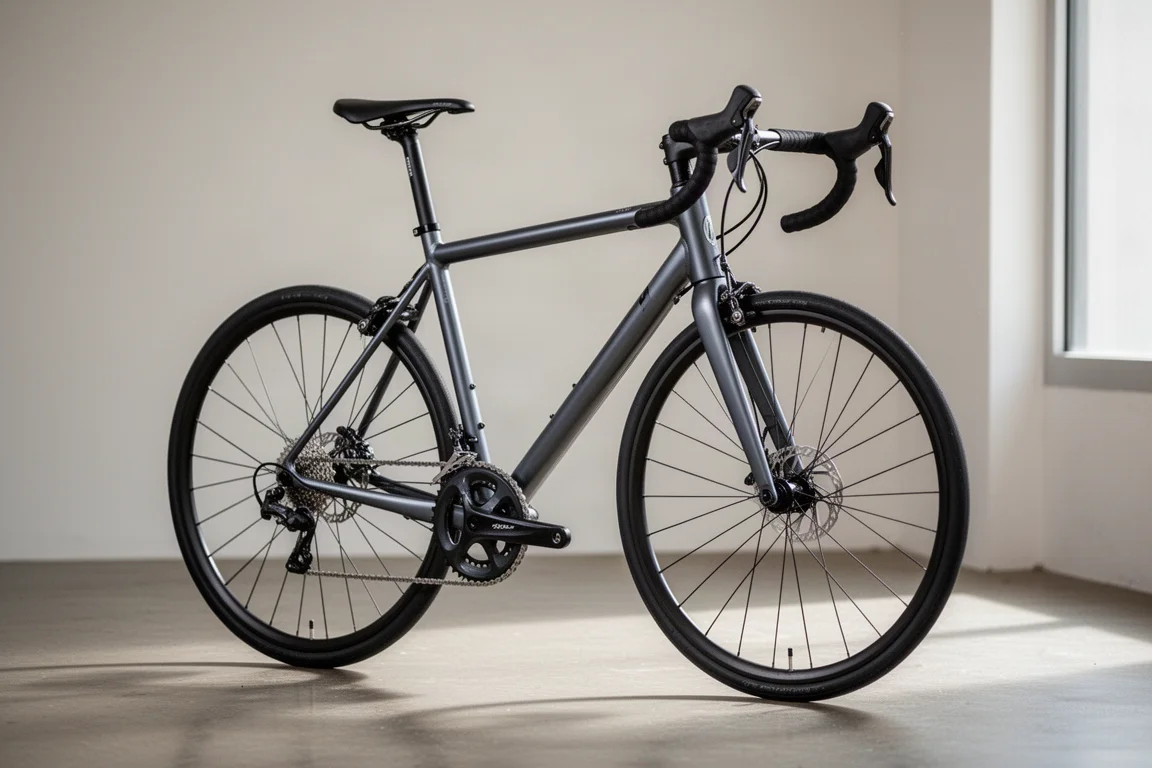
This guide is built around a Specialized Allez, the most affordable road bike in the Specialized range at around £1,000. It is a fine example of a modern entry-level machine in every respect except its price. The upgrades below were fitted one at a time and ridden, and they are ranked by how much difference each one makes to the way the bike feels.
If you only have budget for one change, start at the top of the list and work down.
The Base Bike: Specialized Allez
The Allez arrives with a Shimano Claris drivetrain, mechanical disc brakes, 6-bolt rotors, cork bar tape and a frame that accepts tires up to 35 mm. That last figure is worth remembering, because wider rubber at lower pressure is one of the cheapest ways to make an entry-level bike ride better on imperfect roads.
The stock wheels on this particular bike were better than the category average. Spoke tension held up, they stayed true after repeated rides and the bearings ran smoothly. That is not always the case. Some entry-level wheels go out of true within weeks, or develop rough bearings almost immediately.
The stock tires were acceptable too, which is not guaranteed on bikes in the £500 to £600 bracket, where hard compound rubber is common and holds the whole bike back.
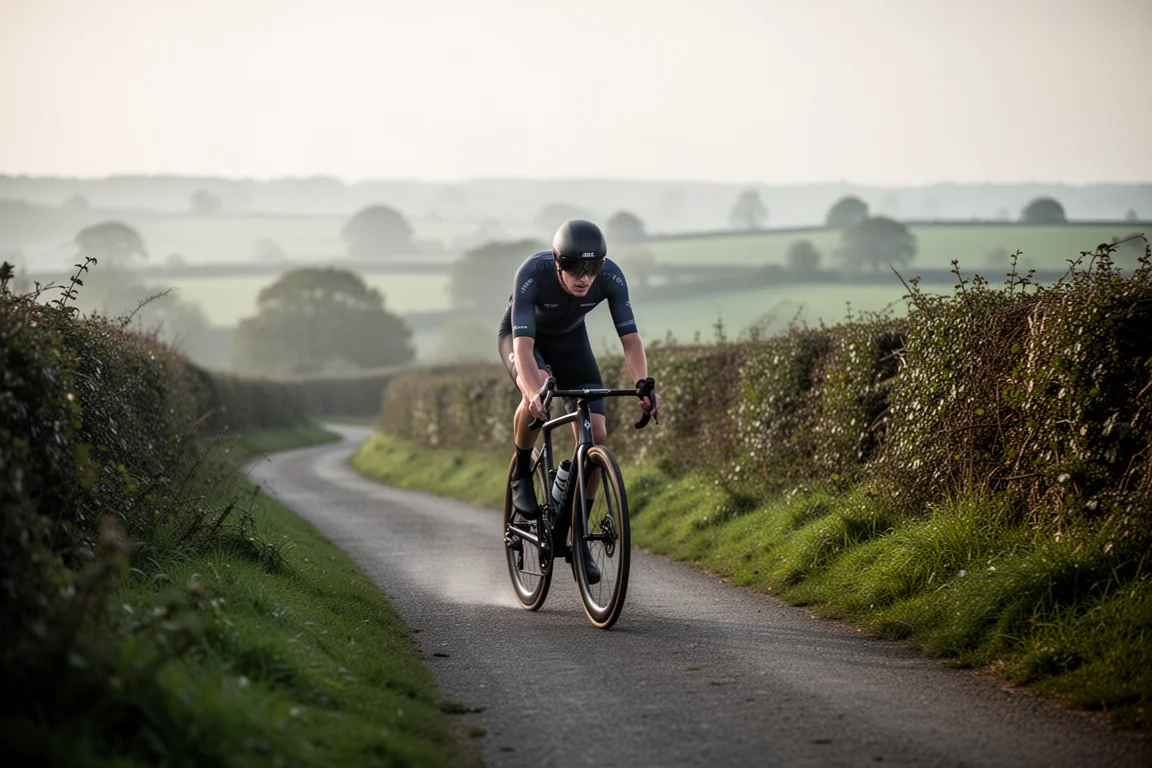
For reference, the bike weighed 11.35 kg as ridden with pedals, a head unit, an out-front mount and a saddle bag attached. After every upgrade in this guide it weighed 10.87 kg. Saving weight was never the aim, but the figures show how quickly accessories and stock parts accumulate.
What Matters Most When Upgrading
Ride feel is the first priority, and it is decided mostly by tires. A supple, soft compound tire inflated to the correct pressure can make almost any bike feel remarkable, and the same logic works in reverse. An expensive bike on hard rubber feels dull.
Consumables are the second consideration. Tires and bar tape wear out, so their cost returns every season or two. More expensive tires generally use thinner, more supple casings. They ride beautifully, but they are also more puncture prone, and that trade-off is worth understanding before spending up.
Braking is the third area where affordable bikes typically fall short. Group sets, by contrast, are rarely the problem. Once a drivetrain reaches a reasonable standard, it stops being the thing that limits how good a bike feels.
Saddle comfort and handlebar position come down to personal fit. Change them for comfort or position, not simply for the sake of an upgrade.
Best First Upgrade: Vittoria Corsa N.EXT Tires
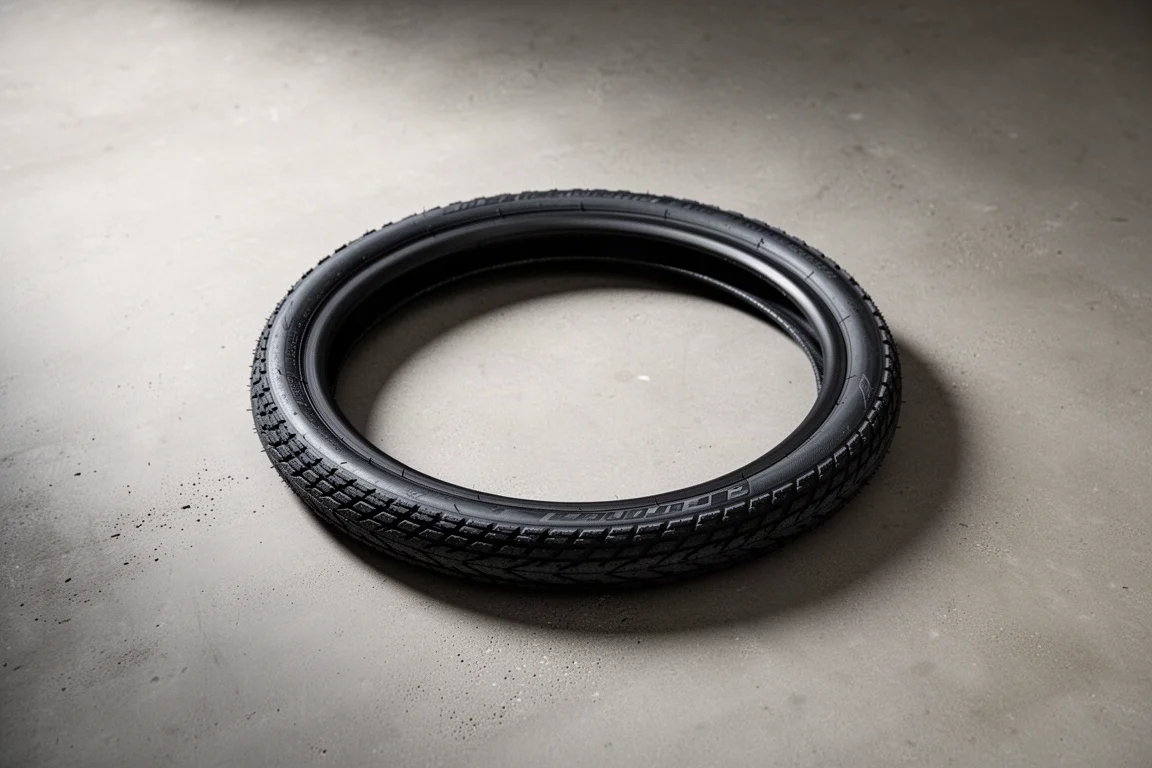
If you change one component, change the tires. The Vittoria Corsa N.EXT is a supple, soft compound road tire that sits in the same performance territory as the Continental GP 5000 and the Schwalbe One, and it sells online for roughly £30 to £50 depending on where you look.
Fitted to the Allez at the correct pressure, it changed the character of the bike immediately. Grip, comfort and rolling feel all improved together, and the bike felt far more capable than its price suggested.
The trade-off is durability. Softer, more supple tires are more likely to puncture, and the thinner the casing, the higher the risk. Tires are also a consumable, so the money comes back around every time they wear out. For most riders the improvement in ride quality is worth it, but it is worth budgeting for replacements.
Best Value Comfort Upgrade: BBB FlexRibbon Bar Tape
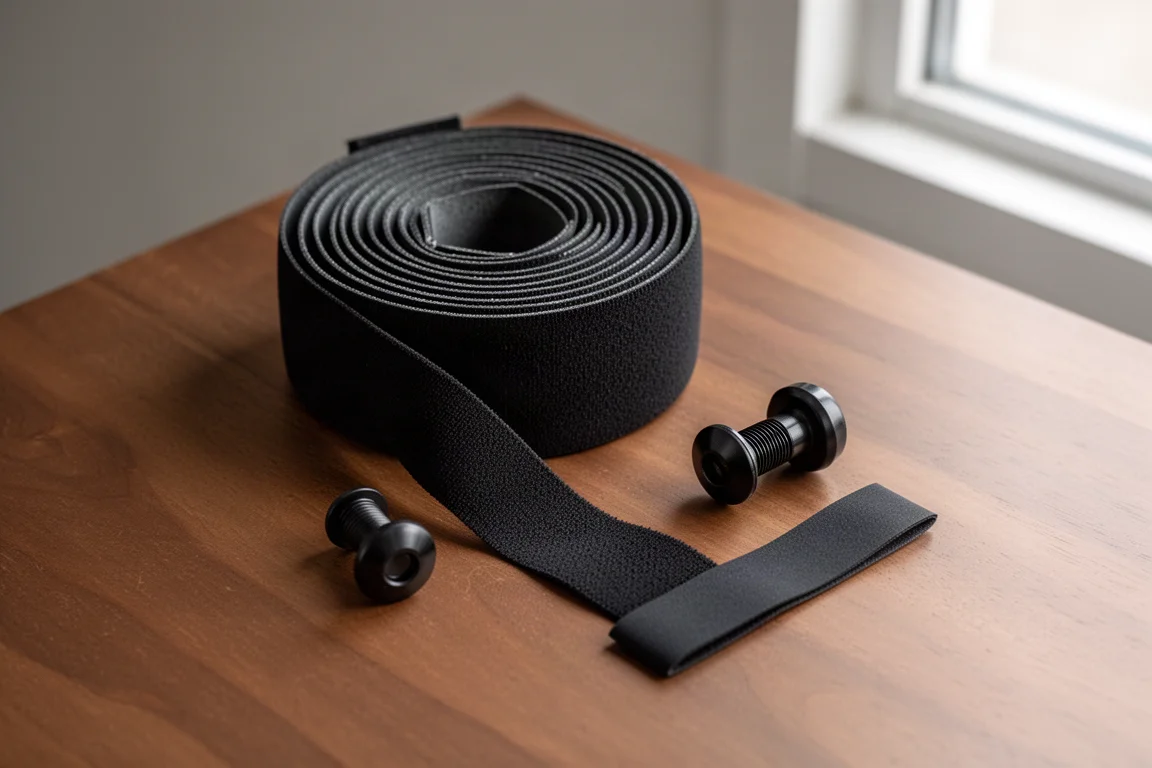
Cork bar tape is the default on most entry-level bikes and there is nothing wrong with it, but it is not the most comfortable material to spend hours holding. Riders spend a lot of time on the tops and the drops, so bar tape earns its keep.
BBB FlexRibbon costs about £16 and is one of the best value changes on this list. The backing is not overly sticky, which means it can be unwrapped and rewrapped when you change lever position or swap handlebars, and it lasts a long time. A gravel version is available with extra thickness for riders who want more cushioning.
It will not make you faster, and some riders will not care about it at all. It does make every ride slightly more pleasant, and it is cheap enough to try.
Best Brake Upgrade: TRP HY/RD
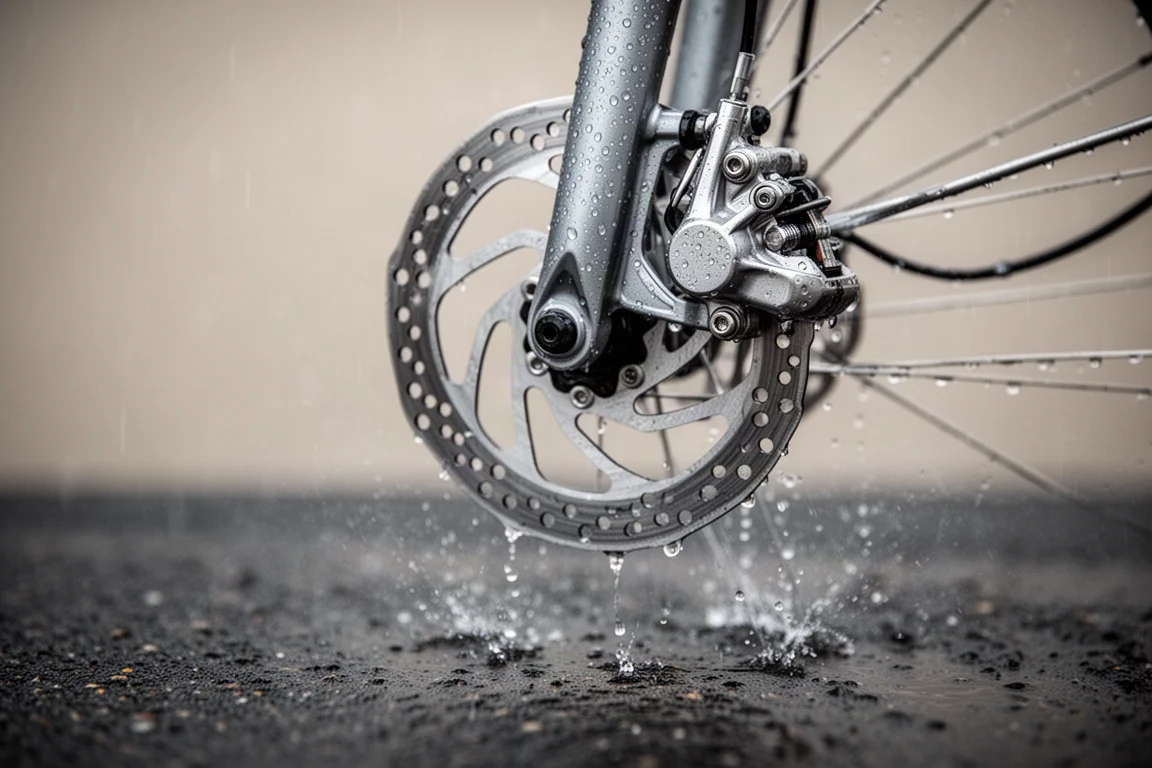
Mechanical disc brakes work by pulling a cable that squeezes the caliper onto the rotor, and they almost always feel soft and a little weak. Three changes improve them, and they work best together.
Quality brake pads are the simplest step. SwissStop makes pads for a wide range of caliper fittings and they are a clear upgrade over many stock pads. Compressionless housing, such as Jagwire, reduces the amount the outer cable compresses under braking, which sharpens the feel at the lever.
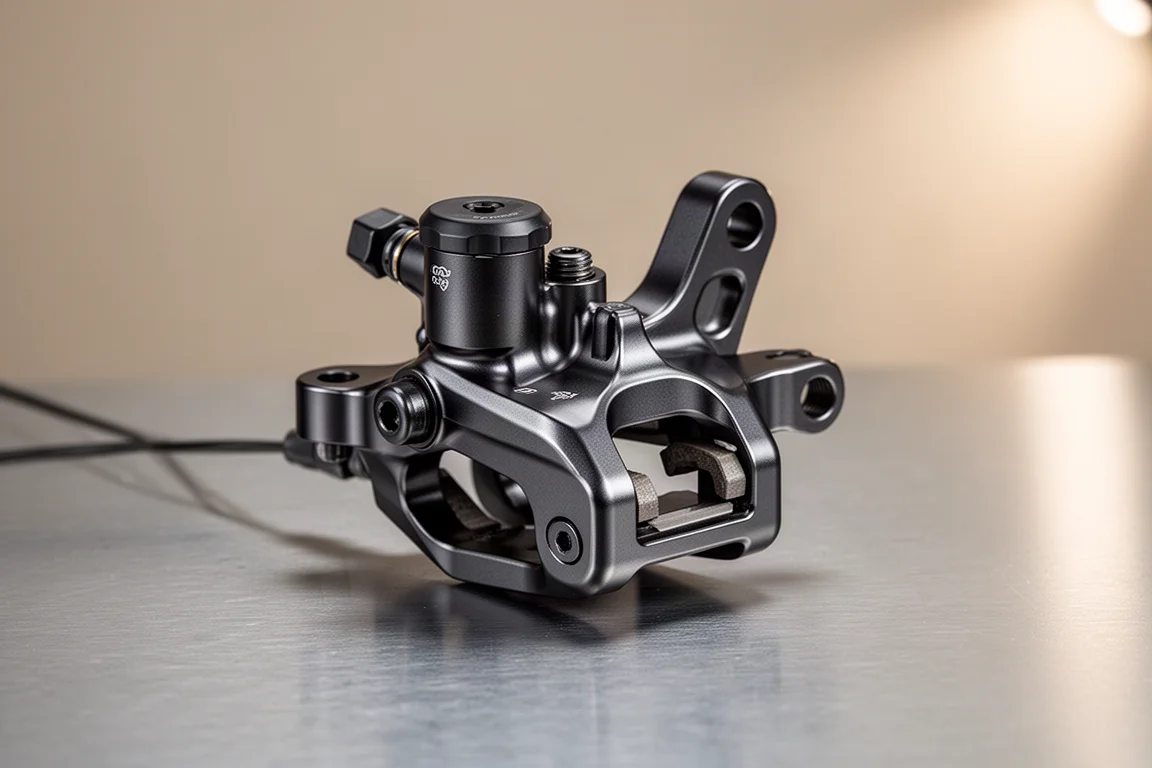
The biggest step is changing the calipers. The TRP HY/RD is a cable-actuated caliper with a small hydraulic reservoir inside. It replaces the existing calipers without changing the levers, so the bike keeps its cable routing while gaining braking that is roughly 70 percent of the way to a full hydraulic setup. They are not the most elegant parts on a bike, but they work extremely well.
Installation is easier than it sounds, although new brake cables are required, and frames with full-length outer housing make the job simpler. Smoother cables also help the calipers perform at their best, so it makes sense to do the pads and the housing at the same time.
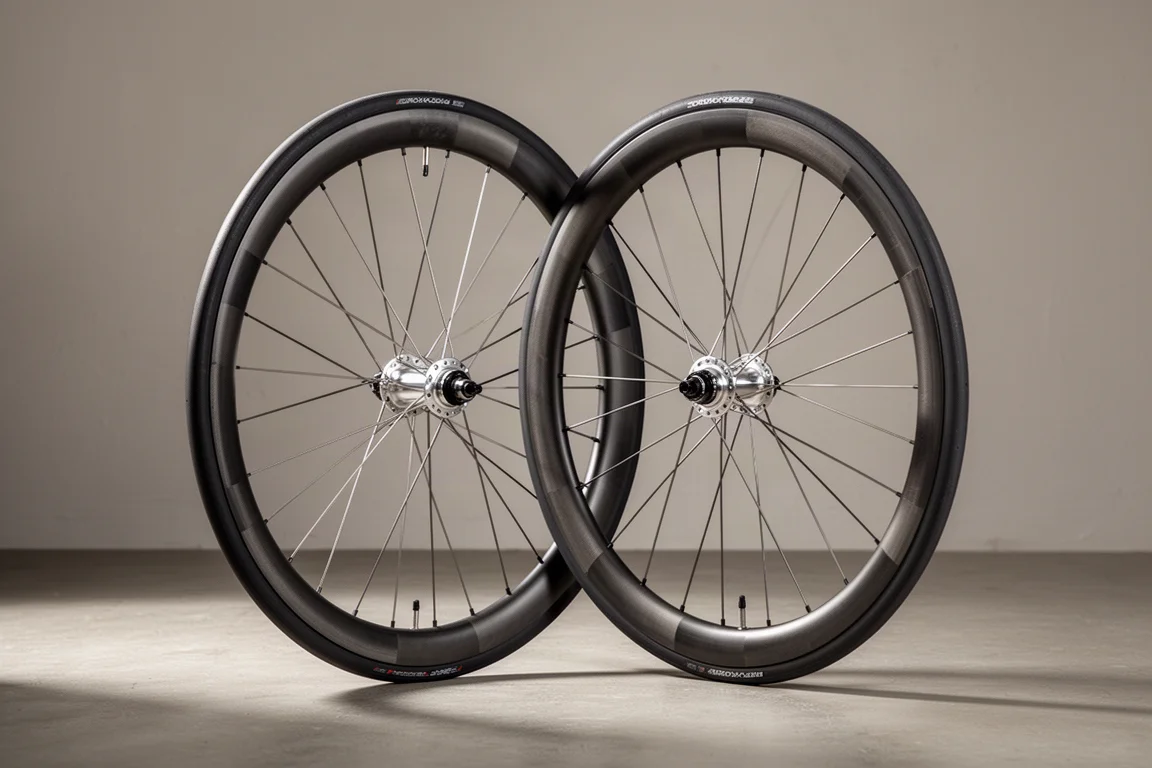
Best Carbon Wheel Upgrade: Zipp 303 S
Carbon wheels do not all cost £3,000 and up. Returns diminish past a certain price, and a low to mid priced carbon set is often the sweet spot.
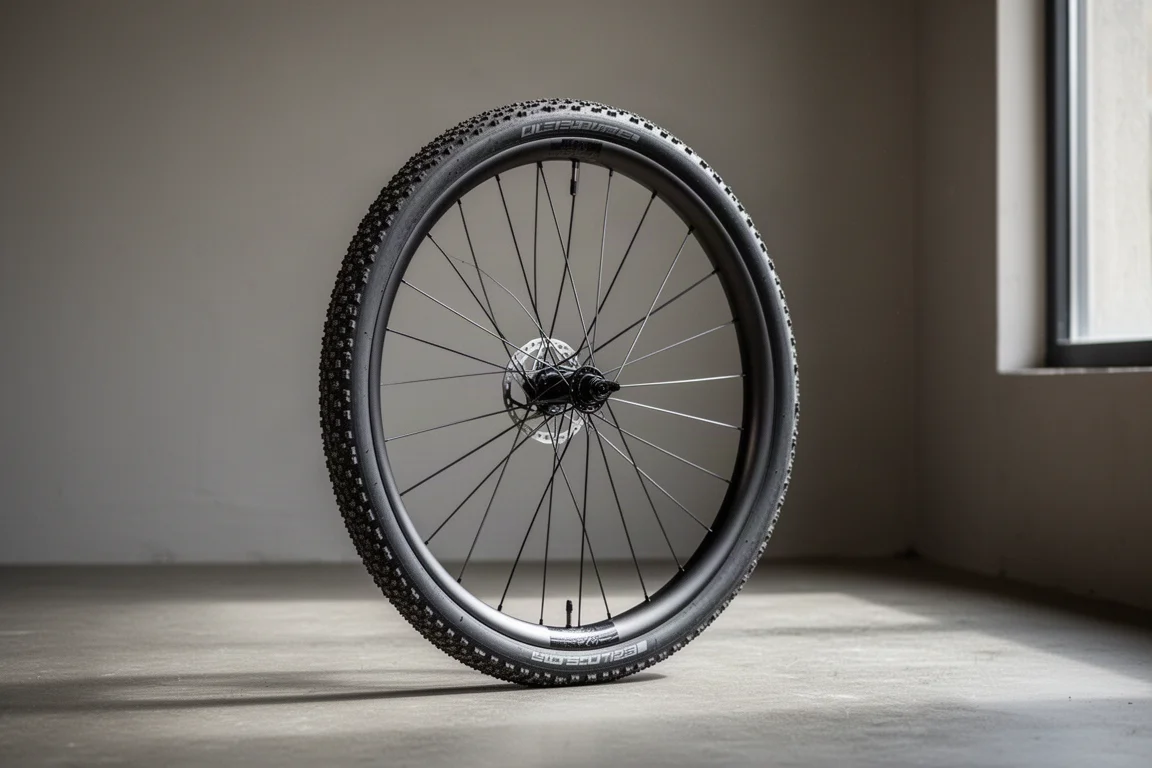
The Zipp 303 S retails around £1,090 and fits that description. It uses a centre lock rotor mount, so bikes with six-bolt rotors need the rotors changed as well, and it arrives with tubeless tape and valves already fitted, which saves a step later.
Compared with the alloy wheels on a typical entry-level bike, a set like this feels significantly faster and weighs noticeably less. It was the most expensive part of this build by a wide margin, and it was also the upgrade that changed the bike the most.
Premium Wheel Alternative: Shimano Ultegra Wheels
The Shimano Ultegra-level wheelset costs around £1,258 and offers slightly better hubs and a little less weight than the 105-level C50 wheels at roughly £1,000. The two sit surprisingly close together on price, and both represent a serious step up from stock alloy wheels.
That is useful context for anyone shopping at this end of the market. The differences between good wheelsets at this price are small, so availability and price matter more than the specification sheet. If one of them is discounted, that is usually the one to buy.
Best Seatpost Upgrade: USE Duro
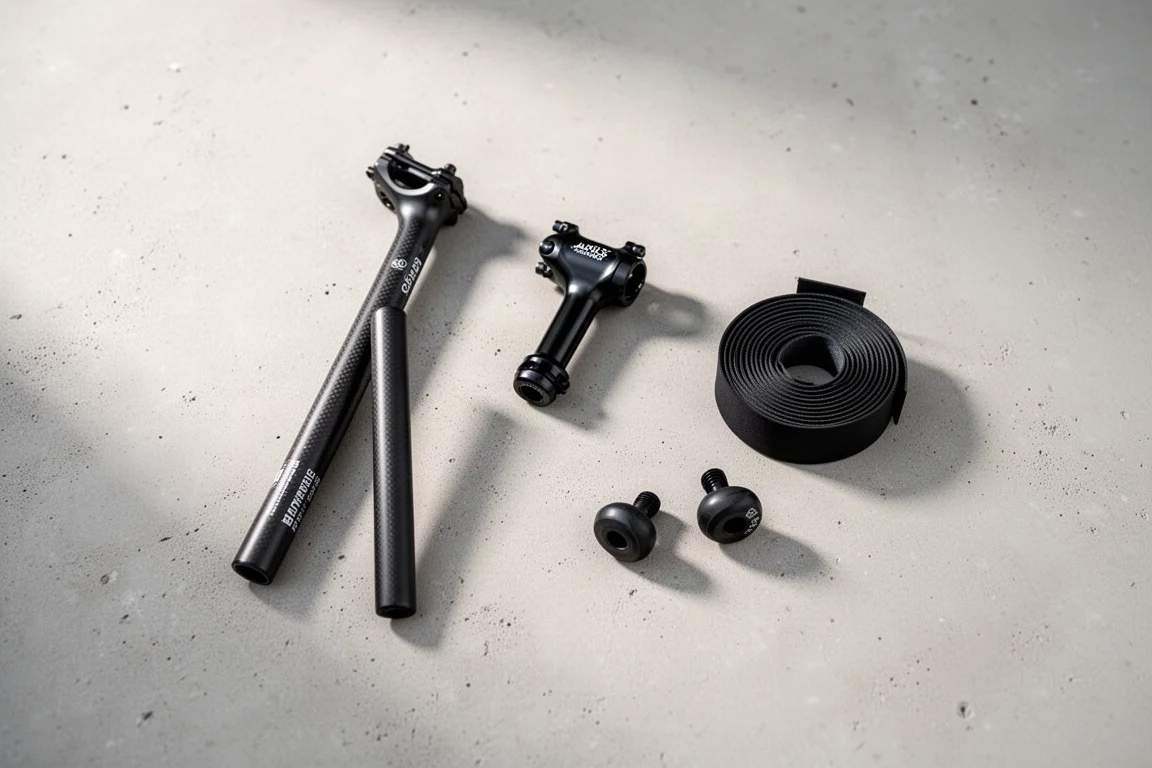
Bars, stems and seatposts sit near the bottom of the upgrade list for good reason. Unless you are changing bar width or stem length to improve your position, these parts mostly save a little weight and tidy up the look. The difference between the stock finishing kit on this bike and the upgraded parts was 210 g in total, which is less than most riders expect.
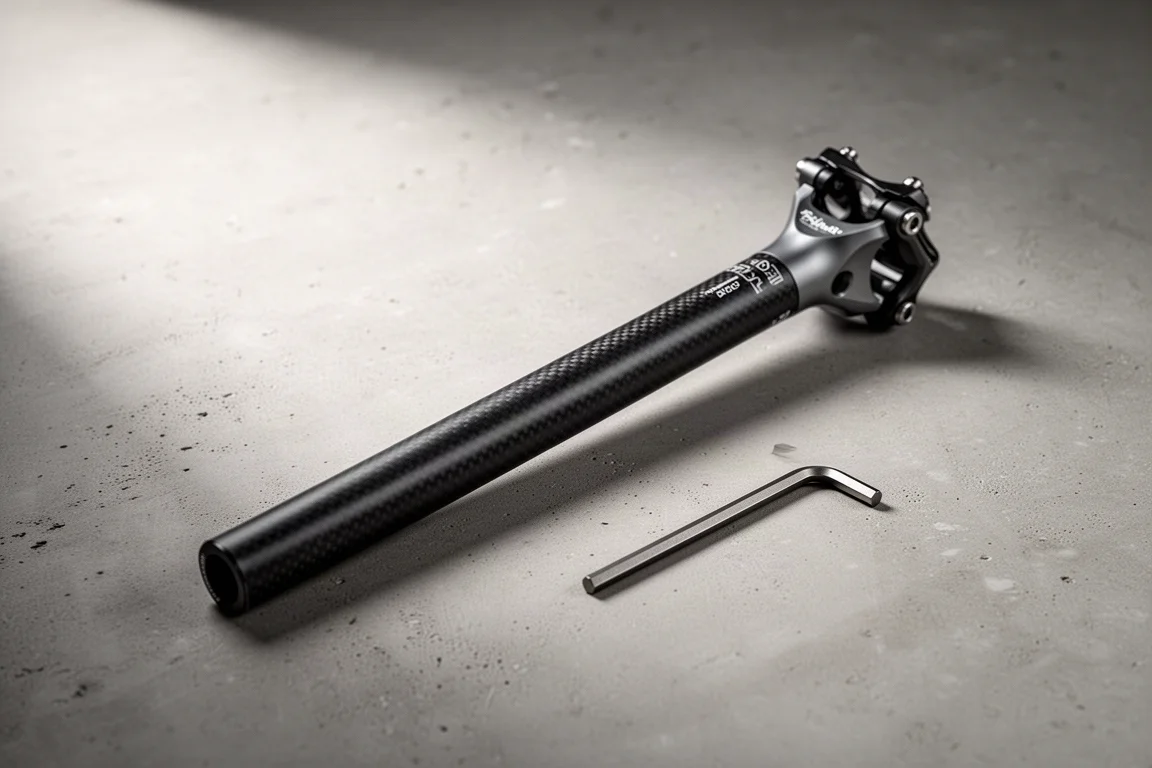
The USE Duro carbon seatpost is the exception, at £80. It is unusually light for the money, and comparable posts from other brands usually cost considerably more for the same weight. If you are replacing a seatpost anyway, this is a straightforward win.
Best Stem Upgrade: Specialized Comp Stem
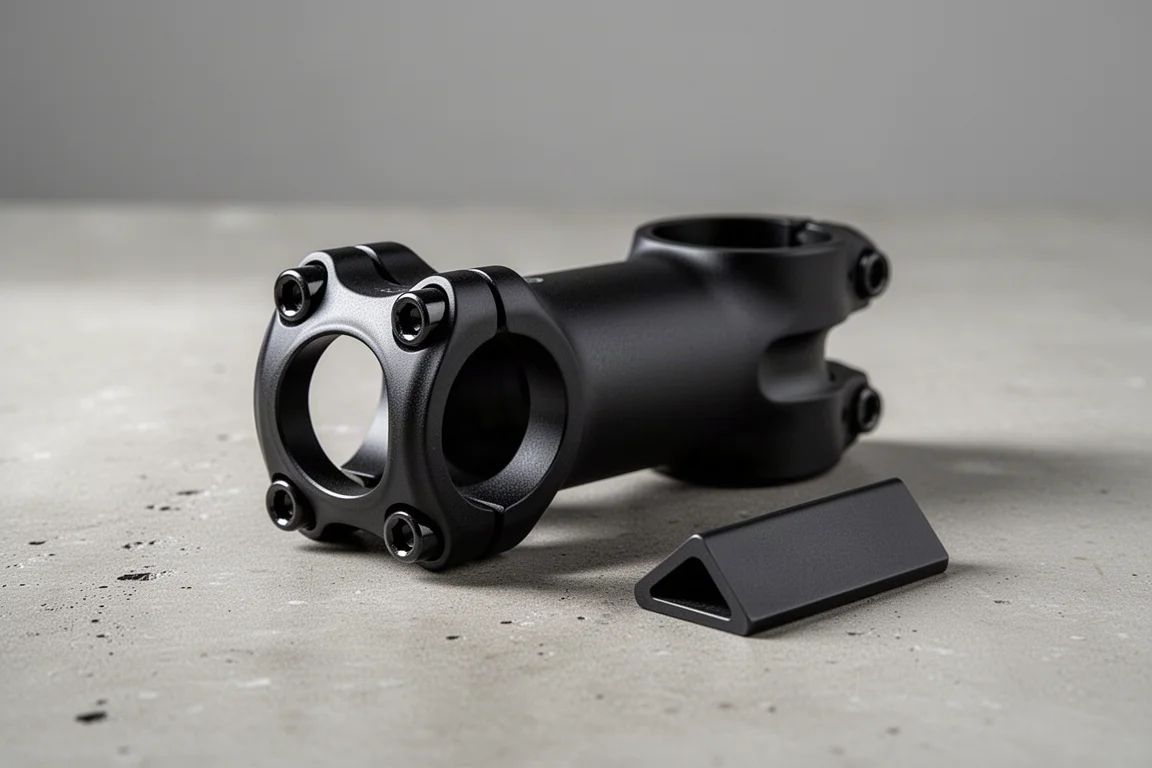
The Specialized Comp stem is adjustable, so the angle can be altered to raise or lower the handlebars without buying new parts, and it is lighter than the stem fitted as standard.
Pricing varies enormously. It can be found online for around £20, but it is easy to pay £60 for the same item if you buy from the first listing you find. Check a couple of retailers before ordering.
Saddles and Contact Points: What to Check
The saddle on most entry-level bikes is fine for a short ride to the shops and rarely comfortable over longer distances. The feature that matters most is a pressure relief channel, and it is worth prioritising over weight or rail material.
Several well-known saddle ranges include significant pressure relief, among them the Pro Turnix, the Pro Griffon and, for female riders, the Ergon SR. They are available across a wide spread of prices. In most ranges the shape stays the same while the materials change, so a cheaper version with alloy rails often rides very similarly to the flagship model with carbon rails.
Two practical checks before buying. Make sure your seatpost accepts the rail shape, because oval carbon rails do not fit every post. And ask a local bike shop about demonstration saddles, which are the cheapest way to find out whether a shape suits you before spending anything.
Buying Advice: Which Upgrades to Prioritise
Tires come first. They cost the least of anything meaningful on this list and change the ride more than any other single purchase. Even a modest soft compound tire at the right pressure transforms an entry-level bike.
Comfort and control come next. A saddle that suits you and a set of quality brake pads, or a caliper upgrade if your bike runs cable-operated discs, make long rides easier and stopping more predictable. Bar tape is a small spend that pays back every time you ride.
Wheels come last because they cost the most. If your stock wheels are holding up, keep them and save for a set you actually want. If they keep going out of true, break spokes or run rough bearings, a reliable alloy wheelset from a brand such as Halo or DT Swiss is a sensible first step, and both are tubeless ready.
The upgrade worth skipping entirely is the groupset. The Shimano Claris drivetrain on this bike performed well throughout, and the stopping power added by the brake change made it feel quicker than the specification suggests. Money is better spent on tires, contact points and wheels.
Tubeless is worth considering once tires and wheels are sorted. A conversion kit costs around £30, and a bike shop will usually charge between £10 and £30 per wheel to do the work. Running lower pressures without the risk of pinching an inner tube is the main benefit, and it suits the wider tires that modern bikes are built around.
The full set of upgrades here came to roughly £1,980, of which the wheels accounted for £1,258, and many of the parts can be found cheaper online than at list price.
Conclusion
A modern entry-level road bike is already a good bike. What holds it back is usually the parts around the frame, and the order in which you replace them matters more than the total you spend.
Start with tires, fix comfort and braking if you need to, and treat wheels as the long-term investment. Followed in that order on this build, the changes took a competent entry-level bike and made it feel like something far more expensive, for roughly £2,000 in parts.
Further reading
Related Reviews

Backpacking Gear
Building a 10 lb Base Weight: An Ultralight Backpacking Gear List
A practical walkthrough of the ultralight pieces behind a 10 lb base weight, from a 765 g pack and a roomy one-person tent to a full camp chair and a dependable water filter.

Road Bikes
10 New Road Bikes Worth Watching: Aero, Titanium, Steel and Endurance Standouts
A practical roundup of 10 new road bikes, from aero flagships chasing single-watt gains to titanium, steel and endurance platforms built for real roads.
Bikepacking Gear
11 Bikepacking Essentials for Long-Distance Cycling
Eleven bikepacking essentials for long-distance cycling, from a steel gravel frame and a two-person tent to helmet lights, packable gloves, and a frame bag that puts weight in the right place.