Ultralight Backpacking Tents
Best Ultralight Trekking Pole Tents for Solo Backpacking: Six Shelters Compared
Six single-person trekking pole tents compared on weight, interior space, fabric, pitching, and price so you can pick the shelter that fits your hike.
Introduction
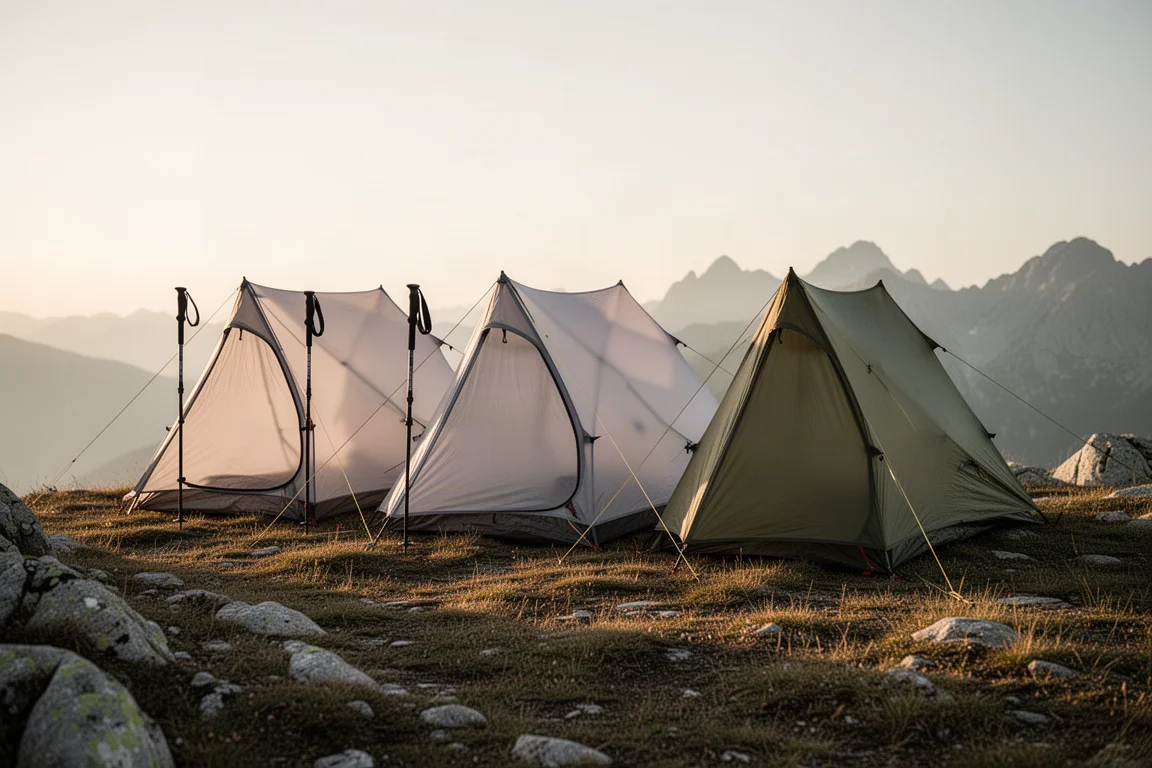
Weight is worth paying attention to on every long hike, whether or not you count grams. The six shelters here are all single-person ultralight tents that pitch with trekking poles instead of a dedicated pole set, and each one solves a slightly different problem. Some chase the lowest possible number on the scale, others prioritize living space, and a couple aim for the best balance of weight, price, and livability.
What Sets These Ultralight Tents Apart
Every tent in this group is a solo shelter supported by trekking poles, so the real differences come down to fabric, interior volume, door and vestibule design, pitching requirements, and price.
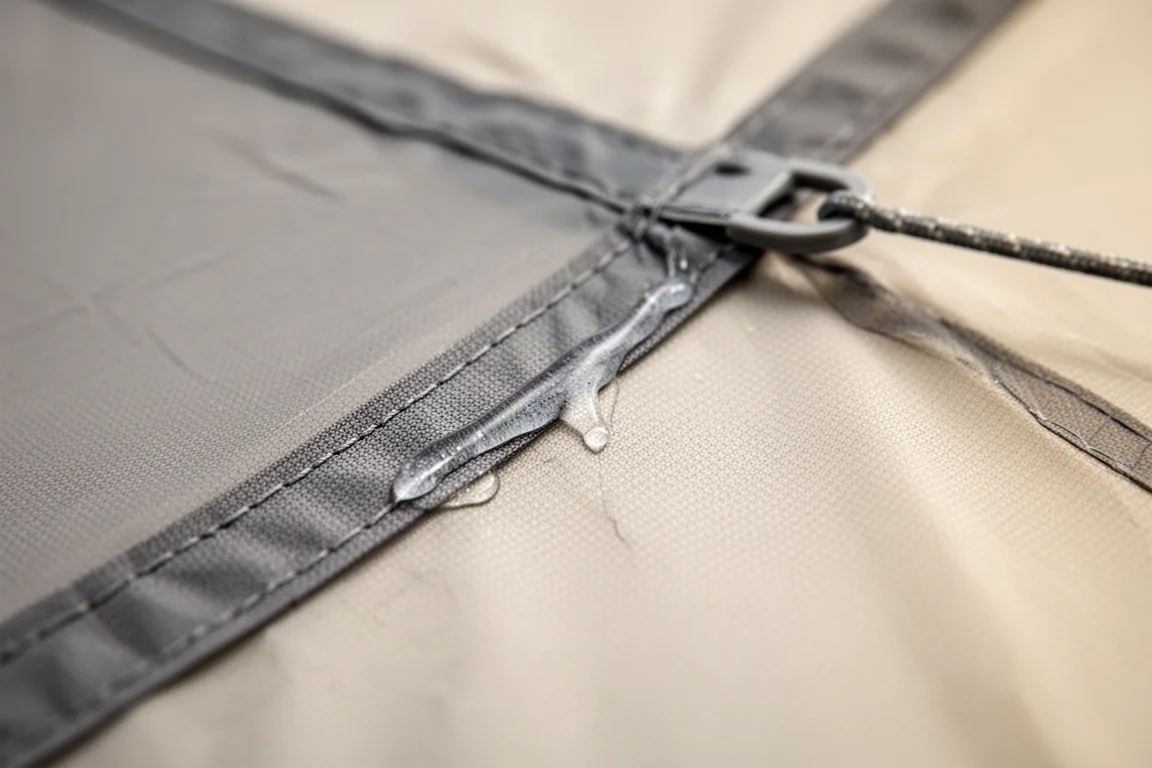
Fabric drives most of it. Dyneema sits behind the lowest weights here. Polyester does not absorb water or sag the way nylon can. Nylon ripstop keeps costs down but may stretch when wet, which matters when the fabric is part of what holds the structure upright. Seam sealing is another detail to check, because not every manufacturer seals seams before shipping.
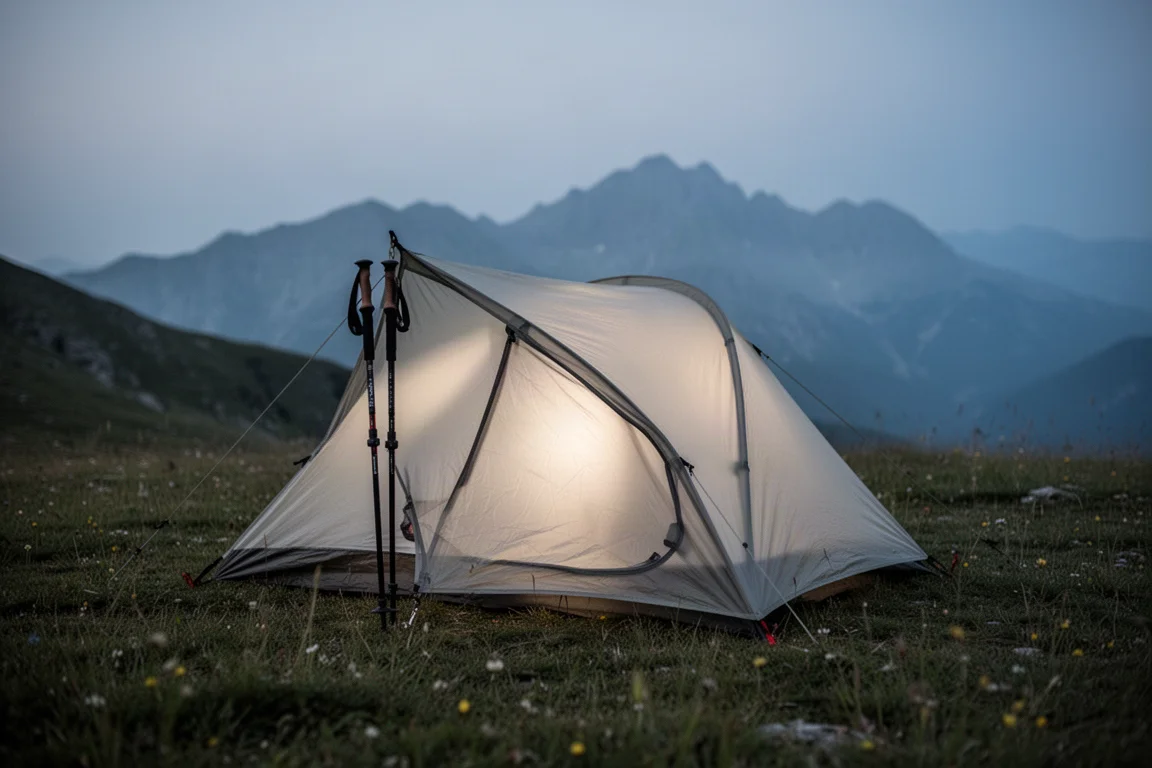
It also helps to think about how a shelter handles wind and weather, since the lightest option is not automatically the most comfortable one in exposed conditions. Headroom, floor width, and whether the door is blocked by the pole all shape how a tent feels after a long day on the trail.
Zpacks Plex Solo: The Lightest Tent Available
The Plex Solo is the lightest tent on this list and the lightest option available anywhere. It weighs under 14 oz, excluding trekking poles and stakes, and its Dyneema construction is a large part of how that number is possible. For anyone whose first priority is the lowest achievable pack weight, there is nothing lighter to buy.
That weight comes with compromises. The rainbow door falls to the ground, and the pole sits in the way of the door, so entry and exit are less convenient than on other shelters. At $600 for the tent alone, before poles or stakes, it is also one of the most expensive options here. It is still an outstanding shelter, but it makes the most sense for hikers who are genuinely chasing the lightest possible setup.
Six Moon Designs Lunar Solo: Maximum Interior Space
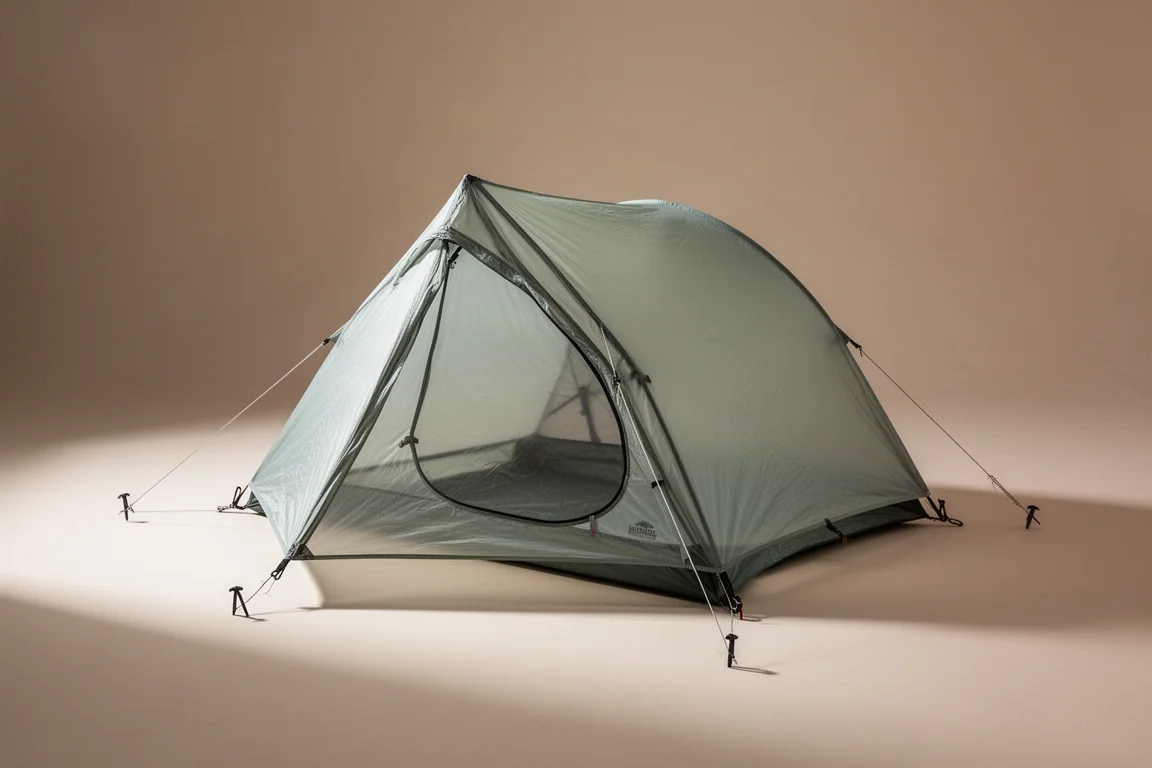
The Lunar Solo is one of the original hexagon-style single-pole tents that many later designs follow. It uses polyester, which does not absorb water or sag the way nylon does, though it is not as light as Dyneema. At 28 oz excluding poles and stakes, it is the heaviest tent in this group, yet still comfortably under 2 lb.
What that weight buys is interior space. This is the roomiest one-person tent described here, almost large enough for two people, which makes it a strong choice if you like to keep your pack and gear inside with you or hike with a dog. At $260 it is also among the more affordable options. One thing to plan for: the tent is not seam sealed by the manufacturer, so you will either seal it yourself or pay Six Moon Designs to do it for you.
LanShan 1 Pro: The Lowest-Cost Option
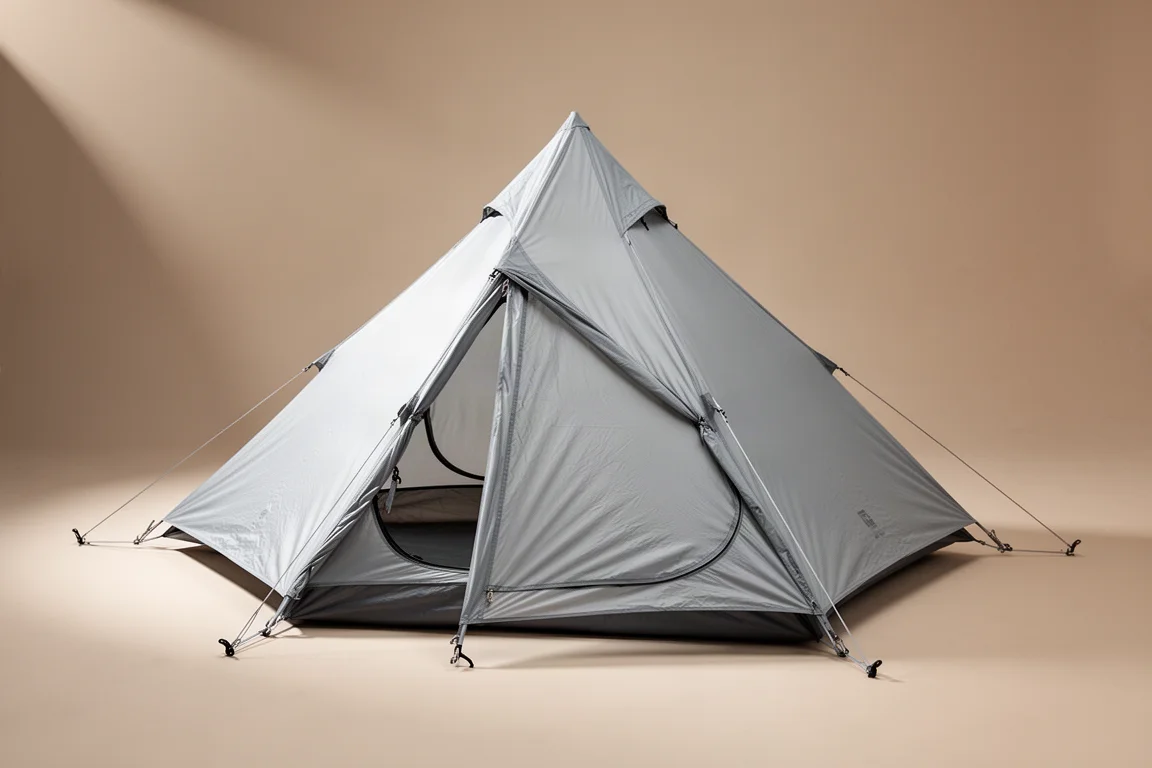
If budget is the deciding factor, the LanShan 1 Pro is the least expensive tent here at $180 while still weighing a reasonable 25.6 oz. It follows a similar overall design to the two tents above, which means it benefits from a layout that has already proven itself.
Lower cost also shows up in the details. Like the Lunar Solo, it is not seam sealed at the factory, so sealing is part of the setup process. It uses nylon, which can sag and stretch when wet, a familiar trade-off rather than a deal breaker since many tents rely on nylon.
Buying from small cottage manufacturers is a different kind of value. Those companies tend to offer stronger quality control, workmanship, and customer service, and they hand-build their tents in the United States while paying better wages and providing benefits such as insurance and paid time off. That money also funds the research and development behind new designs rather than reproducing an existing tent more cheaply.
Durston X-Mid Pro 1: The Most Innovative Design
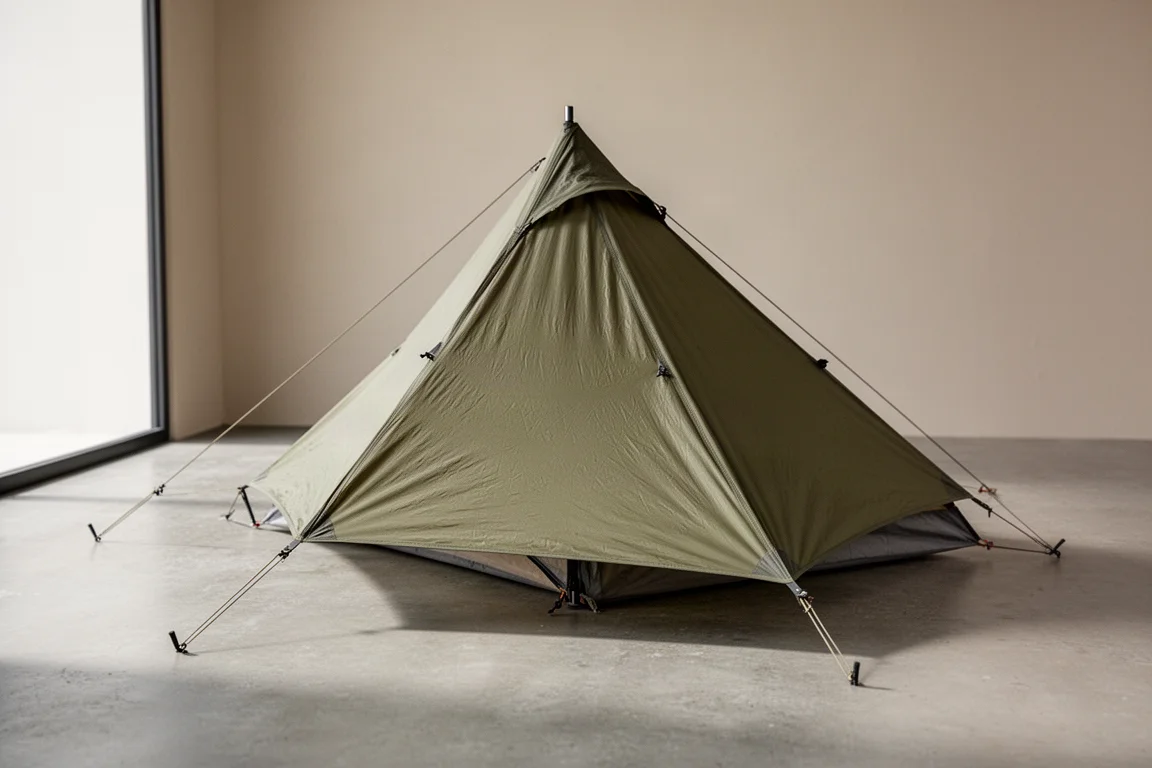
The X-Mid Pro 1 is the most innovative one-person tent in this group. At 17.6 oz it is the second lightest shelter here, only 3 oz heavier than the Plex Solo, and it spends that small weight penalty on considerably more headroom, doors that hang properly and are not blocked by the pole, and a geometry that pitches correctly with just four stakes, which brings total carried weight down further. It is also very wind and weather resistant, and its Dyneema construction uses heat-bonded seams instead of sewn seams for stronger construction.
The catch is price. At $600 it matches the Plex Solo as the most expensive tent here. If you want this level of innovation at this weight, the cost is simply part of the package.
Gossamer Gear The One: The Best All-Around Balance
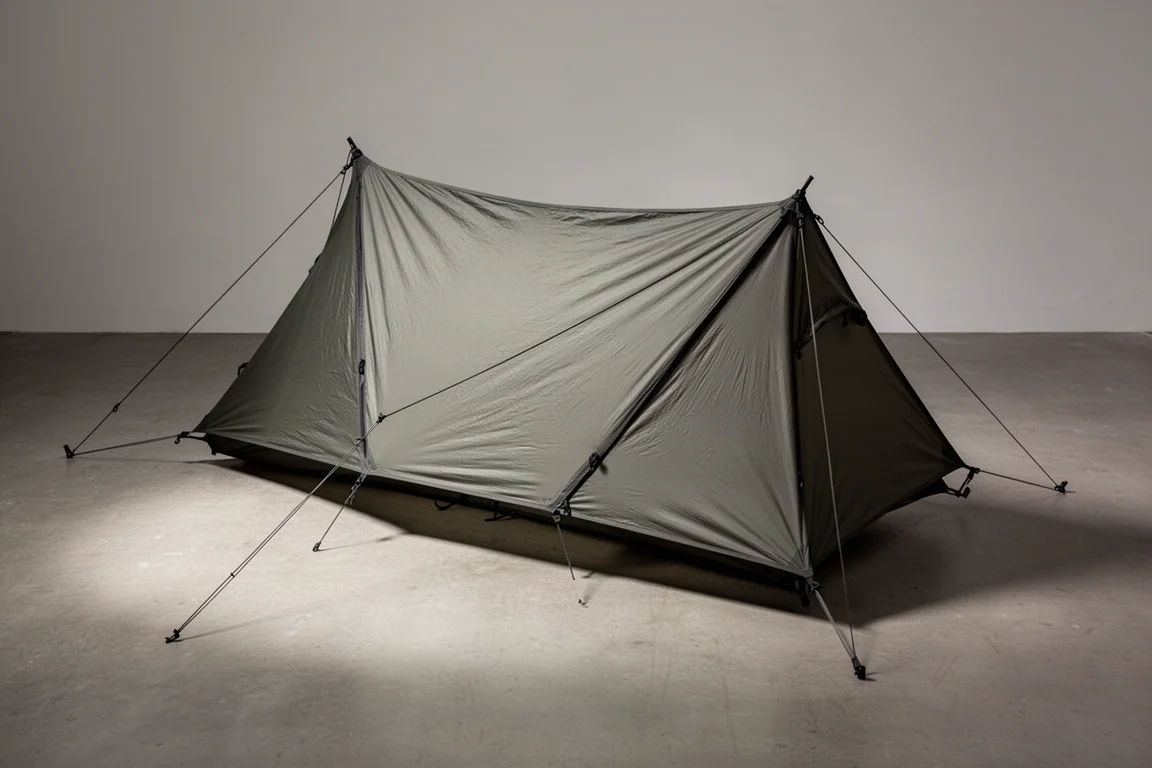
The One offers the best all-around balance of design, price, headroom, and weight in this group. It weighs 18.1 oz, just 1 oz more than the X-Mid Pro 1, but uses cheaper ripstop nylon, which brings the price down to $300. Compared with other tents at this weight, that is a significant difference. Headroom is generous, with 43 in between the poles at the ridgeline.
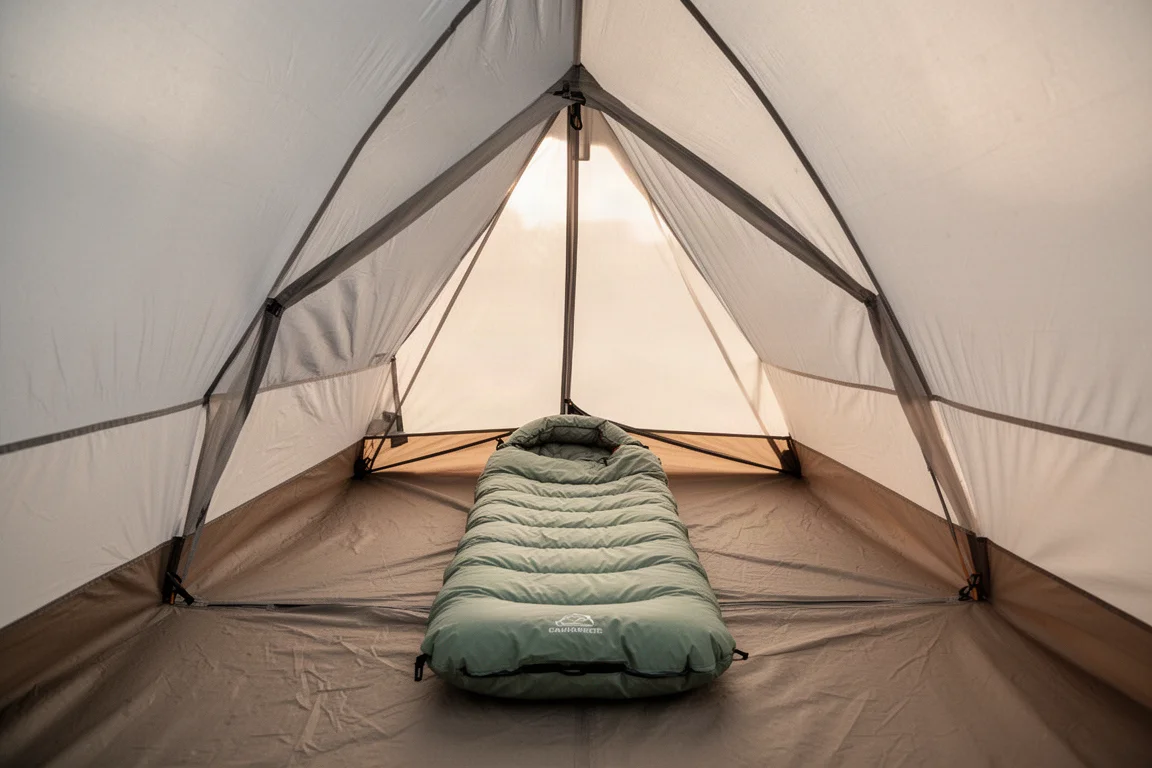
The main compromise is the floor, which tapers to 21 in at the foot. If you want to use a 25-in wide sleeping pad, it will need to be a tapered or mummy-shaped pad rather than a rectangular one. That is not ideal, but it is a manageable trade-off for a tent that is this light at this price.
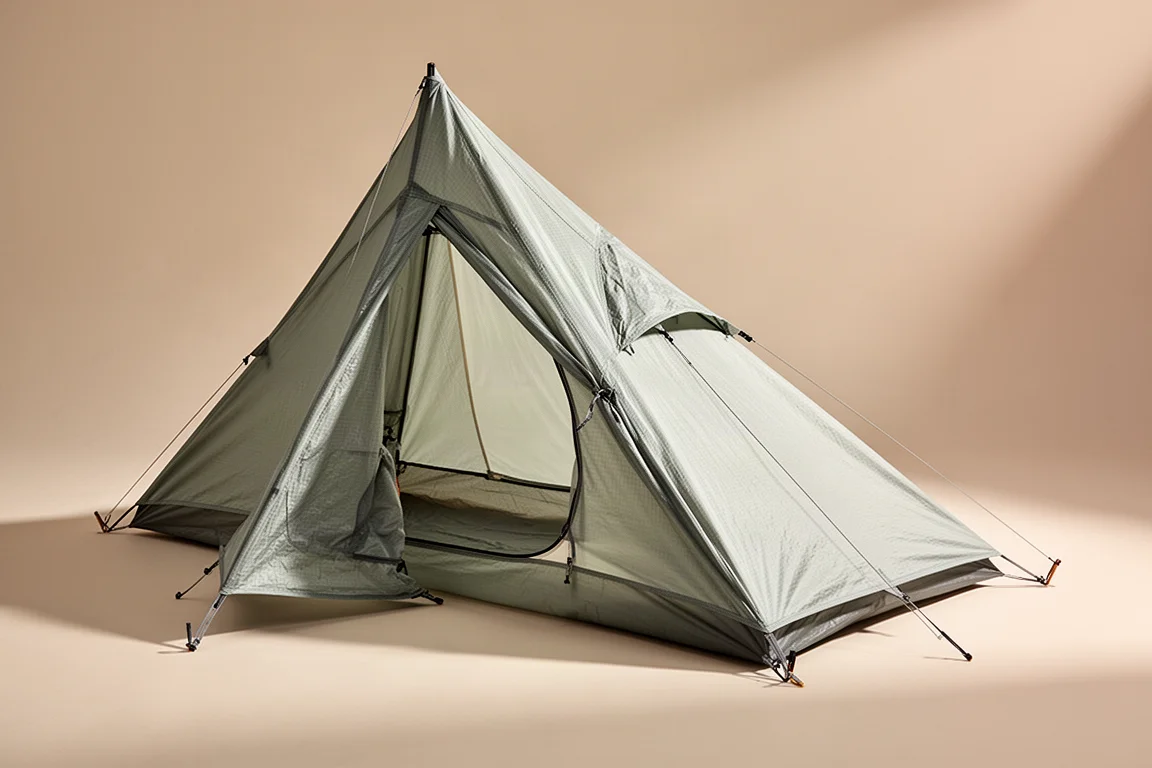
Outdoor Vitals 40s Tent: The Honorable Mention
The Outdoor Vitals 40s tent is an honorable mention because it does not lead in any single category. It is not the lightest, the roomiest, the least expensive, or the most innovative. Its design is very similar to The One, and it costs $10 less, but it is also 4 oz heavier. At these weights, 4 oz is a lot, and $10 is not much to pay to shed that much.
Two details stand out. The open mesh at the back makes the tent feel more open, though it also leaves the vestibule effectively unusable because you cannot really access it. The floor is 28 in wide, which means a full rectangular wide pad fits. If that matters to you, this is a decent tent at a decent price.
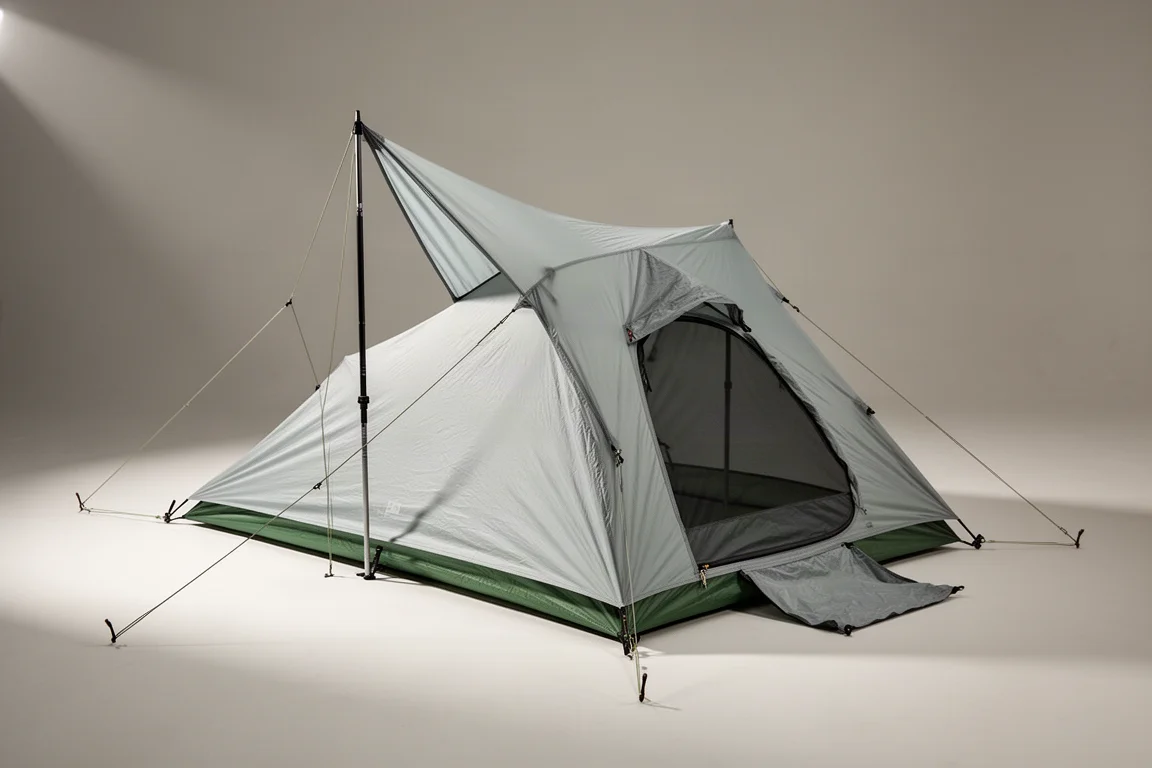
Buying Advice
Start with weight, because it is the one thing you carry every step of the day. The Plex Solo and the X-Mid Pro 1 sit at the very top of the range, the Lunar Solo is the heaviest here but still under 2 lb, and the rest fall in between.
Then decide what you are willing to trade. If interior space and gear storage matter most, the Lunar Solo and its near two-person volume is hard to match. If price is the priority, the LanShan 1 Pro is the least expensive option, with the caveat that you will seal the seams yourself. The One is the safest all-around pick for most people, provided you are happy with a tapered or mummy-shaped pad, while the Outdoor Vitals 40s tent is worth a look if a full rectangular wide pad is non-negotiable.
It is also worth confirming whether a tent arrives seam sealed, because two of the options here do not, and that adds either an evening of work or an extra service cost. Finally, consider where your money goes. Cottage brands that hand-build in the United States support better wages, benefits, and continued design work, which is part of why their tents cost more than mass-produced alternatives.
Conclusion
None of these six shelters is a poor choice. They simply prioritize different things: the Plex Solo for the absolute lowest weight, the Lunar Solo for space, the LanShan 1 Pro for the lowest cost, the X-Mid Pro 1 for the most thoughtful design, The One for the best overall balance, and the Outdoor Vitals 40s tent for a wide rectangular pad. Match the tent to the trips you actually take and the compromises you can live with, and any of them will serve you well.
Further reading
Related Reviews

Backpacking Gear
Building a 10 lb Base Weight: An Ultralight Backpacking Gear List
A practical walkthrough of the ultralight pieces behind a 10 lb base weight, from a 765 g pack and a roomy one-person tent to a full camp chair and a dependable water filter.

Road Bikes
10 New Road Bikes Worth Watching: Aero, Titanium, Steel and Endurance Standouts
A practical roundup of 10 new road bikes, from aero flagships chasing single-watt gains to titanium, steel and endurance platforms built for real roads.
Bikepacking Gear
11 Bikepacking Essentials for Long-Distance Cycling
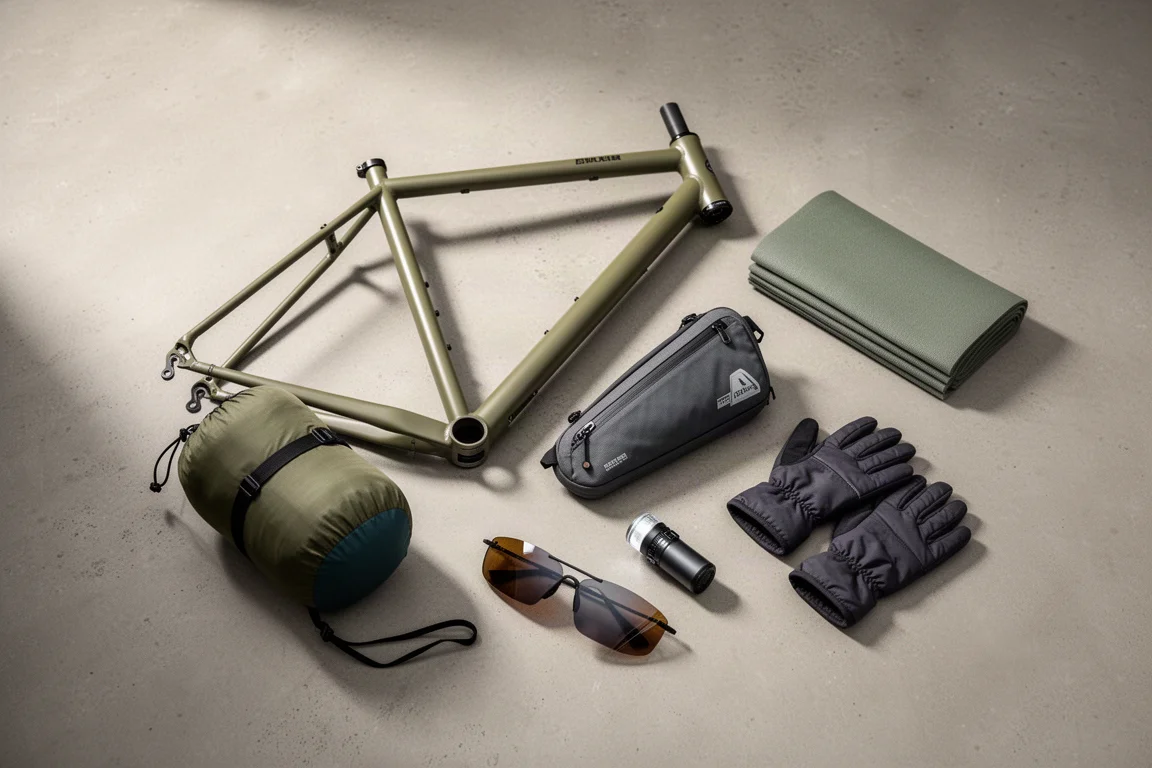
Eleven bikepacking essentials for long-distance cycling, from a steel gravel frame and a two-person tent to helmet lights, packable gloves, and a frame bag that puts weight in the right place.