Camping Tents
Best Ultralight Solo Tents: Zpacks Plex Solo vs Six Moon Designs Lunar Solo vs 3F UL LanShan 1 Pro
Three trekking pole solo tents compared on fabric, weight, interior space, weather performance, and price, so you can match the shelter to the trips you actually take.
Introduction
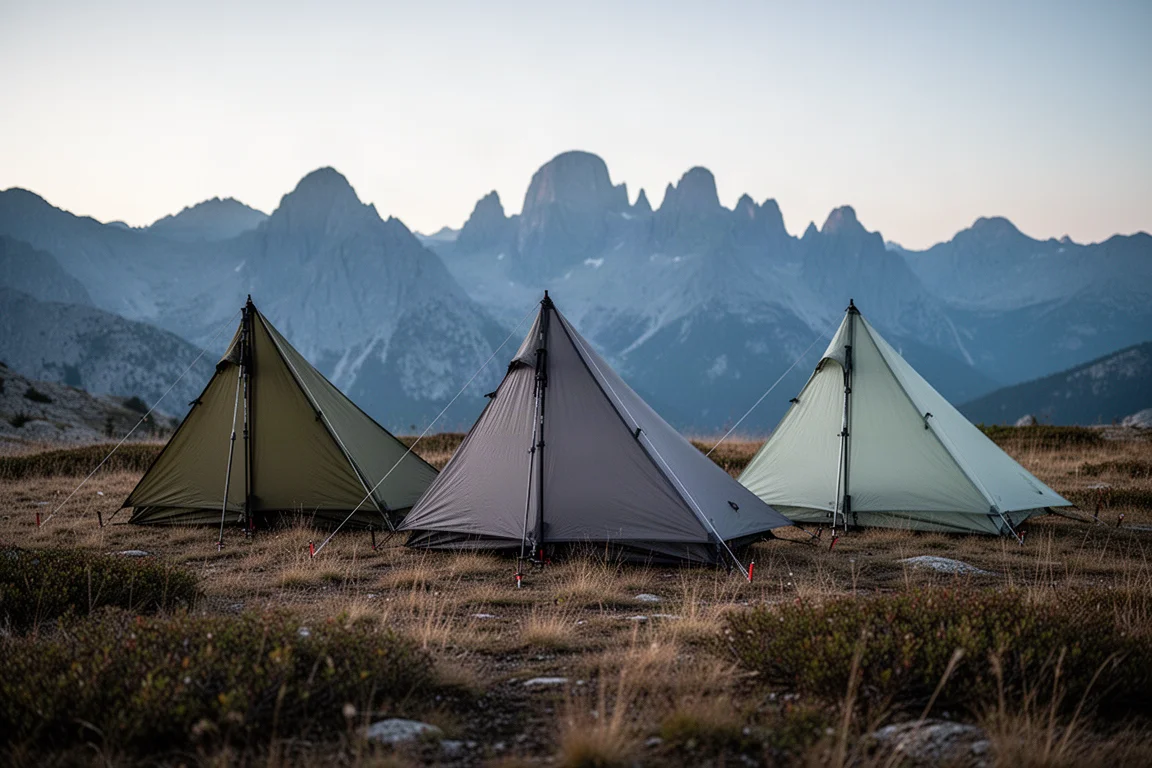
No single shelter delivers maximum durability, a packed weight under 400 grams, simple pitching, generous interior space, strong weather protection and a low price all at once. The three ultralight solo tents compared here each solve a different part of that problem, and the right choice comes down to which features matter most for the trips you actually take.
Prices run from $170 to $600, and the gap is explained mostly by fabric and interior dimensions rather than by complexity. Each of these tents is deliberately simple, and each one keeps the weather out.
What All Three Tents Share
All three are single pole trekking pole tents, and each one pitches in roughly two minutes. Using only one trekking pole also adds useful redundancy. Trekking poles do break on trail, and if one fails the other can still support the shelter, which matters for an item as critical as a tent.
All three measure 7.5 feet long. Width, head room and foot room are where they diverge. None of them is especially roomy, but each has enough space for a 5 foot 10 inch user on a 3 to 4 inch thick mattress with a 20 degree quilt. All three also need a lot of stakes, at least eight, and up to 11 if you want the most interior room.
They share a deliberately minimal feature set too, which keeps them light while still doing what a tent has to do: keeping you dry and sheltered. All three have been used in rain, snow and heavy wind with very good results.
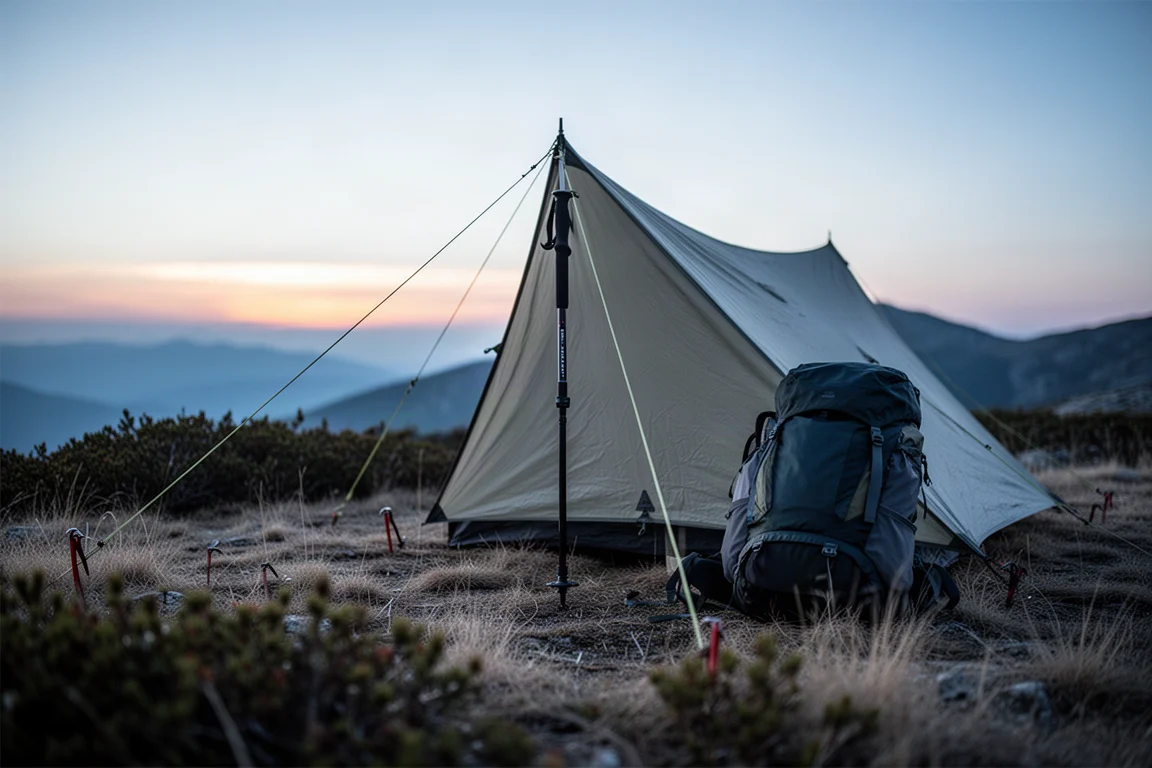
The differences that end up mattering most are fabric, bathtub floor height, door design, and how each tent handles condensation. Those four points separate these shelters far more than their shared layout does.
Zpacks Plex Solo: Lightest of the Three
The Plex Solo is the most expensive of the three at $600, and its headline claim is weight: under 400 grams. That comes down to its DCF fabric, which is also very strong and highly weather resistant. DCF does not absorb water at all, so condensation wipes off the inside and rain wipes off the outside without leaving you carrying extra water weight on the hike.
It is also the roomiest of the three overall, with a little more space at the head and foot ends and enough width for a wide sleeping pad plus a bag and small items alongside. The bathtub floor is 8 inches tall, the highest here, and side toggles let you pull the floor up. That helps with splashback during heavy rain, reduces wind pulling heat out of the tent, and keeps sand or snow from blowing inside.
The door is a single rainbow zipper that opens the entire front of the tent. Some people dislike that the door mesh can drop into dirt or mud, but the trade-off is flexibility: you can sleep with your head at either end and still get in and out easily, and with the trekking pole angled slightly away from the tent you can open the door fully and swing your feet out.
Every seam is taped, so no seam sealing is required.
Six Moon Designs Lunar Solo: The Widest Solo Shelter
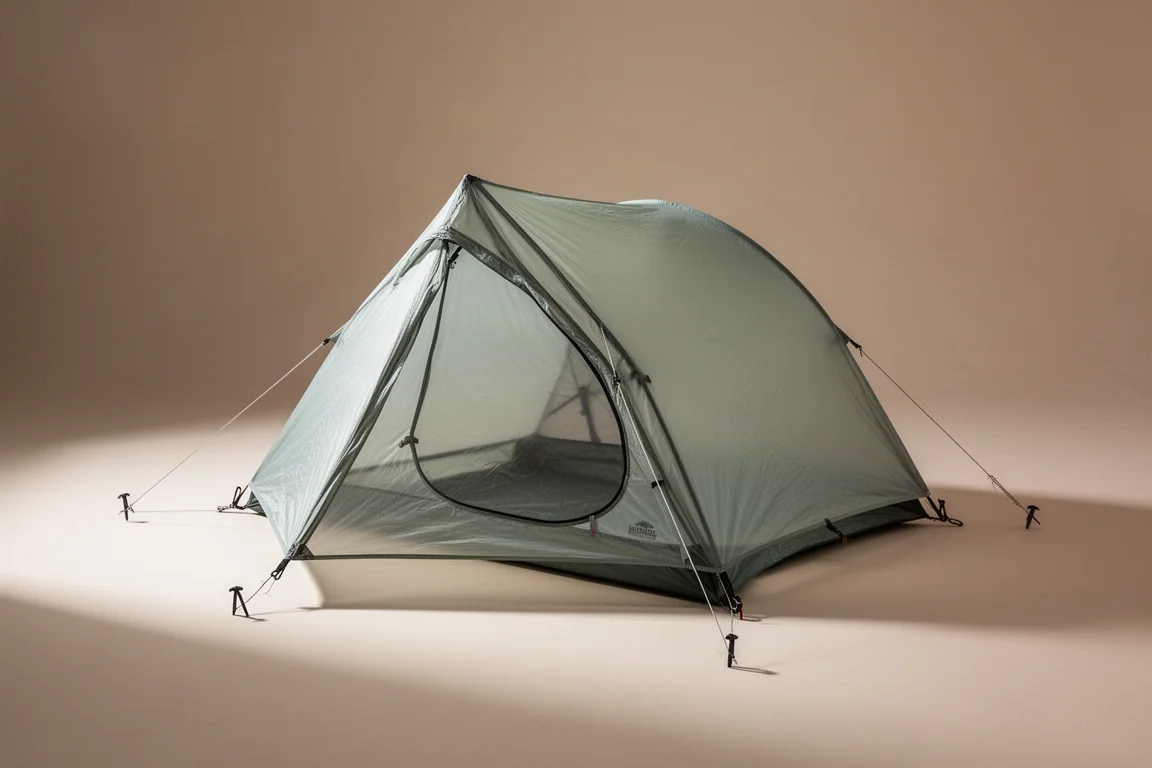
The Lunar Solo sits in the middle at $250 and uses silpoly, which does not absorb much water and, like DCF, does not stretch or sag when wet.
Its standout quality is width. At 48 inches it is by far the widest of the three, wide enough for a wide sleeping pad plus a dog or even a small child. It also has a substantial top vent that helps noticeably with air circulation and condensation management, and it uses a prusik knot to attach the door to the main guy line. Sliding that knot lets you lift the door off the ground for extra ventilation while the vestibule stays protected.
Two trade-offs are worth knowing. The Lunar Solo uses half doors rather than a full front opening, which is more limiting if you like to switch which end your head goes. It also needs seam sealing, although Six Moon Designs can do that for you before it ships. In practice it can be slightly harder to get a clean pitch, and the bathtub floor is 6 inches tall.
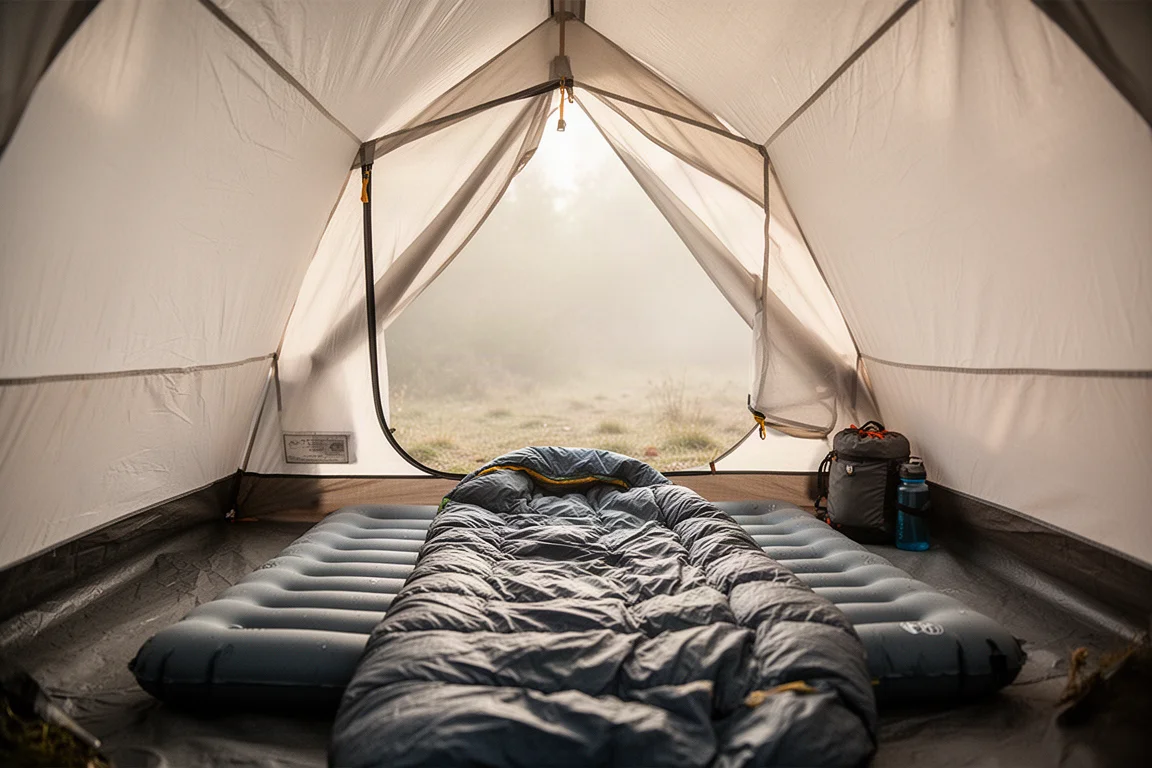
For anyone who values interior width and ventilation more than the lowest possible packed weight, this is a sensible middle ground that covers most trips comfortably.
3F UL LanShan 1 Pro: The Budget Pick
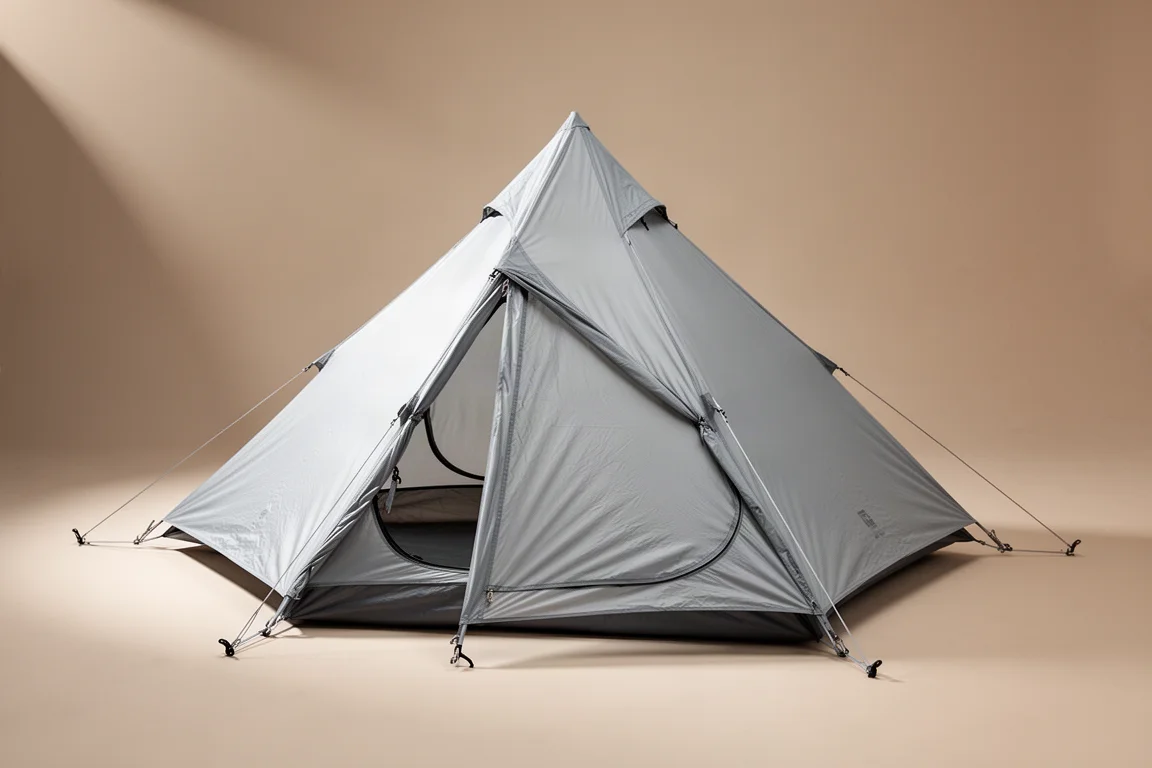
At $170 the LanShan 1 Pro is the least expensive option, largely because it uses silnylon. Silnylon is available in large supply and cheap to build with, but it is the weakest of the three fabrics: it degrades under UV light, absorbs water from rain and condensation, and sags when wet.
It looks like the smallest tent of the three, yet the interior is surprisingly usable. It lacks the width of the Lunar Solo and the head and foot room of the Plex Solo, but it is a reasonable middle ground in space and should be comfortable for someone around six foot, and up to roughly six foot two on a tall sleeping pad with a warm quilt.
The top vent is fairly minimal, the door is a half door, the bathtub floor is 4 inches tall, and the seams need to be sealed yourself.
Fabric and Weather Protection Compared
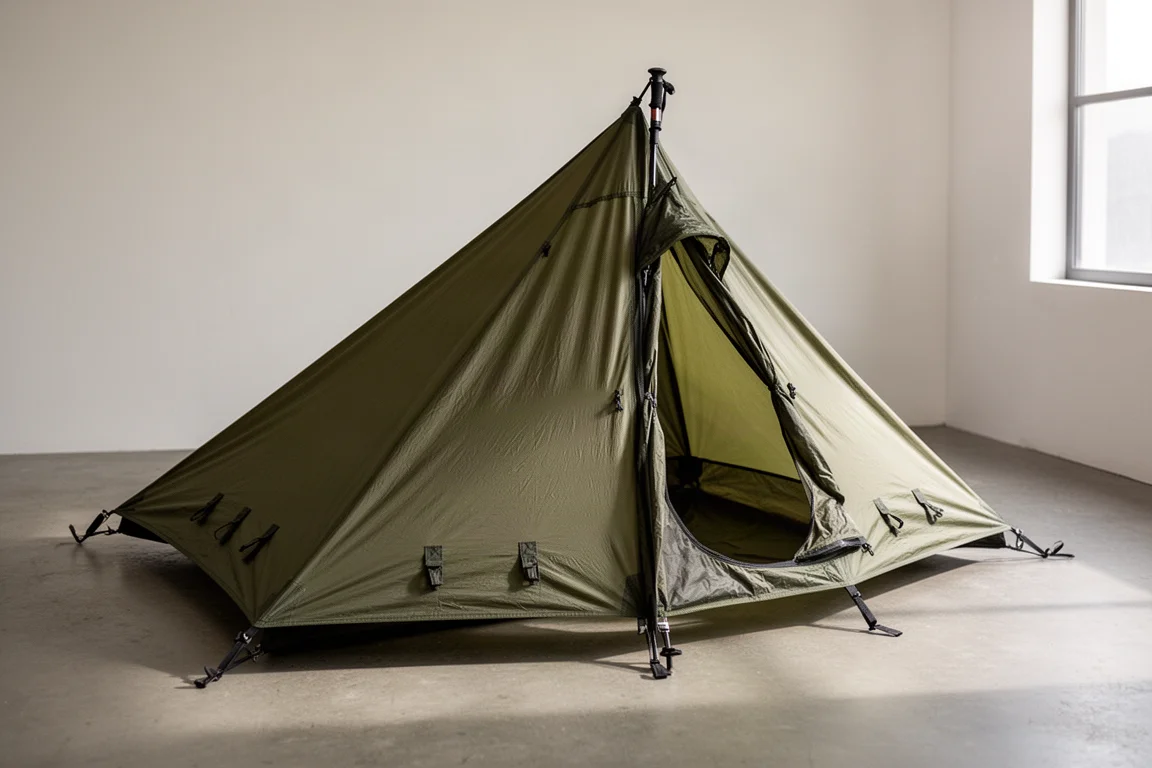
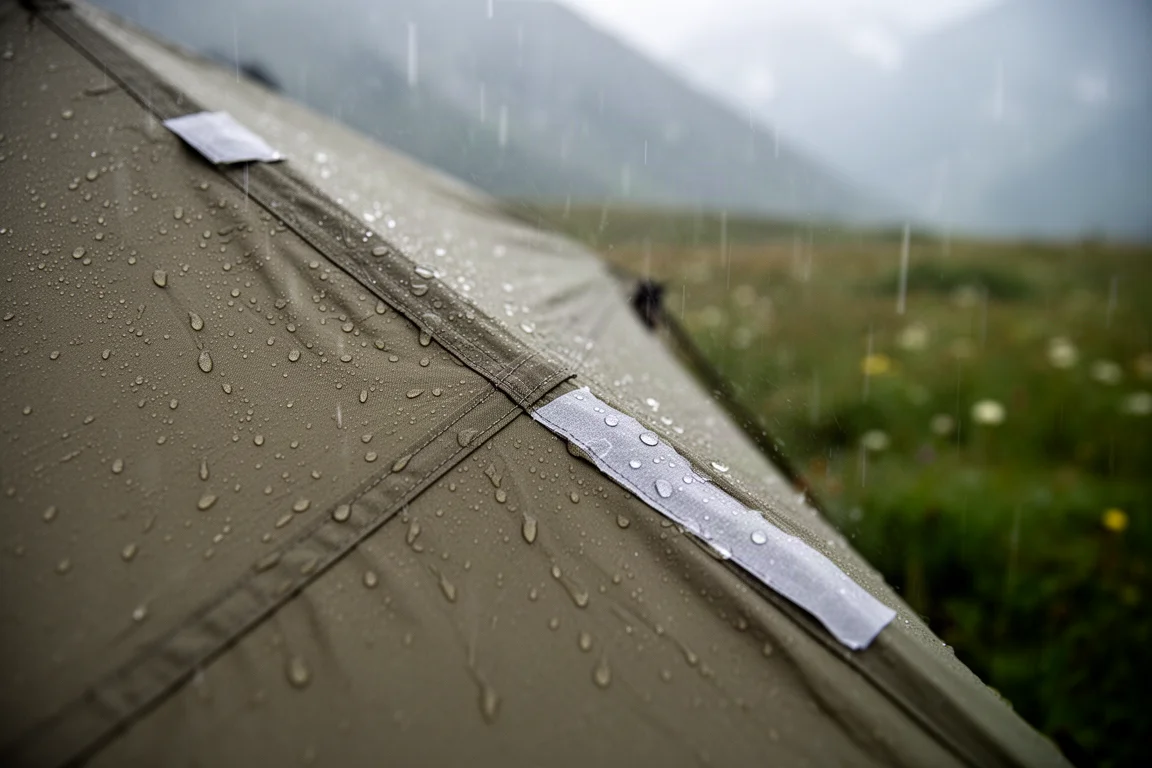
Fabric explains most of the price gap. DCF in the Plex Solo is the most weather resistant, absorbs the least water and stretches the least, while also being the lightest and the most expensive. Silpoly in the Lunar Solo is a good middle ground: it takes on only minor amounts of water, is fairly durable, does not stretch when wet and stays relatively affordable. Silnylon in the LanShan 1 Pro performs least well of the three, but it remains functional and very inexpensive.
The practical consequences are straightforward. A fabric that soaks up water means carrying that water on your back, and a fabric that sags when wet means a floppy pitch and reduced clearance from your quilt. The most effective condensation management across all three comes from pitching higher off the ground by extending the guy lines and using a longer trekking pole.
On that front the Lunar Solo has a small advantage thanks to its larger top vent, while the Plex Solo side toggles address wind and splashback rather than condensation. The LanShan 1 Pro relies on pitch height alone.
Setup, Doors, and Seam Sealing
All three pitch the same way, and the Lunar Solo is the one that takes a little more effort to get right. Door design differs: the Plex Solo opens its whole front with a rainbow zipper, while the Lunar Solo and LanShan 1 Pro use half doors that limit how easily you can sleep head first at either end.
Seam sealing is the other split. The Plex Solo arrives with taped seams, while the other two require you to seal every seam yourself. That job takes around 30 minutes, needs drying time, and can be messy, though Six Moon Designs offers to handle it on the Lunar Solo for you.
Buying Advice: Matching the Tent to Your Trip
For around 90 percent of people, the LanShan 1 Pro and the Lunar Solo will work very well. The LanShan 1 Pro keeps the cost lowest while still being a capable, comfortable shelter that has handled rain, snow and heavy wind. The Lunar Solo adds real width, a more effective vent and a stronger fabric for a moderate step up in price.
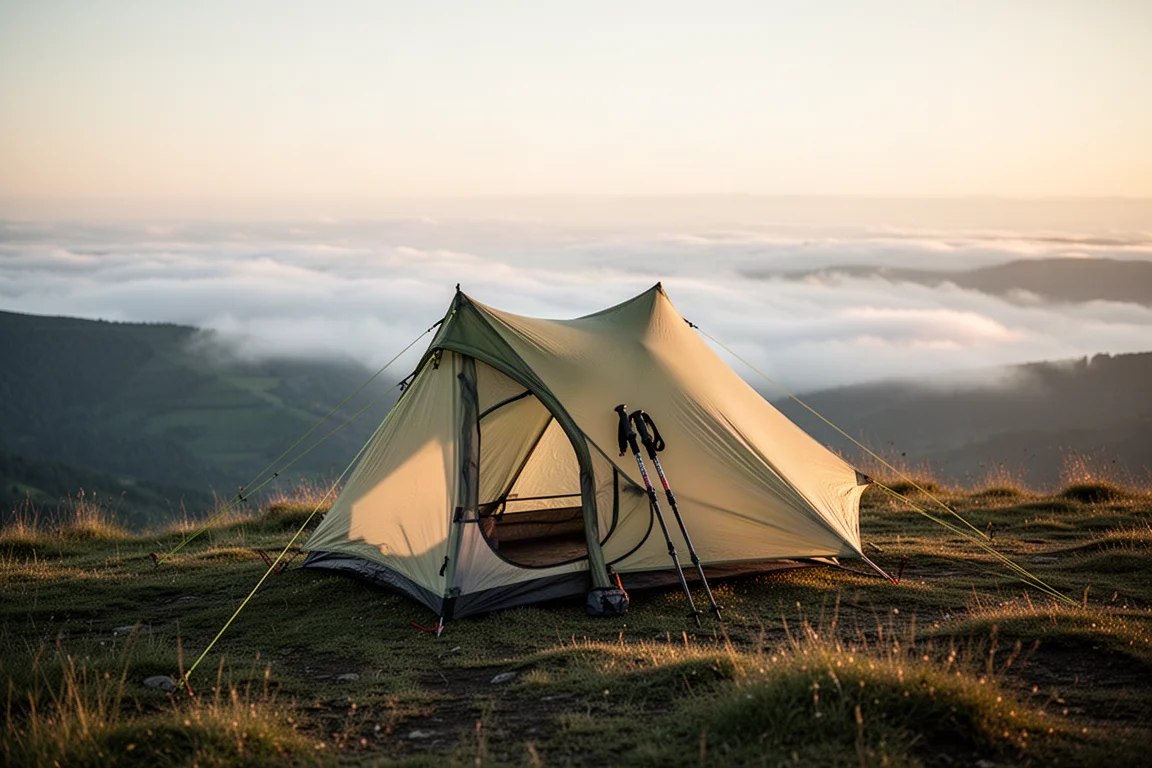
If you want the lightest tent of the three and all the benefits that come with DCF, the Plex Solo justifies its premium. It is a treat to use on ultralight trips, and the taped seams plus the tall bathtub floor remove two of the small annoyances that come with the other two shelters.
Just be honest about which trade-offs you can live with. Weight, interior width, seam sealing and price are the four levers here, and no single tent pulls all of them in your favour.
Conclusion
All three of these ultralight solo tents are excellent, and each carries its own small nuances. The Plex Solo is the lightest and the roomiest, with the most weather resistant fabric and the highest price. The Lunar Solo is the widest, with the best ventilation and a mid-range price. The LanShan 1 Pro is the cheapest and still comfortable for most solo hikers, at the cost of a fabric that absorbs water and sags when wet.
Pick the LanShan 1 Pro if budget comes first, the Lunar Solo if interior width and airflow matter most, and the Plex Solo if you want the most ultralight shelter of the three and are willing to pay the premium for it.
Further reading
Related Reviews
Camping Tents
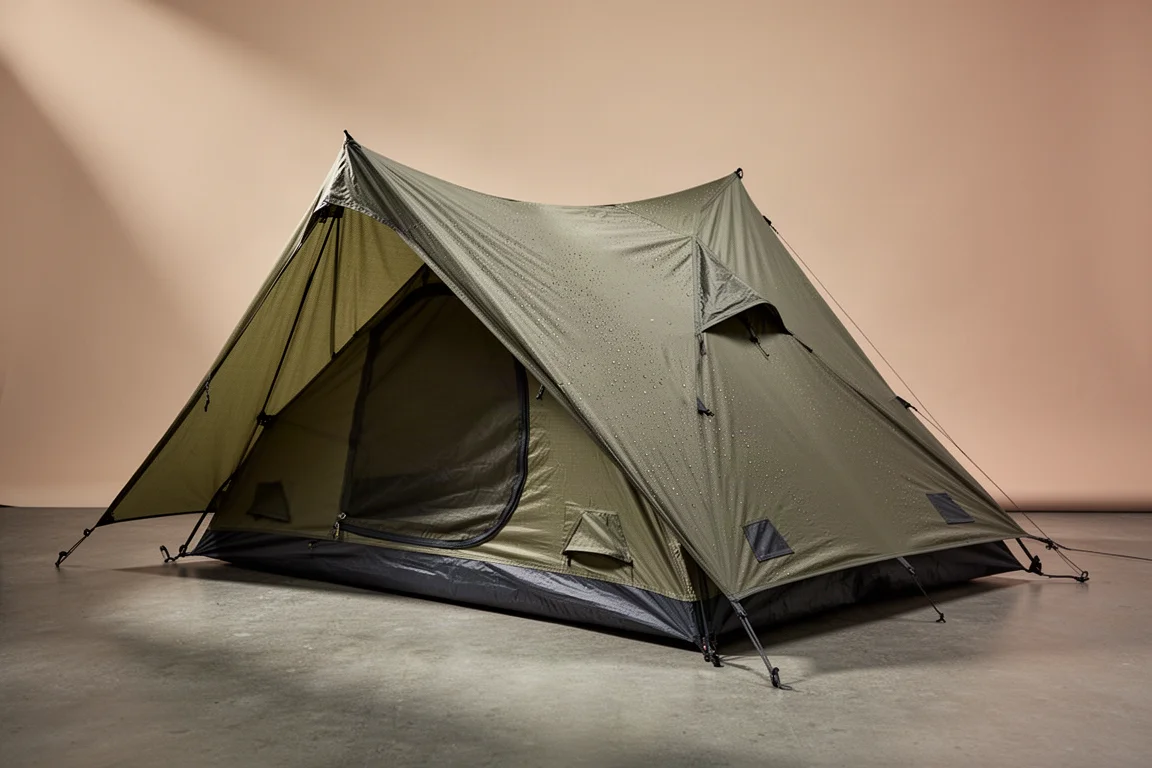
3F UL Gear Taiji Two-Person Tent Review: Field Waterproofing Results and Buying Advice
The Taiji pairs an attached fly with a removable inner, but sustained rain exposed untaped vent seams that need sealing before this shelter can be trusted.
Camping Tents
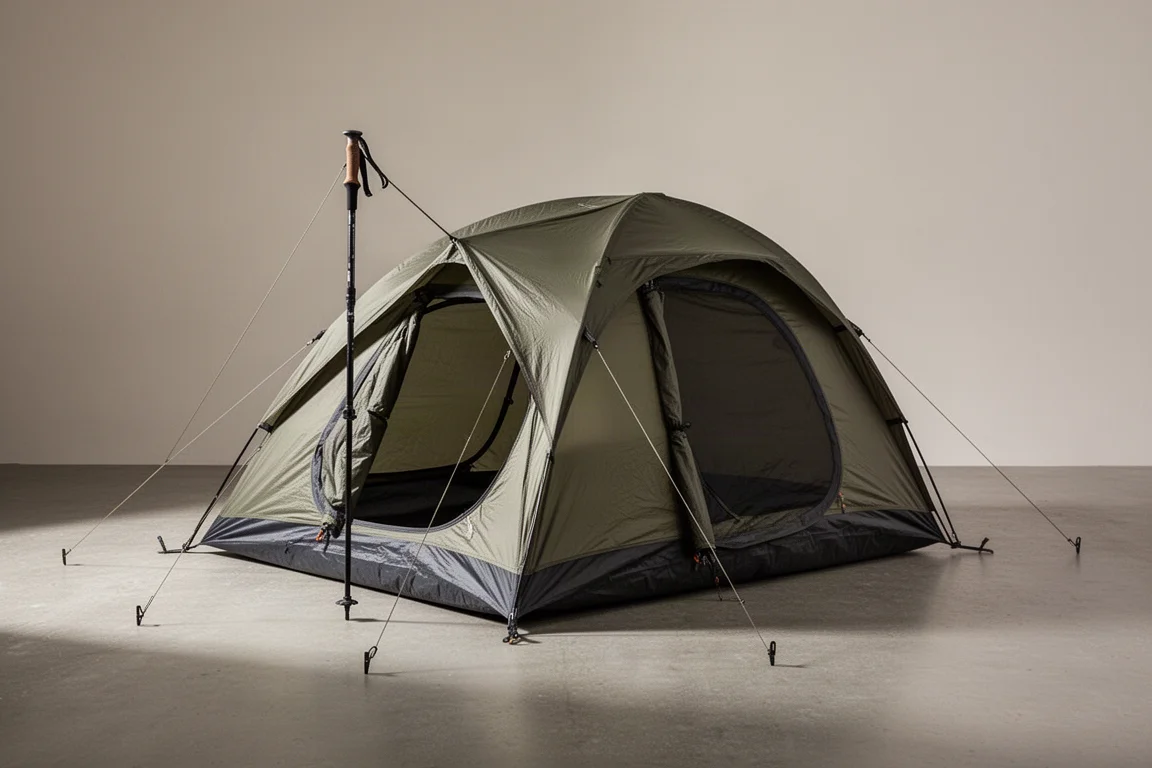
3FUL Gear Lanshan 2 Pro 4-Season Review: A Sub-$200 Single-Wall Trekking Pole Tent
An early look at the 3FUL Gear Lanshan 2 Pro 4-Season, covering its straightforward pitch, generous interior space, and the condensation and seam-sealing questions that come with any single-wall shelter.
Camping Tents
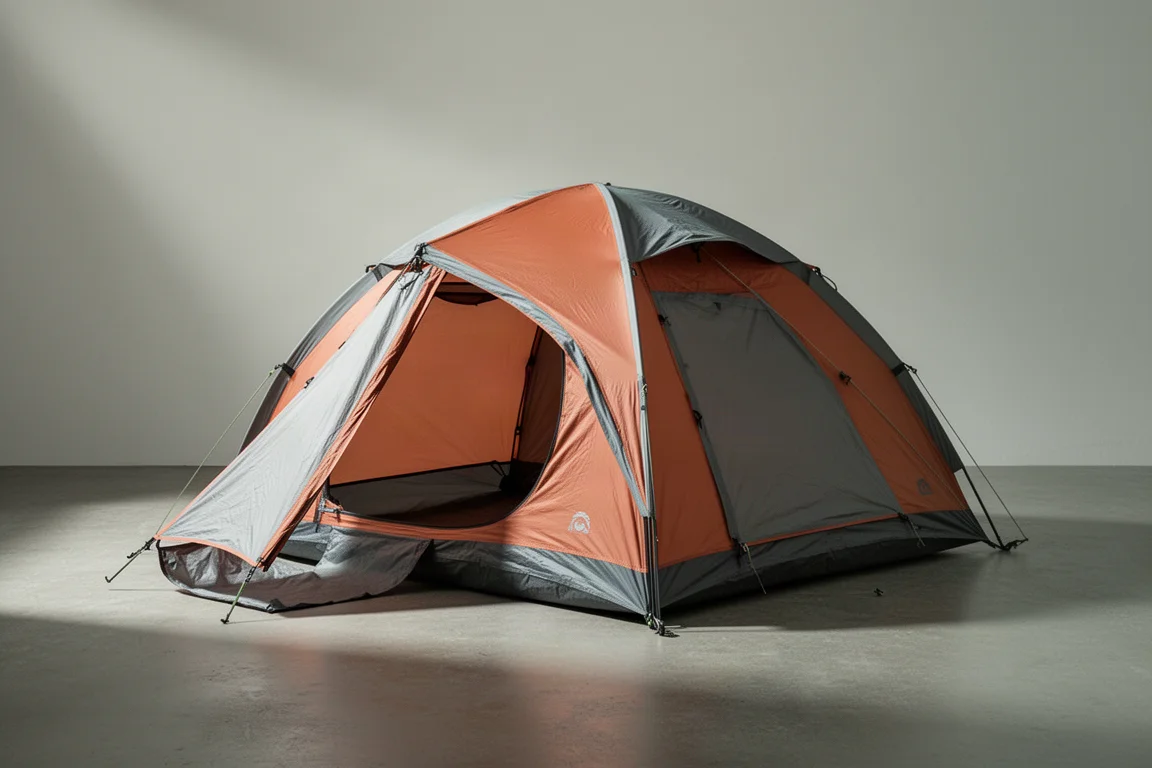
Alps Mountaineering Lynx 1-Person Tent Review: Big Value in a Small Budget Tent
A close look at the Alps Mountaineering Lynx 1-Person Tent, covering real interior dimensions, materials, setup time, ventilation limits, and who should buy it.