Camping Sleeping Pads
Best Ultralight Sleeping Pads 2026: Seven Lightweight Pads Compared
Seven sub-600 g sleeping pads compared on weight, comfort, warmth, and price, with clear picks for cold sleepers, comfort seekers, and budget buyers.
Introduction
Ultralight sleeping pads are a study in trade-offs. The lightest models tend to be thin and cold, the warmest ones add grams, and the most comfortable ones often cost the most. This roundup looks at where that balance tips in the right direction.
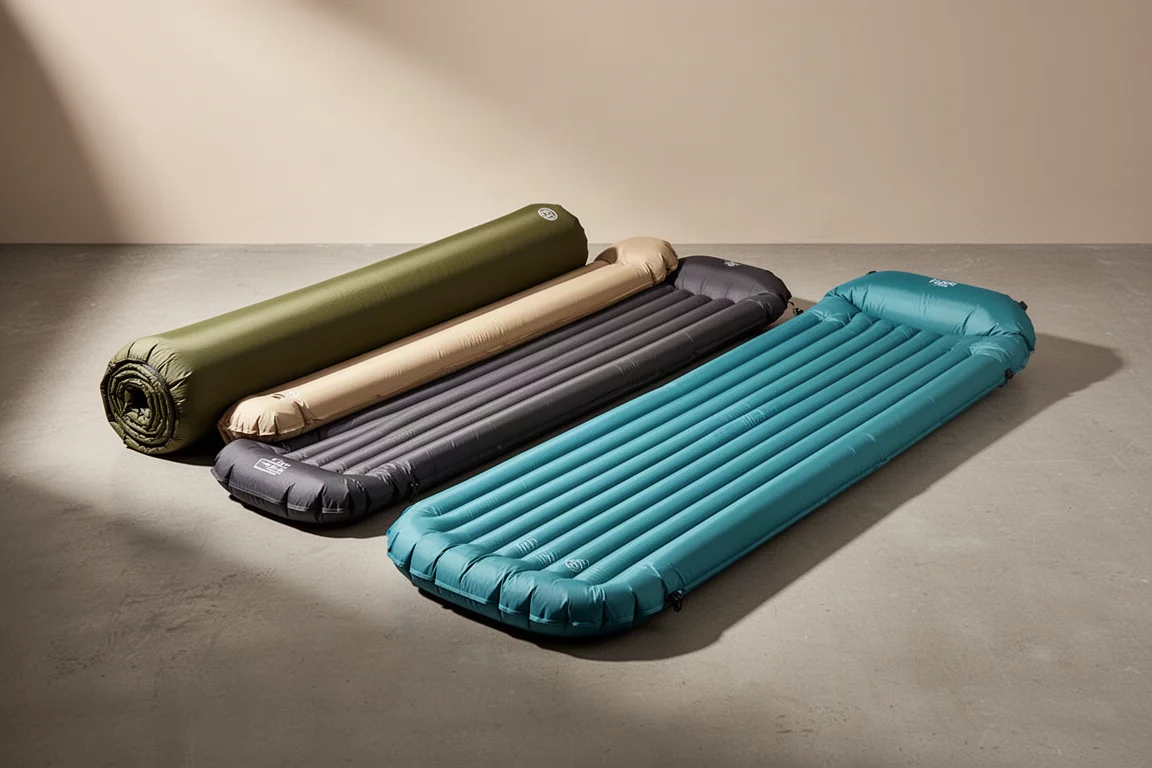
Seven pads are in the running: the Exped Ultra 6.5R, the Zenbivy Ultralight, the Big Agnes Zoom UL, the Sea to Summit Ether Light XR, the Therm-a-Rest Xlite, the Nemo Tensor All Season, and the Naturehike NKTR Air 5.8. All of them are built around a similar brief, a regular wide pad close to or under 600 g with an R-value above four, and they were compared across four categories: weight, comfort, warmth, and price.
Two of those categories are objective. Weight and price can be measured and compared directly. Comfort and warmth are more qualitative, and warmth is the harder of the two to judge from a spec sheet, because field performance does not always track the R-value printed on the pad.
The short version: the Exped Ultra 6.5R takes the overall win on total points, but the right pad for you depends on whether you prioritize cold-weather warmth, all-night comfort, or a low price.
How These Pads Were Compared
Weight was measured with the pads removed from their stuff sacks and all accessories left off the scale, so the figure reflects the pad alone. Every pad here is a regular wide rectangular shape except two: the Zenbivy Ultralight, which has a slight mummy taper, and the Big Agnes Zoom UL, which is a narrower 20-inch pad. Both exceptions were accounted for in the ranking.
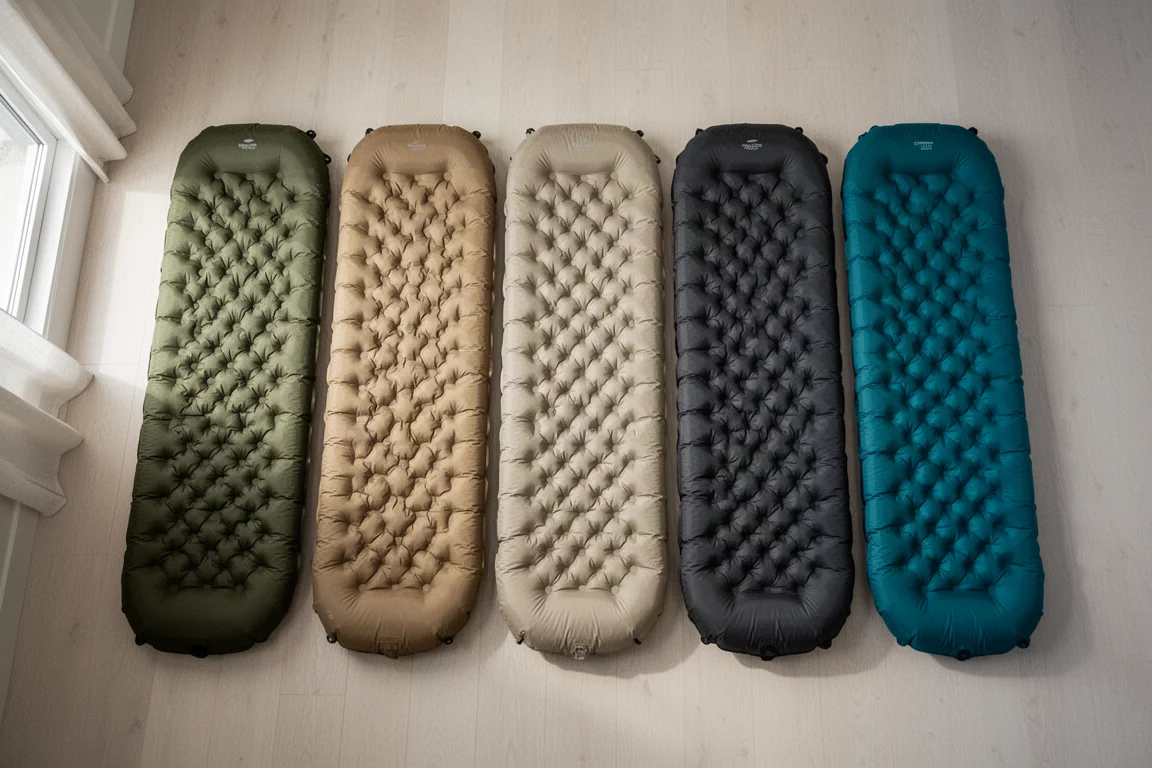
Warmth was judged from extended field use across three-season conditions and down to below freezing, rather than from lab figures alone. That distinction matters here, because several pads in this group do not sleep as warm as their R-value suggests. Comfort was assessed by comparing the pads back to back rather than one at a time, which makes differences in baffle design and surface fabric far easier to feel.
Exped Ultra 6.5R: The Overall Winner
The Exped Ultra 6.5R tops the overall ranking. It carries a claimed R-value of 6.9, the highest in this group, and it is one of the two warmest pads here in real conditions, keeping a sleeper comfortable below freezing down to roughly -6 °C (20 °F). Worth noting: it did not sleep quite as warm as that 6.9 figure would suggest on paper, a useful reminder that R-value is a starting point rather than a promise.
Comfort is a strong point too. The slightly stretchy top fabric and vertical baffles give it a supportive, stable feel, and it lands right behind the Zenbivy in this comparison. On the scale it sits a little behind the very lightest pads, but it is still comfortably in ultralight territory. It is also one of the more expensive options, at $200 or more.
For most backpackers, this is the pad that does everything well: light enough to carry, warm enough for three-season trips and beyond, and comfortable enough for a full night’s sleep.
Zenbivy Ultralight: The Most Comfortable
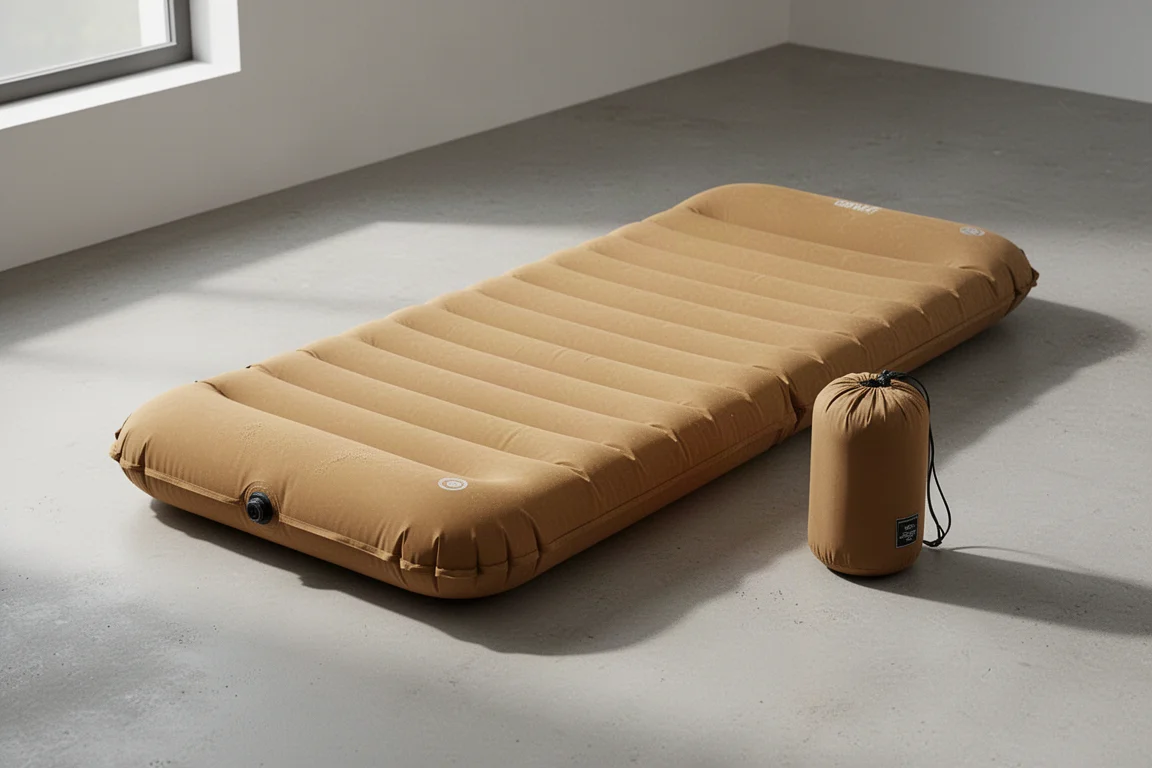
If comfort is the deciding factor, the Zenbivy Ultralight is the clear pick. It scored highest of the seven on comfort, and the dimpled baffling gives it a soft, even, almost quilted feel that stands out immediately in a back-to-back comparison.
The trade-offs are modest but worth knowing. It has a slight mummy taper rather than a full rectangular shape, so the usable surface narrows a little, and it is not among the very lightest pads here. Warmth is solid for three-season use and holds up to just below freezing. Price sits at $200 or more, in line with most of the group.
Within the sub-600 g category, this is effectively the comfort option, and for side sleepers or anyone who has struggled to sleep well on a thin pad, that premium buys something real.
Therm-a-Rest Xlite: The Pure Ultralight Choice
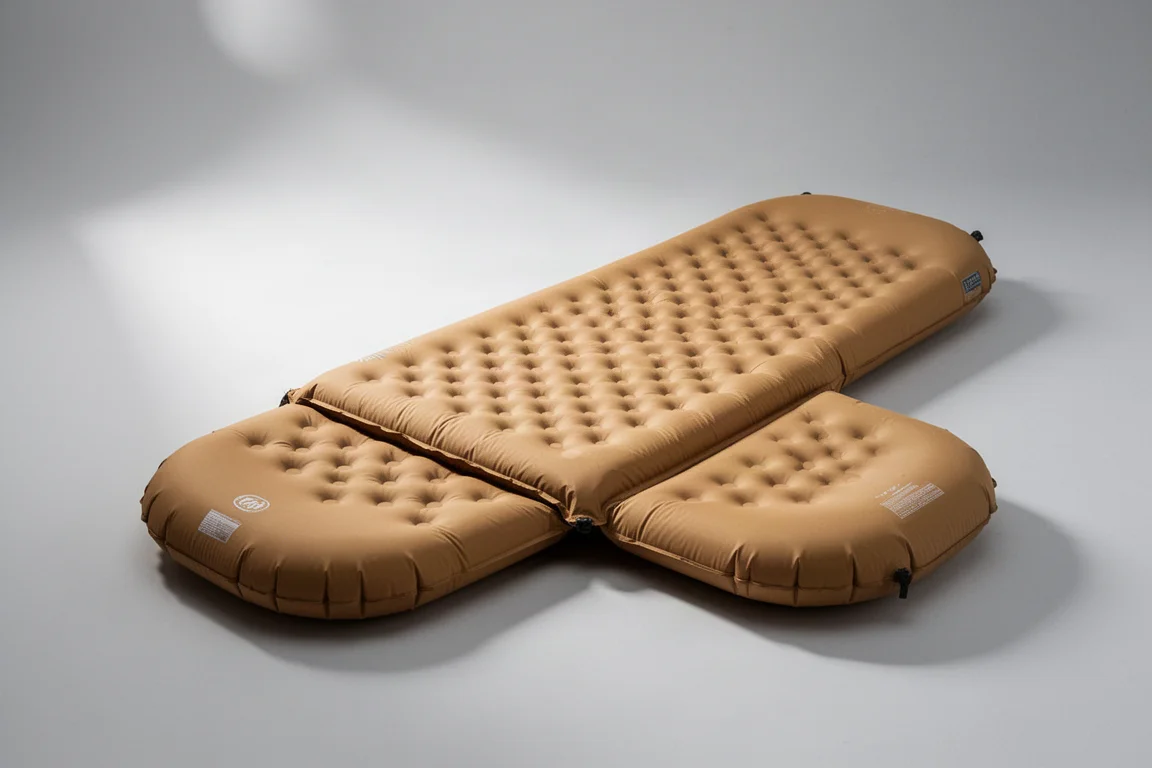
The Therm-a-Rest Xlite is one of the two lightest pads in this group, weighing under 500 g, and it shares the best warmth-to-weight result with the Exped Ultra 6.5R and the Nemo Tensor All Season. It is a long-standing favourite on long-distance trails for exactly that reason: very little weight, reliable three-season warmth, and a proven design.
Comfort is where it asks for patience. It is not a plush pad, and it is the one here that tends to divide people most sharply. Sleepers who want the lowest possible carry weight and can rest on a firm, thin surface will find it hard to beat.
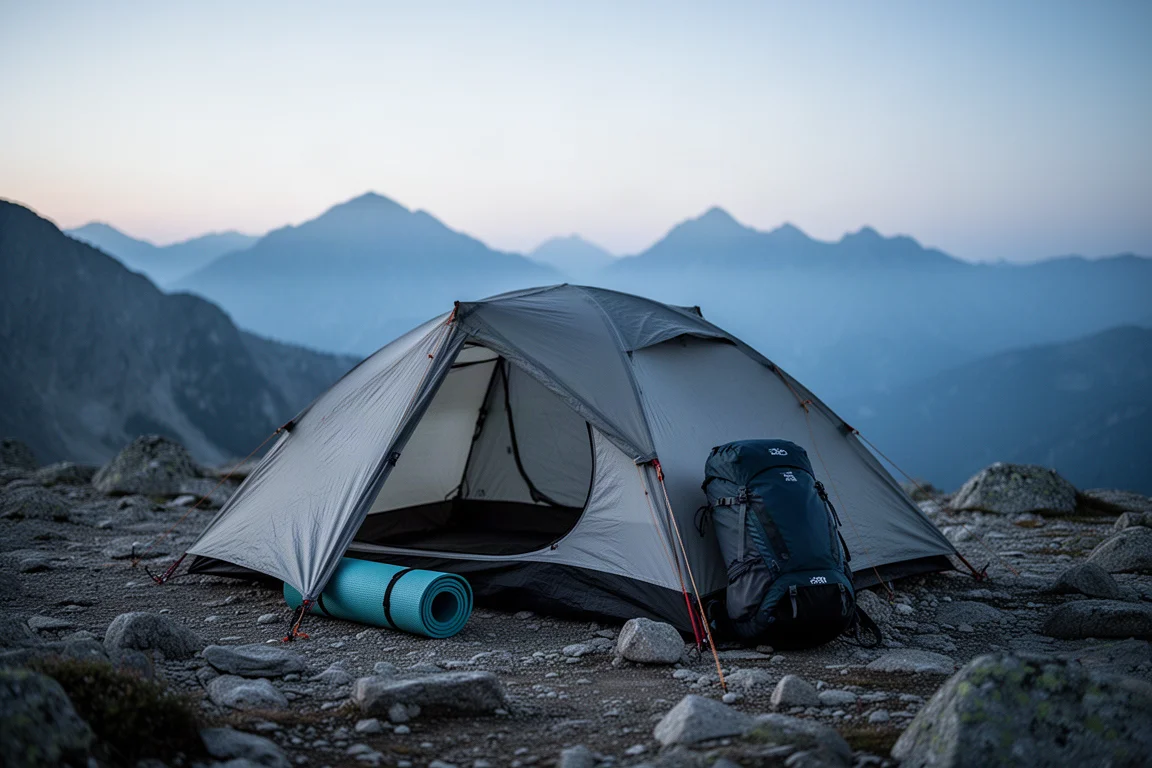
For thru-hikers counting every gram, the Xlite remains a logical choice. For everyone else, the slightly heavier pads elsewhere in this list offer a more forgiving night for a modest weight penalty.
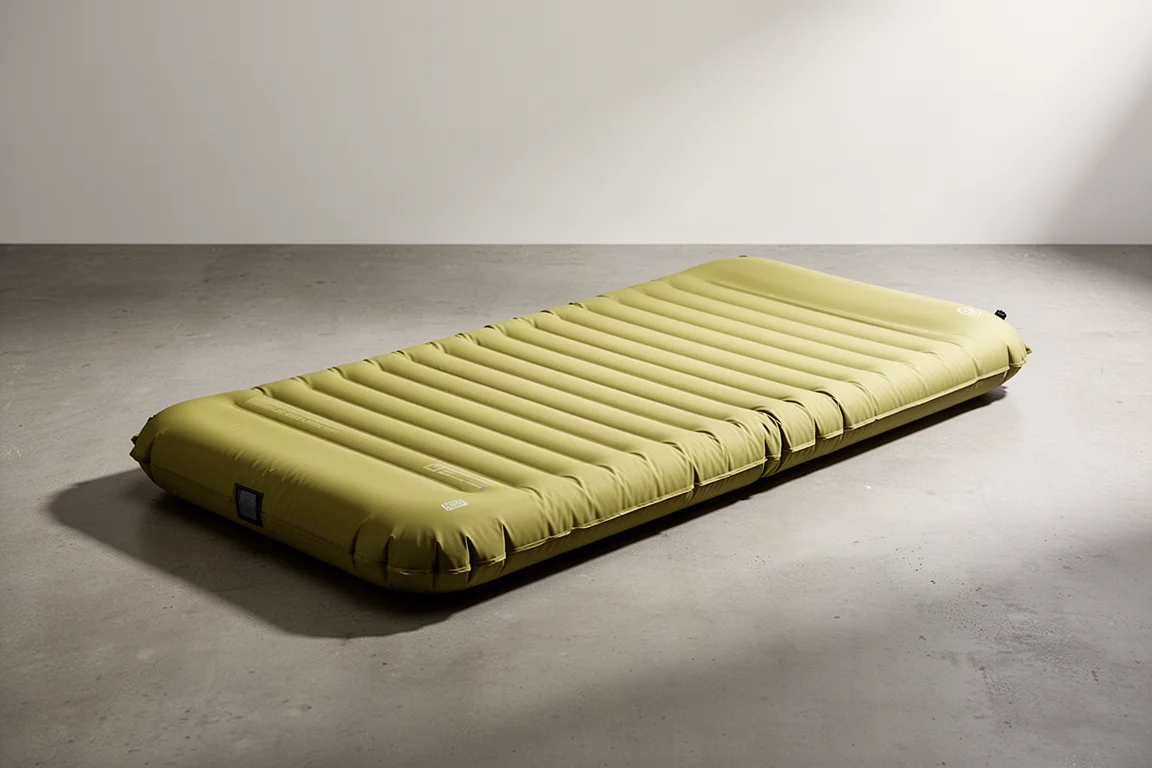
Big Agnes Zoom UL: Light but Cold
The Big Agnes Zoom UL is the other pad under 500 g, and it is genuinely light. The catch is that it is a 20-inch wide pad rather than a full regular wide, so the weight advantage comes partly from a narrower sleeping surface. That was factored into the ranking.
Warmth is the bigger concern. Its R-value sits in the low fours, but in the field it slept cold, with the chill becoming noticeable around 10 °C (50 °F). That is well above the temperature its R-value would suggest it should handle. It is also the most expensive pad in the group at around $250.
It suits a narrow use case: warm-weather trips where pack volume and weight matter most and the overnight low stays mild.
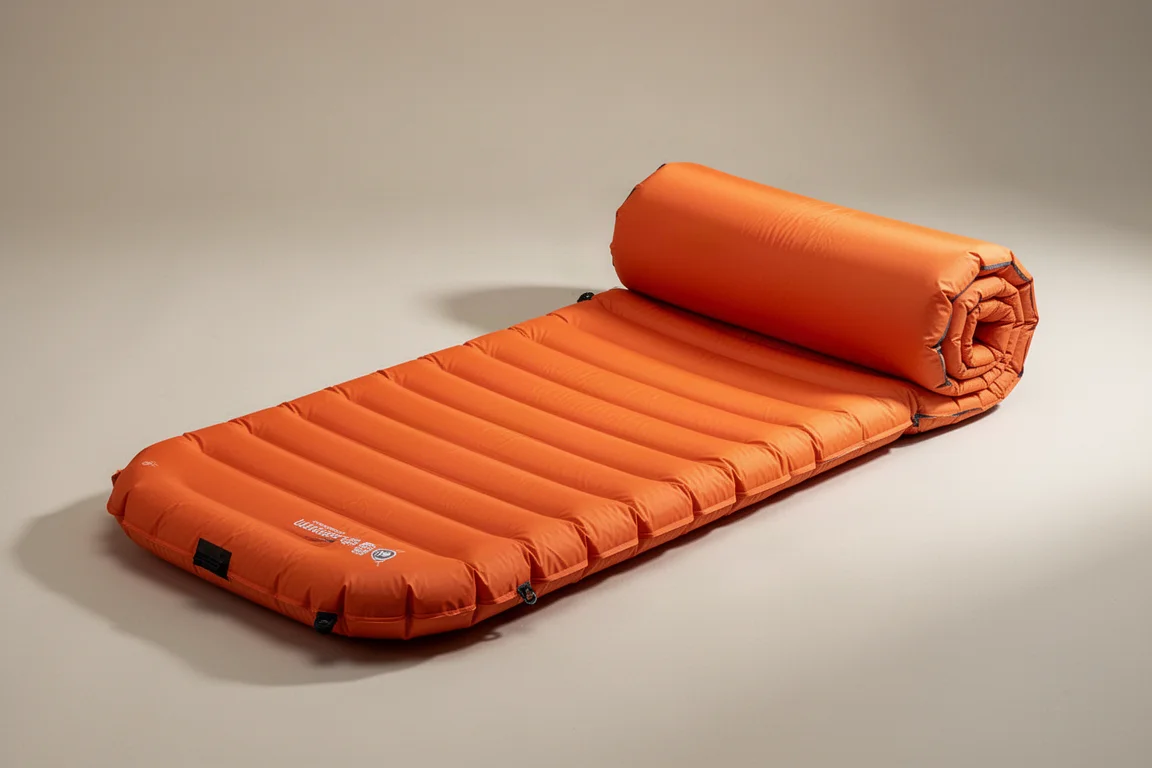
Sea to Summit Ether Light XR: Comfortable Baffling, Higher Weight
The Sea to Summit Ether Light XR is the heaviest pad here at 605 g, just past the 600 g mark that framed this comparison, and it lost points for that. What it gives back is comfort. The dimpled baffling has a soft, cushioned feel that some sleepers will prefer over the vertical baffles of the Exped, and it lands in the same comfort bracket as the Exped Ultra and the Tensor All Season, just behind the Zenbivy.
Warmth is the weak spot. Its R-value is in the low fours, and it started to feel cold just above freezing, which is a narrower useful range than the number implies. At around $240 it is also one of the two most expensive pads in this group.
It is a reasonable pick for mild-weather backpackers who value a cushioned surface and are not counting grams too strictly.
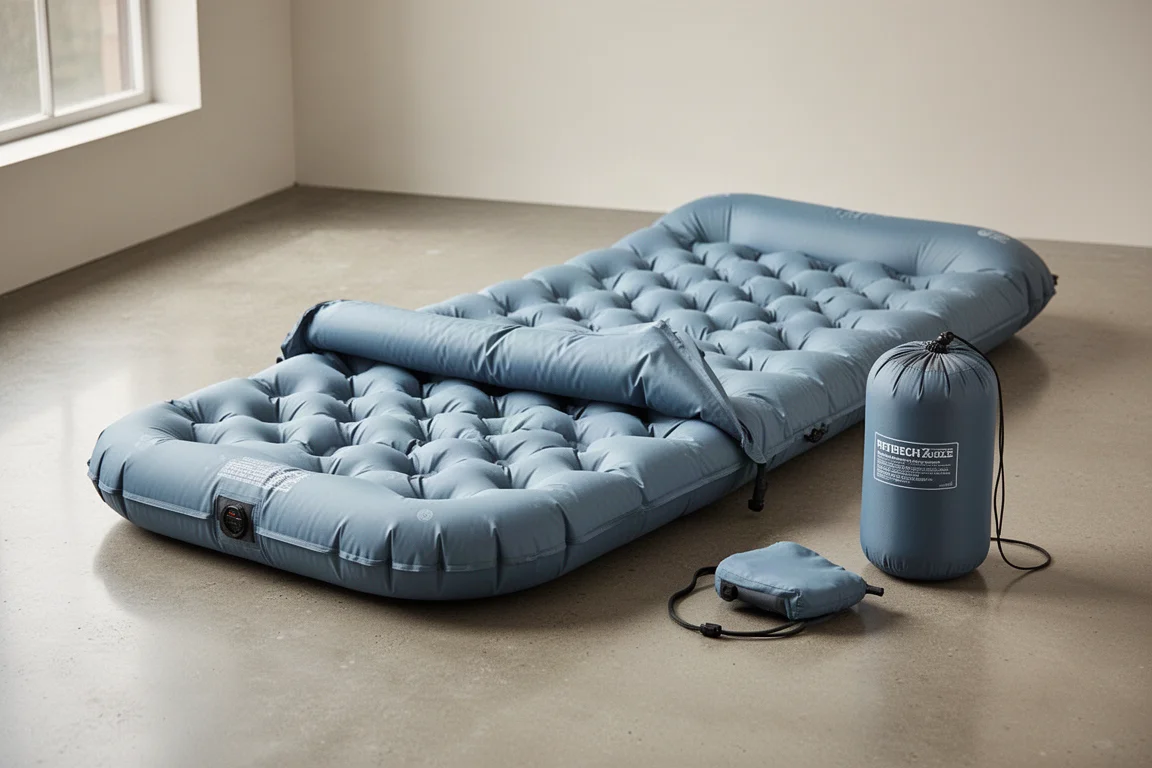
Nemo Tensor All Season: Warmth Without the Bulk
The Nemo Tensor All Season is one of the two warmest pads in this group, holding comfort below freezing down to about -6 °C (20 °F), matching the Exped Ultra 6.5R in the field despite a lower R-value. That makes it the strongest cold-weather alternative if the Exped is unavailable or you simply prefer its feel.
Its construction uses a thicker profile with slightly dimpled horizontal baffles, and the comfort result is strong, sitting in the same bracket as the Exped Ultra and the Ether Light XR. Weight is a little behind the very lightest pads, but still competitive for the warmth on offer.
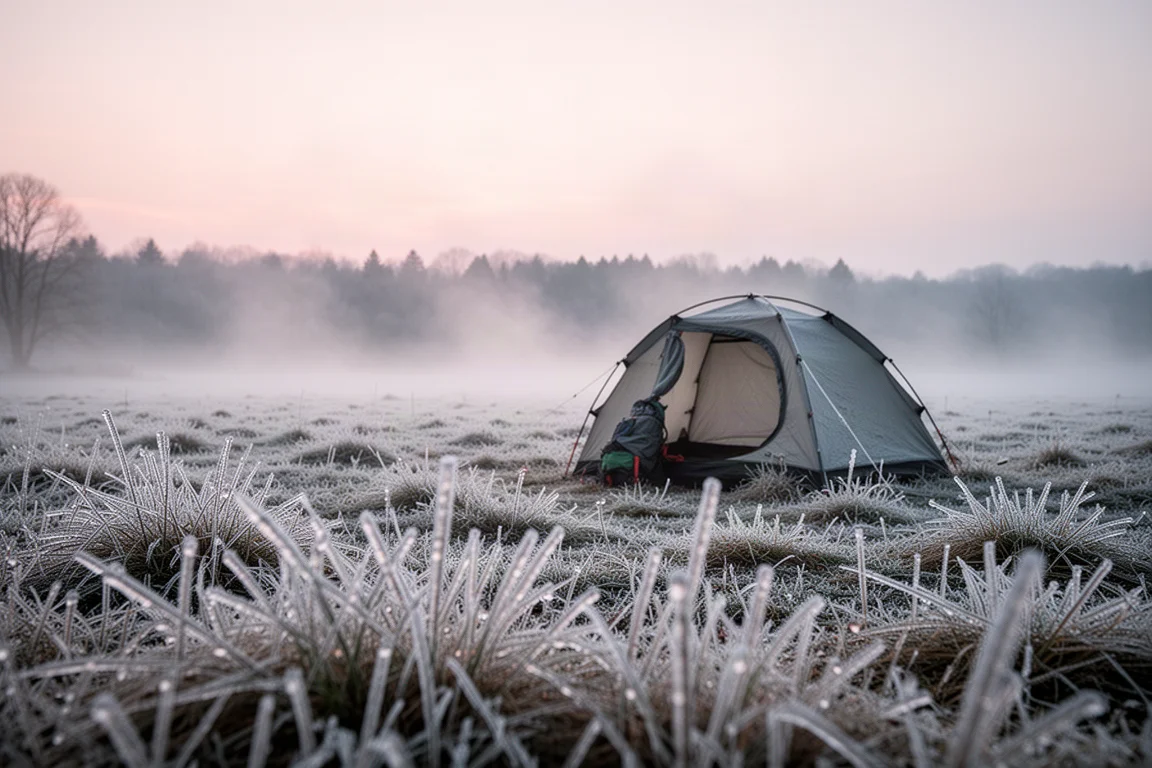
It ties for best warmth-to-weight and best comfort-to-weight in this comparison, and if price is set aside, it ranks as one of the two best all-around pads here alongside the Exped Ultra.
Naturehike NKTR Air 5.8: The Budget Pick
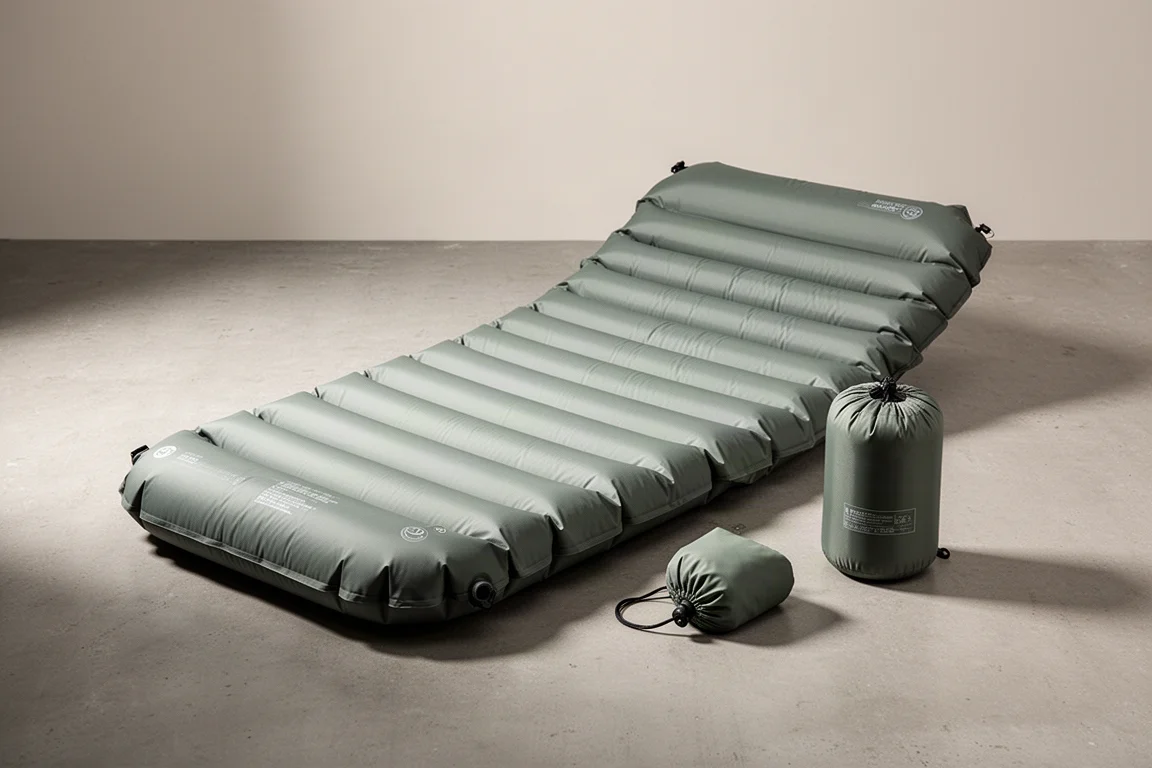
Price is where the Naturehike NKTR Air 5.8 runs away with it. It costs under $100 and usually lands around $60, while every other pad in this group comes in at $200 or more. On value alone it is a standout.
It does not feel like a compromise either. It is still lightweight, and it is among the more comfortable pads in this comparison, which is more than the price would suggest. It is not the warmest pad here and it does not match the field performance of the premium options on cold nights, but for three-season trips on a budget it is a genuinely sensible choice.
Overall Buying Advice
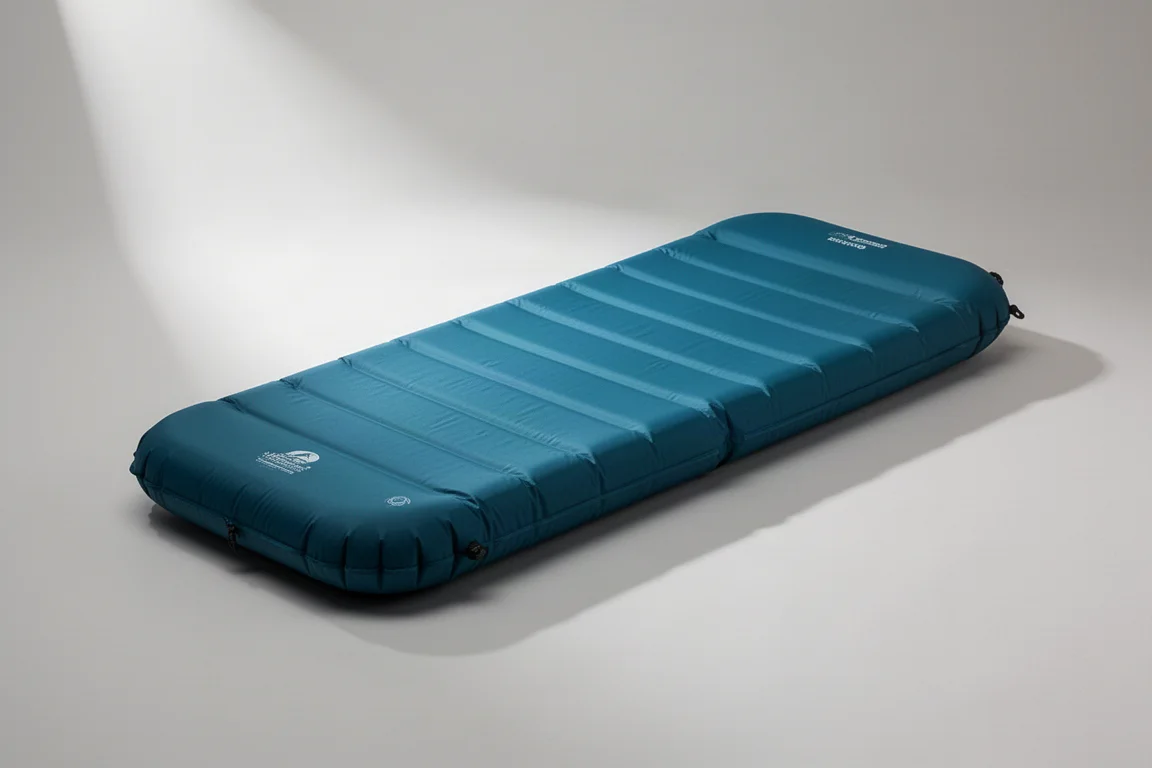
Total points put the Exped Ultra 6.5R at the top, and it is the easiest recommendation for most people: light, warm, comfortable, and versatile enough to serve as a single do-everything pad.
The choice narrows once you know what you care about most. If you sleep cold and want comfort without giving up much weight, the Exped Ultra is the one to go for. If pure comfort matters more than anything else and you still want to stay under 600 g, the Zenbivy Ultralight is the pad here that delivers that combination. If budget drives the decision, the Naturehike NKTR Air 5.8 is the clear value pick. And if you are a committed ultralight purist who wants the lowest possible carry weight, the Therm-a-Rest Xlite remains the classic answer.
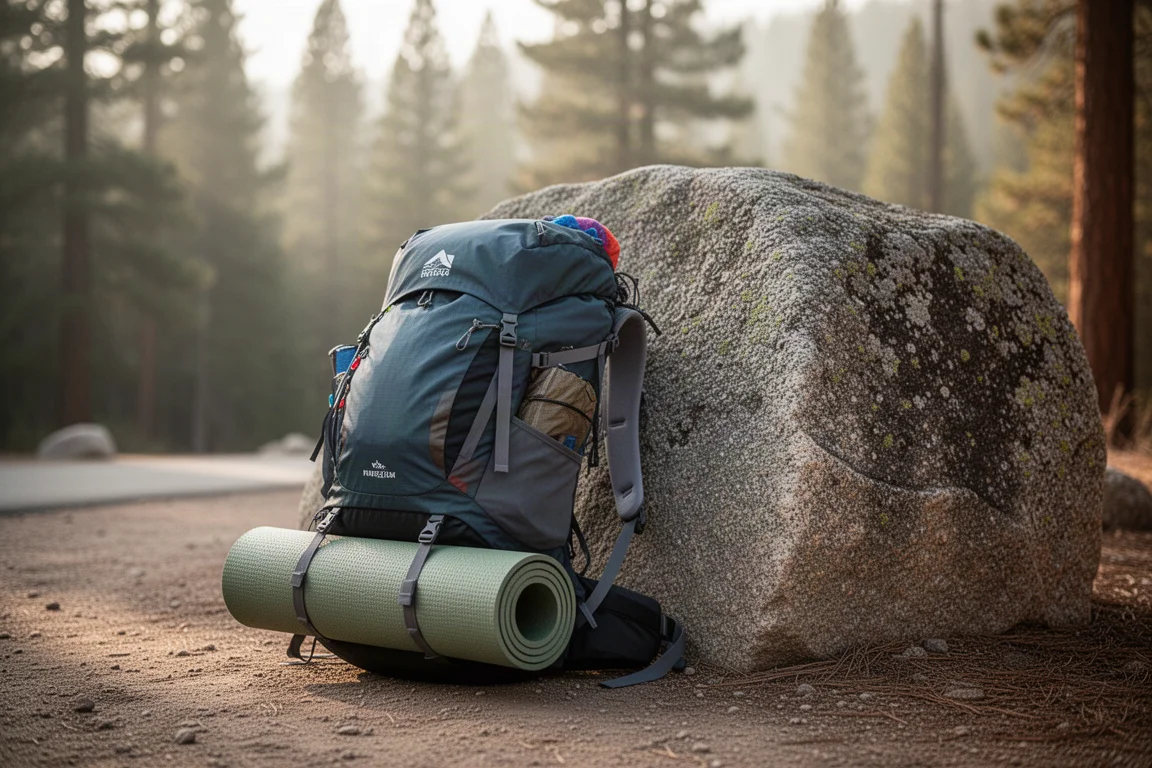
One caution applies across all of them: R-value alone is not a reliable guide to how warm a pad sleeps in the field. Lab testing happens at room temperature, which can flatter thick pads that lose their advantage once the surrounding air turns cold. Field warmth and lab warmth are not the same measurement, so treat the R-value as a starting point and match the pad to the temperatures you actually camp in.
Conclusion
There is no single best ultralight sleeping pad, but there is a best one for the way you camp. The Exped Ultra 6.5R wins on overall balance, the Zenbivy Ultralight wins on comfort, the Nemo Tensor All Season matches the Exped for cold-weather warmth, the Therm-a-Rest Xlite wins on pure minimal weight, and the Naturehike NKTR Air 5.8 wins on price by a wide margin. Pick the category that matters most to you, and any of these will serve you well.
Further reading
Related Reviews
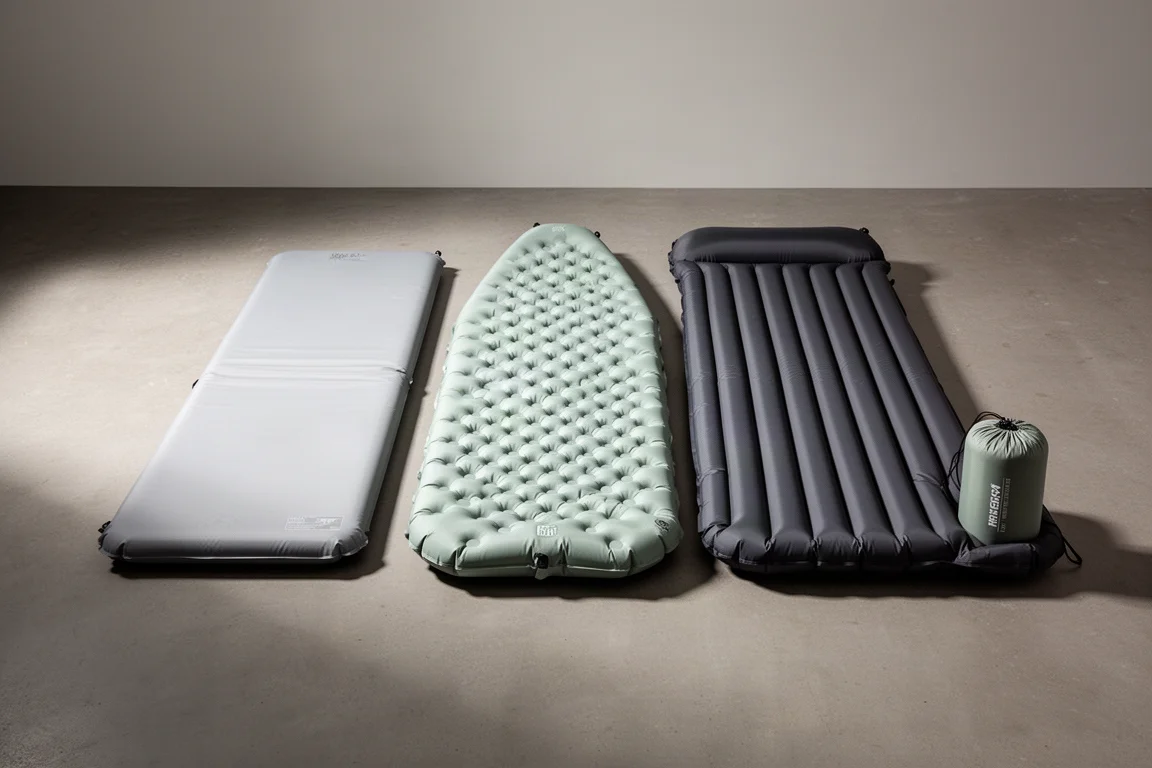
Camping Sleeping Pads
Best Sleeping Pads 2026: Comfort Awards and Top Picks
A comfort-focused roundup of ten sleeping pads, from budget dimpled designs to thick stretch-top models, with gold, silver, and bronze comfort awards.
Camping Sleeping Pads
DOD Outdoors Soto Air Mattress Review: Comfort First, at a Price
A thick foam-and-air camping mattress with an 8.3 R-value and a clever inflation system, weighed against a premium price and a tight storage bag.
Camping Sleeping Pads
Exped MegaMat Duo 10 Medium Double Review: A Comfort-First Car Camping Mattress
A close look at the Exped MegaMat Duo 10 Medium Double, a self-inflating two-person sleeping pad built for comfort, warmth, and long-term durability.