Backpacking Gear
Best Ultralight Sleeping Bags and Quilts for Backpacking: Four Options Worth Considering
A budget down bag, a mild-weather quilt, a lofted all-rounder, and a proven cold-weather bag, compared on warmth, weight, price, and how they attach to a sleeping pad.
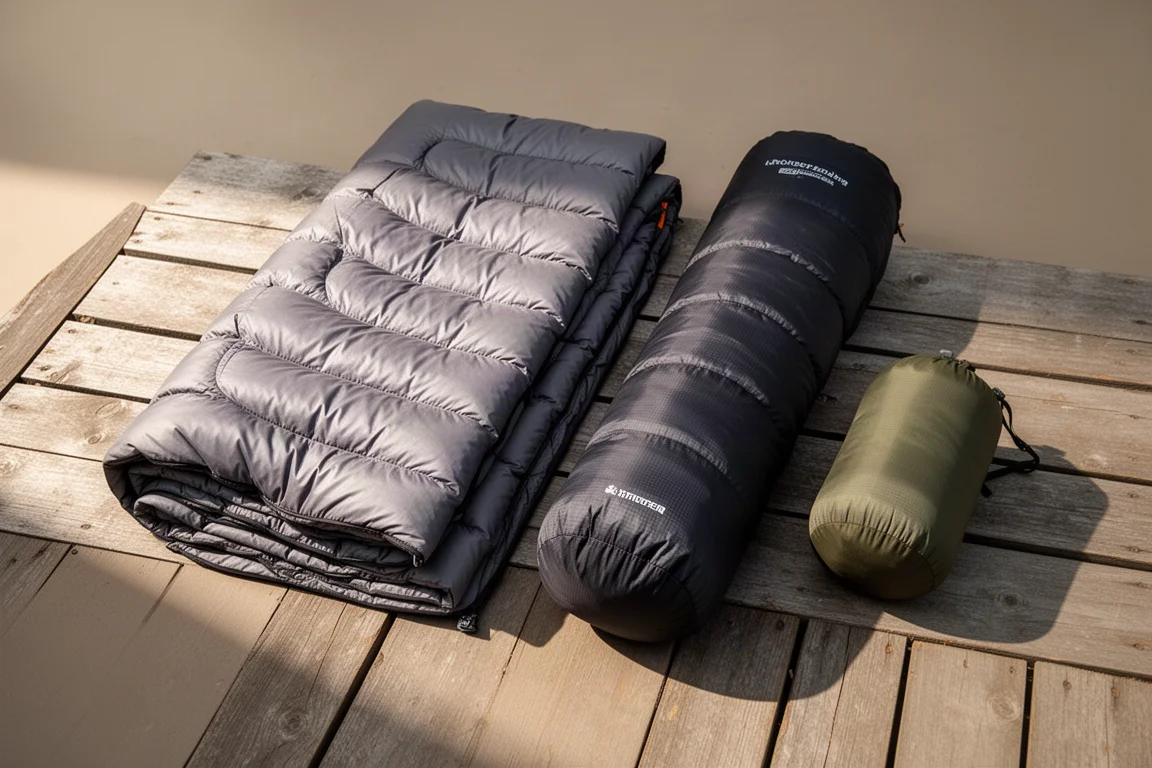
Introduction
Sleep insulation is one of the few pieces of backpacking gear where the trade-offs are unusually clear. Fill power, temperature rating, packed weight, and price move together, and the right answer depends far more on the conditions you actually expect than on the specification sheet alone.
This roundup covers four ultralight options: a low-cost 800 fill power down bag for newer backpackers, a 30-degree quilt built for mild three-season trips, a 900 fill power quilt aimed at long thru-hikes, and a 10-degree bag with a long trail record. Each one earns its place on a different kind of trip, and each has a trade-off worth knowing before you buy.
What to Look For in an Ultralight Sleeping Bag or Quilt
Fill power is the first number to check. Higher fill power means more loft for the same weight, which is why 800 fill power goose down sits at the value end of this group while 900 fill power HyperDry goose down sits at the top. Both are genuine down, and both compress well.
Temperature ratings come in three parts: a comfort rating, a lower limit, and an extreme limit. The comfort rating is the number that matters most for a good night’s sleep. The extreme figure describes survival rather than comfort and should never be treated as a target.
Weight separates these products as much as warmth does. A quilt can come in under a pound, while a full sleeping bag with a hood and back insulation lands closer to 19 to 22 ounces.
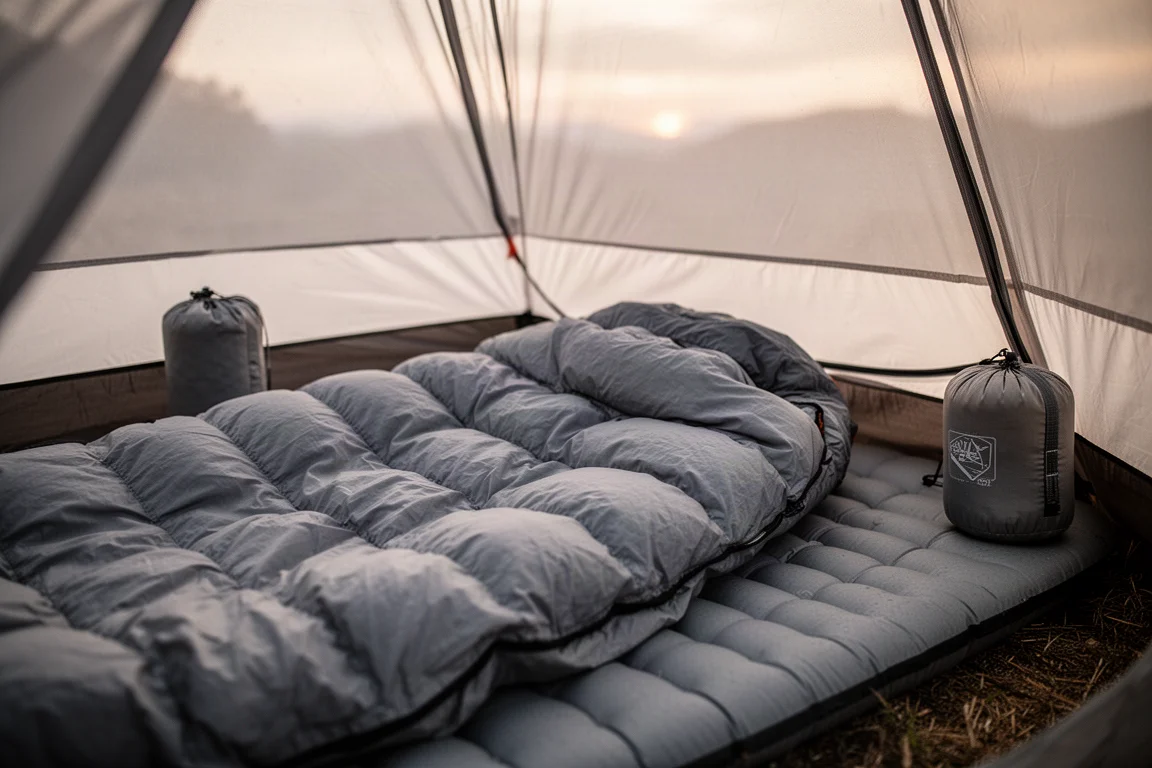
Finally, look at how the system attaches to your sleeping pad. Quilts rely on straps to seal out drafts, and the difference between a strap system that adjusts in seconds and one that fights you every night is bigger on a long hike than any gram count.
Sleeping Bags vs Quilts: What Changes on the Trail
A quilt removes the hood and the insulation underneath you, on the logic that a sleeping pad already handles that job. That is where most of the weight saving comes from, and it is also why quilts are usually paired with a pad rather than used on their own.
Quilts are also more flexible. When the night turns out warmer than expected, a quilt can simply be thrown over the top without being strapped to the pad at all. When it turns cold, the straps lock it in place and close the gaps around the edges.
The trade-off is that a quilt depends on a good pad and a well-adjusted strap system. A sleeping bag is more forgiving in that regard: zip it up and the insulation wraps you on all sides. Neither format is better in the abstract, but the attachment system matters more than most buyers expect.
Best Budget Pick: Aegismax Ultralight Goose Down Sleeping Bag
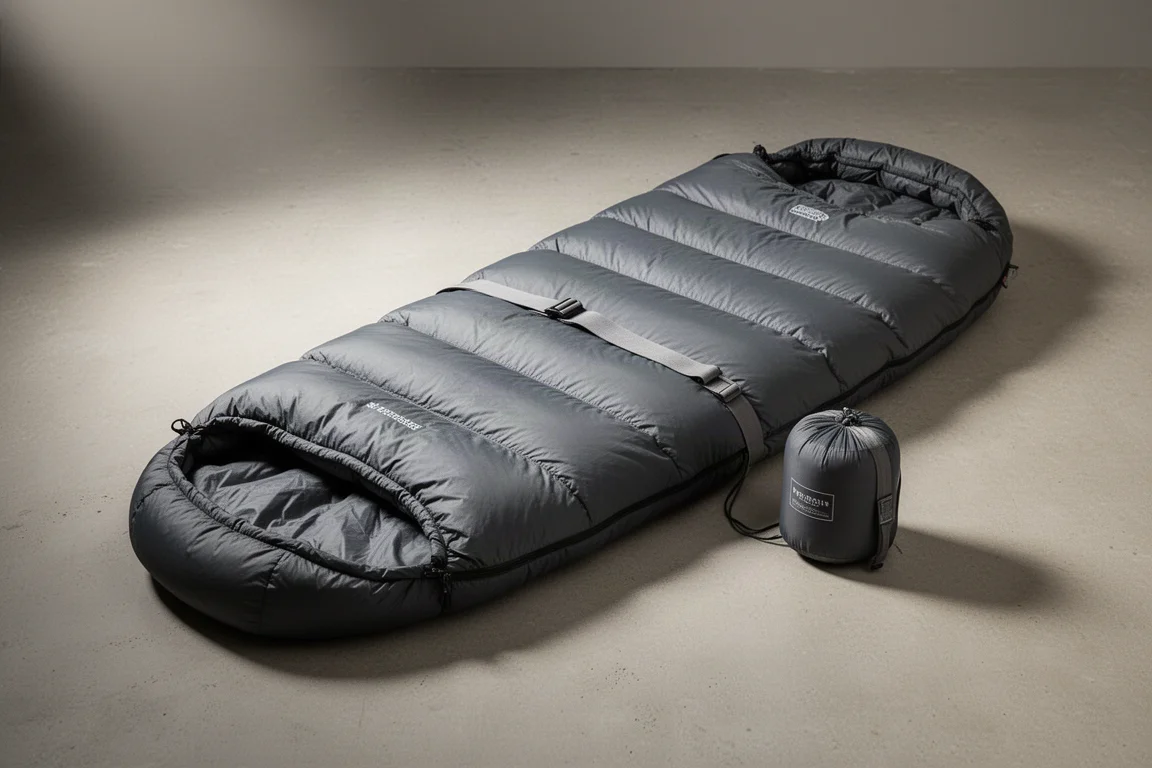
The Aegismax Ultralight Goose Down Sleeping Bag is the lowest-cost route into genuine down insulation in this group. It uses 800 fill power goose down and lists a 52°F comfort rating, a 43°F lower limit, and a 15°F extreme limit.
In practice, that 52°F comfort figure is optimistic for a cold sleeper. Field use during the warmer stretch of a long-distance hike found the bag comfortable to roughly 40°F, and a warmer sleeper may be able to push into the upper 30s. The lesson is not that the bag underperforms, but that the comfort rating should be read as a starting point rather than a guarantee.
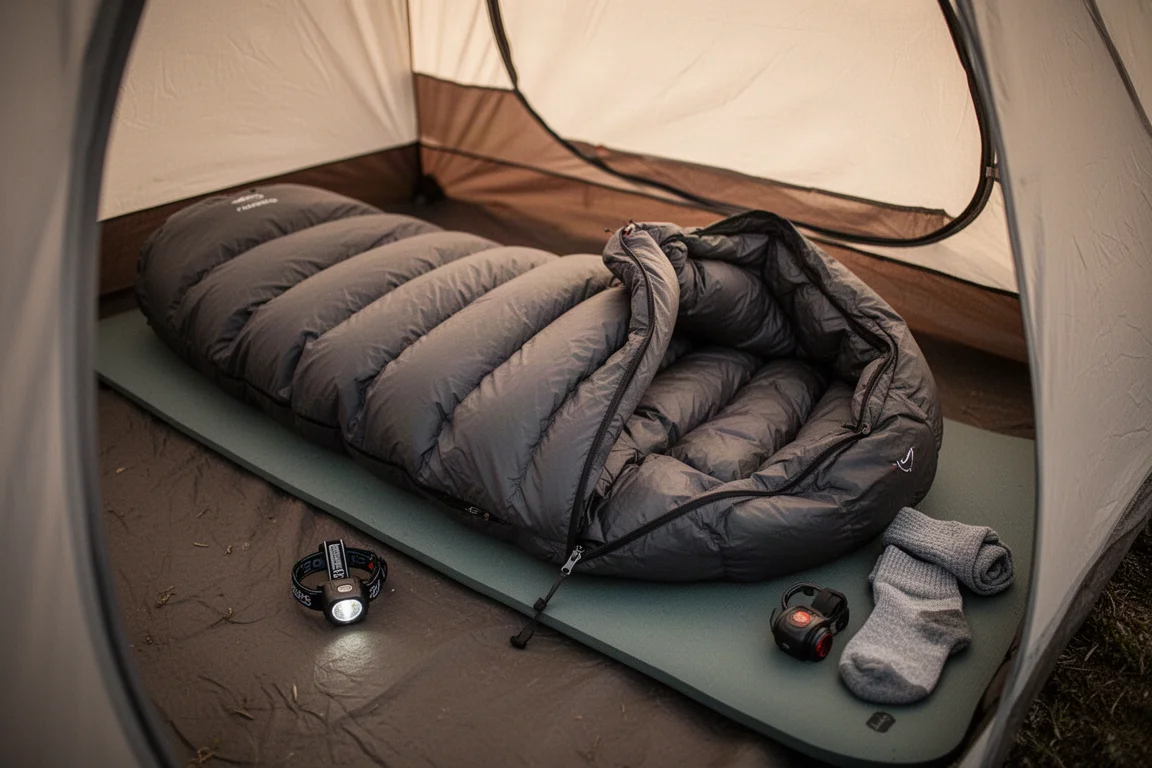
At 18.6 ounces, it is a genuine ultralight bag rather than a car-camping bag that happens to be light. The price has drifted upward since launch, from around $95 to roughly $110, which is still a strong figure for a sub-20-ounce down bag.
This is a bag for beginners, and the sensible way to use it is in mild conditions: late spring or early fall, when nights are cool but not dangerous. Testing any new bag’s limits for the first time in marginal weather is a poor plan.
Best for Mild Three-Season Weather: Enlightened Equipment Enigma
The Enlightened Equipment Enigma is a 30-degree quilt aimed squarely at mild three-season conditions. The 30°F rating is realistic rather than aspirational: on summer trips along the West Coast, comfort held as long as overnight temperatures stayed at or above roughly 30°F, even on nights that ran colder than expected.
The Enigma is also a good first quilt. There is no meaningful learning curve, and the strap system is the easiest to live with of the quilts covered here, with simple adjustment and no fiddly hardware. Custom builds involve a lead time, while stock options can be ordered and shipped much more quickly if you are short on time. Weight comes in at 15.35 ounces and the price at $345.
Best All-Around Quilt for Long Thru-Hikes: Katabatic Gear Alsek 22 Degree Quilt
The Katabatic Gear Alsek 22 Degree Quilt is the warmest and loftiest option in this group. It uses responsibly sourced 900 fill power HyperDry goose down, and the six-foot version weighs 21.9 ounces. The loft is the first thing you notice: it feels closer to a down comforter than a piece of technical gear.
That warmth makes it the natural pick for a long thru-hike and for three-to-four-season temperatures, particularly in the southern stretches of a route where a lighter quilt stops being enough.
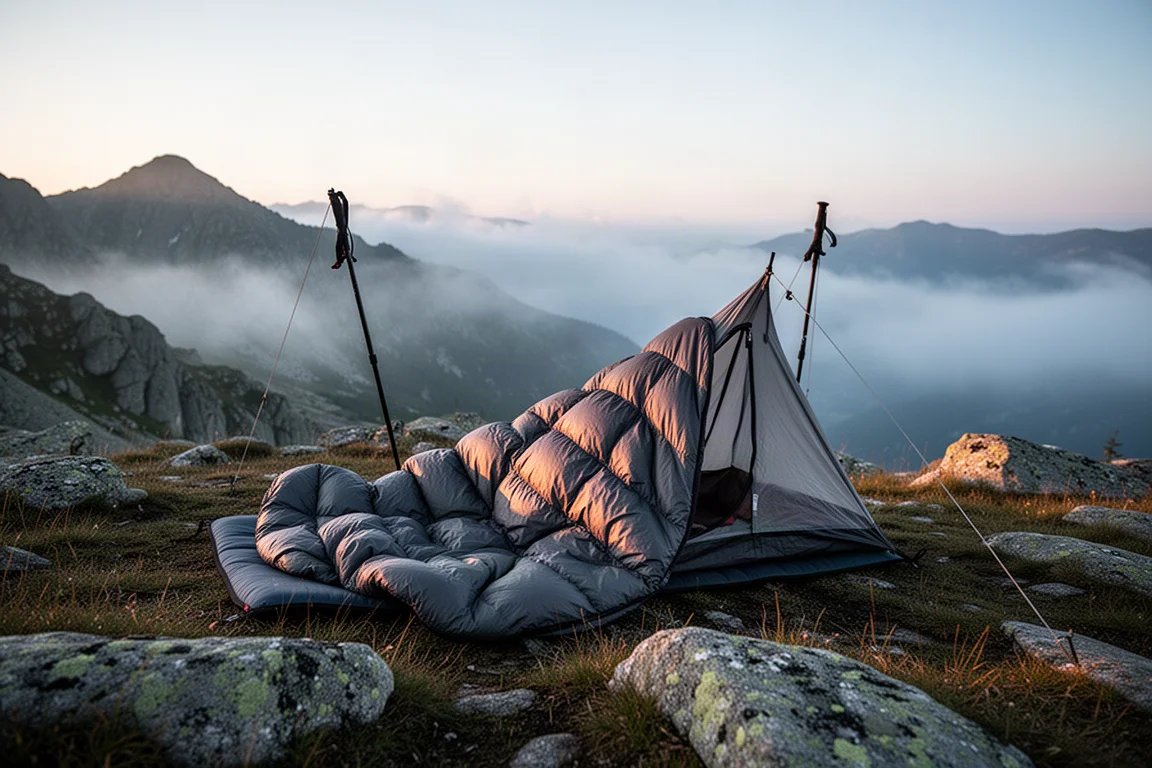
Two things are worth flagging. The strap system locks in well once adjusted, but it takes more effort to set up than the Enigma’s, and it is the clear weak point of an otherwise excellent quilt. Color choices are also limited, which matters if appearance plays a part in your decision. At $425 it is the most expensive option here.
A Proven Cold-Weather Bag: Zpacks 10 Degree Sleeping Bag
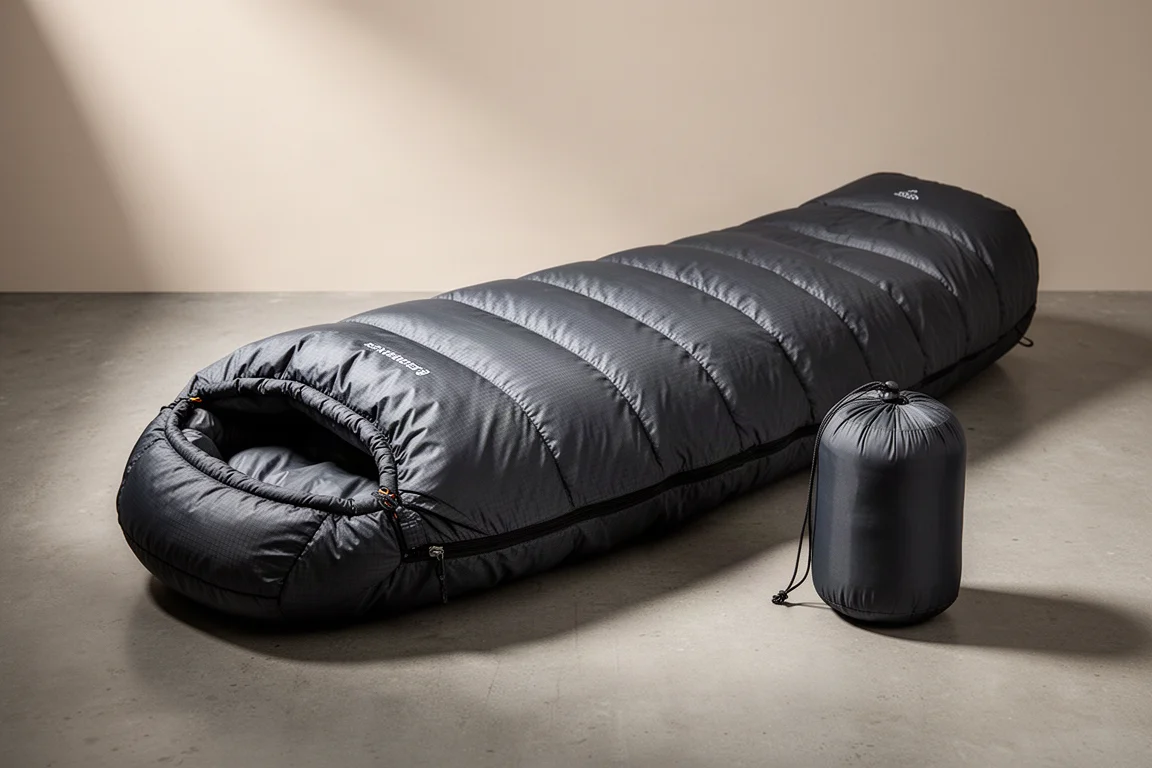
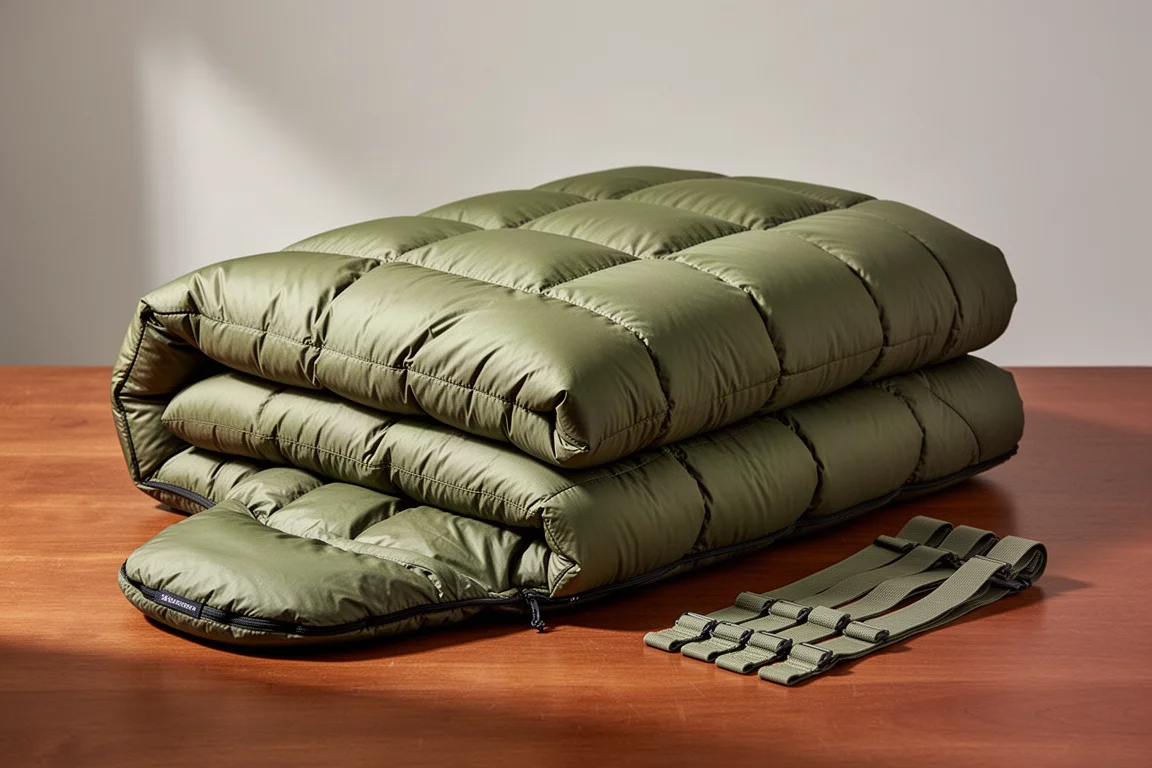
The Zpacks 10 Degree Sleeping Bag represents the traditional side of this comparison. It is a lofty down bag that performed well across long thru-hikes and was, for a long time, the obvious choice for an all-around bag on a route like the Appalachian, Pacific Crest, or Continental Divide Trail.
It is also the clearest illustration of why temperature ratings deserve caution. Even with a 10-degree bag, some nights late in a hike felt chilly when overnight temperatures never dropped below the mid-20s. A generous rating does not compensate for a cold sleeper, a thin pad, or a draft.
Buying Advice: Matching a Bag or Quilt to Your Trip
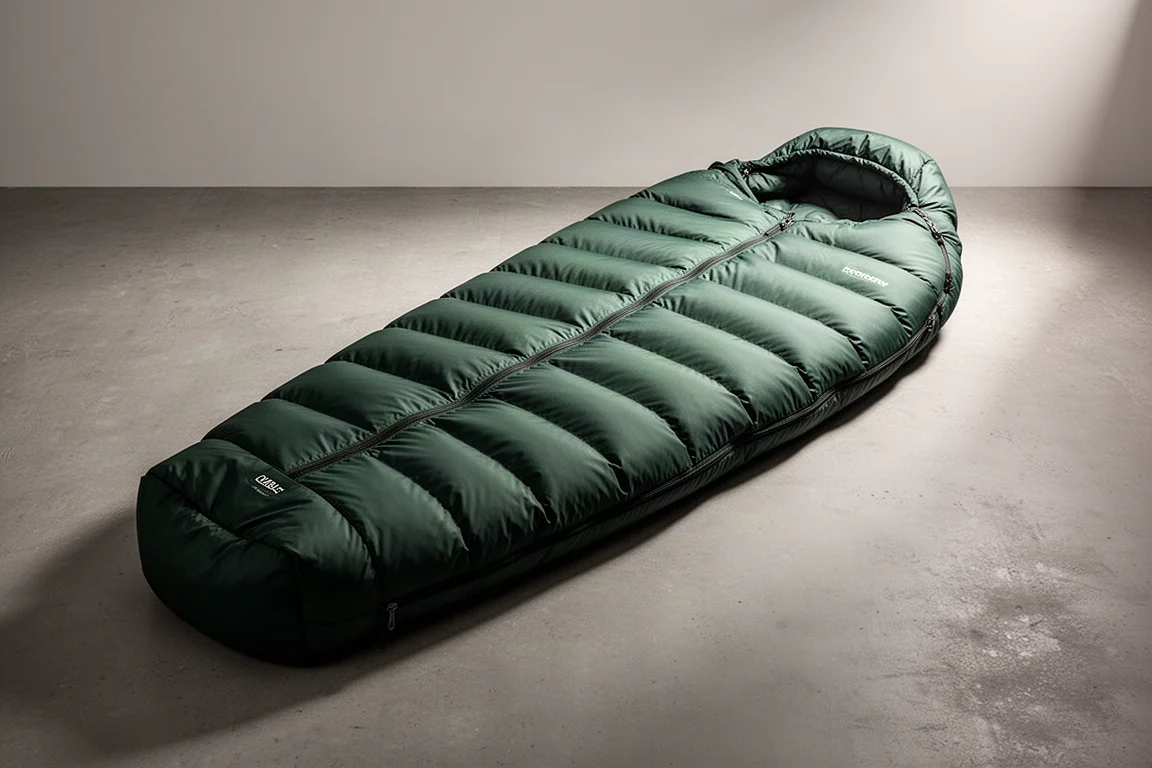
Start with the coldest night you realistically expect, then add margin. A comfort rating that matches your forecast exactly leaves no room for a damp sleeping bag, an unexpected cold snap, or the fact that most people sleep colder on trail than they do at home.
If you are building a first backpacking kit and want to keep the cost down, the Aegismax is the sensible entry point, provided you plan mild-weather trips while you learn how you sleep outdoors. If you want the lightest option for summer and shoulder-season trips, the Enigma’s 15.35 ounces and simple strap system make it the most approachable quilt here. For a long thru-hike or a route that runs into genuinely cold nights, the Alsek 22’s 900 fill power down is the one to stretch for. And if you simply prefer the security of a full bag, the Zpacks 10 Degree remains a proven design, as long as you plan extra warmth for the coldest nights rather than trusting the number alone.
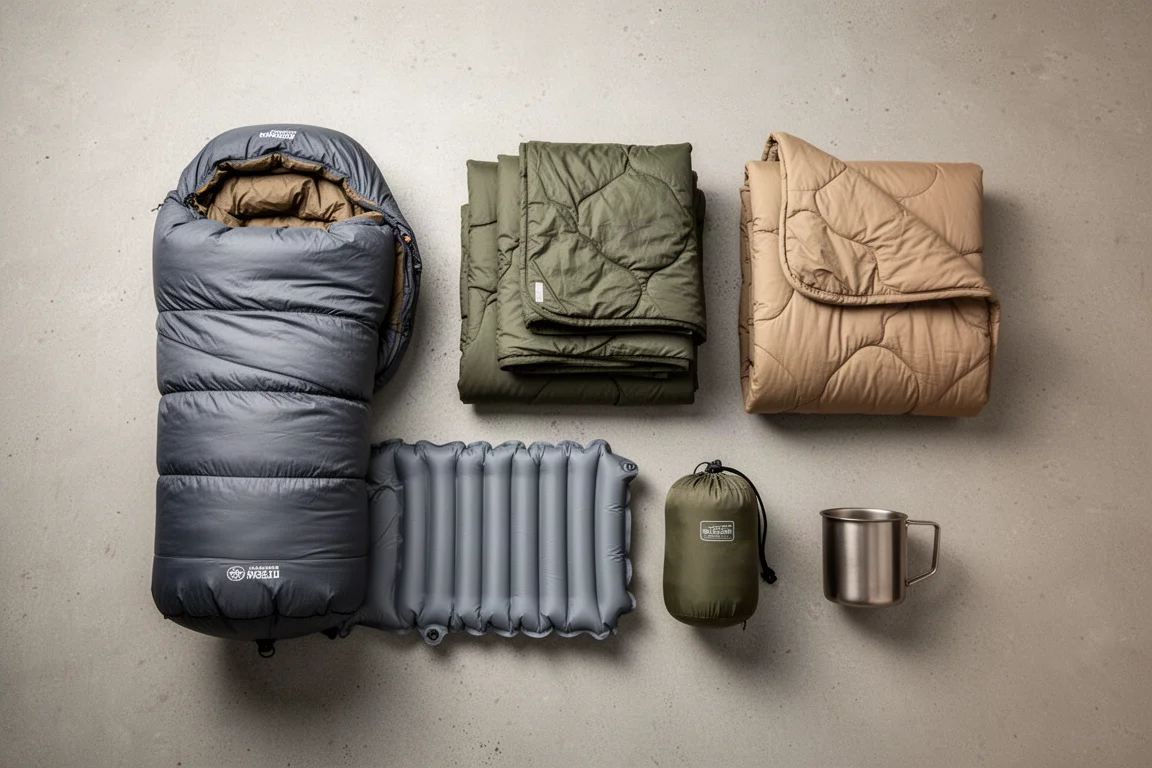
Pad choice deserves equal attention. A quilt is only as warm as the pad beneath it, and an insulated pad with a solid R-value does more for a cold night than a heavier quilt over a marginal pad. Strap tension matters too: a quilt that is loosely attached will leak warmth around the edges all night.
Conclusion
All four of these options work, and none of them is the right answer for every trip. The Aegismax delivers real down insulation at a budget price for mild-weather beginners. The Enlightened Equipment Enigma is the light, simple quilt for three-season trips. The Katabatic Gear Alsek 22 is the loftiest and warmest of the group, built for long thru-hikes and colder seasons. The Zpacks 10 Degree is the proven full bag for anyone who prefers that format.
Match the rating to your conditions, add a margin if you sleep cold, and put as much thought into your sleeping pad as you do into the bag or quilt on top of it.
Further reading
Related Reviews

Backpacking Gear
Building a 10 lb Base Weight: An Ultralight Backpacking Gear List
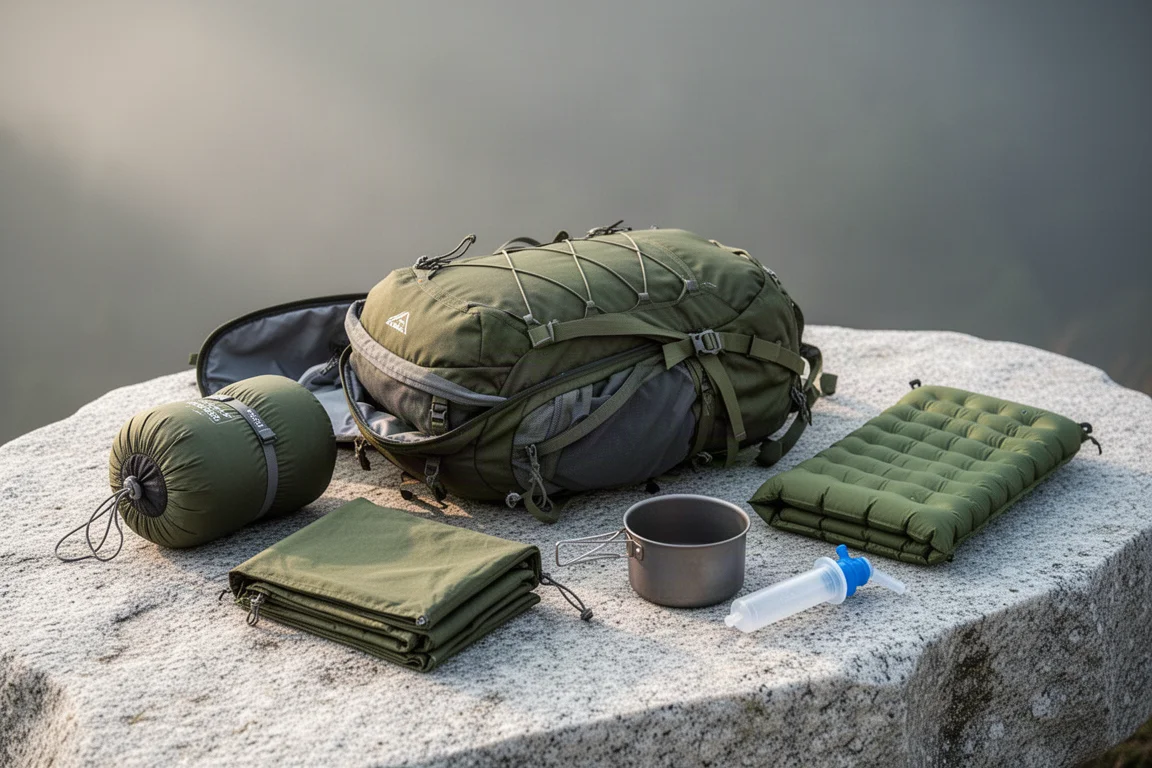
A practical walkthrough of the ultralight pieces behind a 10 lb base weight, from a 765 g pack and a roomy one-person tent to a full camp chair and a dependable water filter.
Backpacking Gear
A 15-Pound Lightweight Backpacking Gear List for Solo Trips
A beginner-friendly 15-pound backpacking setup built from easy-to-find gear, with notes on what each piece does, how it packs, and where to spend your attention.
Backpacking Gear
8 Ultralight Backpacking Gear Upgrades Worth Carrying
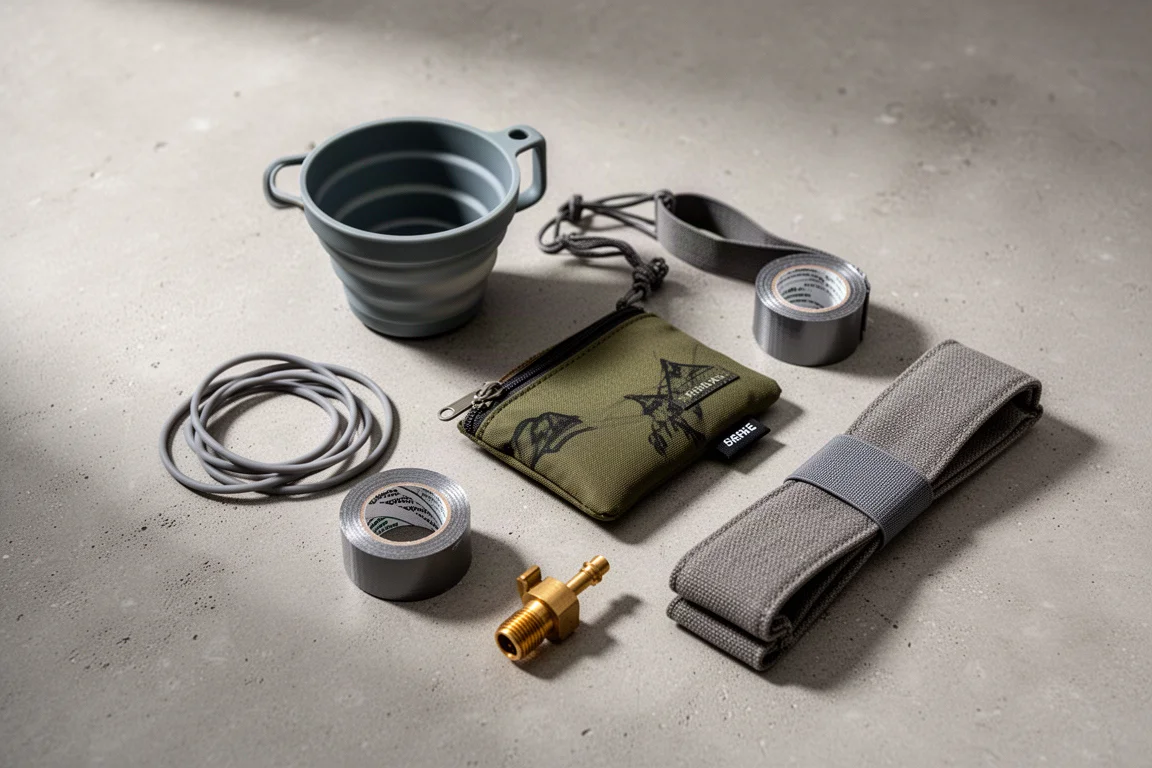
Eight small, affordable backpacking upgrades that solve real trail annoyances, from a pillow that stays put to a fuel valve that rescues leftover canister gas.