Camping Sleep Systems
Best Ultralight Sleep System: Four Pieces Worth Carrying on a Long Trail
A four-piece ultralight sleep system built around warmth-to-weight, comfort, and versatility, with the trade-offs to weigh before you buy.
Introduction
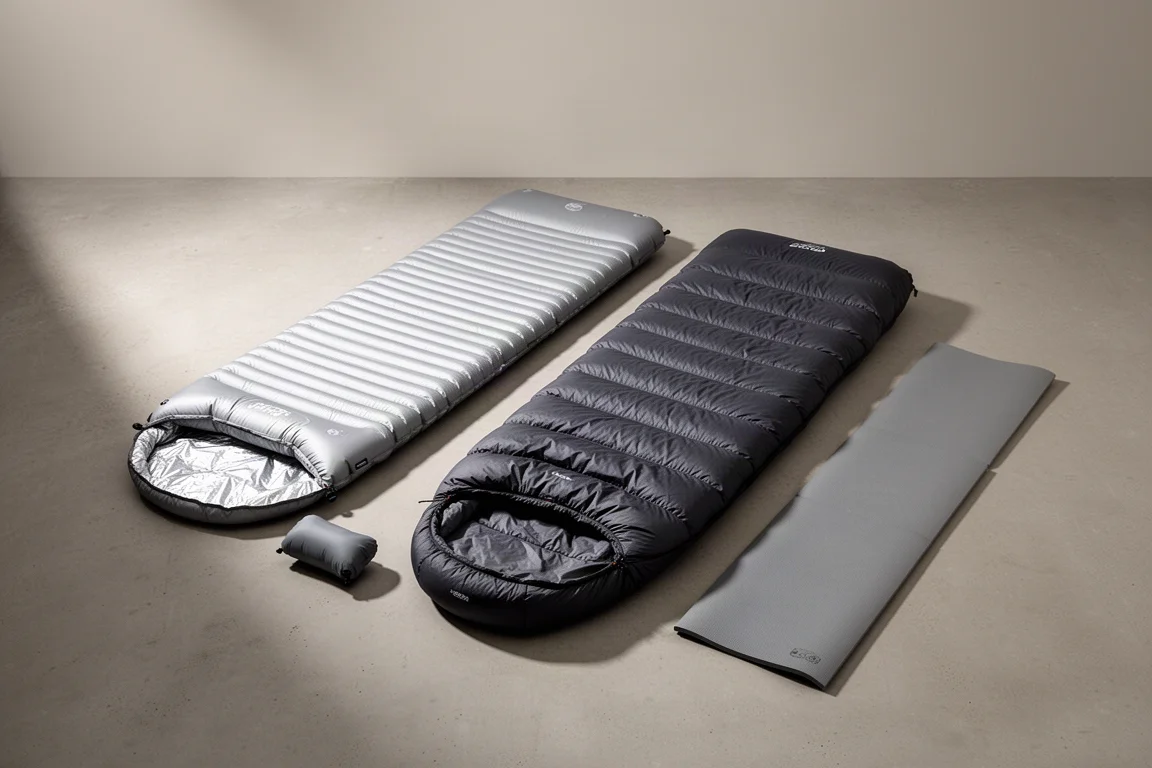
A sleep system has to do three jobs on a long trail: keep you warm, pack down small, and stay comfortable enough that you recover night after night. The four pieces below were assembled and carried as a complete setup for a 1,100 km thru-hike planned across 36 days in the Canadian Rockies, and each one earns its place for a different reason.
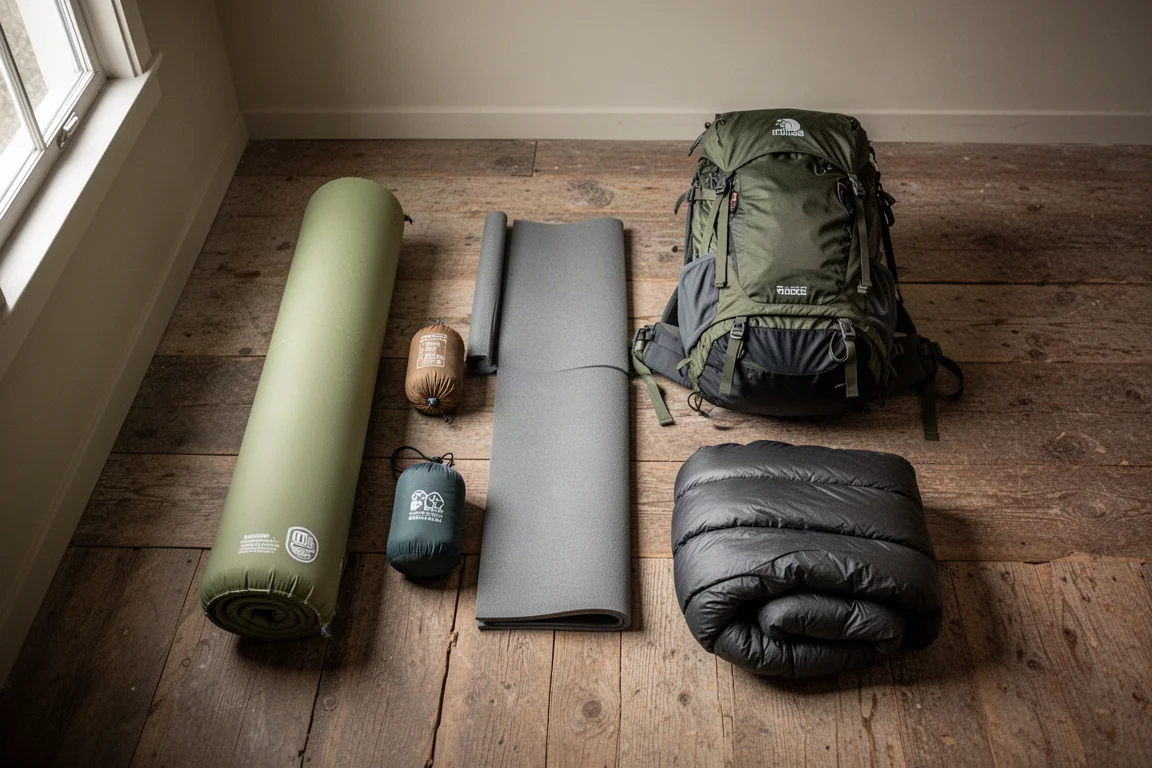
Weight drives most of the decisions here, but warmth per gram matters just as much. The combination pairs a reflective sleeping pad, a supportive inflatable pillow, a down quilt with a sealed foot box, and a thin foam mat that takes on several jobs in camp.
What Matters in an Ultralight Sleep System
Warmth-to-weight ratio sits at the centre of everything. A pad’s R-value describes how much insulation it provides from the ground, while a quilt’s temperature rating and fill power determine how much warmth it delivers for its packed size. The real work is balancing those numbers against the comfort you are willing to give up.
Versatility matters too. Any item that serves more than one purpose in camp earns its weight back, and small setup habits, such as marking strap positions or labelling a quilt strap, save time at the end of a long day when fiddling with gear is the last thing you want to do.
Therm-a-Rest X-Lite: The Warm Base Layer
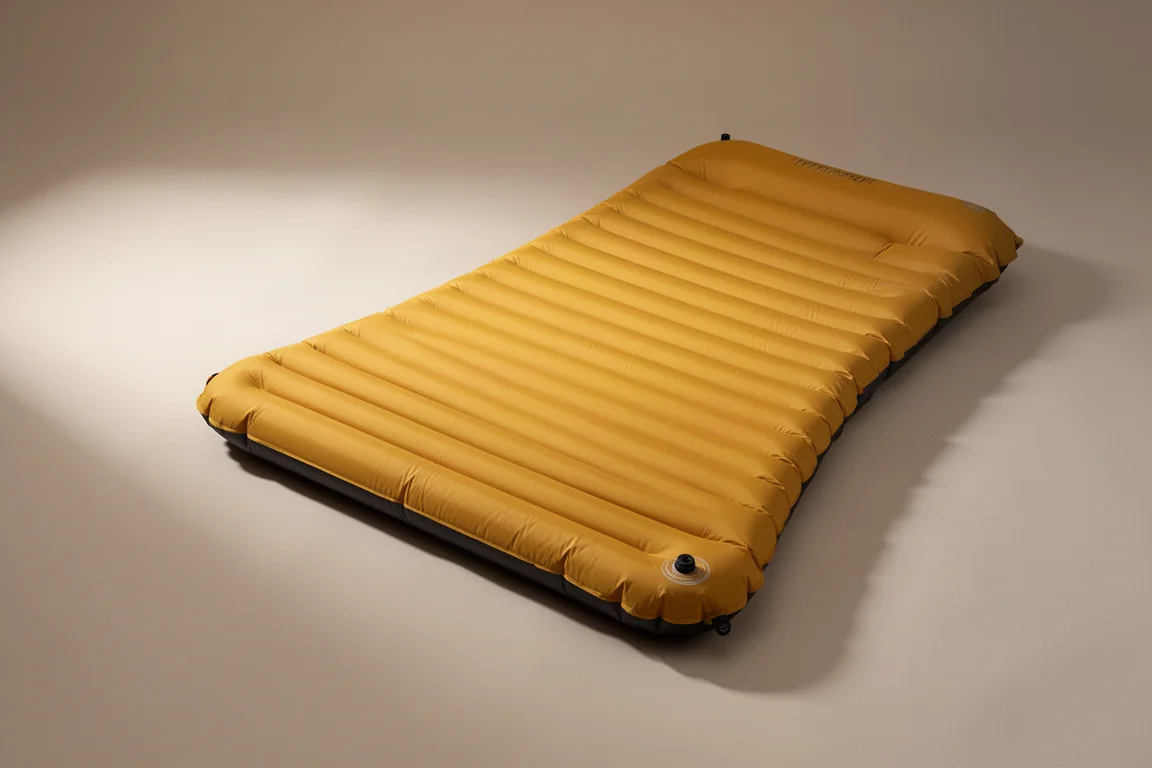
The Therm-a-Rest X-Lite is the foundation of the system, and reflective technology is the reason it is here. In the regular wide version it weighs 430 grams and carries an R-value of 4.2, which is enough to stay warm through cold nights in the Canadian Rockies.
It is not the most comfortable pad available, particularly for side sleepers. The horizontal baffles do not suit that sleeping position as well as vertical ones, and an arm can go numb over the course of a night. Getting the inflation level right makes a genuine difference, and after enough nights it is possible to find a sweet spot that works. For anyone who prioritises a lighter pack and dependable warmth, that is a reasonable trade to make.
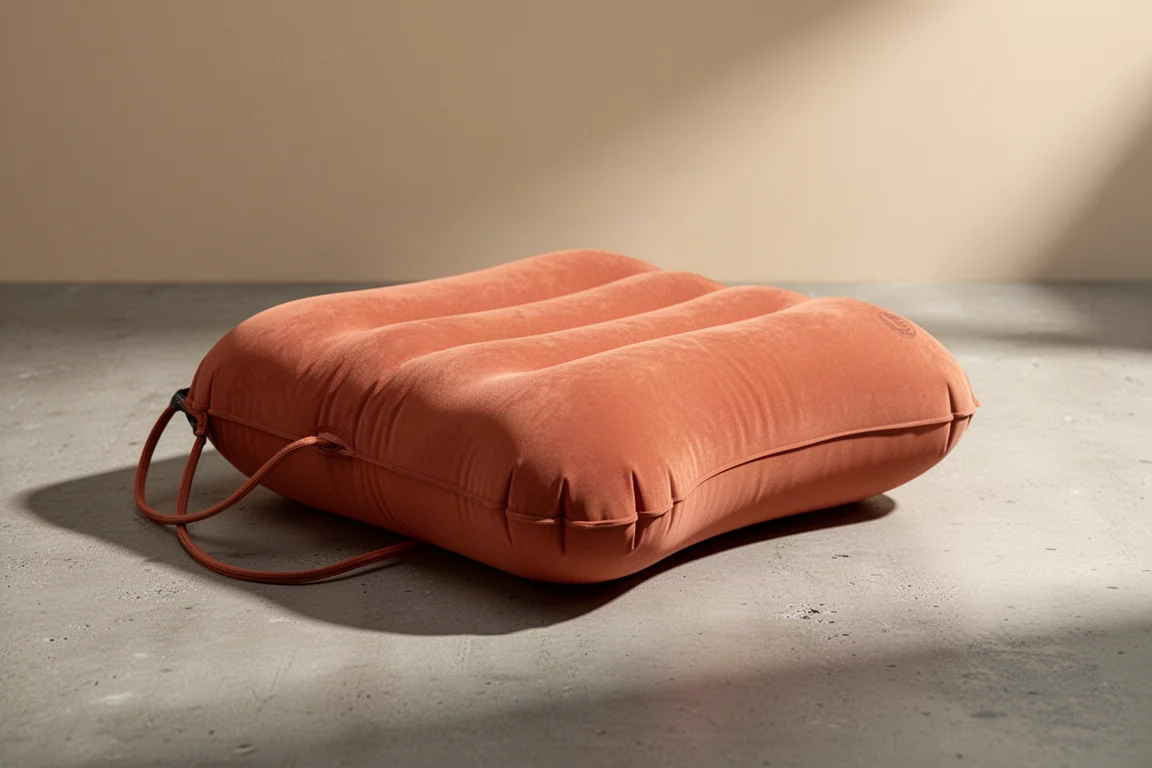
Trekology 2.0 Pillow: Lightweight Head Support
The Trekology 2.0 is a go-to pillow for ultralight trips because it lands in the middle of the weight and comfort range rather than at either extreme. Two details set it apart.
The first is the pad strap, which wraps around the sleeping pad and holds the pillow in place, so you are not chasing it around the tent in the middle of the night. The second is the baffling, which gives the pillow enough structure to feel genuinely supportive. Inflatable pillows often feel like sleeping on a balloon, and this one does not.
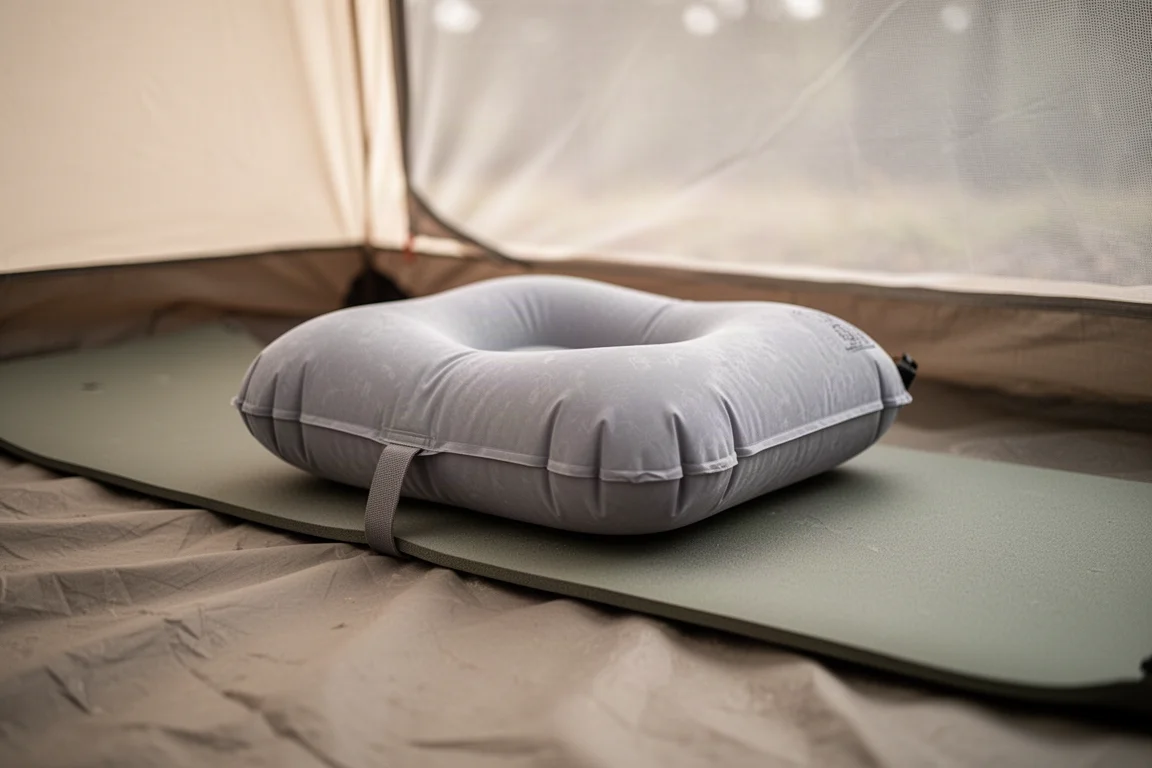
The pillow pairs naturally with the same pad straps used for the quilt, which keeps the whole setup consistent from one night to the next.
Enlightened Equipment Enigma: Down Warmth Without the Bulk
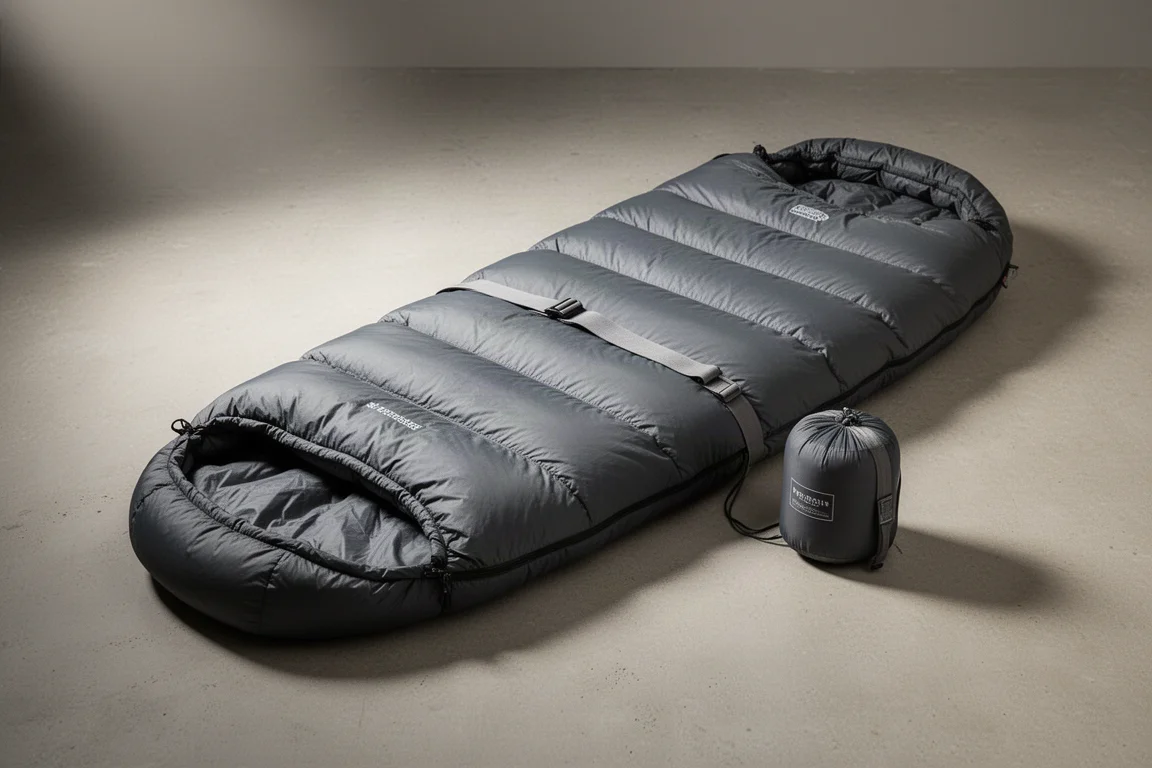
The Enlightened Equipment Enigma is a down quilt built for low weight. Its defining feature is a fully enclosed foot box rather than a zipper at the bottom. That design removes a component that rarely gets used and adds a little weight and fiddling, and it behaves more like a traditional sleeping bag in the foot area.
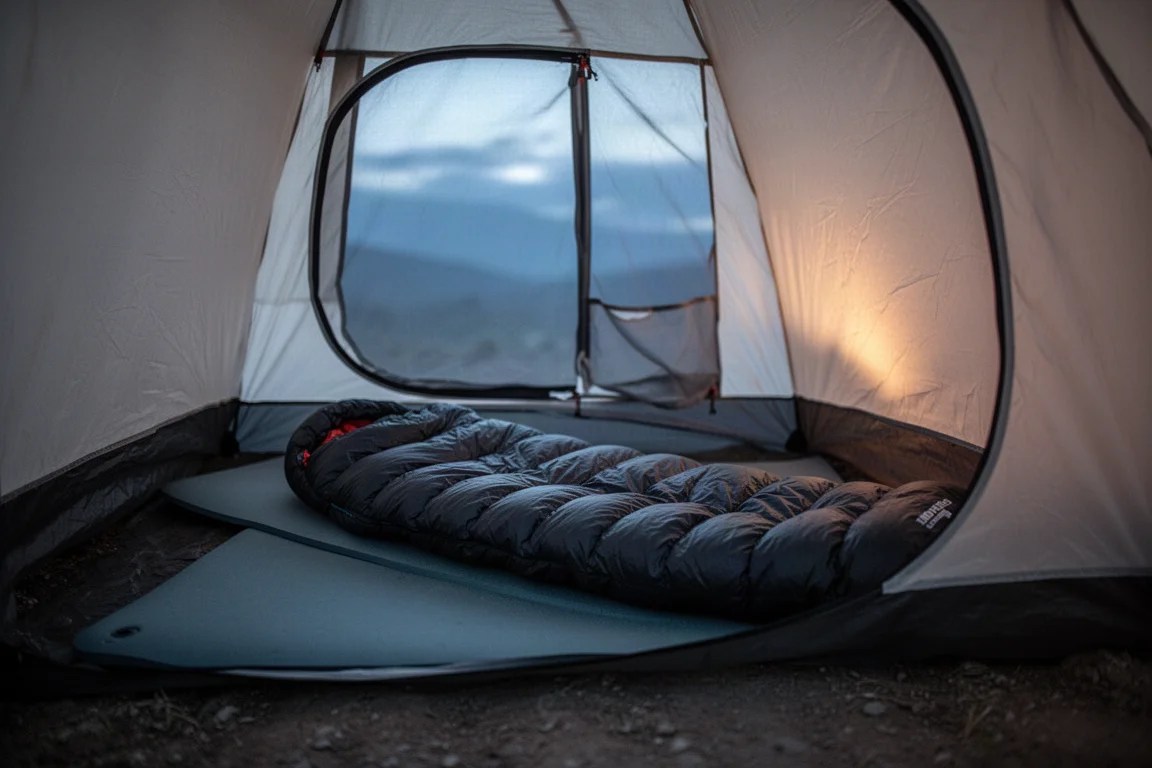
This version uses 950 fill power down and a 7 denier shell fabric, which keeps the weight extremely low. It is rated to 20 degrees Fahrenheit, or minus 6 degrees Celsius, which suits the cold nights a long mountain trail can throw at you. The regular length and regular width fit a 5 foot 10 inch frame, with enough width to be comfortable while still holding heat efficiently.
Pad straps keep the quilt in place and prevent drafts from creeping in at the edges. Labelling the left side of the strap makes it obvious which way it goes on, since fitting it backwards is an easy mistake and a frustrating one at the end of a long day.
Gossamer Gear Thinlight Foam Mat: The Most Versatile Piece
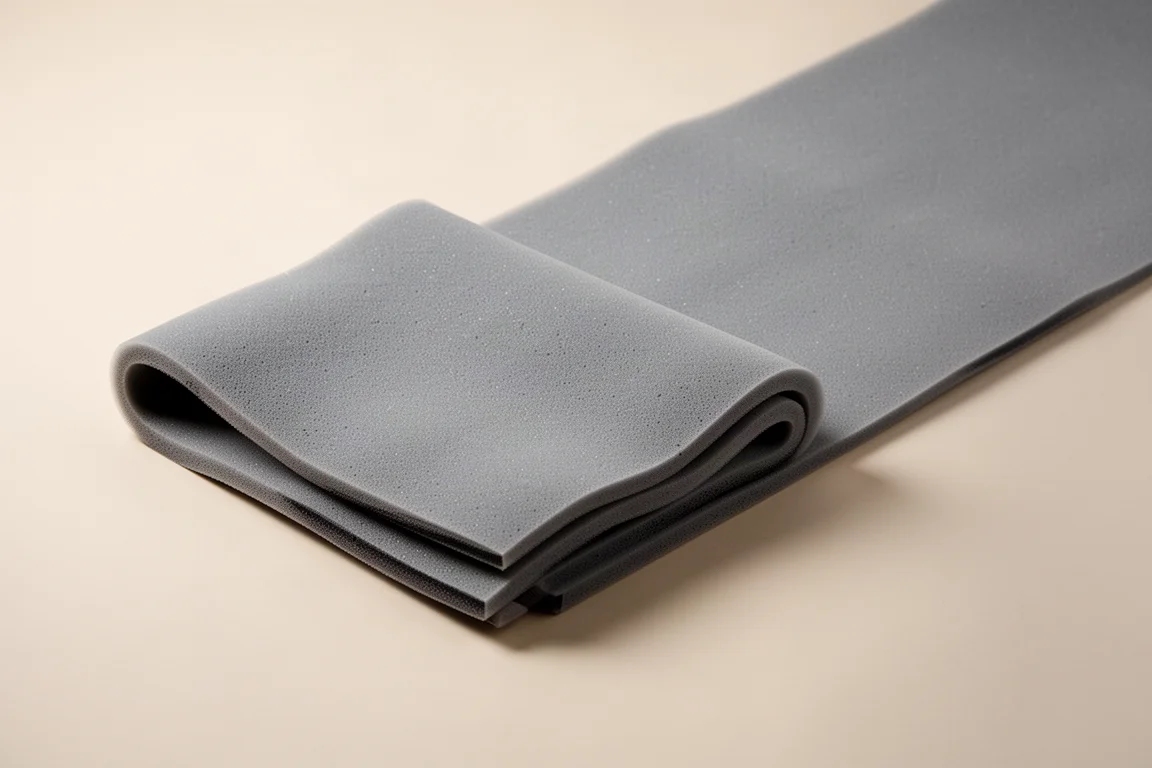
The Gossamer Gear Thinlight is a very thin foam mat measuring 20 inches wide by 40 inches long, so it is not a full-length sleeping surface. Its value comes from how many jobs it takes on.
Folded up, it works as an ultralight sit pad during the day. Tucked underneath a pillow, it adds height for anyone who gets a kink in the neck when the pillow sits too low. Unfolded under or on top of the sleeping pad, it adds roughly 0.5 R-value, which is not a large amount of warmth but can matter on a colder night.
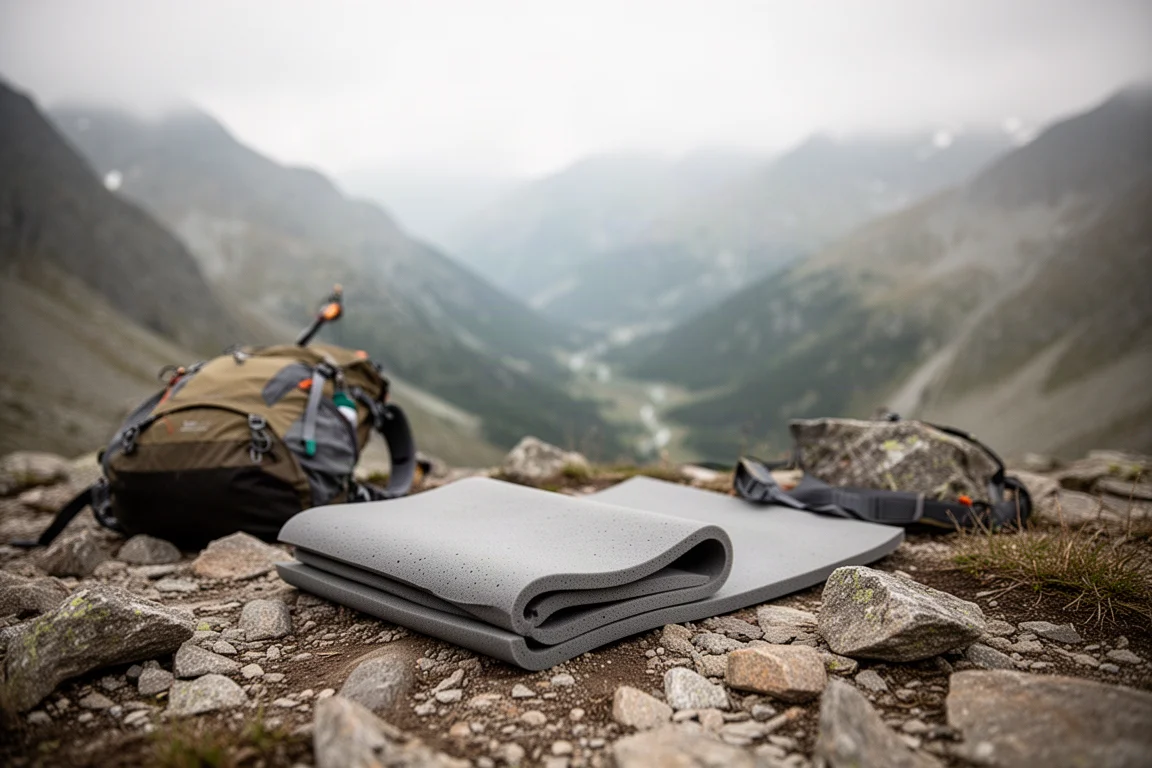
Its most useful trick is levelling a pitched pad. Folding it to the right thickness and sliding it under one side props up a tilted sleeping surface so you sleep flat. Perfectly flat ground is hard to find, especially when camping away from designated sites, so that flexibility is worth carrying.
How the Pieces Work Together
Individually these are four competent items. Together they cover each other’s weaknesses. The X-Lite supplies insulation from the ground, the Enigma handles warmth on top, and the pad straps hold the quilt in place so drafts do not creep in at the edges.
The pillow addresses the comfort gap that the pad leaves for side sleepers, and the Thinlight fills the remaining gaps: extra height for the pillow, a little more R-value on cold nights, and a way to level an uneven pitch. Small habits such as marking baffle positions with a permanent marker and labelling the quilt strap turn that collection of parts into a system you can set up quickly after a long day.
Overall Buying Advice
Start with the pad and the quilt, because those two determine how warm you sleep and how much weight you carry. The X-Lite makes sense if warmth-to-weight is the priority and you are willing to accept a firmer, baffled surface. The Enigma suits cold-weather trips where a low pack weight matters and a sealed foot box is preferable to a bottom zipper.
The pillow and the foam mat are the supporting pieces. The Trekology 2.0 is a sensible choice if you want dependable head support without a weight penalty, and the Thinlight is easy to justify because it works as a sit pad, a pillow booster, extra insulation, and a levelling shim. If you are building a system for a long trail, adding those two last is a reasonable order of operations.
Conclusion
A good ultralight sleep system is a set of compromises you can live with. Warmth-to-weight comes first, comfort comes second, and versatility decides the tie. These four pieces were assembled with that balance in mind for a long cold-weather thru-hike, and each one has a clear job to do.
Further reading
Related Reviews
Camping Sleep Systems
Backcountry Sleep System Guide: Two Pads and Two Pillows for Colder Nights
Two sleeping pads and two camp pillows that cut pressure points and tossing, plus the quilt setup habits that keep cold air out of your sleep system.
Camping Sleep Systems
Extreme Cold Sleep System: Three Pieces That Make Winter Camping Work
A practical look at the three core pieces of an extreme cold sleep system that together handle wind, cold ground, and moisture on sub-zero nights.
Camping Sleep Systems
NatureHike Ultralight Down Quilt Review: A Versatile Warm-Weather Sleep System
A close look at the NatureHike Ultralight Down Quilt, covering real-world warmth, build quality, weight, sizing, and the one trade-off to expect from any down-filled product.