Backpacking Gear
6 Ultralight Backpacks That Are Better Than You Think
Six ultralight backpacks compared on frame design, padding, ventilation and measured capacity, from a minimal Dyneema frame to a ventilated 24.7 oz hauler.
Introduction
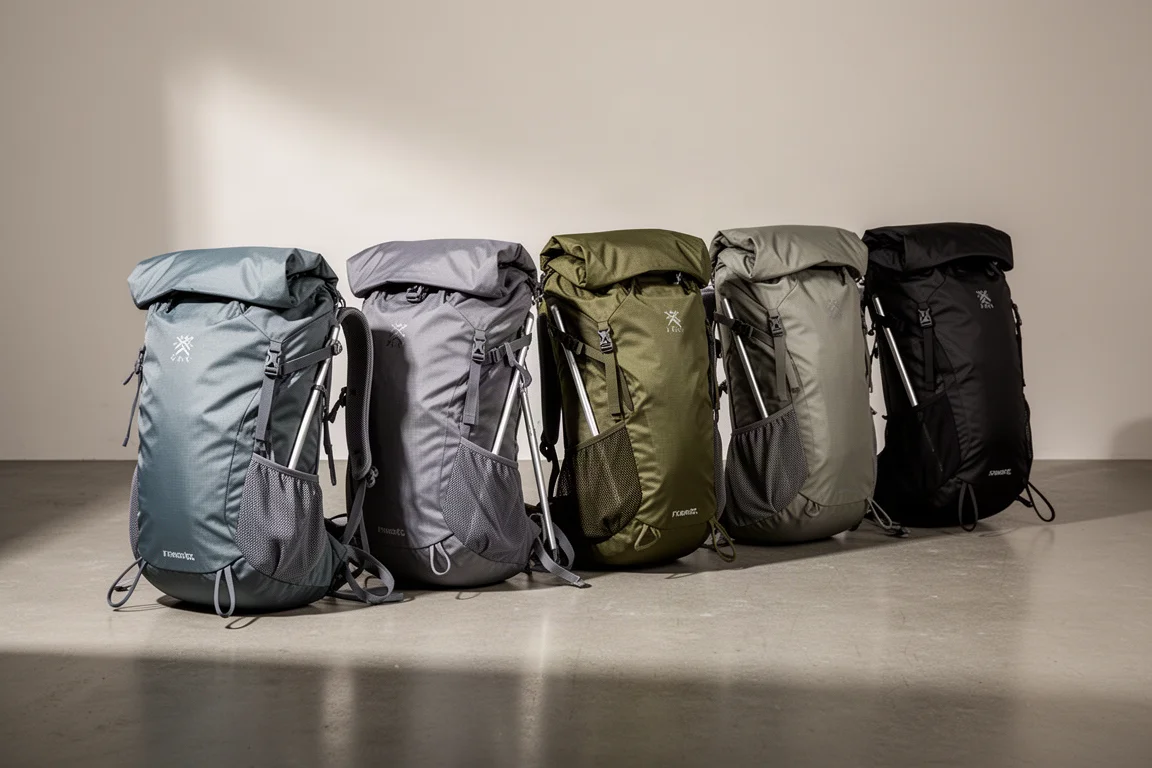
Ultralight backpacks have a reputation problem. The criticism usually sounds the same: they are trash bags with straps, and the only thing you gain is a lighter pack at the cost of comfort. That is not always the story. A pack that weighs 2 lb or less falls into the ultralight category, and compared with a traditional frame pack the difference can reach 3 lb or more. On a long climb, that gap is the whole point. The six packs below show that low weight does not have to mean giving up structure, padding or a sensible pocket layout.
What to Look For in an Ultralight Pack
The single most important feature is a frame that actually does something. Two aluminium stays connected directly to the hip belt lift the load off your shoulders and transfer it to your hips. Without that connection, every kilogram pulls down through the shoulder straps. It is the same principle behind the external frames of older packs, executed with far less material.
Load lifter straps, sometimes called magic straps, are the second feature to check. They fine-tune the angle of the shoulder straps and keep weight off the shoulders. Not every ultralight pack includes them.
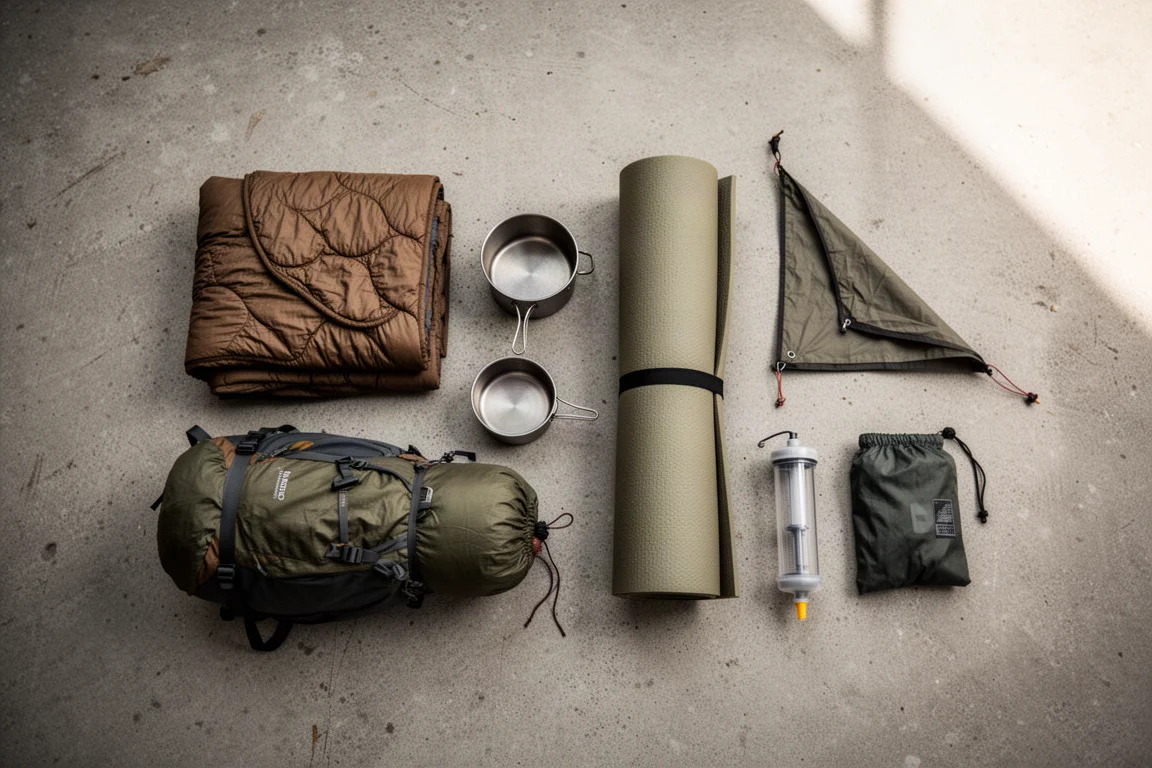
Padding is where this category usually saves weight, and where the best designs stop saving. Thick, wide shoulder straps and a padded hip belt add grams but change how a heavier load feels by the end of the day. Fabric matters too: Dyneema composite, Robic nylon and Ultra 200 are all common choices, and each trades weight, durability and price differently.
Capacity claims also deserve scrutiny. Filling each pack with measured water to check its stated volume shows that the figures are broadly honest, though some packs fill to the brim far more easily than others.
Hyperlite Mountain Gear Southwest 55
The Southwest 55 is the most recognisable ultralight pack on the market and, fairly or not, the model most responsible for the category’s reputation. It is built from Dyneema composite fabric, which is remarkably light and has the crinkled, slightly translucent look that invites the trash bag comparison. It also skips load lifter straps entirely, and the padding is minimal.
What it does have is a real frame. Two aluminium stays run up the back and connect directly to the hip belt, lifting the load off the shoulders and onto the hips. It is the ultralight interpretation of an external frame, and it works. There is no attempt at luxury here, and for anyone who resents carrying weight that does not earn its place, that restraint is the appeal.
Measured volume matched the 55 L claim, and the price is the sticking point: almost $400.
Gossamer Gear Mariposa 60
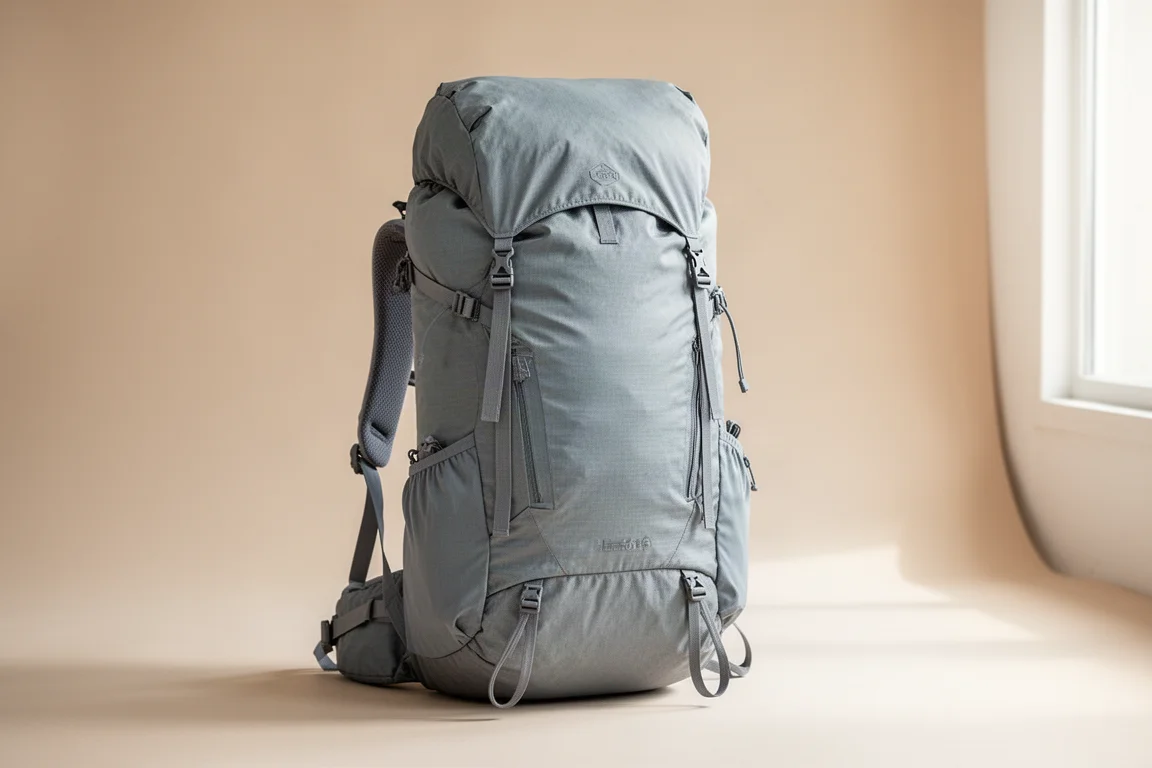
The Mariposa 60 weighs just under 2 lb without cutting the features that make a pack comfortable. The fabric is durable Robic nylon, and the frame uses aluminium stays like the Hyperlite, but with a short cross member that adds structure across the back.
Where it separates itself is padding. The shoulder straps are thick, wide and properly cushioned, and the hip belt is padded to match. This is usually the first place ultralight designs strip material, because every millimetre of foam adds weight. Gossamer Gear kept it, and seven pockets make the pack easy to organise rather than a single open sack.
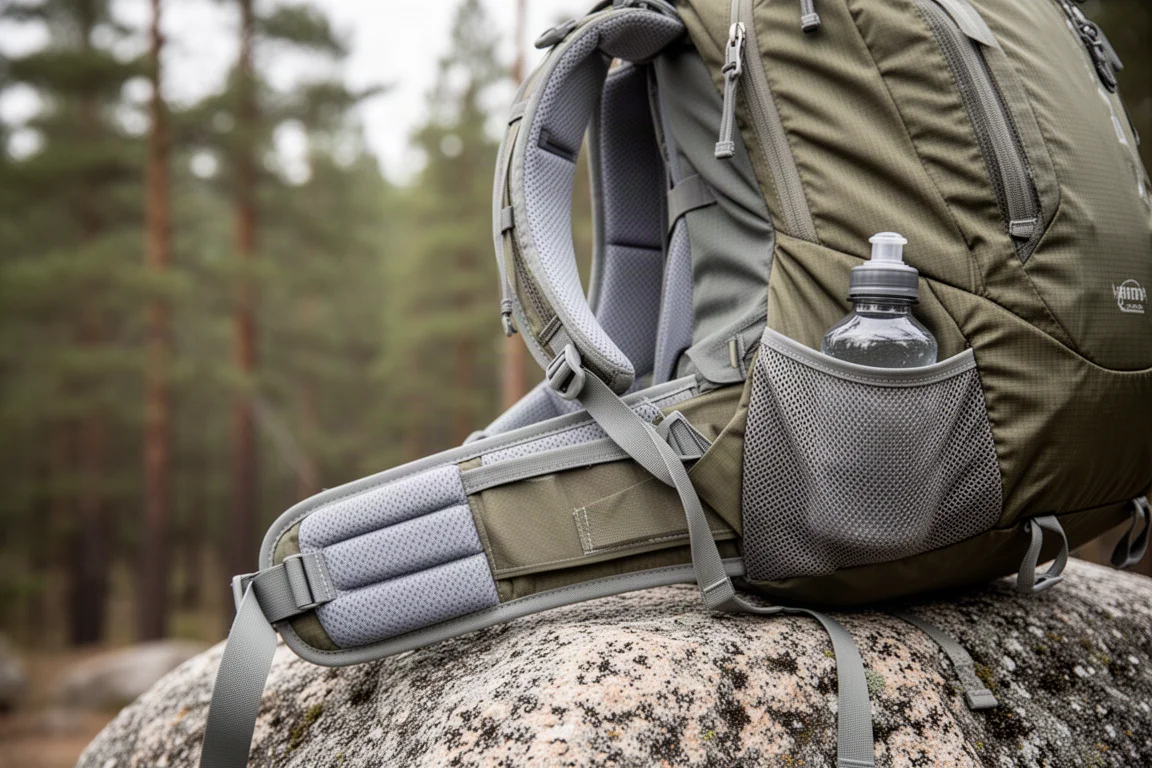
That padding pays off most with heavier loads, which is when a stripped-down pack starts to feel like a strap digging into your shoulders. Capacity came in at the full 60 L, and it costs roughly $100 less than the Hyperlite.
Six Moon Designs Minimalist V2
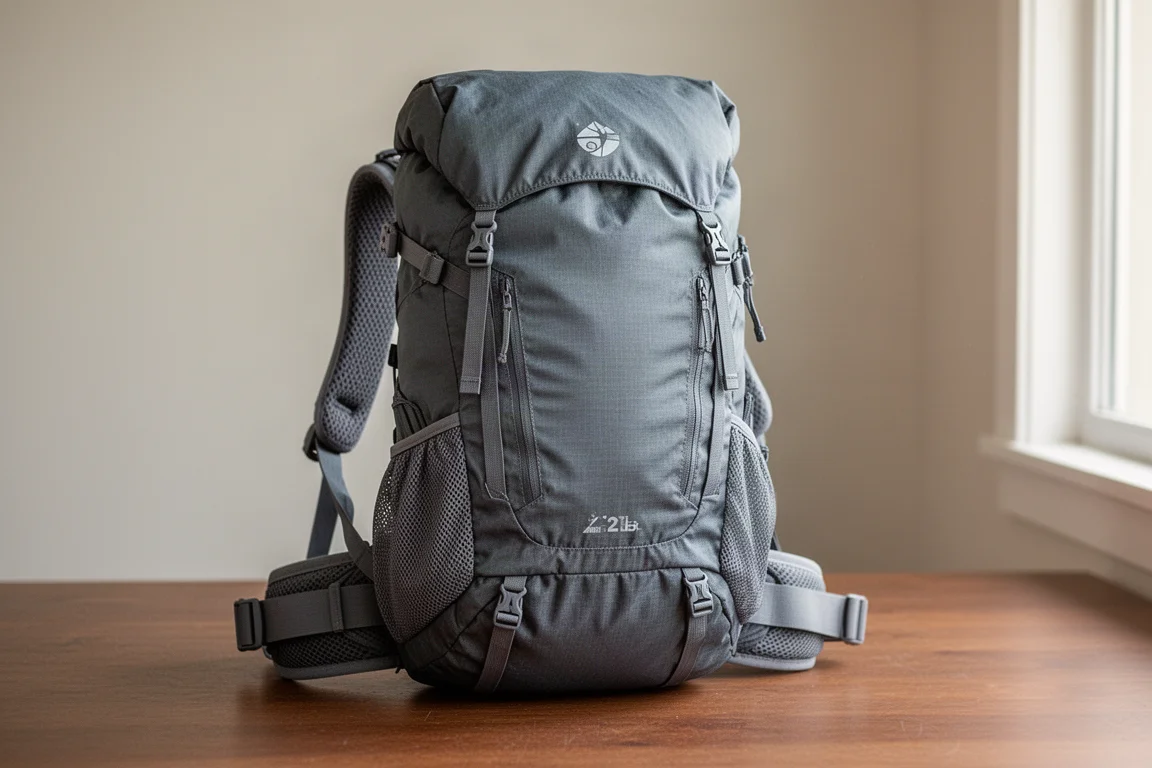
The Minimalist V2 is the smallest pack here at 50 L, and the one with the most distinctive carry system. Its optional chest harness is borrowed from running vest design, and it is the only framed pack offering the feature. The harness wraps the chest and shoulders like a firm hug, moving the load to the chest and hips instead of hanging it from the shoulders.
Nothing else in this group carries quite like it, especially at this volume, where harness-style packs rarely reach.
The trade-off is weight. At just over 3 lb, the Minimalist V2 is the heaviest pack on this list, which places it closer to a hybrid than a pure ultralight design, though still far lighter than a traditional frame pack. Its 50 L capacity measured accurately.
Zpacks Arc Haul 60
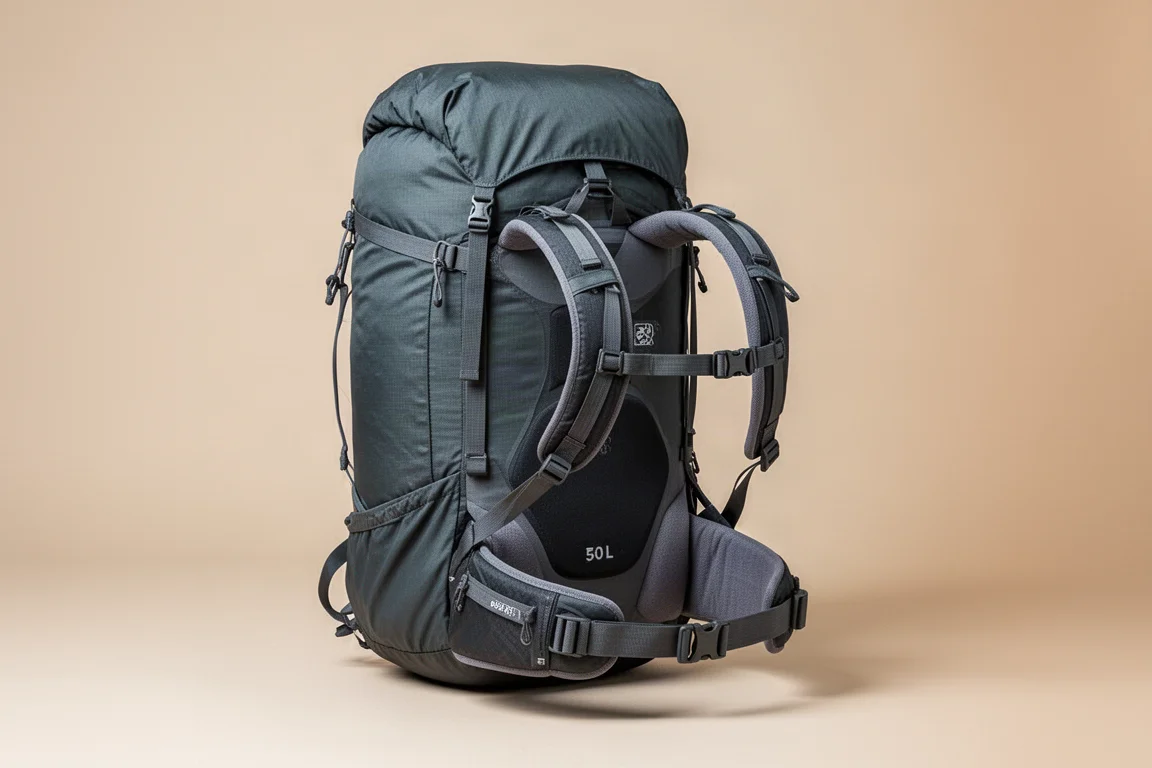
The Arc Haul 60 is the lightest pack here at 24.7 oz and the most expensive at $399. The name comes from the frame, which arcs the pack away from your back using tensioning straps. That gap keeps air moving across your back on hot days, a rare quality in a category where most packs sit flush against a sweaty shirt.
The rest of the design is practical rather than exotic: a torso adjustment for dialling in fit, load lifter straps and optional hip belt pockets. It manages all of this while weighing about half a pound less than everything else on this list.
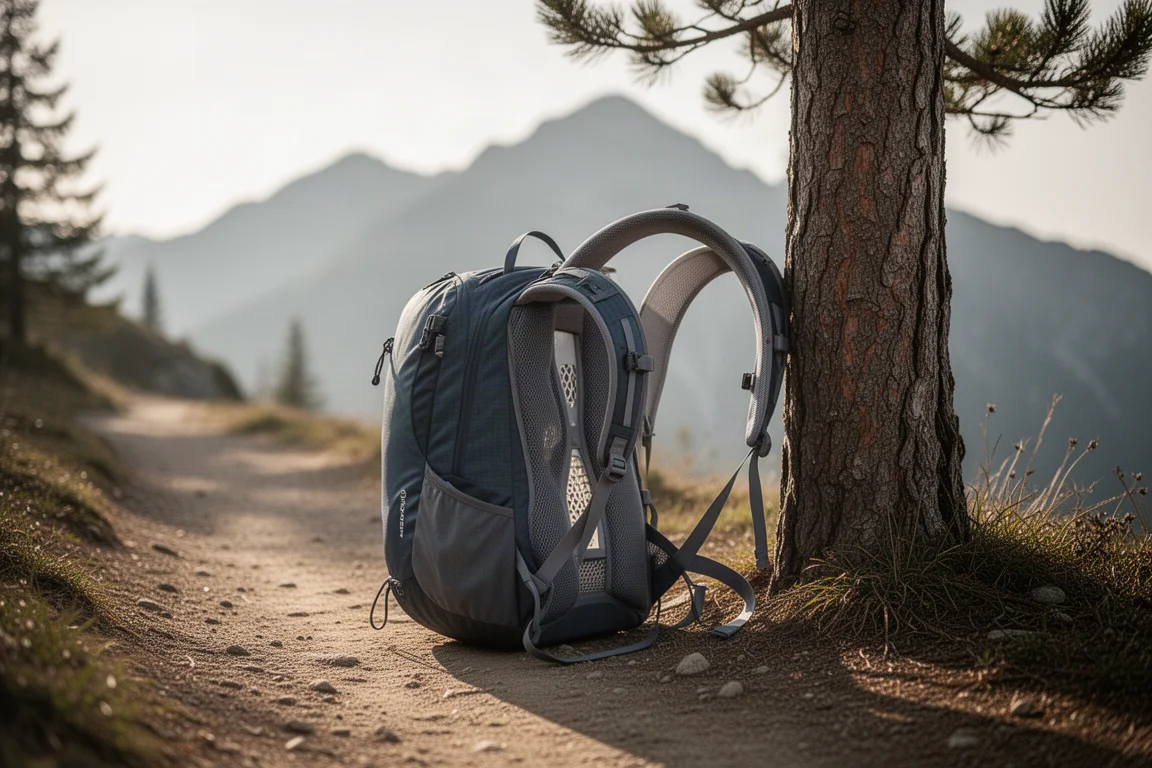
That weight advantage is the reason for the price. A framed, ventilated, adjustable pack at this weight has very little competition.
The 60 L capacity does fit, but only just, so anyone who packs generously should treat the figure as a true maximum.
Durston Kakwa 55
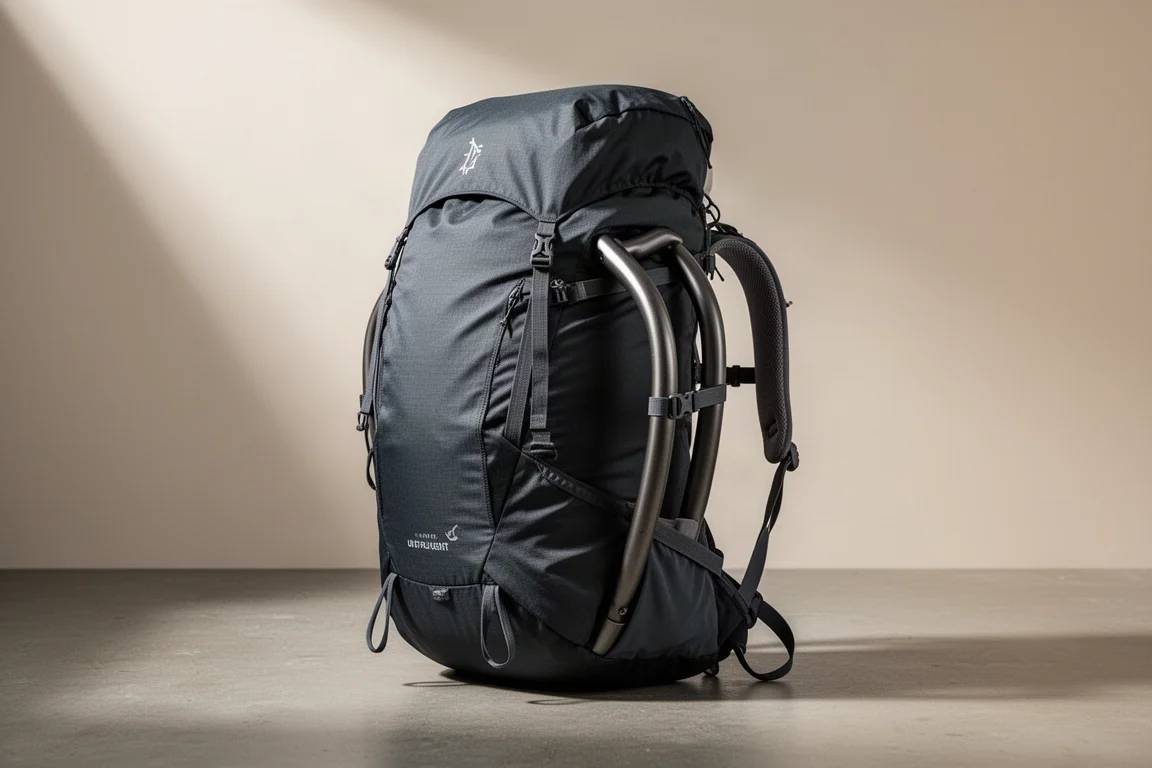
The Kakwa 55 is the cheapest pack here at $260, and it does not feel like a compromise. It uses Ultra 200 fabric, the most common material in ultralight packs, and includes the feature set buyers expect: load lifter straps, a roll-top closure and the usual pockets.
Its frame is the interesting part. Most ultralight packs use two vertical stays, some add a short cross member, and the Kakwa widens that cross member into a tubular structure right where the pack meets the shoulder straps. That extra rigidity prevents the pack from rounding out or barrelling when it is overloaded, a problem that pushes shoulder straps away from your back and gets worse the more you carry. The result stays flexible at the hips and rigid at the shoulders.
Capacity came in at roughly 55 L once the extra pockets are counted.
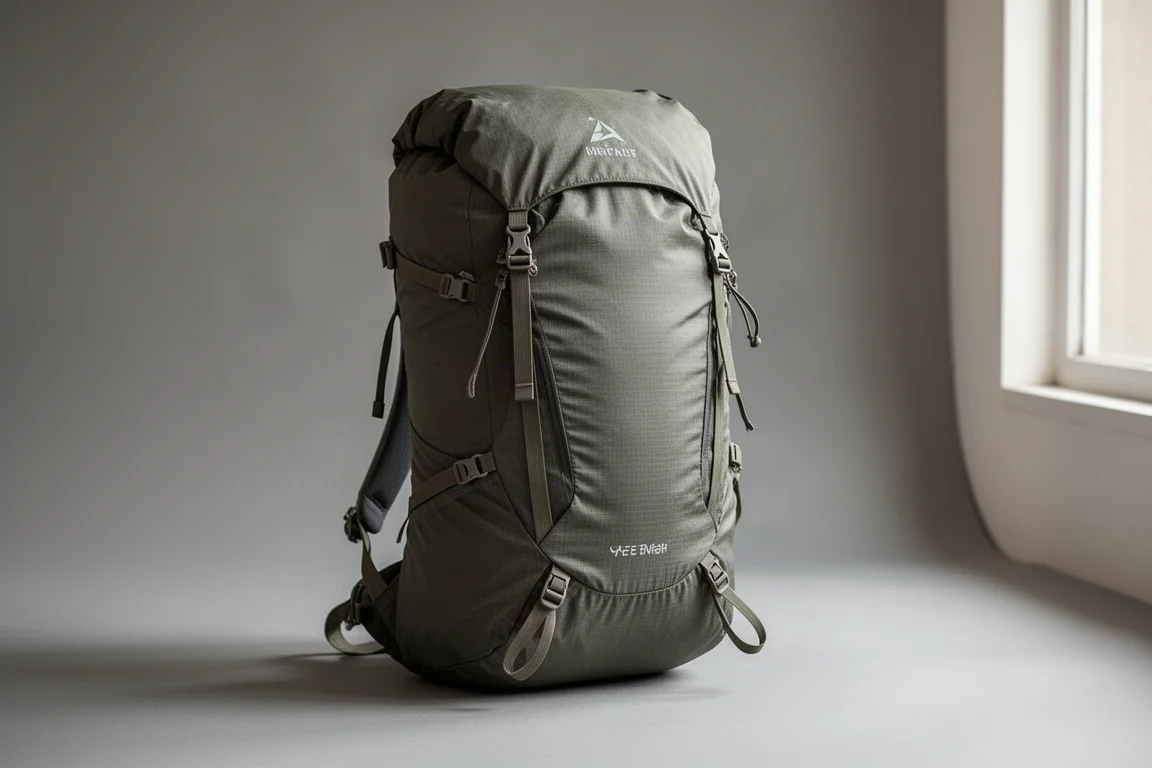
Bonfus Framus 58
The Framus 58 comes from Bonfus, an Italian cottage maker, and follows a traditional ultralight formula: roll-top lid, centre mesh pocket, two side pockets and aluminium stays, much like the Hyperlite.
Two differences matter. First, it includes load lifter straps, which the Hyperlite omits, and which make a genuine difference in keeping weight off the shoulders. Second, it costs $324, a full $50 less than the Hyperlite, placing it in the middle of this group’s price range.
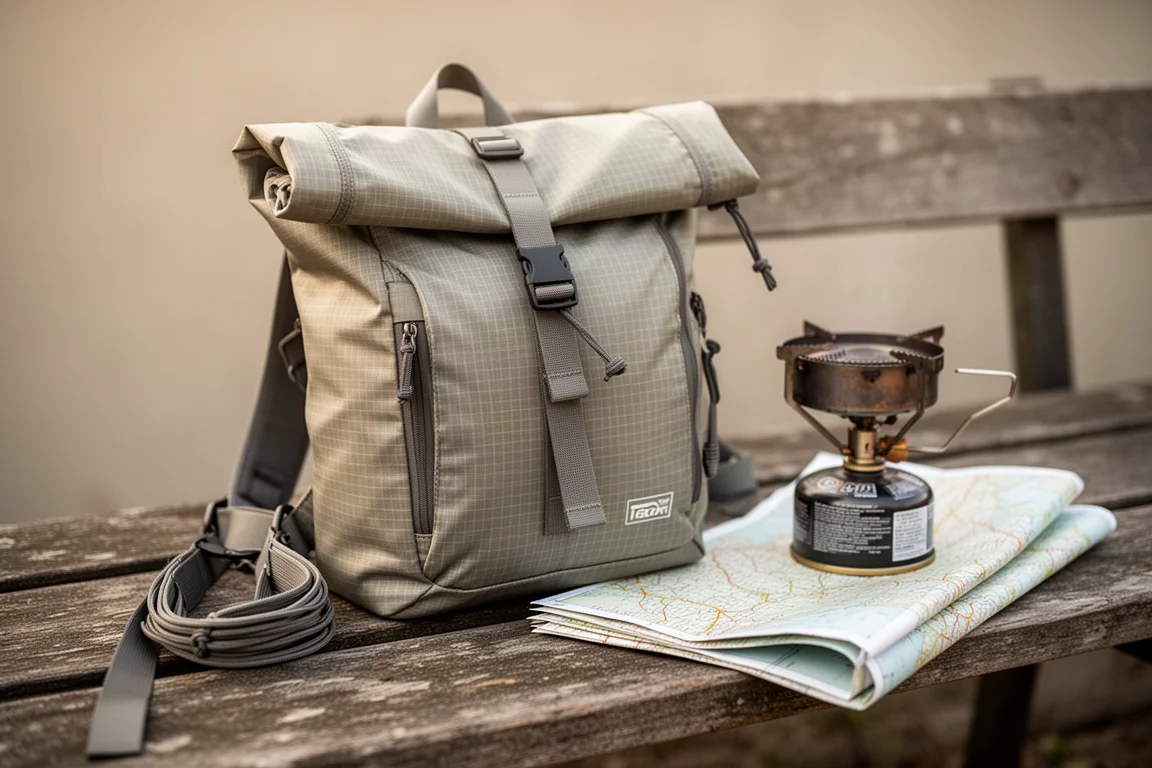
If a traditional ultralight layout is what you want, this is the version that gives you more for less. The 58 L capacity fits, though the roll top could not be closed once the pack was full.
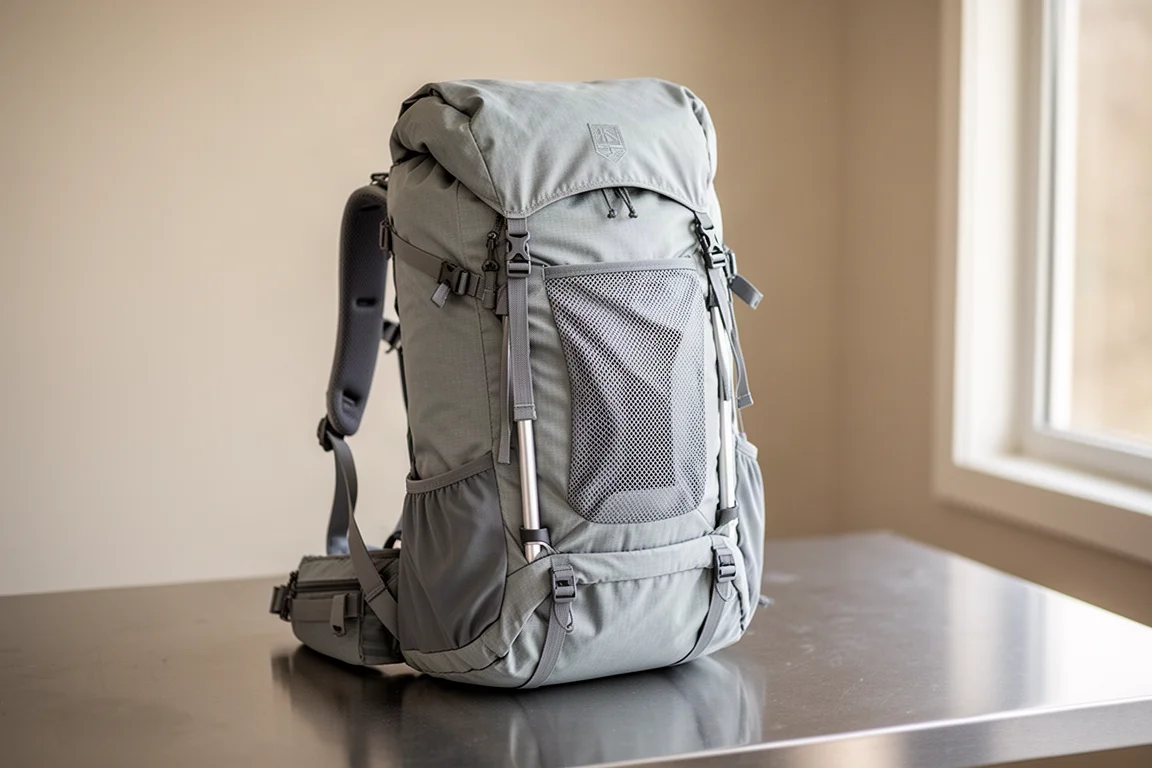
Buying Advice
The cheapest pack in this group is not the least capable, and the most expensive one is not automatically the best. Start with the frame: aluminium stays connected to the hip belt are what separate a usable ultralight pack from a bag with straps. Then decide how much padding you are willing to pay for in weight, and how much ventilation you want on summer climbs.
Capacity figures across these six packs held up, but the tighter ones leave little margin, so a pack that measures honestly at 55 L may still feel full sooner than expected. And since a backpack is the last item worth buying, build the rest of your kit first and let the final weight of your gear decide the volume you need.
Conclusion
Ultralight packs are not all trash bags with straps. The Hyperlite proves a minimal frame can still transfer weight properly, the Mariposa shows padding and low weight can coexist, the Minimalist V2 brings a harness carry to a framed pack, the Arc Haul buys ventilation and the lowest weight at a premium, the Kakwa delivers structure at the lowest price, and the Framus adds load lifters to a classic design for less than the most famous name in the category.
Further reading
Related Reviews

Backpacking Gear
Building a 10 lb Base Weight: An Ultralight Backpacking Gear List
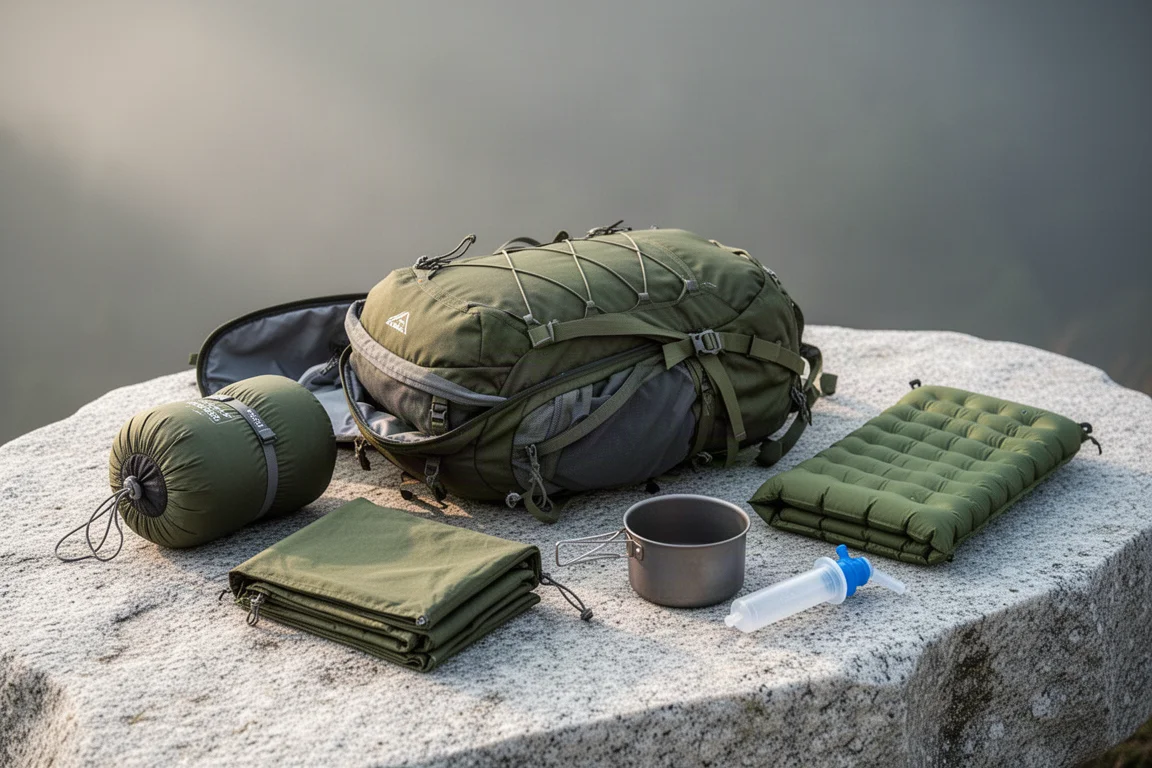
A practical walkthrough of the ultralight pieces behind a 10 lb base weight, from a 765 g pack and a roomy one-person tent to a full camp chair and a dependable water filter.
Backpacking Gear
A 15-Pound Lightweight Backpacking Gear List for Solo Trips
A beginner-friendly 15-pound backpacking setup built from easy-to-find gear, with notes on what each piece does, how it packs, and where to spend your attention.
Backpacking Gear
8 Ultralight Backpacking Gear Upgrades Worth Carrying
Eight small, affordable backpacking upgrades that solve real trail annoyances, from a pillow that stays put to a fuel valve that rescues leftover canister gas.