Backpacking Gear
The Best Ultralight Backpacking Loadout for 2026: 10 Pieces That Work Together
A ten-piece ultralight backpacking loadout built around gear that works together, covering the real strengths, the trade-offs, and what to check before buying.
Introduction
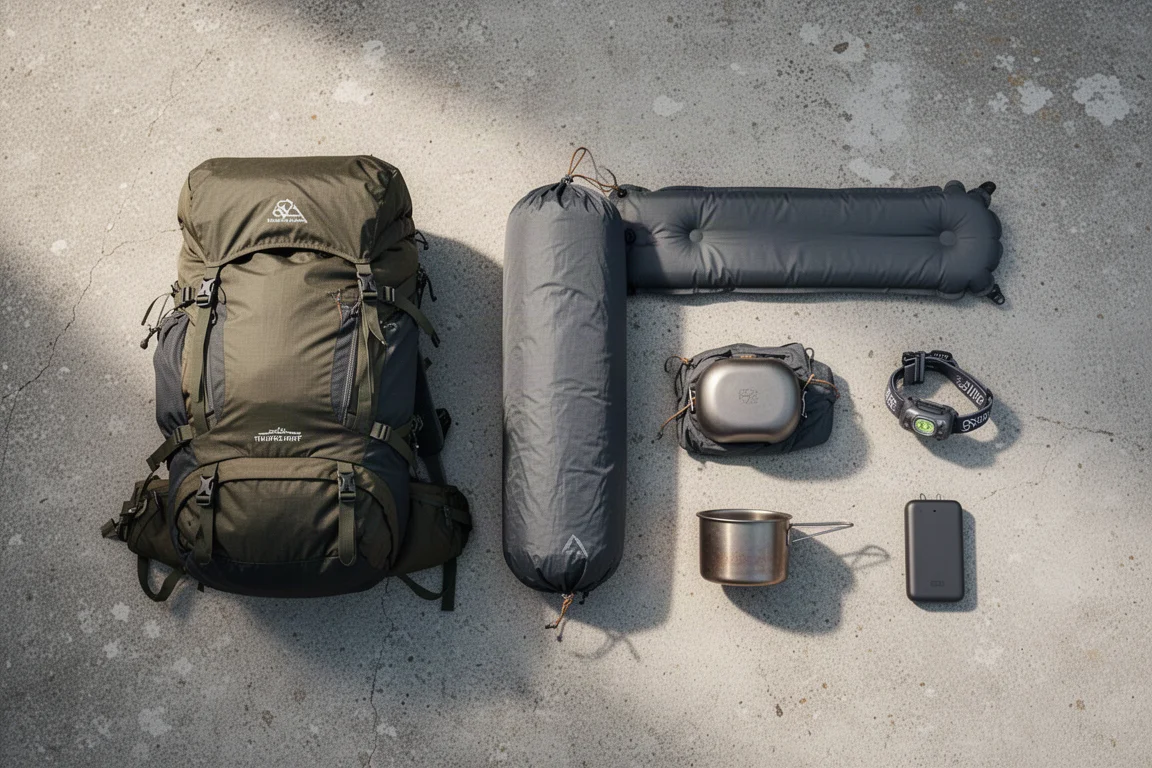
Buying the lightest version of every item does not automatically produce a better backpacking setup. The lightest option usually asks for a compromise somewhere: price, comfort, or ease of use. A loadout tends to work better when the individual pieces are chosen to fit together as a system rather than picked one at a time from a spec sheet.
The ten items below were used together on an ultralight trip. Each one earns its place for a specific reason, and each entry covers what it does well, where it fits in the loadout, and what to check before buying.
What Makes This Loadout Work
Weight matters, but it is not the only measure. Every item here was judged on three things: how well it performs its job, how much it costs relative to comparable options, and how simple it is to use after a long day on trail.
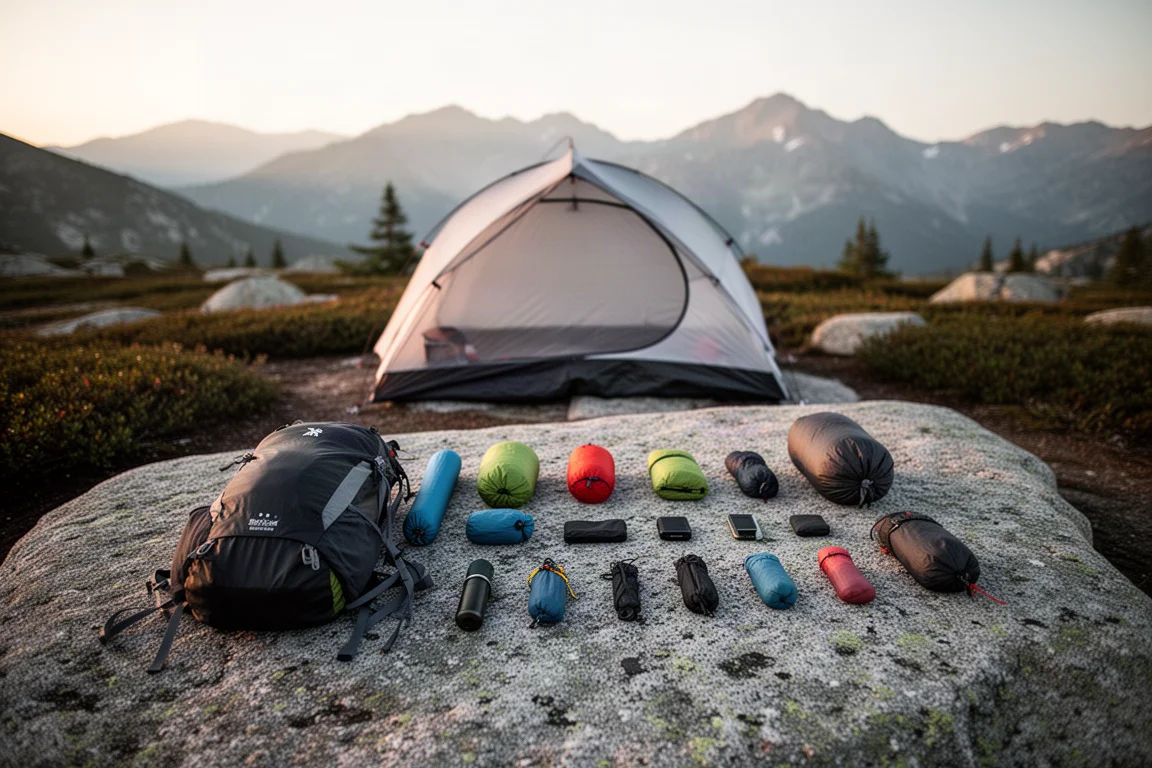
Versatility counts as much as raw weight. A two-person shelter light enough for solo trips removes the need for a separate one-person kit, and a pack with an extendable roll-top gives the same setup room for a few extra days of food. Comfort items such as a chair are included deliberately, because the goal is a kit that works on every trip rather than one that only looks good on a spreadsheet.
The Pack: Outdoor Vitals CS40
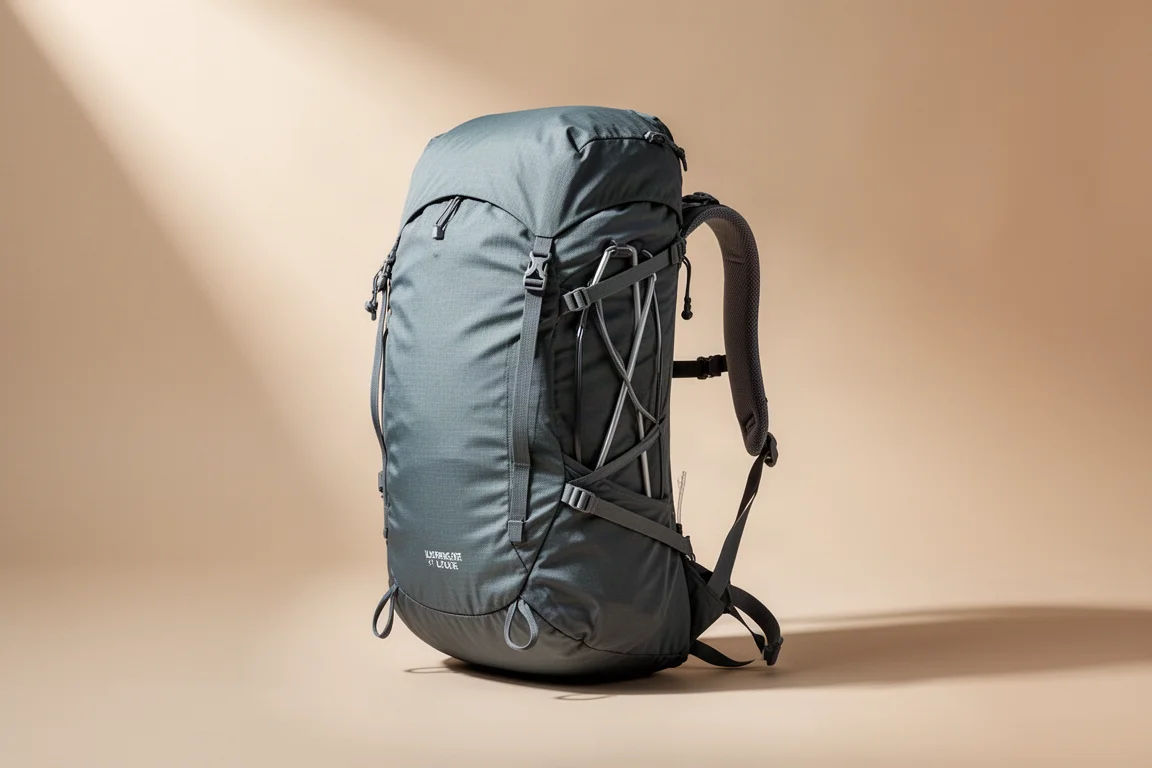
The Outdoor Vitals CS40 weighs just over 700 g and still qualifies as full featured. It has a full frame with load lifters, a built-in hip belt, and integrated hip belt pockets. Plenty of ultralight packs leave hip belt pockets off entirely, so having them built in is a genuine convenience. A stretchy front pocket holds items needed during the day, and the side pockets are positioned so a water bottle can be reached without taking the pack off.
The CS40 fits this loadout because it swallows all of the gear listed here with a little room to spare. Unrolling the roll-top adds enough capacity for a few more days of travel. Two features are missing: a bottom pocket for quick access to snacks and integrated shoulder strap pockets. Hikers who want shoulder pockets can look at the Durston Kakwa 40 or the Kakwa 55 instead.
Rain Protection: Rockfront Rain Hoodie
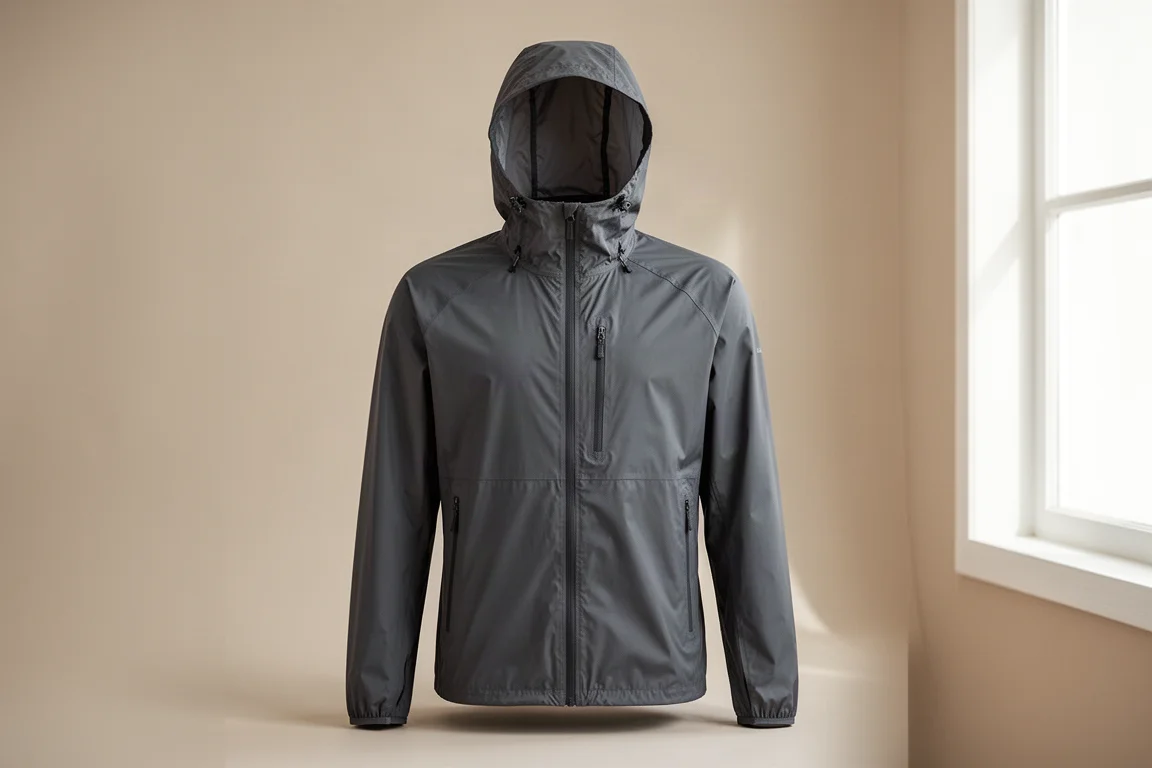
The Rockfront Rain Hoodie is not breathable, and that is the point. It does not wet out, it is very lightweight, and it costs under $100, where a lot of ultralight rain gear climbs closer to $200. Ventilation comes from a large chest zip and large pit zips, which let in enough airflow to manage heat while moving.
Low weight and low cost are why it earns a place in the kit. It also packs small enough to live in the front pocket of the pack, which is where a rain shell should be when the weather turns without warning.
Water Treatment: Platypus QuickDraw
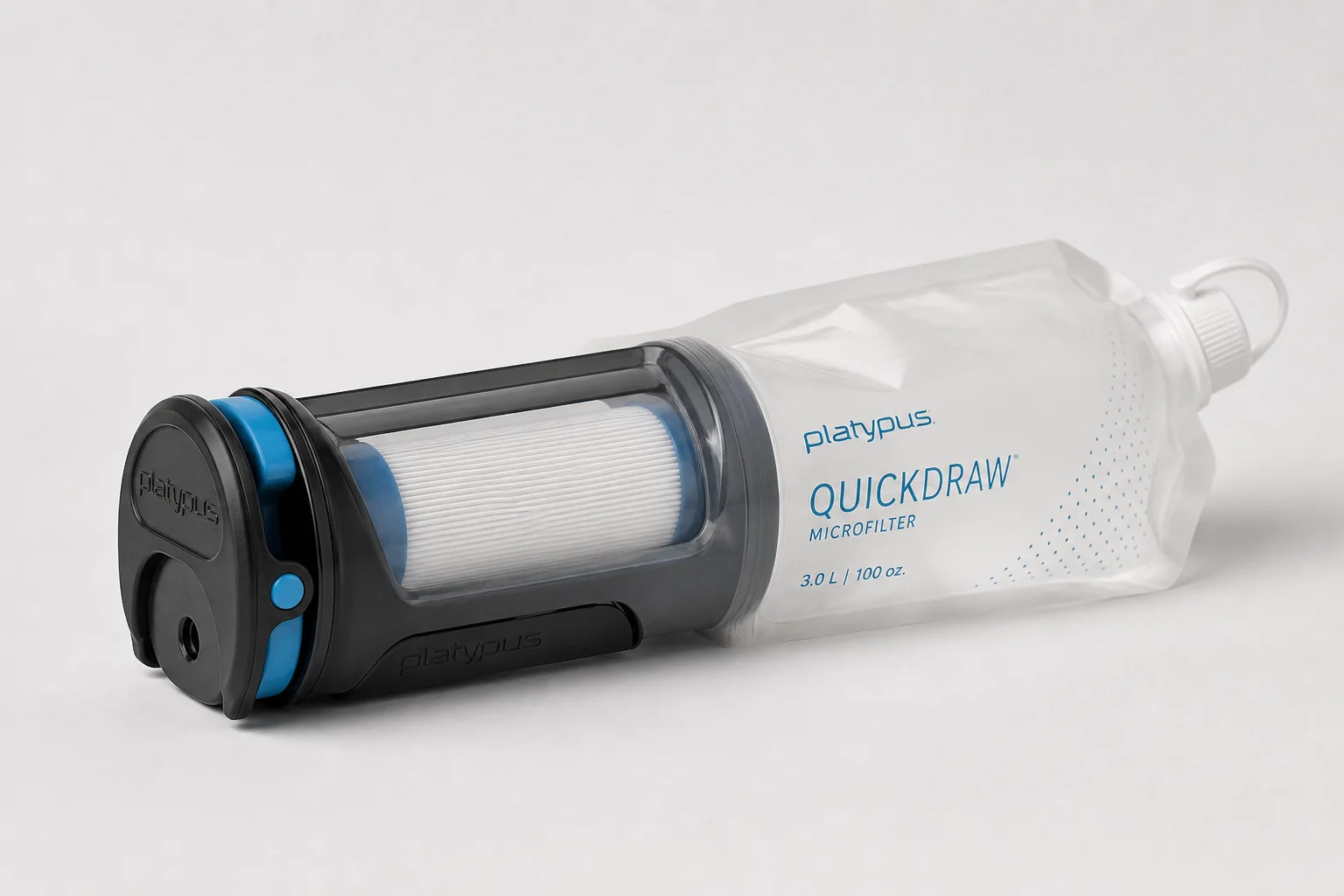
Water treatment here starts with a 2 L Platypus reservoir that has a wide opening for filling, with the filter attaching directly to the bag. The QuickDraw filter has stayed reliable and fast through a couple of years of use. Lighter filter options exist, but reliability and speed are worth more than a few grams on a long trip.
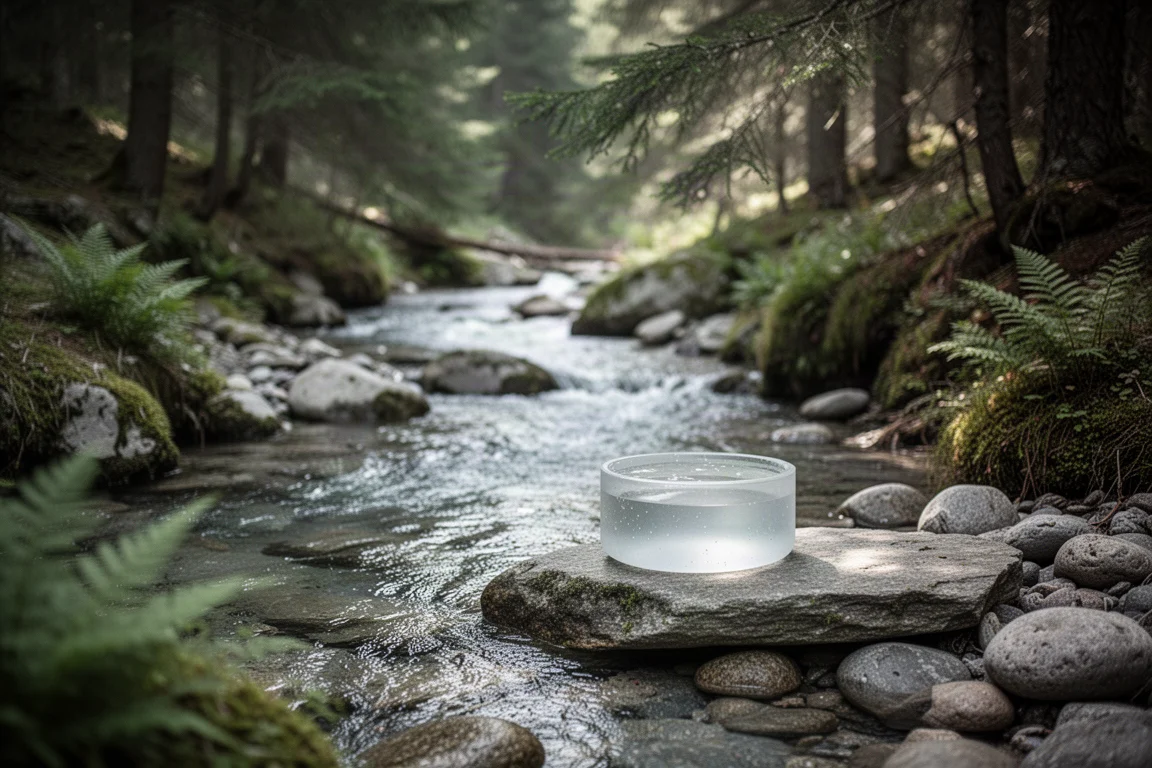
The wide opening makes filling from a stream or a lake less fiddly, and the whole system stores in the front pocket next to the rain shell. A filter that clogs or slows down turns a simple water stop into a long one, so this is one area where a small weight penalty is easy to accept.
Shelter: Durston X-Mid Pro 2
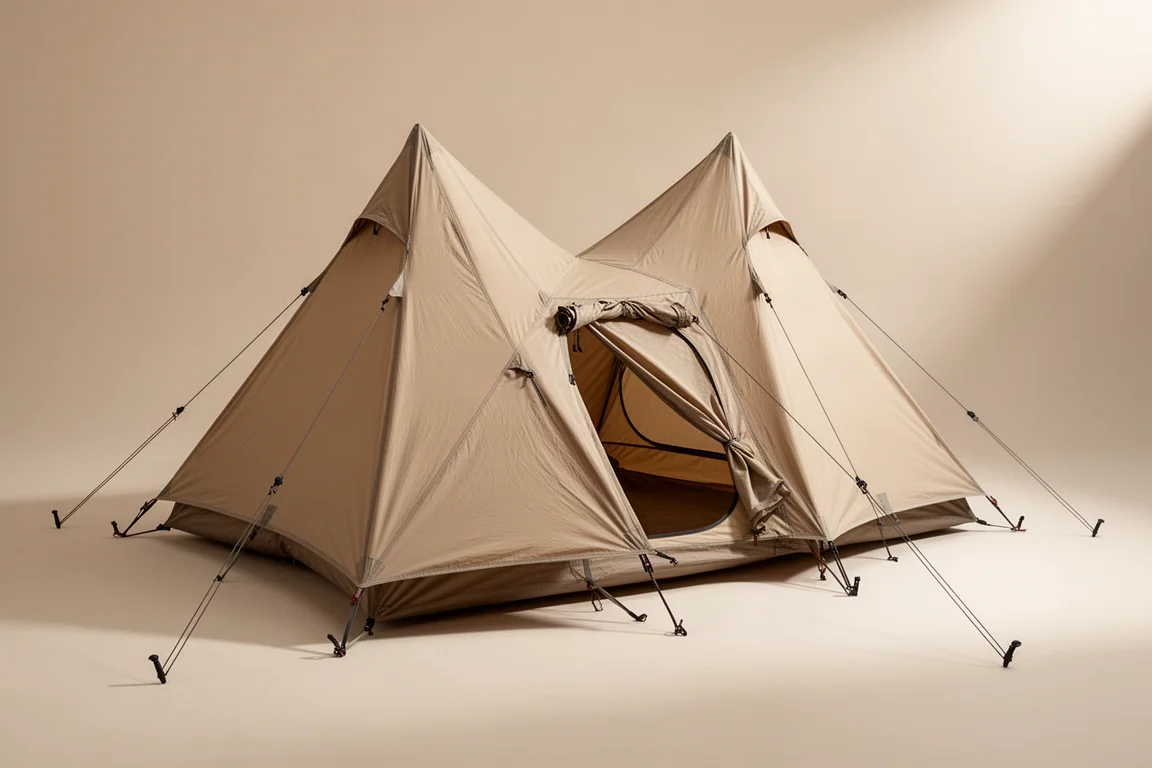
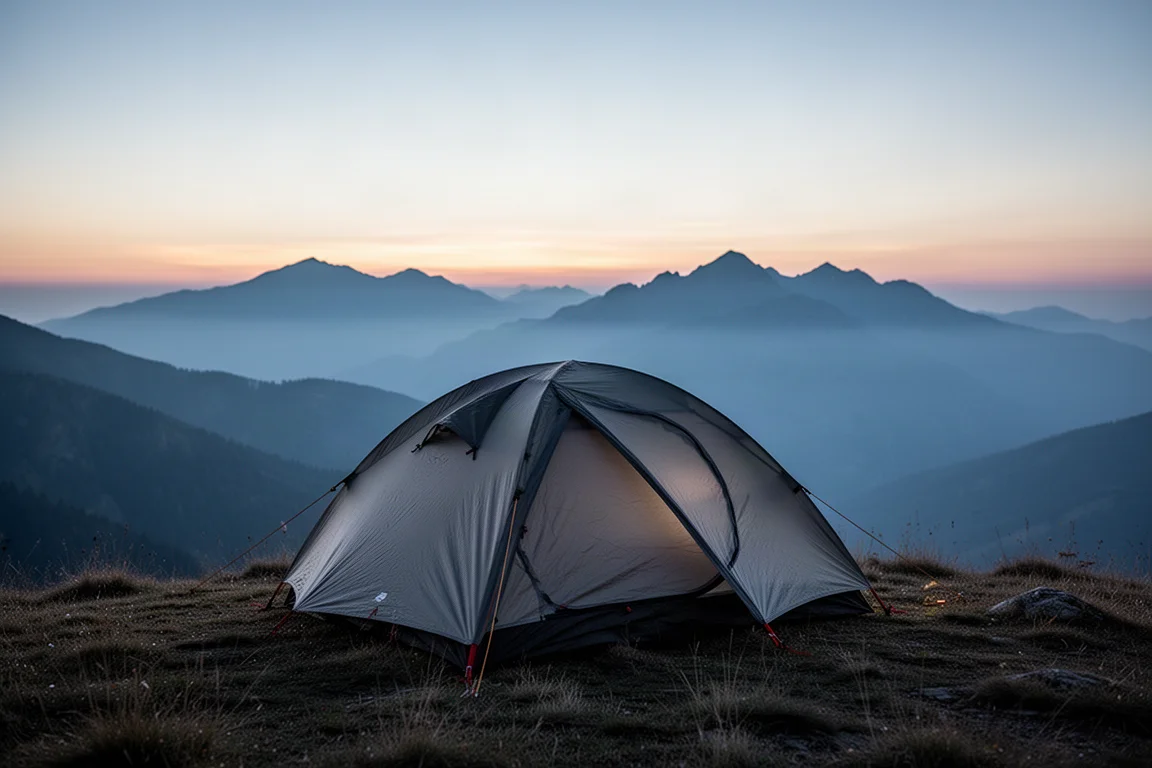
The Durston X-Mid Pro 2 is a two-person tent that weighs 555 g and is well constructed. It is a roomy one-person shelter that can fit two people when needed, and that versatility is the main argument for carrying it. A two-person tent light enough for solo trips means there is no reason to own a dedicated ultralight one-person kit.
Hikers who usually travel as a pair can look at the X-Mid Pro 2 Plus, which is a little bigger and feels more spacious inside. The standard X-Mid 2 is the budget-friendly route: a double-wall design with an inner and a fly, built from silpoly rather than Dyneema, and as large as the Pro 2 Plus. For some hikers the double-wall construction is an advantage in its own right.
Camp Comfort: REI Flex Lite Air
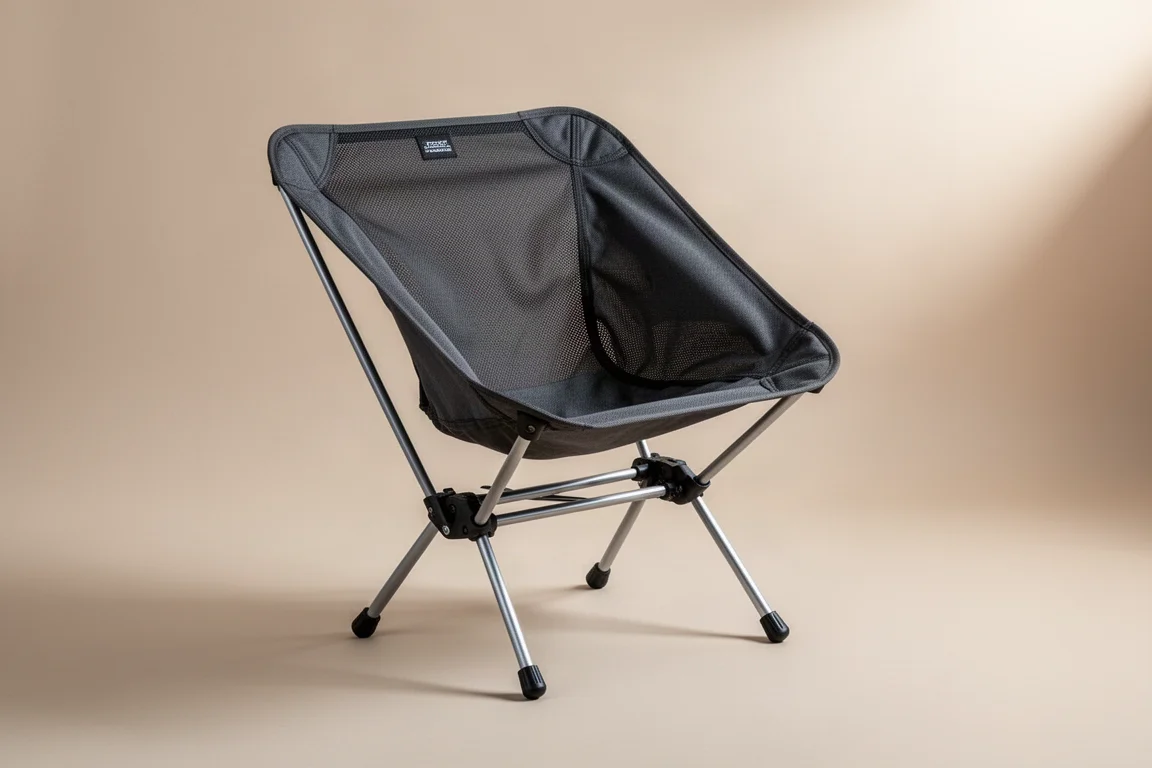
A chair is one of the first items people cut when chasing a low base weight, and one of the items that adds the most comfort around camp. The REI Flex Lite Air is very lightweight and costs under $100. It is not as comfortable as the Helinox Chair Zero, but it is considerably less expensive, which keeps the rest of the kit more affordable.
Power and Electronics: FlexTail Zero Power
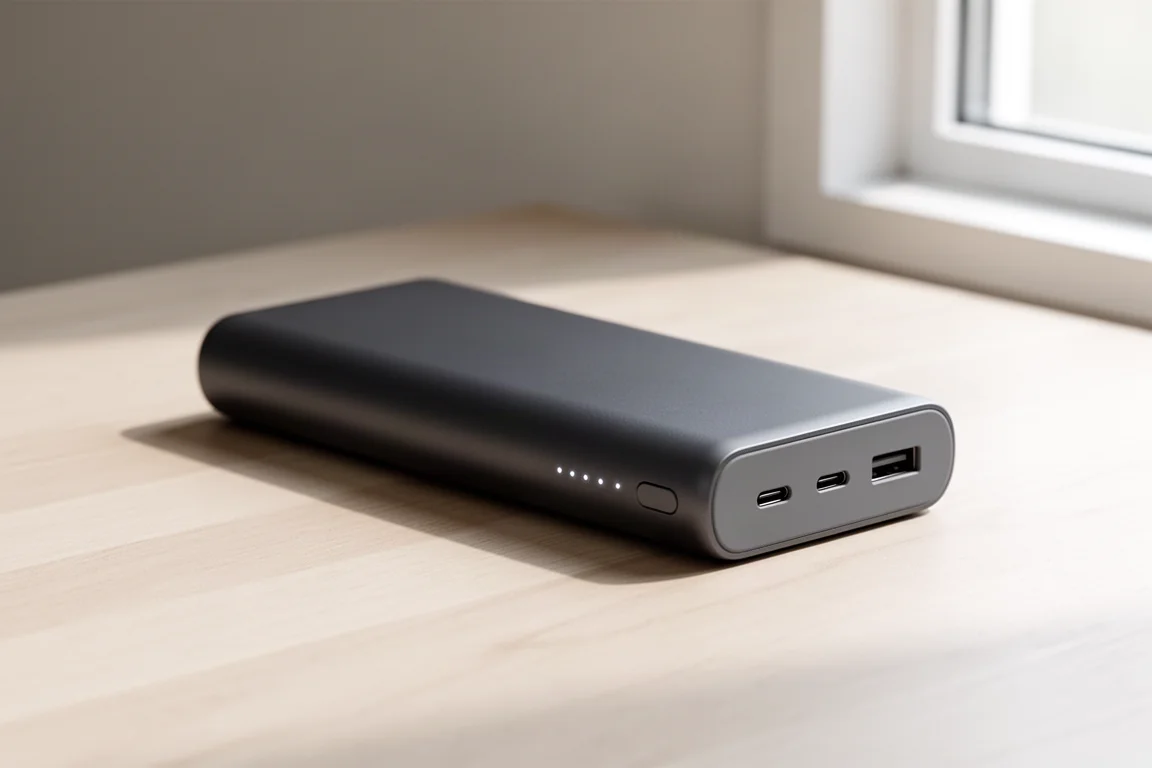
The FlexTail Zero Power is the power bank for this setup. It has dual USB-C ports and an efficiency mode that increases usable capacity by slowing the output rate. Charging takes longer in that mode, which is a fair trade on a multi-day trip when a device charges overnight and speed does not matter.
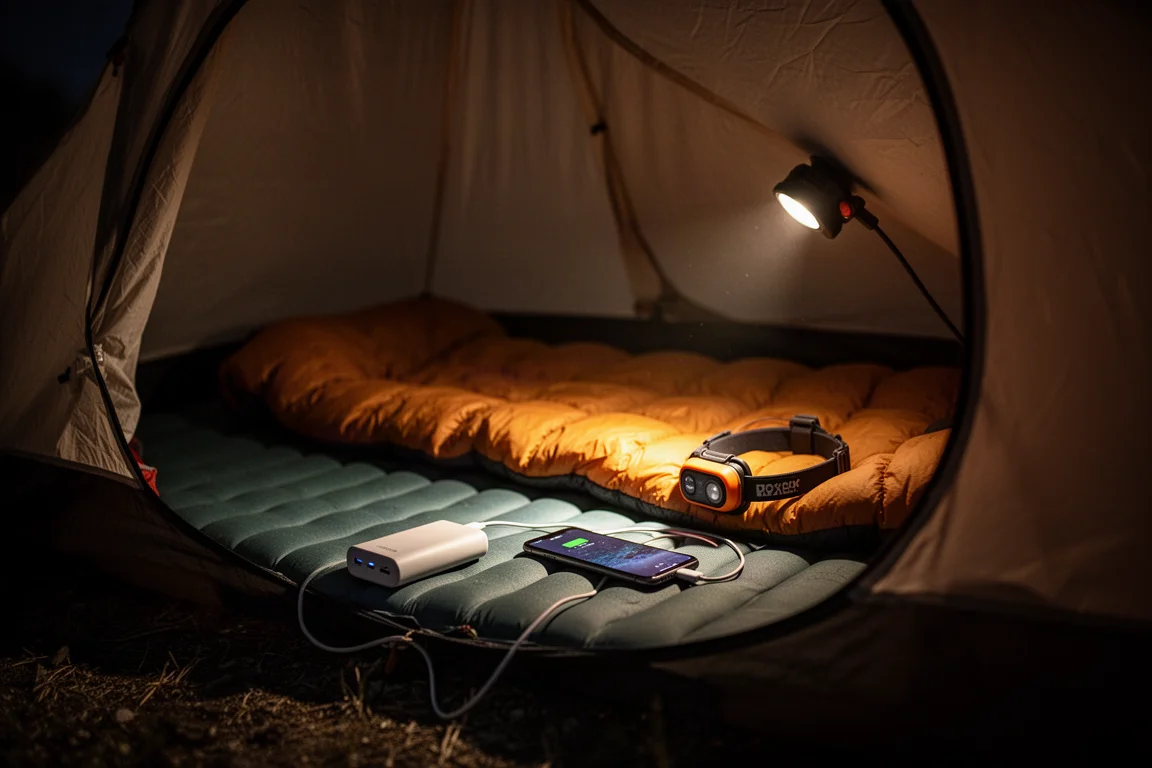
For shorter trips the standard output mode makes more sense, and the two USB-C ports mean two devices can charge without carrying an adapter.
Sleeping Pad Inflation: Airgogo GigaPump
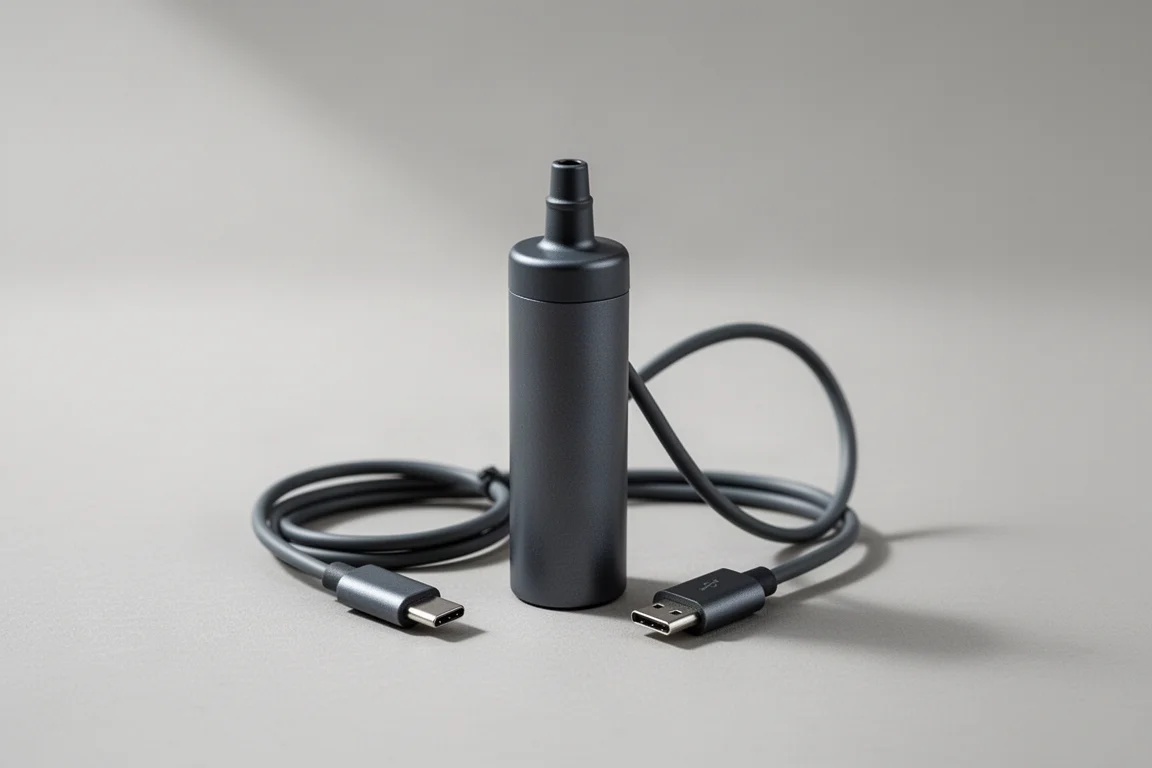
The Airgogo GigaPump weighs just over an ounce and inflates a sleeping pad quickly to a good firmness. Some ultralight pumps leave a pad soft enough that a few extra breaths are needed afterwards; this one does not. It has no built-in battery, which is how it stays so light. A USB-C cable connects it to the power bank, it fills the pad, and unplugging it stops the motor.
Sleeping Pad: Exped Ultra 6.5
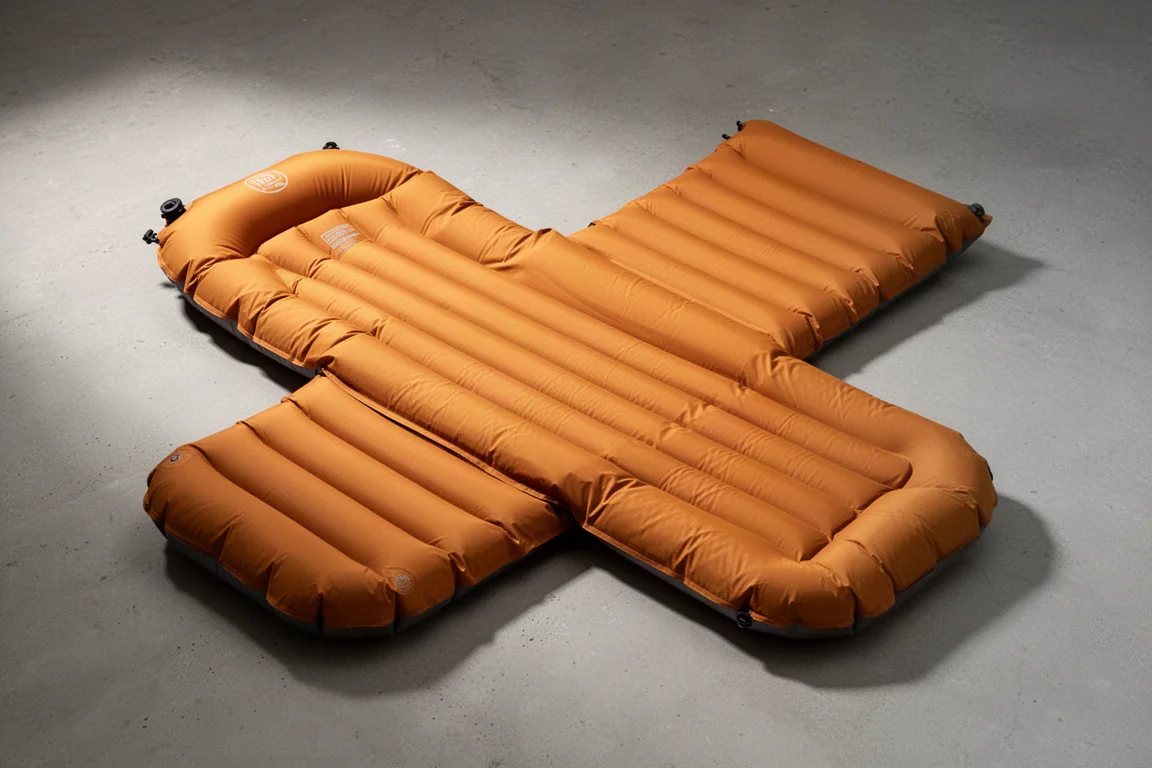
The Exped Ultra 6.5 is a new pad for 2026 with an R-value of 6.9. It has been used on snow in sub-freezing temperatures and stayed warm. The top material has a slight stretch that feels soft, and the vertical baffles give steady support through the night.
Weight is 550 g for the regular wide rectangular version, and the 20-inch mummy-shaped version saves more. Exped positions this pad as having the best warmth-to-weight ratio on the market. The one downside is that both valves sit on the bottom of the pad. In winter, when the air inside loses volume overnight and the pad needs a top-up, that means flipping the pad over to add air.
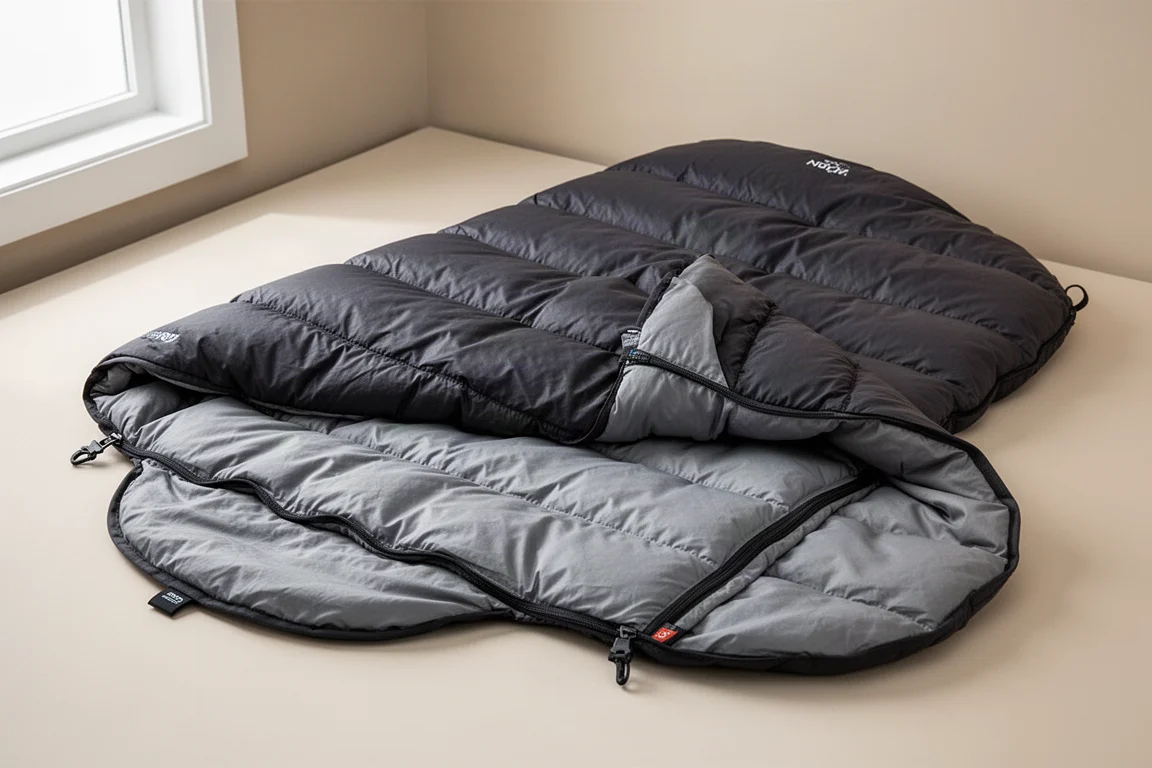
Quilt: Neve We’re Talk Quilt
The Neve We’re Talk Quilt is fairly lightweight and very inexpensive compared with similar quilts. Its standout detail is where the clips attach: a little up from the edge, which leaves a small draft tube along the side. Setup is forgiving as a result. Pad straps go on the sleeping pad, the quilt clips to them, and drafts are not something to worry about.
The advertised rating is -2, given as a comfort rating. It has been used down to -7 with mesh base layers and fleece alpha direct layers over the top, and stayed warm. Considering the price, it is a strong value.
Headlamp: Nitecore NU20 Classic
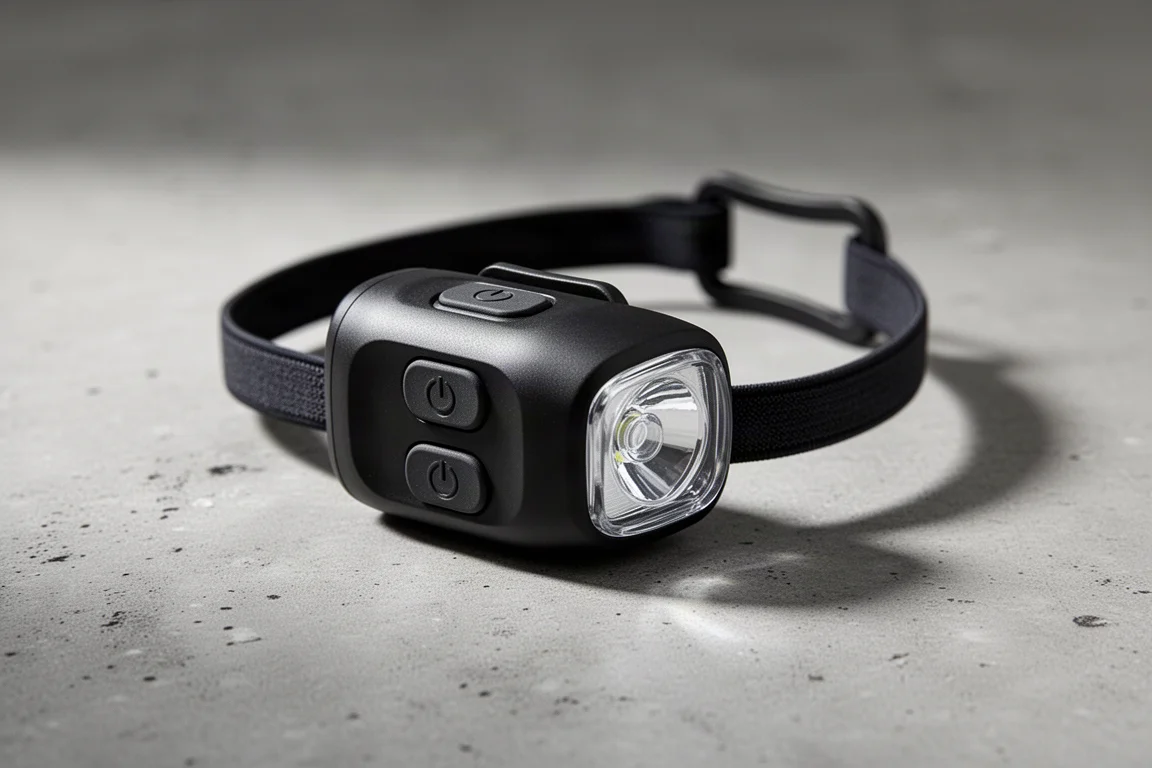
The Nitecore NU20 Classic is lightweight and USB-C rechargeable, with two separate buttons for the red and white modes. The red mode preserves night vision and is less disruptive in a busy campground. The stock headband is the weakest part of the package, and a custom headband is a worthwhile upgrade.
Buying Advice: How to Adapt This Loadout
The fastest way to adapt this list is to start with the shelter, because it drives the rest of the kit. Hikers who usually travel alone can run the X-Mid Pro 2 as a roomy solo tent, while those who usually travel in pairs will get more value from the Pro 2 Plus or the standard X-Mid 2.
From there, the decisions are about priorities rather than weight. A pack with shoulder strap pockets may matter more than a slightly lower weight, in which case the Kakwa 40 or 55 is the alternative to consider. If budget is the constraint, the rain hoodie and the chair are the two items where the savings are largest, and neither one gives up much in practice.
Conclusion
A good ultralight loadout is not a collection of the lightest possible items. It is a set of pieces that cover each other, stay comfortable after a long day, and remain affordable enough to use often. The ten items here were chosen on that basis: light enough to carry without thinking about it, and practical enough to bring on every trip rather than only the shortest ones.
Further reading
Related Reviews

Backpacking Gear
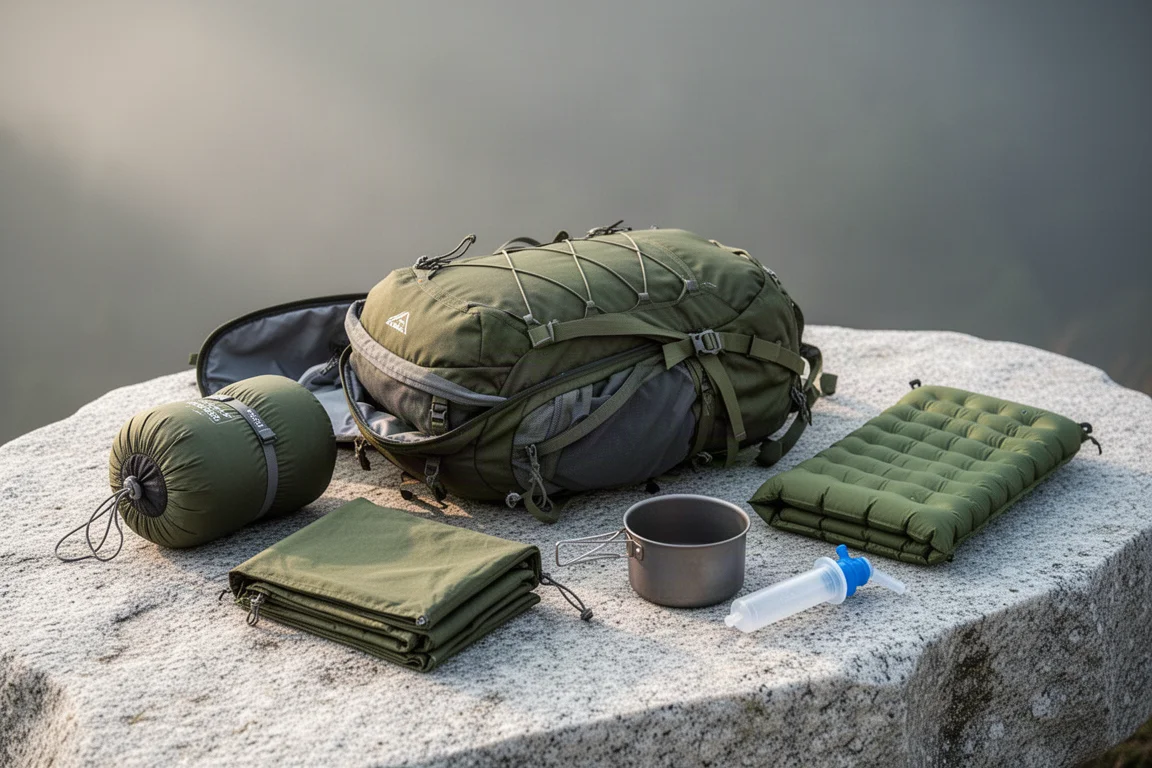
Building a 10 lb Base Weight: An Ultralight Backpacking Gear List
A practical walkthrough of the ultralight pieces behind a 10 lb base weight, from a 765 g pack and a roomy one-person tent to a full camp chair and a dependable water filter.
Backpacking Gear
A 15-Pound Lightweight Backpacking Gear List for Solo Trips
A beginner-friendly 15-pound backpacking setup built from easy-to-find gear, with notes on what each piece does, how it packs, and where to spend your attention.
Backpacking Gear
8 Ultralight Backpacking Gear Upgrades Worth Carrying
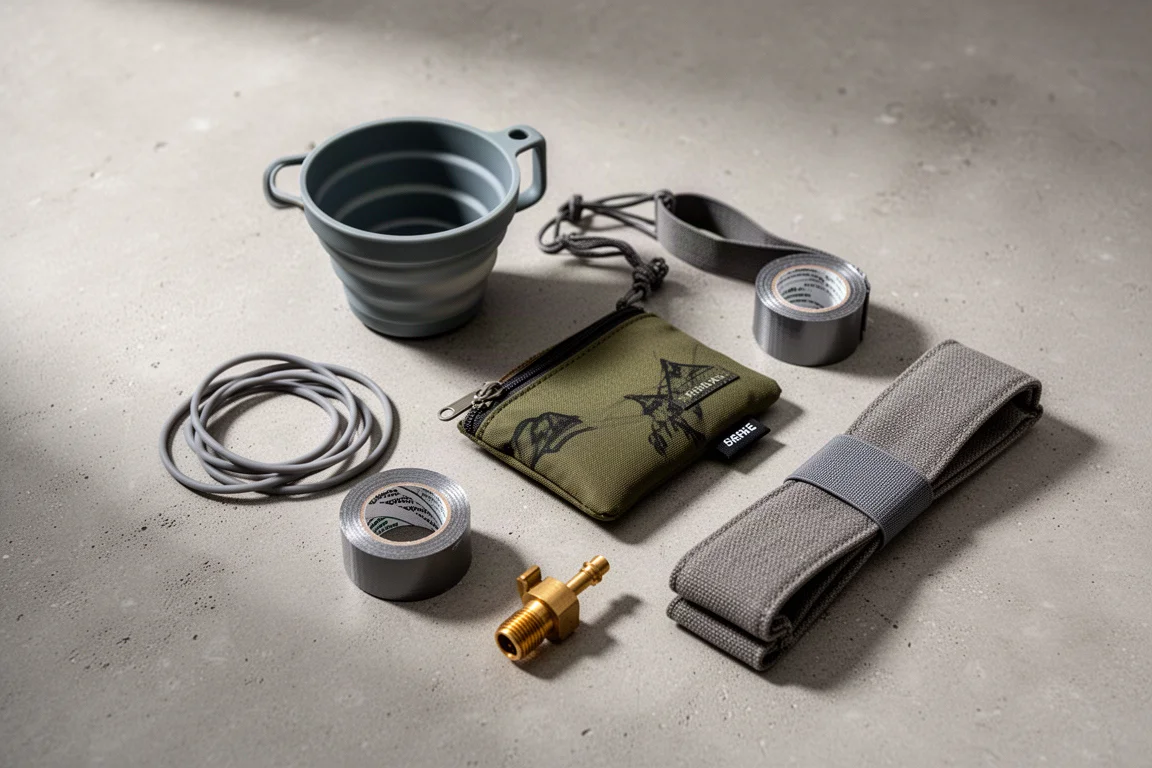
Eight small, affordable backpacking upgrades that solve real trail annoyances, from a pillow that stays put to a fuel valve that rescues leftover canister gas.