Backpacking Gear
Best Ultralight Backpacking Gear: 11 Small Items That Cut Real Grams
A practical look at eleven ultralight backpacking items, what each one genuinely solves, and the trade-offs worth weighing before you buy.
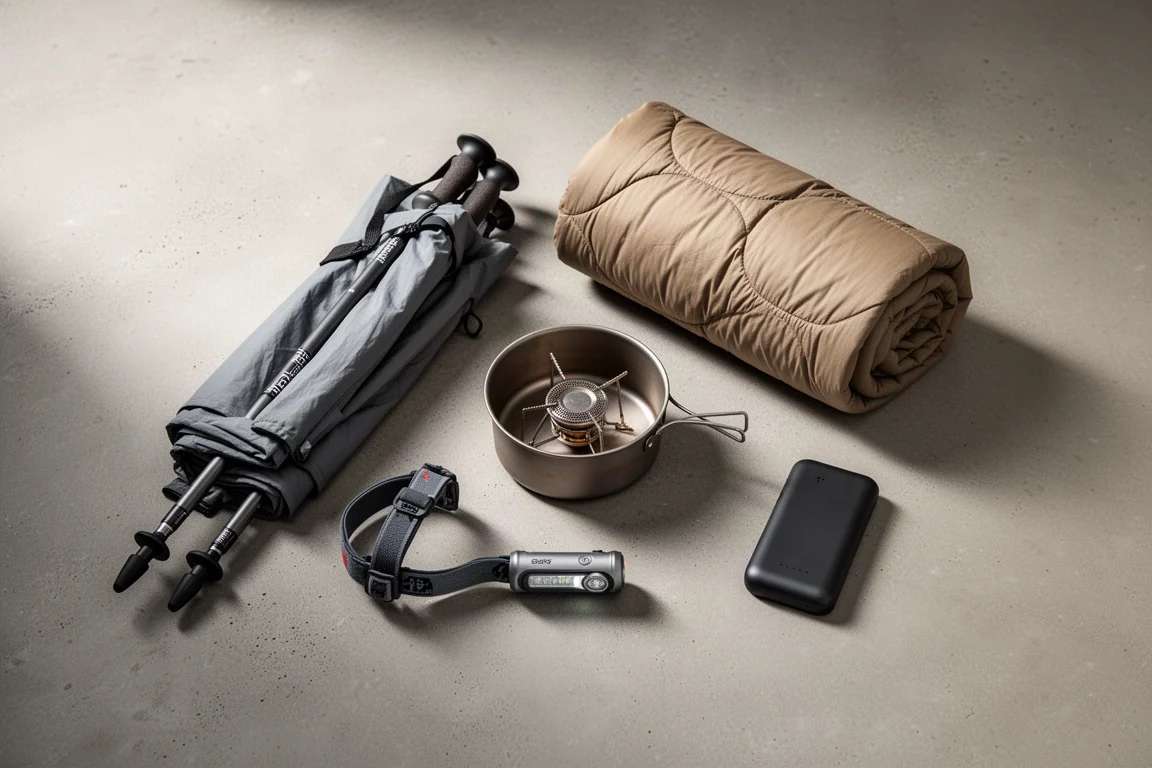
Introduction
Ultralight backpacking gear is, by most reasonable definitions, unnecessary. A heavier pot still boils water, a standard headlamp still lights the trail, and a roll of toilet paper still does its job. The weight savings are usually small, and they almost always come with a compromise somewhere.
That is exactly what makes this corner of gear so interesting to the people who use it. If you count grams, you already know that shaving 20 g here and 30 g there is the only way a base weight actually comes down. The items below are the small, specific, slightly obsessive pieces of kit that make that possible. Some are genuinely useful on every trip. Others are for hikers who enjoy the puzzle as much as the trail.
What Separates Ultralight Gear From Standard Kit
Every item here follows the same logic: remove material that is not doing work. A tent stake tapers because the tip does not need the same mass as the head. A pot drops its handle because a separate lifter weighs less. A pack liner replaces three stuff sacks with one bag.
That logic has a cost. Ultralight gear is often more expensive per gram saved, less durable, and more dependent on technique. A 5 g stake only holds if you pitch it correctly. A 14 g light only works hands-free if you have a brim. None of that makes the gear bad. It makes it specialist.
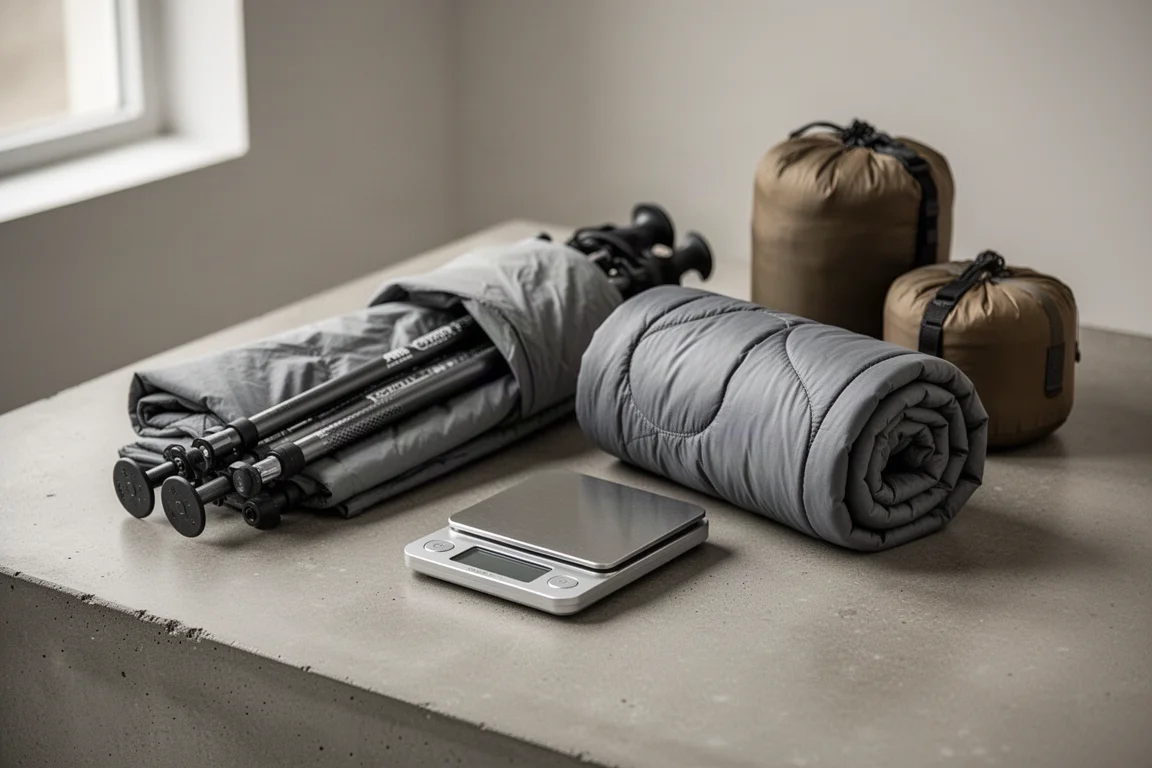
The other thing worth saying up front is availability. Much of this gear comes from small makers who produce in batches, and stock moves in and out. If something here is out of stock, it is usually worth waiting rather than substituting a heavier item that undoes the entire point.
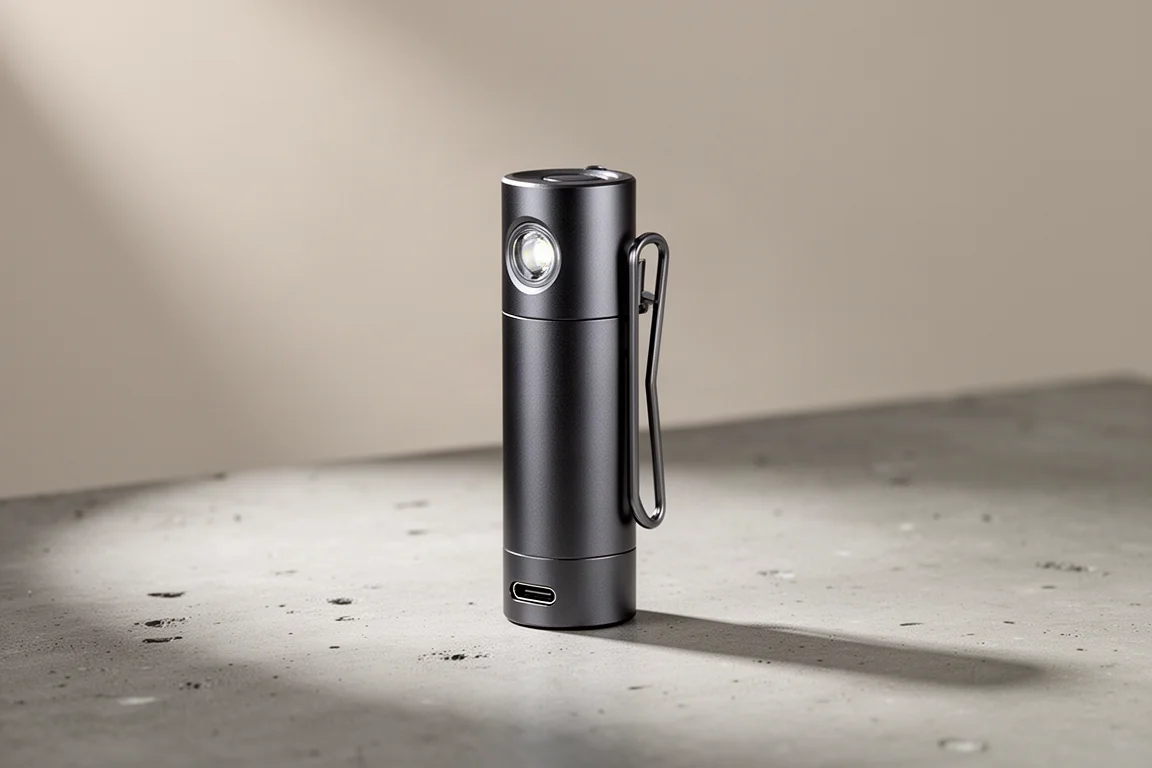
RovyVon A5 Flashlight
At 14 g, this light weighs roughly half of what a typical ultralight headlamp does. It clips to a cap brim, sits comfortably in one hand for night hiking, and recharges over USB-C.
The trade-off is straightforward. Without a brimmed cap you cannot wear it on your head, so it is not a full headlamp replacement. Used alongside a headlamp, or as the only light on a summer trip where you always wear a cap, it makes a lot of sense.
Holy Hiker Backcountry Bidet
A backcountry bidet is a small cap that threads onto a water bottle, letting you rinse with water instead of using toilet paper. It weighs almost nothing, and it replaces a consumable you would otherwise carry and then have to bury or pack out.
The practical benefits go beyond weight. Water gets you cleaner than paper, which matters more the longer a trip runs, and leaving no toilet paper behind is simpler than managing it. The catch is adaptation. If you have never used one, the first trip takes some getting used to. It is also a poor fit for genuinely dry environments where every litre of water is spoken for. Pairing it with powdered soap covers hand hygiene as well, since powdered soap is light, does not freeze, and does not carry the weight of a liquid.

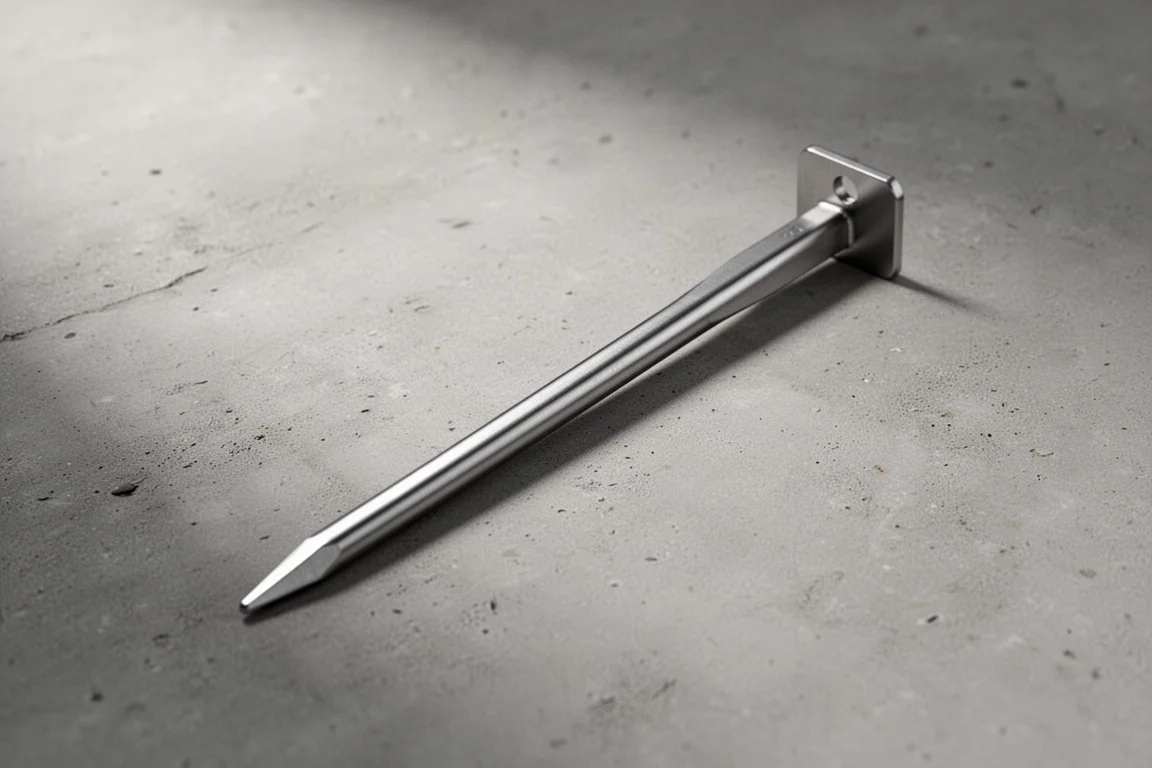
Suluk 46 Atani Tent Stake
Five grams per stake, roughly half the weight of a standard mini groundhog. The design earns that number: the shaft tapers toward the tip so less material sits where it does the least work, and the flat profile is driven in perpendicular to the guy line, which keeps holding power reasonable for the mass.
The limits are real. Holding power is lower than heavier stakes, and in loose soil the flat profile can twist and work free. For firm ground and well-tensioned pitches they are excellent. For soft, sandy, or exposed ground, bring something with more bite.
Mica Pot Lifter
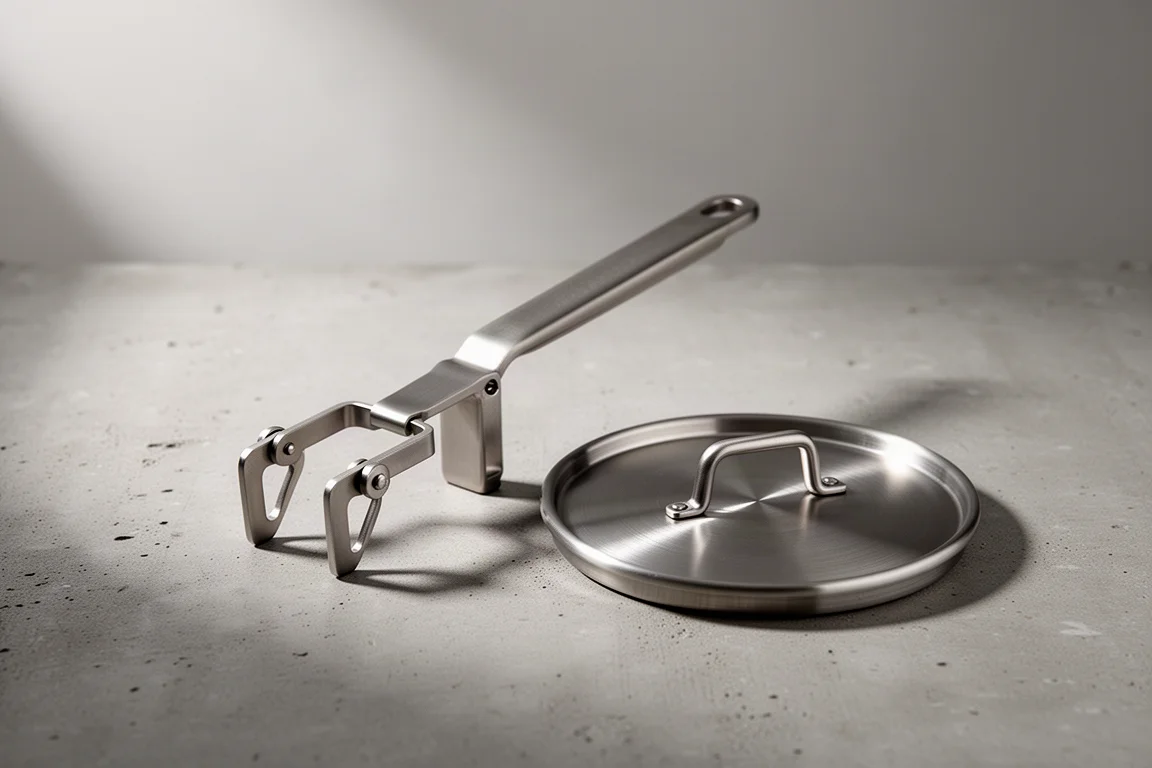
A pot lifter is a small tool that lets you pick up a hot pot without a handle. It saves only a few grams, and it is not cheap for what it is, but the case for it is about workflow rather than weight. When the water hits a boil, you can grab the pot immediately and pour, instead of waiting or improvising with a buff or a sleeve.
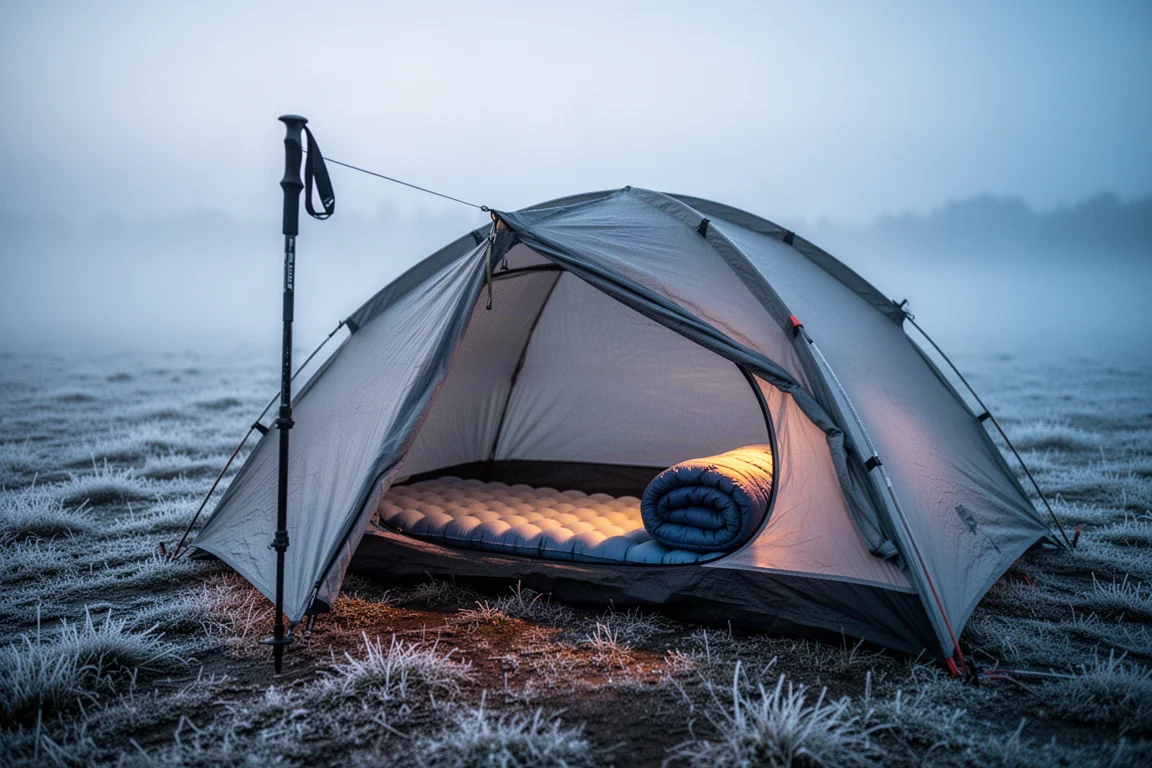
It can be finicky to position, and some hikers consider it dead weight. If you cook in a pot without a handle, it is one of those items you notice most when you leave it at home.
Big Sky Dream Nation Pillow
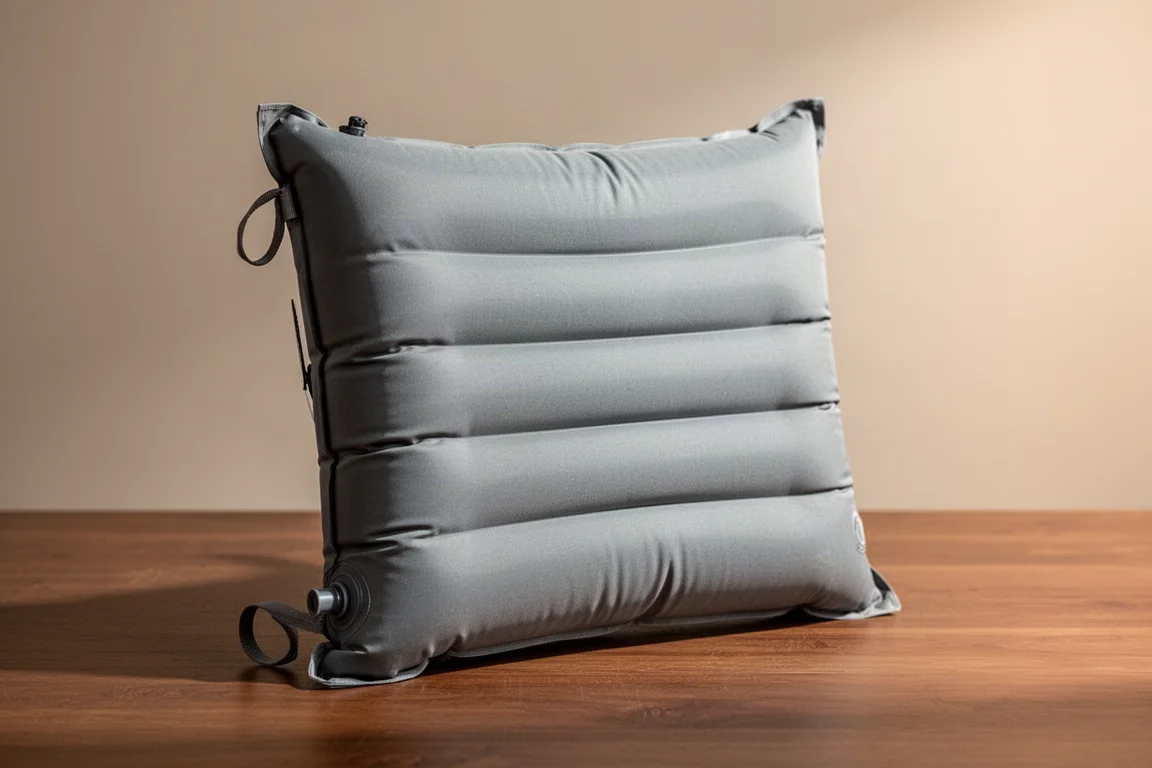
This is more than an air-filled bladder. It has enough height to work for side sleepers with broader shoulders, which is where most lightweight pillows fall down. The current version adds loops on both sides, so a length of shock cord can be rigged into a pad strap and the pillow stays put through the night.
The compromise is the surface. Lying directly on TPU does not suit everyone. A buff over the top acts as a pillowcase, though that adds a little weight back, and a beanie does the same job for free in cold conditions.
Pad Pal Pump
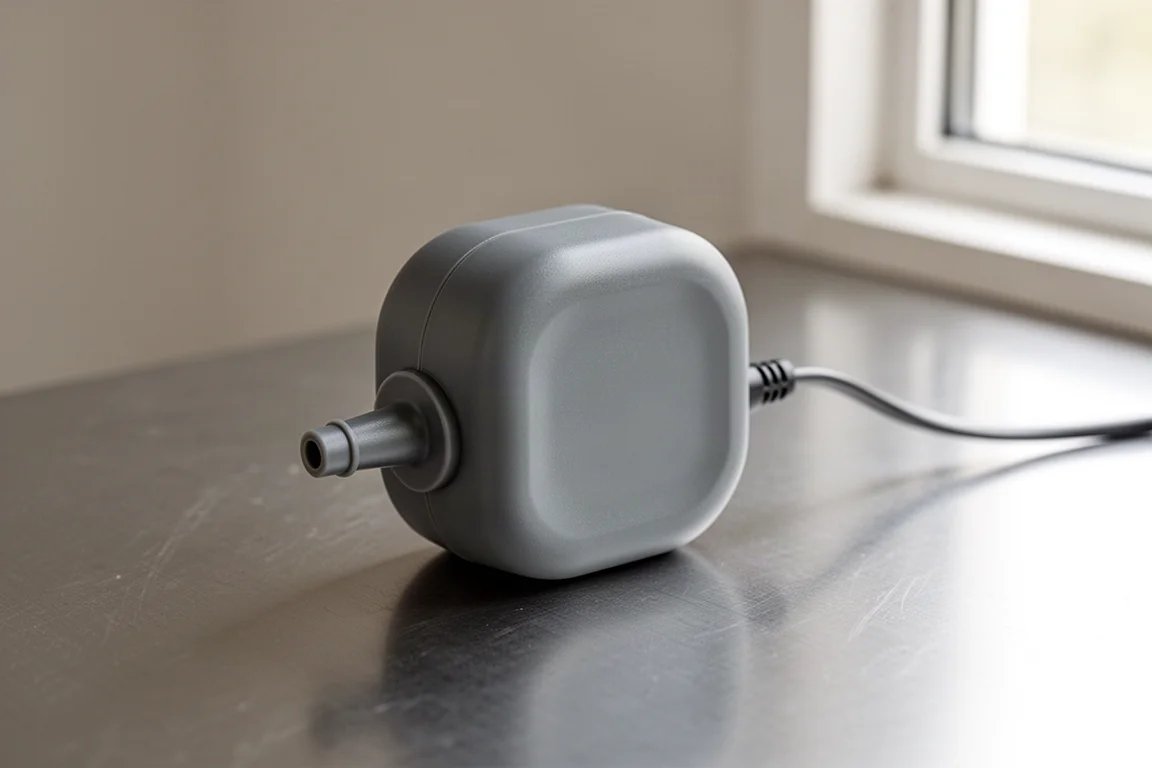
At 9 g, this is about as small as an inflation pump gets. It moves air quickly and runs off an external power source, so it can draw from a battery bank or from a phone. The catch is supply: lead times and stock issues make it hard to buy at times.
An alternative that is usually easier to find is the Alpen Blow pump. It is marginally lighter still, but inflates a little more slowly and tops out at a lower pressure. Either way, these tiny pumps will not match a full-size pump for speed, and if you like a very firm pad you may still add a couple of breaths at the end.
Nylofume Pack Liner
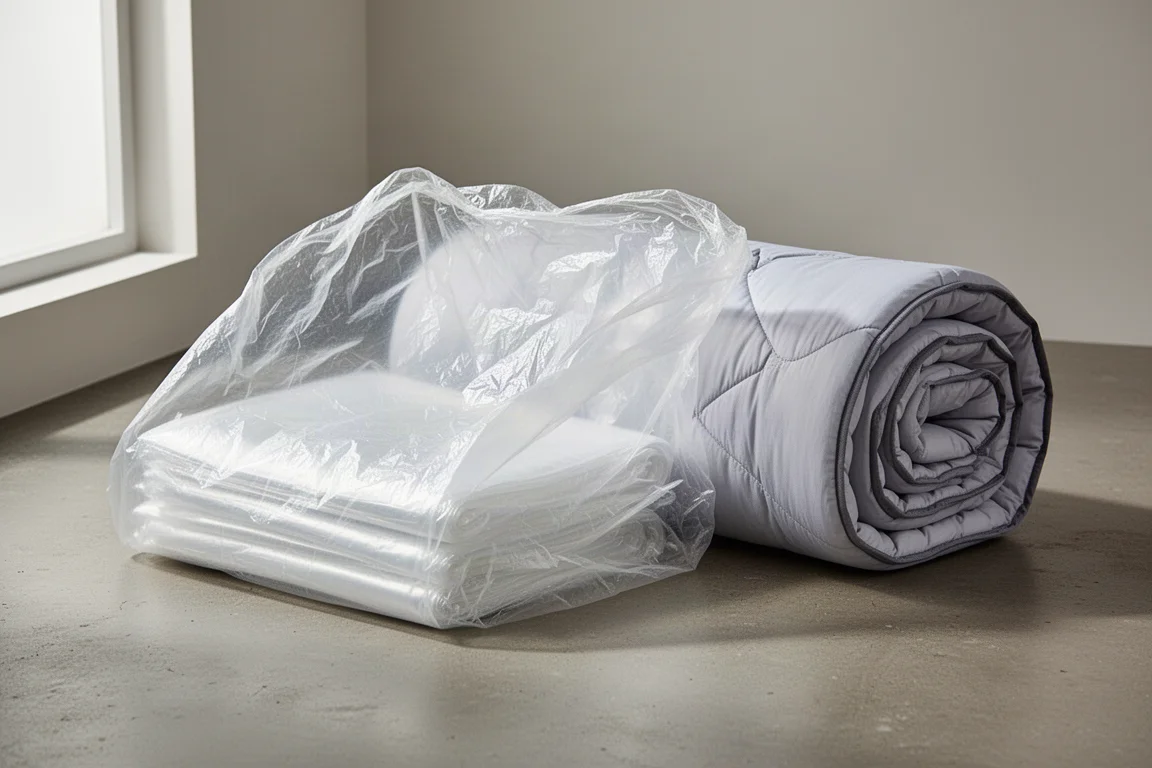
The single most effective weight reduction in a pack is often the least glamorous one: replace stuff sacks and compression sacks with a single pack liner. A nylofume liner is a large clear bag that holds everything that must stay dry, from a quilt or sleeping bag to clothing and a pillow. Load it, twist the top, tuck it down, and the contents stay dry through sustained rain.
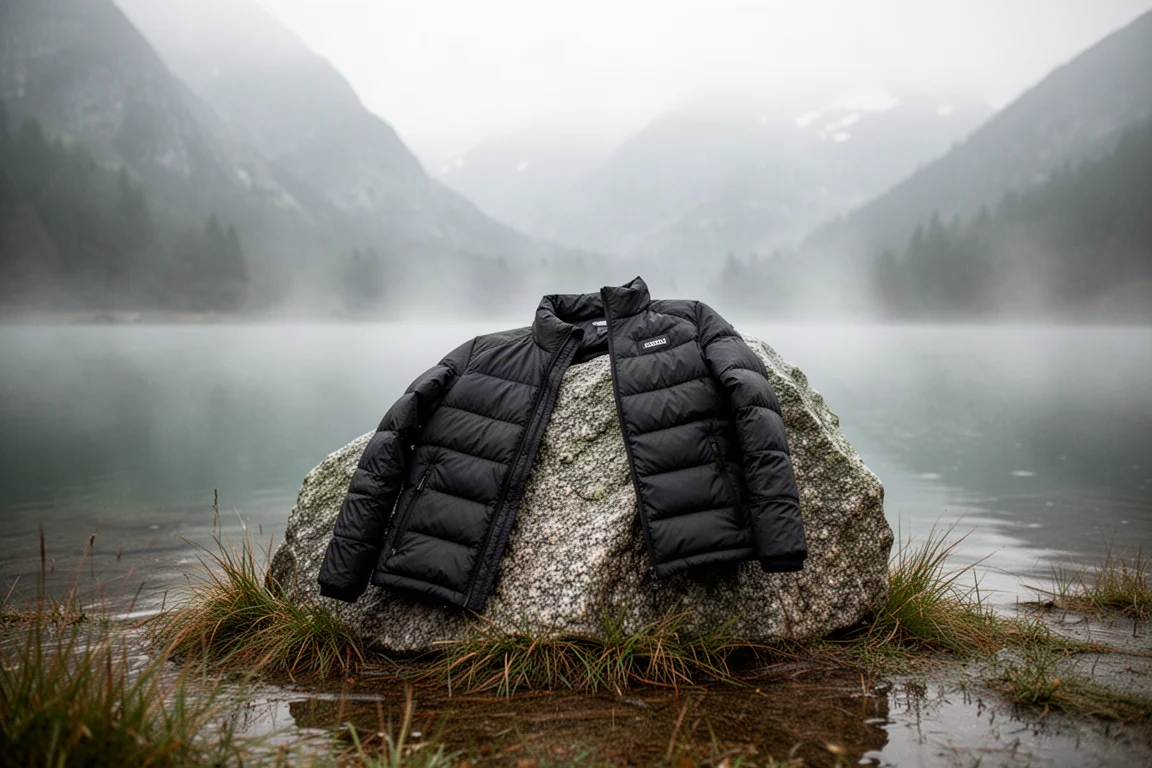
Durability is the weak point. The workaround is to treat the liner as a permanent part of the pack rather than a removable bag: leave it in place, load gear into it, and take gear out of it without pulling it free. Treated that way, a liner can last for years. A heavy-duty trash bag does the same job, but the nylofume version is lighter and packs smaller.
Toaks 550ml Light Pot
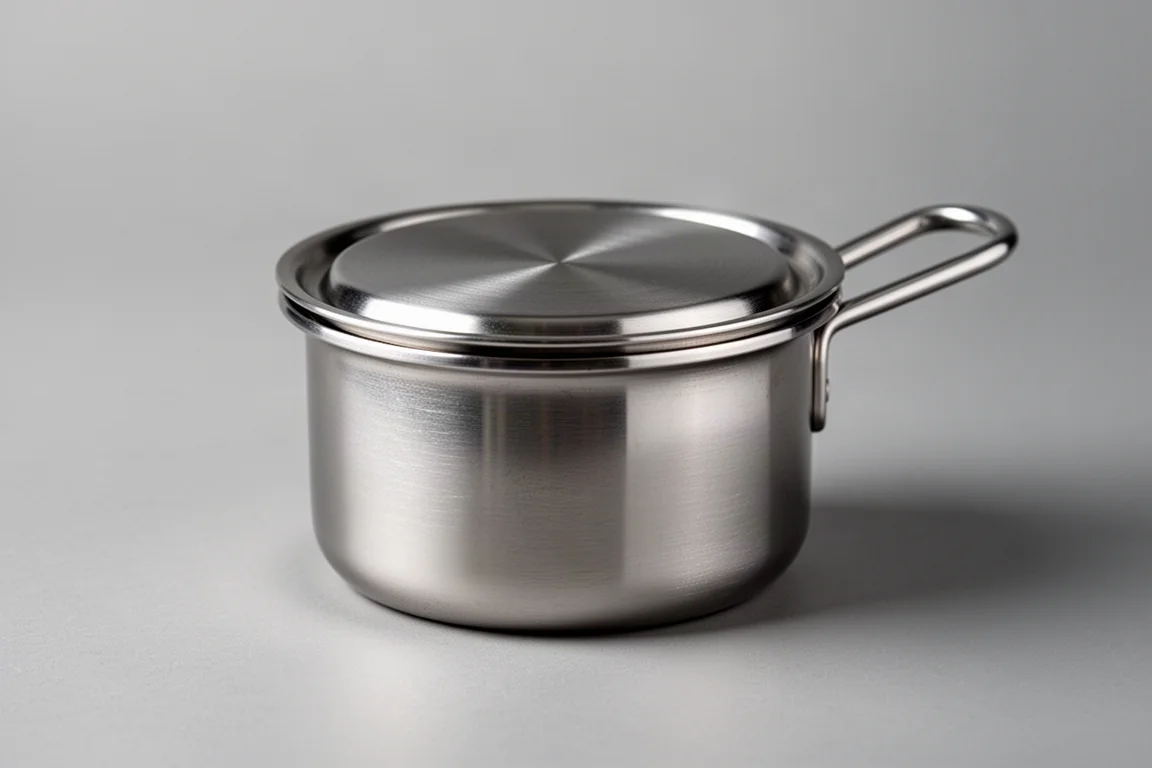
Most backpackers settle on a 750 ml pot, which is enough for a freeze-dried meal plus a hot drink. The 550 ml light pot goes the other way. It uses thinner titanium, packs down small, and can hold a canister, a BRS 3000 stove, a lighter, and pot grabbers inside.
Volume is the obvious limitation, and there is a compatibility note to respect. The 550 is not officially rated for the matching lid, and flames licking up the side of the pot can melt it. The lid is officially compatible with the 650 and 750 versions. With the stove turned down low, which is a more efficient way to boil anyway, the combination works in practice.
Thermodrop Thermometer
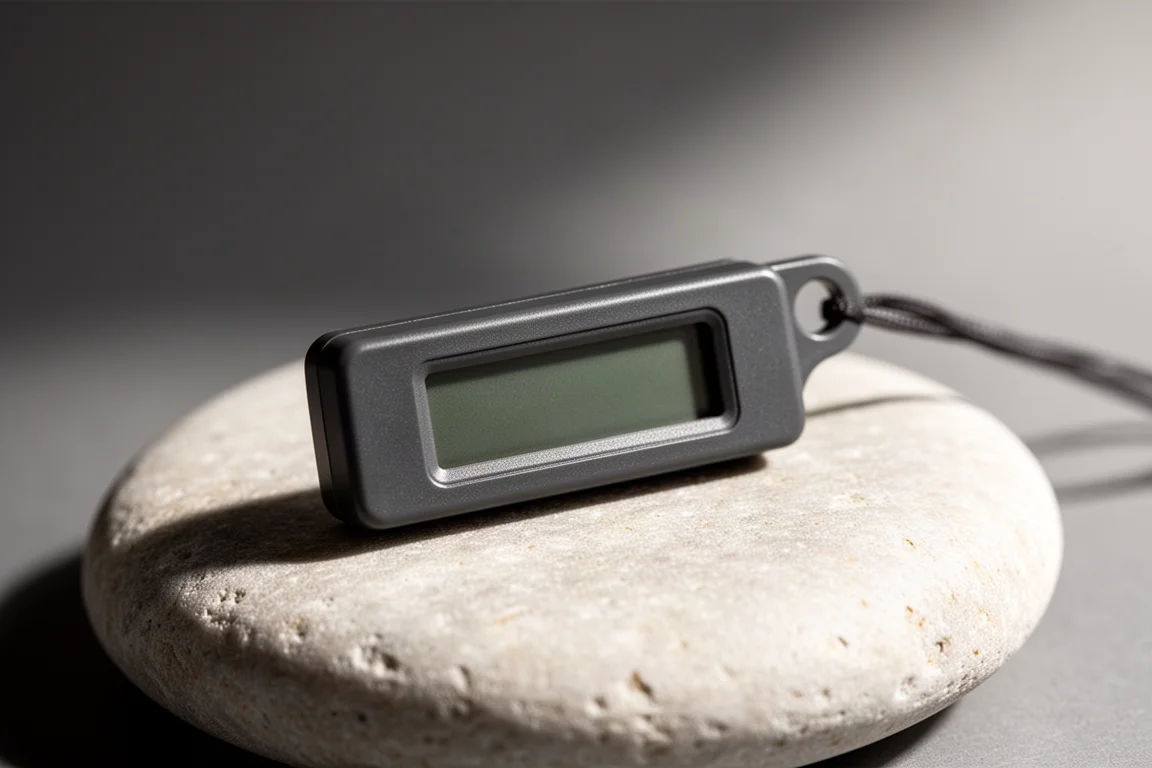
Overnight low temperature is one of the most useful pieces of data a backpacker can collect, because it tells you whether your sleep system is actually working. The Thermodrop is light and simple: it shows the current temperature, and it switches to display the minimum and maximum recorded since it was last reset.
That is enough to know whether you slept comfortably, cold, or hot, and to adjust a quilt or pad choice before the next trip. What it does not do is log continuously, so if you want a detailed temperature curve you will need a more complex unit.
Ignis Repair Kit
Repair kits are usually a zip bag of odds and ends. This one is a small 3D-printed case with trap-door compartments holding Gorilla tape, patches, and a needle and thread. It has already proved its worth on a broken tent pole, where a strip of tape got a damaged pole back in service.
It is a basic kit by design, and that is arguably the point: the repair materials most trips actually need, in a container small enough to always come along.

Alpha Direct Fleece
Outside of down, Alpha Direct has one of the best warmth-to-weight ratios available. It works as a base layer or a mid layer, and it packs down to almost nothing. Socks are a good entry point if you have not tried the material, since they add warmth without bulk.
Two caveats. Alpha Direct is expensive, and it can be hard to find in stock. If you see a piece in your size from a maker you trust, it is worth considering rather than waiting for a better moment.
Overall Buying Advice
None of this gear is required. If you are happy with your current kit, the money is better spent on trips. If you are trying to bring a base weight down, though, the order of operations matters more than the shopping list.
Start with the free changes: consolidate stuff sacks into one pack liner, take fewer spare layers, and cut consumables to the number of days you are actually out. Then look at items that replace something heavier rather than adding to the pile. A flashlight that stands in for a headlamp, a bidet that replaces toilet paper, and a thinner pot all reduce carried weight without introducing a new category of gear.
After that, the specialist items come down to taste. A 5 g stake, a pot lifter, or a 9 g pump will not transform a trip, but they are the pieces that make a light kit feel dialled in, and they are usually the pieces other hikers ask about at camp.
One last note on value. Prices in this category are high relative to the grams saved, and stock is unpredictable. Buy from makers you can rely on, and do not chase a number at the expense of a piece of gear you will actually enjoy using.
Conclusion
Every item on this list trades something for weight. The flashlight needs a brim. The bidet needs a change of habit. The stake needs firm ground. The pot needs a gentler flame. What they have in common is that each one solves a specific problem for a specific kind of hiker, and none of them is a mistake if it matches how you actually walk.
If you are building a lighter kit, pick the two or three that address your real friction points, use them for a season, and let the rest wait.
Further reading
Related Reviews
Backpacking Gear
Building a 10 lb Base Weight: An Ultralight Backpacking Gear List
A practical walkthrough of the ultralight pieces behind a 10 lb base weight, from a 765 g pack and a roomy one-person tent to a full camp chair and a dependable water filter.
Backpacking Gear
A 15-Pound Lightweight Backpacking Gear List for Solo Trips
A beginner-friendly 15-pound backpacking setup built from easy-to-find gear, with notes on what each piece does, how it packs, and where to spend your attention.
Backpacking Gear
8 Ultralight Backpacking Gear Upgrades Worth Carrying
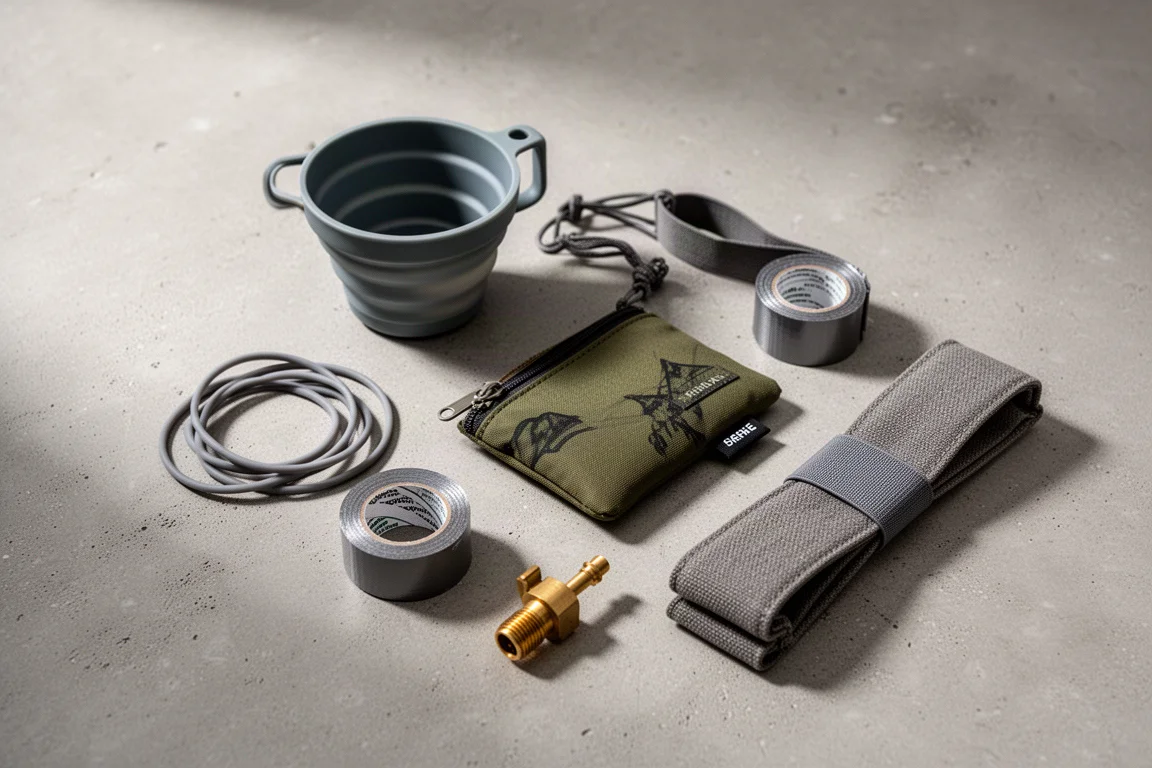
Eight small, affordable backpacking upgrades that solve real trail annoyances, from a pillow that stays put to a fuel valve that rescues leftover canister gas.