Backpacking Gear
Best Ultralight Backpacking Gear Under $30: Six Trail-Tested Essentials
Six ultralight backpacking items that cost less than $30 each, covering bug protection, backup water treatment, sleep insulation, socks, cookware, and camp comfort.
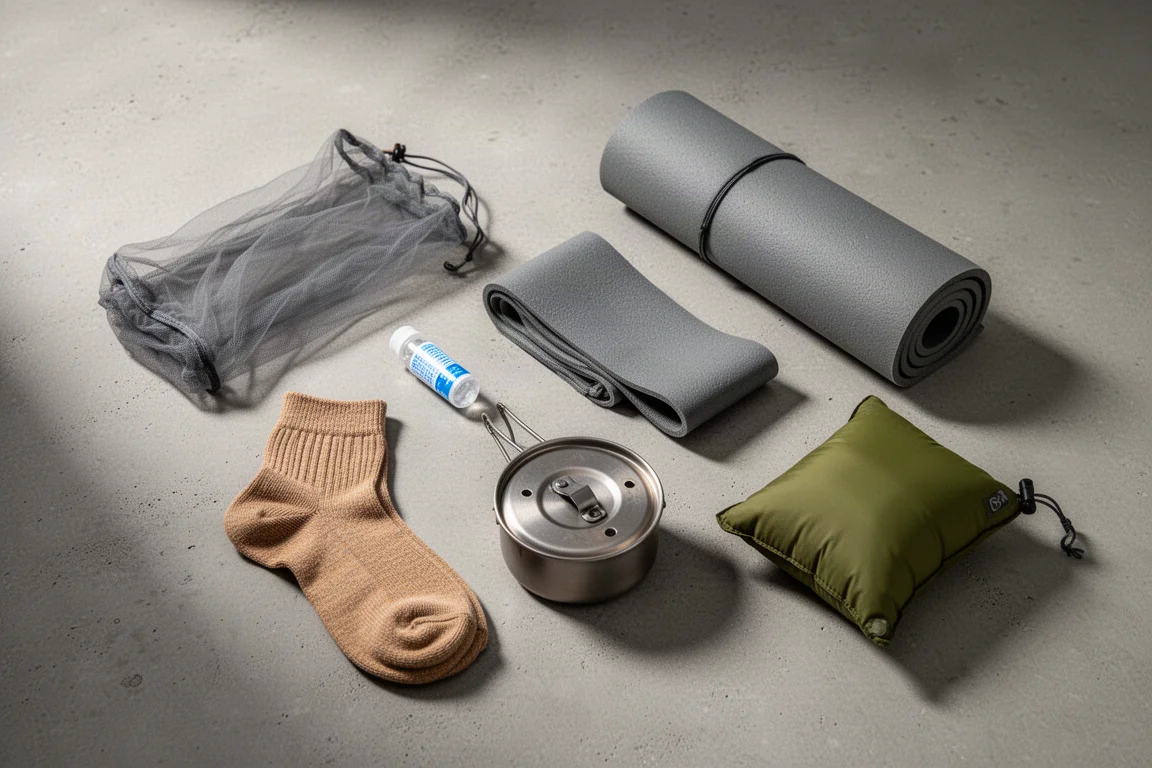
Introduction
Ultralight gear does not have to be expensive. Every item in this roundup costs under $30, and each one has earned its place through repeated trips rather than a single weekend of testing. Prices shift over time, so treat the figures here as a snapshot and take advantage of a sale if one turns up.
Together these six pieces cover the easily overlooked gaps in a kit: bug protection, backup water treatment, sleep insulation, blister prevention, cookware, and a pillow that makes a tent feel less like a tent.
How These Picks Were Chosen
Three things matter at this price. The first is weight, because a few grams saved in each item adds up across a full pack. The second is packability, since gear that stores inside a ditty bag or stuff sack is gear you will actually carry. The third is durability, which matters more than any spec sheet and only shows up over several seasons of use.
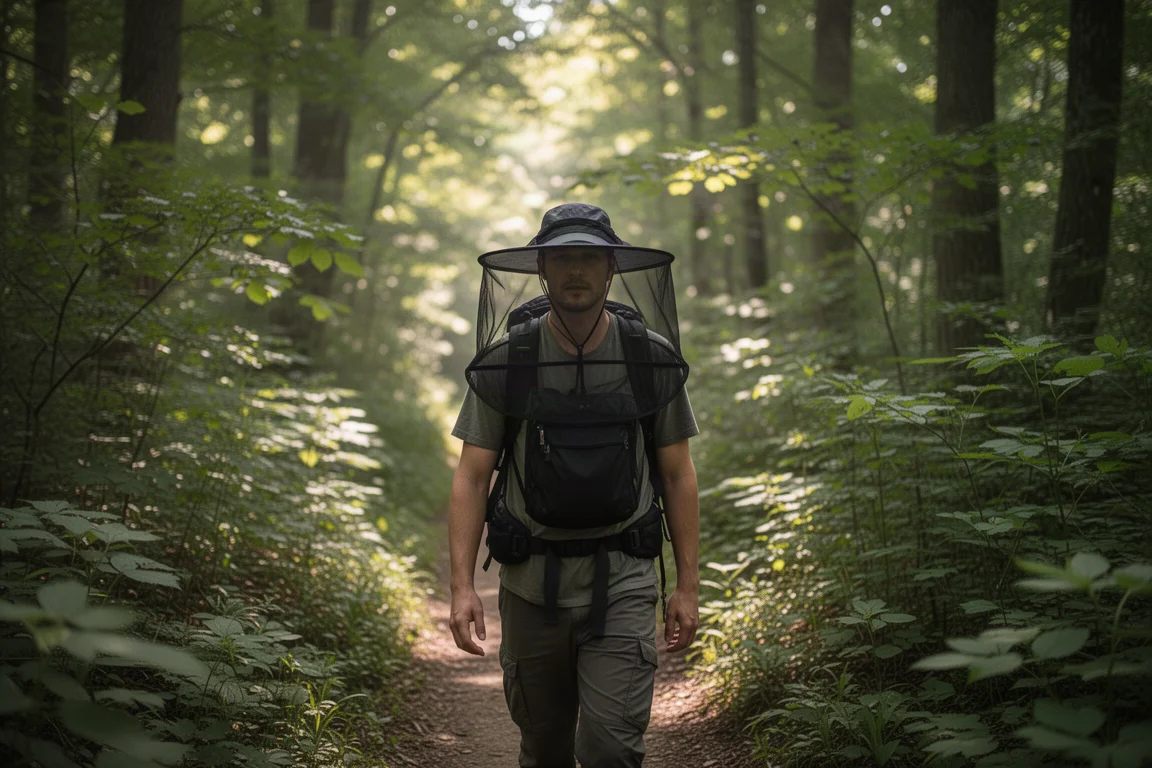
There is also a shared design trait worth noting. Each item solves one problem well instead of attempting several jobs at once, which leaves less to go wrong when conditions turn.
Sea to Summit Head Net
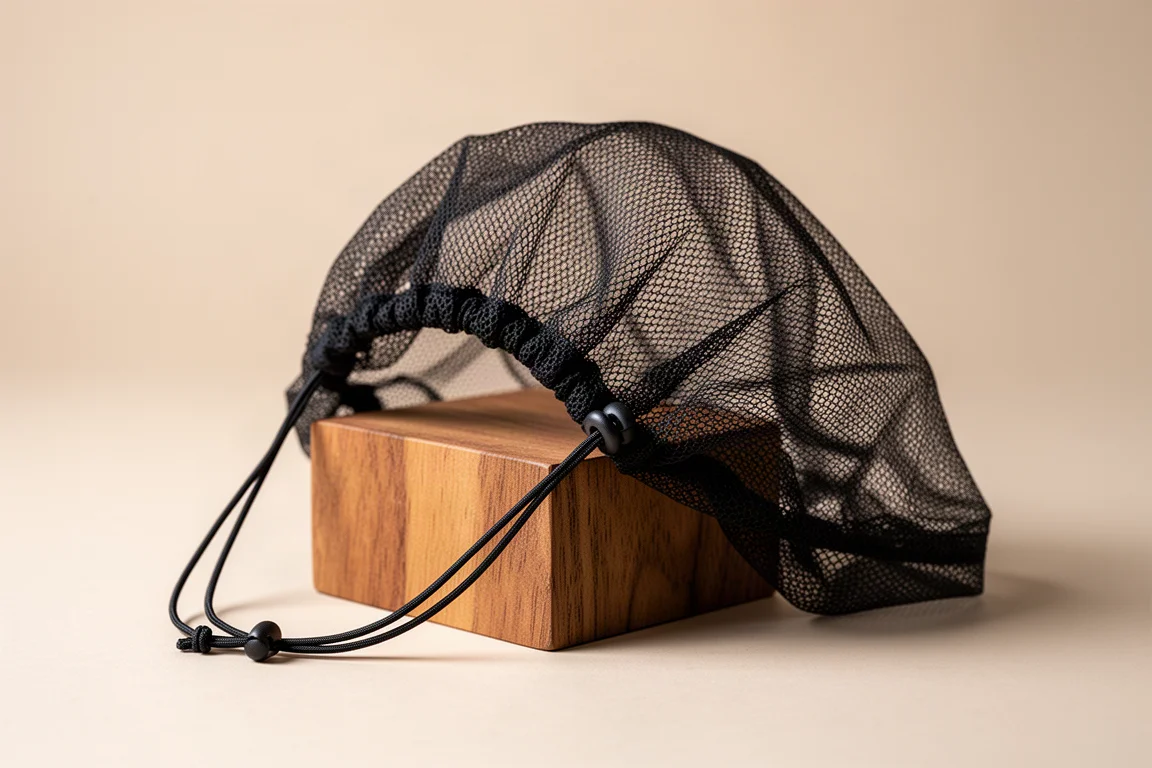
When insects are relentless and repellent has run out or stopped working, a head net is the difference between a pleasant evening and a miserable one. This one is a fine no-see-um mesh that pulls over a cap and keeps bugs away from the face and neck.
It lives in a ditty bag so it is always in the same place, and it packs small enough that there is no real reason to leave it behind. It sells for around $11.29, and cheaper head nets certainly exist. What matters is mesh density and a snug fit at the collar, and the mesh here is fine enough that bites have not been an issue.
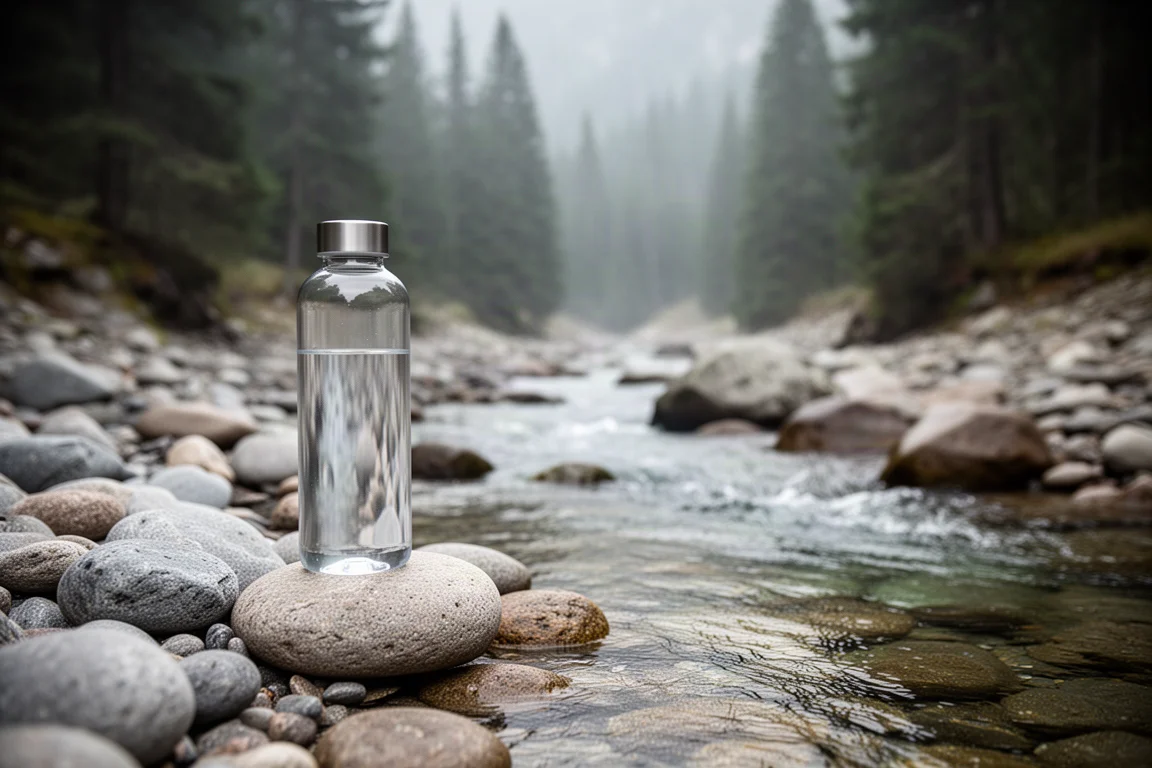
Potable Aqua Water Purification Tablets
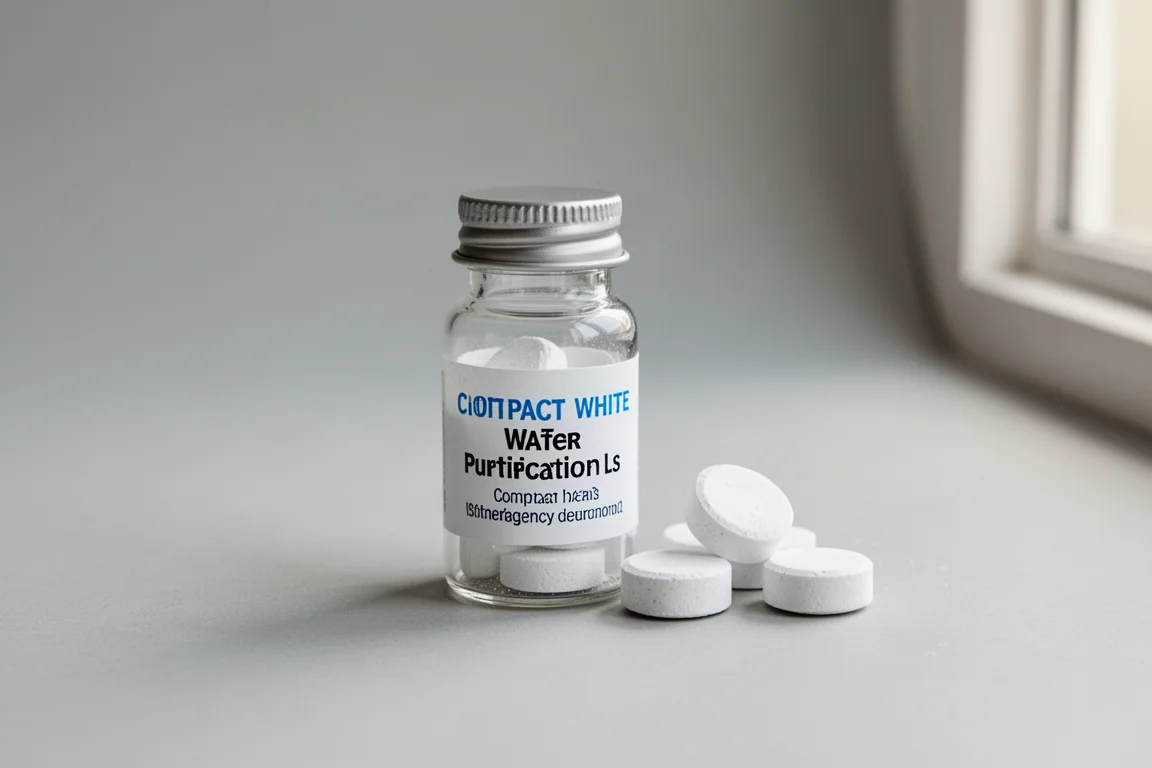
A filter is the primary water tool, but filters clog, break, or get lost, and sometimes there is no safe way to boil water. That is where purification tablets earn their place. Drop one into a bottle, wait roughly 30 minutes, and the water is treated.
Tablets are not a full replacement for a filter in every situation. They will not remove sediment or debris, so cloudy water still benefits from pre-filtering through a cloth. As a lightweight backup that sits in a ditty bag until it is needed, they are hard to argue with.
Gossamer Gear 1/8 Inch Sleeping Pad
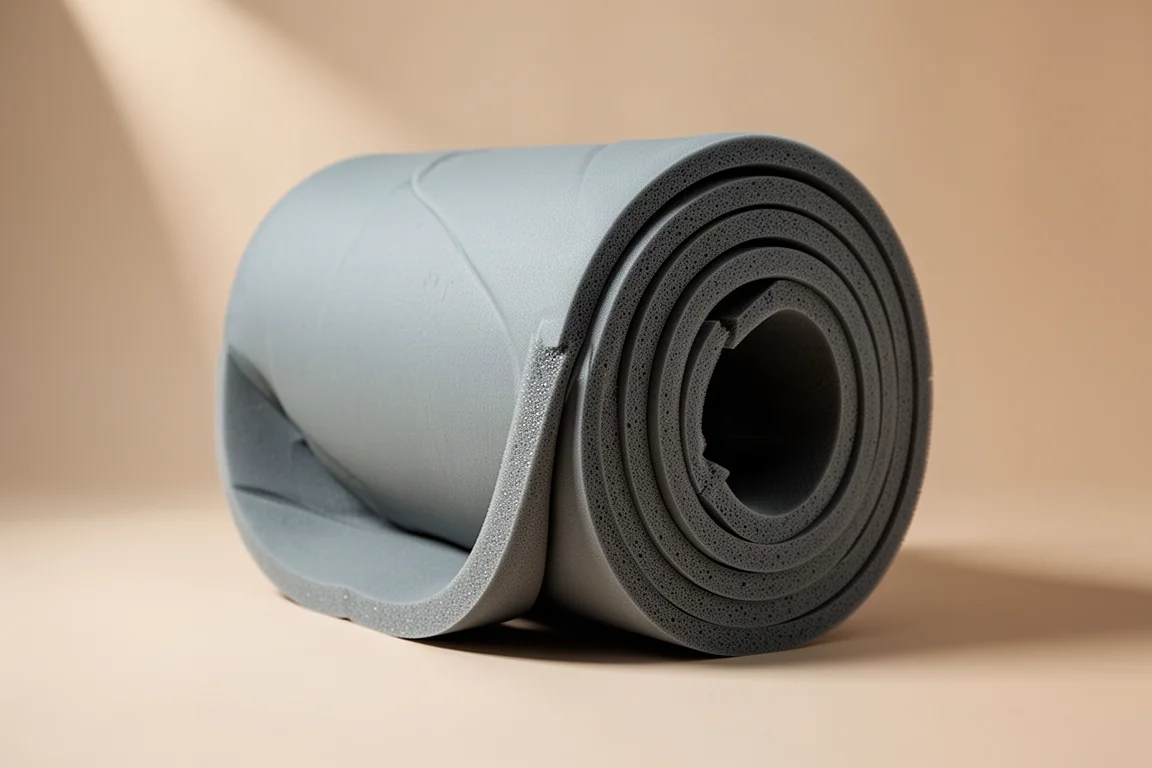
This is a thin closed-cell foam pad, roughly five feet long and about twenty inches wide, priced at $18. Availability on the brand’s own site has been inconsistent, which is frustrating for a simple rectangle of foam, but it is worth tracking down.
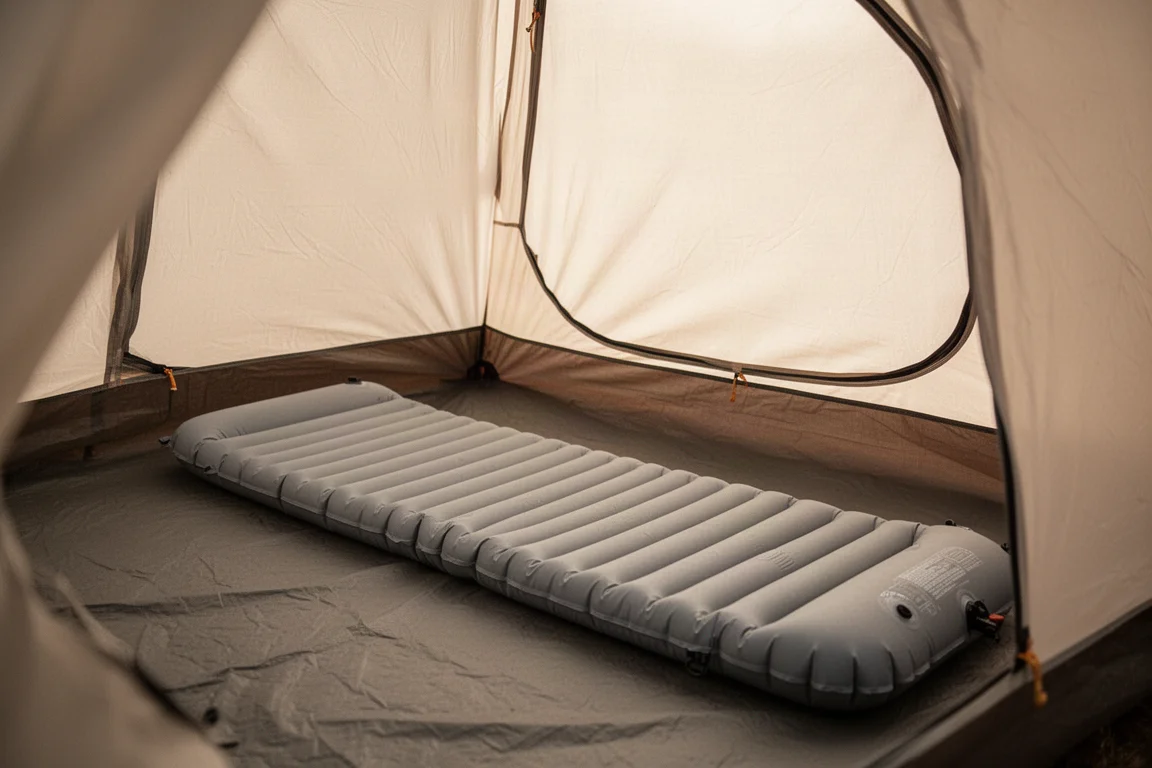
Used underneath an inflatable pad, it does three jobs at once. It stops the air mattress from sliding around the tent floor overnight, it adds a little warmth beneath a lightly insulated pad, and it acts as a sacrificial layer against punctures. On one desert trip a thorn pushed up through a thin groundsheet and stopped at the foam instead of the air pad, which is exactly the kind of protection this layer is there to provide.
It also doubles as a sit pad during breaks and as a flat panel inside a pack against your back, which keeps bulky items from digging in and gives the load a squarer shape.
Darn Tough Merino Wool Socks
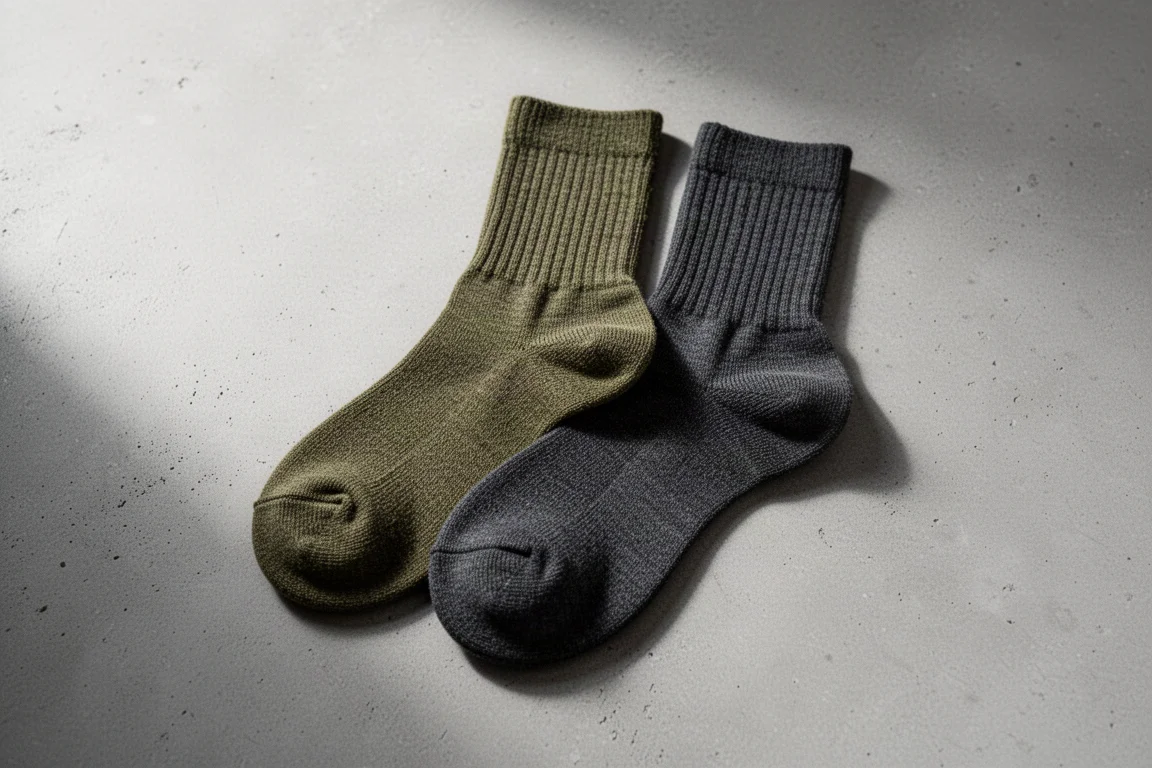
Socks are the most neglected part of a hiking kit, especially for people just starting out. Merino wool is the material to look for: it manages moisture, resists odor, and holds its shape through repeated washing.
These socks grip the foot well and do not slide around inside a shoe. The only blisters that tend to appear while wearing them come from laces that are not tied tightly enough, which is a shoe problem rather than a sock problem. At $17 a pair they are not cheap, but a blister that cuts a trip short costs far more than the socks do.
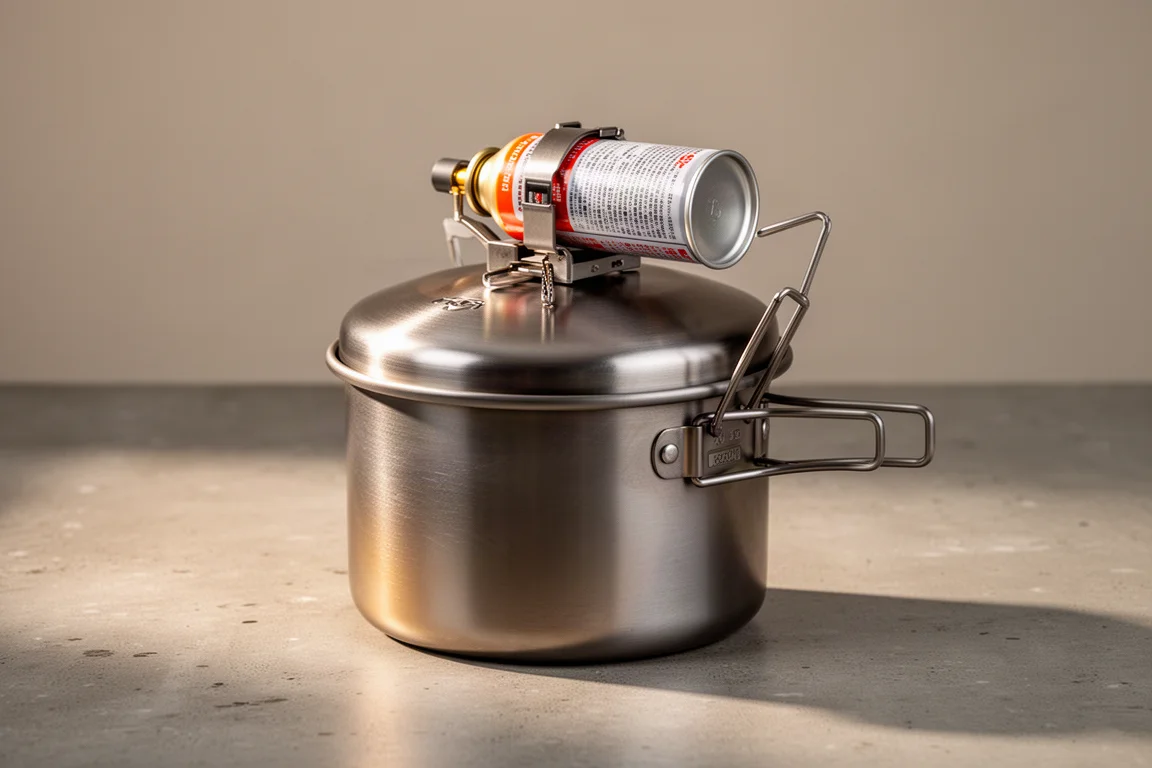
Toaks 550ml Titanium Pot
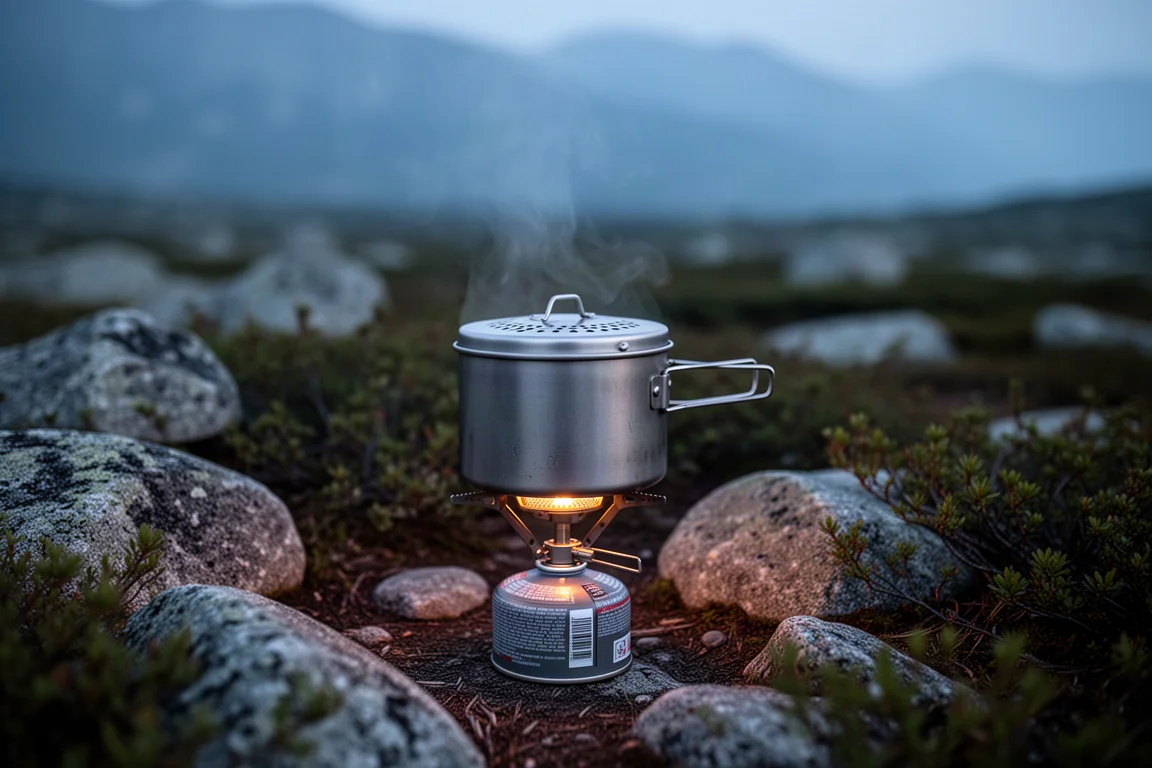
At $29.95 this is the priciest item on the list, and it is also one of the lightest pots you can buy for the money. The 550ml capacity is the sweet spot: it boils roughly two cups of water, which is what most freeze-dried meals require.
The lid is the detail that makes it pleasant to live with. It has vent holes and a small tab that slides to one side so the lid stands up on its own, letting you lift it off without touching hot metal. The newer version also carries volume markings on the inside, which the earlier one lacked.
There is no spout and no silicone handle, so this is a deliberately simple pot. It does the one job it needs to do, and it does it without adding weight.
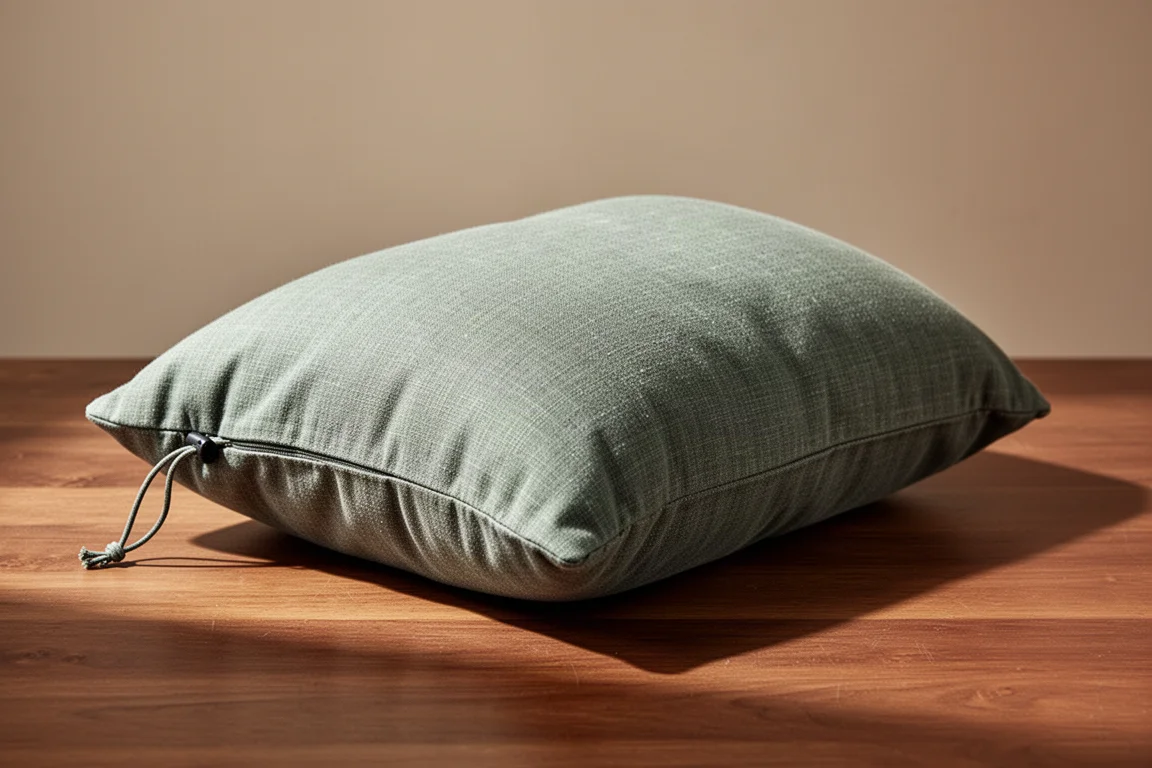
Therm-a-Rest Compressible Pillow
This is the luxury item here, and it makes the biggest difference to how well a night outdoors actually goes. The fill is recycled foam cut into small pieces, so the pillow stays soft without collapsing flat under your head, and the fabric cover feels smooth rather than sticky against the skin.
It compresses into itself and stuffs into the bottom of a pack, where it fills otherwise dead space. Side sleepers who want more support can carry two, one under the head and one along the side. It is not the lightest or the smallest pillow option available, and anyone counting every gram will want to look at an inflatable design instead.
Buying Advice
If you are building a kit from scratch, prioritize in this order. Backup water treatment and socks come first, because they protect your health and your feet, the two things most likely to end a trip early. A head net and a foam pad are inexpensive insurance that weigh almost nothing and solve problems that appear on specific trips rather than every trip.
Cookware and a pillow are comfort purchases, and they are worth the money once the essentials are covered. Prices on all of these items move around, so check current listings before buying. None of these picks needs to be the exact model listed, either. What matters is the category and the job it performs.
Conclusion
Six items, each under $30, each doing one job well. Start with the pieces that protect your feet and your water supply, add the small insurance items that cost almost nothing to carry, and finish with the comforts that make a night out feel closer to a night at home.
Further reading
Related Reviews

Backpacking Gear
Building a 10 lb Base Weight: An Ultralight Backpacking Gear List
A practical walkthrough of the ultralight pieces behind a 10 lb base weight, from a 765 g pack and a roomy one-person tent to a full camp chair and a dependable water filter.

Backpacking Gear
A 15-Pound Lightweight Backpacking Gear List for Solo Trips
A beginner-friendly 15-pound backpacking setup built from easy-to-find gear, with notes on what each piece does, how it packs, and where to spend your attention.

Backpacking Gear
8 Ultralight Backpacking Gear Upgrades Worth Carrying
Eight small, affordable backpacking upgrades that solve real trail annoyances, from a pillow that stays put to a fuel valve that rescues leftover canister gas.