Backpacking Gear
Best Ultralight Backpacking Gear 2026: 10 Popular Picks Worth Knowing
Ten popular ultralight backpacking items, from portable bidets and pack liners to tent stakes and repair kits, with honest notes on who each one actually suits.
Introduction
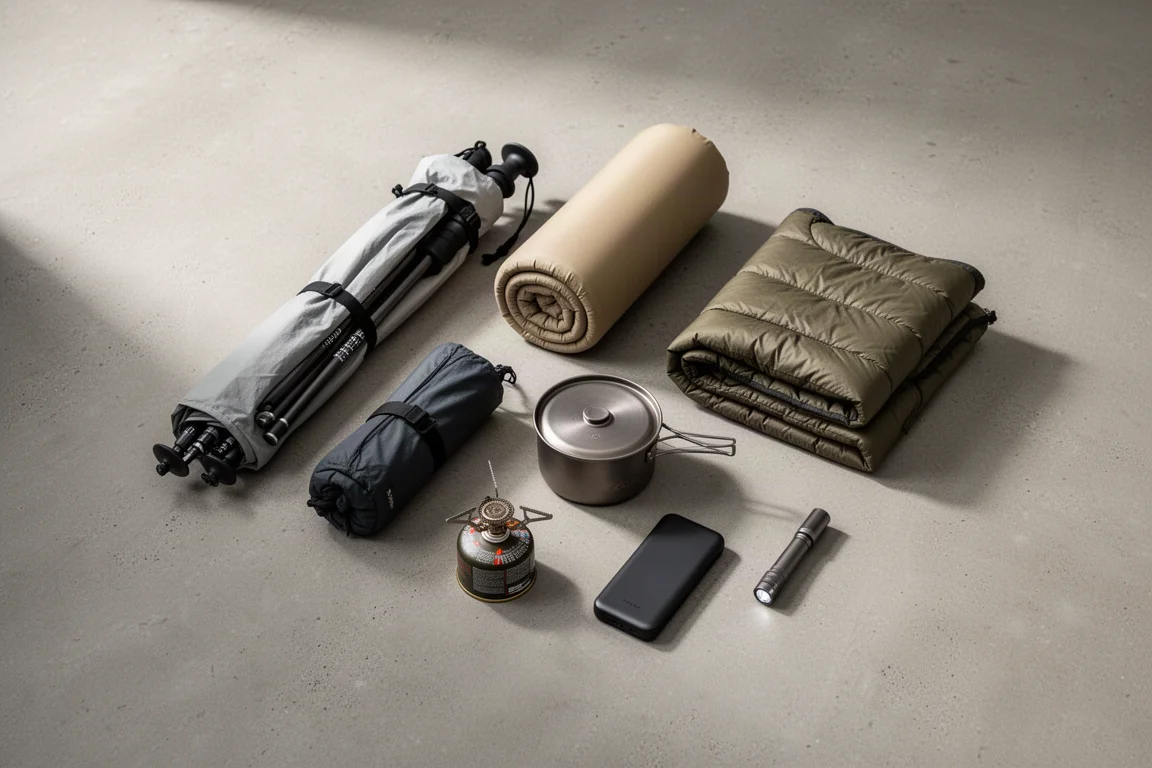
Some pieces of backpacking gear earn their reputation slowly, through seasons of use rather than loud marketing. The ten items below are the ones ultralight backpackers keep coming back to, and together they cover a wide spread of needs: hygiene, hydration, food storage, shelter hardware, field repair and oral care.
A few of these are close to universal. Others are more specialized, and one or two will only make sense for particular trips and particular conditions. This guide walks through what each item does, where it genuinely helps, and the trade-offs worth weighing before it goes into your pack.
What Makes These Picks Worth Considering
Ultralight does not automatically mean better. The gear that survives a full season of trips is the gear that solves a real problem without adding fragility, and that is the standard applied here. Every item on this list is small, focused and relatively inexpensive compared with a major purchase like a shelter or a sleeping bag, which makes them low-risk additions to an existing kit.
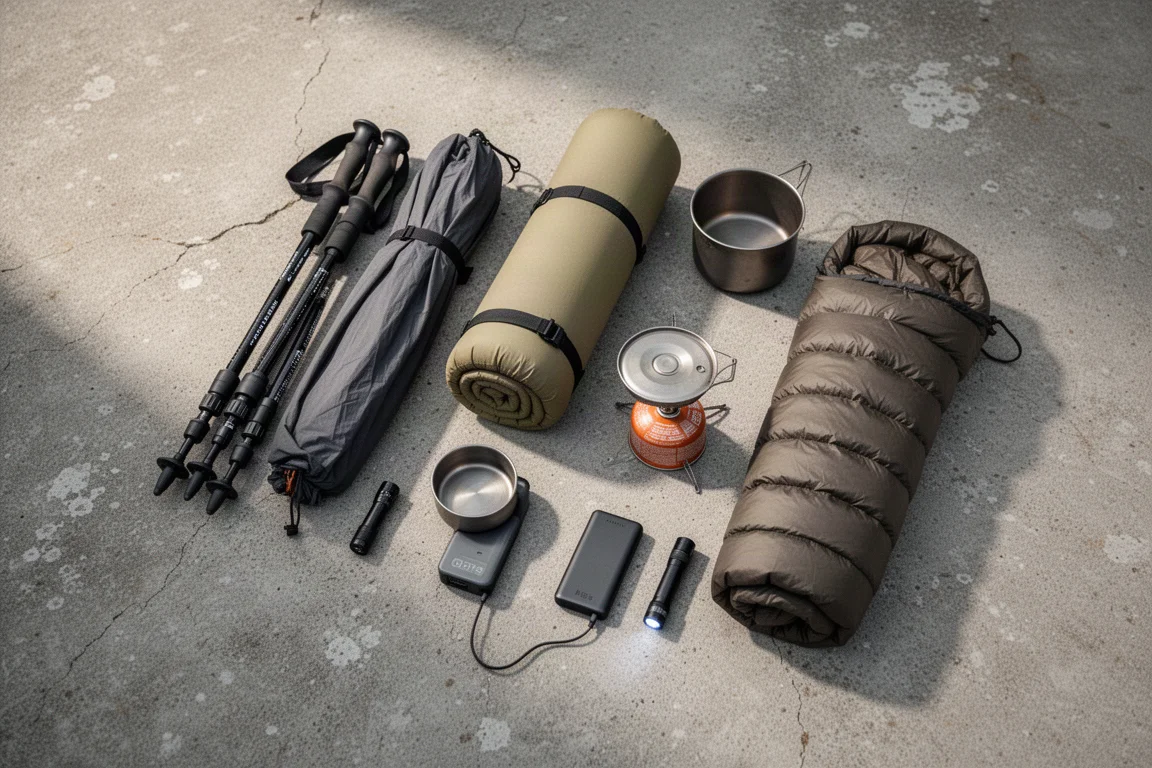
It is also worth being honest about the limits. Several of these items exist to serve a very specific scenario, and if you never hike in that scenario, they will sit in a drawer. The notes below call that out rather than pretending every product is for everyone.
CuloClean Portable Bidet: Trail Hygiene Without the Paper
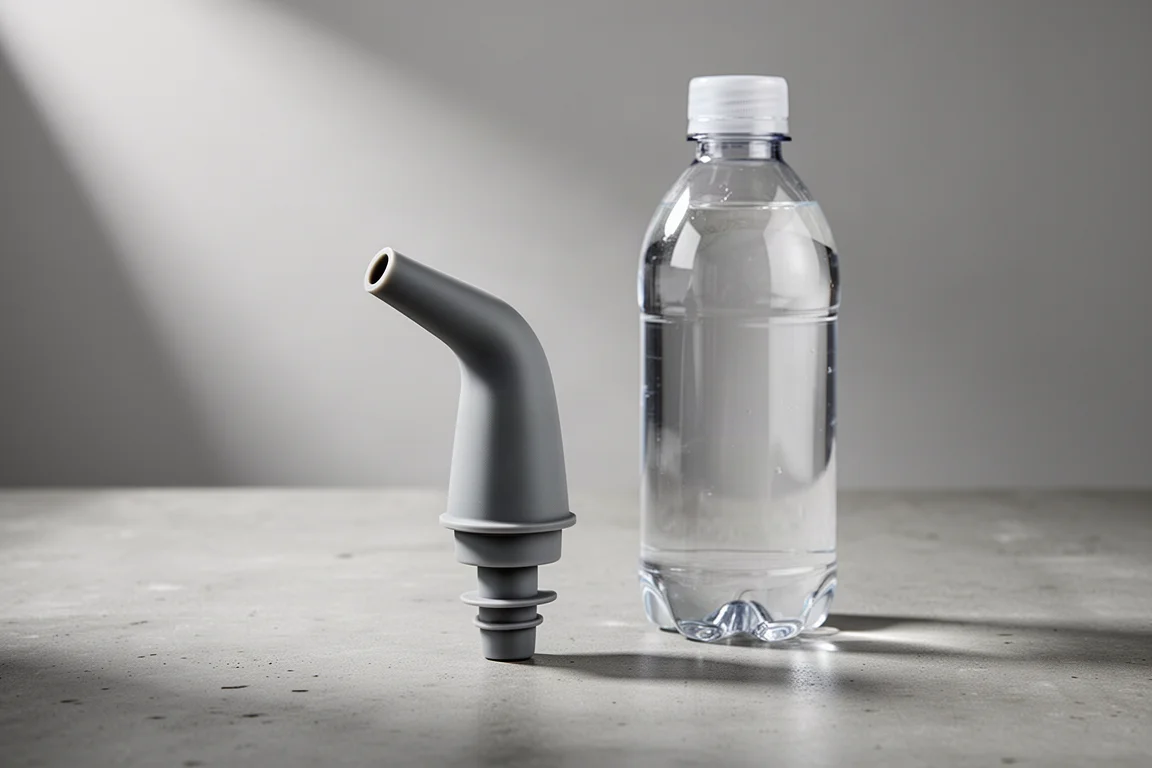
The CuloClean is a portable bidet that fits onto the top of a water bottle. Rather than screwing onto the threads, it plugs into the bottle opening, which makes it quick to attach and remove with one hand. That detail matters more than it first appears, because the usual routine involves taking the bidet off, drinking a mouthful of water and using that to rinse your hands afterwards.
It is a personal hygiene tool, and it will not suit every hiker. Anyone who prefers a familiar bathroom routine may find it unnecessary. For backpackers looking to cut down on toilet paper and stay clean on longer stretches between resupply, it is a compact and very light addition to a bottle you are already carrying.
One Bottle System: Bladder-Style Drinking From a Bottle
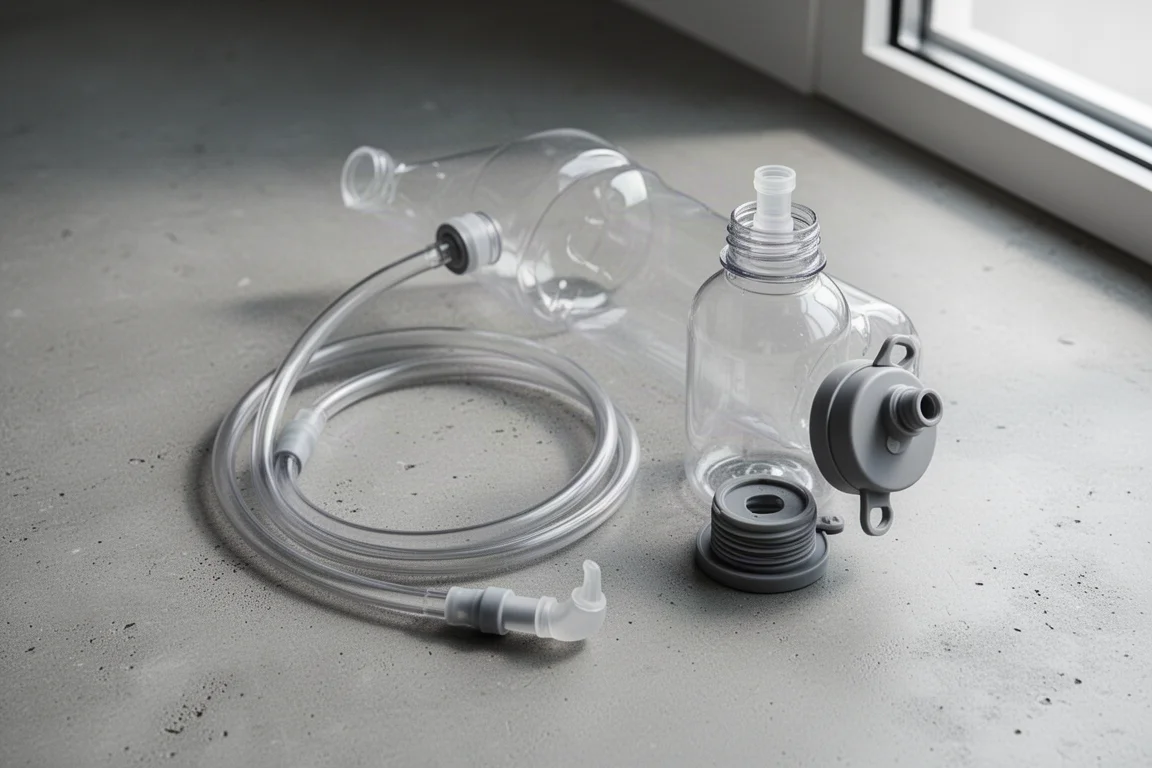
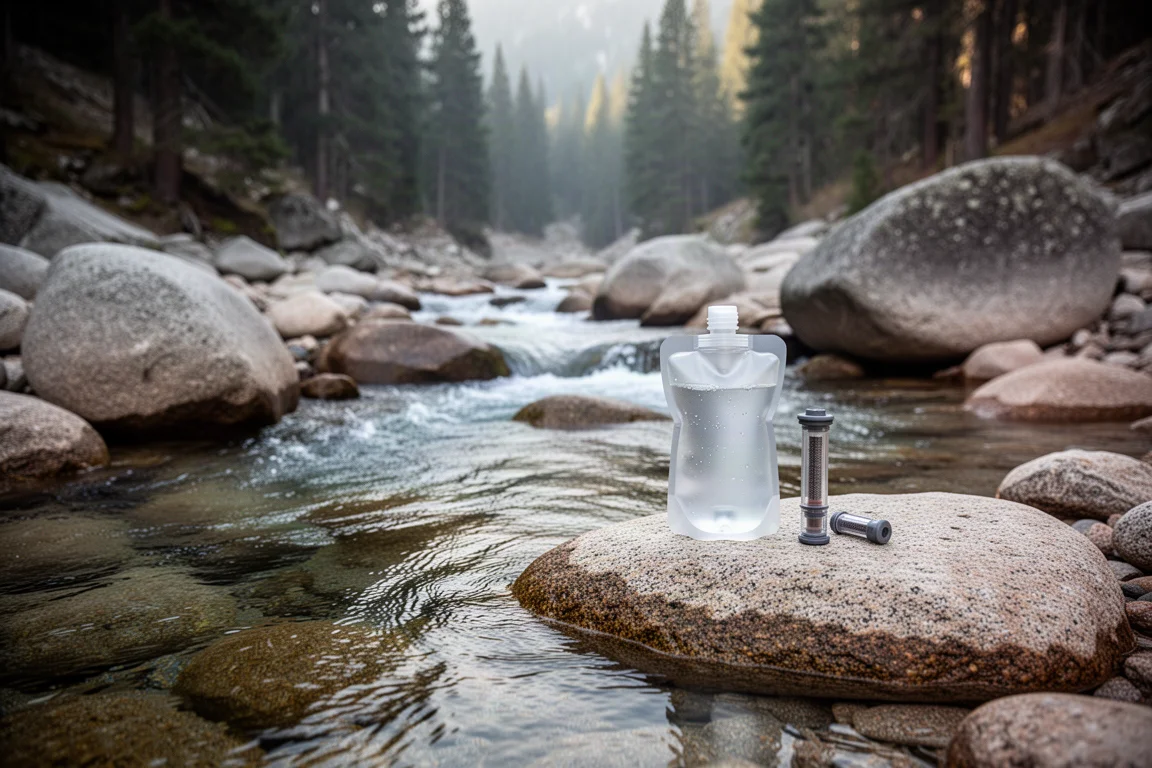
The One Bottle System turns an ordinary water bottle into a hands-free drinking setup. A tube attaches to the lid using the appropriate adapter, so it works with bottles such as Nalgene or Smartwater. You drop the bottle into a side pocket, run the hose over your shoulder, and sip from the mouthpiece just like a hydration bladder.
Two practical advantages stand out. It is far easier to see how much water remains in a clear bottle than inside an opaque bladder, and refilling is simpler because you are not wrestling a reservoir in and out of your pack. The system is most appealing for packs with side pockets that are hard to reach, where a shoulder hose removes the need to stretch behind you mid-stride. If your pack already has easy-to-reach pockets, the case for it is much weaker.
Smelly Proof Bags: Odor Control and Durable Organization
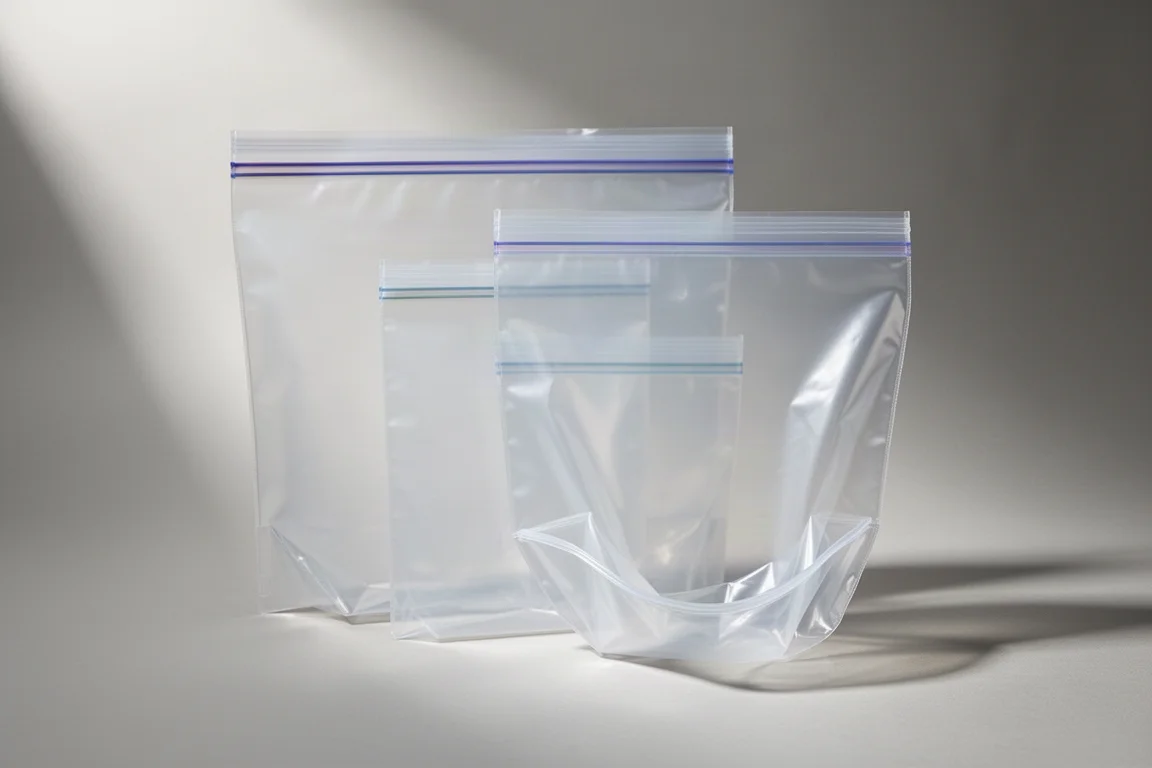
Smelly Proof bags are heavy-duty resealable bags built with more odor protection than a standard food bag. In bear country, extra odor control when packing food is a meaningful benefit, and the same durability makes them useful as long-term organizers for small items that would otherwise rattle around loose in a pack.
They come in a range of sizes, and some options have curved bottoms that let the bag expand a little and make it easier to eat straight from the bag, which is handy for cold soaking. They are dishwasher safe but rated only to 88 degrees Celsius, so hot water is fine while boiling water is not. At close to the weight of an ordinary resealable bag, they are an easy upgrade.
MSR Groundhog Tent Stakes: Reliable Holding Power
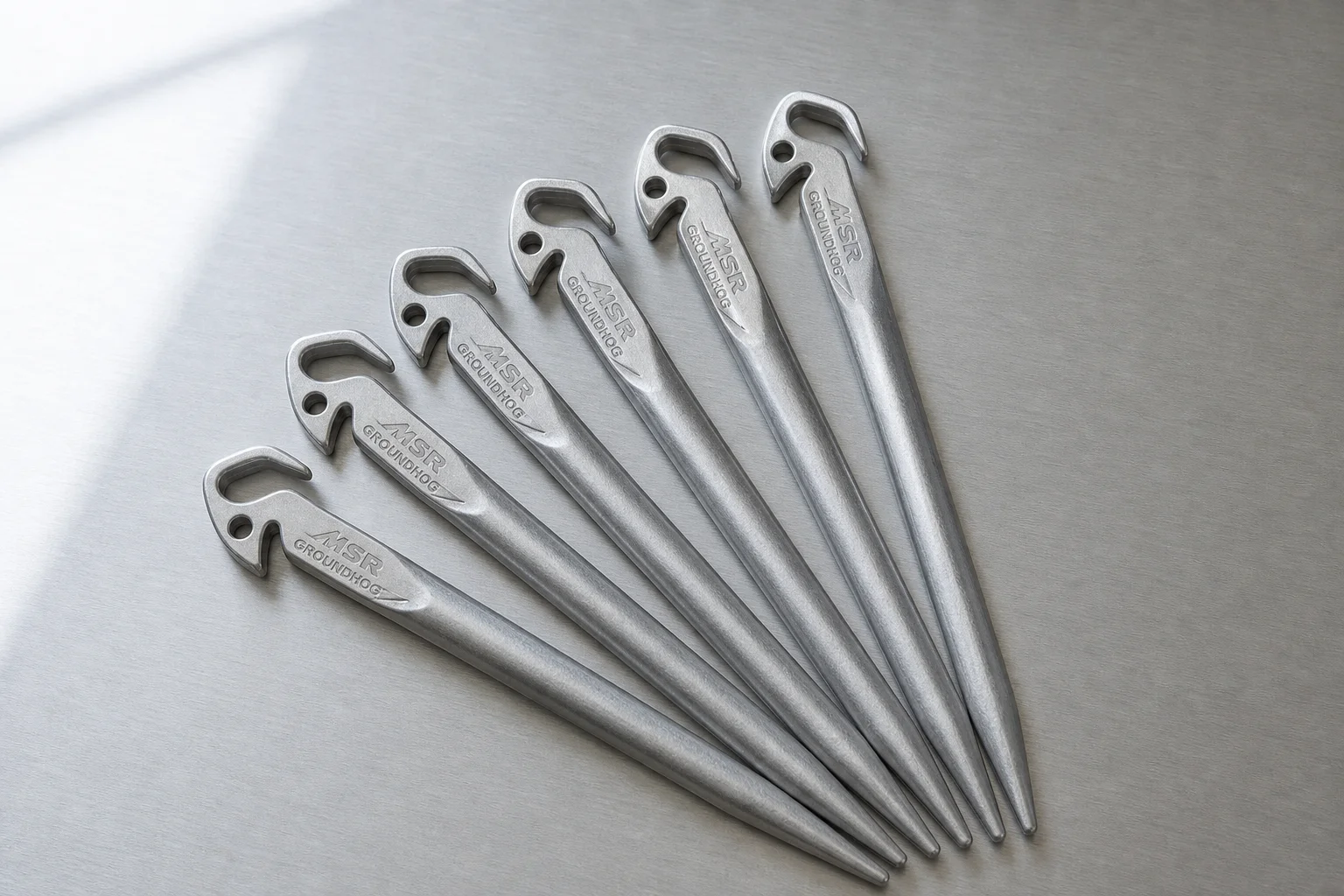
The Groundhog is one of the most proven tent stakes around. It holds well across a wide range of ground, it is durable enough to take a hammering, and it stays relatively affordable compared with many alternatives. It is not the lightest stake available, which is worth noting for anyone counting grams, but reliability and price are difficult to argue with.
Lighter options such as the Big Sky Tube Stake and the MSR Carbon Core Stakes have their place, particularly at non-critical points on a shelter, but they cost more. For the corners that carry the real load, a heavier-duty stake like the Groundhog remains the safer choice.
Big Sky Tube Stake: A Lighter Stake for Weight-Conscious Kits
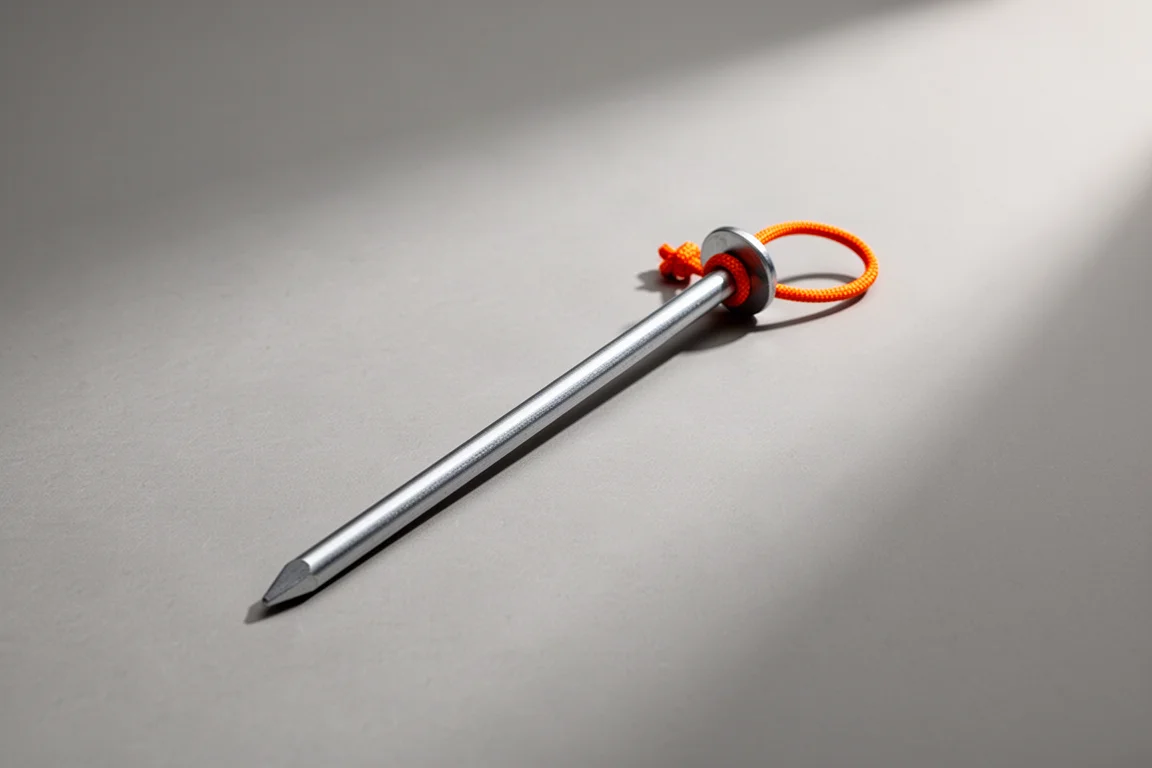
The Big Sky Tube Stake is a more ultralight alternative to a stake like the Groundhog. It trades some of that heavier-duty feel for a lower weight, which is exactly the compromise ultralight backpackers are usually willing to make when every gram is accounted for.
It is also more expensive, so it makes the most sense for hikers who have already trimmed weight elsewhere and are now looking at shelter hardware as the next place to save. Using lighter stakes at key points while keeping heavier stakes for the highest-load corners is a reasonable middle ground.
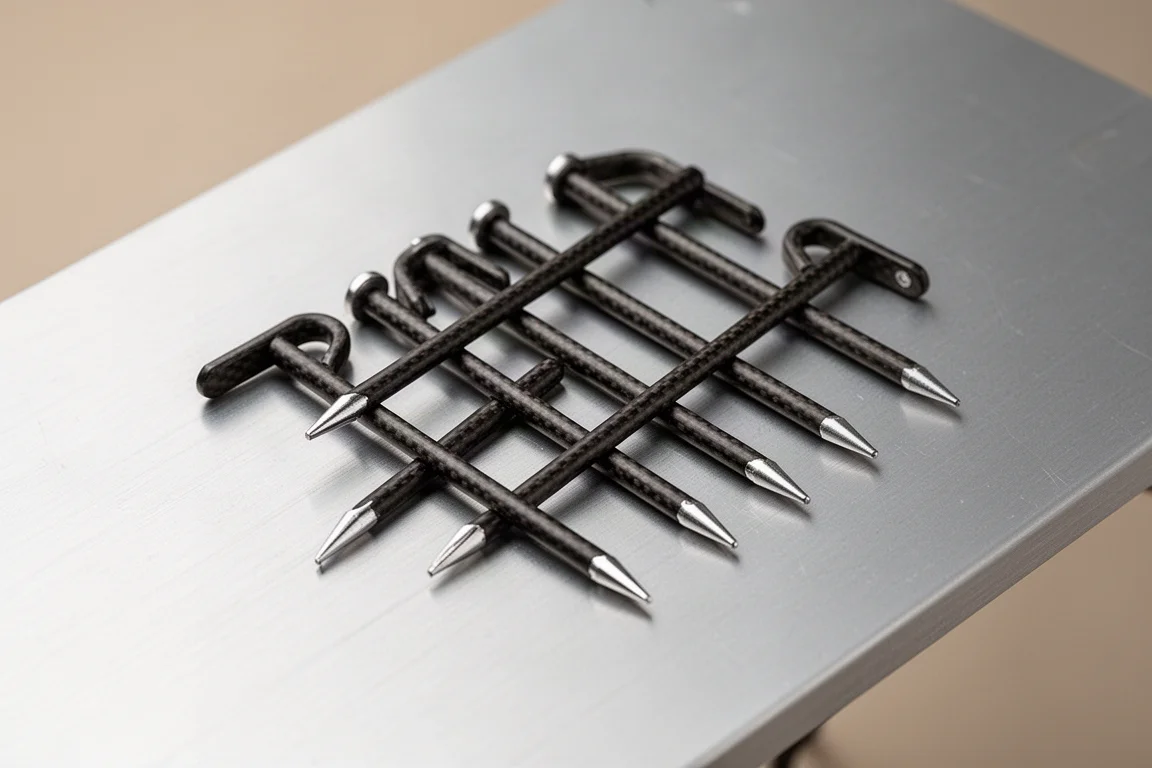
MSR Carbon Core Stakes: Small Stakes for Non-Critical Points
The MSR Carbon Core Stakes are smaller and lighter than a full-size stake, and they work well at the points on a tent that do not take much load. Think of them as a way to shave weight from a shelter without giving up holding power where it genuinely matters.
Like other ultralight hardware, they carry a higher price than the standard option. If your shelter has a few tie-out points that only need light anchoring, these are a practical place to save weight without compromising the corners.
Big Sky Food Pouch: Keeping Meals Warm in Cold Conditions
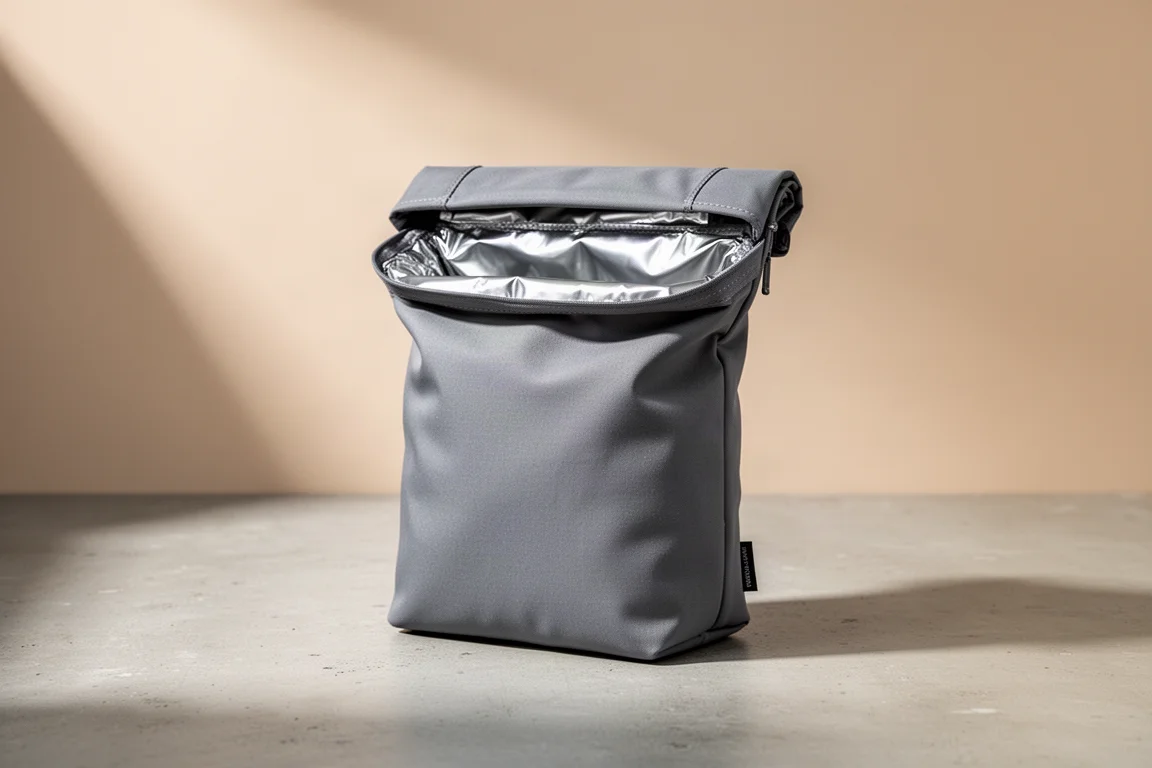
The Big Sky Food Pouch is an insulated pouch designed to help rehydrated meals stay warm. You rehydrate your meal as usual, then eat from the pouch, which holds the heat while you take your time over dinner. In subfreezing temperatures, that makes a real difference to how enjoyable a meal is at the end of a long day.
It is a specialized item, and it is most useful when conditions are genuinely cold. Around freezing or just below, plenty of backpackers simply tuck a rehydrating meal inside a down jacket instead. The food pouch earns its place when temperatures drop far enough that an extra layer of insulation around the meal actually matters.
Ingenious Repair Kit: Everything for Field Repairs in One Pouch
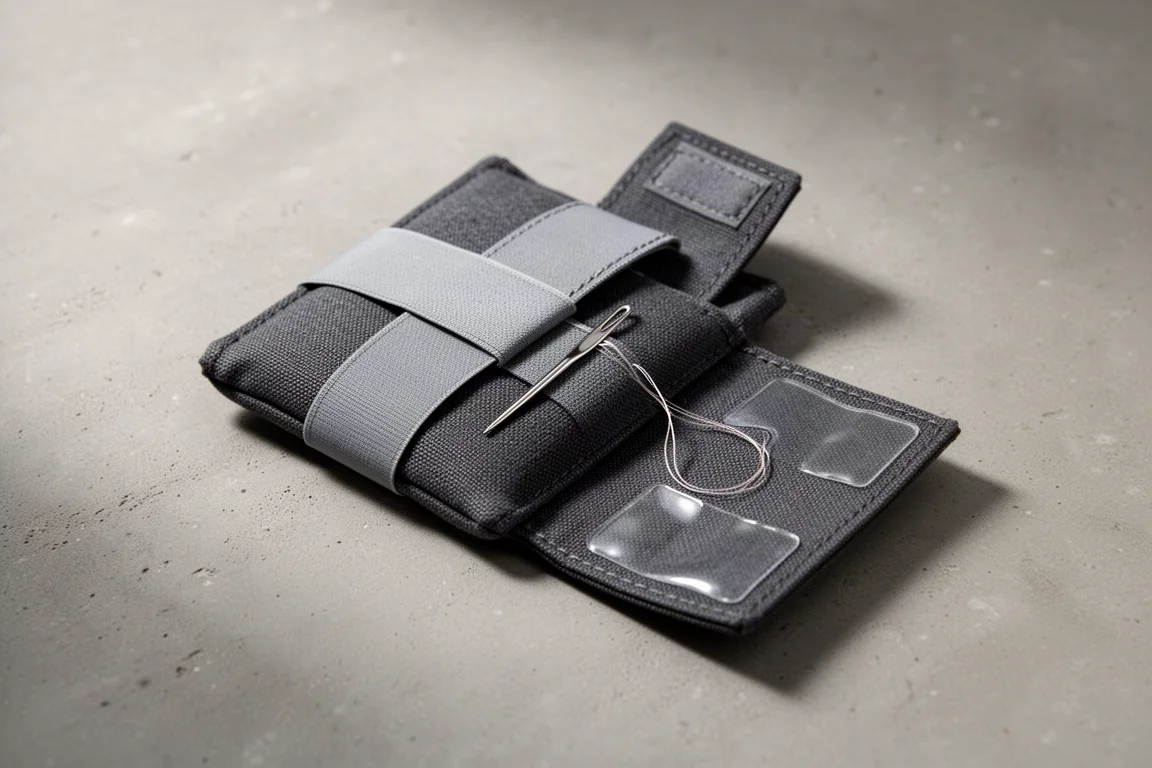
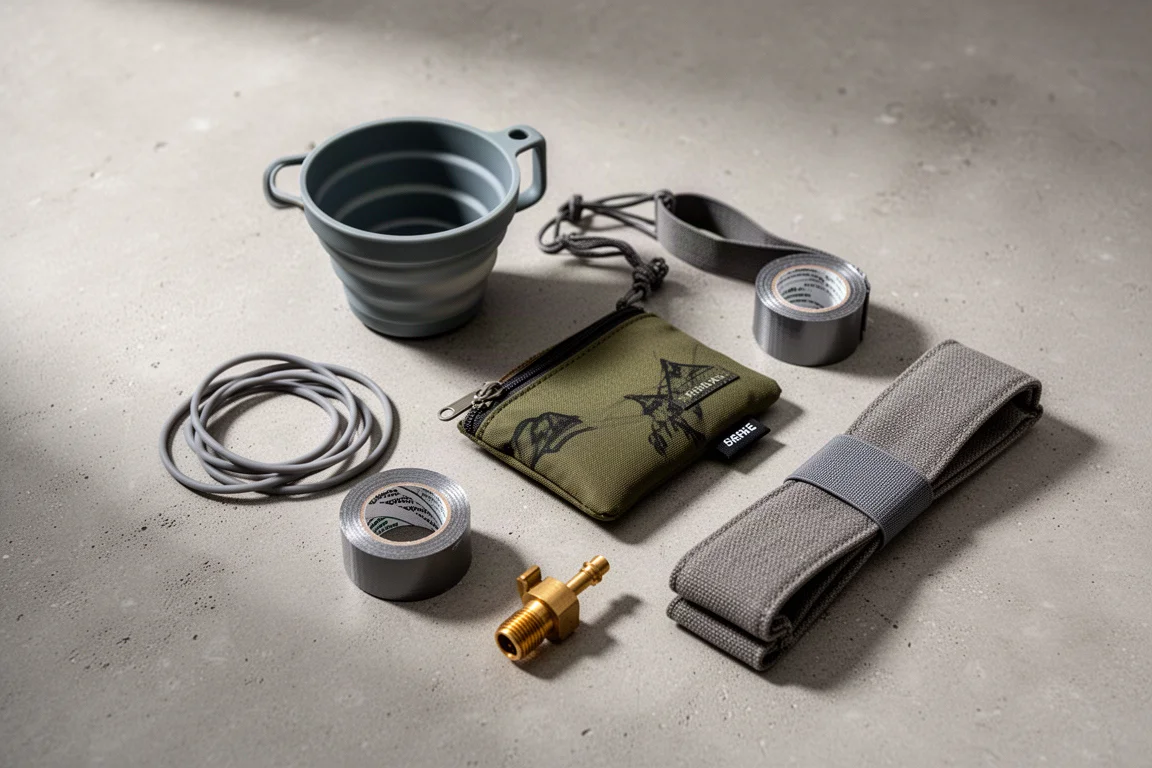
The Ingenious Repair Kit is a full-size, all-in-one repair kit. Gorilla tape wraps around the outside for quick patches, a needle and thread tuck under a small flap for sewing, and patches for inflatables or tougher repairs sit under a flap on the other side. It is compact and lightweight, and it removes the guesswork of assembling a repair kit piece by piece.
That completeness is the point. Items like a needle, thread and tiny patch kits are easy to leave behind because they are easy to lose, and they are exactly what you want when a down jacket tears or a sleeping pad springs a leak far from the trailhead.
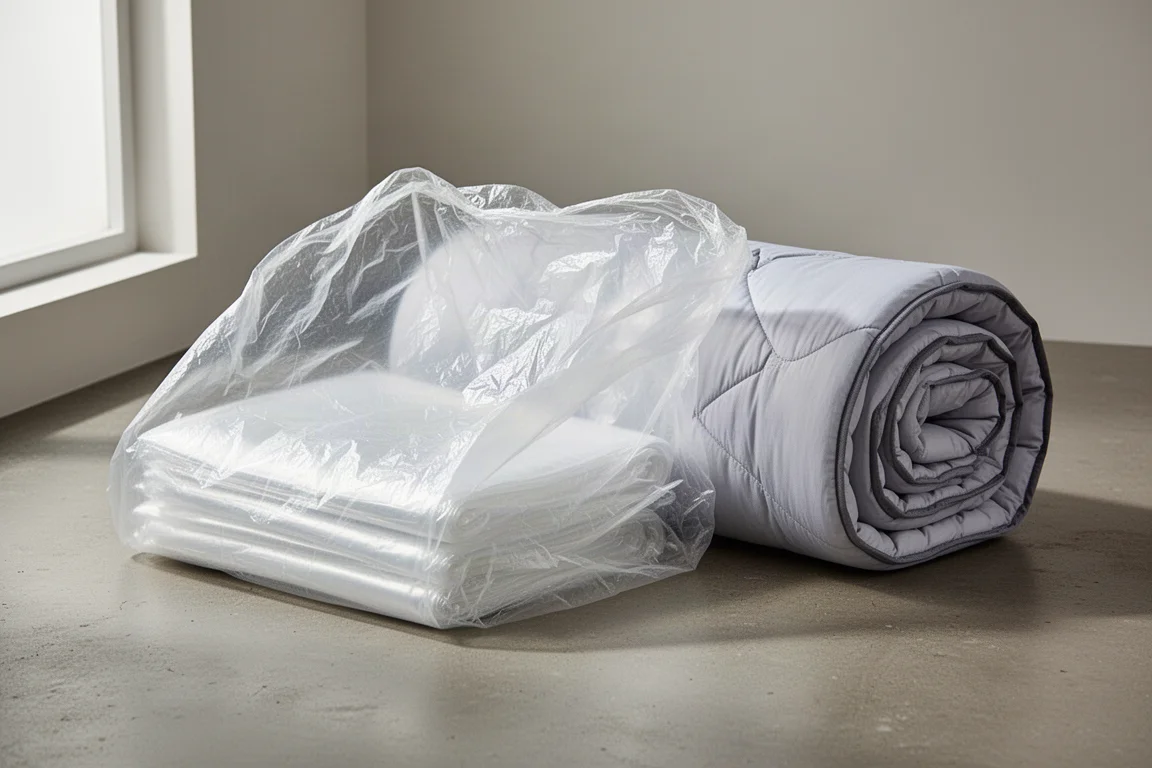
Nylofume Pack Liner: Lightweight Waterproofing for Your Pack
A pack liner is close to standard practice now, and the Nylofume liner is the lightest and one of the cheapest options available. You put it inside your pack, load everything you want to keep dry into it, twist the top closed and tuck the end down the side of the pack. It does a very effective job of keeping rain and moisture away from your gear.
Durability is the trade-off. These liners are not the toughest material out there, but keeping the liner inside the pack and loading and unloading while it stays in place avoids most of the wear. Used that way, a single liner can hold up for years of trips. A three-pack is also a far cheaper and simpler purchase than buying a large box of compactor bags.
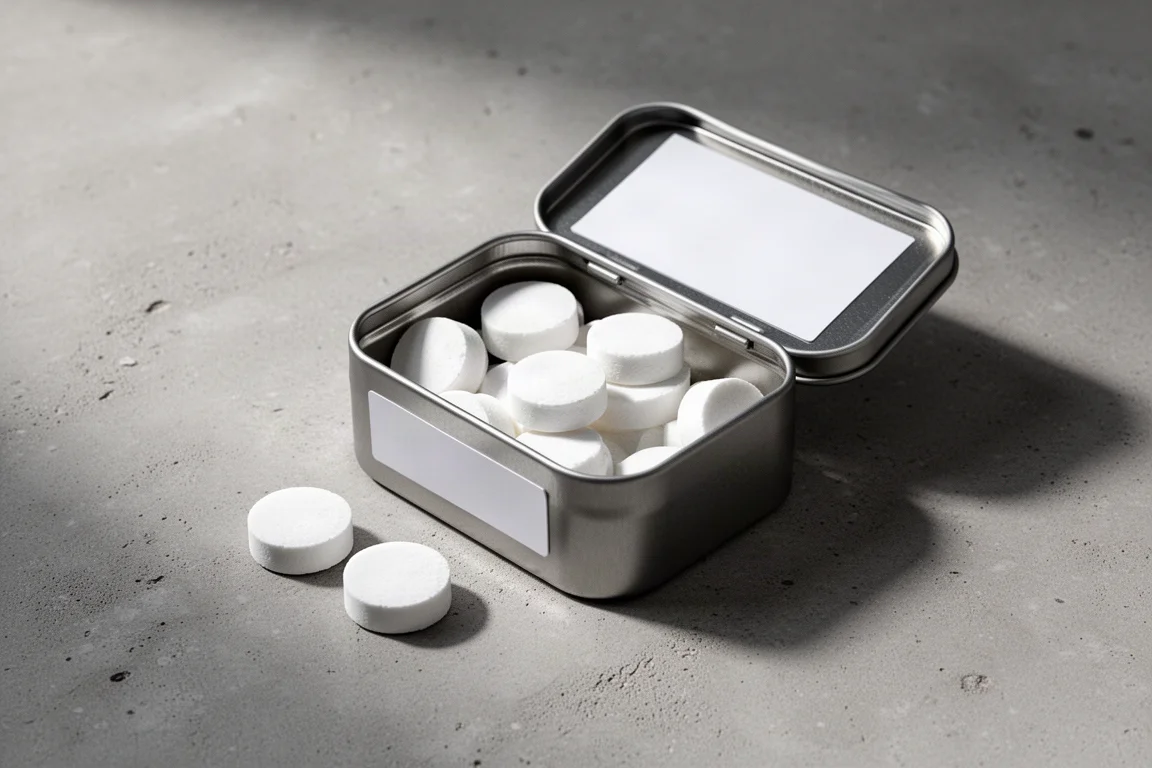
Unpaste Toothpaste Tablets: Lightweight Oral Care
Unpaste Toothpaste Tablets replace a tube of toothpaste with small tablets that you chew and then brush with as normal. They come in fluorinated and unfluorinated versions, so you can pick the formulation you prefer.
The appeal is weight and precision. You bring only as many tablets as your trip requires, which is much lighter than a full tube for an overnight or a weekend, and it makes resupply planning straightforward on longer routes where supplies are portioned out section by section.
Buying Advice: Matching Gear to Your Trip
The common thread across this list is that none of these items is complicated. They are small, focused tools that solve specific problems, and most cost less than a single major piece of gear. That makes them low-risk additions, but it also means they are only worth carrying if the problem they solve is one you actually have.
Work through your own trips before buying. If you drink from bottles and refill often, a hydration adapter earns its place. If you hike in bear country, odor-resistant food storage matters far more. If your shelter is already dialed in, lighter stakes are a logical next step. Buying for the conditions you actually hike in will always beat buying for the conditions you imagine.
Conclusion
These ten items are popular because they work, not because they are fashionable. The strongest buys here are the ones that quietly remove a small friction point from a trip: a liner that keeps your sleeping bag dry, a repair kit that saves a jacket, a set of stakes that holds when the wind picks up.
If you are building out an ultralight kit, start with the items that match the trips on your calendar this season, and let the rest wait. The best gear is the gear that gets used.
Further reading
Related Reviews

Backpacking Gear
Building a 10 lb Base Weight: An Ultralight Backpacking Gear List
A practical walkthrough of the ultralight pieces behind a 10 lb base weight, from a 765 g pack and a roomy one-person tent to a full camp chair and a dependable water filter.
Backpacking Gear
A 15-Pound Lightweight Backpacking Gear List for Solo Trips
A beginner-friendly 15-pound backpacking setup built from easy-to-find gear, with notes on what each piece does, how it packs, and where to spend your attention.
Backpacking Gear
8 Ultralight Backpacking Gear Upgrades Worth Carrying
Eight small, affordable backpacking upgrades that solve real trail annoyances, from a pillow that stays put to a fuel valve that rescues leftover canister gas.