Backpacking Cookware
Best Ultralight Backpacking Cook System: Toaks Titanium Alcohol Stove Setup
A four-piece titanium alcohol stove cook system that comes in under five ounces, with notes on pot capacity, fuel planning, and when a canister stove still makes sense.
Introduction
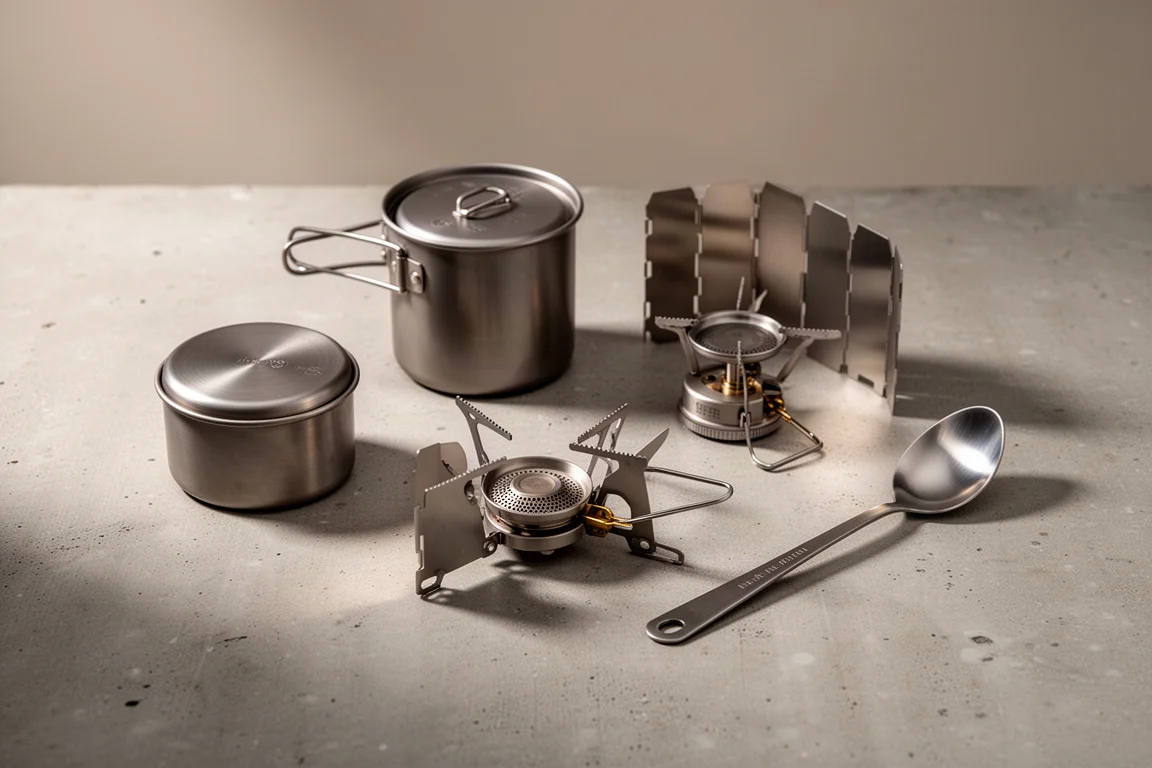
A backpacking cook system is one of the quietest decisions on a kit list. It has to boil water reliably, pack down small, and stay light enough that you stop thinking about it. The setup in this guide is built from four titanium Toaks components that work together as a single ultralight alcohol stove system: a 550ml pot, a siphon alcohol stove, a folding windscreen, and a long-handled spoon with a polished bowl. Together, all four items come in under five ounces, which is a substantial saving next to the all-in-one canister systems many hikers start with. Below is what each piece does, how the parts fit together, and what is worth weighing up before you commit.
What to Look For in an Ultralight Cook System
Most trail cooking comes down to boiling water. Rehydration meals typically need two cups of water or less, so a pot that carries two cups covers the overwhelming majority of what you will actually cook outdoors.
That single requirement reshapes the whole decision. Multi-cup sets, stacked pots, and bundled accessory kits look reassuring on a spec sheet, but they add weight and volume for capacity you are unlikely to use. The more useful question is whether a system boils the water you need, packs into the space you have, and keeps the fuel load small.
Three things tend to matter most: capacity that matches one meal, a burner that produces enough heat to boil quickly, and wind protection that keeps the flame doing useful work. Get those right and the rest is detail.
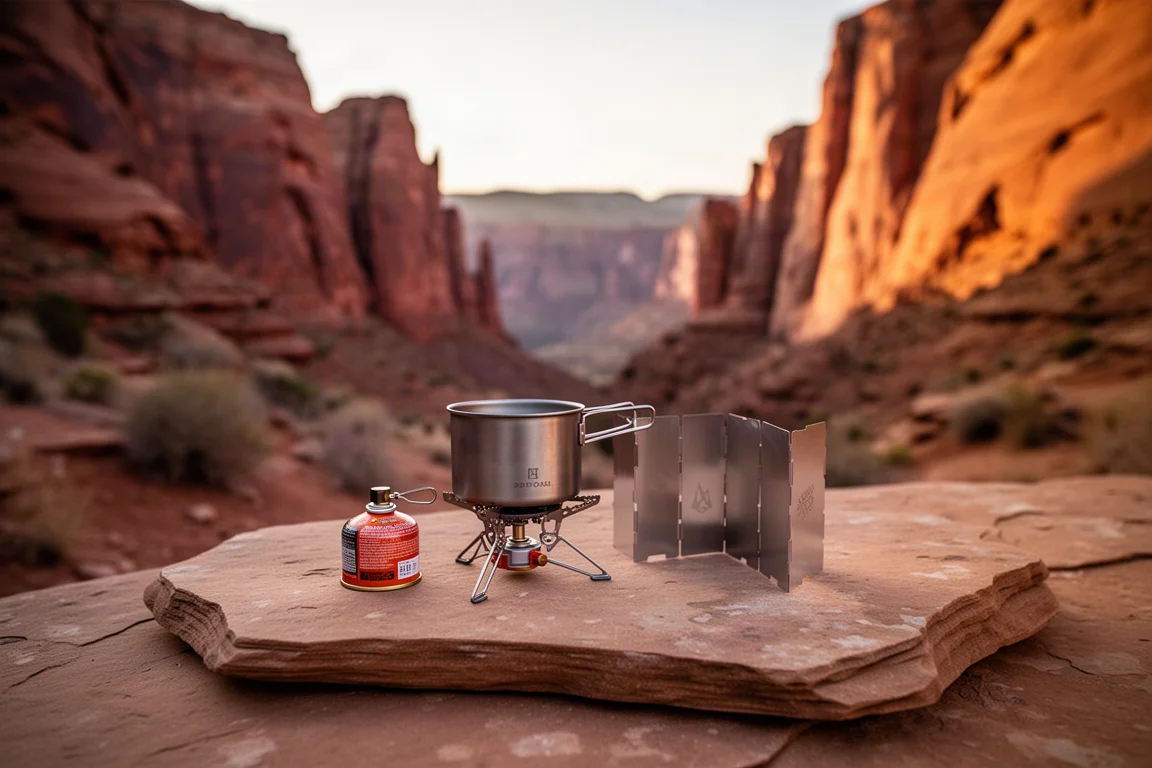
Weight is the other half of the equation. A conventional all-in-one canister system in the Jetboil style typically lands around 13 to 14 ounces before you even add a spoon, so moving to a titanium alcohol setup is a significant reduction rather than a marginal one. The trade-off is that you give up the integrated convenience of a single sealed unit and accept a small amount of hands-on fuel handling.
Toaks 550ml Titanium Pot
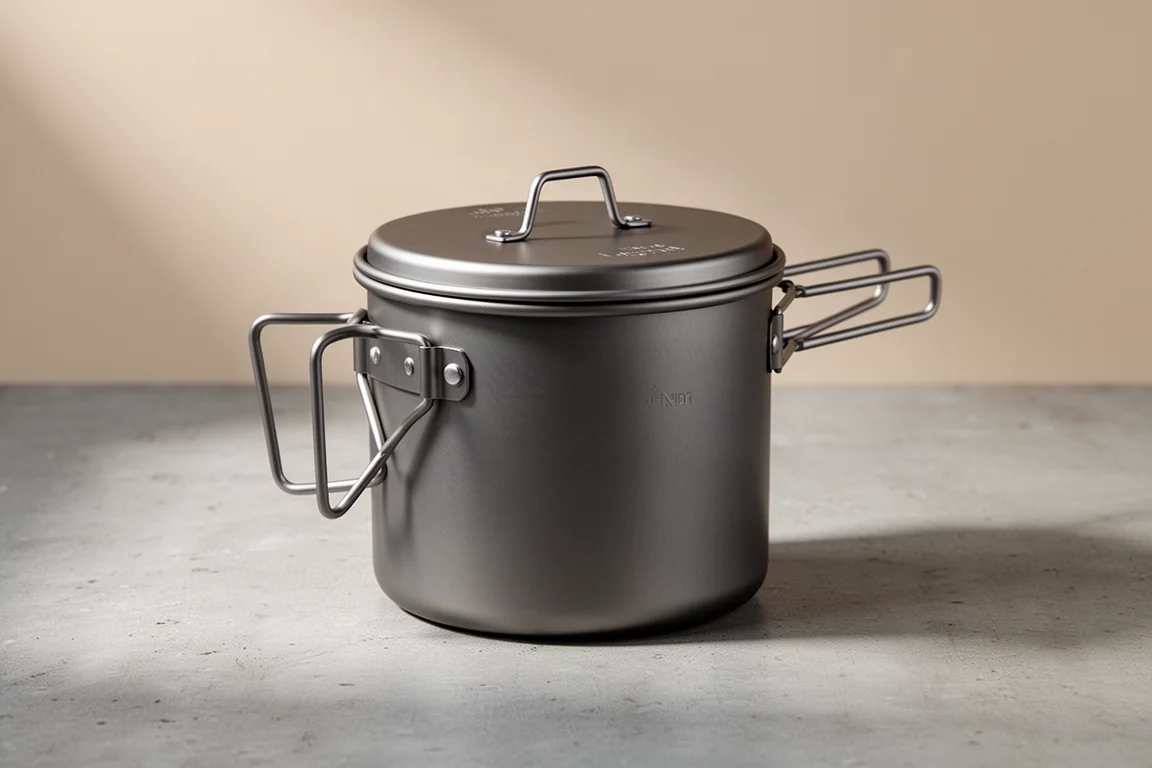
The 550ml pot is the anchor of the system. It holds two cups of water, which lines up neatly with the standard rehydration meal, and it covers the great majority of what you will cook on a typical trip. Larger pots exist and can make sense for group cooking, but for solo use and lightweight two-person trips the 550ml size is the practical sweet spot.
Titanium keeps the pot light without making it fragile, and the compact body means the stove and other small items nest inside it rather than taking up separate space in your pack. That nesting matters more than it sounds. A cook system that packs as one object is easier to keep track of, easier to load, and less likely to be left behind on a shelter shelf.
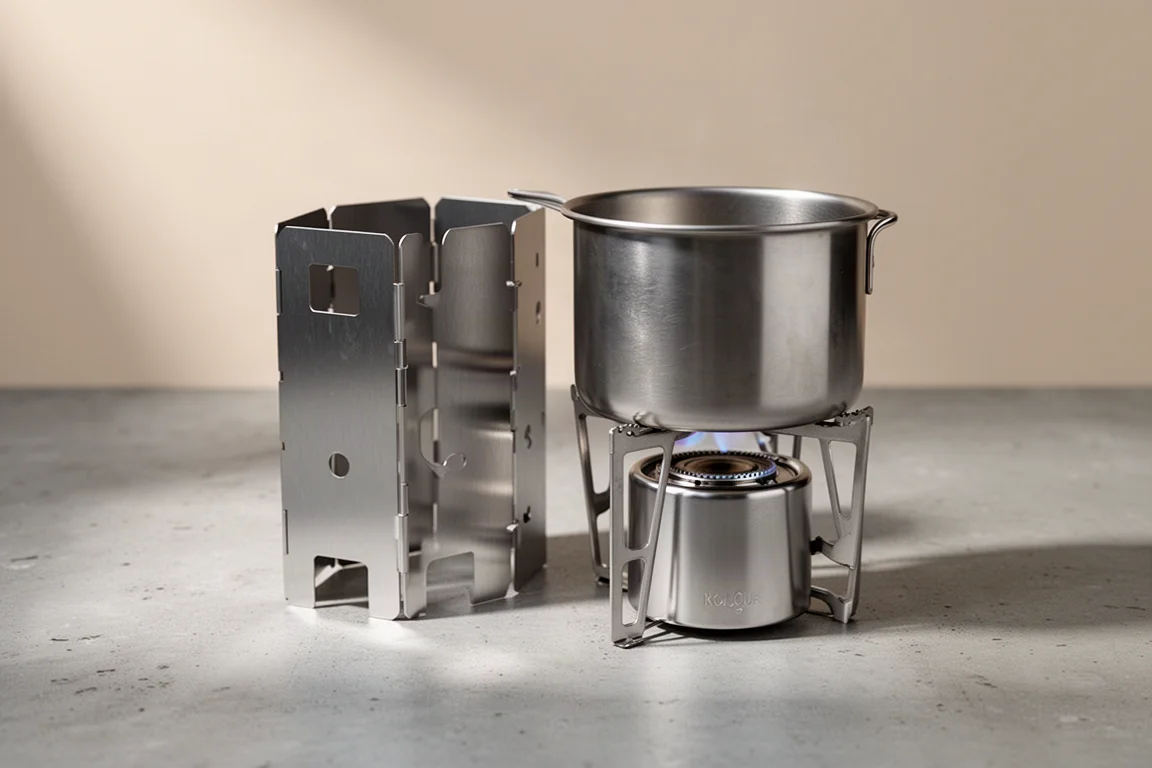
Toaks Siphon Alcohol Stove
Alcohol stoves have a reputation for being slow, and the siphon design addresses that directly. It puts out more heat than many comparable alcohol stoves, which shortens the wait between setting up camp and eating a hot meal.
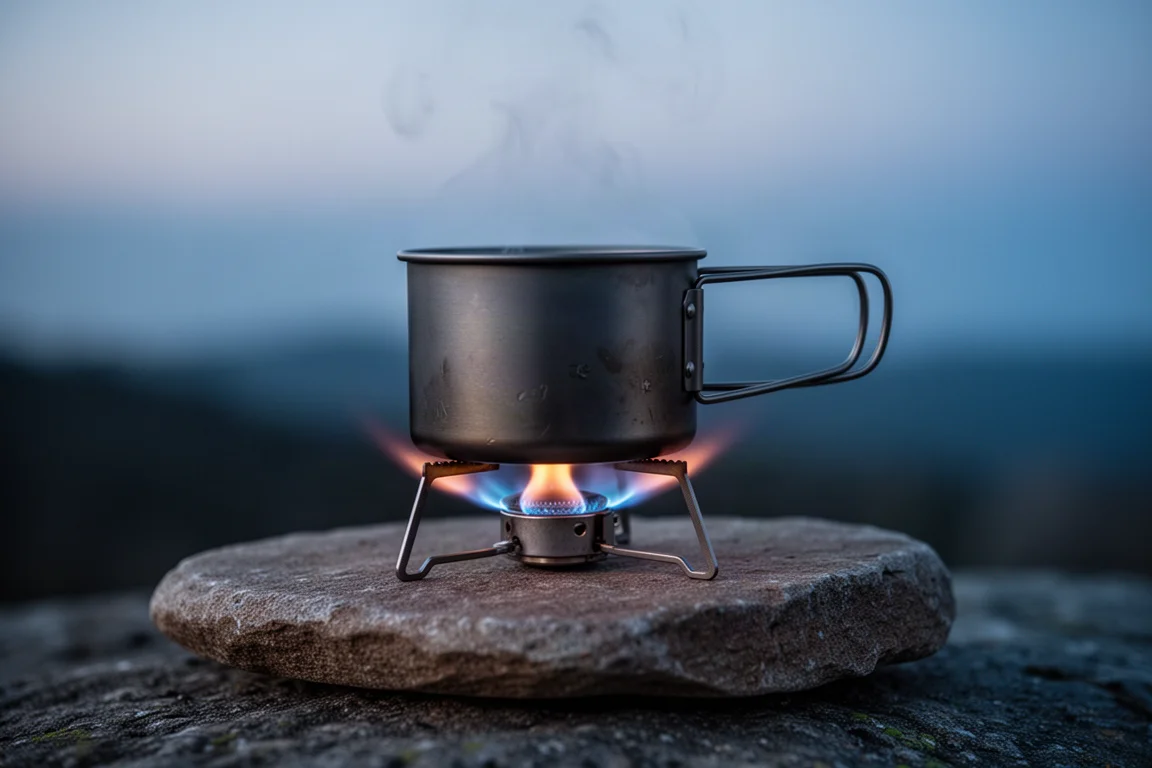
For shorter trips the fuel argument is just as strong as the weight argument. A small bottle of alcohol fuel is enough for a couple of days of cooking and weighs only a couple of ounces, where a gas canister adds considerably more to the pack. If your trips run a few nights at a time, that difference is noticeable every time you shoulder the pack.
Toaks Titanium Windscreen
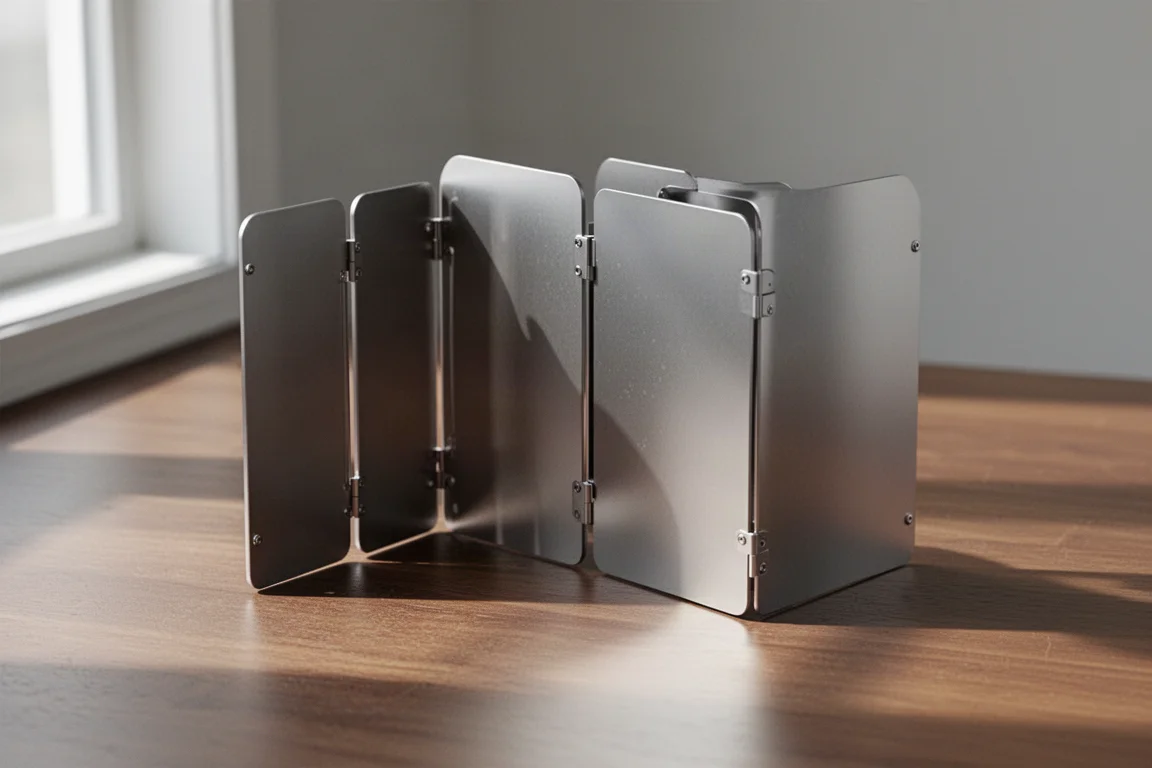
A windscreen is the least glamorous part of a cook system and one of the most useful. An alcohol flame loses efficiency quickly in moving air, and open campsites offer plenty of it.
This titanium windscreen ships as four separate panels, which gives you a straightforward way to trim weight: running three panels instead of four cuts a little bulk while still shielding the burner in most conditions. It folds flat, so it slides into the pot alongside the stove and stays with the rest of the kit.
Toaks Long-Handled Spoon
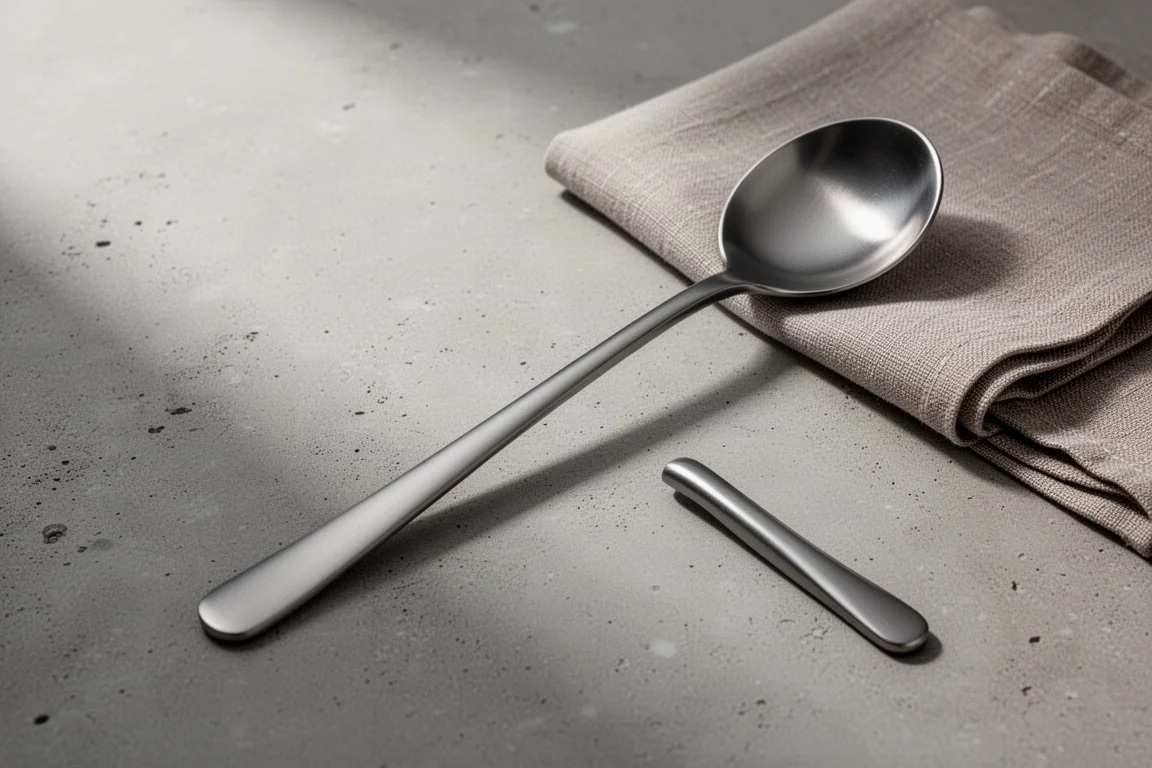
The long-handled spoon with a polished bowl is a small item that earns its place. The extended handle reaches the bottom of a rehydration pouch without turning your knuckles into a mess, and the polished bowl wipes clean easily, which matters when washing-up water is a limited resource.
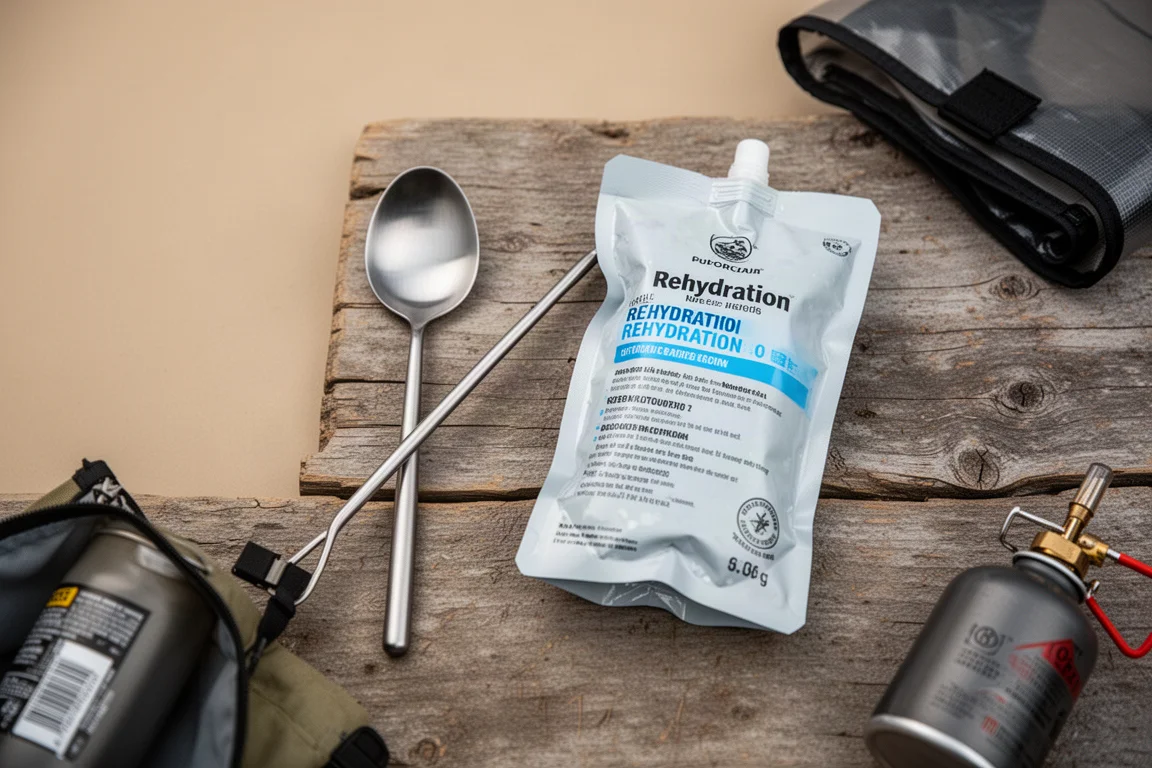
In titanium it adds almost nothing to the base weight of the kit, and it is the final piece that brings the complete four-item setup in under five ounces. A simple utensil that does one job well is a better use of pack space than a folding multi-tool that is awkward to eat with.
Fuel Planning and Trip Length
Fuel is where alcohol systems separate themselves from canister stoves. A small bottle of alcohol covers a couple of days of cooking and weighs only a couple of ounces, so on a short trip the fuel load stays close to negligible. A gas canister, by comparison, adds a meaningful chunk of weight and a fixed container you have to carry out again.
There is a genuine break-even point worth knowing about. Around the seven-day mark, the calculation between alcohol and canister stoves starts to even out, because longer trips mean more fuel volume either way. Shorter trips favour alcohol. Longer trips may favour a canister. Neither answer is wrong, it simply depends on how you actually travel.
Overall Buying Advice
The most useful thing you can do is resist over-complicating the cook system. It is an extremely important part of your kit, but it does not need to be a large one. A pot that carries two cups, a burner that heats quickly, a windscreen that folds flat, and a spoon that reaches the bottom of a pouch will handle nearly everything you do on the trail.
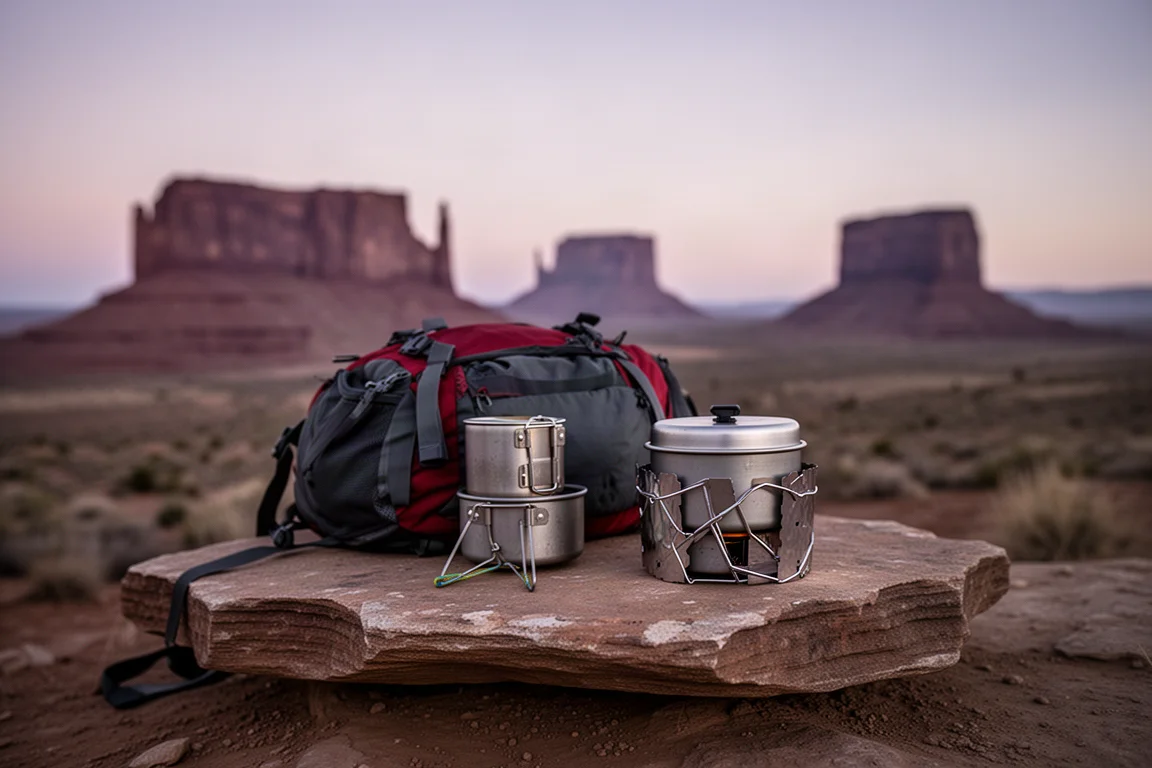
If you already own an all-in-one canister stove, an alcohol setup makes the most sense for shorter trips where fuel weight and pack volume matter most. If you regularly head out for a week or more, or you cook in exposed and windy terrain, the canister route can still be the better call. Buying the four titanium pieces as a set is the simplest path, since they nest together and the weights add up to a system that disappears into your pack.
Conclusion
This four-piece titanium setup works because every part has one clear job. The 550ml pot matches a single rehydration meal, the siphon stove heats faster than many alcohol burners, the windscreen folds flat and can be trimmed to three panels, and the long-handled spoon rounds out a complete kit under five ounces. For backpackers doing a few nights at a time, it is a light, compact, and genuinely practical way to eat well outdoors.
Further reading
Related Reviews
Backpacking Cookware
Best Backpacking Cook Kits and Stoves: Pots, Canister Stoves, and a Budget Setup That Works
A practical guide to backpacking pots and stoves, from ultralight titanium and solid fuel tablets to an all-in-one system and a budget kit that costs about as much as a takeout dinner.
Backpacking Cookware
Best Backpacking Cook Kits: Stoves and Pots for Simple, Reliable Meals
Nine stoves and pots that pair into dependable backpacking cook kits, from a budget canister stove to a heat exchanger pot built for fast, fuel-efficient boils.
Backpacking Cookware
Best Backpacking Cook Systems and Stoves: From Boiling Water to Backcountry Baking
Nine backcountry cook systems and stoves, from tiny alcohol burners and a budget canister stove to an all-in-one kit and cookware built for real backcountry baking.