Backcountry Gear
Best Ultralight Backcountry Gear 2026: 8 Picks for a Remote Alaska Traverse
Eight lightweight gear picks for a 400-mile wilderness route with no roads, trails, or towns, from bear-resistant food storage to a packable tenkara rod.
Introduction
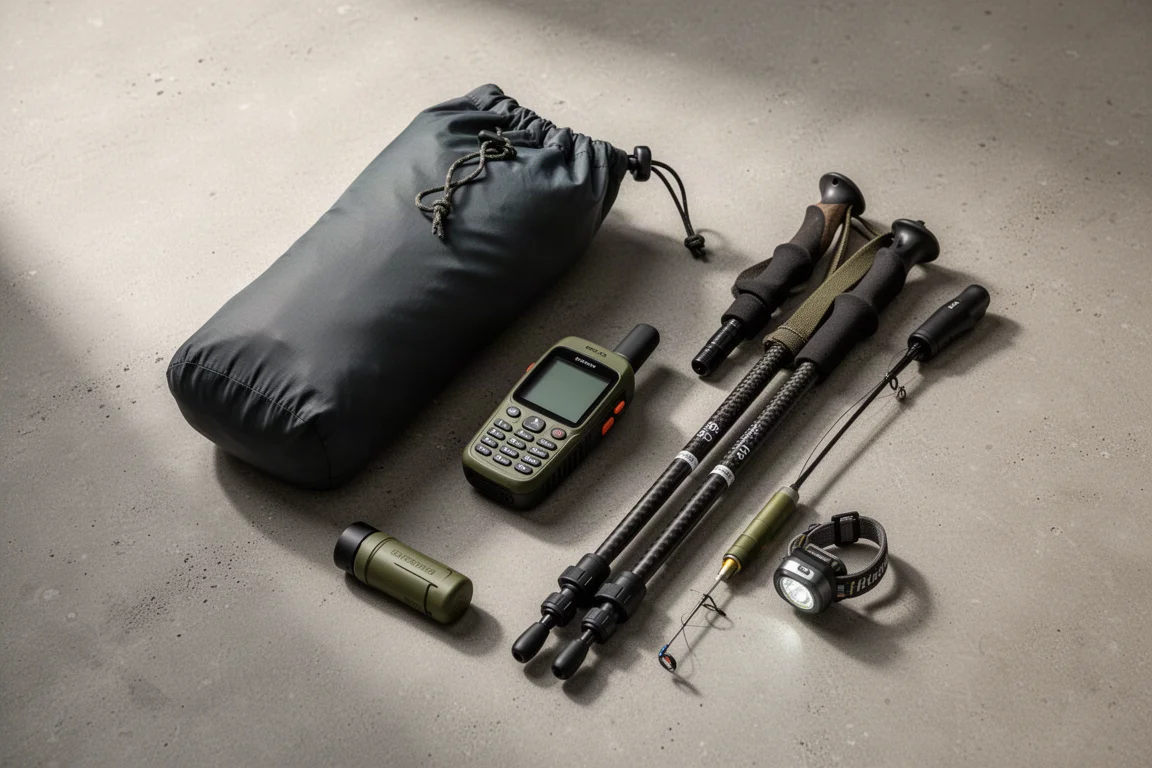
A 400-mile route through the Brooks Range, inside Gates of the Arctic, is a different kind of trip. There are no roads, no trails, and no towns along the way, so every item in the pack has to justify its place. Add a packraft, a paddle, and a PFD to the load, and the kit has to stay light while still covering safety, comfort, and enough fun to enjoy the miles.
This roundup covers eight pieces of gear chosen for exactly that balance. Some are proven items in a new form, and a few are small gadgets that simply make a pack tidier.
What This Kit Is Built For
Weight is the first filter, but it is not the only one. Because much of this route is travelled by packraft, gear also has to pack small enough to fit inside the boat, which means bulky items lose points even when they are light.
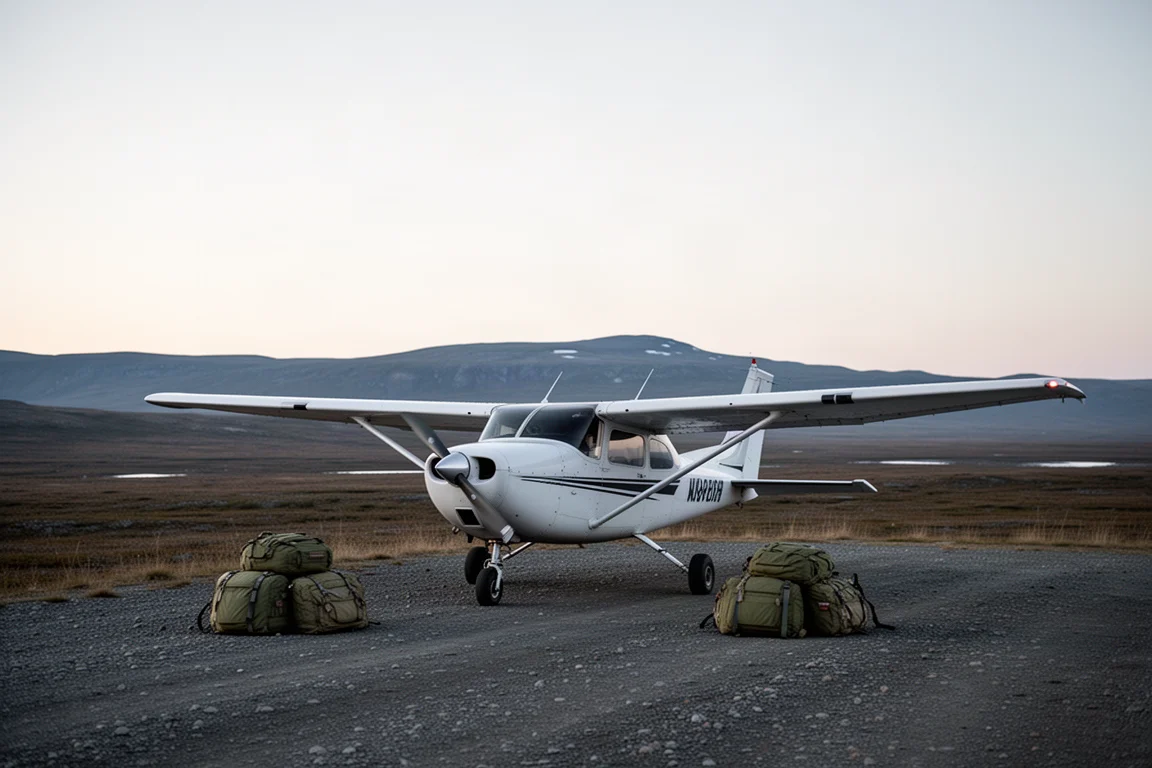
Resupply shapes the rest of the decisions. Food and fuel arrive by bush plane at intervals of roughly six to eight days, so storage capacity, fuel efficiency, and waste management matter far more than they would on a trail with regular town stops.
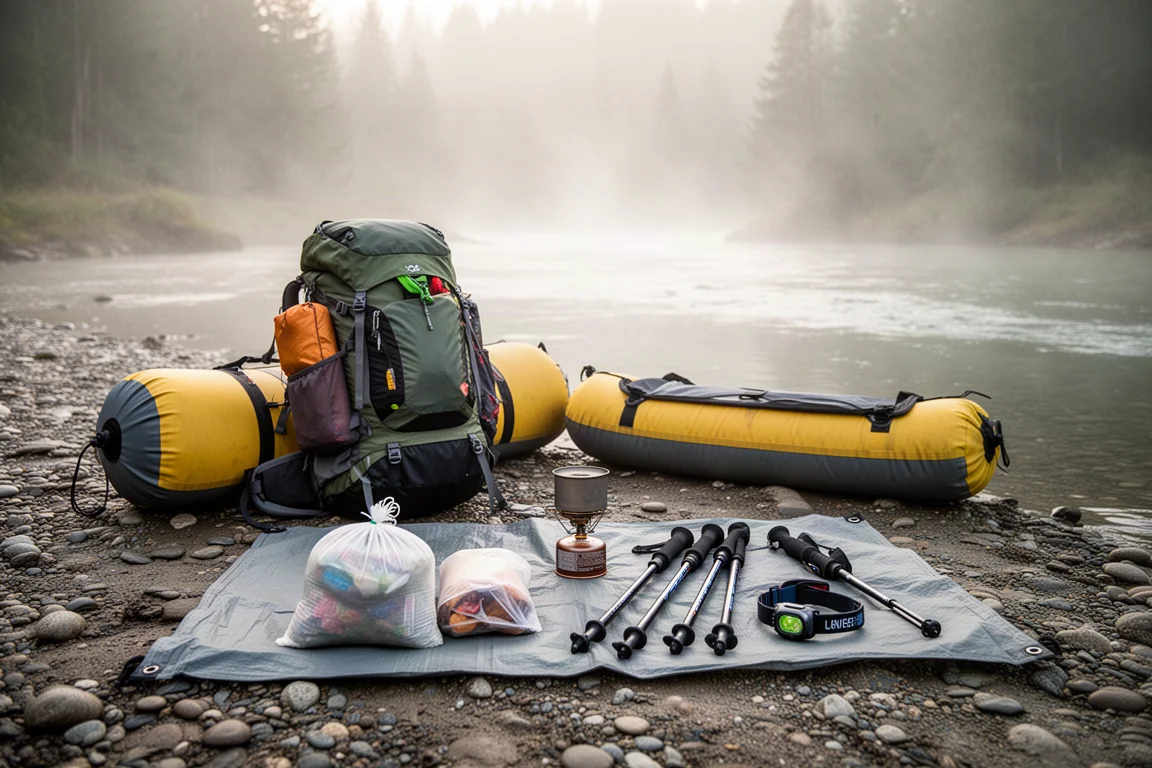
Safety in grizzly country and reliable communication on a self-planned route round out the priorities. Beyond that, a small allowance for fun is deliberate. A route this remote is worth enjoying, not just finishing.
Adotec Bear Locker 14L
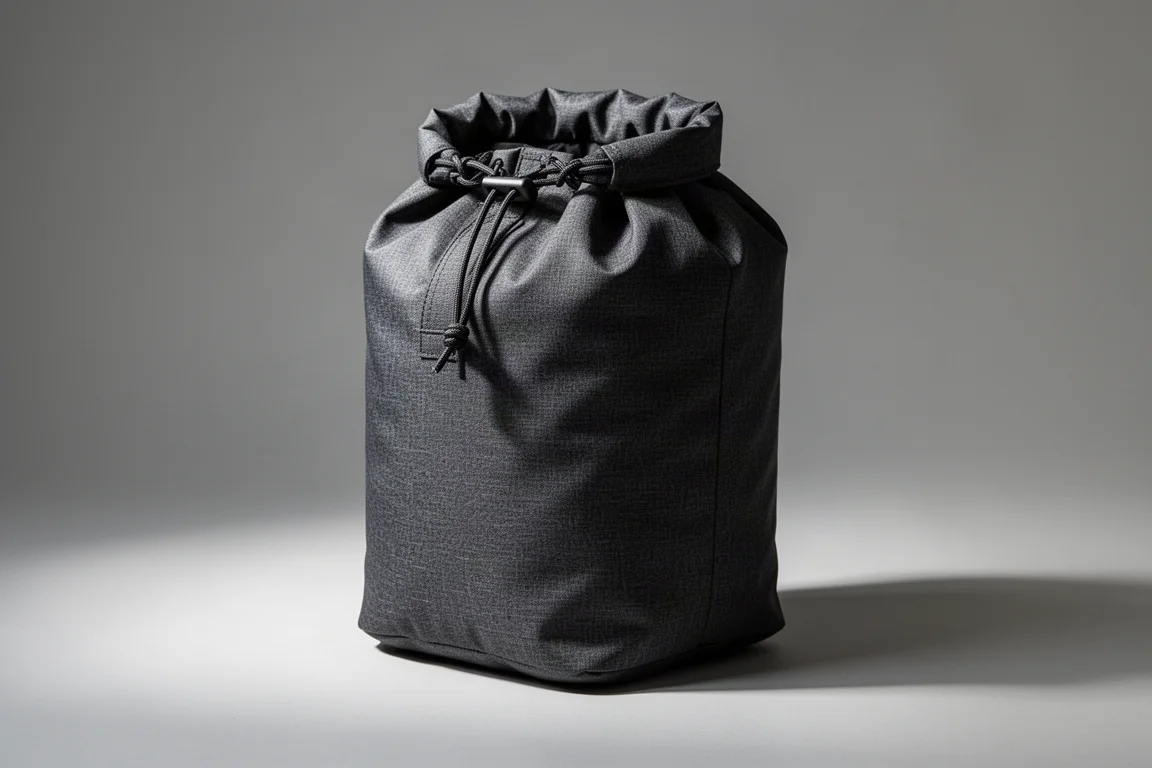
Food storage in bear country usually means a rigid canister, which is bulky and heavy, or a soft bag built around a Kevlar construction. The Adotec Bear Locker takes the soft bag route, with a thick heavy-duty fabric body and a lacing system across the top.
The 14 litre version is sized for roughly six days of food, which lines up with the planned resupply gaps, and other sizes are available. It is not the cheapest option in this category, but it keeps food storage inside the pack rather than strapped to the outside.
Garmin inReach Mini 2
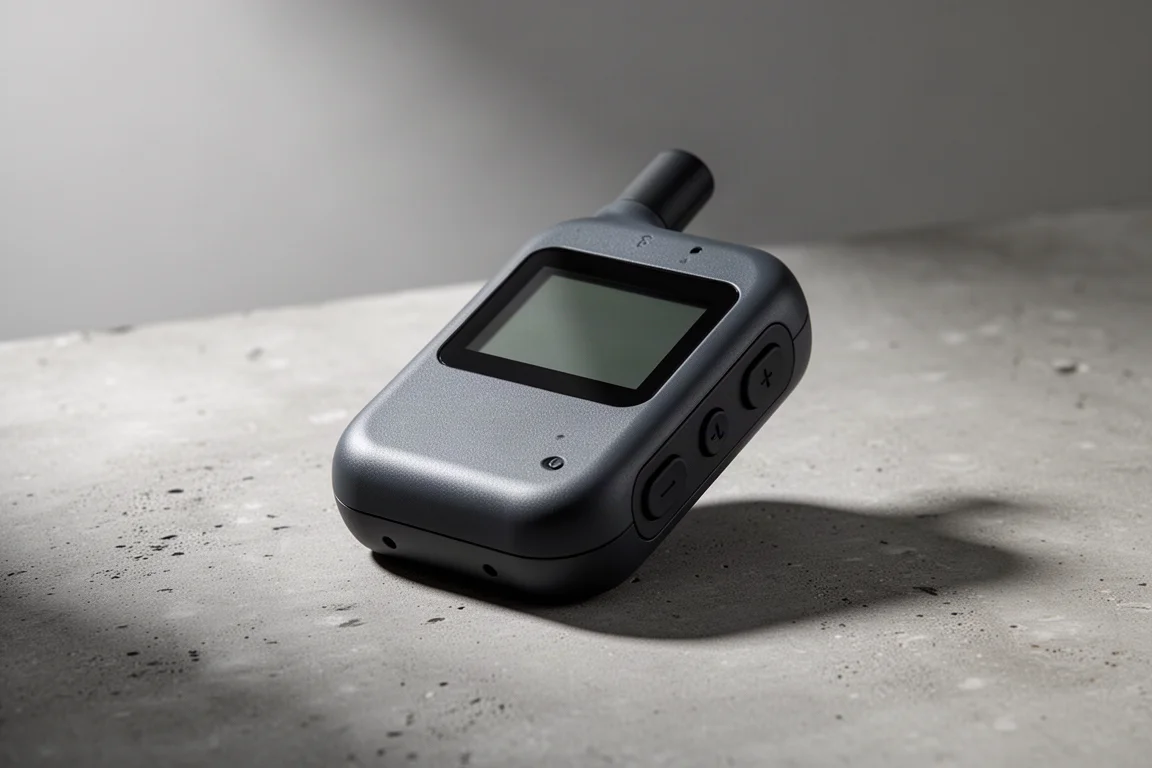
A satellite communicator is a new addition here after years of hiking without one. The inReach Mini 2 brings upgraded features and better signal performance than the earlier Mini, and it covers three jobs: sending a message home each evening, coordinating with bush plane pilots at pickup points, and acting as an emergency SOS option.
It is not the navigation tool for this route. Route finding stays on a phone app, and the communicator stays in reserve for messages and emergencies.
onX Backcountry
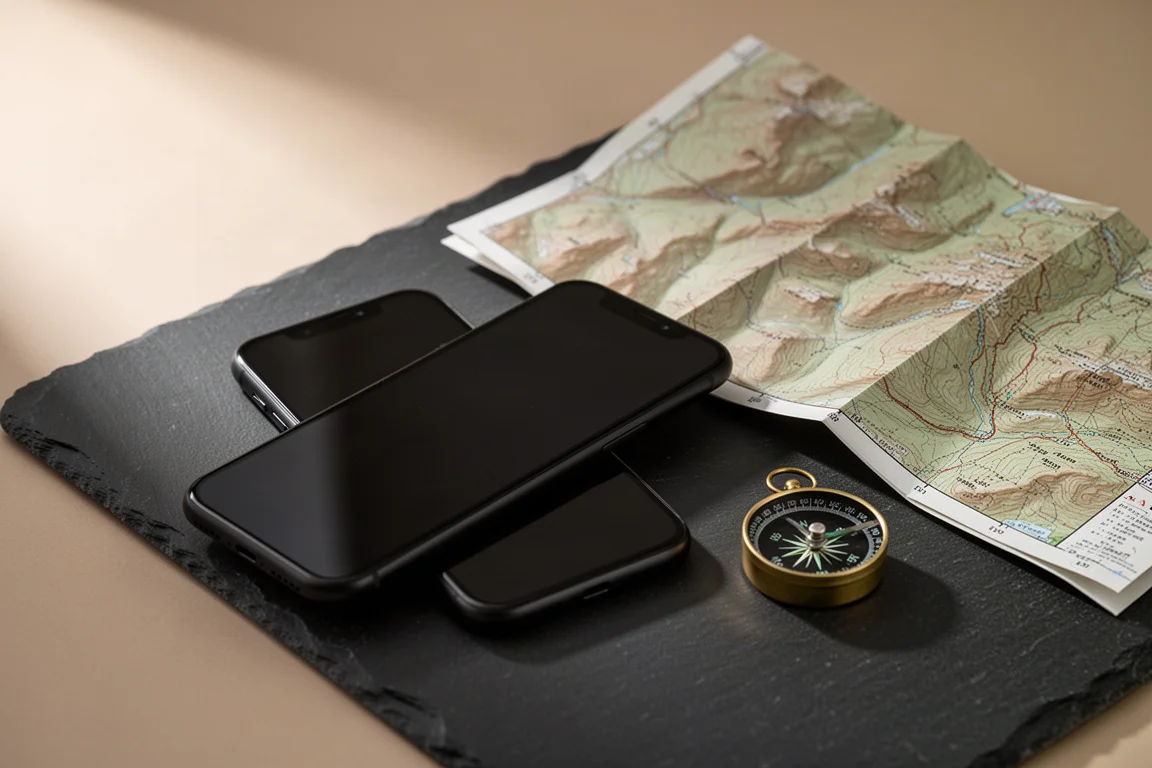
The entire route was planned in onX Backcountry, which makes it the natural navigation choice on the ground. Waypoints, food drop points, elevation profiles, potential camps, weather information, and possible bush plane landing spots all live in one project that can be saved to a phone.
Building the route took about a week of mapping work, and having it stored with the drop points makes it straightforward to follow in the field. A free trial is available for anyone who wants to see how the planning tools work.
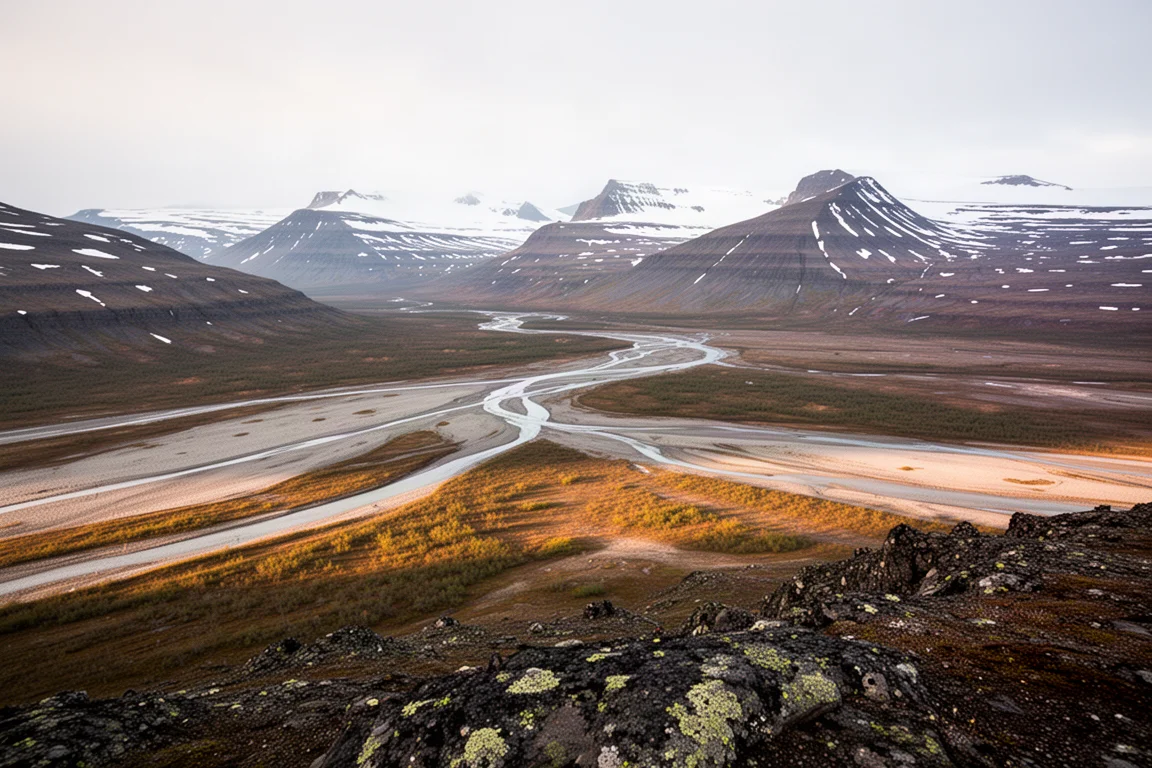
Because the route is self-planned rather than following a marked trail, the ability to check terrain and camp options while planning is as valuable as the navigation itself.
Durston Gear Iceline Trekking Poles
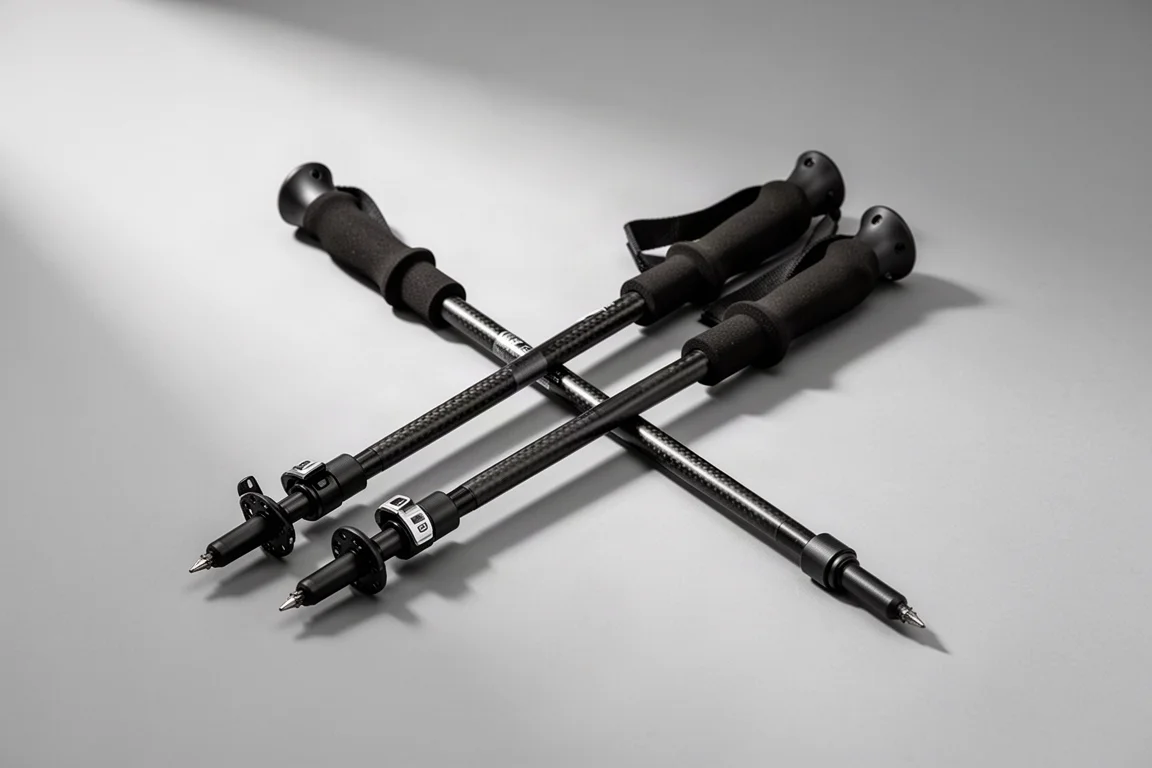
These poles are light, adjustable, and notably sturdy for their weight class. A two-piece design means they break down small enough to stow inside a packraft, which is a genuine requirement on this route.
The one compromise is the EVA grip, since cork has been the long-standing preference. The other consideration is length: the poles are not tall enough on their own to pitch a trekking-pole shelter, which is where a small add-on comes in. Even with that extra piece, the full setup is still lighter than the poles it replaces.
Zpacks Pole Jacks
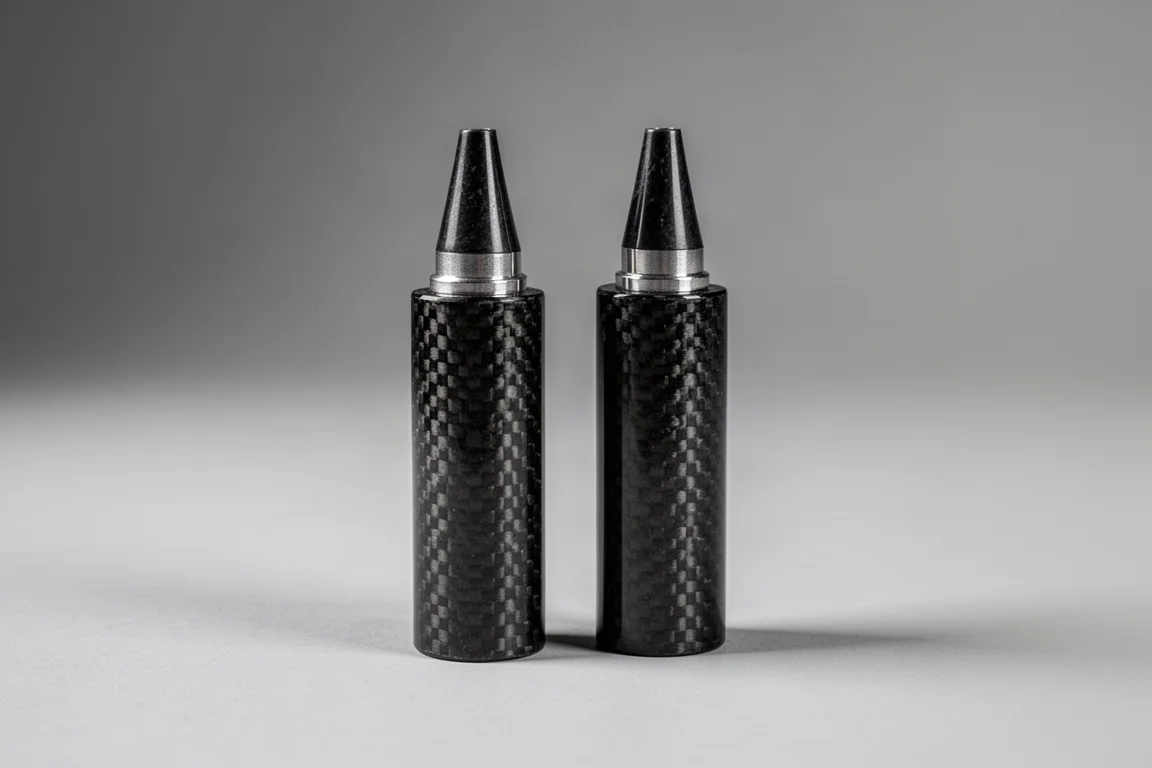
Pole jacks are small carbon extensions that slot onto the end of a trekking pole to add height. They solve a specific problem: getting short, packable poles up to the length a shelter needs.
They weigh very little and take up almost no space, which makes them an easy addition when poles are chosen for their packed size rather than their maximum height.
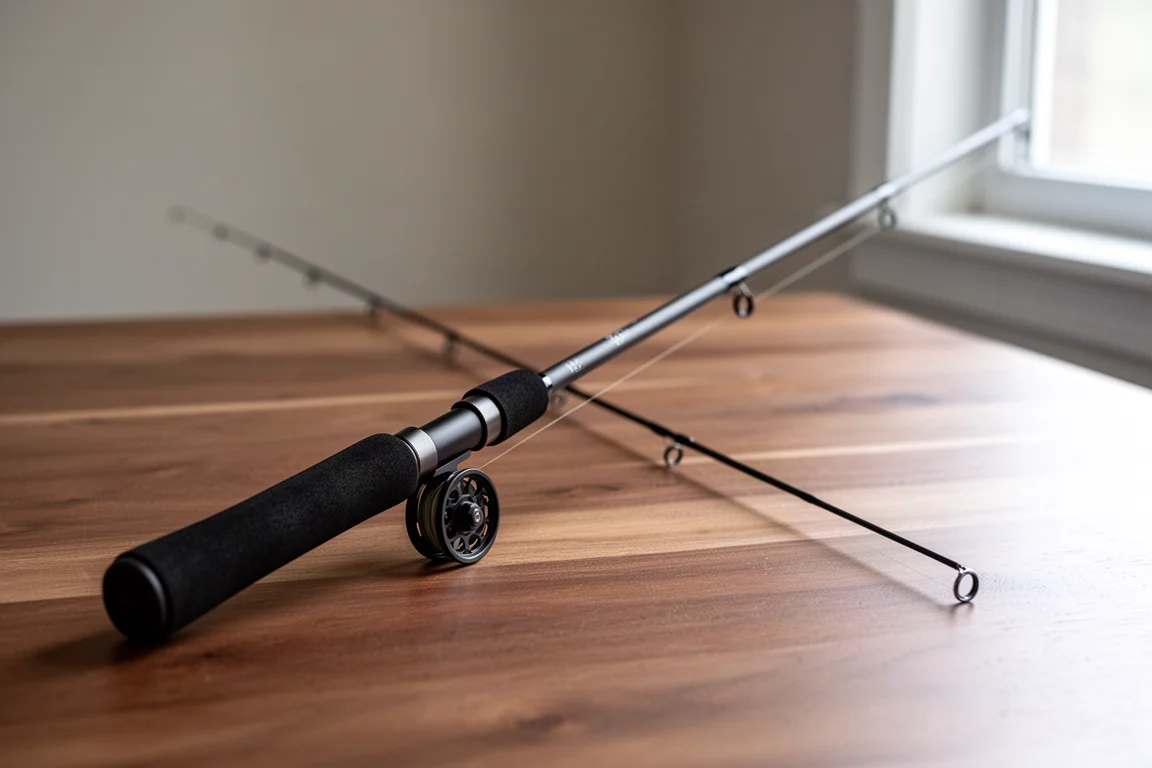
Tenkara Rod Co. Beartooth Fishing Rod
The tenkara rod is the fun item on this list. The Beartooth extends to around 10 feet, telescopes down very small, and weighs almost nothing, so it disappears into an outside pocket until it is needed.
It pairs with a compact tackle kit holding line, flies, and a knife for cleaning fish, and a frying pan travels with the group so a catch can actually become a meal. On a route where some miles are covered by raft, there is time to use it.

For anyone who has wanted to fish on a long hike but could not justify the weight, this is the format that makes it realistic.
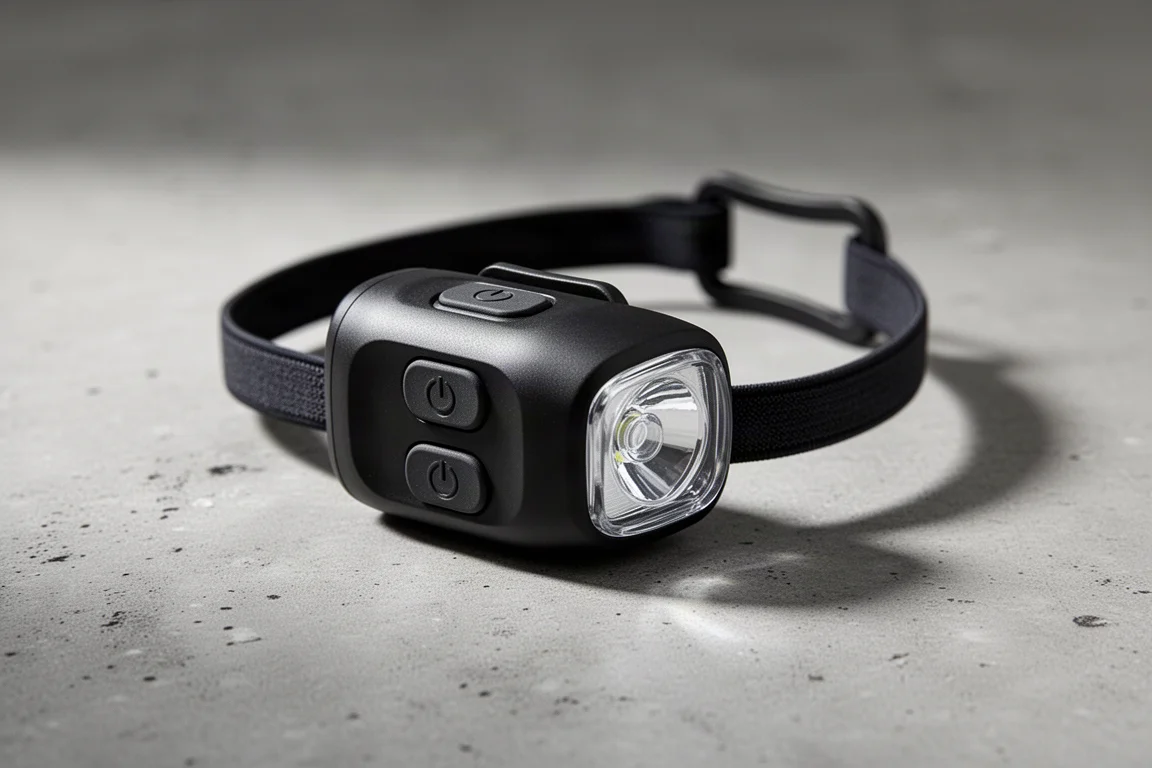
Nitecore NU20 Classic
The NU20 Classic is a compact rechargeable headlamp built on the same platform as the long-serving NU25. The change that matters most is USB-C charging, which brings it in line with the rest of the kit and removes the need to carry a second cable.
In side-by-side use it also appears brighter than the NU25 it replaces, despite the near-identical size and weight. A shock cord modification still works, so the familiar setup carries over.
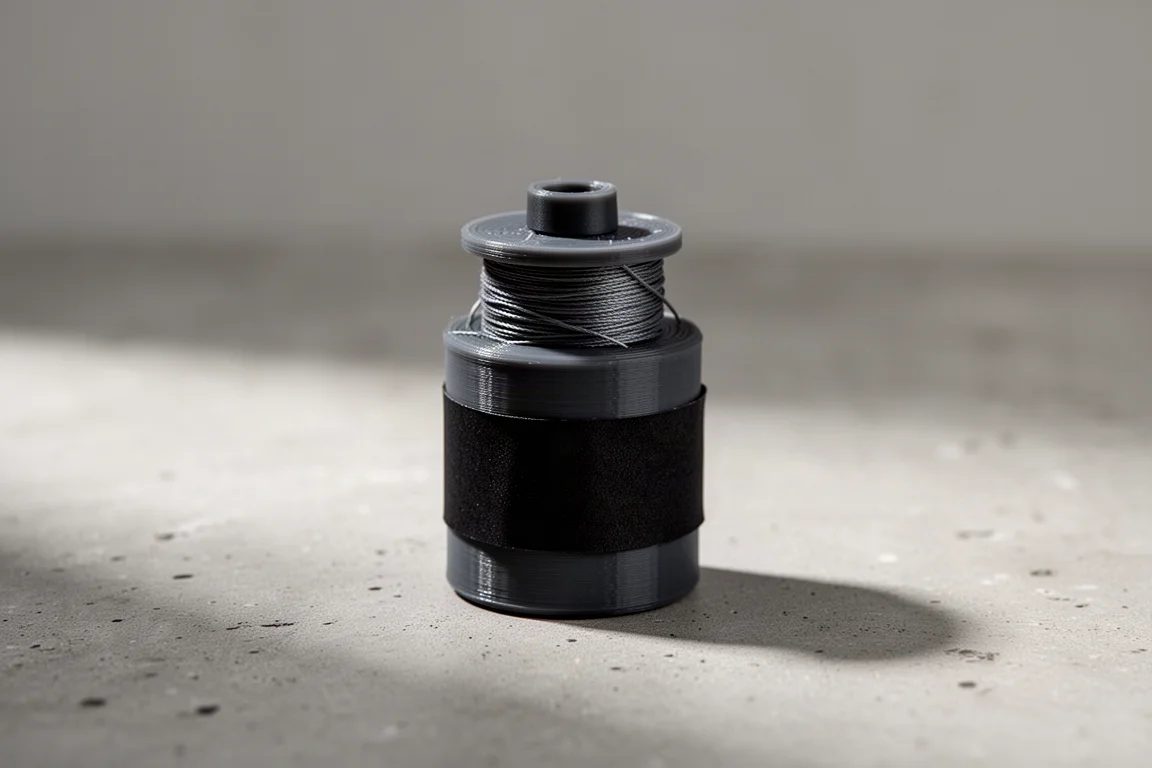
Ignis Gear Ultralight Repair Spool
This small 3D-printed spool gathers a repair and blister kit into one object. Tape wraps around the body, thread winds around the top, a rubber plug covers the thread, and needles store inside a compartment in the middle.
It replaces a loose bag of thread, needles, and rolled tape with something of roughly the same weight that is tidier and safer, since the needles are contained. The tape it ships with can be swapped for whatever suits your kit.
Overall Buying Advice
The lesson behind this kit is that gear choices follow the trip, not the other way around. A route with bush plane resupplies rewards fuel efficiency, compact packing, and low waste, while a route with regular town stops may not need any of those compromises.
It also helps to separate needs from nice-to-haves. Bear-resistant food storage, a satellite communicator, and a shelter system that actually pitches are needs on a route like this one. A fishing rod and a tidy repair spool are not, but they cost very little in weight and make a long, remote trip more enjoyable.
Conclusion
These eight items are all heading into the Brooks Range, and the pattern behind them is consistent: lighter where it is safe to go lighter, more capable where the terrain demands it, and a small amount of room left over for fun.
Further reading
Related Reviews

Backpacking Gear
Building a 10 lb Base Weight: An Ultralight Backpacking Gear List
A practical walkthrough of the ultralight pieces behind a 10 lb base weight, from a 765 g pack and a roomy one-person tent to a full camp chair and a dependable water filter.

Road Bikes
10 New Road Bikes Worth Watching: Aero, Titanium, Steel and Endurance Standouts
A practical roundup of 10 new road bikes, from aero flagships chasing single-watt gains to titanium, steel and endurance platforms built for real roads.
Bikepacking Gear
11 Bikepacking Essentials for Long-Distance Cycling
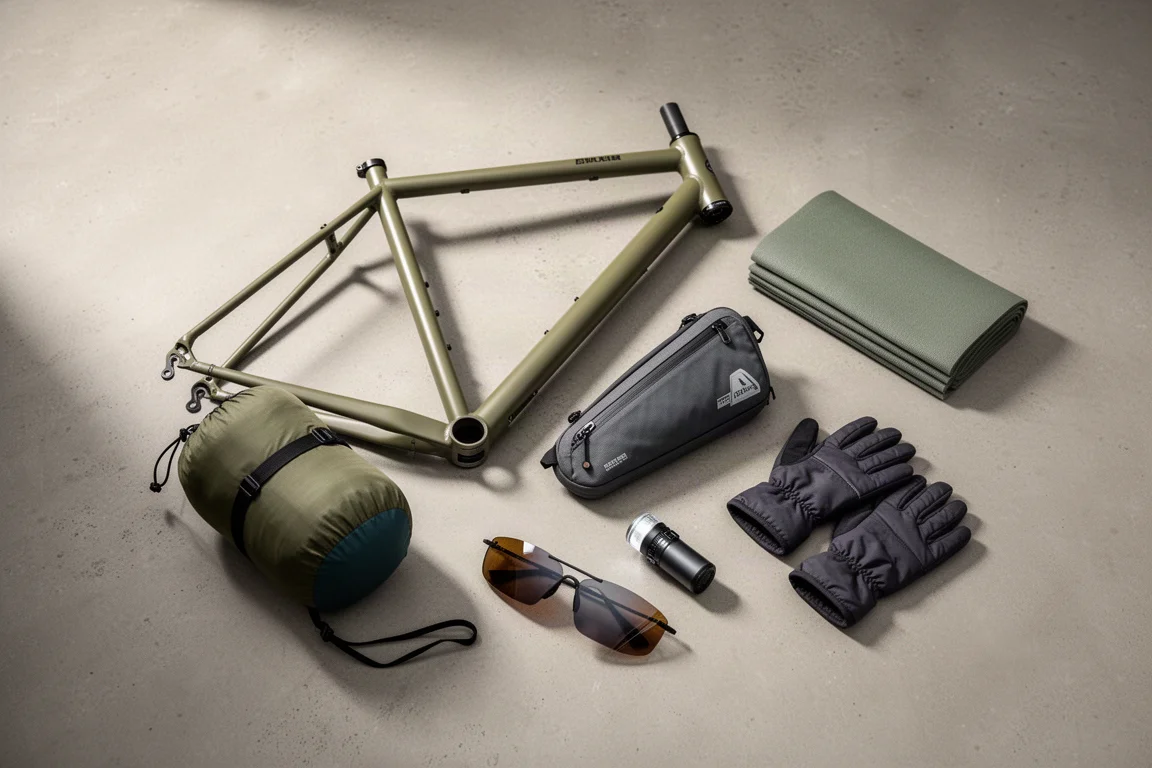
Eleven bikepacking essentials for long-distance cycling, from a steel gravel frame and a two-person tent to helmet lights, packable gloves, and a frame bag that puts weight in the right place.