Trekking Poles
Best Trekking Poles: Four Options for Backpacking, Budget Hikes, and Ultralight Setups
Four trekking poles compared on packability, grip comfort, lock reliability, and price, from a $23 aluminium pair to a $200 folding carbon set.
Introduction
Trekking poles look like a simple purchase, but the details that decide whether you keep using them only surface after a few hundred miles. How small do they pack down? How do the grips feel against a sweaty hand on a warm climb? Do the locks stay put? And can the poles reach the height your shelter needs when you pitch it at the end of a long day?

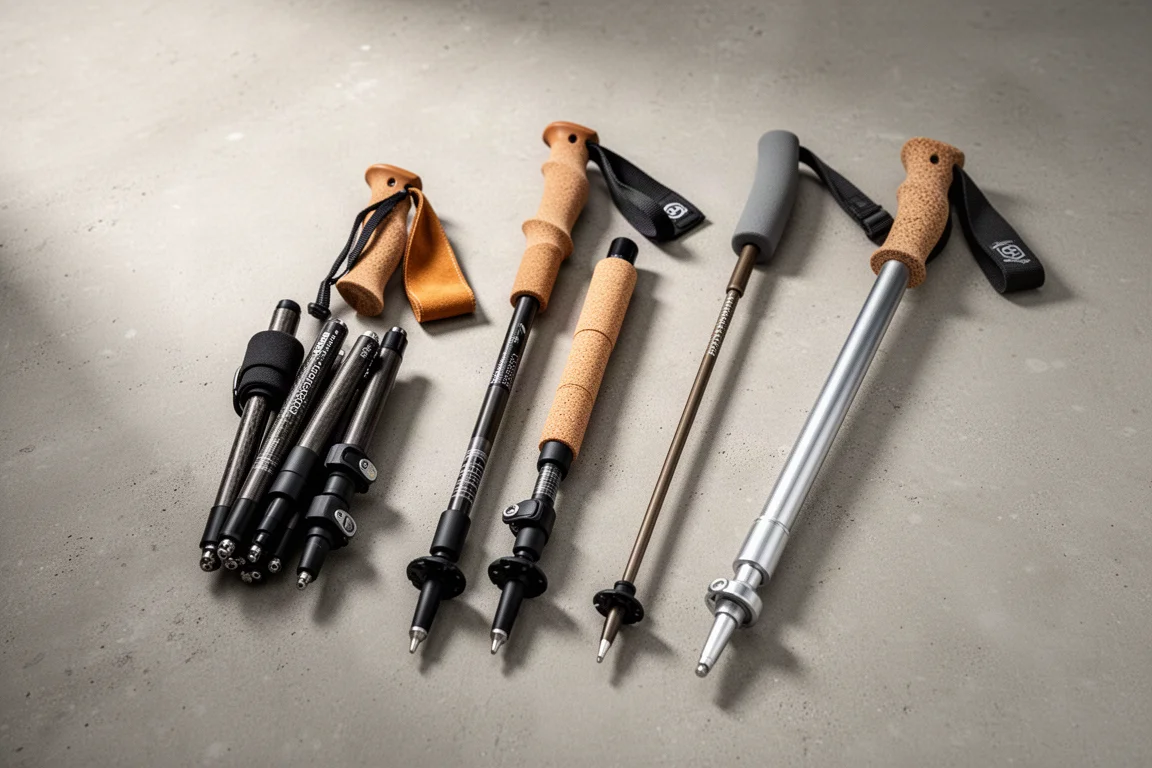
The four sets below cover a wide spread of priorities and prices, from a folding carbon pair that packs down smaller than anything else in this group to a budget aluminium pair that costs less than a single replacement section on some premium poles. Each one has a clear reason to exist and a clear set of trade-offs, which makes the choice easier than a straight price comparison.
What Matters Most in a Trekking Pole
Packability is the first thing long-distance hikers notice. Poles that break into more sections tuck away neatly inside a pack, which matters on travel days and on the walk into town during a thru-hike, where a full-length pole strapped outside a pack can catch on everything. A more compact folded length is also easier to stow when you are switching between walking and carrying.
Grip material comes second, and it is highly personal. Cork is the common favourite because it absorbs sweat well and avoids the greasy, never-quite-dry feeling that foam and rubber grips can leave behind. A suede-textured grip can deliver a similar benefit with a softer hand feel.
Lock reliability decides how much you trust the poles on a descent. Slipping is the most common complaint, and some poles arrive needing a screw tightened before they hold properly. Extension length matters just as much: poles should be long enough to keep your elbows at roughly a 90 degree angle, and a shorter women’s-specific pole will not suit a tall hiker. If your shelter pitches using trekking poles, check that the poles can reach the height it needs, since headroom can suffer with a shorter set.
Best Overall Packability: Leki Micro Vario Carbon Women’s Trekking Poles
The Leki Micro Vario Carbon women’s pole is the most packable set in this group. It breaks down into more sections than the other poles here, so it collapses very small and tucks away easily. That is a real advantage if you travel with poles often, or if you fold them up and put them inside your pack for the ride into town on a long-distance hike, where a long pole strapped to the outside of a pack becomes a hazard.
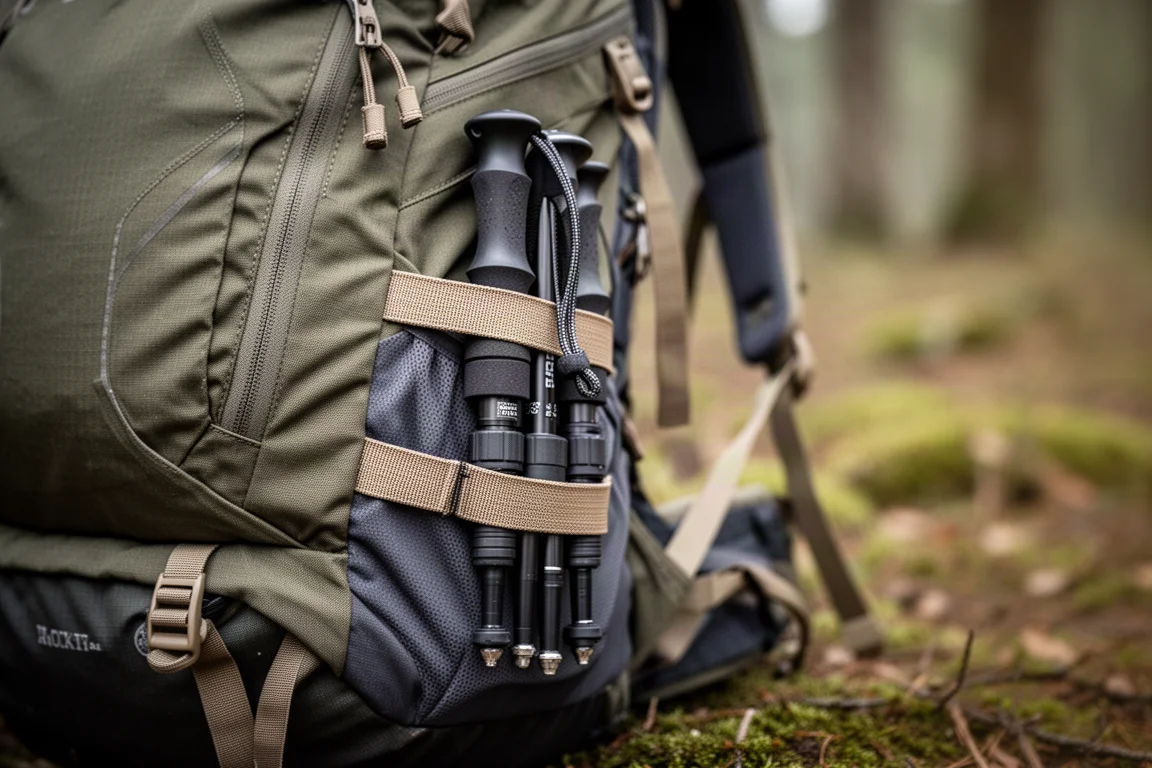
At roughly 8 ounces per pole, about a pound for the pair, it stays light while still feeling durable. The locks held firm with no slipping across roughly 150 to 200 miles of use. The grip is the standout feature: a suede-like texture that feels soft and comfortable and does not leave hands clammy the way foam or rubber can. Carbon-shaft poles carry a one-year warranty, while the aluminium-shaft versions carry a lifetime warranty.
The trade-off is height. Because this pole is built for women, maximum extension is shorter than on unisex or men’s poles, so it suits hikers around 5’8” and shorter. Anyone noticeably taller may struggle to reach a comfortable elbow angle. Shelters that pitch using trekking poles can also ask for more height than this pole offers, although it successfully pitched both a two-pole shelter and a single-pole shelter, with slightly less headroom than a longer pole would give. At $200 it is one of the more expensive sets here, and the men’s version may not share the same grip feel.
Most Dependable All-Rounder: Black Diamond Alpine Carbon Cork Trekking Poles
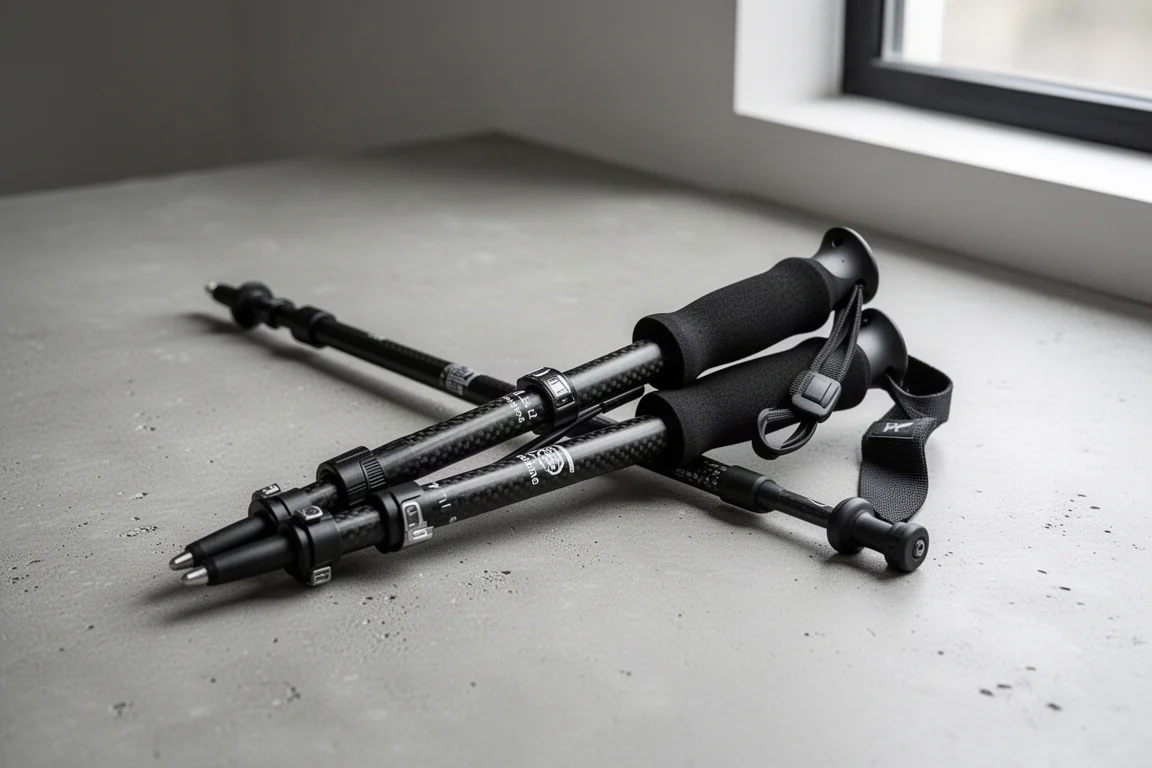
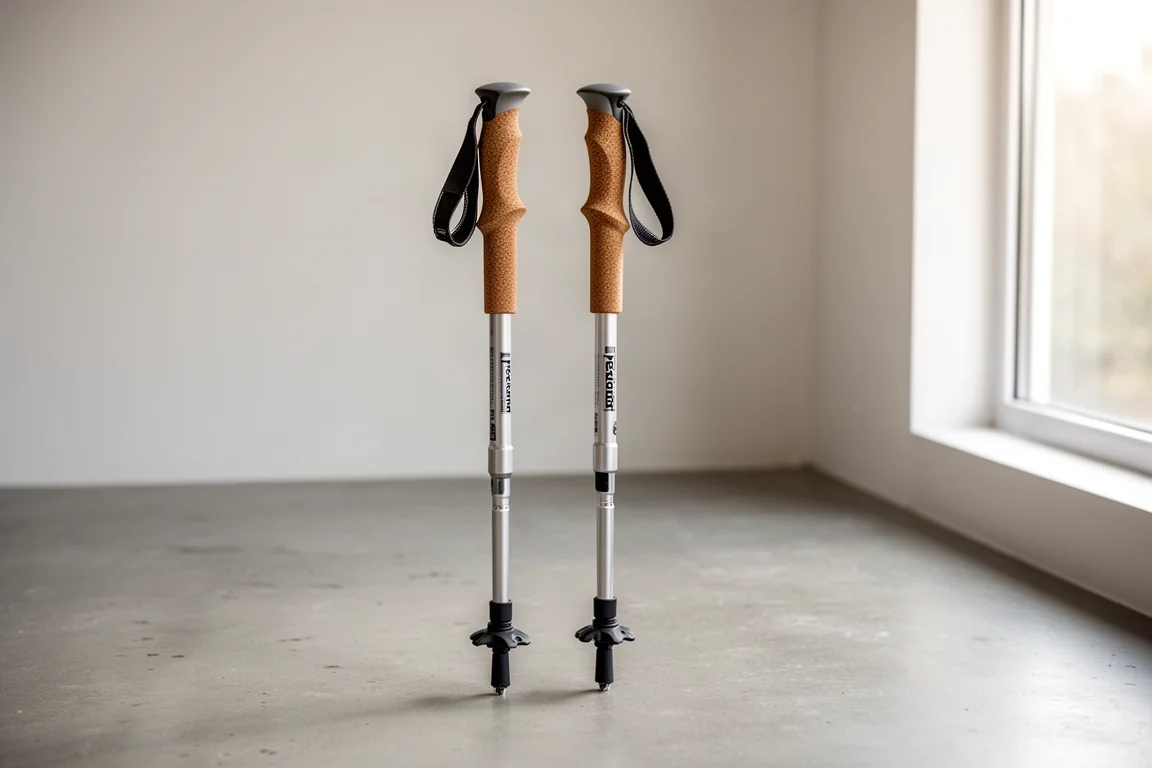
For anyone who wants the least fuss, the Black Diamond Alpine Carbon Cork is the reference point. This set has covered more than 5,000 miles of trail use and remains dependable, with no lock slipping at any point. The cork grips stay comfortable and keep hands from feeling slimy when they sweat, which is the main reason cork remains a common preference.
Unlike the women’s-specific Leki pole, this set has no extension length concerns, so taller hikers and shelters that need extra height are both well served. The only real drawback is price: about $170 per pair puts it in the same upper bracket as the Leki, so it makes most sense for someone who values proven reliability over saving money.
Best Ultralight Value: Zpacks Ultralight Carbon Fiber Trekking Poles
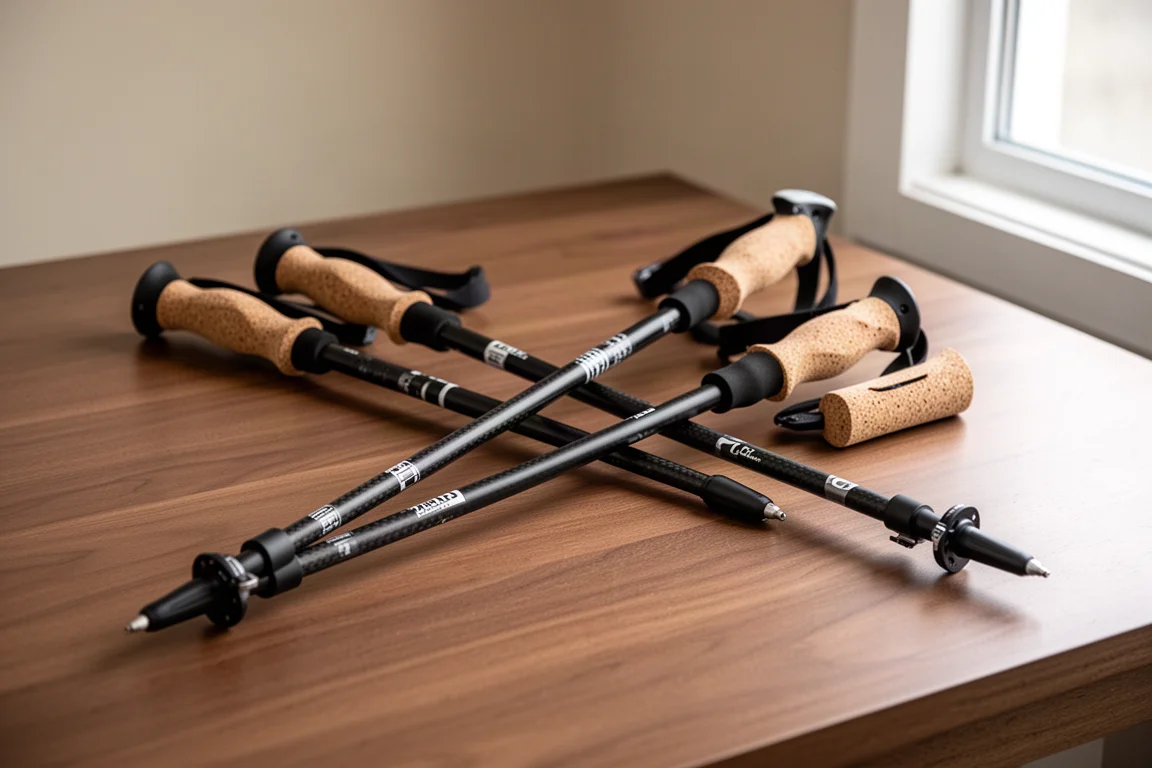
The Zpacks Ultralight Carbon Fiber pole is the lightest option here. A single pole weighs 7.2 to 7.7 ounces depending on grip choice, with foam grips at the lower figure and cork grips at the higher one. It is also sold individually for $59 or as a pair for $99, which is an unusual and genuinely useful arrangement. Hikers who only want one pole as a walking stick, or who own a shelter that pitches with a single pole, can buy exactly what they need instead of paying for a pair and leaving one behind.
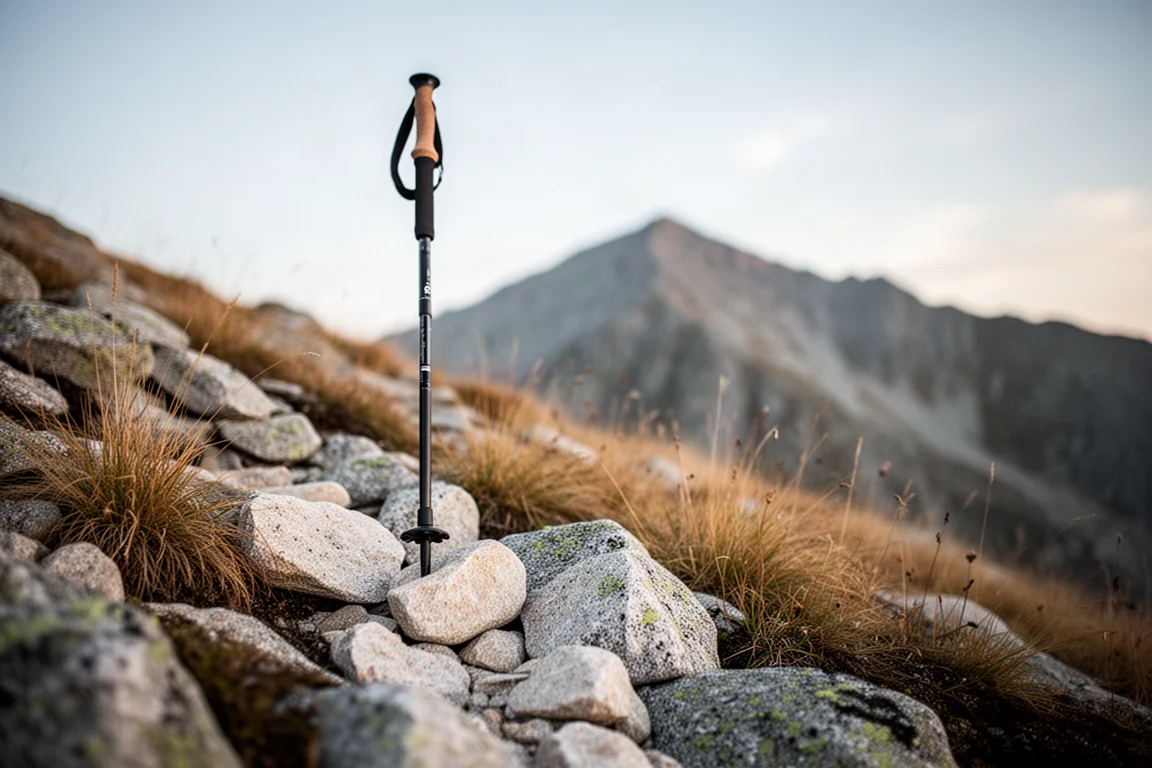
Over roughly 100 miles of use, the locks held without slipping, and the price sits on the budget-friendly side for carbon. The compromises are worth knowing before buying. This pole did not feel quite as sturdy as the others and showed a little more vibration through the shaft, and the locks are plastic, which raises a fair durability question. Even so, a partially damaged plastic lock could likely still be operated, and for the money the set should handle a lot of miles of ordinary trekking.
Cheapest Sensible Start: Cascade Mountain Tech Aluminum Trekking Poles
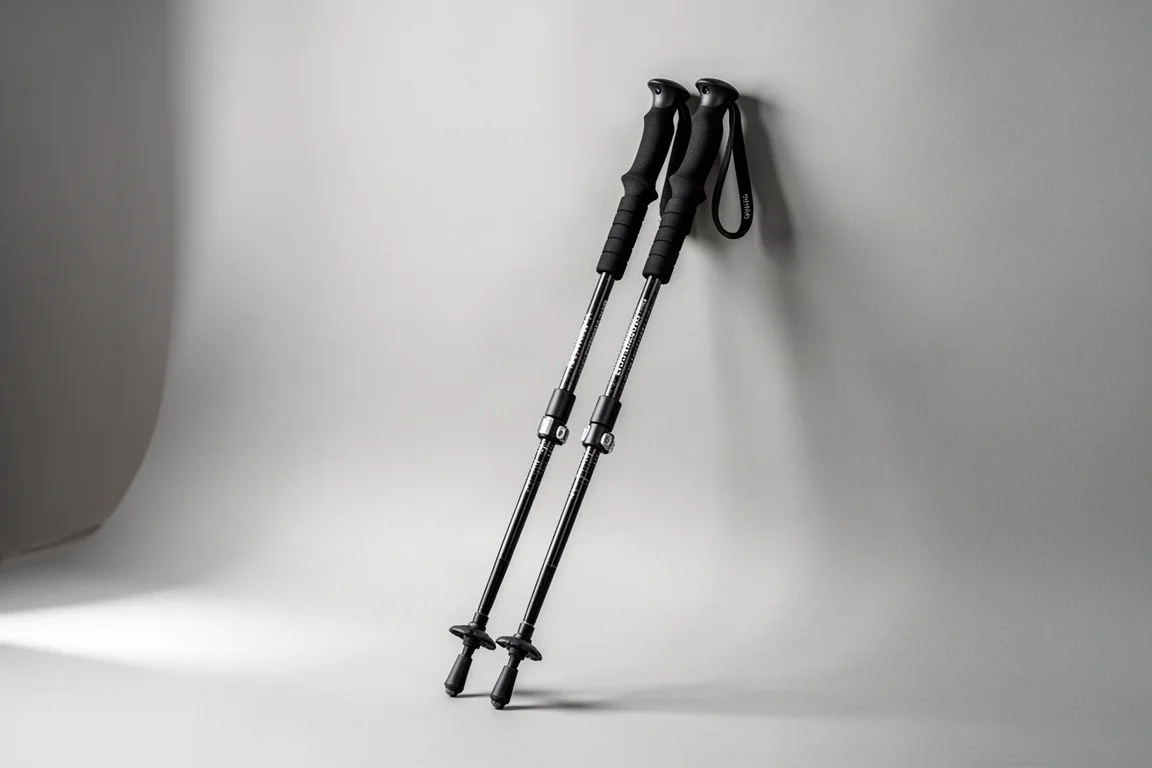
If the goal is simply to find out whether trekking poles suit you, the Cascade Mountain Tech aluminium pole is the lowest-risk entry point. A pair cost $22.99 on Amazon and was carried as part of a complete budget kit that came in under $500. The poles are lightweight, and cork grips are available for those who prefer them.
The catch is preparation. These poles slipped noticeably on early outings, and the fix was a small amount of work at home: tightening the screws made the locks firm, and there were no further slipping problems across roughly 40 miles of trail use. Treat them as a beginner set and check the locks before the first trip, and they deliver a lot for the price.
Buying Advice
Match the pole to the job rather than to the price tag. If pack size and travel convenience matter most, or if you are around 5’8” or shorter, the folding women’s carbon pole is the strongest choice in this group. If you are taller, want standard extension and the most proven reliability, the Black Diamond set is the safe pick despite the cost. If you want ultralight carbon at a lower price, or you only need one pole, the Zpacks option is the flexible one. And if you are new to poles and not ready to spend much, the Cascade Mountain Tech pair gets you walking for very little.
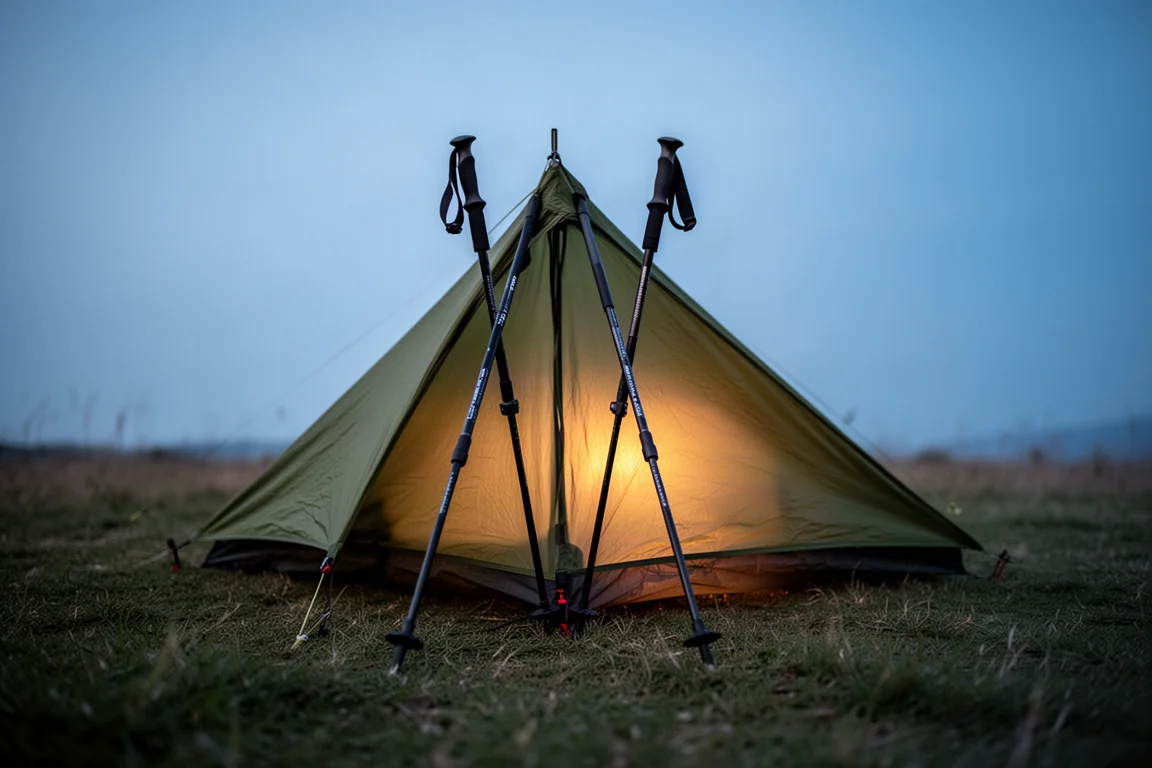
Before ordering, check three things. First, height: confirm the pole’s extension range matches your body, since a shorter women’s-specific pole will not give a tall hiker a comfortable elbow angle. Second, shelter compatibility: if your tent or tarp pitches with trekking poles, verify the poles can reach the required height, because headroom is where a shorter pole shows its limits. Third, grip and locks: decide between cork, foam, or a suede-textured grip, and be ready to tighten the lock screws on a budget set before its first outing. Warranty terms are also worth noting, since carbon shafts and aluminium shafts can carry different coverage.
Conclusion
There is no single best trekking pole here, only the best match for how you hike. The Leki Micro Vario Carbon women’s pole wins on packability and grip comfort for shorter hikers. The Black Diamond Alpine Carbon Cork wins on long-term dependability and standard length. The Zpacks Ultralight Carbon Fiber pole wins on weight and buying flexibility, with a small penalty in stiffness and lock material. The Cascade Mountain Tech aluminium pair wins on price and is a sensible first set as long as you tighten the locks before you go. Pick the one that fits your height, your shelter, and your budget, and any of the four will keep you moving.
Further reading
Related Reviews
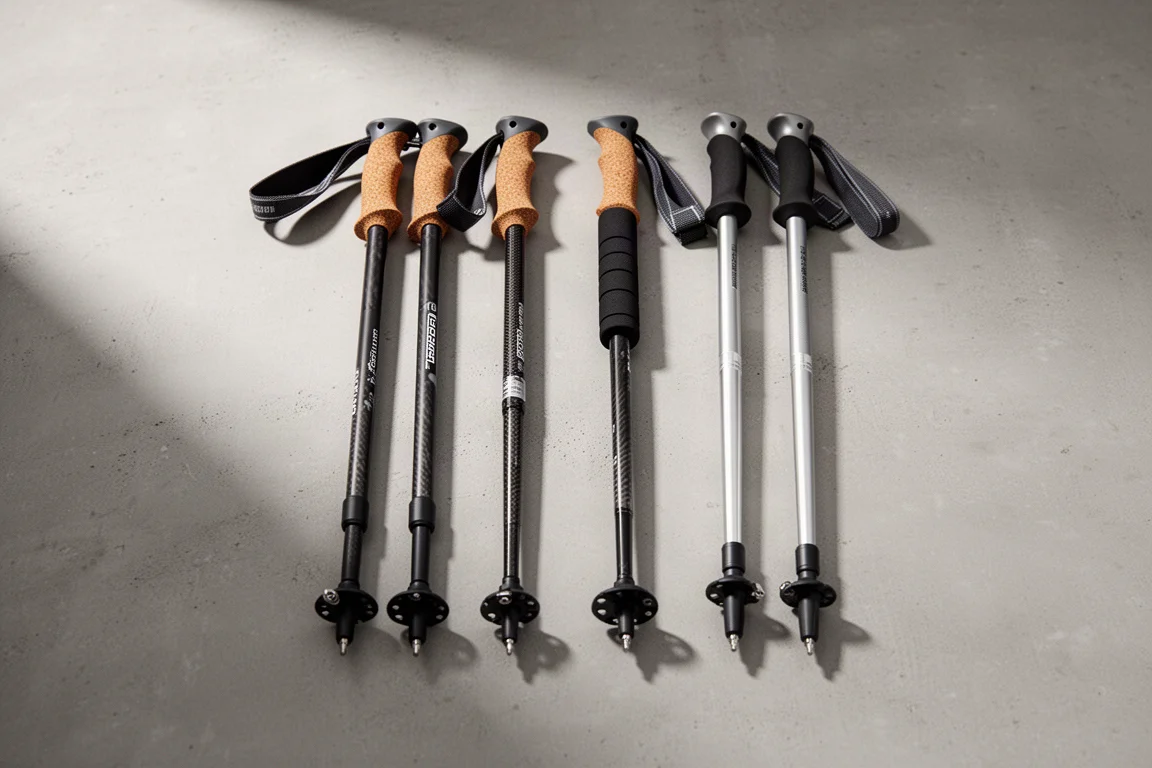
Trekking Poles
Best Trekking Poles for Thru-Hiking: Four Sets Compared
A practical comparison of four trekking pole sets for long-distance hiking, from a $23 aluminum pair to a $200 carbon pole that packs down smaller than the rest.
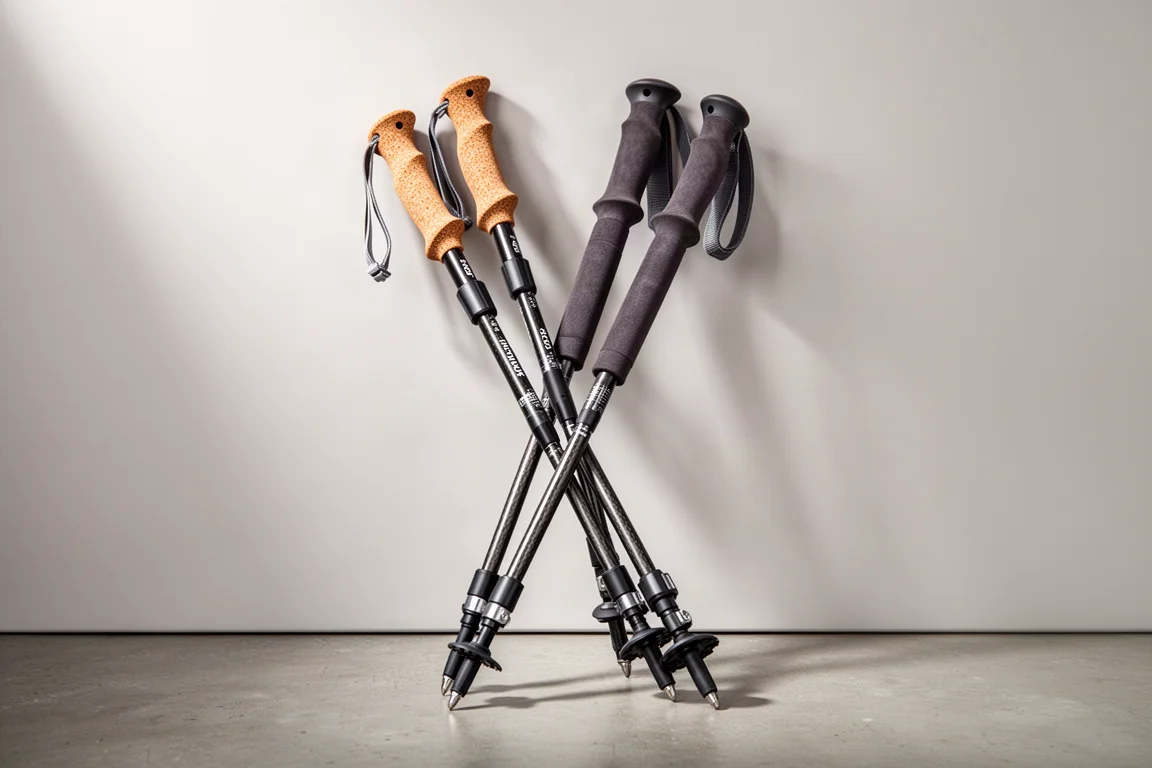
Trekking Poles
Black Diamond Alpine Carbon Cork vs Leki Micro Vario: Trekking Poles Compared
A long-term look at two collapsible trekking poles, covering lock design, grip comfort, tip life, and what each pair asks of a long-distance hiker.
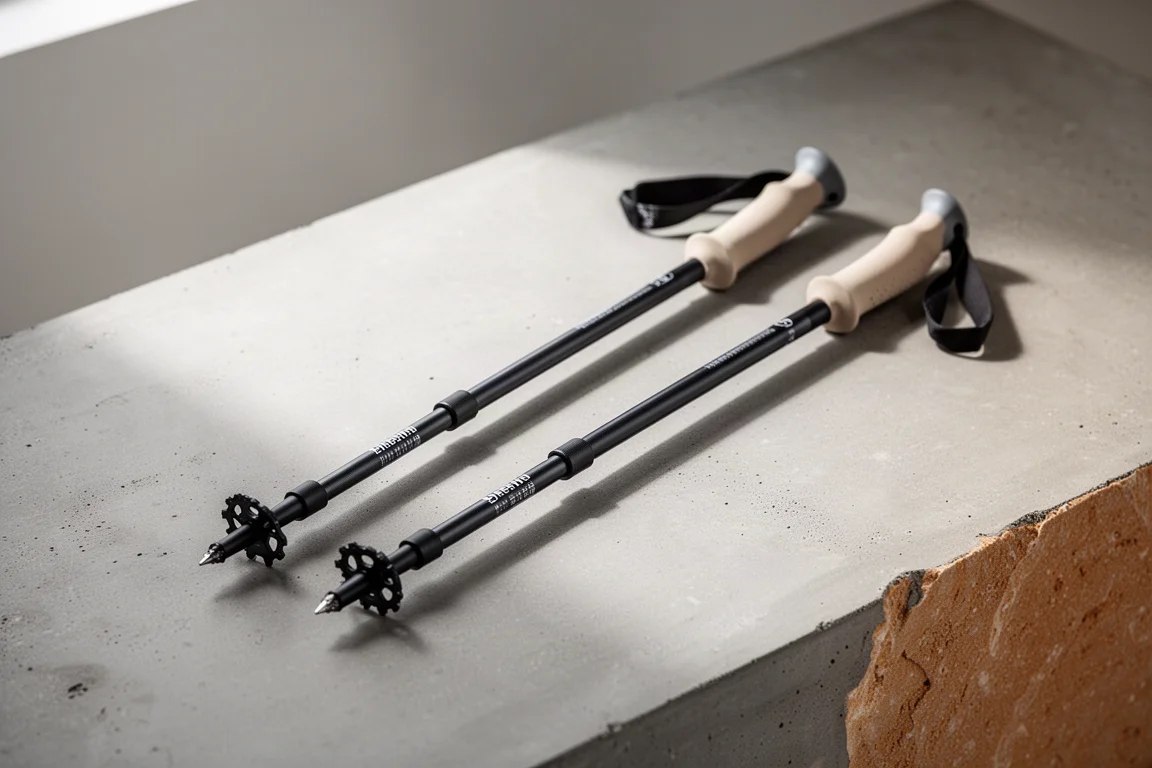
Trekking Poles
Gossamer Gear LT5 Trekking Poles Review: Ultralight Support That Breaks Slowly
A long-term look at the Gossamer Gear LT5 Trekking Poles, covering ultralight weight, twist locks, EVA foam grips, repairability, and what happens when one snaps.