Mountain Bikes
Best Trail Bikes: Three Short-Travel Bikes Ranked
Three short-travel trail bikes compared on suspension feel, geometry, climbing manners, and component choices, with clear guidance on which one suits your riding.
Introduction
Trail bikes sit in the middle of the mountain bike spectrum, and that position has always involved a compromise. They need enough travel to absorb rough descents, enough pedalling efficiency to get back up the hill, and geometry that stays composed at speed without feeling like a barge on tighter trails.
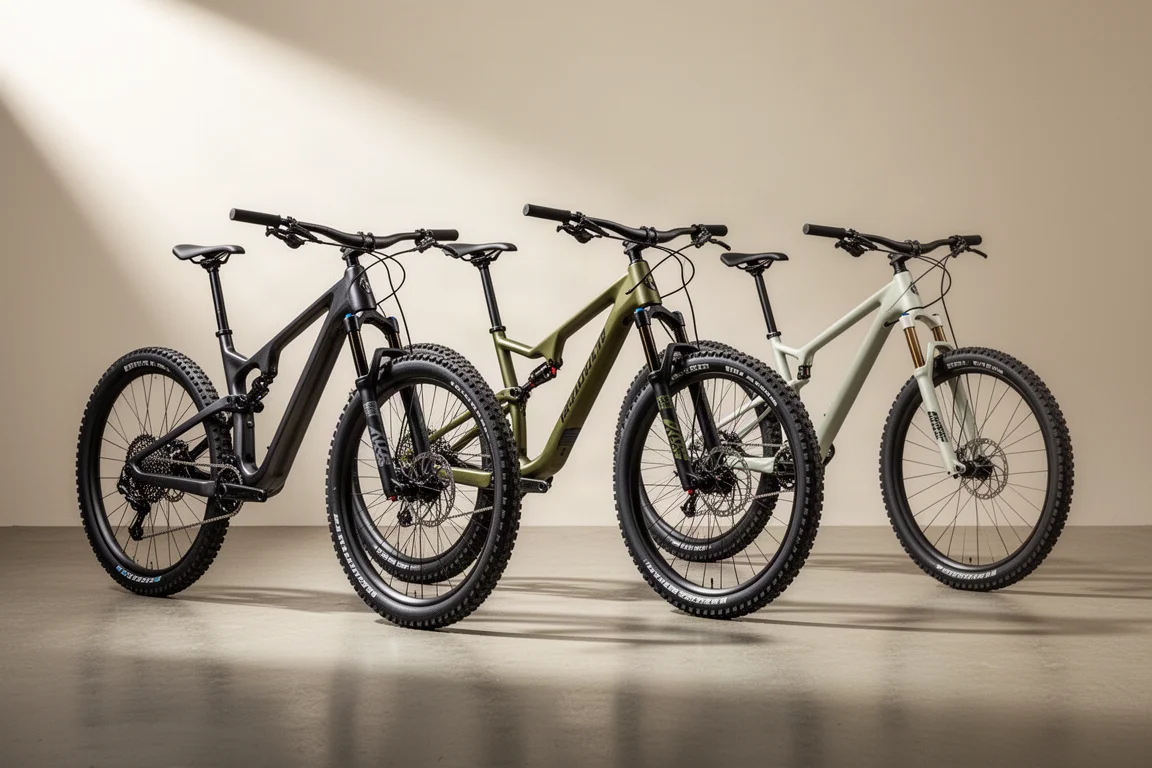
This roundup covers three short-travel trail bikes that approach that brief from three different angles. One is a carbon-framed bike with an aggressive attitude, one disguises modest travel with a plush and planted rear end, and one quietly does everything well enough to take the top spot.
What Makes a Great Trail Bike
The fork is a decent shorthand for what a trail bike is trying to be. The RockShox SID, Pike and Lyrik line spans cross-country through to enduro, with the classic trail fork sitting in the middle of that range. The three bikes here sit at different points on that spectrum, and that positioning says a lot about how each one wants to be ridden.
Travel figures matter, but they are only part of the picture. A 125mm bike and a 130mm bike can feel completely different depending on linkage design, damper tune and geometry. What separates a good trail bike from a forgettable one is usually how the suspension behaves in the mid-stroke, how the front triangle transfers effort, and whether the geometry keeps you confident when the trail steepens.
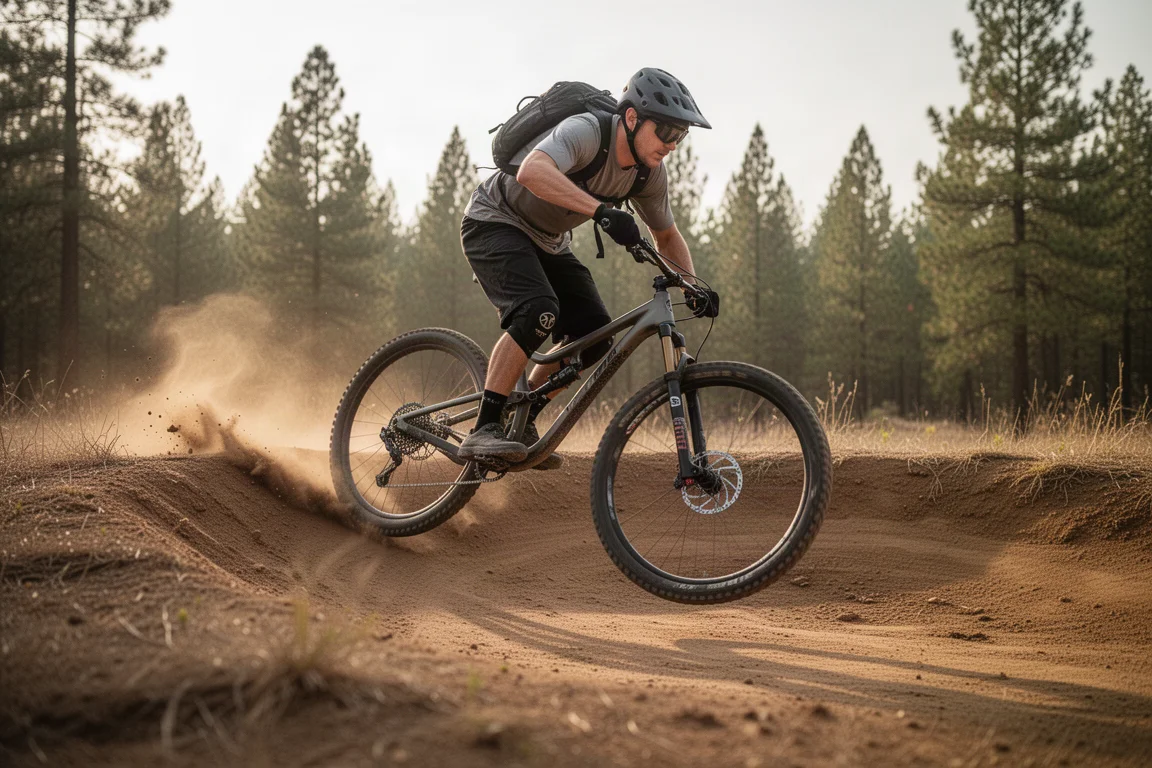
Beyond suspension, geometry numbers do a lot of work. Reach, head angle, seat tube angle and chainstay length determine whether a bike feels stable at speed, eager in corners and comfortable on the climb. The bikes below each make different trade-offs here.
Canyon Spectral 125: Attitude in a Short-Travel Package
At 125mm of travel, the Spectral 125 sits just below average for a trail bike. It more than makes up for that in attitude. Mid-stroke support is abundant, which gives you plenty of push to launch off a jump lip and keeps the bike from collapsing under your weight through a berm.
That character defines the whole ride. The Spectral is a hooligan: it encourages you to hit jumps at full throttle, square off corners and stuff the front end into catch berms. The snappy back end and stout front triangle beg to be muscled from side to side through chicanes.
The geometry is thoroughly modern, with a long reach, a slack head angle and a short but steep seat tube. Point it into a steep, loose chute and it holds its line, with a composed rear end that deals with the catch so you are not dragging your heels on the way out.
It is not without compromises. Flat, twisty tracks need to be attacked to get the most from it, so riders looking for an easy, relaxed ride may find it feels a little lazy. There is some pedal bob when you jab at the pedals, though speed on flat ground can still be generated by pumping through rollers. It is also not the smoothest bike around. The shorter travel encourages you to hammer into rock gardens, and you can feel a little battered on the way out. The EXO casing tyres at both ends are a false economy when it comes to ride quality: the Minion DHR II and Dissector treads do what they should, but the thin casing is puncture prone.
Climbing is steady rather than spectacular. The Spectral gets up the hill without complaining, the steep seat angle is comfortable, and the suspension stays relatively stable and efficient as long as you pedal smoothly. A wide-range 10 to 52 tooth cassette provides a very easy bottom gear, and the G5 dropper post is light in action, with the drop adjustable on the trail by loosening the collar and rotating an inner stepped shim.
Nukeproof Reactor: Plush Travel, Planted Feel
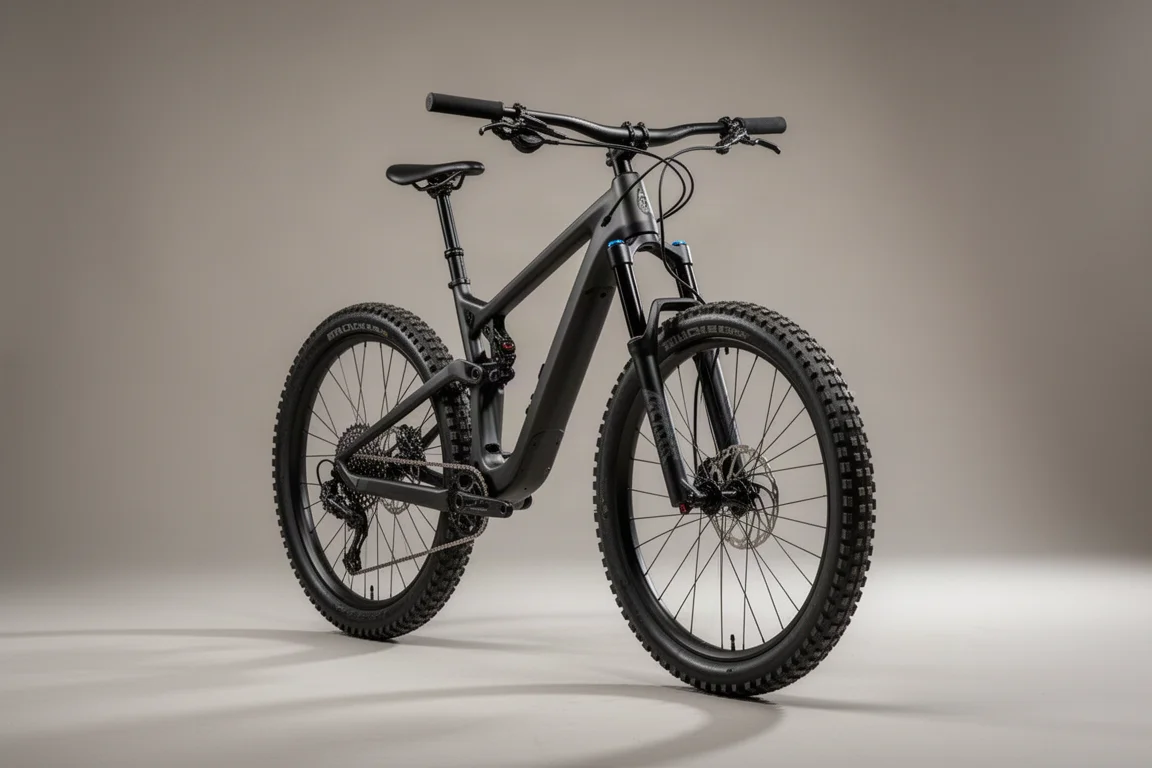
The Reactor looks similar on paper, with 130mm of travel and only 5mm more than the Spectral, but it rides like an entirely different animal. Where Canyon uses a sleek full carbon frame, this version of the Reactor is built around an aluminium frame, with carbon seat stays making a brief appearance.
Its defining trait is a plush back end with an almost bottomless feel until you really slam it into a harsh landing. That suppleness keeps the bike planted over choppy terrain and helps the tyres grapple with every ounce of grip available. Up front, a 150mm Lyrik Select Plus adds an authoritative feel through its bulked-up chassis and smooth internals, which encourages you to aim the 2.5 inch wide Maxxis Assegai tyres at the furthest point you can see and let go of the brakes.
Stopping power comes from Guide RE brakes, which pair a Guide lever with a previous generation Code caliper. They keep giving buckets of power regardless of the situation, and while they may be the cheaper option, that trade-off is a sensible one.
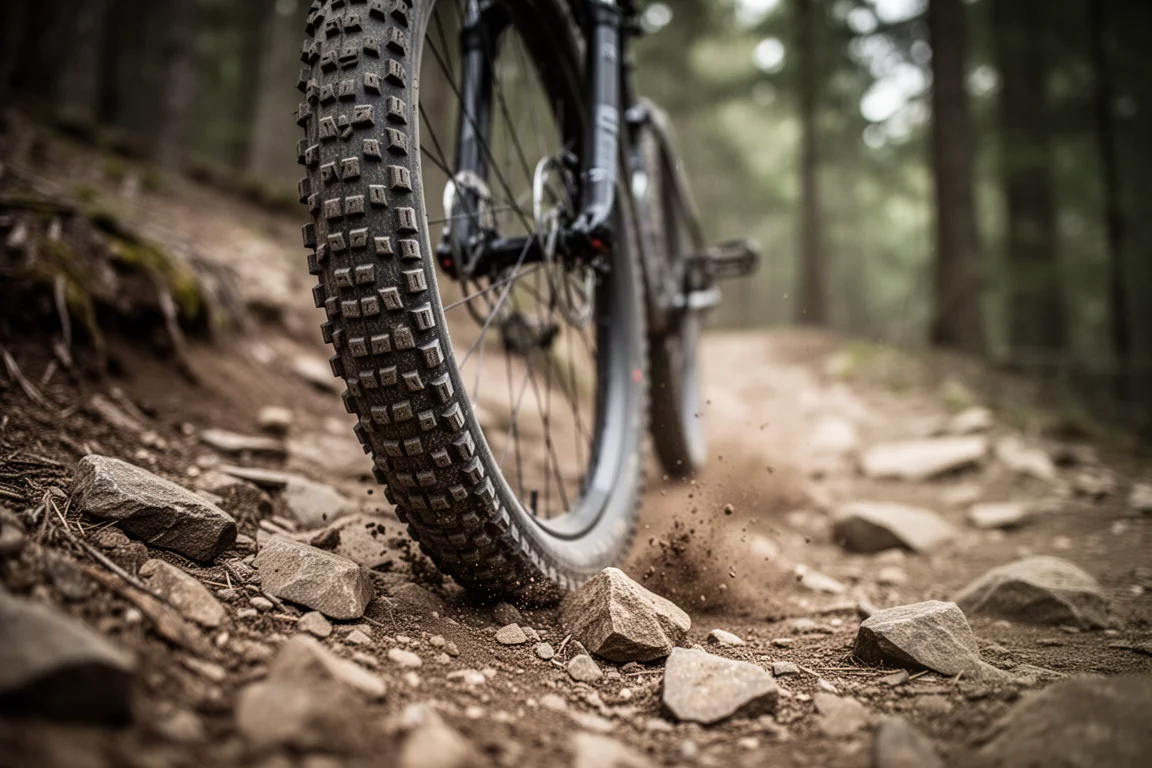
All that smoothness has a cost. Despite claims that the kinematics have been improved to aid pedalling stability in lower gears, the Reactor’s high overall weight and supple suspension make it the least reactive to pedal input of the group. Long days in the saddle feel that little bit longer, and unless you push and pull the bike aggressively through rolling terrain, it feels sluggish. The platform is there to generate speed off the back of a rise, but you have to push deep into the travel to find it.
For winch-and-plummet riding, that trade-off is easy to accept. This is a bike that suits riders who climb steadily and then let go on the way down. The question it raises is whether a 130mm bike is the right call when a 160mm option exists in the same range. The extra margin for error downhill is rarely a bad thing, and the cost on the climbs is fairly inconsequential. That is the main reason the Reactor misses out on the top step here.
Trek Top Fuel: Quality Over Quantity
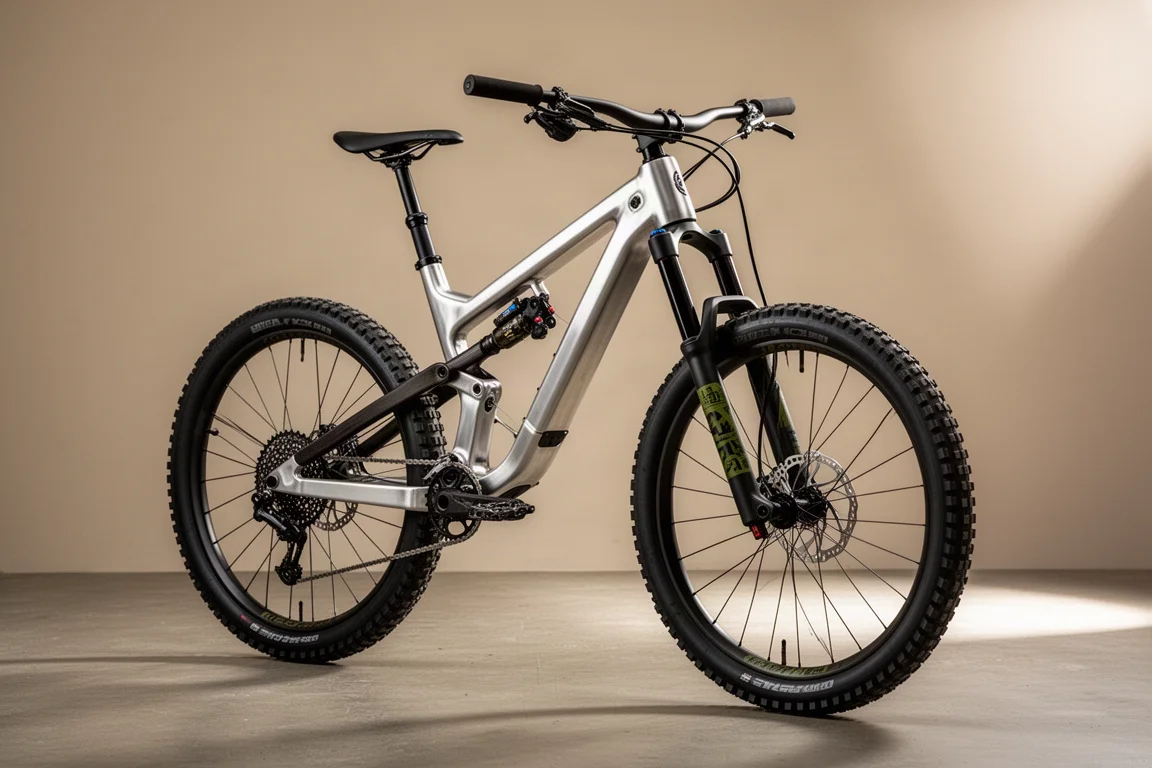
The Top Fuel felt right from the first pedal stroke. The low-slung top tube on the 120mm travel alloy frame immediately felt comfortable, the spec list is up to the task, and the suspension design is well regarded.
It is easy to look at the bike from a distance and assume it is just another downcountry rig, with its SID fork and short travel figures. That assumption falls apart as soon as you fire it over jumps, point it down the odd steep chute and sling it through a loop of mixed terrain.
Trek’s ABP suspension sits between a four-bar and a faux-bar linkage, with the rear pivot concentric to the rear axle, and it is a proven design. The RockShox Deluxe Ultimate is one of the best single can air shocks around. Bontrager XR4 tyres roll fast while still gripping doggedly, and Shimano SLX and XT drivetrain components take some beating. Geometry figures such as the 66 degree head angle and 480mm reach are in the ballpark of what you would spec from a trail bike blueprint.
The SID has historically been a pared-down cross-country race fork, but the latest generation belongs to a new wave of burlier cross-country and light trail forks, with a lighter chassis that packs in extra stiffness. This model uses the base-level fork with an OEM-only Rush RL damper, and while that damper sits at the bottom of the range, it is still smooth and remarkably well controlled, with plenty of progression and little spiking. The front and rear match each other very well, which makes the bike feel far more capable than its numbers suggest across a wide range of tracks and trails.
Four-piston Shimano brakes offer predictable but punchy power, whether you are grabbing a fistful of stopping power on a fast descent or shimmying down a tight, slow, technical section.
The bike has an addictive personality. It has pop for days, encouraging you to hop, skip and jump your way down the trail and leave the ground at every opportunity. Spot a rocky or rooted takeoff and the Top Fuel wants you to bounce a front tyre off the top and pull the bike skywards, before the low bottom bracket and long front end ask to be slung through the following berm. In the trees, wide Bontrager bars, a short stem and tight 435mm chainstays make direction changes feel like a jet boat rather than an oil tanker, and reactions to pedal input are quick.
Climbing is not neglected either. With cross-country DNA in its alloy chassis, the seated position is great and the rear suspension filters pedal inputs well instead of compressing the shock. At 14.8 kilos it is not as light as you might expect, which separates it from the lightest downcountry options out there. There are limits, too: hammer it as hard as you can into jumbled rocks and the fork can move around a little, and the 120mm back end will struggle when you really batter it through chunder.
Suspension and Component Notes
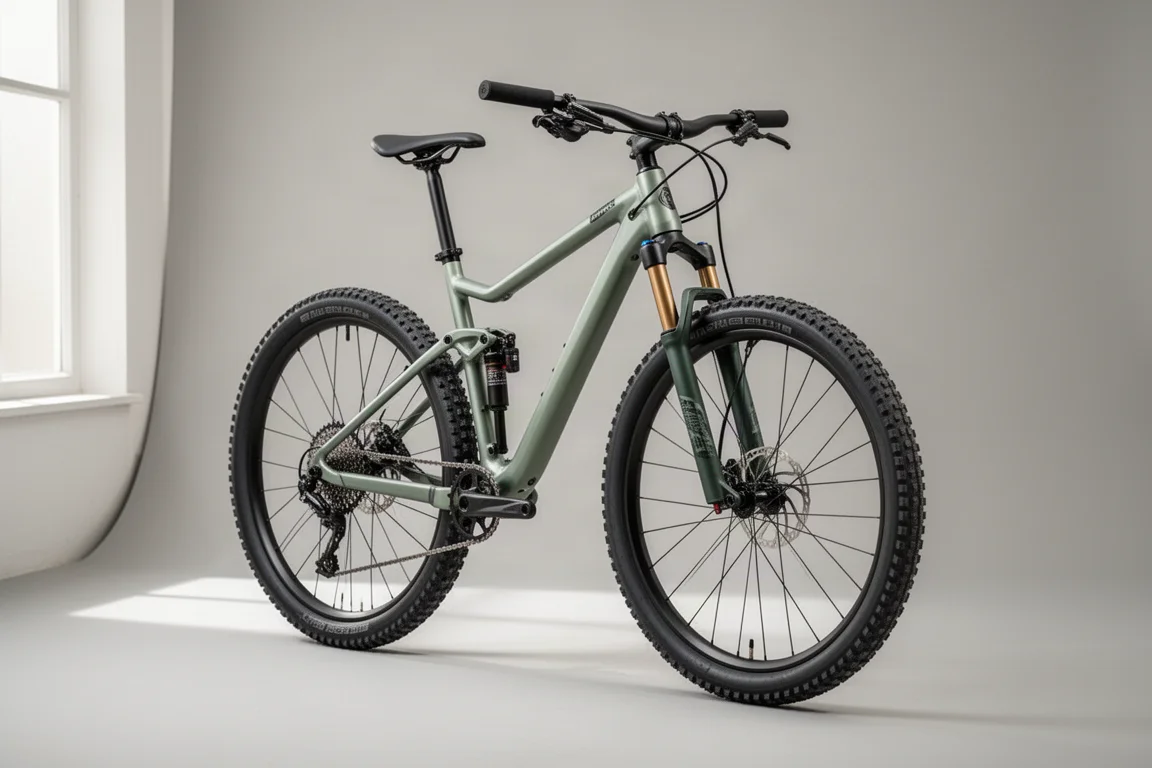
Across the three bikes, the fork tells you most of the story. The Canyon’s 125mm platform leans on mid-stroke support and a stiff front triangle. The Reactor pairs 130mm out back with a 150mm Lyrik Select Plus up front, giving it a distinctly more descent-focused balance. The Top Fuel matches a 120mm rear end with a 120mm SID, which keeps the two ends working in harmony.
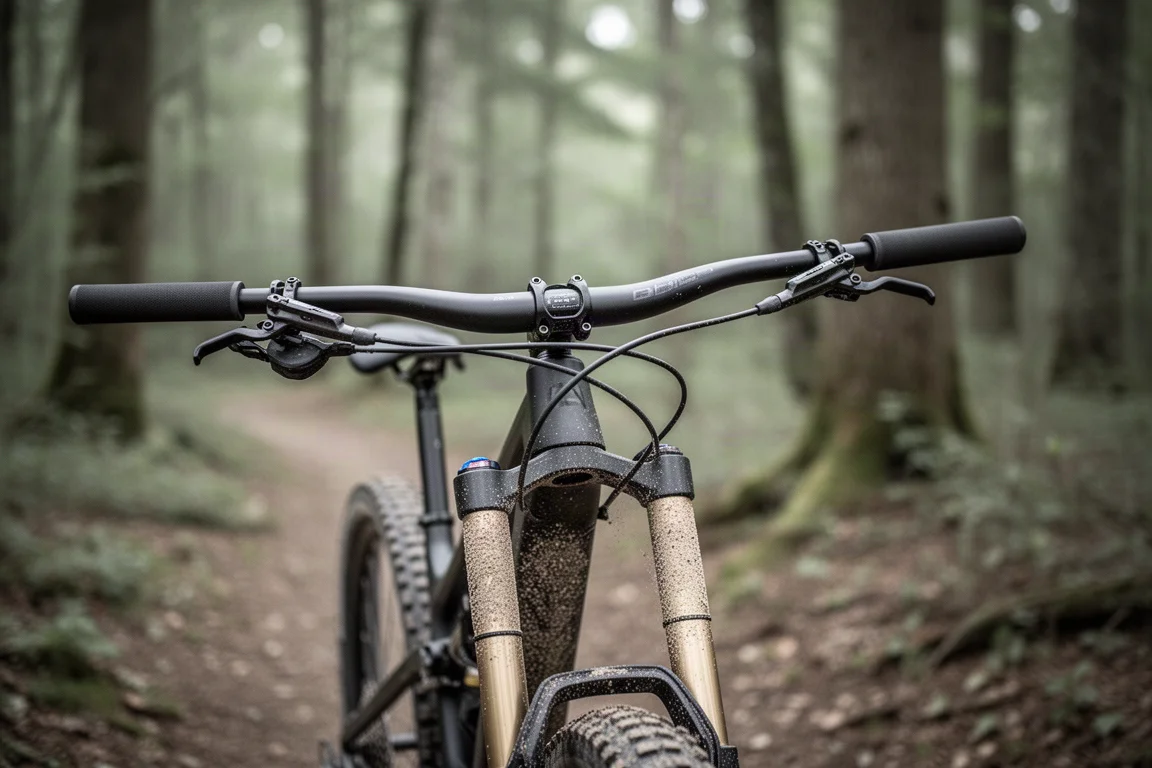
Component choices reinforce each bike’s intent. The Spectral’s dropper post and wide-range cassette prioritise climbing convenience. The Reactor’s brakes trade outright prestige for reliable power. The Top Fuel’s SLX and XT drivetrain and Bontrager XR4 tyres lean toward all-day efficiency without giving up grip. In every case, the parts are matched to the ride the frame is trying to deliver rather than to a spec sheet headline.
Climbing and Pedalling Efficiency
Climbing is where these bikes separate more clearly. The Top Fuel handles it best of the three, with a comfortable seated position and a rear end that resists pedal-induced shock compression. The Spectral climbs without complaint, aided by a steep seat angle and stable suspension, though it rewards smooth pedalling over mashing. The Reactor is the least eager, with its weight and supple suspension working against it, and it asks for deliberate, aggressive input to generate speed across rolling ground.
If your riding involves long days in the saddle or a lot of undulating terrain, that hierarchy matters more than any single downhill trait.
Buying Advice
Choosing between these three comes down to what you want the bike to do most often.
If you want a bike that feels alive, rewards aggression and makes every jump and berm feel like an invitation, the Canyon Spectral 125 delivers that in a short-travel package. Be prepared for a firmer ride and a preference for attacking the trail rather than cruising it.
If your priority is a planted, plush descender and you do not mind working harder on the climbs, the Nukeproof Reactor is a strong match. It suits riders who winch up and let go on the way down, and who value grip and composure over snap.
If you want one bike that does a bit of everything well, the Trek Top Fuel is the most balanced of the three. It climbs strongly, descends with more confidence than its travel suggests, and stays fun on flow trails and technical terrain alike. The main caveats are its weight and the limits of a 120mm platform when you push it into the roughest, fastest terrain.
A trail bike needs to climb well, descend with authority and leave you wanting more. Quality of suspension matters more than quantity, so a shorter-travel, more agile bike is worth considering even if bigger numbers look tempting on paper.
Conclusion
The Trek Top Fuel takes the top spot here because it does the widest range of things well. The Canyon Spectral 125 is the most exciting of the three if your riding is aggressive and your trails are steep. The Nukeproof Reactor is the most planted on the descents and the most relaxed on a casual weekend ride.
None of them is the wrong choice. The right one depends on whether you value snap, composure or all-round balance most.
Further reading
Related Reviews
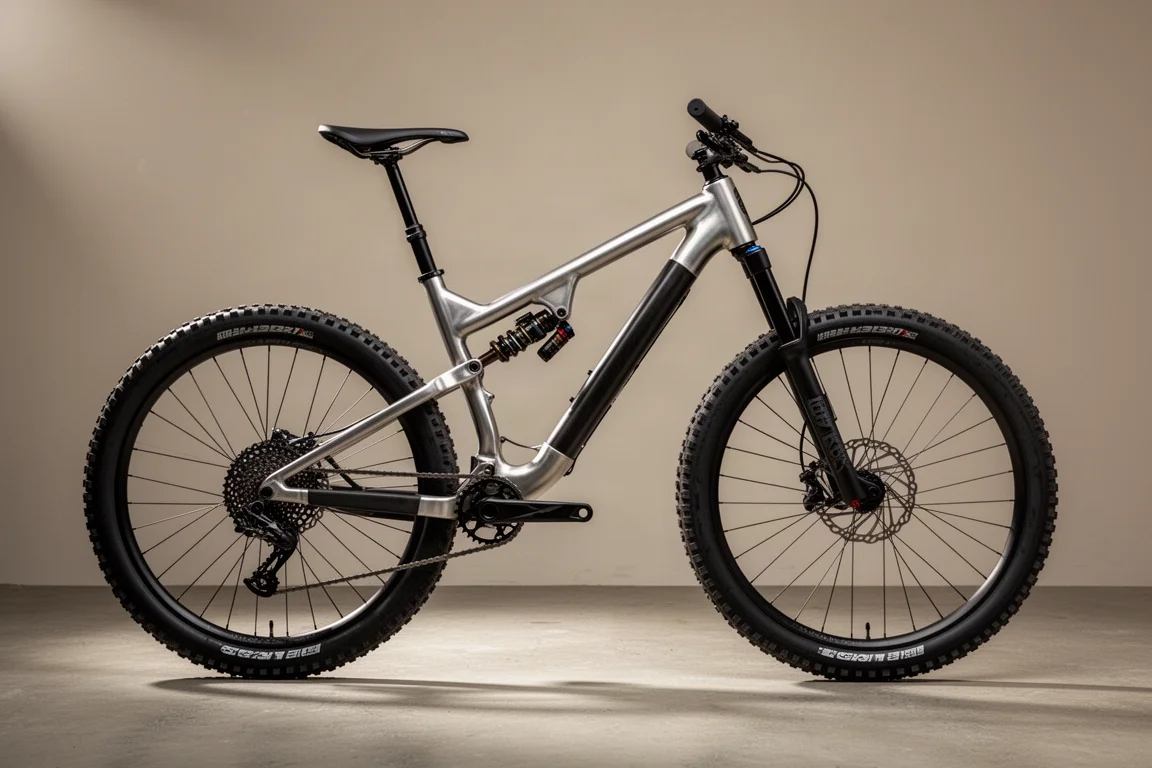
Mountain Bikes
Atherton AM.130 Review: 3D-Printed Titanium Lugs and a 130mm Trail Bike That Descends Like a Bigger Machine
The Atherton AM.130 pairs 3D-printed titanium lugs with carbon tubes and a DW6 suspension platform. Here is how it rides, what the build delivers, and who it suits.
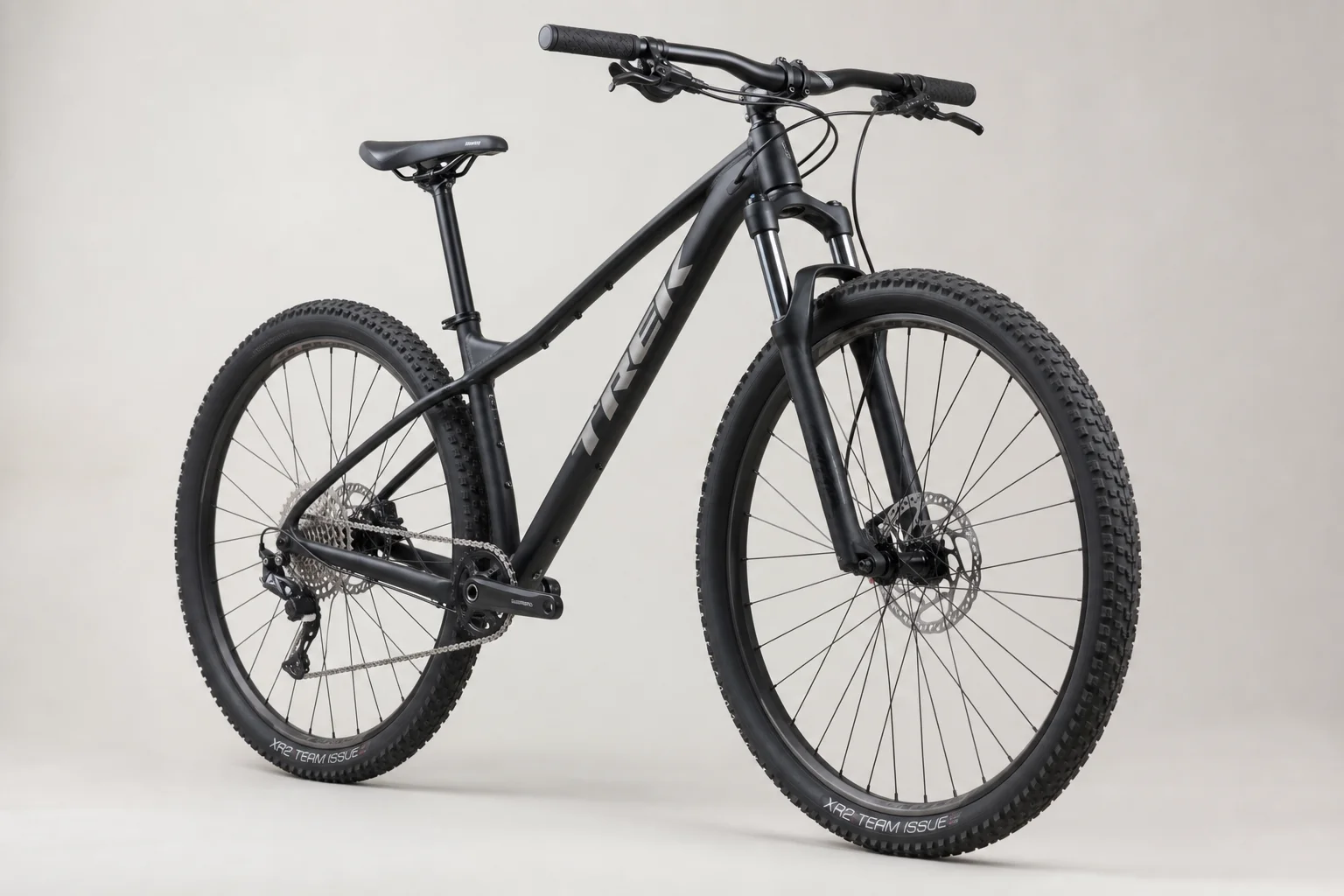
Mountain Bikes
Beginner Mountain Bike Buying Guide: What to Look For in a Trailworthy Hardtail
A practical framework for evaluating beginner mountain bikes, whether new or used, by examining key components that indicate real trail capability.
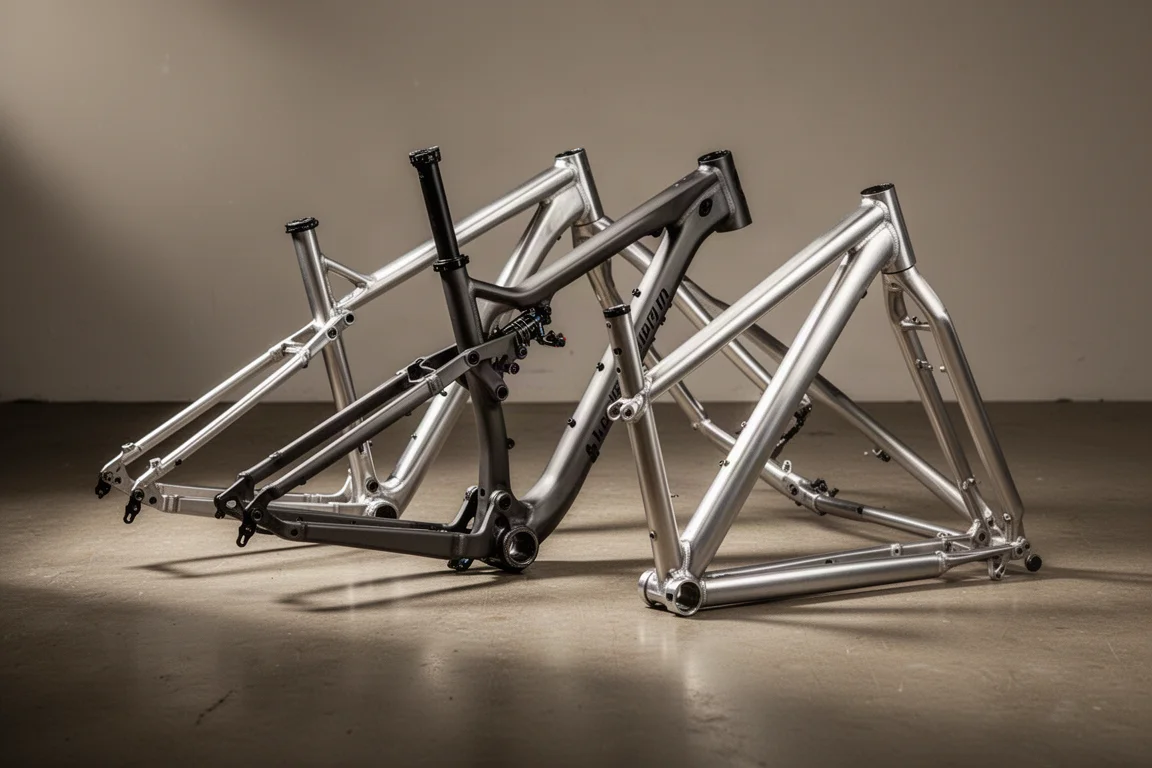
Mountain Bikes
Best Aluminum Mountain Bikes 2026: Five Alloy Bikes Worth Your Attention
Five aluminum mountain bikes that show how far alloy has come, from a 120mm trail bike and a versatile machined frame to a 180mm freeride machine.