Mountain Bikes
Best Trail Bikes 2026: Three Class-Leading All-Rounders Compared
Three standout trail bikes compared on climbing efficiency, descending composure, geometry, and value, with clear guidance on which one suits your riding.
Introduction
Trail bikes sit in the sweet spot of mountain biking. A good one climbs without punishing you, descends with near enduro confidence, and still feels playful on flatter, less demanding terrain. That balance is genuinely hard to achieve, and few bikes get every part of it right.
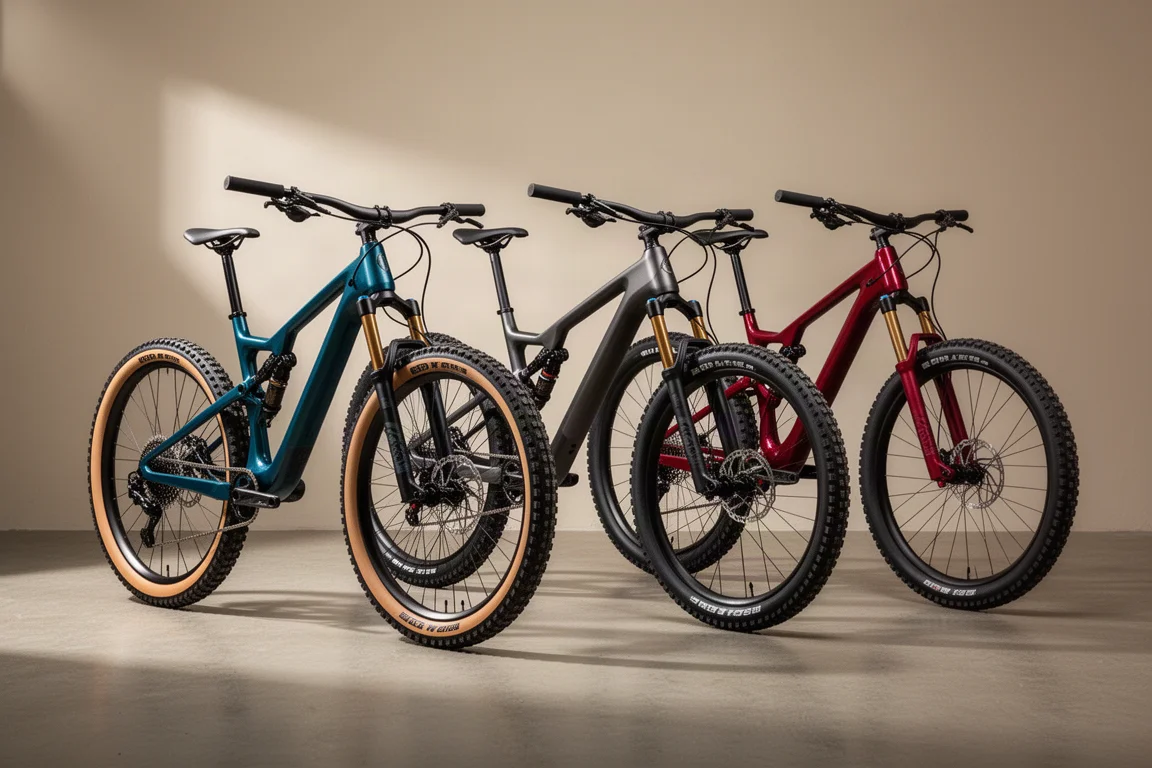
The three machines in this comparison approach the category from different angles, and each one leads the field in at least one respect. The Whyte T-140 RS costs £4,099, the Vitus Escarpe CRS sits just under £3,200, and the Merida One-Forty 700 comes in at around £3,100. Together they give a fair snapshot of what modern trail bikes offer across the price range.
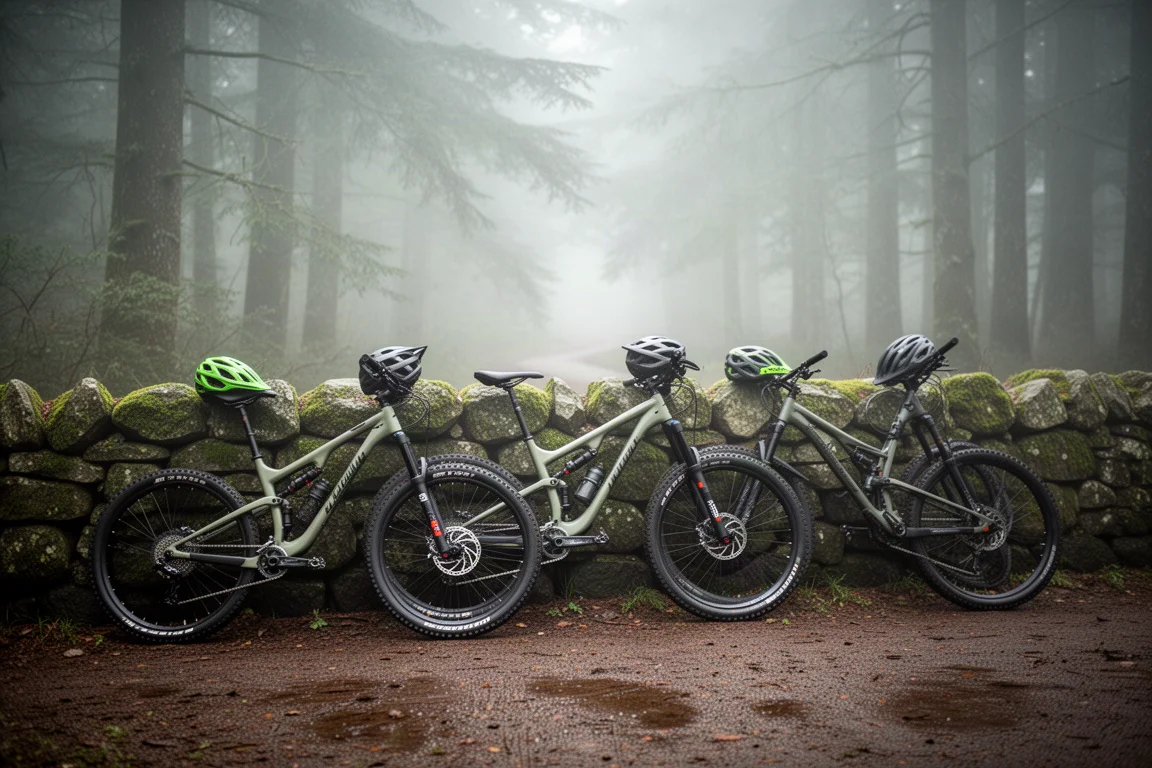
Not every trail bike fits this mould. Lighter, shorter travel machines occupy a different part of the spectrum, and they are worth a look if your riding rarely turns steep and rough.
What Makes a Great Trail Bike
Rear travel across these three runs from 135mm on the Whyte up to 143mm on the Merida, with forks between 140mm and 150mm. That window is wide enough to feel capable on technical descents without turning every climb into a slog.
Climbing efficiency matters as much as descending ability. A bike that bobs under power or places you in a slack seated position will wear you down over a long day. Geometry decisions such as seat tube angle, reach, and head angle shape how a bike behaves far more than any single component.
Value also plays a role. Some of these bikes are sold online, while others are available through shops, and that affects what you get for your money as well as how easy it is to arrange a service or a demo ride.
Whyte T-140 RS: The Most Complete All-Rounder
With 135mm of rear travel paired to a 140mm fork, the T-140 RS sits neatly between a short travel ripper and a long travel shredder. The geometry is modern, with a lengthy front end for high-speed composure over rocks and roots and a stubby stem to keep handling quick between the trees.
Climbing is fuss free. The rear suspension resists bobbing when you are seated, yet the early stroke stays supple enough for the rear tyre to dig in and grip. The 76.9-degree seat angle only feels slack next to the Merida’s much steeper figure. At 30 per cent sag the bike can feel a little lazy on the steepest climbs, but dropping closer to 25 per cent restores a good pedalling feel. There is very little bob when you stand up, and the shock’s compression lever sits within easy reach.
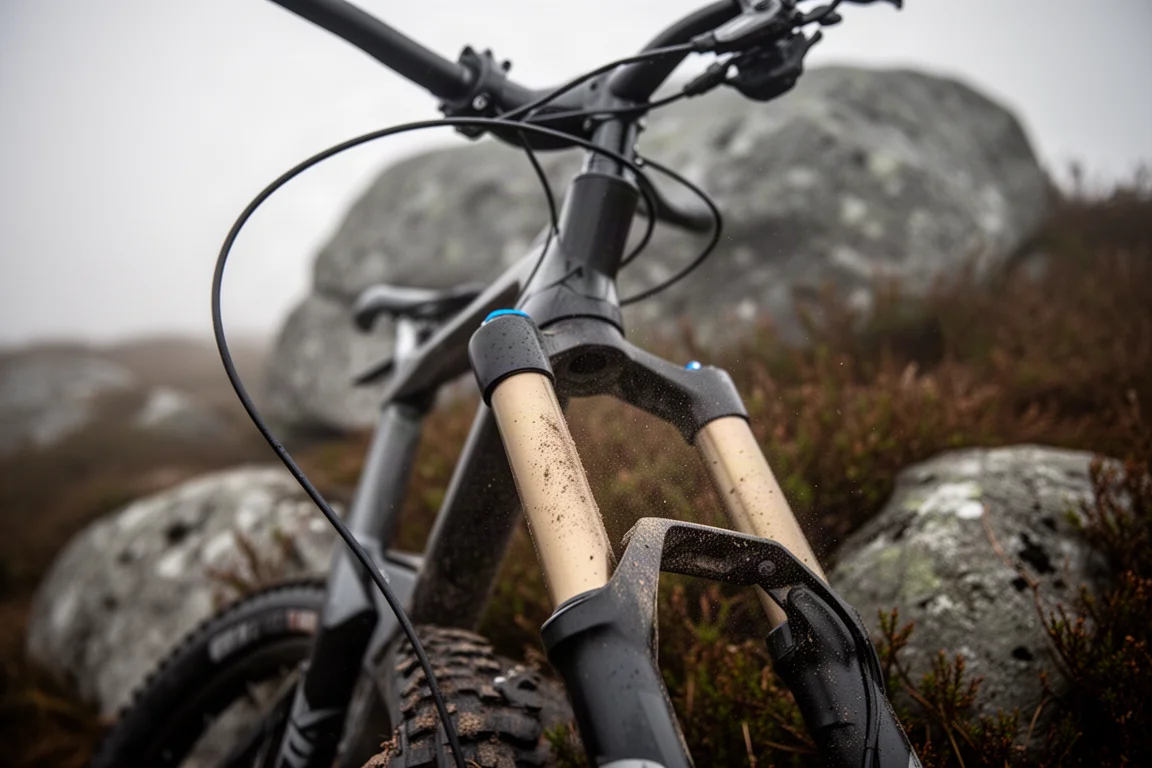
Downhill, the T-140 RS delivers silent confidence. It is quiet and rattle free, and the suspension feels damped rather than harsh, controlling impacts before they reach the bars and pedals. The long 1,250mm wheelbase on the large size works with that suspension to calm front-end pitching. The 140mm Fox 34 Performance Elite fork with the GRIP 2 damper is smooth and well controlled, a clear step up from the older FIT 4 damper.
Heavier or faster riders may find the 34mm chassis flexing under heavy braking and bottoming out on bigger impacts, where a Fox 36 might be the better fit. The 64.7-degree head angle and 330mm bottom bracket help the bike carve through turns, and the Maxxis Minion DHF front and Dissector rear tyres, with an EXO+ casing at the back, blend rolling speed with genuine grip. The SRAM G2 R brakes are the weakest link, lacking a little outright power. Limited sizing is the main reason it misses the top step.
Vitus Escarpe CRS: Descending Performance for Less
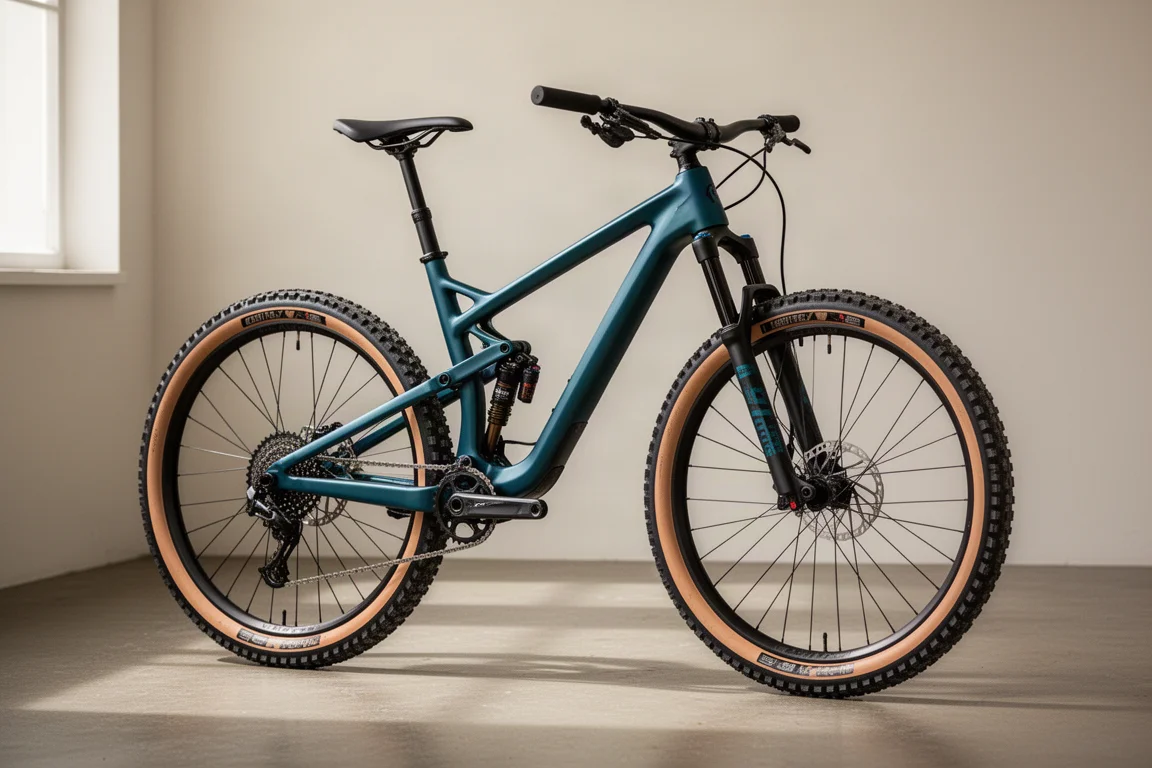
The Escarpe CRS uses a carbon fibre frame, and its online-only sales model lets Vitus pack in components that would cost considerably more elsewhere. A RockShox Lyrik Select fork with 150mm of travel and 35mm stanchions sits up front, backed by a Shimano SLX drivetrain, a four-piston SLX front brake, Nukeproof Neutron wheels, and Maxxis rubber with an EXO+ carcass at the rear.
Getting the best from the Vitus on climbs means sitting and spinning. Push harder and rear suspension movement starts to rob you of power, making upward progress less efficient than on the other two bikes. Traction, though, is excellent, and the Maxxis Dissector rear tyre claws its way up almost anything. The climbing position is comfortable, with a seat tube angle of a little over 77 degrees, made steeper on larger frames. A flip chip lets you steepen the angles and raise the bottom bracket if you want sharper technical climbing.
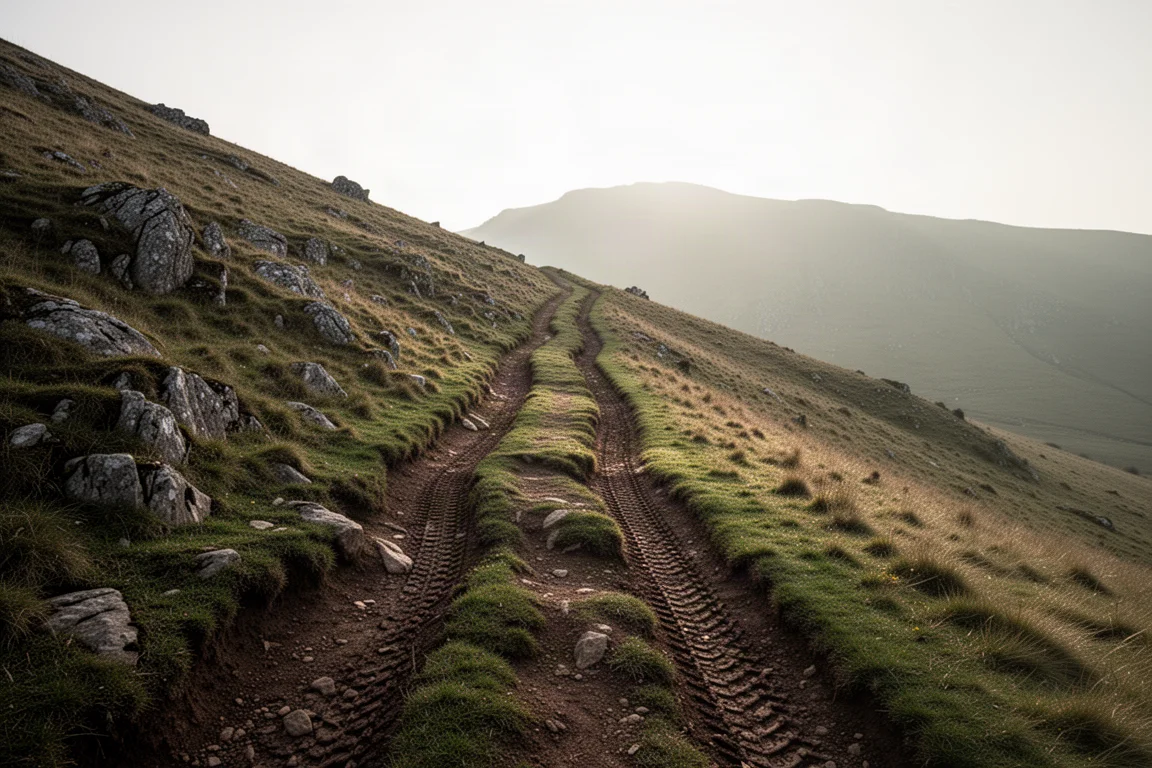
Descending is where the Escarpe CRS shines. Around 30 per cent sag, the rear suspension is remarkably simple and soaks up whatever the trail throws at it. High frequency chatter disappears under the broad tyres on their wide rims, and repeated medium hits are controlled by the shock’s mid-stroke support. It often feels like it has more than its 140mm of travel. The 150mm Lyrik Select fork feels unshakable and keeps harshness away from the bar, while the four-piston SLX front brake has plenty of power for steep terrain.
A few cost savings do show through. The two-piston SLX rear brake does its job, but a four-piston unit would match the front better. The bike is also more rattly than its rivals, and mud clearance at the rear could be improved. Given the price, these are small niggles.
Merida One-Forty 700: The Most Efficient Climber
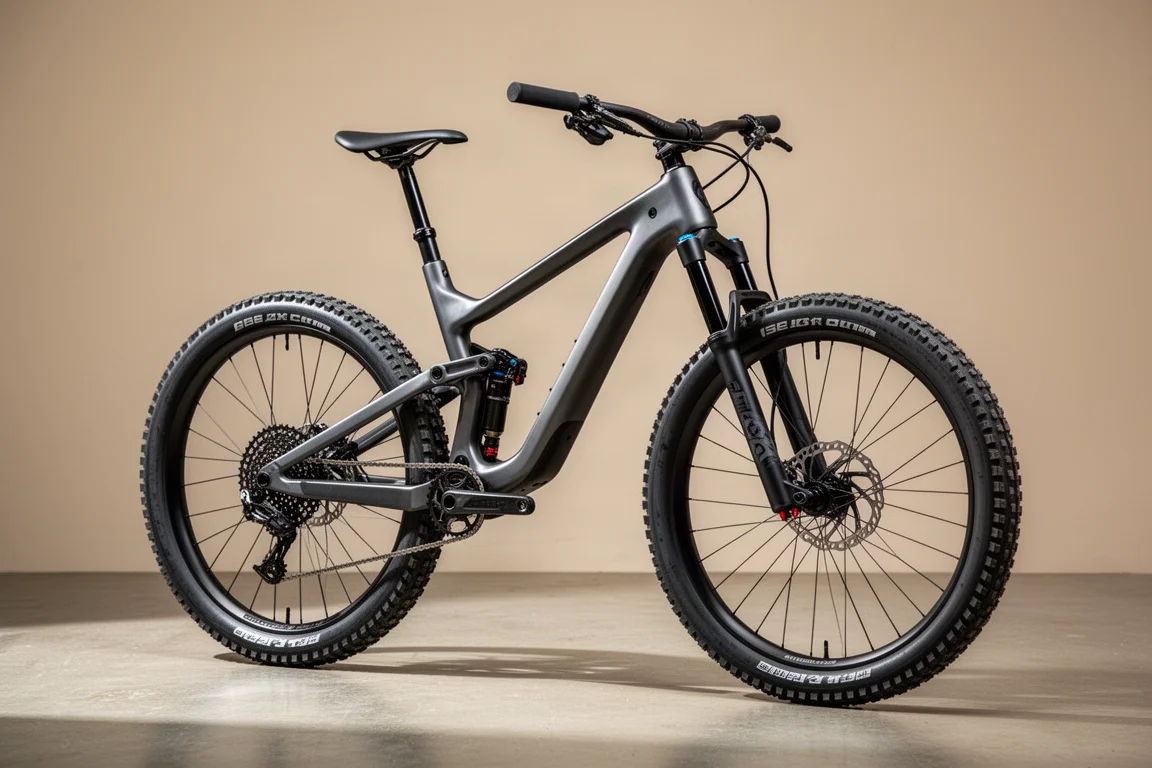
The One-Forty 700 is the top alloy-framed version of the 140, with 143mm of rear travel and a 150mm Marzocchi Z1 fork. The parts package is not the flashiest, but it delivers where it counts, and the geometry is the most radical here. In its long size, reach measures 509mm, paired with an 80.5-degree seat tube angle and a 65-degree head angle. Riders who prefer a more conventional feel can size down, where 480mm of reach lines up with the rest of the field. A Merida dropper post offers an adjustable drop from 30mm to 230mm, though the mechanism feels a little clunky in use.
Pointed uphill, the Merida is the class leader. Only the most awkward pedal strokes disturb it, and the feel under power is so solid that the shock lockout becomes almost redundant, even on tarmac. Despite that firmness, it barely falters on technical climbs, and with ample top tube length and a steep seat angle there is plenty of room to shift your weight for grip.
On descents the long reach, moderately slack head angle, and plush fork give the 140 commanding performance. It can be a point-and-shoot bike, letting the suspension and tyres do the work, or you can hop and slither through tight turns where its agility flatters your confidence. The suspension support that helps it climb also gives you a platform to push against, so speed builds easily. It is not quite as silky in the rough as the Vitus, but the geometry and the rubber mean you are unlikely to come unstuck. Four-piston SLX brakes squeeze 203mm rotors at both ends, and a Shimano drivetrain built largely around SLX, with an XT shifter, shifts crisply. Race Face Effect cranks are a nice touch.
Very little is worth complaining about. The grips may not suit everyone, and a shorter stem sharpens the handling further, but that is about it. It is also the least expensive bike here and the only one you can walk into a shop to buy.
What to Check Before You Buy
Start with the riding you actually do. If your days involve long, sustained climbs, the Merida’s pedalling efficiency and its steep seat angle are hard to argue with. If you chase descending performance and want the most bike for your money, the Vitus offers remarkable value, provided you accept a more relaxed climbing pace and a little more noise from the frame.
Then look at fit and sizing. The Whyte’s limited size range is a genuine limitation, and the Merida’s long size is very long, so sizing down may be the right call for many riders. The Vitus seats larger riders effectively thanks to its steeper angles on bigger frames.
Finally, weigh the brakes and the buying experience. A four-piston rear brake is a worthwhile upgrade on the Vitus, and buying through a shop, as you can with the Merida, brings advantages in servicing and support.
Conclusion
All three of these bikes are strong. The Whyte T-140 RS is the best all-rounder, calm and composed across a wide range of tracks, but limited sizing and a higher price hold it back. The Vitus Escarpe CRS is a descender’s dream, comfortable, capable, and outstanding value, and it finishes second. The Merida One-Forty 700 takes the win because it climbs with the best of them, descends as well as anything here, and costs the least of the three.
Further reading
Related Reviews
Mountain Bikes
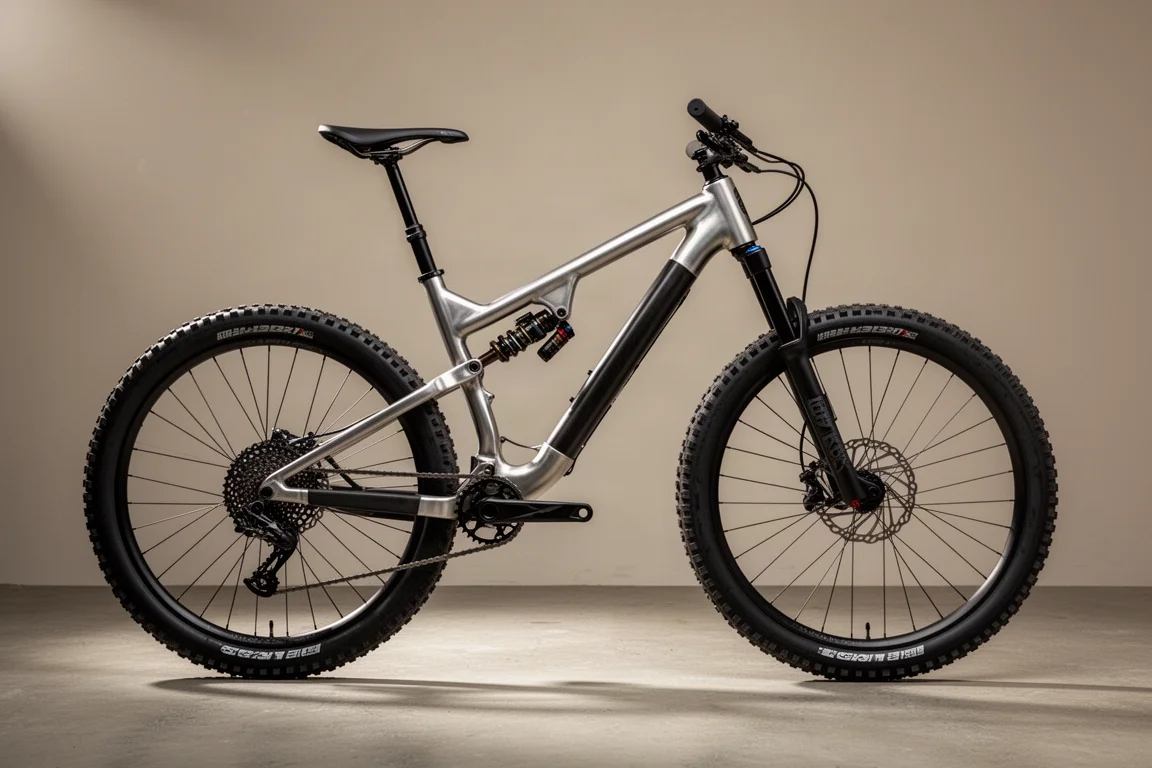
Atherton AM.130 Review: 3D-Printed Titanium Lugs and a 130mm Trail Bike That Descends Like a Bigger Machine
The Atherton AM.130 pairs 3D-printed titanium lugs with carbon tubes and a DW6 suspension platform. Here is how it rides, what the build delivers, and who it suits.
Mountain Bikes
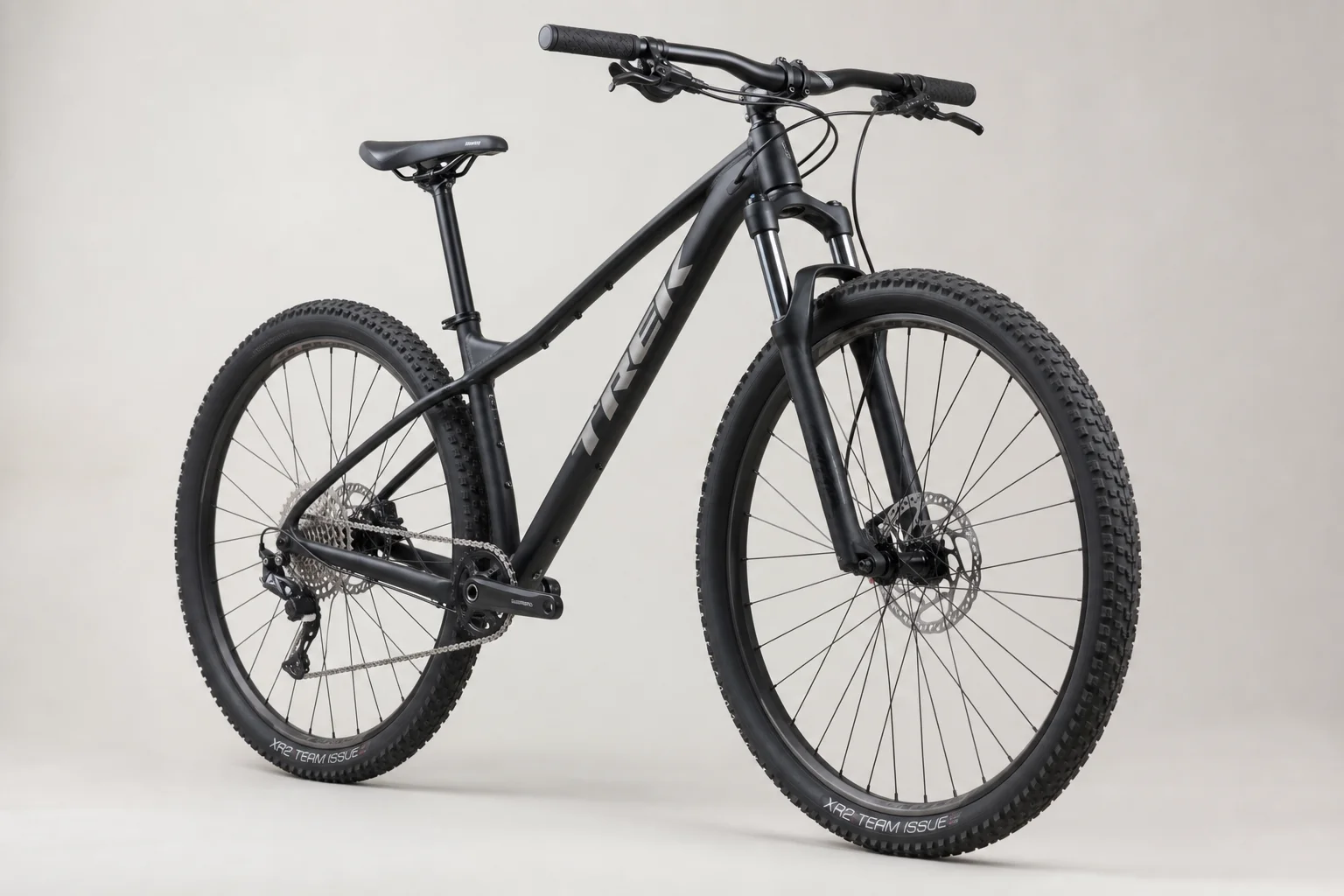
Beginner Mountain Bike Buying Guide: What to Look For in a Trailworthy Hardtail
A practical framework for evaluating beginner mountain bikes, whether new or used, by examining key components that indicate real trail capability.
Mountain Bikes
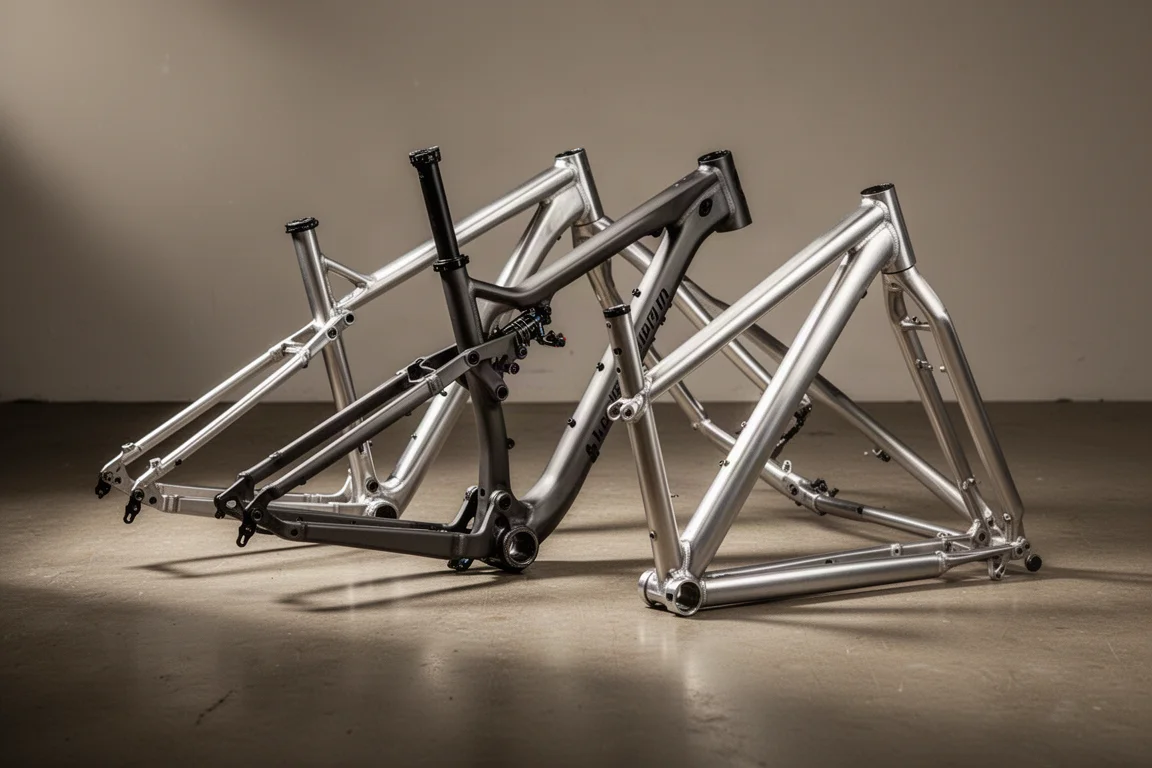
Best Aluminum Mountain Bikes 2026: Five Alloy Bikes Worth Your Attention
Five aluminum mountain bikes that show how far alloy has come, from a 120mm trail bike and a versatile machined frame to a 180mm freeride machine.