Mountain Bikes
Best Trail Bikes 2023: Five Versatile Machines Worth Considering
Five trail bikes that balance climbing efficiency and descending confidence, with the geometry, travel, and pricing details that matter before you buy.
Introduction
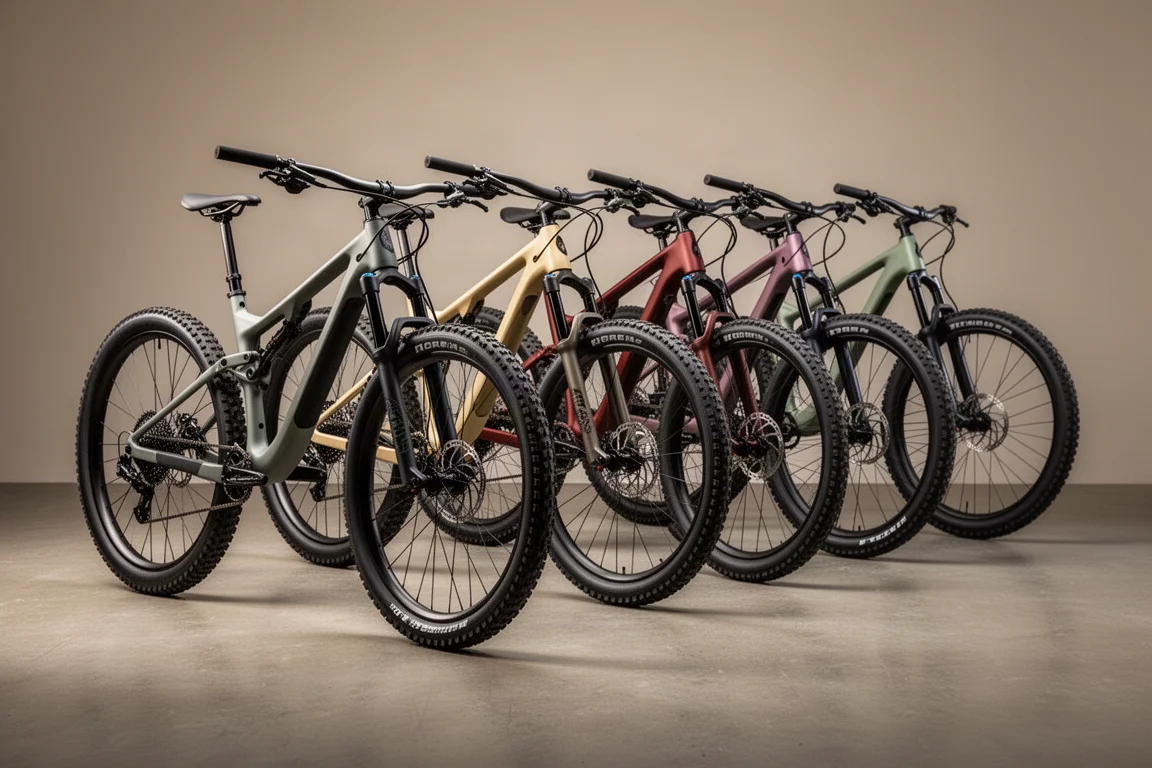
Trail bikes occupy the most useful middle ground in mountain biking. They climb well enough to earn their own descents, they descend with enough composure to stay fun on technical ground, and they cover the huge range of terrain between the two. The five bikes below all aim at that same target, but they take noticeably different routes to get there.
Some lean on adjustability, letting you change geometry and travel to suit the day. Others lean on suspension design, or on value. All five are full-suspension 29-inch machines with travel figures in the trail range. What follows is a breakdown of what each one actually offers, followed by guidance on how to choose between them.
How We Evaluated These Trail Bikes
Three things separate a good trail bike from a frustrating one. The first is suspension behaviour, both how it handles small bumps on climbs and how it holds up under bigger hits on the way down. The second is geometry, particularly head angle and seat angle, since those two numbers largely decide whether a bike feels calm at speed or eager on steep climbs. The third is adjustability and long-term practicality, which covers everything from flip chips and geometry links to internal storage and frame protection.
Travel is the easiest starting point. Every bike here sits between 130 mm and 150 mm of rear travel, which is the modern trail sweet spot. Beyond that, the differences come down to how each brand tunes its suspension and shapes its frame.
Transition Smuggler
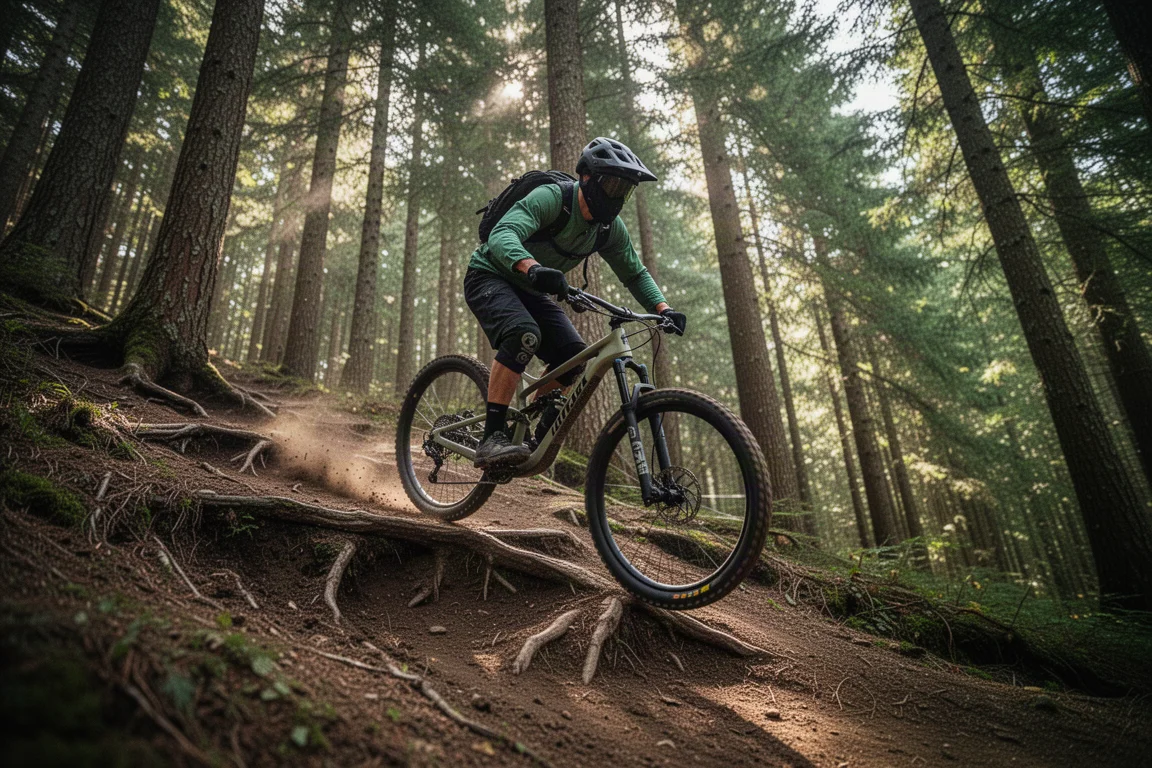
The Smuggler has been missing from the range for a few years, and it returns designed to sit between the brand’s shorter-travel Spur and the burlier Sentinel. In terms of travel, geometry and capability it lands squarely between those two, which arguably makes it the most versatile bike in the lineup.
It runs 130 mm of rear travel with a piggyback shock on all models, paired with a 140 mm fork. If that is not quite enough, a travel spacer can be removed from the rear shock to gain 10 mm of additional travel. Wheels are 29 inch front and back.
The suspension uses a progressive leverage ratio, intended to help when trails get more technical. Geometry follows the same progressive theme, with a 65 degree head angle, a relatively long 485 mm reach on a size large, and size-specific seat angles and chain stays. Frame details include internal cable routing, comprehensive frame protection, and a storage mount under the top tube. It is offered in both aluminium and carbon framed models.
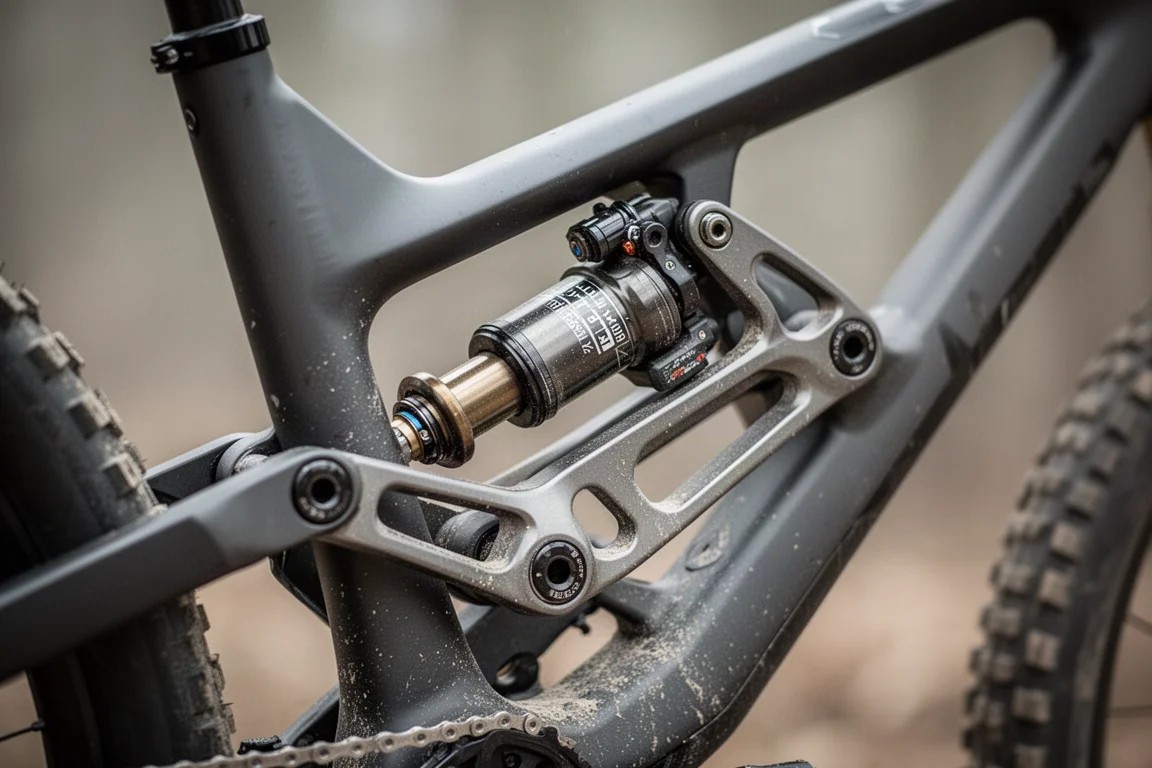
For riders who want one bike that covers winding singletrack, meandering climbs and technical descents without much fuss, the Smuggler’s combination of moderate travel and a progressive suspension curve is the core appeal.
Trek Fuel EX
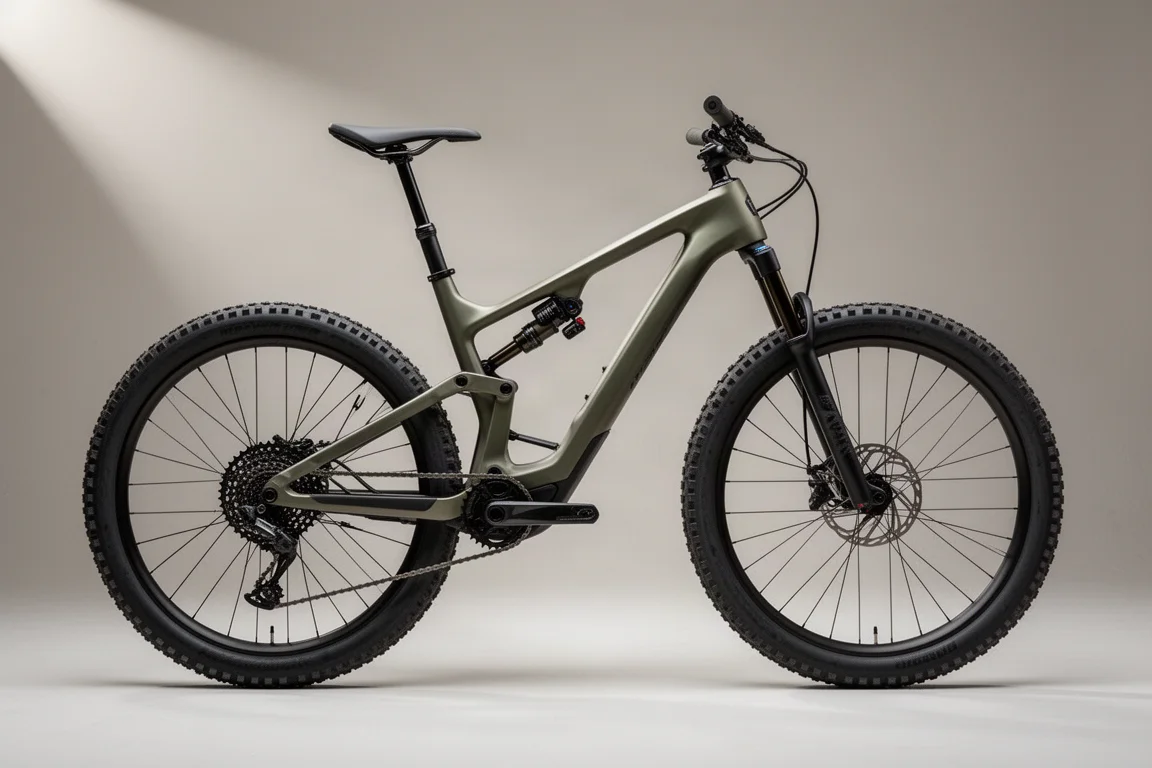
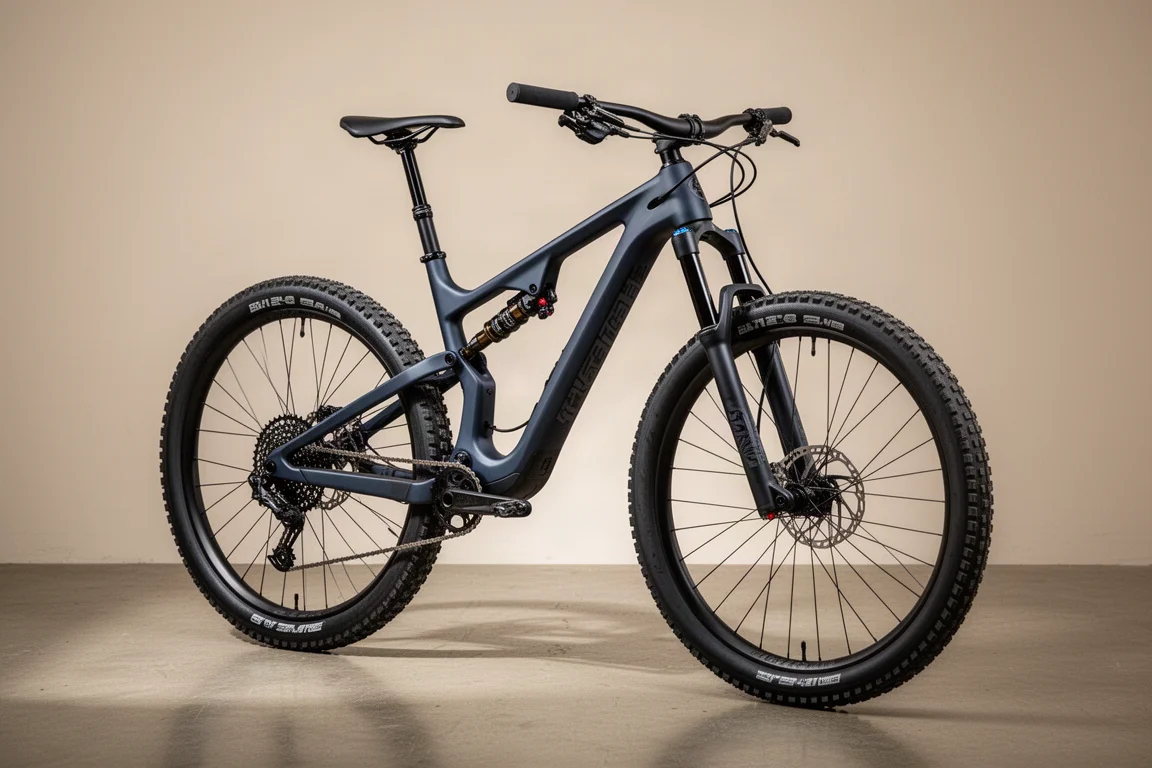
The Fuel EX has been around for nearly two decades and has built a reputation as one of the quintessential trail bikes. It started with 100 mm of travel in 2005, and the latest version has grown considerably.
The current bike runs 140 mm of rear travel with a 150 mm fork, which is 10 mm more front and rear than the previous version. It is now coil shock compatible thanks to a flip chip in the lower shock mount that alters the progression curve. Alongside the travel increase, the geometry has been overhauled and adjustability expanded.
The existing Mino Link raises or lowers the bottom bracket by 10 mm and fine tunes the head angle by half a degree. Angle adjust headset cups can also be fitted, which means the head angle can go as slack as 63.5 degrees, two and a half degrees slacker than the old bike. Riders who prefer the older handling can steepen it to 66 degrees. Climbing performance is not sacrificed, with a steep seat angle ranging from 78.8 to 75.2 degrees depending on frame size.
Sizing is unusually broad, with eight different sizes. The extra small runs 27.5 inch wheels, the small can take 27.5 or 29 inch wheels, and medium and up run 29 inch wheels. A mullet setup is also possible by swapping the Mino Link into the high position, fitting a 160 mm fork and a 27.5 inch rear wheel.
Santa Cruz Hightower
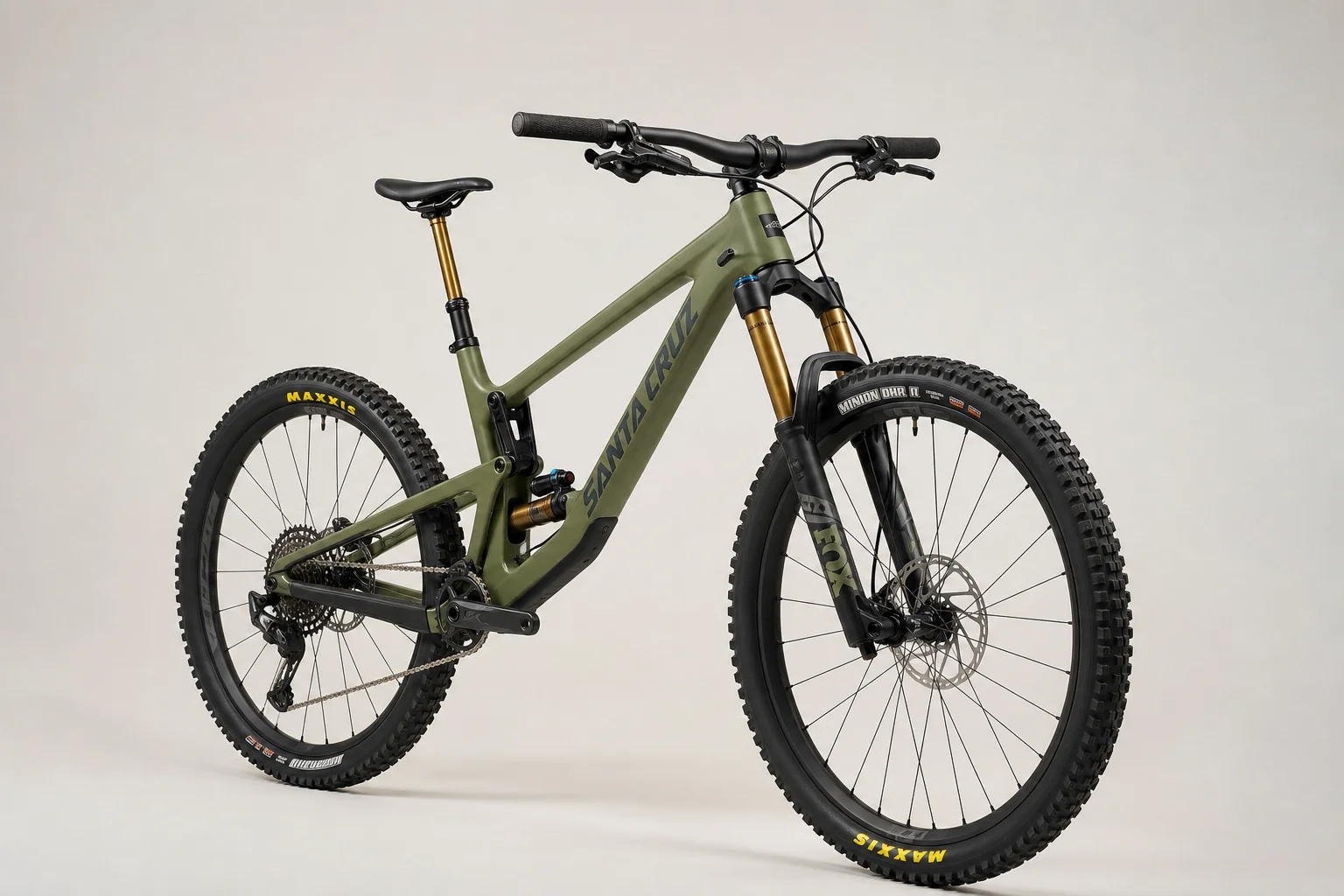
The Hightower sits in a sweet spot within the Santa Cruz range, with 150 mm of travel up front and 145 mm in the rear. It combines big wheels with medium travel and, in the brand’s framing, is short on fuss.
The frame silhouette is similar to its stablemates and uses Santa Cruz’s VPP suspension design, a signature of the range for over 20 years. The latest VPP bikes differ substantially from the originals, using a lower link driven shock layout inspired by the V10 downhill bike. On the Hightower that layout has been tuned to be more progressive for bigger hits, while having 40 percent less anti-squat early in the stroke. The aim is suspension that stays supple going up or down and generates strong traction while keeping pop and agility.
Geometry changes are subtle compared with the previous bike. The head angle sits at 64.5 or 64.8 degrees, the seat angle is steep at 77 or 76.6 degrees for an efficient climbing position, and the bottom bracket height shifts from 342 mm to 338 mm between the two settings. The high and low geometry adjustment is retained. The frame includes internal storage, and it is offered in high-end CC carbon or cheaper C carbon frames.
Whyte T-140
Whyte has been at the forefront of 29-inch wheel mountain bike design for longer than most. The T-129 won trail bike of the year back in 2013, and the T-140 is its spiritual successor.
This is not the old 27.5 inch T-140. The 2023 version uses a whole new aluminium frame with 29 inch wheels, a 140 mm fork and 135 mm at the rear. It uses Whyte’s signature SCR suspension, one of the first single-ring specific designs, and features durable bearings intended to take serious abuse.
Whyte was among the first brands to push the longer, lower and slacker direction, and the T-140 follows that with a 65.3 degree head angle. The switchable Shape It link slackens it further to 64.7 degrees and lowers the bottom bracket by eight millimetres to 330 mm. Value has always been a Whyte strength, and the T-140 starts at a notably accessible price point.
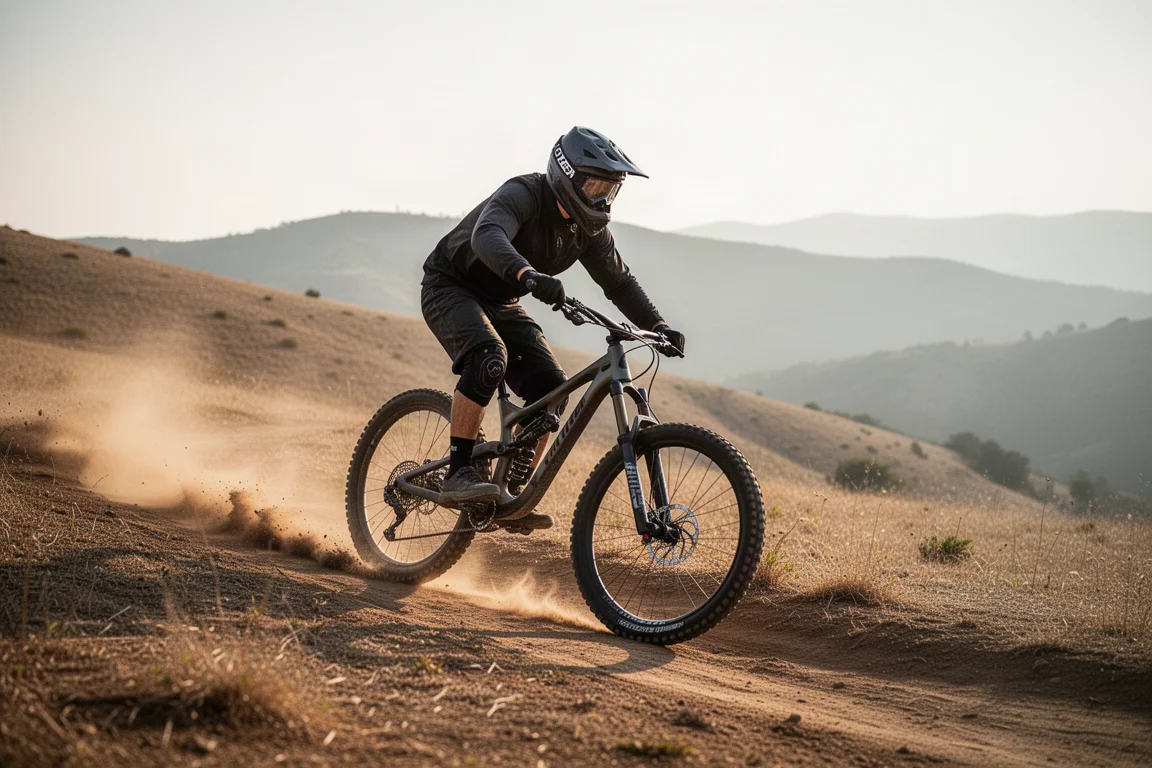
For riders who want modern trail geometry and a durable aluminium frame without paying carbon money, this is one of the more compelling options on the list.
Specialized Stumpjumper EVO
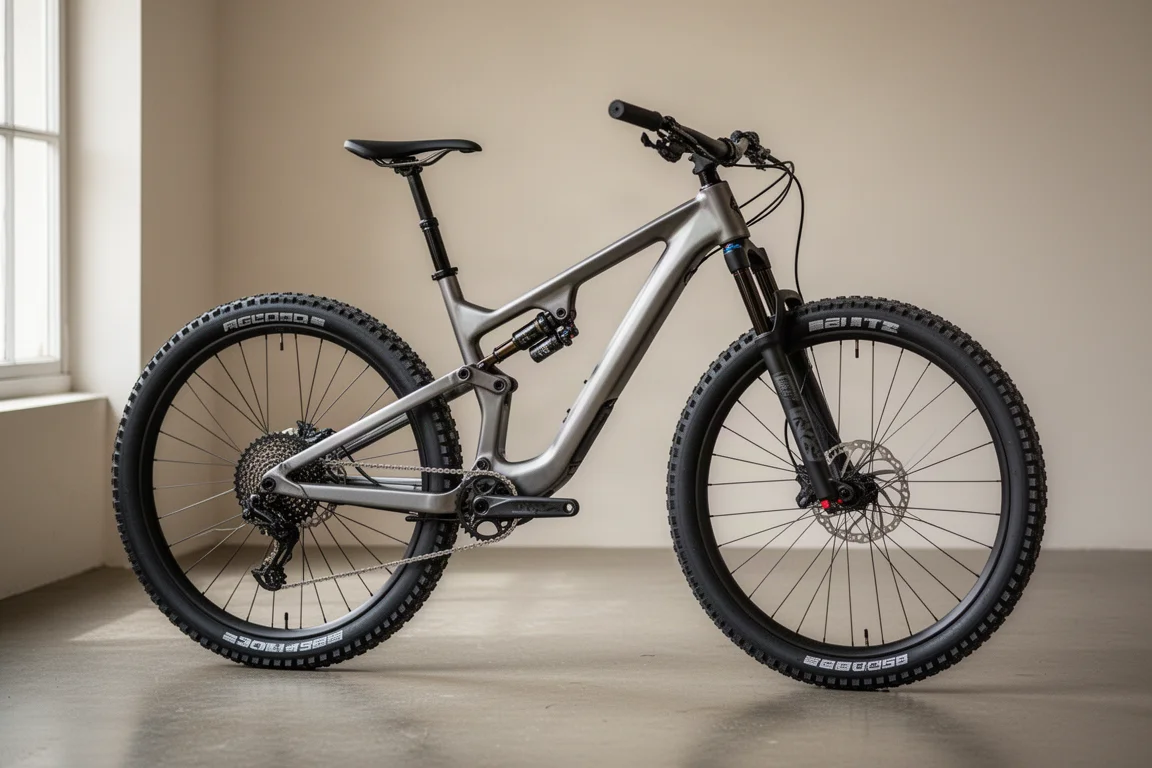
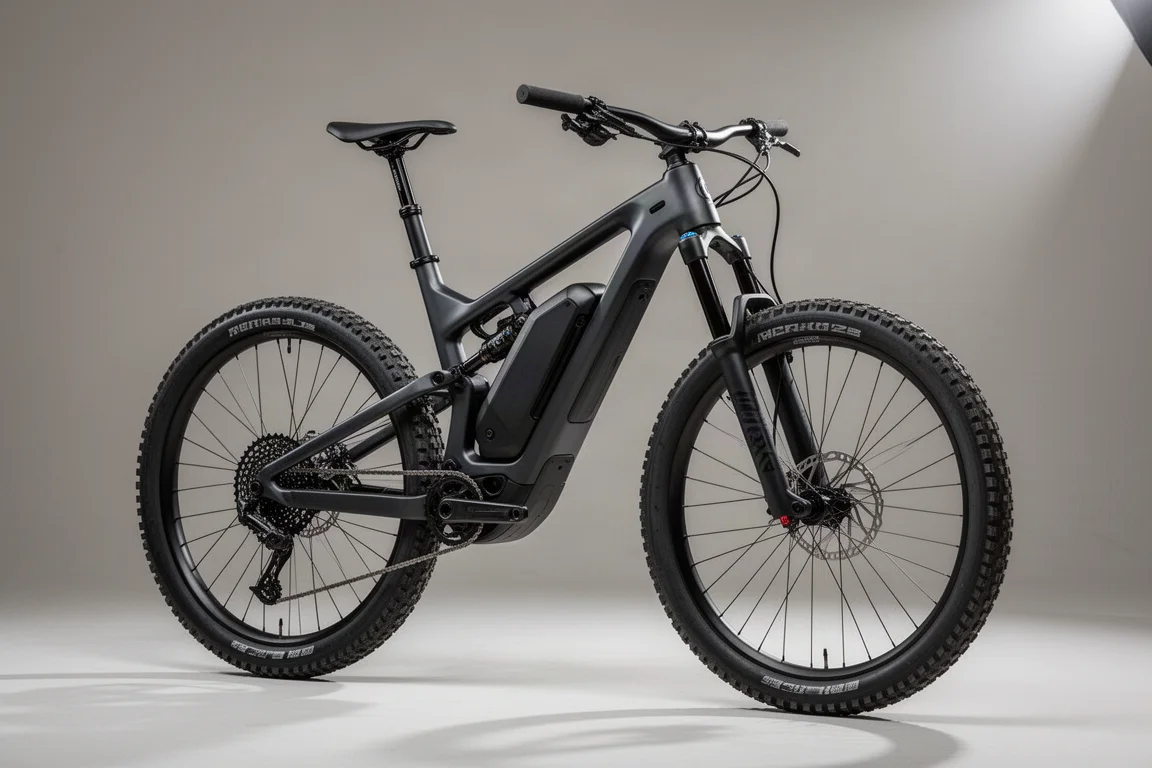
The Stumpjumper EVO has been around for a few years, and it still stands out thanks to radical geometry and a huge range of adjustment.
Head angle and bottom bracket height can be adjusted independently, so geometry can be tailored precisely. The head angle ranges from a very slack 63 degrees to a far more conservative 65.5 degrees, while the bottom bracket can sit as low as 331 mm or as high as 342 mm.
The EVO uses Specialized’s S-Sizing geometry, which lets you choose a size based on the frame reach you are most comfortable with while still fitting a long dropper post. It is also a practical bike: even the alloy version gets the SWAT down tube storage system. Frames are available in carbon or aluminium.
The range spans from the S-Works model at the top down to the entry-level Evo Comp Alloy at a considerably lower price. Whichever version you pick, the adjustable geometry is the defining feature.
That adjustability is what makes the EVO unusual. A rider can run it slack and low for steep, technical terrain, then dial it back toward more conventional numbers for mellower trails without changing bikes.
Buying Advice
Start with the terrain you actually ride most, not the terrain you aspire to. If your trails are rolling, technical and mixed, the Transition Smuggler’s 130 mm platform and progressive suspension curve make a strong case. If you want a long-established platform with exceptional sizing range and heavy adjustability, the Trek Fuel EX is hard to argue with.
The Santa Cruz Hightower suits riders who value suspension feel and traction, and who are comfortable paying for premium frame options. The Whyte T-140 is the value play, offering modern 29-inch geometry and a durable aluminium frame at a lower entry point. The Specialized Stumpjumper EVO is the pick for riders who want to experiment with geometry, or who ride terrain extreme enough to justify a 63 degree head angle.
Two practical points apply to all five. First, decide whether you want aluminium or carbon, since that choice affects price far more than it affects the ride. Second, check the size charts carefully. Several of these bikes offer size-specific geometry and unusually broad size ranges, so matching reach and seat angle to your body is more useful than simply picking the size you have always ridden.
Conclusion
These five trail bikes all sit in the same versatile middle ground, but they get there differently. The Smuggler leans on progressive suspension and a travel spacer that adds 10 mm if you want it. The Fuel EX leans on two decades of refinement and a huge adjustment range. The Hightower leans on a tuned VPP layout and premium frame options. The T-140 leans on value and durable aluminium. The Stumpjumper EVO leans on independent geometry adjustment and practical storage.
Any of them can climb, descend and traverse a wide range of trails. The right choice comes down to which of those strengths matches the way you ride.
Further reading
Related Reviews
Mountain Bikes
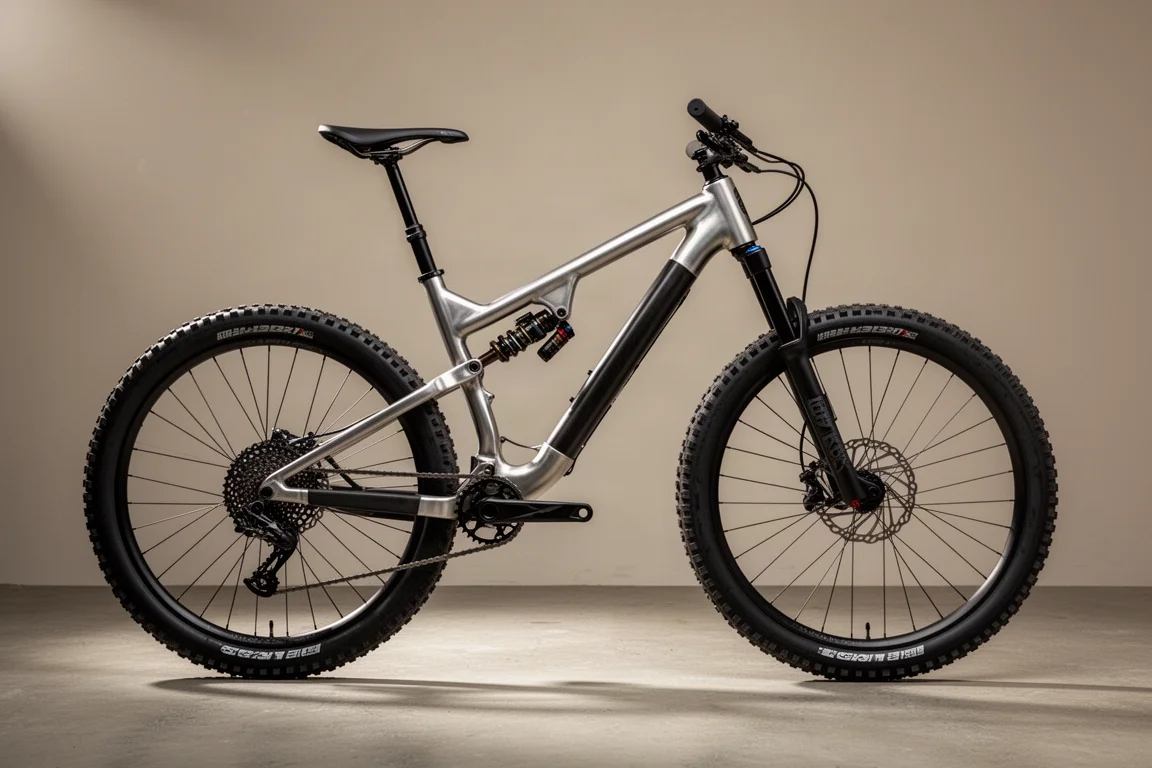
Atherton AM.130 Review: 3D-Printed Titanium Lugs and a 130mm Trail Bike That Descends Like a Bigger Machine
The Atherton AM.130 pairs 3D-printed titanium lugs with carbon tubes and a DW6 suspension platform. Here is how it rides, what the build delivers, and who it suits.
Mountain Bikes
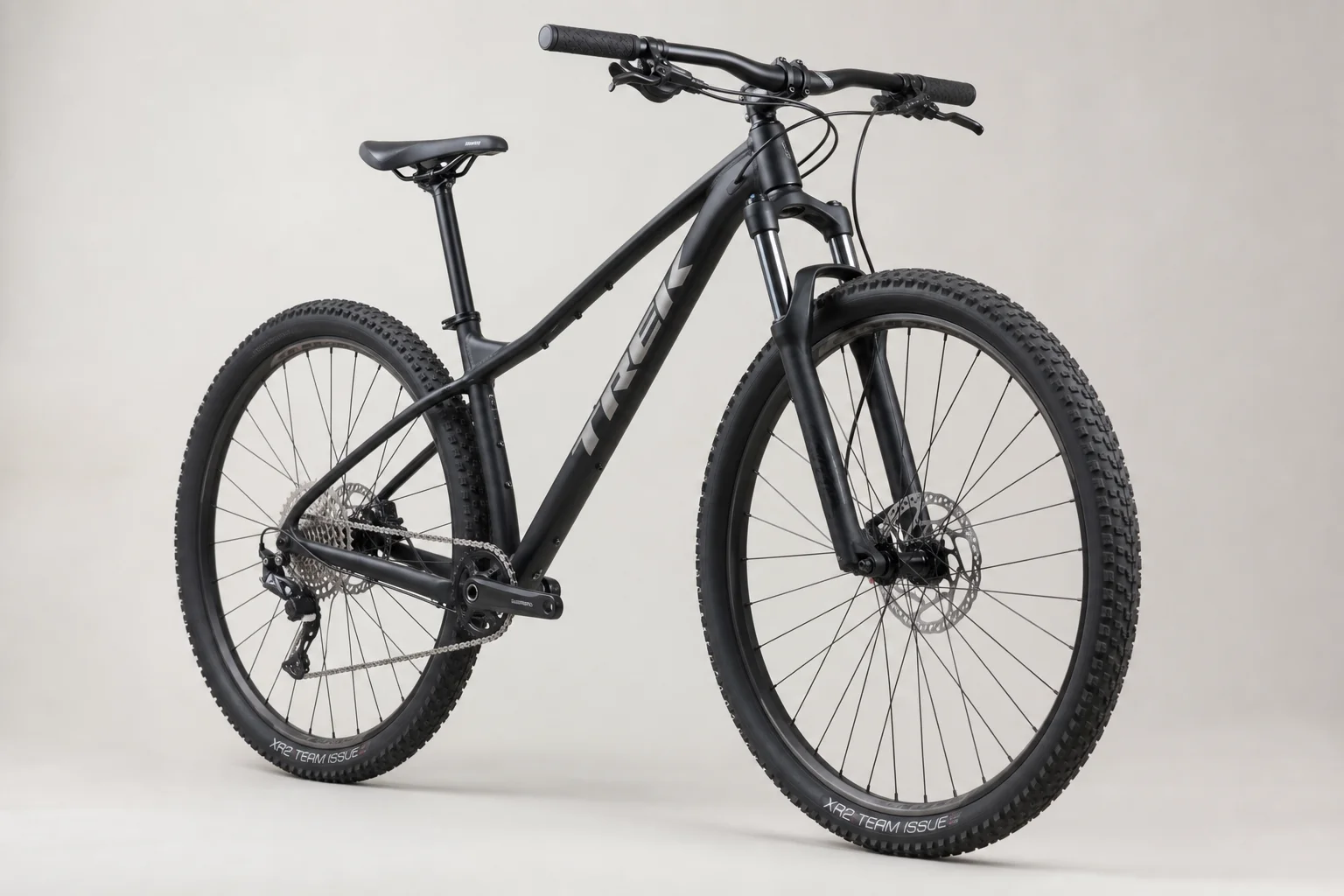
Beginner Mountain Bike Buying Guide: What to Look For in a Trailworthy Hardtail
A practical framework for evaluating beginner mountain bikes, whether new or used, by examining key components that indicate real trail capability.
Mountain Bikes
Best Aluminum Mountain Bikes 2026: Five Alloy Bikes Worth Your Attention
Five aluminum mountain bikes that show how far alloy has come, from a 120mm trail bike and a versatile machined frame to a 180mm freeride machine.