Home Audio
Best Tower Speakers Compared: KLH Kendall 2F, Polk R700, Klipsch RP-8000F II, and Q Acoustics 5040
A practical four-way comparison of floorstanding tower speakers, covering bass behaviour, treble voicing, amplifier demands, and placement flexibility.
Introduction
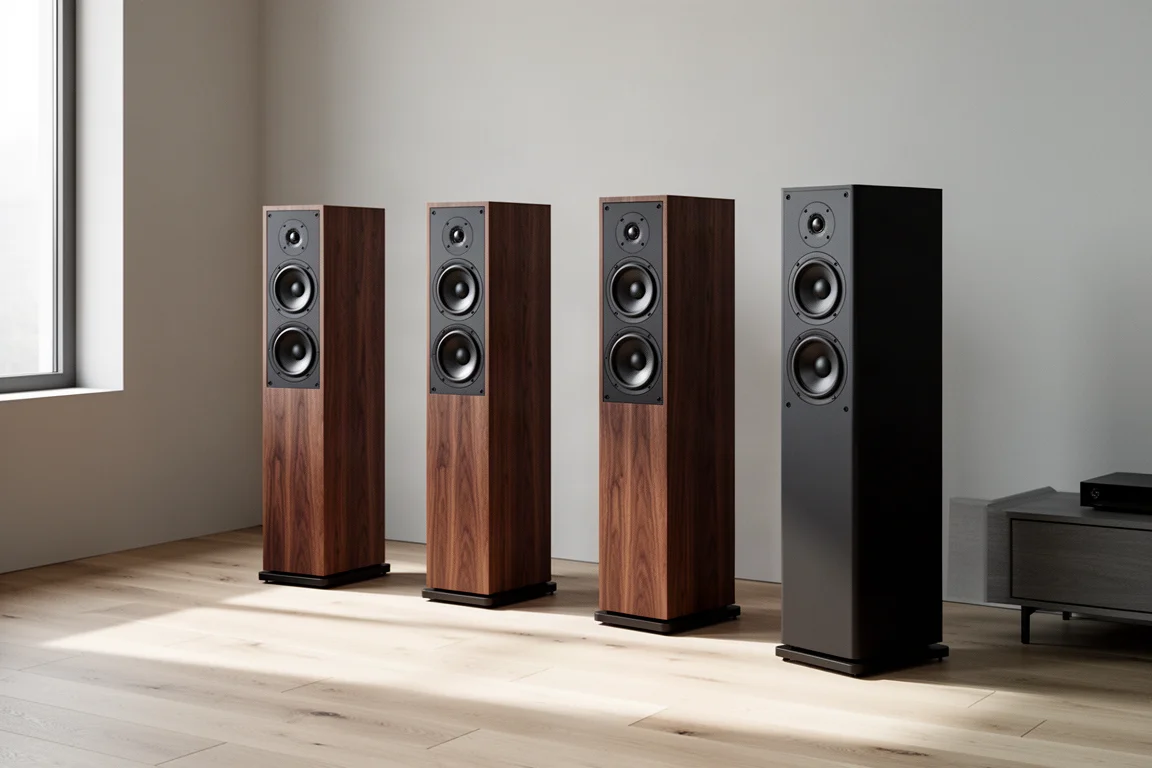
The KLH Kendall 2F is a three-way tower speaker handcrafted in Canada and positioned as one of the brand’s more budget-friendly traditional designs. It updates the original Kendall, which launched in 2018, and it arrives with a specification sheet that reads like a serious floorstanding speaker: a 1-inch titanium dome tweeter, a 5 1/4-inch aluminum midrange driver, and two 6 1/2-inch aluminum woofers.
That specification puts it directly in the path of three established rivals. The Polk R700 has been a benchmark among tower speakers for years. The Klipsch RP-8000F II brings a far more extroverted character. The Q Acoustics 5040 offers a smaller cabinet and a different set of priorities. All four tend to be bought by the same listeners, often from the same retailers.
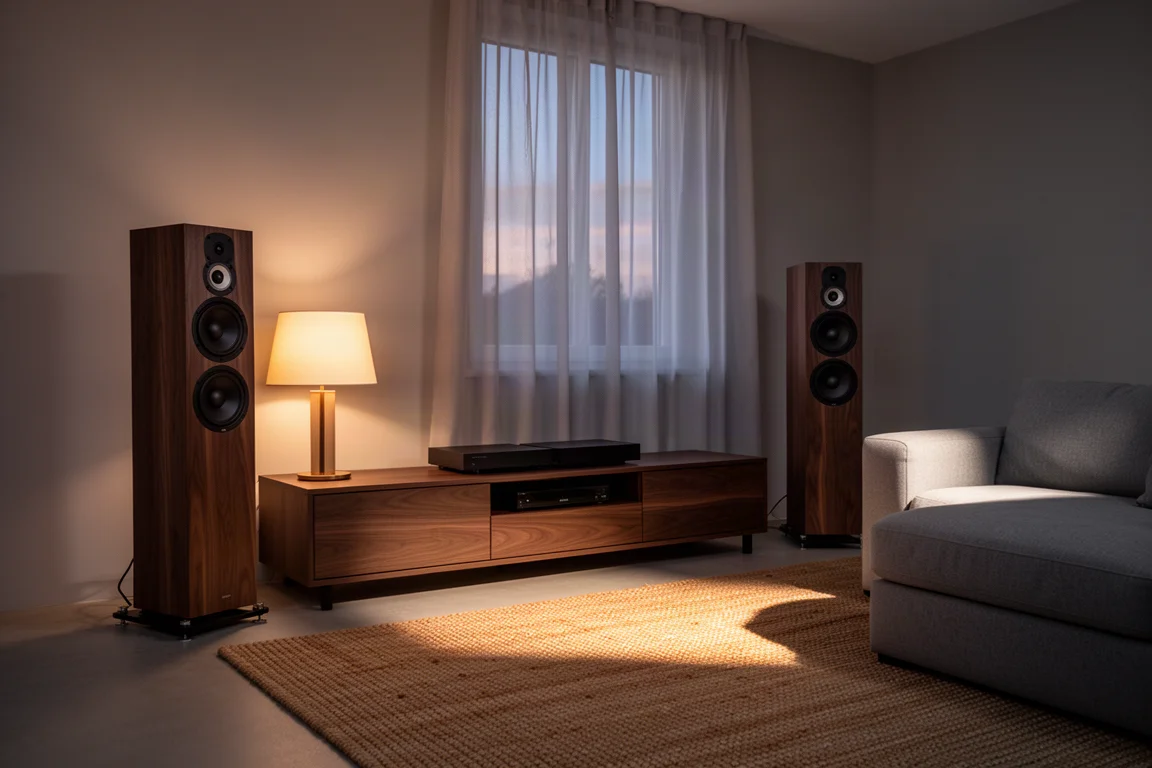
This comparison sets out where each speaker stands on the things that decide long-term satisfaction: how much amplifier they need, how they behave in the low end, how vocals are presented, and how much freedom each one gives you when you position it in a real room.
What All Four Tower Speakers Share
Each of these is a floorstanding design intended for medium to large rooms, and each is built for listeners who split their time between music and film. None of them is a small speaker pretending to be a tower, and none is a narrow specialist that only flatters one kind of recording.
The meaningful differences sit in voicing and in the demands each speaker makes on the rest of the system. Two of the four are notably easy to drive, and two ask for more amplifier headroom. Bass extension varies enough that a subwoofer is essential with one of them and genuinely optional with the others.
KLH Kendall 2F: A Room-Friendly Three-Way Tower
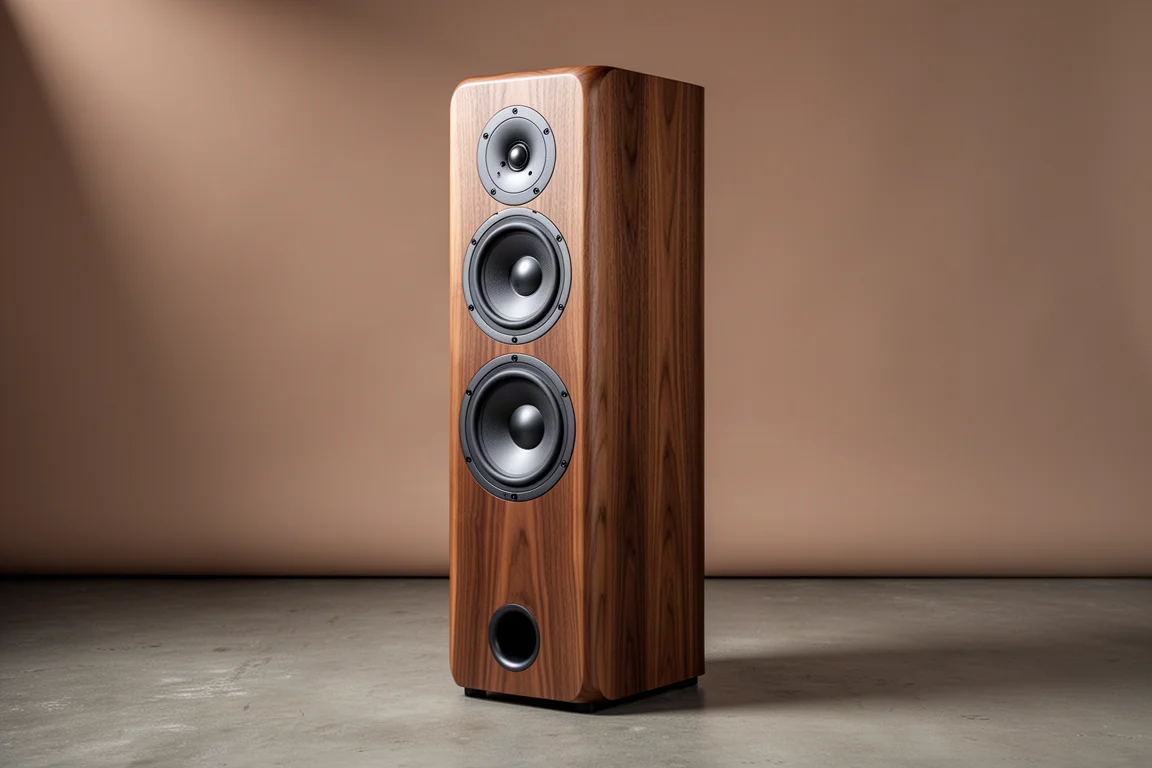
The Kendall 2F combines a 1-inch titanium dome tweeter with a 5 1/4-inch aluminum midrange and a pair of 6 1/2-inch aluminum woofers. KLH reports a frequency response of 36 Hz to 20 kHz, an in-room sensitivity of 91 dB, and an 8-ohm impedance. Those figures add up to a genuinely amplifier-friendly tower that does not require expensive electronics to sound complete.
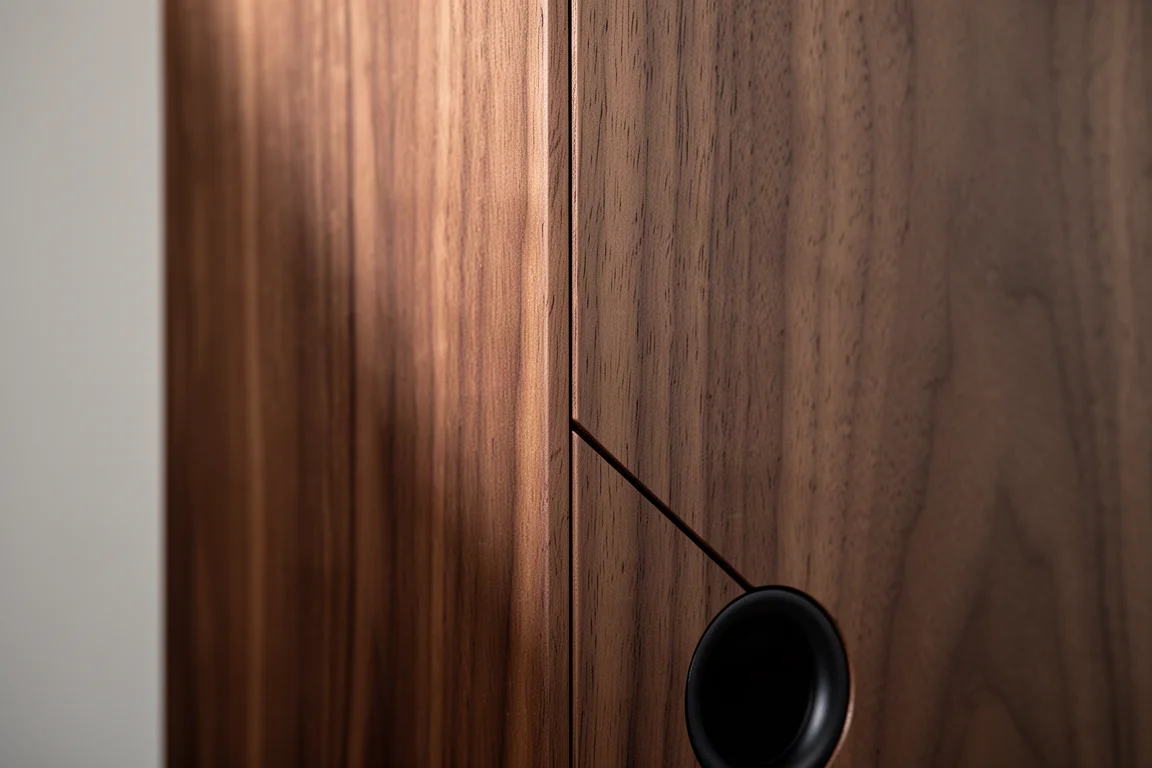
The cabinet is wrapped in real wood veneer, offered in English Walnut or Black Oak. The walnut version gives the speaker a furniture-grade look that is uncommon at this price point. The build is solid, with a little cabinet resonance when the panels are knocked, and there are three ports in total: one on the front and two on the back. Heavy-duty outrigger spike feet are included for stability, while large rubber feet for hard floors ship in the box, so you can choose whichever approach suits the room.
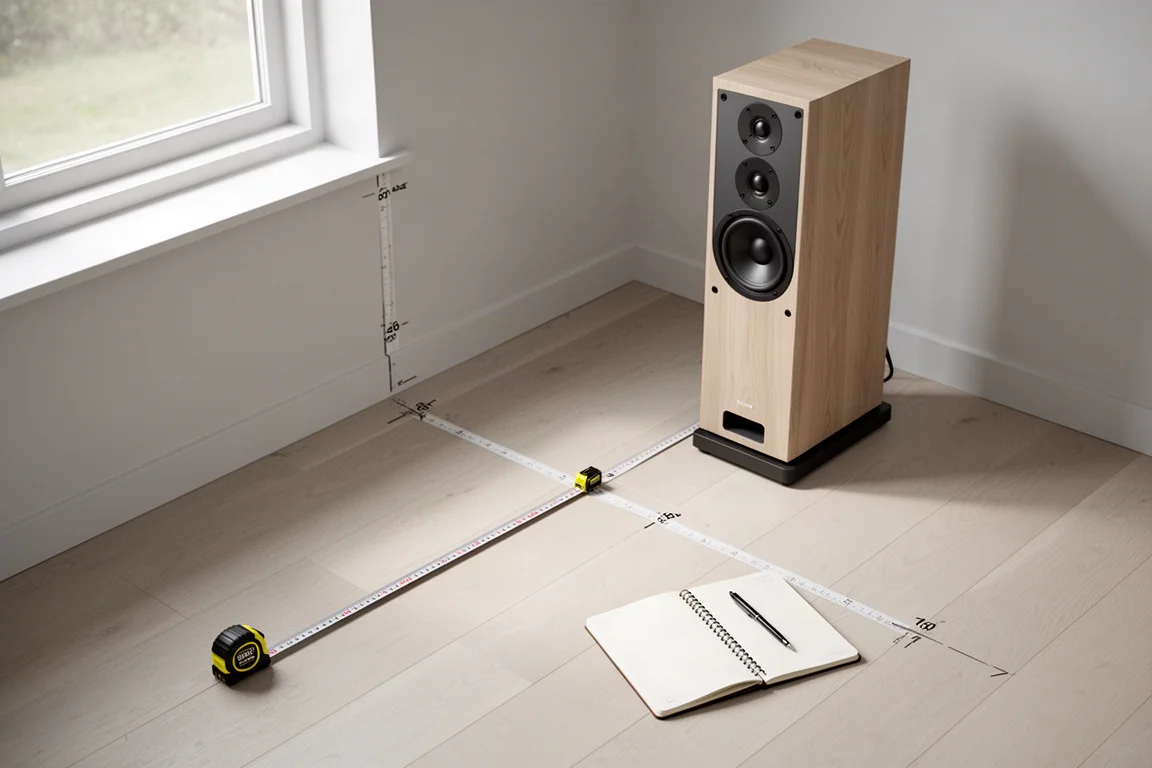
Placement is the one area that rewards attention. Measurements show a rise in bass energy between 100 Hz and 200 Hz, and it appears regardless of measurement method, which points to the speaker’s design rather than a room artefact. Moving the speaker roughly 2.5 feet out from the front wall produced the most even response, although the lift remained. Plugging the rear ports also reduces it, at the cost of some low-frequency output.
That lift is easy to live with. Manual EQ can flatten it, and room correction systems such as Dirac or Audyssey, common in AV receivers and integrated amplifiers, handle it automatically. With the bass brought into line, the Kendall 2F sounds pleasantly neutral. There is no thumpy party character and no aggressively bright treble, and the speaker stays easy to listen to at any volume across a wide range of music.
The titanium dome tweeter does not sound bright or metallic. Cymbal hits and effects carry a sheen and a metallic edge, but without aggression, and the top end extends further than the Polk R700 while avoiding fatigue. Dynamically, the Kendall 2F builds rather than shouts. It plays loud with little strain, and its composure may read as politeness to listeners who prefer a more forward speaker. Vocals and instruments sit a step or two behind the front baffle, the stage is strongest between the speakers, and spatial cues beyond the cabinets are good, though less focused than the centre image.
KLH offers a matching centre channel, the C2, a three-way design with its midrange and tweeter aligned vertically to mirror the tower’s dispersion. It is taller than the centre it replaces and has no ports, which makes it easier to place but potentially harder to fit directly beneath a television.
The resemblance between the Kendall 2F and a Bryston speaker is not accidental. KLH partnered with Bryston on the design and manufacturing, and while the two look alike, their specification sheets differ, which may account for the Bryston model’s higher price.
Polk R700: Weighty Bass and a Proven Track Record
The Polk R700 has held its position for years with few direct rivals, provided you are comfortable with its rolled-off treble. It is the most substantial of the four in the low end, and it is the speaker the others are measured against.
In a direct comparison with the Kendall 2F, the Polk is the weightier and arguably the better-constructed speaker, and it plays lower. The KLH counters with a more open, spacious presentation, an easier load for modest amplifiers, and a treble that is a touch less subdued. Listeners who want maximum bass extension without adding a subwoofer will lean toward the Polk.
The Polk’s outrigger feet are integral to its design, which is a matter of taste. The Kendall 2F instead gives you the option of fitting outriggers or leaving the supplied rubber feet in place.
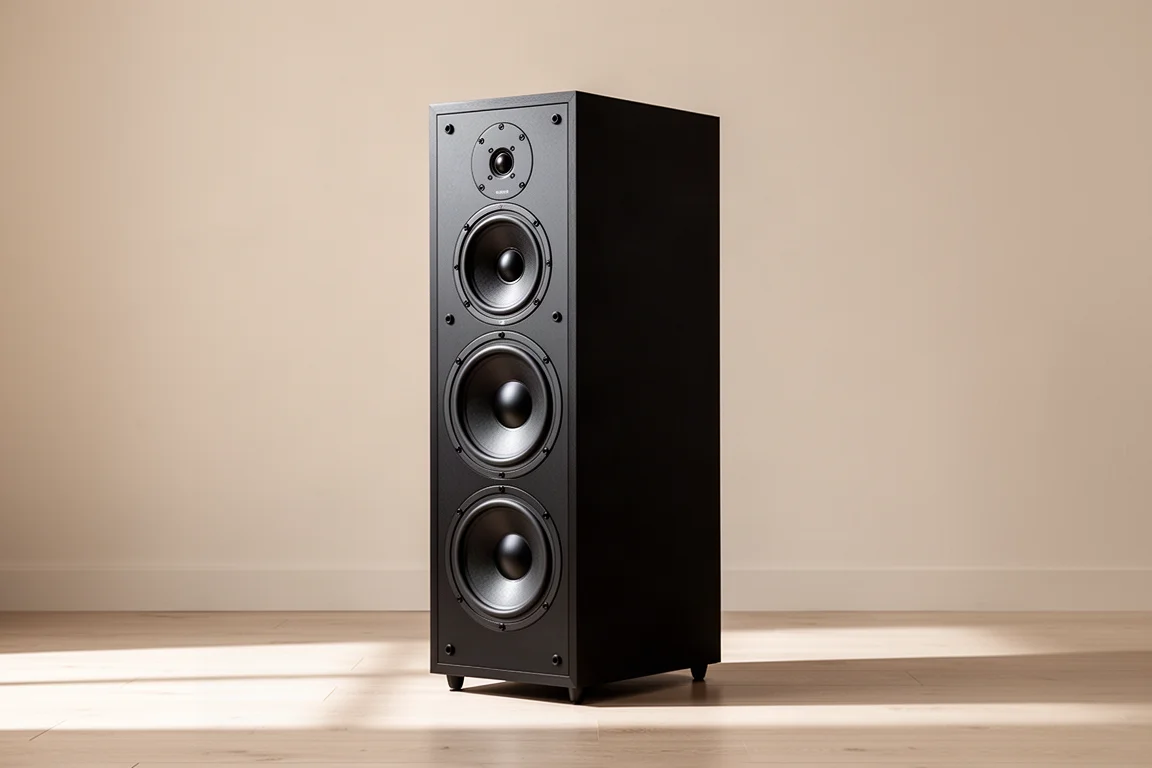
Klipsch RP-8000F II: Immediate Impact and Strong Value
The Klipsch RP-8000F II is the most immediately arresting speaker of the group. Where the KLH builds and the Polk stays composed, the Klipsch announces itself. For listeners who want that energy, it is an advantage rather than a fault, and it is widely considered excellent value, particularly when it is discounted.
In a head-to-head with the Kendall 2F, the Klipsch is the less refined speaker, and the KLH is the one most listeners would choose for long listening sessions. The Klipsch still makes an easy recommendation at its price, and its discount pricing keeps it among the better value towers in this group.
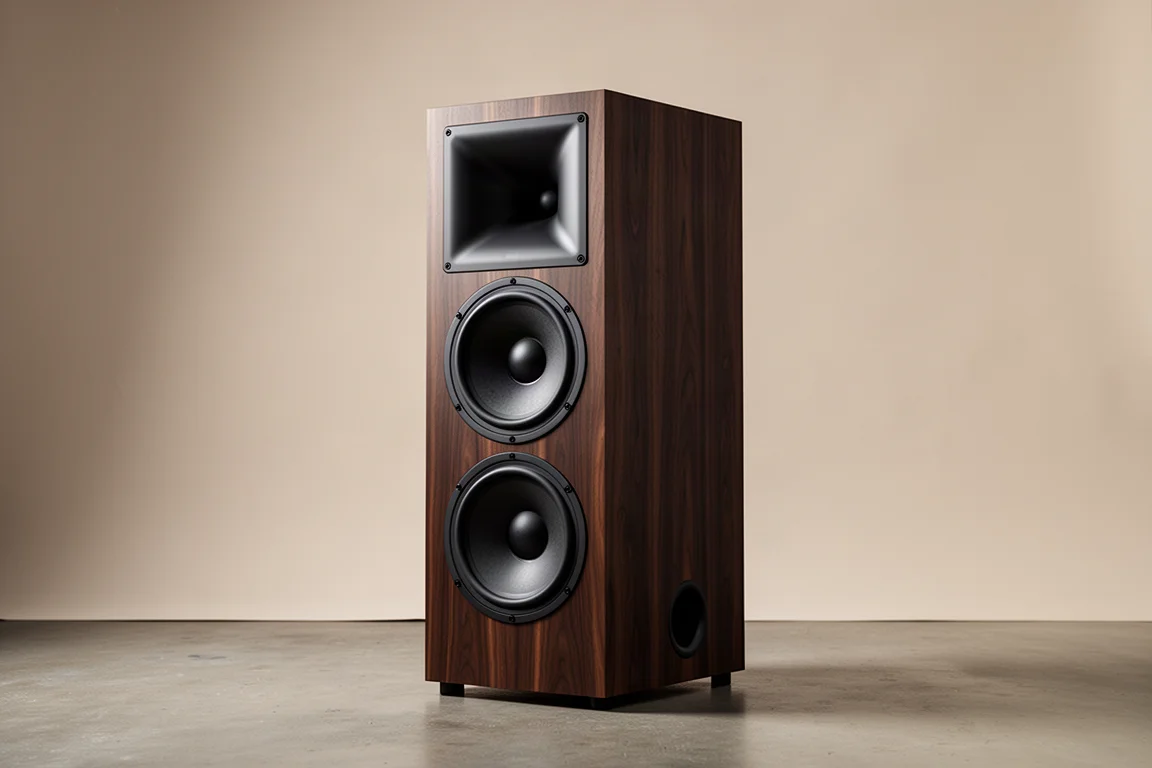
Q Acoustics 5040: Clarity and Placement Freedom
The Q Acoustics 5040 is the smallest of the four and the easiest to work into a difficult room. It delivers a superior soundstage to the Kendall 2F along with a greater sense of clarity and intelligibility, and it manages that without sounding forward or bright. Where dialogue intelligibility is the priority, it has a real edge.
The compromise is bass. The 5040 is less adept in the low end than the other three, and listeners who want genuine weight will need to add a subwoofer. With the Kendall 2F, a subwoofer is an optional extra rather than a requirement. The 5040 also costs less, which makes it the more economical route if its presentation suits your room.
For many buyers this will be a genuine toss-up. Choose the Q Acoustics for placement flexibility, clarity, and a lower outlay, and budget for a subwoofer at the same time.
Buying Advice: Matching the Speaker to the Room
Each of these towers is capable, and the right choice depends on the room and the amplifier as much as on the sound.
If you want a single speaker that covers the widest range of rooms and electronics, the KLH Kendall 2F is the most balanced option here. Its 91 dB sensitivity and 8-ohm impedance make it easy to drive, its finish sits a step above its price bracket, and its bass lift is straightforward to manage with placement, port plugs, or room correction. It suits medium to large rooms and listeners who prefer a neutral, unfatiguing presentation.
Choose the Polk R700 if deep bass without a subwoofer matters most and you do not mind a softer top end. Choose the Klipsch RP-8000F II if you want immediate impact and are shopping for value. Choose the Q Acoustics 5040 if space is tight, clarity is the priority, and you are willing to add a subwoofer for low-end weight.
One setup note applies to all four. Every speaker here will sound different two feet closer to the wall, and that difference is often larger than the difference between the models themselves. Give yourself room to experiment before deciding that anything is wrong.
Conclusion
The KLH Kendall 2F is a refined, room-friendly three-way tower with a furniture-grade finish and an easy load for modest amplifiers. Its bass lift between 100 Hz and 200 Hz asks for a little attention, and it does not reach as low as the Polk R700, but it is the most well-rounded speaker of the four for everyday listening. The Polk R700 remains the choice for maximum low-end weight, the Klipsch RP-8000F II the choice for impact and value, and the Q Acoustics 5040 the choice for clarity and placement freedom in a smaller space.
Further reading
Related Reviews
Home Audio
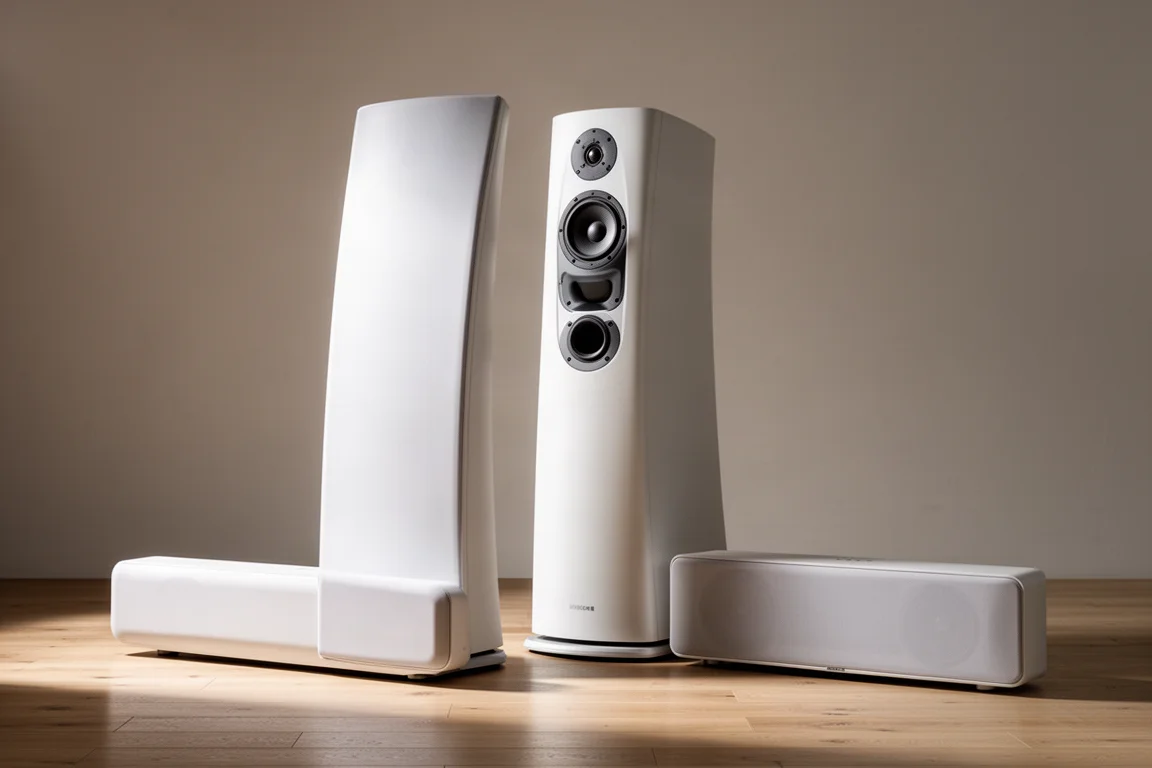
Aperion Novus Tower and Center Review: Punchy Home Theater Sound With Real Refinement
A close look at the Aperion Novus tower and center speakers, from their layered paint finish and punchy bass to the 4-ohm load and what the price actually buys.
Home Audio
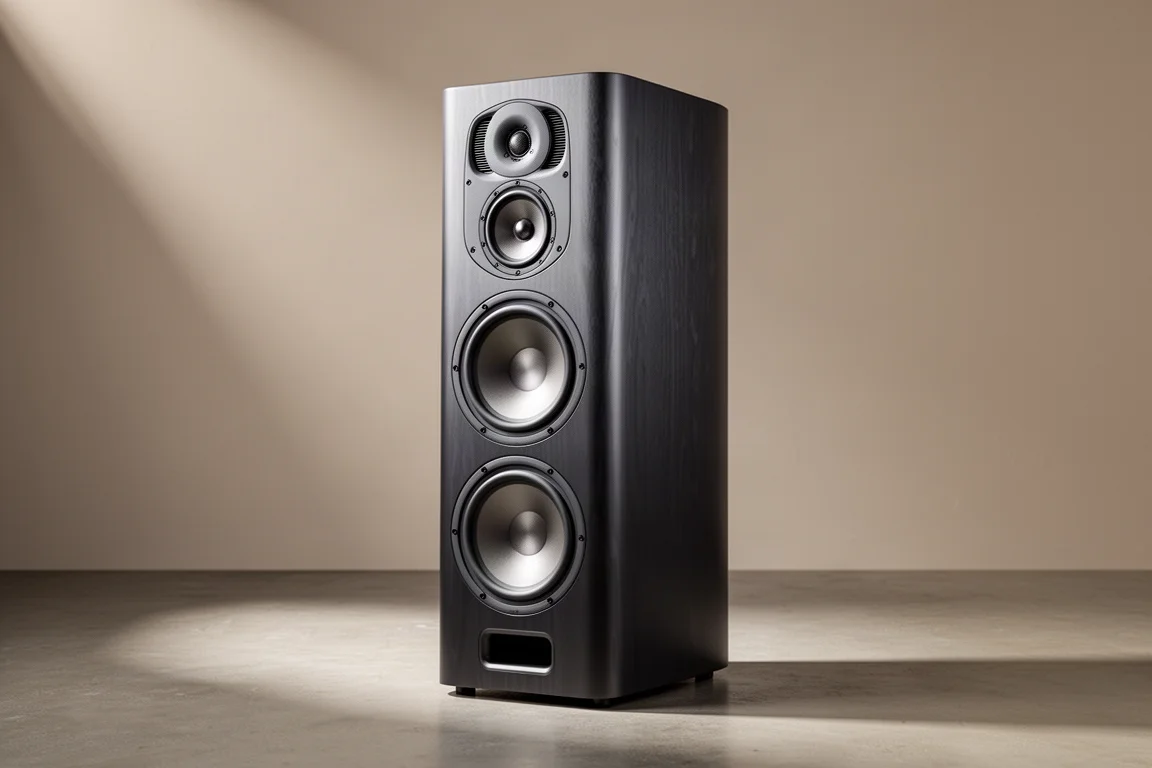
Arendal 1610 Tower Review: Flagship Dynamics in a Room-Friendly Tower
A compact floorstanding tower with three 8-inch aluminium woofers, a 5-inch carbon midrange, and the kind of bass heft usually reserved for much larger speakers.
Home Audio
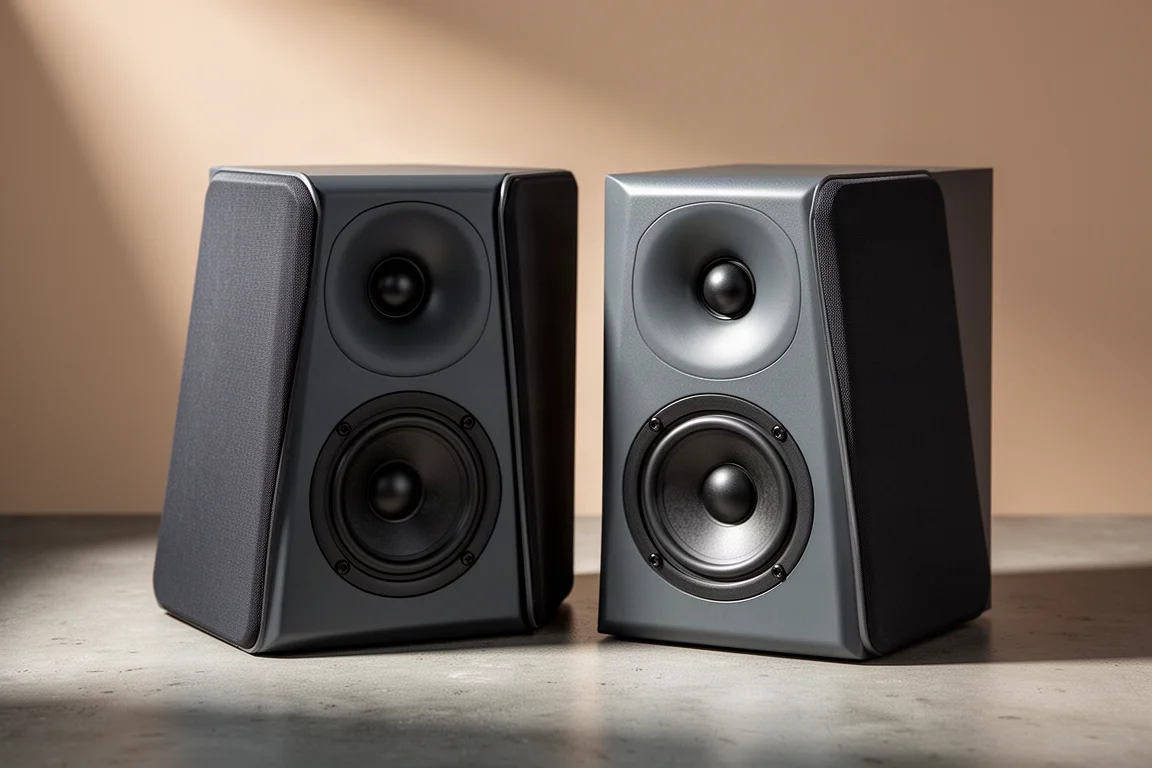
Arendal 1723 S THX Review: A Reference Speaker Built Like a Tank
A practical look at the Arendal 1723 S THX, a sealed, THX-certified speaker with exceptional build quality, a very flat top end, and a midrange that responds beautifully to EQ.