Indoor Gardening
Tower Garden vs Alto Garden GX vs EXO Tower: Which Hydroponic Tower Is Right for You?
We compare the three leading hydroponic tower systems across a full growing cycle: build quality, plant capacity, harvest results, and price.
Introduction
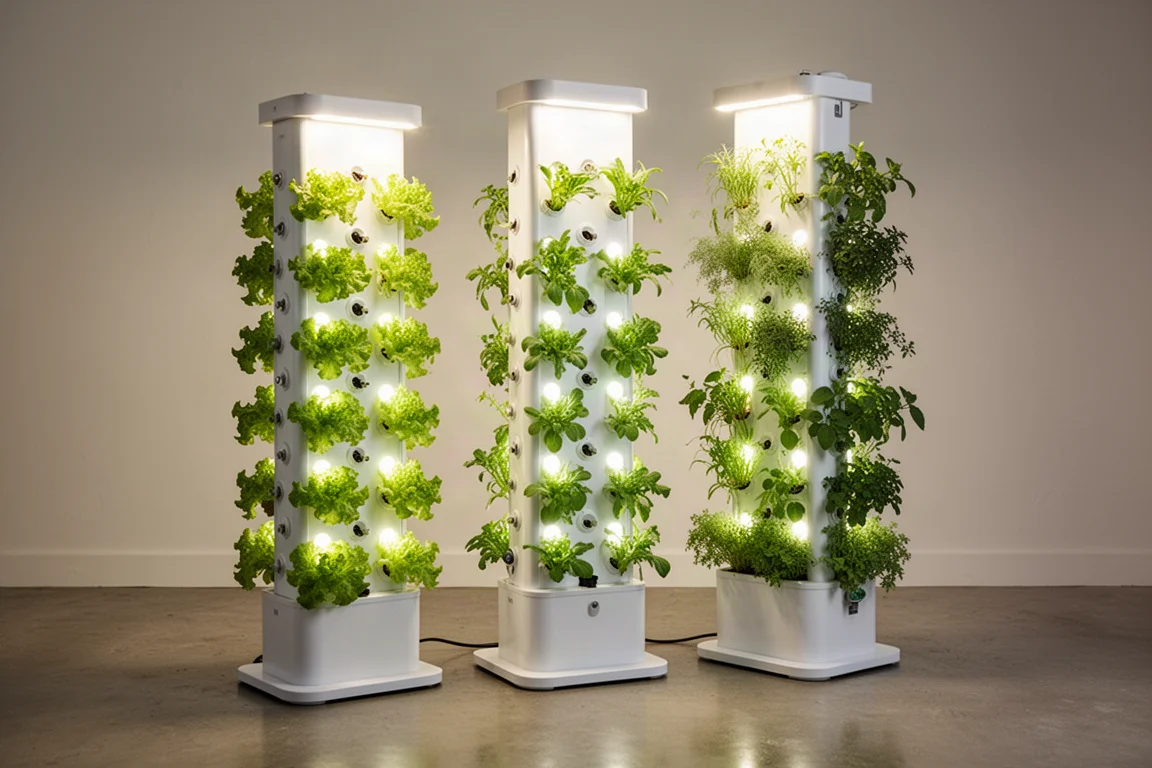
Tower farming has moved well beyond a niche hobby, and three brands currently dominate the conversation in the US: Tower Garden, Alto Garden, and EXO Tower. To find out which one deserves your space and budget, we ran a full growing cycle across all three systems side by side, testing more than a dozen crops in each: six varieties of lettuce, two types of kale, basil, cilantro, arugula, spinach, bok choy, mustard greens, and even sunflowers as a stress test.
This comparison covers unboxing, build quality, plant capacity, day-to-day upkeep, harvest weights, and price, so you can match the right tower to your space and goals.
Unboxing and Setup
All three systems ship with everything you need to get started: tower pots, rock wool, a reservoir basin, net pots, a timer, and a pump. Still, the setup experience differs noticeably between them.
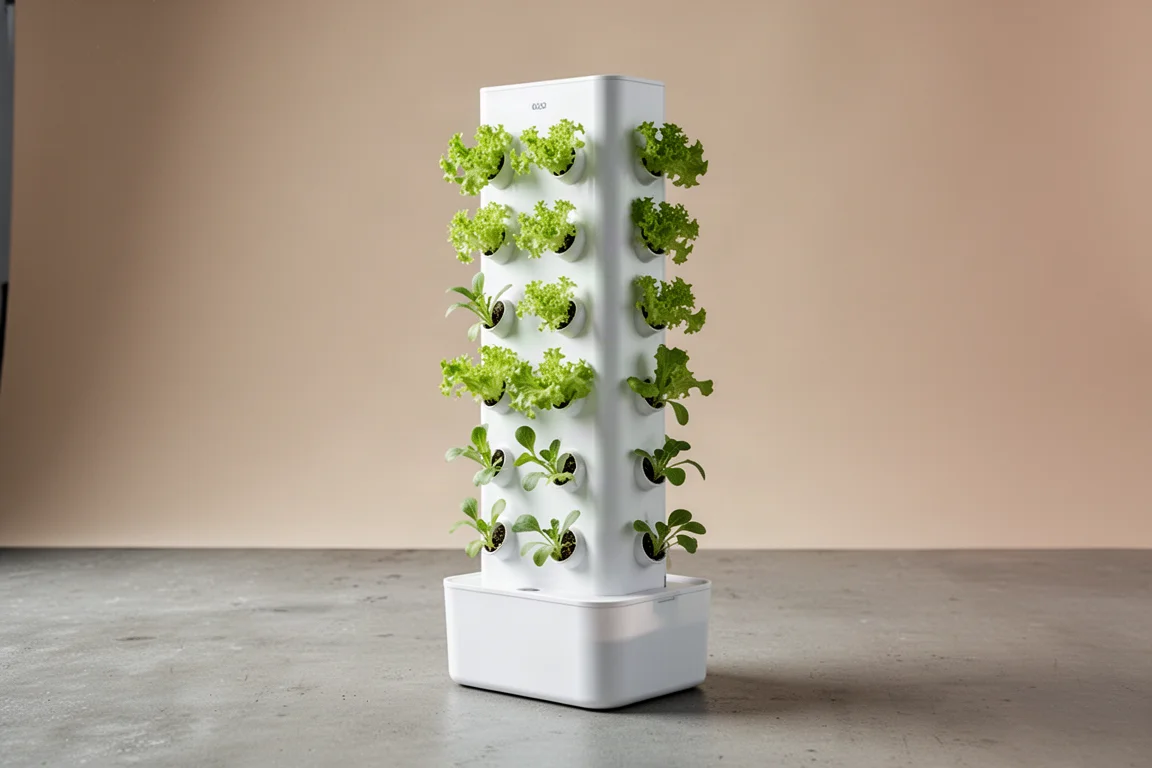
The Tower Garden feels like a beast. It is built from very strong material, but the light attachment is extremely heavy and the whole unit has real heft to it. The Alto Garden GX is the opposite story with its lights: they mounted in about 40 seconds, which is a genuine pleasure. The trade-off is that assembling the Alto’s pots took more effort than expected and required watching a how-to video beyond the manual. The EXO Tower was the easiest build of the three, coming together quickly without even consulting the instructions, and it has a compact footprint that fits neatly into a corner.
One practical tip that applies to all three: fill the basins with nutrient water and confirm the pump lifts water to the top before transplanting anything. If the pump is not circulating properly, you will have to tear everything down and start again.
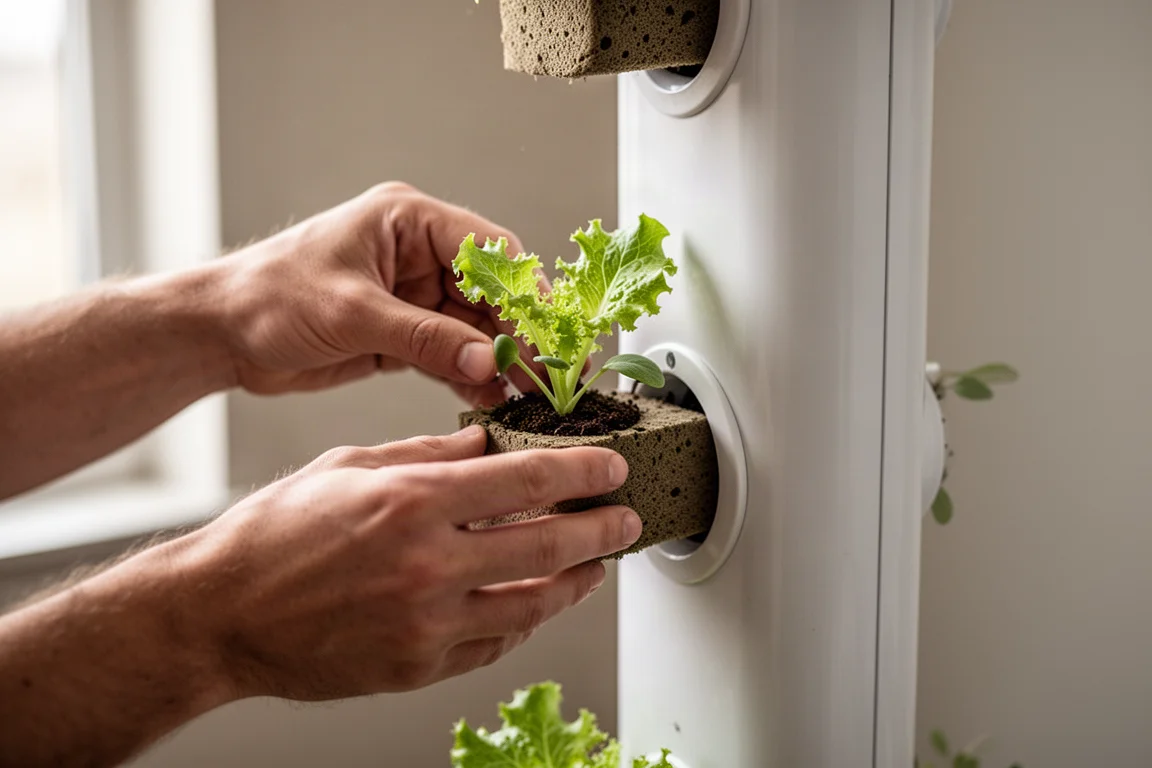
Another difference worth noting before you plant: the net pots vary in size between the systems. The Tower Garden uses the largest, the Alto Garden a mid-size, and the EXO Tower noticeably smaller cups, which matters for how much root space each plant gets.
Plant Capacity and Growing Space
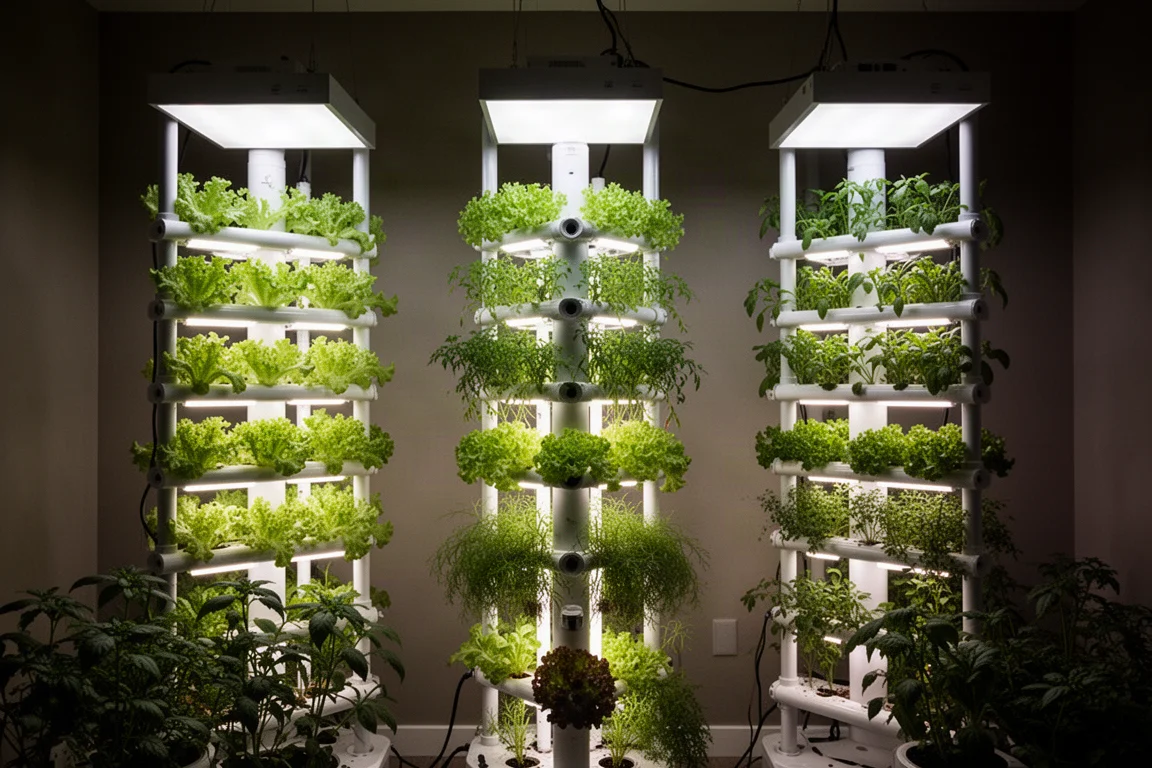
Out of the box, the Alto Garden GX and the EXO Tower both hold a maximum of 24 plants, while the Tower Garden maxes out at 32. The reason is the Tower Garden’s high-density planting pots, which offer eight planting spots per pot instead of the standard four. That feature is currently exclusive to Tower Garden, and it scales dramatically: a nine-pot Tower Garden with low-density pots holds 36 plants, while a high-density configuration reaches 144.
Both the Alto and EXO can potentially add more pots, though you may need an upgraded pump for taller configurations.
Size matters here in another way. The Alto Garden is much larger than the EXO Tower, so while both hold 24 plants, the EXO’s tighter spacing means plants need earlier, more frequent harvesting to stay healthy. If you want to grow crops to fuller maturity, the Alto is the better fit, provided you have the space for it.
Growing Performance: First Weeks
Ten days after transplanting, all three towers were growing beautifully. Comparing the same crops side by side, the Tower Garden produced the largest plants, the EXO Tower came second, and the Alto Garden third, but every system grew clean, healthy growth with no leaf burn and no signs of stress.
Basil formed full, well-colored cups on all three towers. Sunflowers, included deliberately as a challenge crop because of their large roots and size, grew thick stems and full growth on every system. By day 21, the Tower Garden was visibly growing the fastest, helped by more powerful lights that reach further down the tower than the Alto’s. The Alto trailed by a few days to a week on comparable crops but still grew everything well, which confirmed both its water distribution and its lighting are genuinely sufficient.
Maintenance and Ease of Use
All three systems are genuinely low maintenance. The lights and pumps run on timers, the towers water themselves, and day-to-day involvement mostly comes down to topping up the reservoir basins every few weeks and harvesting. After three weeks of growing, refilling the basins was the only real maintenance required.
One important caveat: hydroponic towers make growing easier, but they do not remove plant care. Each crop still has best practices for the best harvest. Left unattended in this test, basil began flowering and shifted out of its fruiting stage, and arugula and mustard greens started bolting on long flower stems. Regular harvesting and pruning would have delayed all of that. Growing indoors also eliminates most pest, weather, and disease problems, which is a real advantage.
Harvest Results and Yields
The harvests tell the story well. A single outer-leaf trim of lettuce on the Tower Garden yielded over a pound of lettuce from one tower, with the inner leaves continuing to grow for repeat harvests over several months.
Bok choy came out impressively on both the Tower Garden and Alto Garden, with leaves nearly the size of a face, thick white stems, and long healthy roots. Mustard greens and arugula grew well on both, though the Tower Garden’s results were consistently fuller and the Alto’s a step behind in size. Kale showed the same pattern: the Tower Garden produced thicker, larger heads while the Alto’s kale was healthy and harvestable but smaller.
Weighing one month of growth across four varieties, dinosaur kale, Siberian kale, arugula, and mustard greens, each system produced roughly a quarter pound or more per variety, which gives a realistic expectation of what a single tower can deliver.
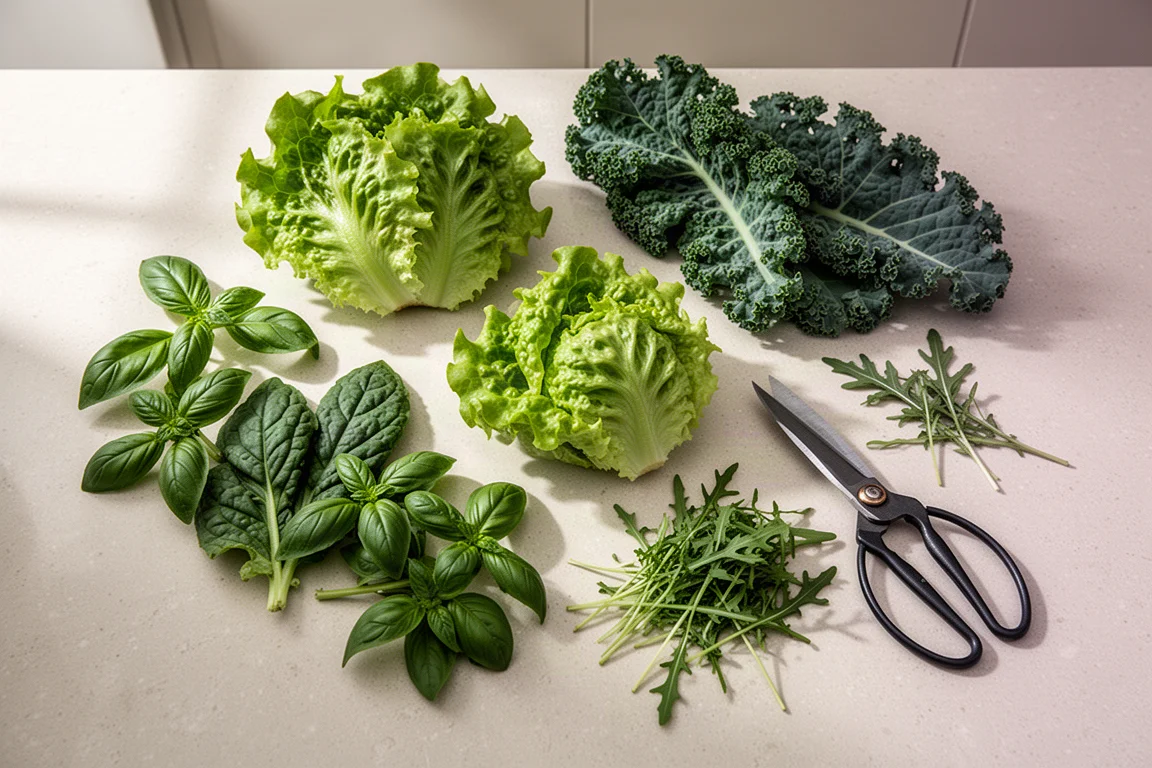
A worthwhile lesson from this test also applies here: only one seedling should go in each cup. A bok choy cup with two plants competing in one spot produced weaker growth, and the smaller plant had to be removed.
Final Verdict
The EXO Tower finished the test as a genuinely viable option, delivering three good harvests. Its dense planting means more frequent trimming and harvesting, but it offers 24 plants in a much smaller footprint than the other two, and it can be scaled down to 8 or even 4 plants to fit a bedroom, kitchen counter, or office. It is also the lowest-cost system of the three at roughly $350 for a 24-plant configuration. A newly released lighting kit is available; this test used aftermarket T8 full-spectrum lights, which proved somewhat too powerful and encouraged some excess algae in the basin. One caution applies to the EXO in particular: nutrient dosing matters enormously, and an over-concentrated nutrient mix stunted several crops until the mix was corrected.
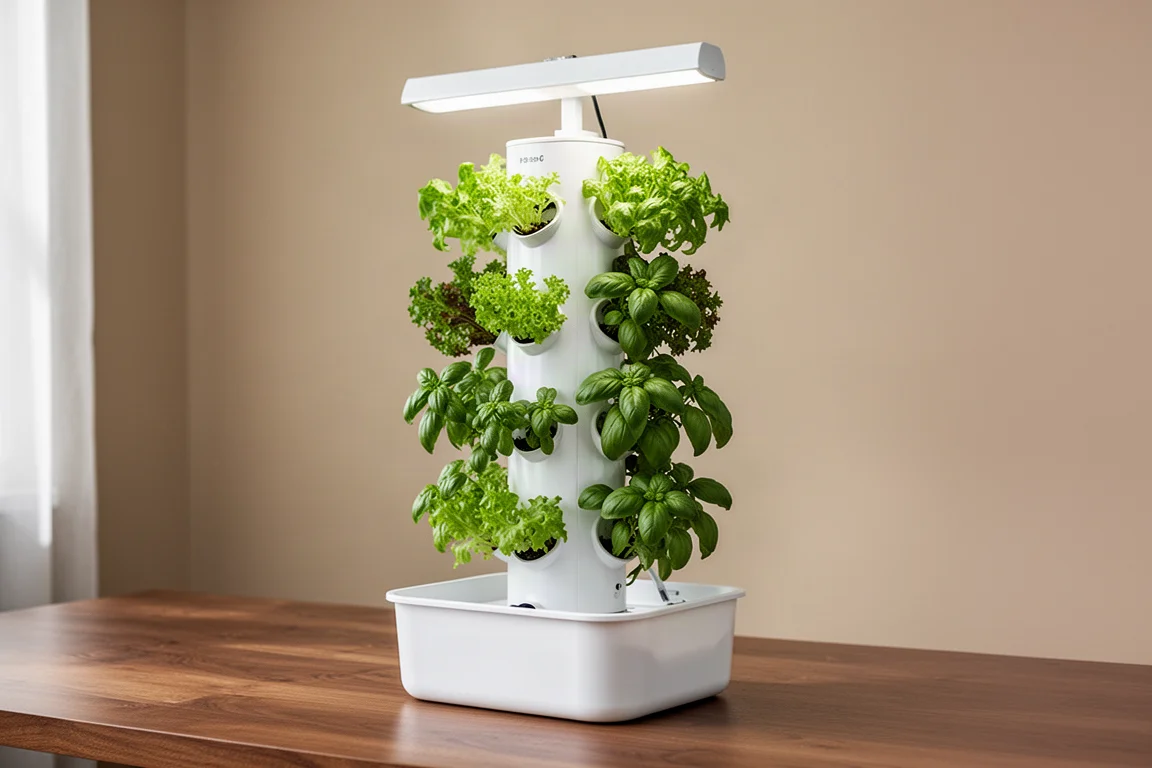
The Alto Garden GX is the balanced middle pick. It is US-based, which stands out in a market full of overseas brands with no customer support or setup resources, and it grew everything thrown at it, from bok choy and mustard greens to basil, lettuce, and sunflowers. At roughly $600 to $650 including the tower, lights, and rock wool, it offers most of the Tower Garden experience without the top-tier price, and it is the best choice for growing plants to fuller maturity.
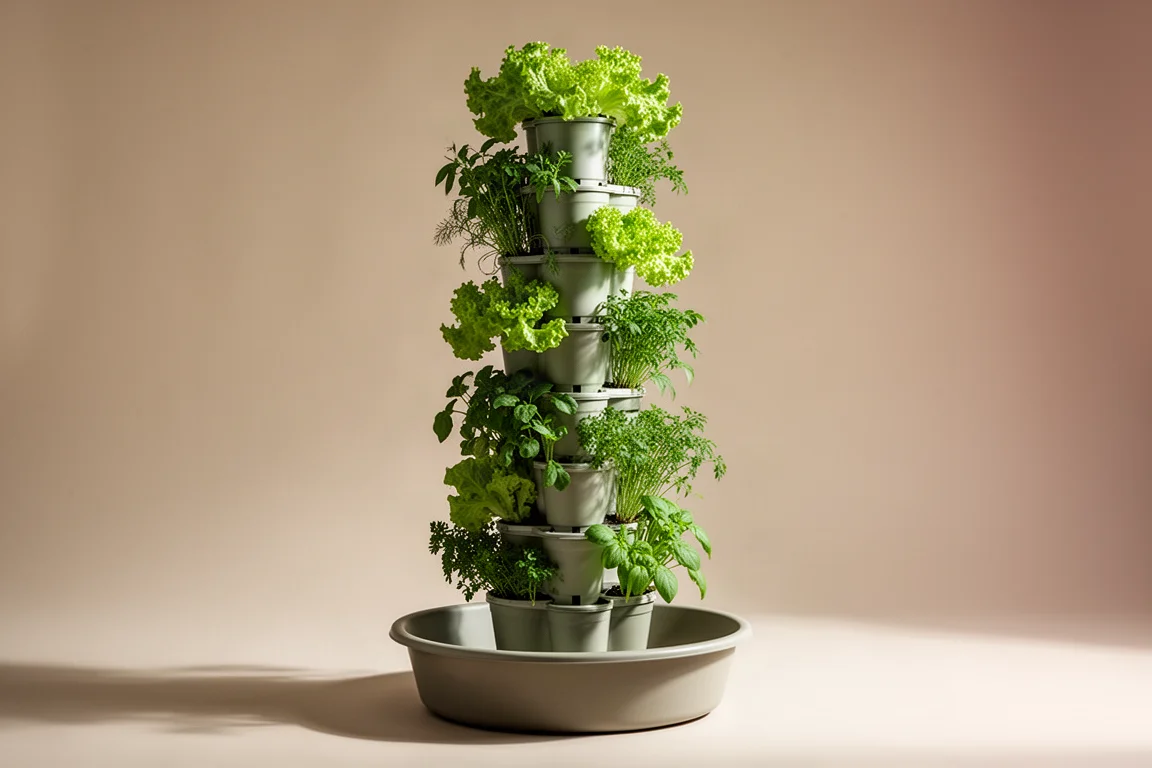
The Tower Garden produced the thickest, fullest results of the three, growing faster and larger on nearly every crop. Its sunflowers stretched over four feet while the Alto’s reached about two feet, and its more powerful, longer lights and higher-quality pot material clearly contribute. The exclusive high-density pots push capacity as high as 144 plants in large configurations, which also makes it the natural choice for anyone considering a commercial operation. All of that comes at the highest price of the three, with the home model plus light attachment costing just over $1,000.
Conclusion
All three towers earned their reputations over a full growing cycle. Choose the EXO Tower if space and budget are tight and you are happy to harvest often. Choose the Alto Garden GX if you want roomier growing spots and US-based support at a mid-range price. Choose the Tower Garden if you want the fastest, fullest growth and the highest capacity, and are willing to pay for it. Match the tower to your available space and budget, and any of the three will put fresh, pesticide-free greens within arm’s reach.
Further reading
Related Reviews
Indoor Gardening
AeroGarden Eight-Pod System Review: A Budget Hydroponic Garden That Works
After a few months of growing dill, a shishito pepper, and micro tomatoes, here is what this eight-pod hydroponic system gets right and what to watch for before buying.
Indoor Gardening
AeroGarden Buying Guide: How to Choose the Right Model for What You Want to Grow
From the 3-pod Sprout to the 24-hole Farm Plus, here is what actually matters when picking your first AeroGarden, plus the growing tips nobody tells beginners.
Indoor Gardening
AeroGarden Farm After 8 Years: What I Wish I Knew Before Buying
A long-term look at the AeroGarden Farm, the 12XL alternative, and why a Rise Garden won out on space efficiency.