Touring Skis
Best Touring Skis: 20 Backcountry Models Compared From Lightest to Heaviest
A weight-sorted guide to 20 touring skis, from 1,260 g climbing machines to 2,020 g powder twin tips, with construction, shape and binding notes for every model.
Introduction
Touring skis live between two competing demands. Low weight makes the climb easier, while stiffness and damping make the descent worth the effort. Very few skis are excellent at both, which is exactly why this category has so many different answers.
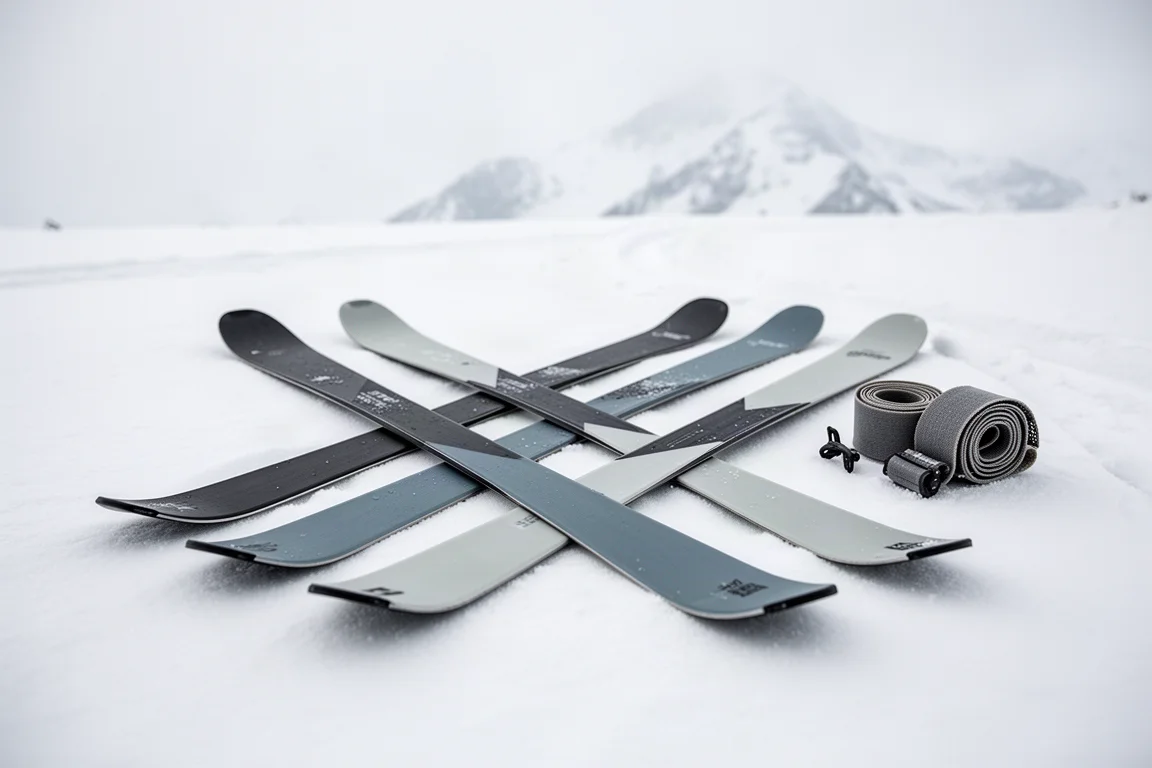
Every model below is sorted from lightest to heaviest based on the weight listed for the length noted. The spread runs from roughly 1,260 g to just over 2,000 g, which is wide enough to cover fitness laps on groomed slopes, hut trips, long approaches and deep-snow descents. Some of these skis share a mold with a resort counterpart, usually with a flatter tail and a lighter core. Others were designed from the ground up for skin tracks.
How This Roundup Is Organized
Skis are listed from lightest to heaviest. Weight figures come from the length noted with each entry, and small variations between individual pairs are normal, so treat the numbers as a guide rather than a precise ranking. Weight shapes the experience more than any other single number, but it is far from the whole story.
Construction fills in the rest. Carbon in a flat stringer behaves differently from carbon molded into a three-dimensional shape. A metal laminate adds damping and weight. A capped or partially capped build can thin the sides without losing cohesion. Where a ski shares a mold with an alpine model, the tail is usually where the two diverge.
Tail shape matters more here than in most categories. A flatter tail gives a skin more contact and better grip on the climb, and it provides a firmer platform when the snow is firm or the terrain is exposed. A rockered tail is more playful and releases more easily, but it can feel less planted on a traverse. Turn radius is the other number worth checking: a long radius encourages big, drifting arcs, while a shorter radius produces rounder, more responsive turns.
Binding choice is inseparable from the ski. A light tech binding flatters a light ski, while a heavier hybrid binding makes more sense on the stiffer, wider end of this list. There is no universal right answer, only trade-offs that suit a particular skier and a particular kind of day.
Dynastar M-Tour 99
The M-Tour 99 borrows its mold from the M-Pro 99, with one important change: a shorter, flatter tail that gives a touring skin more contact and more efficient grip on the climb. Dynastar builds it around a paulownia wood core with basalt fiber and the same hybrid polyurethane sidewall technology used in the M-Pro and M3 lines. At around 1,265 g in a 178, it lands at the light end of this list and skis stiffer than its weight suggests. Tip rocker is long with moderate splay, which makes a 99 mm waist float better than the number implies. A light tech binding is the natural pairing here.
Blizzard Zero G 95
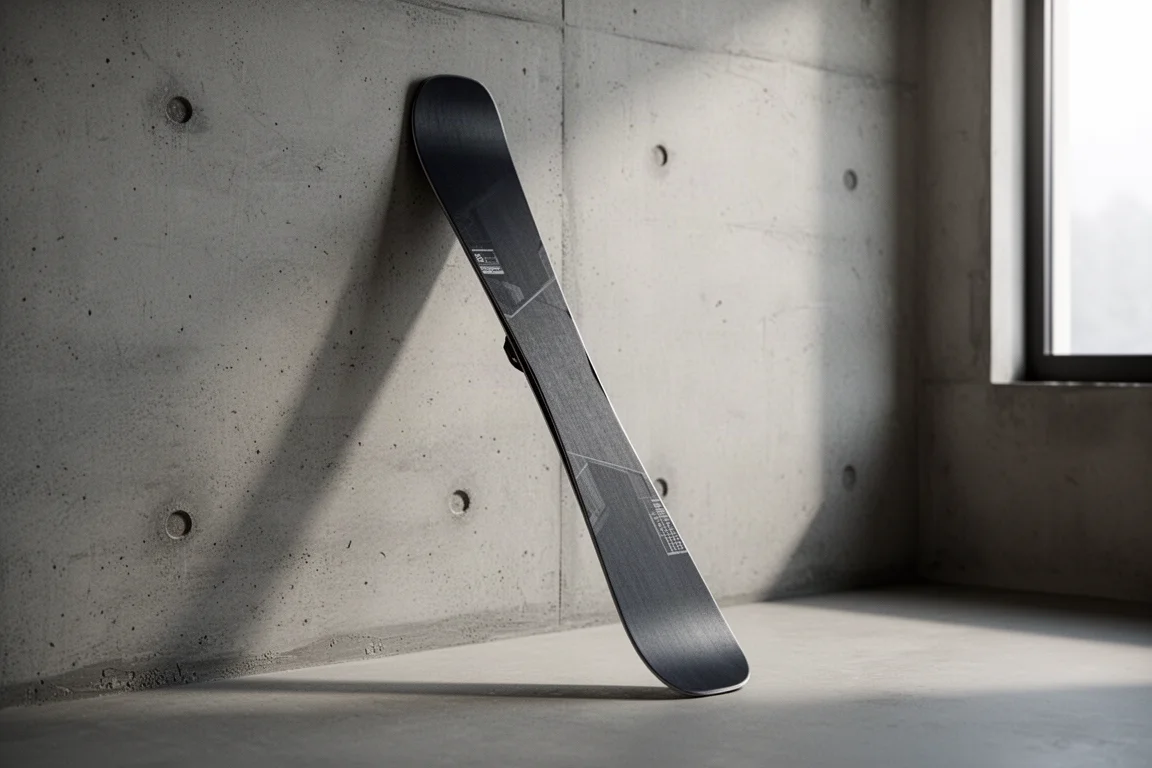
Blizzard’s Carbon Drive 2.0 construction curves carbon into a three-dimensional shape rather than laying it flat, which produces a stronger, less pingy ski. The result is a 95 mm touring ski that weighs around 1,280 g and is remarkably stiff for that figure. The turn radius is long, roughly 22 m in a 178 and closer to 24 or 25 m in a 185. That combination is efficient on the climb and surprisingly fun on the way down, because a longer radius releases the tail edge more easily than a tight sidecut. A light binding suits this build best.
Völkl Rise Beyond 96
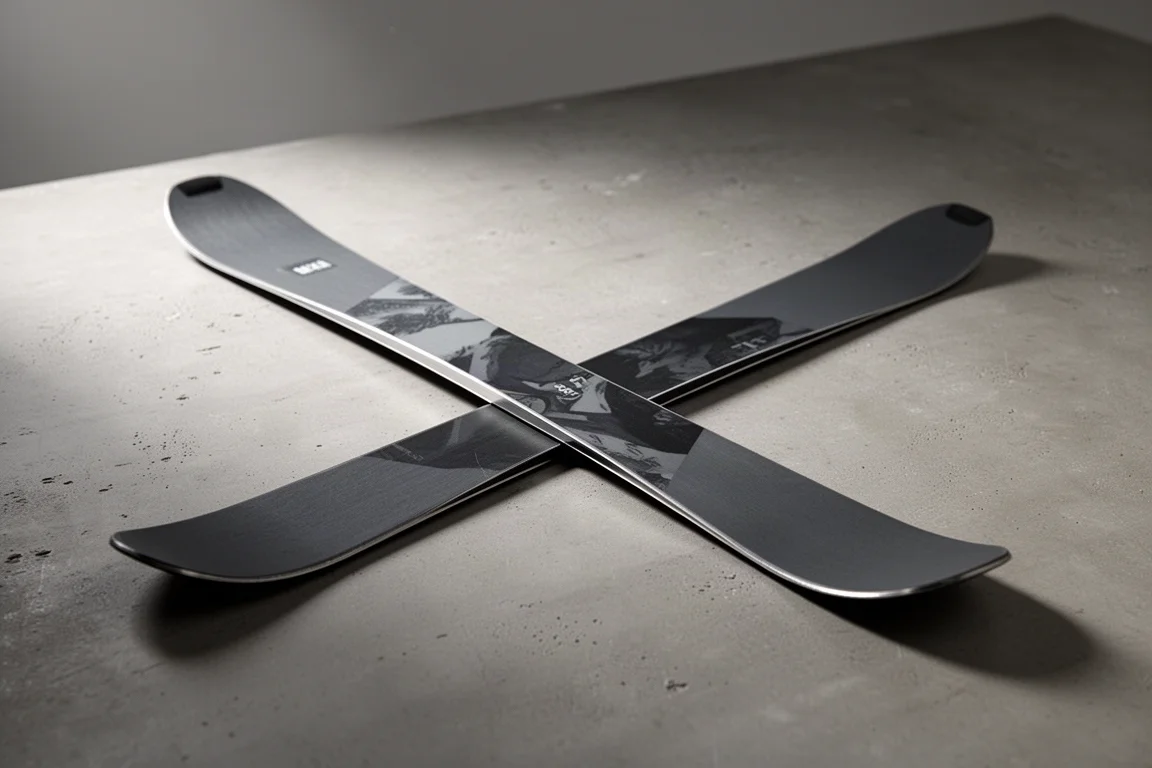
The Rise Beyond 96 uses a multi-layer touring wood core with lightweight stringers along the sides, ash underfoot and a dedicated binding mounting platform. It is a fully capped ski, which lets Völkl thin the sides without losing stability. At around 1,260 g in a 170, it is among the lightest skis here, and the flex sits on the softer side because there is no carbon in the layup. Völkl’s 3D radius gives it a roughly 15 m turn radius underfoot, so turns come out round and responsive rather than drifty. The tail is about as flat as anything on this list, which makes it a strong choice for resort tourers who want an efficient, traditional feel.
Atomic Backland 100
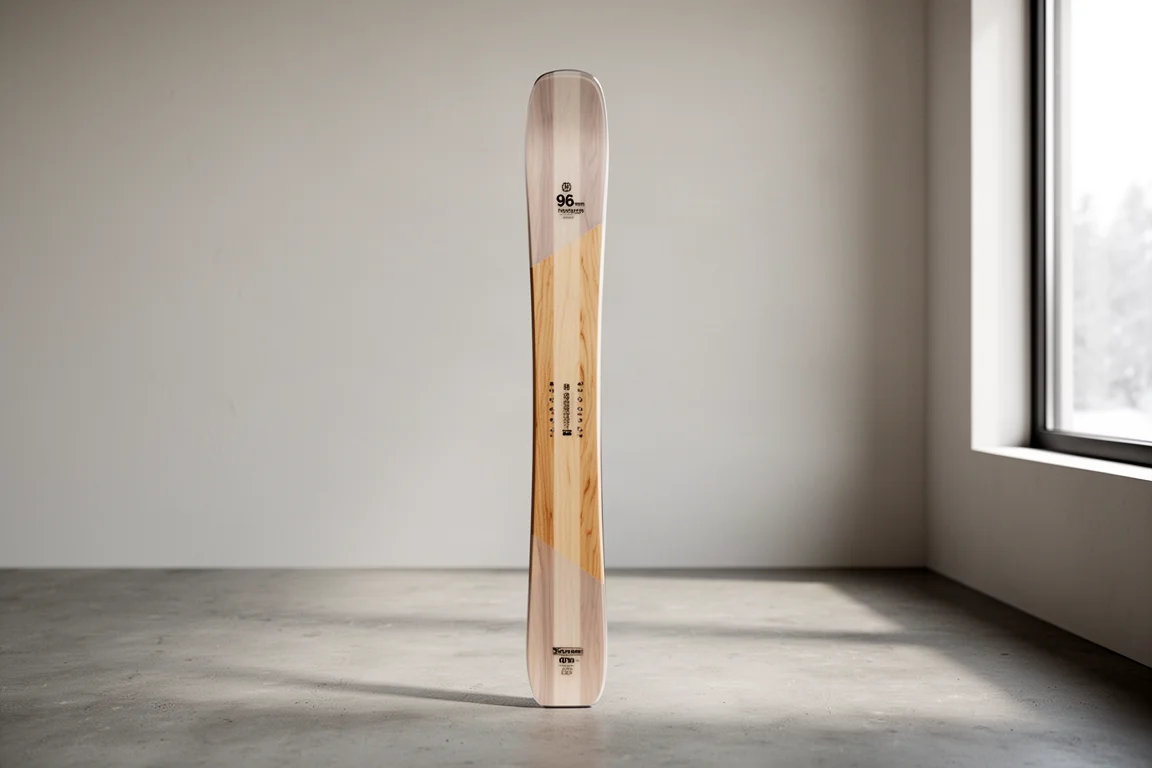
Atomic offers three shapes in the 100 mm range, and the Backland 100 is the lightest of them at around 1,330 g. Carbon stringers run through a thin Ultra Power wood core, and the core profile tapers noticeably in the tips and tails to keep weight down. A small window in the topsheet reveals the carbon underneath. HRZN Tech in the tip helps the ski stay on top of variable snow. The flex is not the stiffest here, but the carbon gives it a lively, snappy character and enough stability to ski hard. It is versatile enough that a 50/50 setup with a mid-weight binding makes sense, and it would also work as a resort ski with a standard alpine binding.
K2 Wayback 96
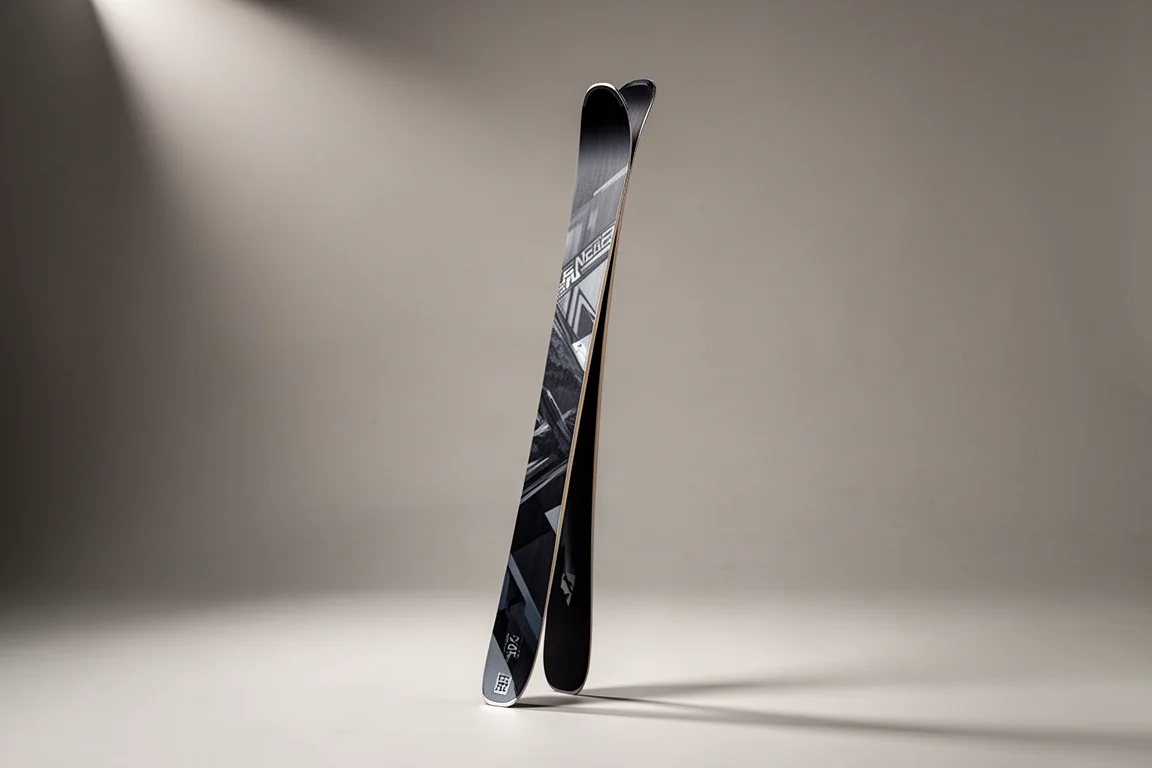
This is the first ski on the list with metal in it. A metal spine runs the length of the Wayback 96, which stabilizes the flex and gives the ski a damper, quieter ride than the carbon-only options above it. Weight lands around 1,350 g. K2 pairs the metal with carbon stringers and a cap-to-sidewall construction: cap on top to keep the tips and tails tight, sidewall underfoot for edge grip. The rocker profile starts low, a K2 characteristic carried over from the Mindbender line. At 96 mm underfoot it is a straightforward, general-purpose touring ski with a distinctive feel.
Kästle TX93
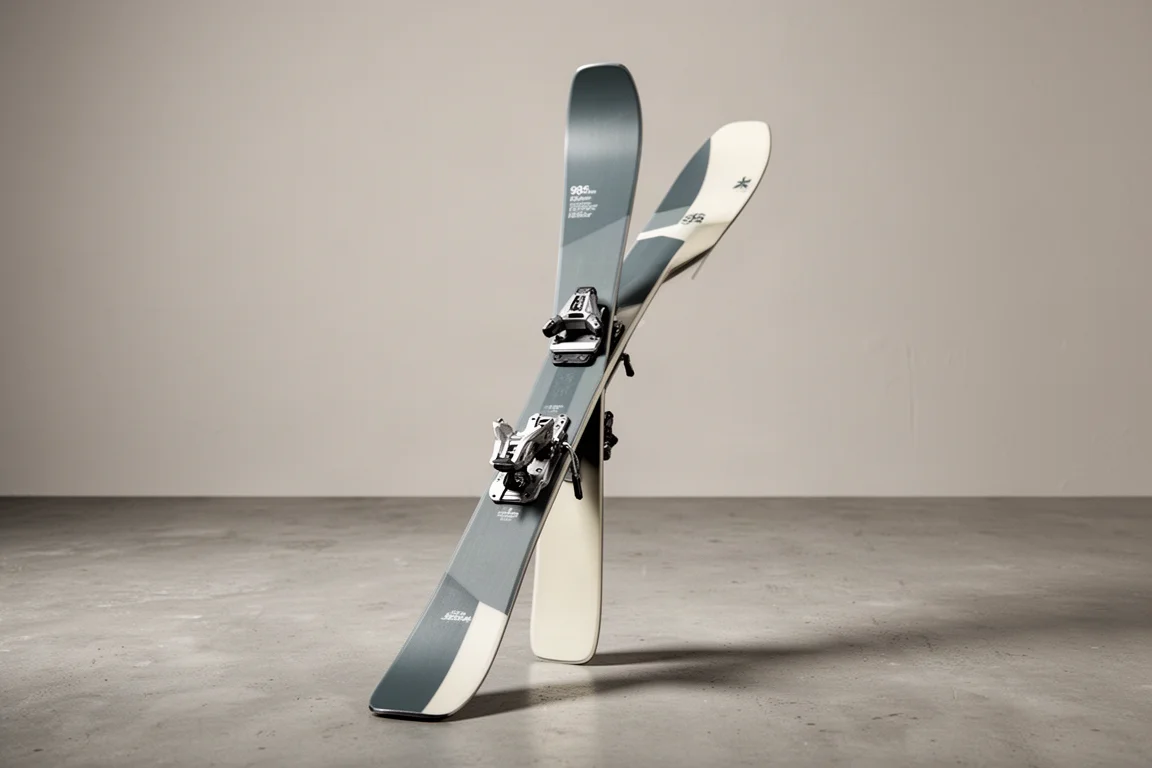
The TX93 is the first ski here to pass 1,400 g, and the extra material shows in how precise it feels. The core blends paulownia and beech, wrapped in a carbon and fiberglass sock that runs through the central portion of the ski. The tail is very flat and squared off with essentially no taper, so it holds an edge firmly when the terrain turns serious. An 18 m turn radius keeps it responsive, and a longer tip rocker paired with Kästle’s touring version of HollowTech keeps the tip light and easy to flick. A small bump in the taper behind the tip adds a little float. This is a ski that wants an engaged skier and a light binding rather than a hybrid setup.
Black Crows Camox Freebird
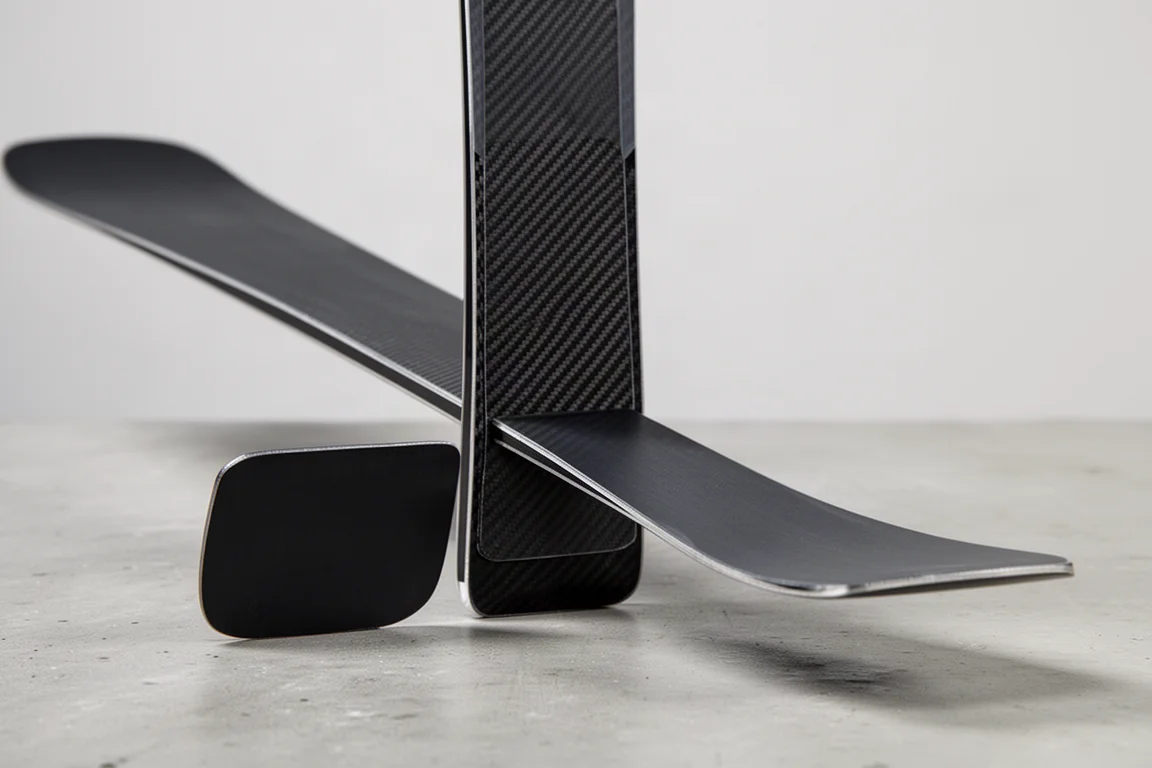
The Camox Freebird takes the Camox shape and makes it work for touring. The core blends beech and paulownia, and the tail is the biggest departure from the alpine version: the regular Camox has a turned-up twin tip, while the Freebird flattens out with just a little rocker. That gives it a firm platform for technical or exposed terrain without giving up positive camber underfoot. Weight is around 1,460 g. It is stiff and responsive through the tail with a softer presence in soft snow, which puts it in the range where a mid-weight binding starts to make sense.
K2 Wayback 106
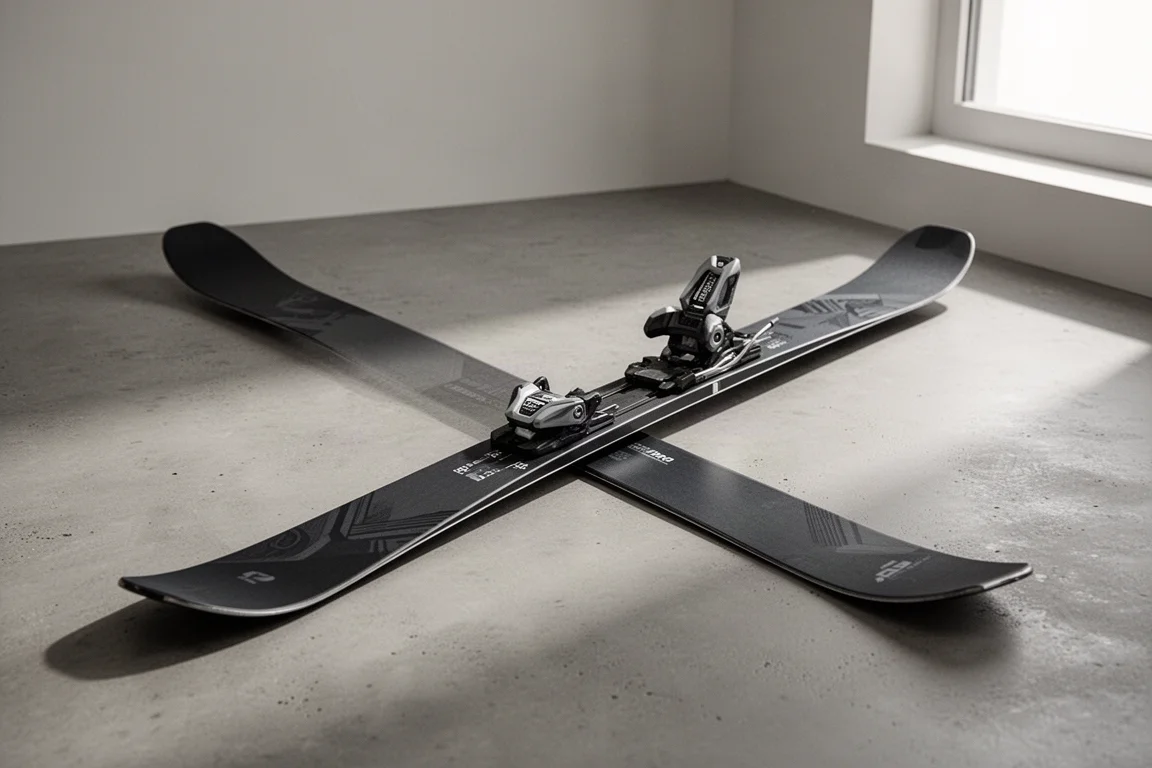
The Wayback 106 carries the same build as the 96 with more material in the middle, which pushes weight to around 1,500 g. What changes is the shape: there is a substantial powder-oriented tip rocker up front, and the profile draws a close comparison to the Mindbender 108, blending directional stability with playfulness in soft snow. Tail rocker is present but modest. This is the best soft-snow ski in the Wayback pair, and the wider platform is a little more work in a skin track, especially in deep snow, with a clear reward on the descent.
Salomon MTN Explore 95
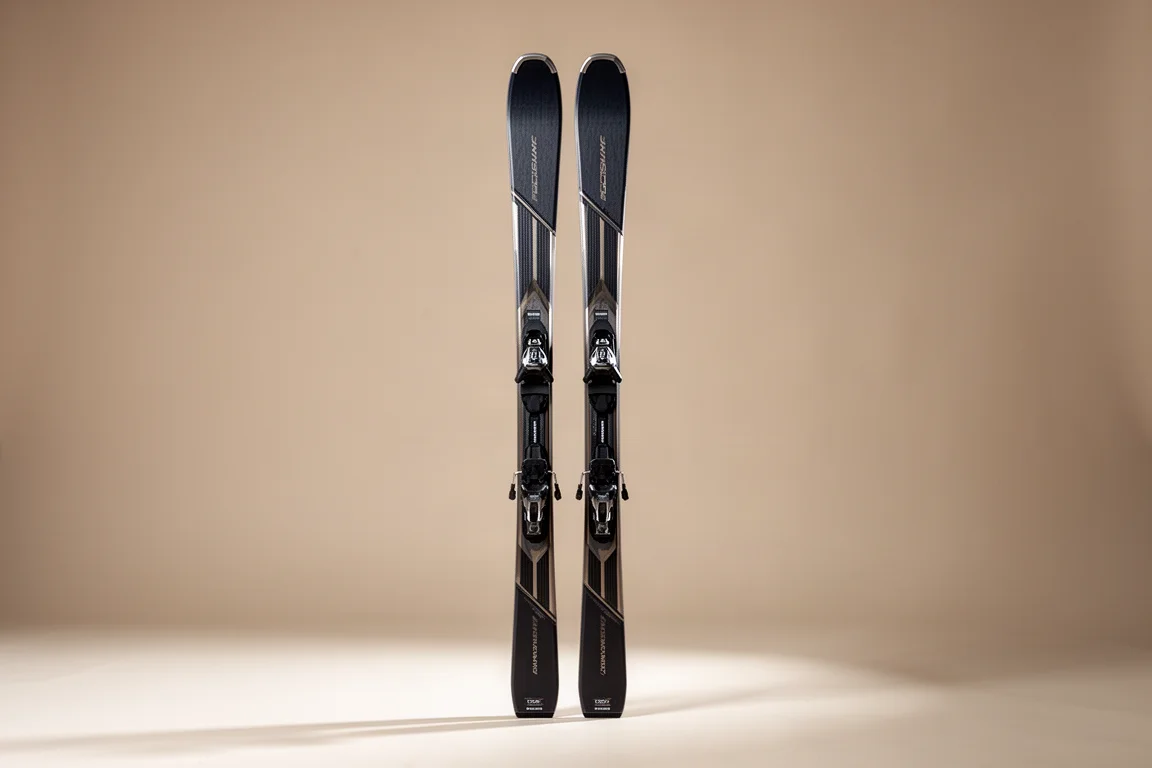
The MTN Explore 95 weighs 1,570 g in a 178, which makes it heavier than several other mid-90s touring skis here. Salomon pre-shapes a karuba wood core into a three-dimensional form and uses Space Frame technology to make efficient use of that wood rather than gluing up flat stringers. CFX carbon and flax stringers run the length of the ski, and the sidewall is full height underfoot before tapering into a half-cap construction. The result has a distinctive look and a different feel from the paulownia cores above it.
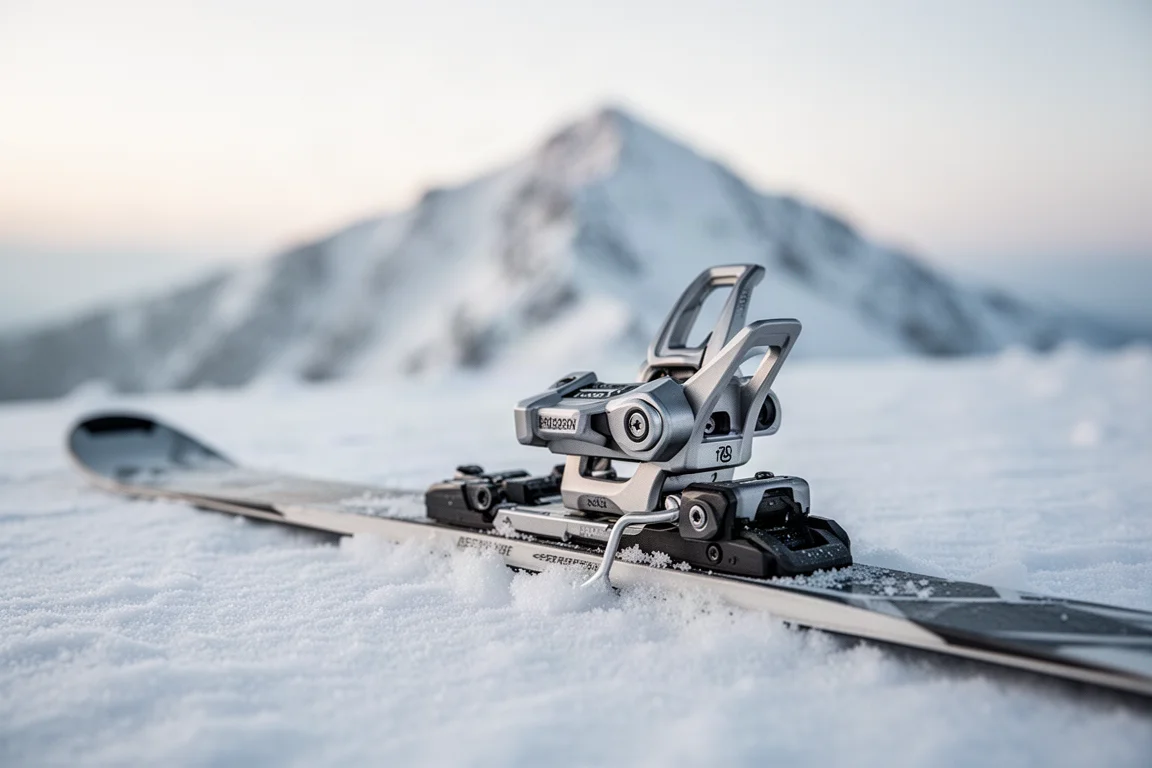
Salomon positions this ski with a light tech binding, and that is the setup that makes the most sense. It is a stronger mid-90s touring ski rather than a 50/50 crossover, so the weight penalty on the way up buys precision and edge hold on the way down. Skiers who tour long days with a minimal binding will get the most out of it.
DPS Pagoda 100 RP
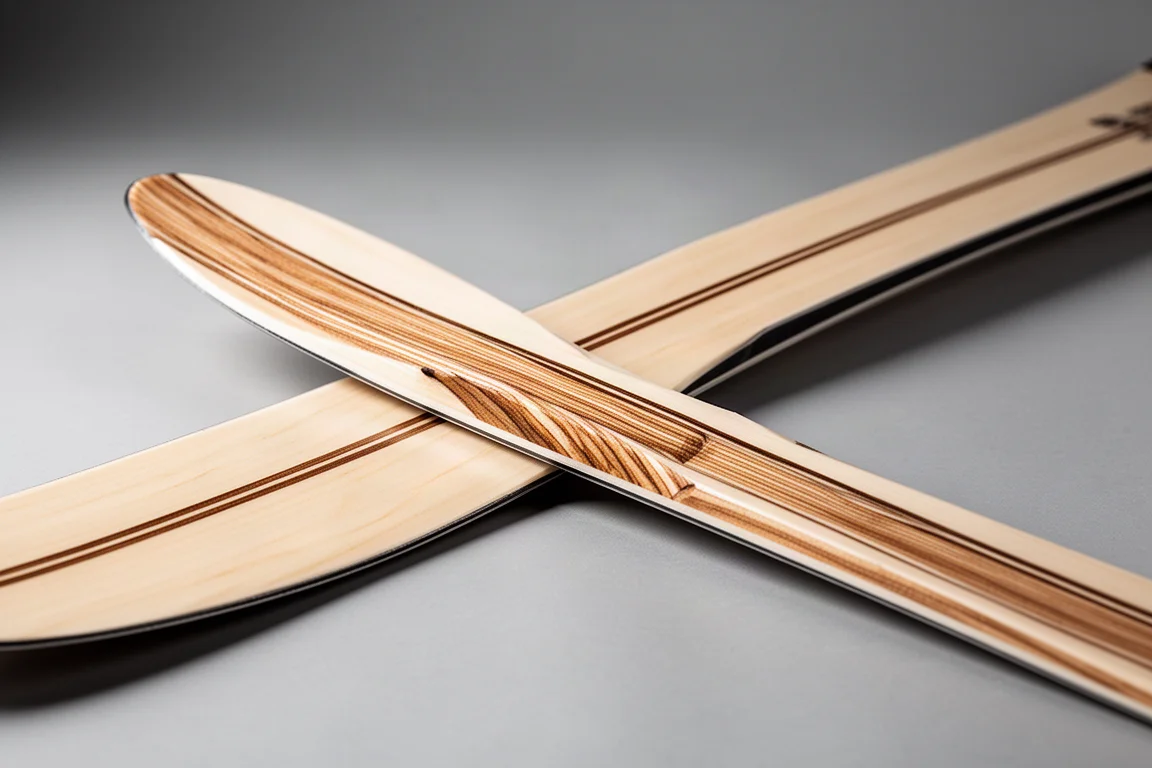
The Pagoda 100 RP is the most distinctive shape on this list. The core alternates thin strips of wood with thin strips of foam, a similar concept to the synthetic strip used in the Blaze, and the layup uses aerospace-grade carbon fiber that holds its performance over the life of the ski. Weight is around 1,520 g. The RP in the name stands for resort powder, and it shows in a 15 m turn radius, a dramatic departure from the long-radius skis at the top of this list. There is a lot of tip rocker and aggressive early taper, less in the tail. It skis short, pivots easily and makes smooth, round turns. It shares a mold with the alpine Pagoda 100 RP, though the touring version has a flatter tail, is a little more prone to deflection and is not quite as damp.
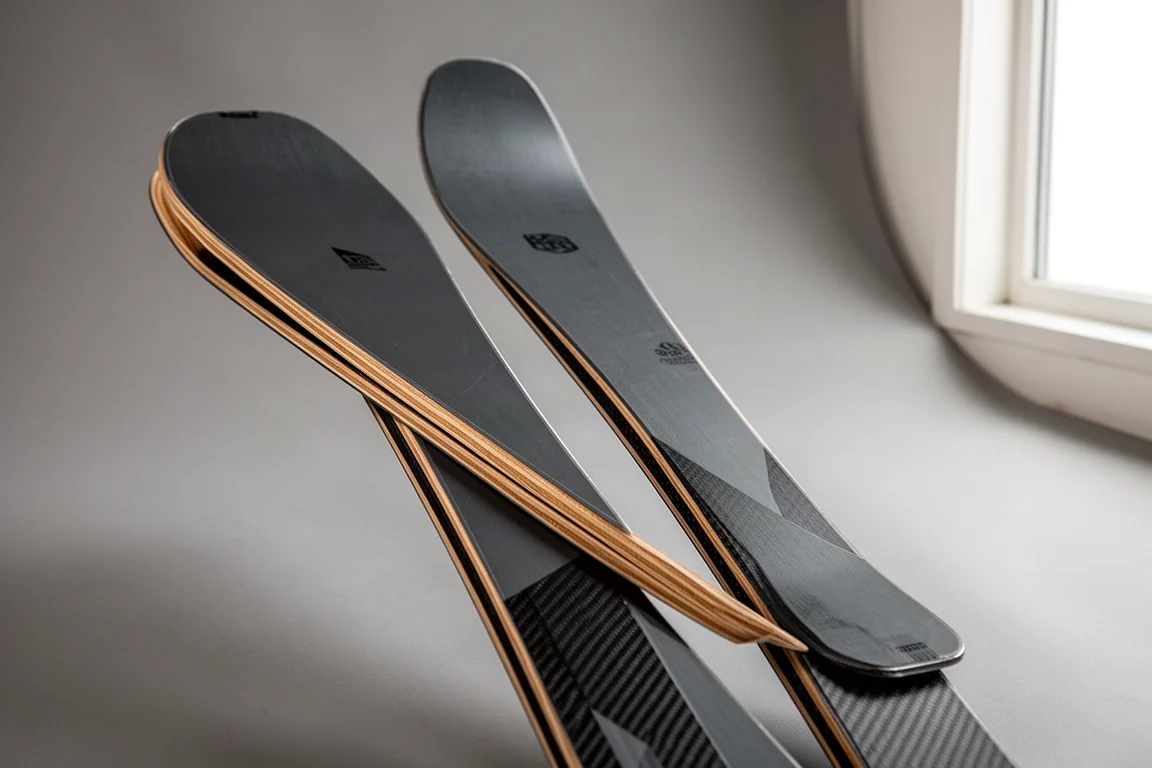
Nordica Enforcer 94 Unlimited
The Enforcer 94 Unlimited takes the Enforcer 94 shape and rebuilds it without metal. The core uses macro block construction with wider chunks of lightweight wood and carbon stringers running alongside, plus True Tip technology that extends the wood further into the tip. Weight is around 1,550 g in a 179. The shape is unchanged, which means a long tip rocker, a smooth taper and easy turn initiation with good energy out of the tail. It sits in the range where a mid-weight hybrid binding makes sense, and it also works as a lighter resort ski for anyone who has always found the standard Enforcer 94 a touch heavy.
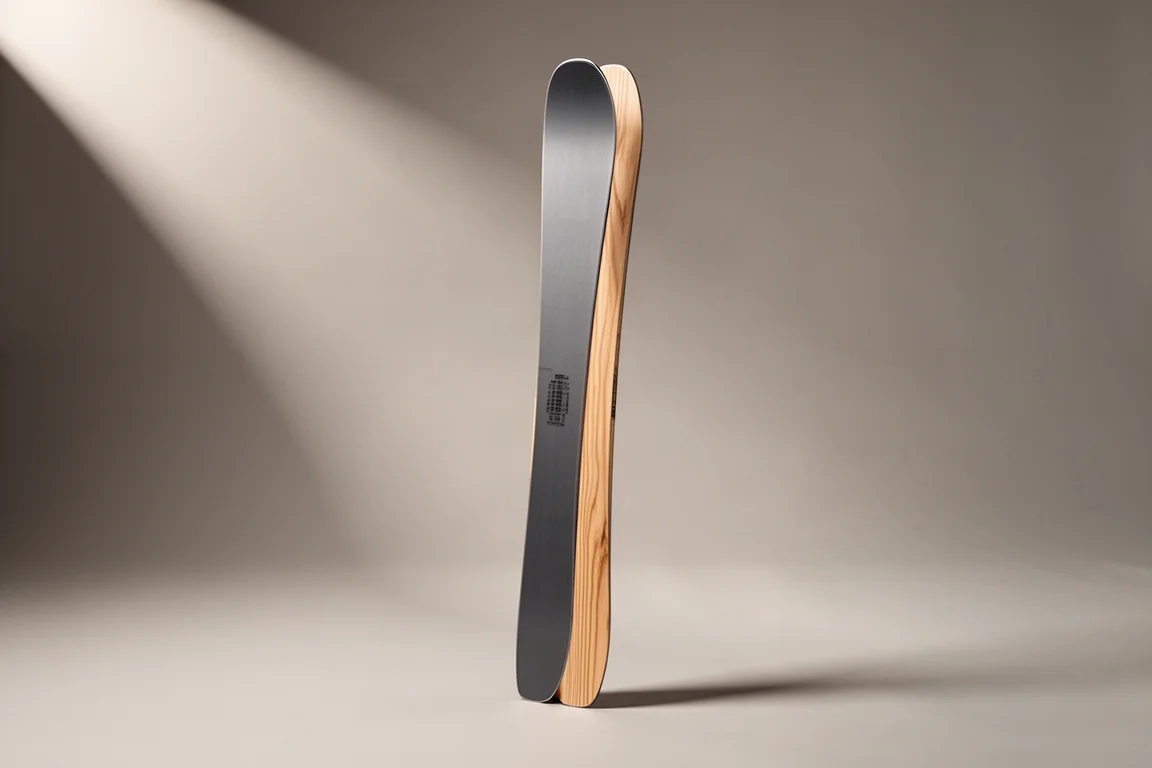
Fischer Hannibal 106
The Hannibal 106 matches the widest ski on the list so far at 106 mm underfoot. Fischer uses a paulownia core with tri-directional carbon fiber: longitudinal stringers plus a cross-hatched application that stiffens the ski on more than one axis. Air Tec, borrowed from Fischer’s Nordic racing cores, removes wood from underneath the core without reducing stiffness. The feel is strong and stiff but still energetic and maneuverable. Tip rocker is generous for float, tail rocker is more modest than the Wayback 106, and the 22 m turn radius keeps the ski from feeling catchy. The shovel shape echoes the Ranger series.
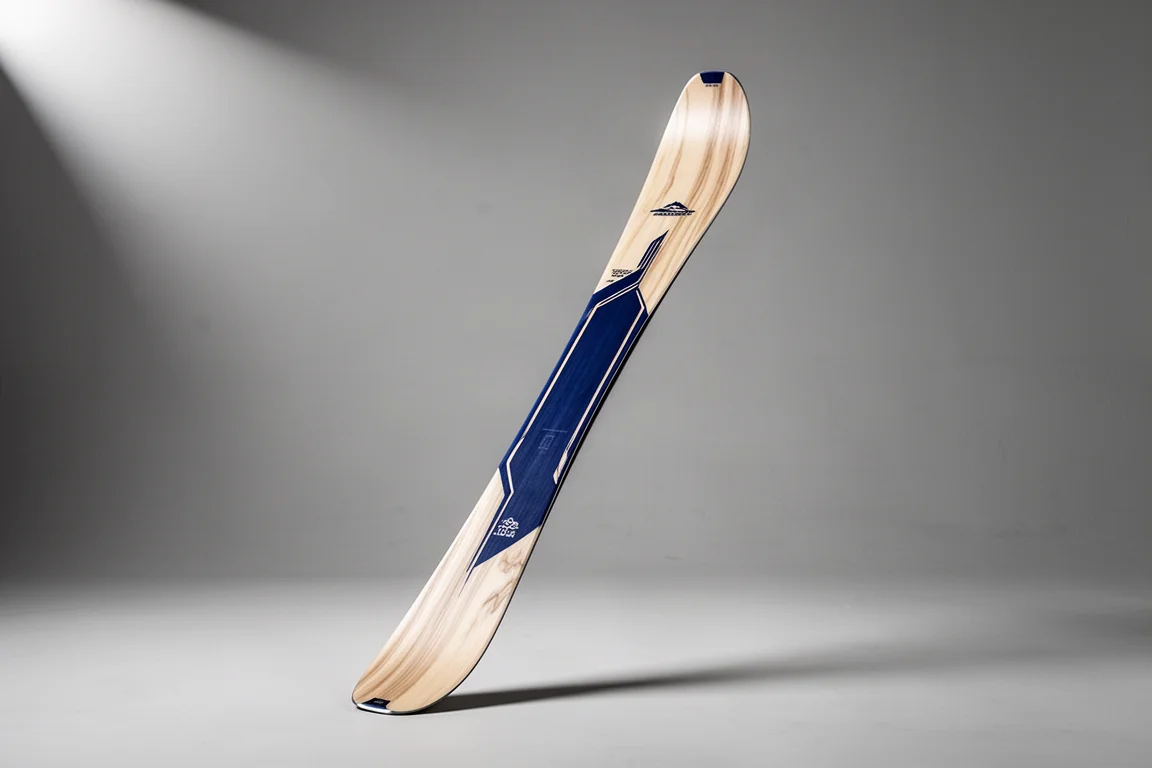
Elan Ripstick Tour 104
The Ripstick Tour 104 weighs just over 1,550 g in a 180 and takes a different approach to carbon than the rest of the list. Instead of two rods along the edges, a single carbon bridge runs through the center of the core, rising and receding with the core profile and emerging again through the tail. That bridge does most of the longitudinal stiffness work, and because it is a rod rather than a flat strip it still has a 360-degree effect on the ski. The rocker profile is close to symmetrical, with more tail rocker than almost anything else here, which makes it playful, easy to release and smeary in soft snow. The turn radius is around 23 m, and the Amphibio profile is left and right specific.
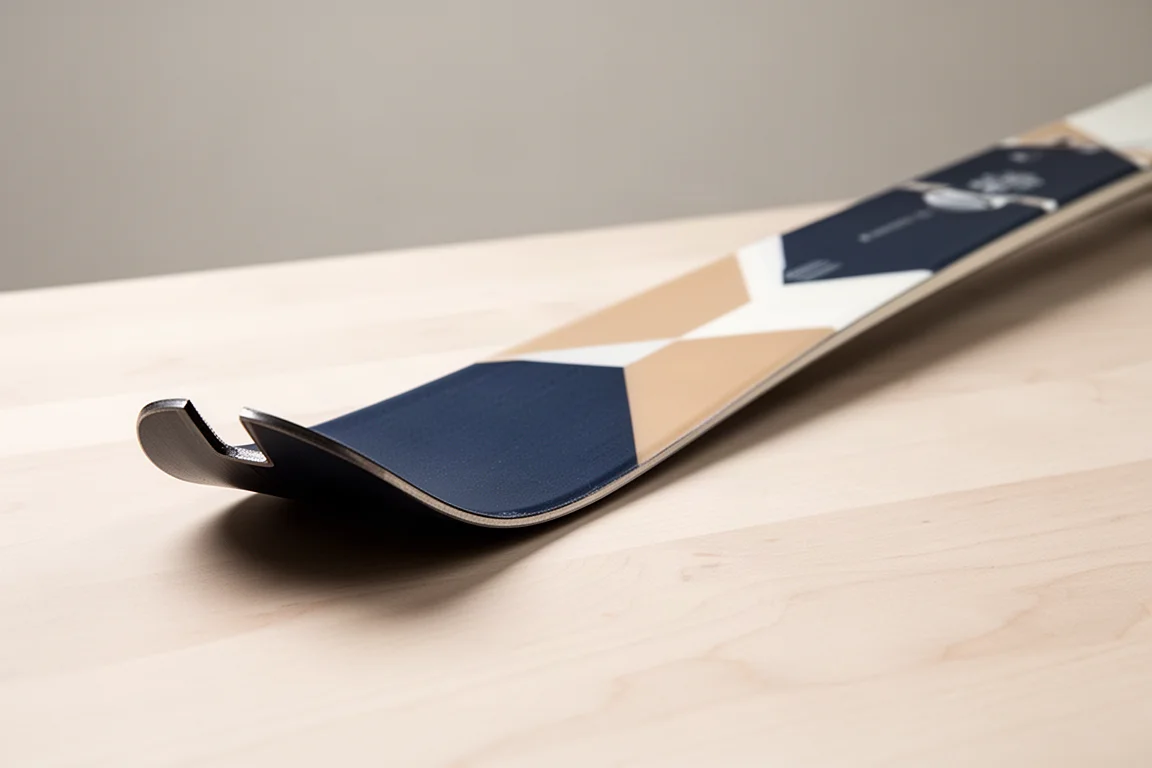
Liberty Origin 106 BC
Liberty took its Origin collection and lightened it for this model. An aspen core with carbon layers brings a 176 cm, 106 mm ski to around 1,600 g, which is respectable for the width. Liberty’s twin-tip heritage shows in the shape: a lot of tip rocker, more splay and longer tail rocker than the Hannibal 106, closer to the Ripstick Tour 104. The result is a more centered, balanced feel than most skis in this category, with easy tail release and plenty of drift. An 18 m turn radius keeps it responsive in tight trees. It is one of the few skis here that a manufacturer files under backcountry rather than touring, which suits its freeride intent.
Blizzard Zero G 105
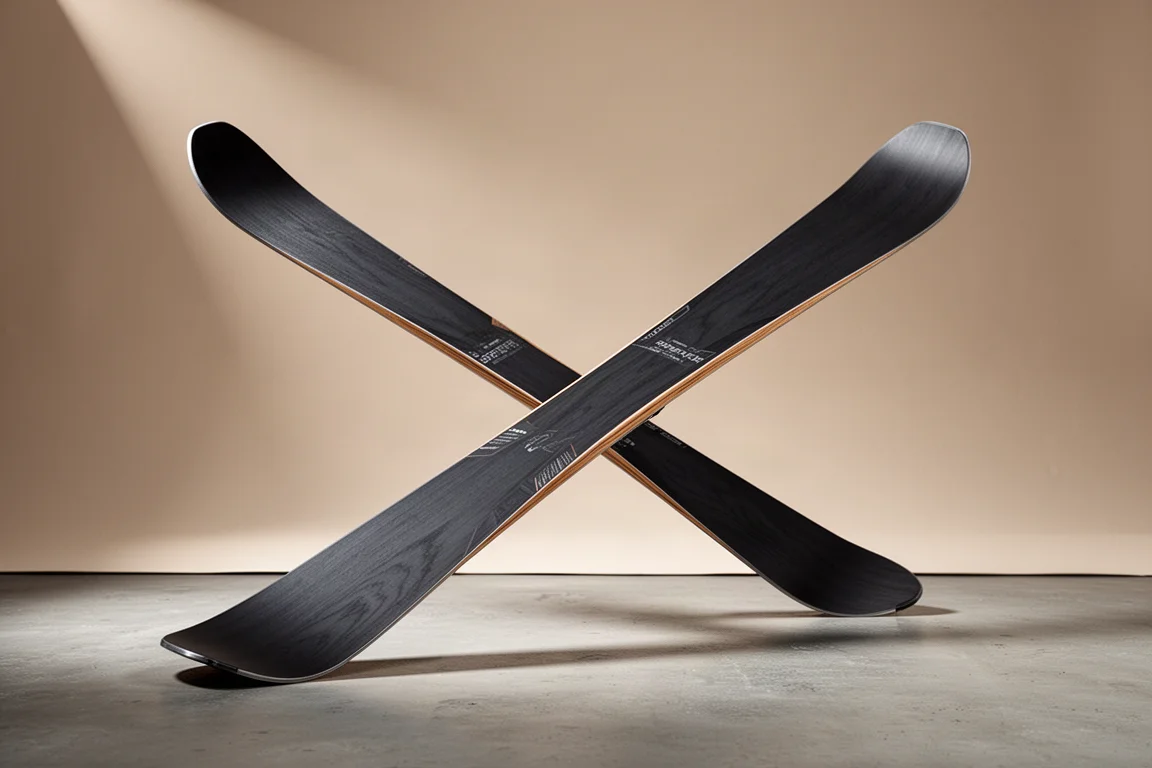
The Zero G 105 carries the same Carbon Drive 2.0 construction as the 95, with carbon molded in three dimensions and additional carbon underfoot around the binding mount. In a 188 it weighs around 1,640 g, which puts it noticeably above its narrower sibling. Blizzard offers pre-trimmed skins that clip in without cutting. Compared with the 95 there is more rocker, more splay, a lower wide point and a different tail, all of which favors flotation and playfulness in soft snow. The 24 m turn radius is straight cut, and the ski stays stiff and responsive for its size.
Völkl Mantra V-Werks
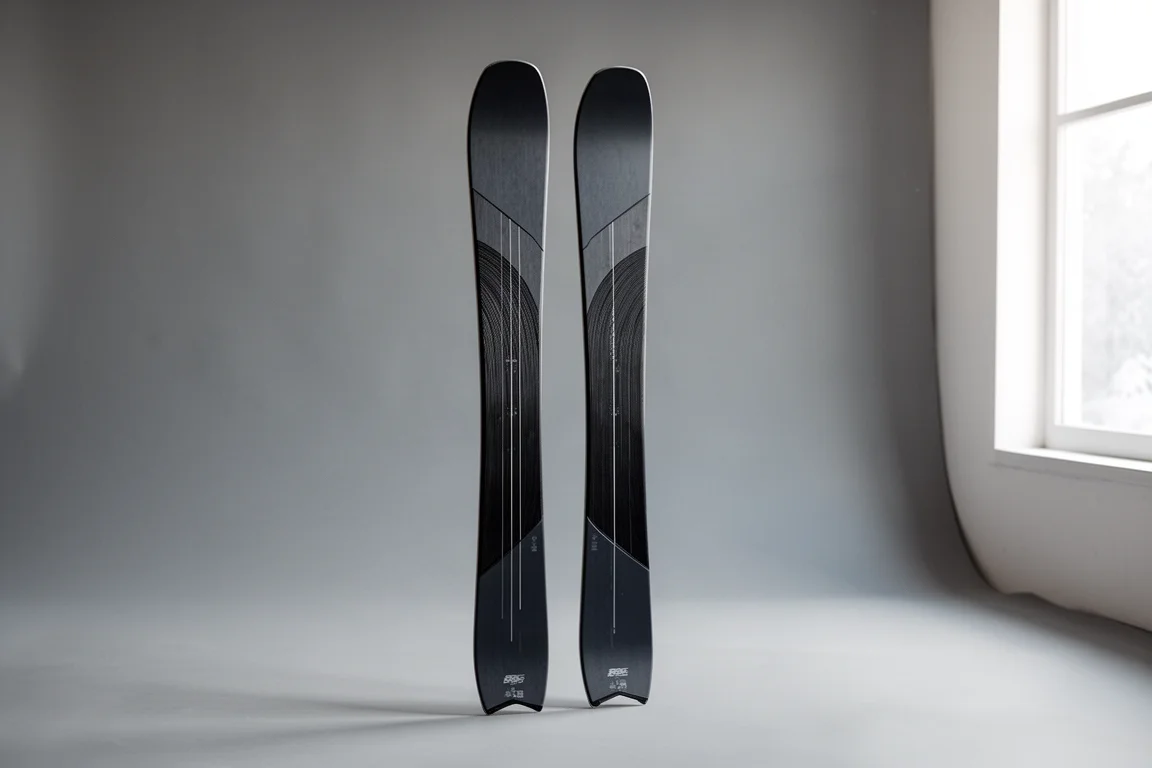
The Mantra V-Werks repackages the Mantra idea in a lighter build. The multi-layer touring wood core is milled with air channels, and Völkl adds 3D Ridge construction plus a Titanal Band running through the center of the ski. The shape has more in common with the older 98 than with the current Mantra, with very long, low-rise tip and tail rocker and a 20.8 m turn radius. The ski is extremely torsionally stiff and supportive, yet the long rocker makes edge release easy. That combination gives it a forgiving, maneuverable feel without shortening the effective edge, which matters both in the resort and on long traverses where grip is non-negotiable. The construction is reflected in the price.
Stöckli Edge FT
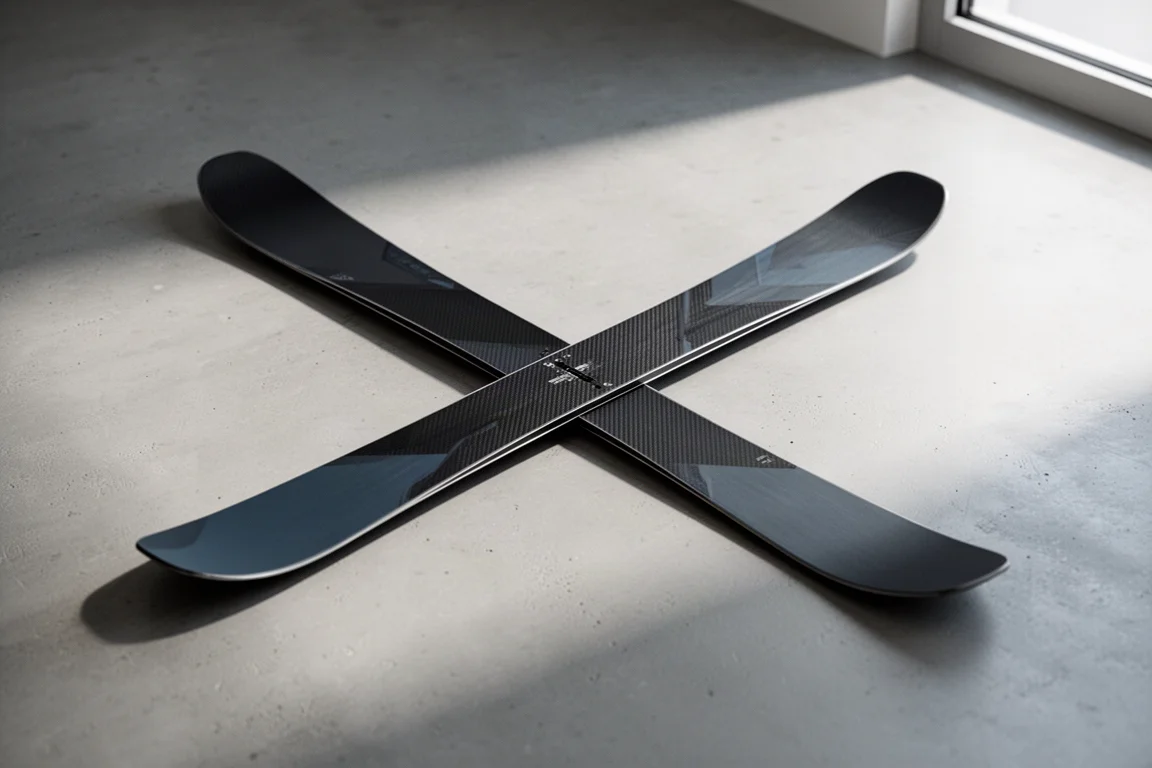
The Edge FT measures 94 mm underfoot and weighs around 1,680 g, and it shares much of its DNA with the Nella 96. Stöckli uses a full sheet of metal with a Titanal Pro topsheet, a super light wood core and ultra-light metal edges that are about 25 percent lighter than standard edges. The topsheet has a smoother treatment that sheds snow rather than collecting it. The profile is directional: a little tip rocker, a very flat tail and minimal to zero taper, so edge contact runs from tip to tail. The flex is unusually consistent from end to end, which makes this one of the smoothest and dampest skis on the list. Binding choice runs from a mid-weight touring binding to a full alpine binding.
Nordica Enforcer Unlimited 104
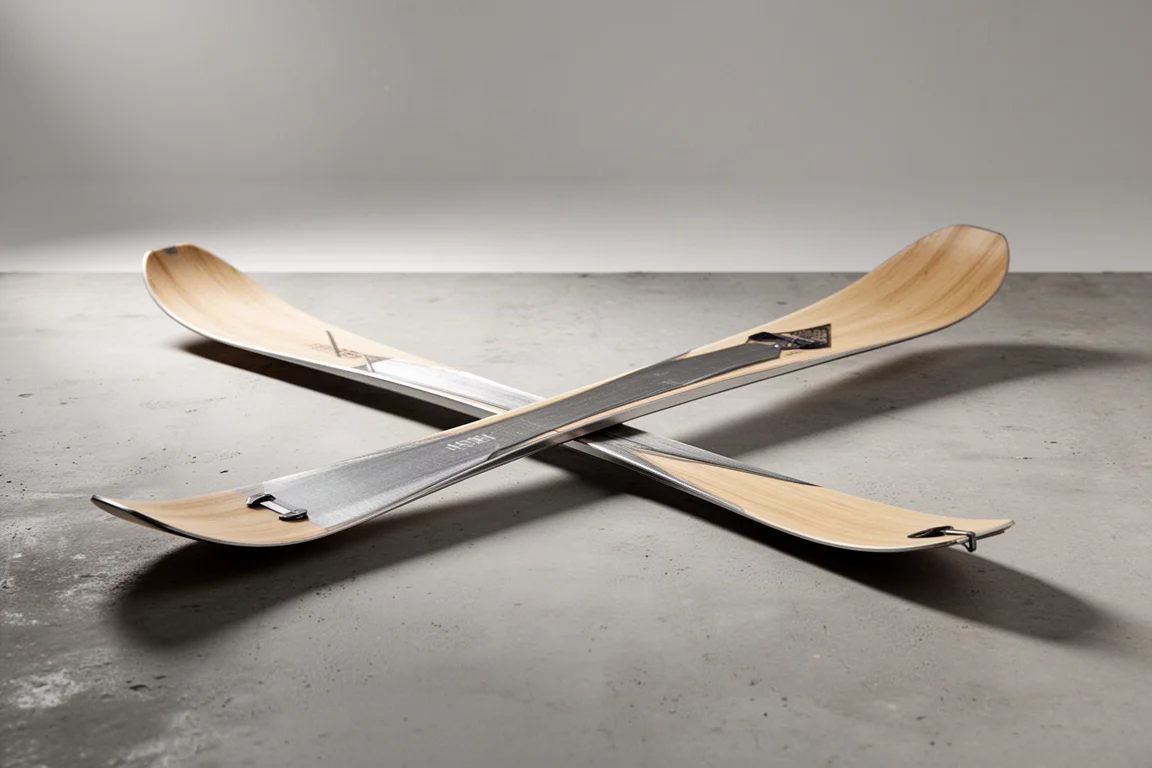
The Enforcer Unlimited 104 takes the Enforcer 104 shape and removes the metal. The standard 104 in a 186 weighs over 2,200 g; this version comes in at around 1,700 g, roughly 500 g lighter. Nordica relies on carbon instead, with two sets of carbon stringers and a denser application of carbon through the core, and the flex pattern stays strong because an Enforcer that did not feel stable would not be an Enforcer. The tail is the interesting part: there is long rocker with more splay than most skis here, closer to a twin tip, plus a flat skin attachment point that keeps skins attached despite the shape. A 17.5 m turn radius keeps turns quick and round. It works as a touring ski and as a light resort ski.
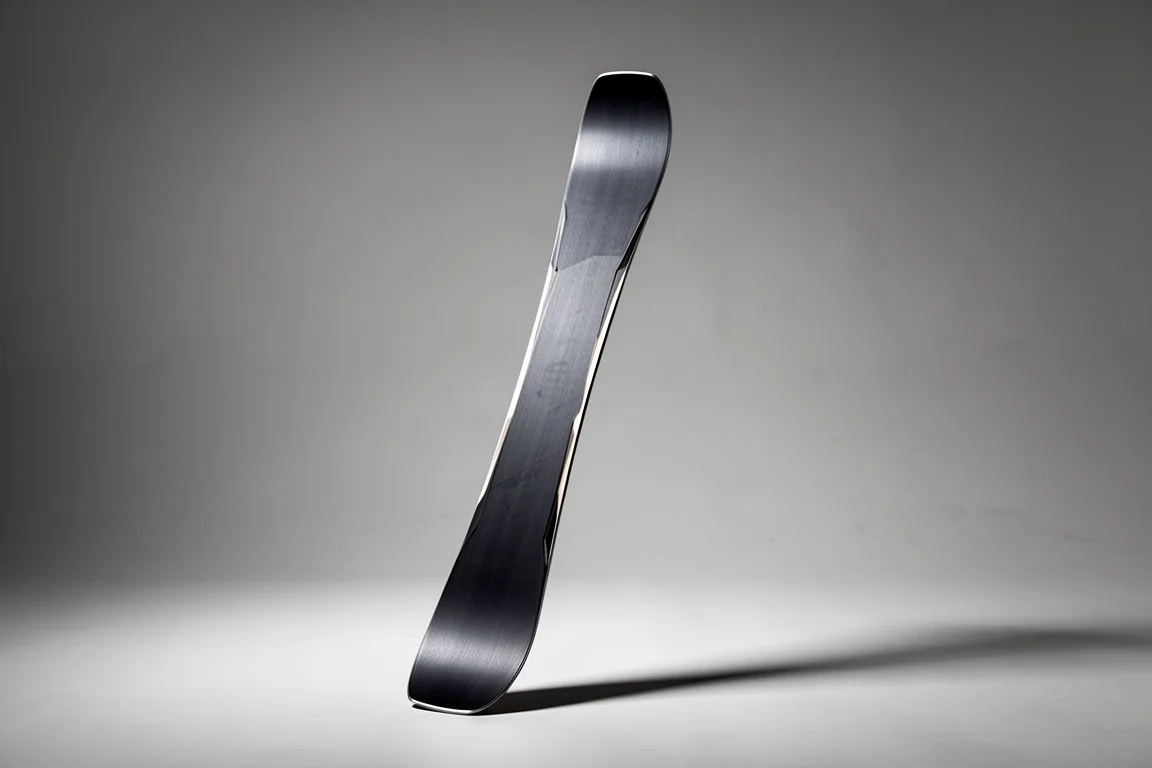
Völkl Katana V-Werks
The Katana V-Werks is the widest ski on this list at 112 mm underfoot, and it weighs around 1,870 g in a 177. Völkl uses a lighter touring core with sections milled out, a multi-layer wood core and a 3D carbon ridge for stiffness. The profile is full rocker with no camber underfoot, which makes it the floatiest ski here and the most willing to drift and pivot. There is nothing dramatic about the rocker lines, just a long, low, consistent curve.
This is a big-mountain powder touring ski first, and it needs a heavier binding to make sense of the width and the weight. A light tech binding on a 112 mm full-rockered ski leaves performance on the table, while a mid-weight or heavier touring binding lets the ski do what it was built to do. Skiers who spend most of their season hunting soft snow will find the trade-off worthwhile.
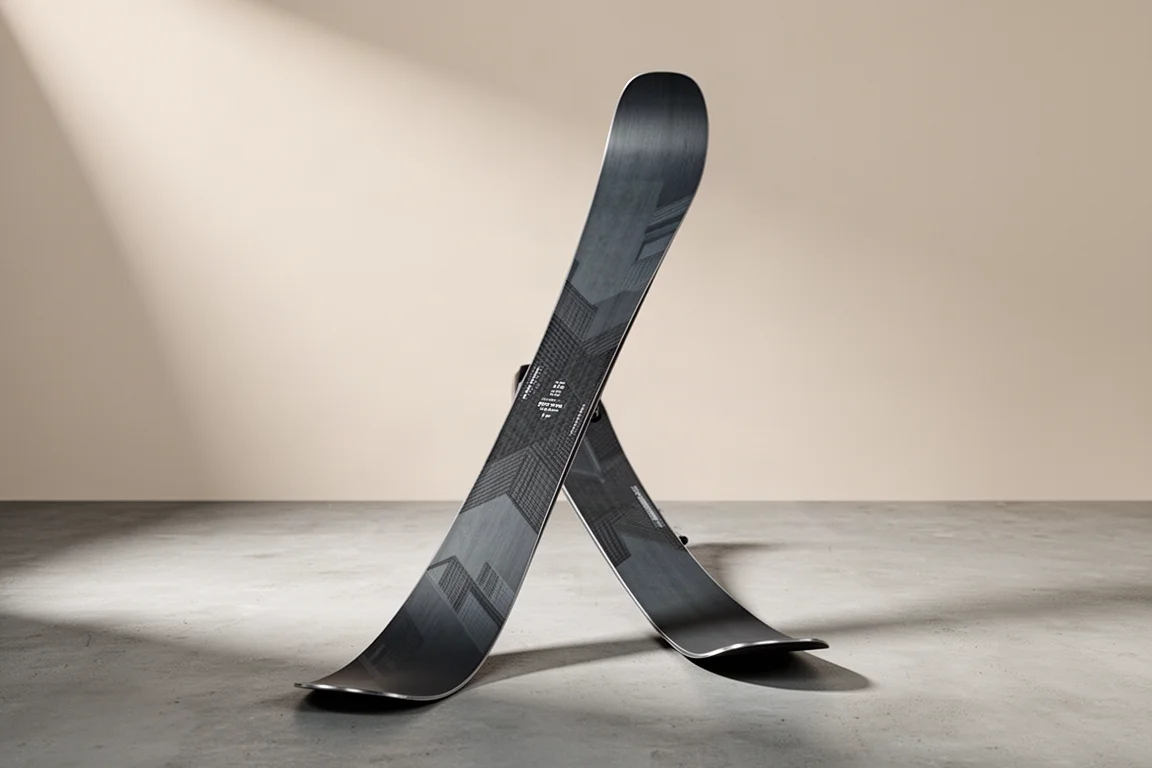
Black Crows Ferrix Freebird
At over 2,000 g, the Ferrix Freebird is heavier than plenty of skis in the same width class, but it exists to solve a specific problem: there are very few powder twin tips built for touring. The core blends poplar, paulownia and a synthetic carbon mousse material, and H-shaped carbon is built into the core itself, with the widest point of the shovel lining up with the end of that H for a floatier, more playful front end. The twin tip shape normally makes skins fall off, so Black Crows adds a flat attachment point at the tail. At 110 mm underfoot with a 21 m turn radius and moderate rocker, it is a strong ski for its weight and a clear choice for backcountry powder and natural features.
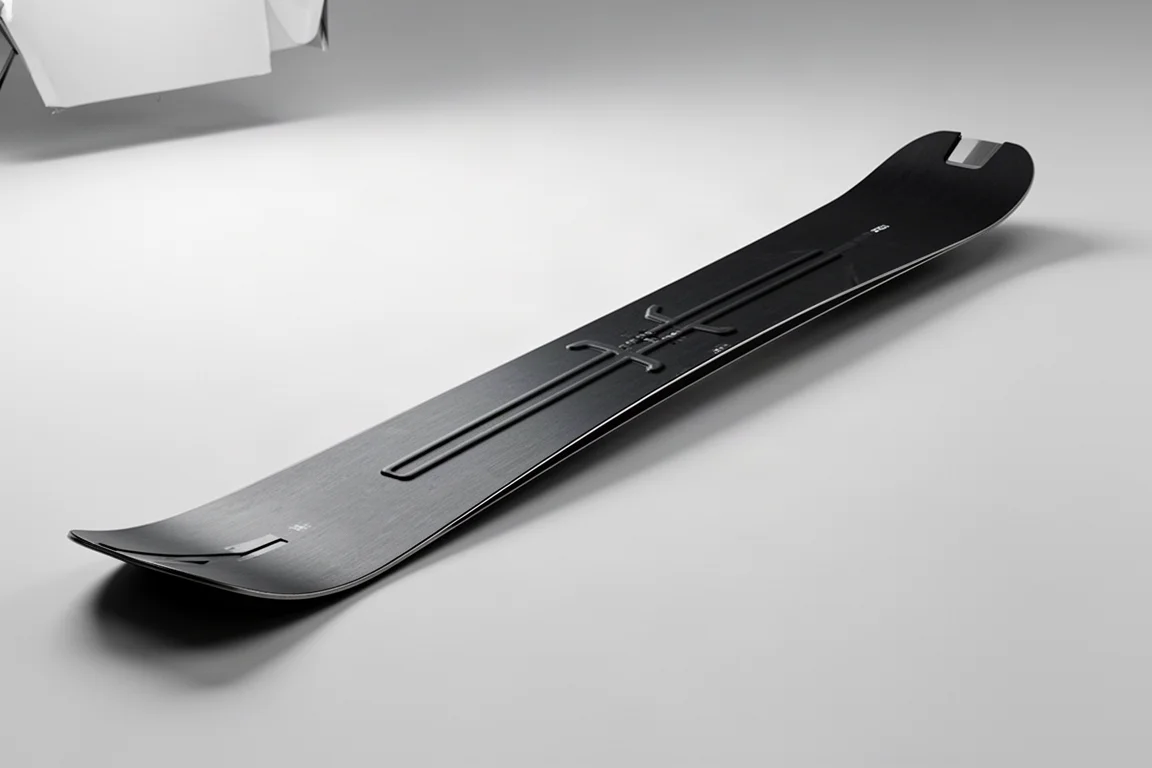
Buying Advice
The right touring ski depends less on the ski than on the tours you actually take. If most of your days involve long approaches, big vertical gain or a fast pace, the light end of this list is the sensible place to start. If you are mostly climbing groomed slopes for fitness, a light, softer, flat-tailed ski such as the Rise Beyond 96 or the M-Tour 99 will do everything you ask of it without weighing you down.
If the descent is the point, the calculation changes. The wider, heavier skis at the bottom of the list, the Katana V-Werks and the Ferrix Freebird especially, give up uphill efficiency in exchange for float and stability in soft snow. In between sits the largest group: skis like the Camox Freebird, the Hannibal 106, the Ripstick Tour 104 and the Enforcer Unlimited 104, which can be paired with a mid-weight binding and used on the skin track and in the resort.
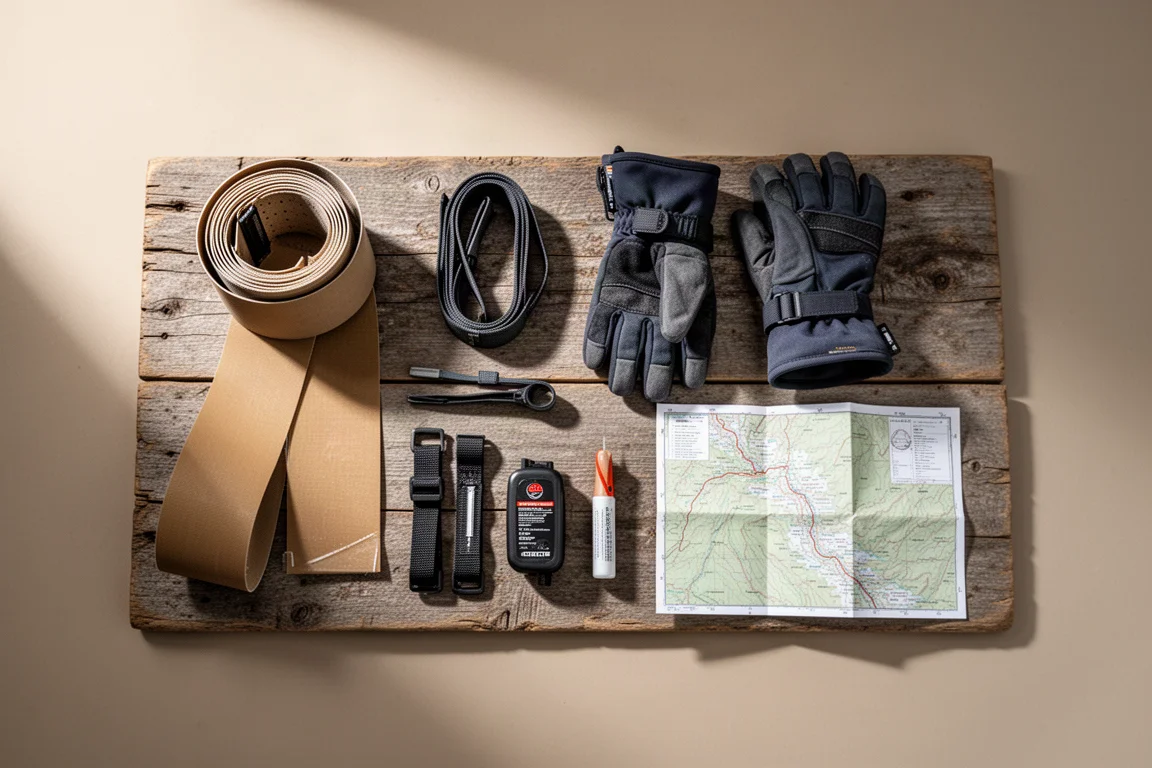
Binding choice is the other half of the equation. A light tech binding flatters a light ski, and a heavier hybrid binding adds stability and release characteristics that make more sense on the stiffer, wider models. A setup that looks mismatched on paper can still work well for a specific skier on specific terrain, so it is worth being honest about how you spend your days before committing.
Conclusion
Sorting this category by weight makes the trade-offs visible. Skis from roughly 1,260 g to 1,400 g are built for efficient climbing, with flat tails, light cores and shapes that prioritize grip on the skin track. Skis from about 1,500 g upward start trading some of that efficiency for stability, damping and soft-snow performance, and the heaviest models here, at around 1,870 g to 2,020 g, are powder tools first and climbing tools second. Pick the end of the list that matches how you actually ski, pair it with a binding that suits the build, and the rest comes down to preference.
Further reading
Related Reviews
Touring Skis
Atomic Backland 100 Review: A Light Touring Ski That Still Holds an Edge
The Atomic Backland 100 is the lightest of Atomic's three 100mm-underfoot skis. Here is how its carbon build, tapered tail, and setup options shape the buying decision.
Touring Skis
Best Touring Skis 2025: Six Standout Picks from Lightest to Heaviest
A practical roundup of six touring skis, from featherweight uphill tools to confident freeride performers, with real weights, prices, and on-snow characteristics.
Touring Skis
Best Touring Skis 2026: Seven Lightweight Options Compared
Seven lightweight touring skis compared, from uphill-focused builds to descent-oriented shapes, with practical guidance on weight, flex, turn radius, and binding choice.