Beverages
Best Tonic Water: Three Bottles Worth Knowing Before You Mix Your Next Gin and Tonic
A side-by-side look at three tonic waters, including an inexpensive supermarket winner and two boutique alternatives with very different personalities.
Introduction
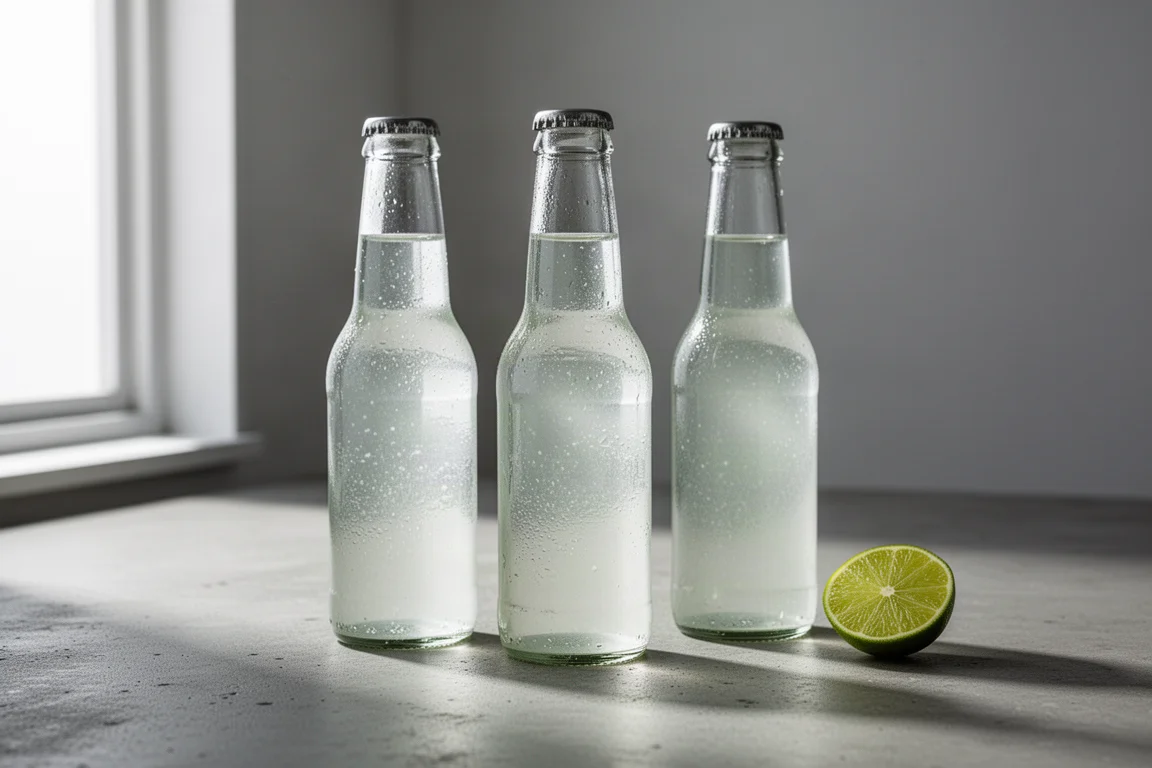
Tonic water is having a moment. What used to be a two-brand supermarket category has grown into a shelf of boutique and artisanal options, many of them noticeably more expensive than the familiar names. But does a fancier label actually make a better tonic?
To find out, eight brands were tasted two ways: on their own, and alongside gin. The three standouts below represent the range of what is out there, from an inexpensive grocery store staple to two boutique bottles with very different personalities.
How Tonic Water Was Judged
Bitterness is the defining quality of tonic water. It comes from quinine, an alkaloid compound originally derived from tree bark and historically used to prevent and treat malaria. Because quinine is intensely bitter, producers add sugar to balance it, and that balance is where most of the character lives.
Beyond bitterness and sweetness, the botanicals matter. Tonic water evolved over the 19th century as British colonists in India worked to make it a more interesting drink, and modern bottles can carry notes of citrus, herbs, lemongrass, and juniper. Tasting panels consistently favored cleaner, citrus-forward profiles over funkier fermented flavors, and a moderate sugar level proved to be the sweet spot: too much sugar reads as cloying, too little makes the bitterness feel unbalanced.
The Quinine Question
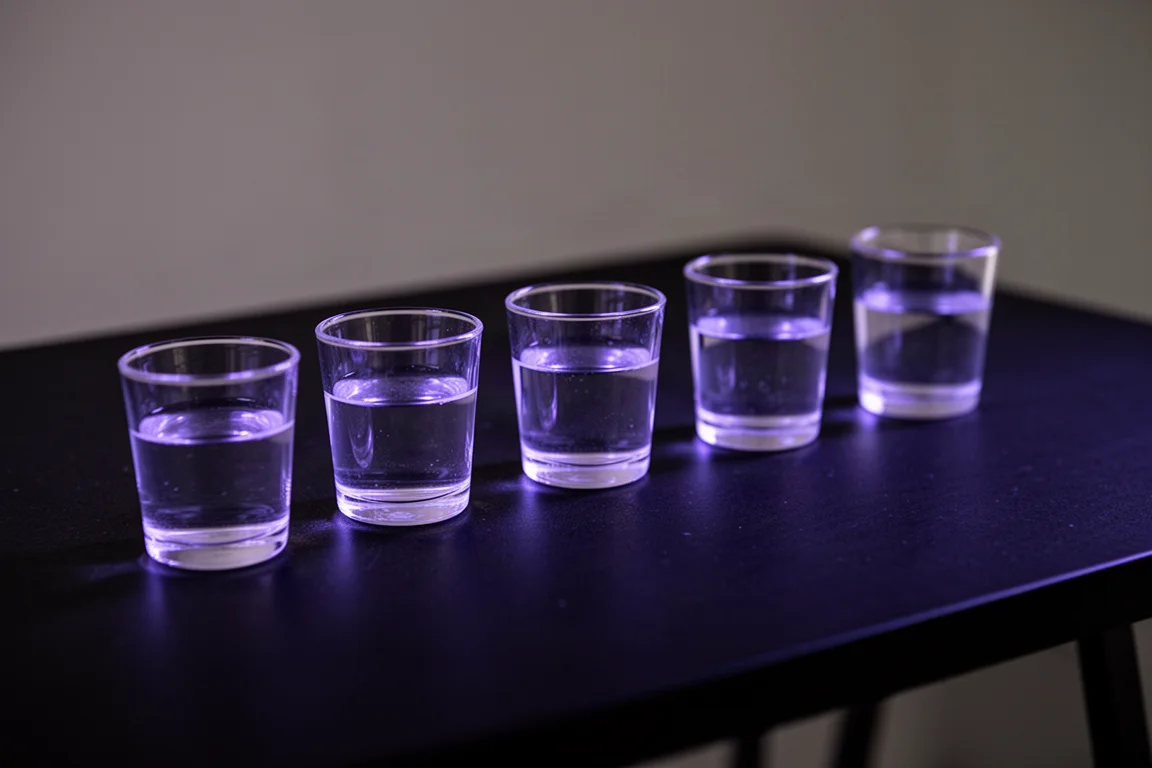
One of the more revealing tests involved a black light. Quinine is fluorescent, so comparing the glow of each sample offered a rough visual read on quinine levels. Most of the bottles glowed to a similar degree, suggesting comparable quinine content.
The exception was instructive. The least bitter sample also barely glowed under the black light, which points to less quinine and, in practice, a tonic that tastes like something is missing. Bitterness is not a flaw in tonic water; it is the point. A bottle that strips it out stops tasting properly balanced.
Why Polar Tonic Water Won
The overall winner was not a boutique bottle at all. Polar struck the best balance of the tasting: clean, citrusy, bitter enough, and sweet enough. It simply tasted like proper tonic water, and it did so while being very inexpensive and easy to find at the grocery store.
That combination is worth pausing on. The premium tonics did not outperform it in the tasting, which makes Polar an easy recommendation for anyone stocking a home bar. If the goal is a reliable mixer for a gin and tonic, the cheapest option on this list happens to be the best one.

Jack Rudy Tonic Water: A Lighter Touch
Jack Rudy sat at the opposite end of the balance scale. It was the sample that barely glowed in the black light test, suggesting less quinine and noticeably less bitterness, and it also carried the least sugar of the group.
The result felt out of whack to the tasting panel. With little sugar to round off the bitterness and reduced bitterness to begin with, it landed as the least favorite of the tasting. For anyone who prefers sweeter drinks, this is one to approach with caution: it is neither sweet enough nor bitter enough to feel properly composed.
Fentimans Tonic Water: The Fermented One
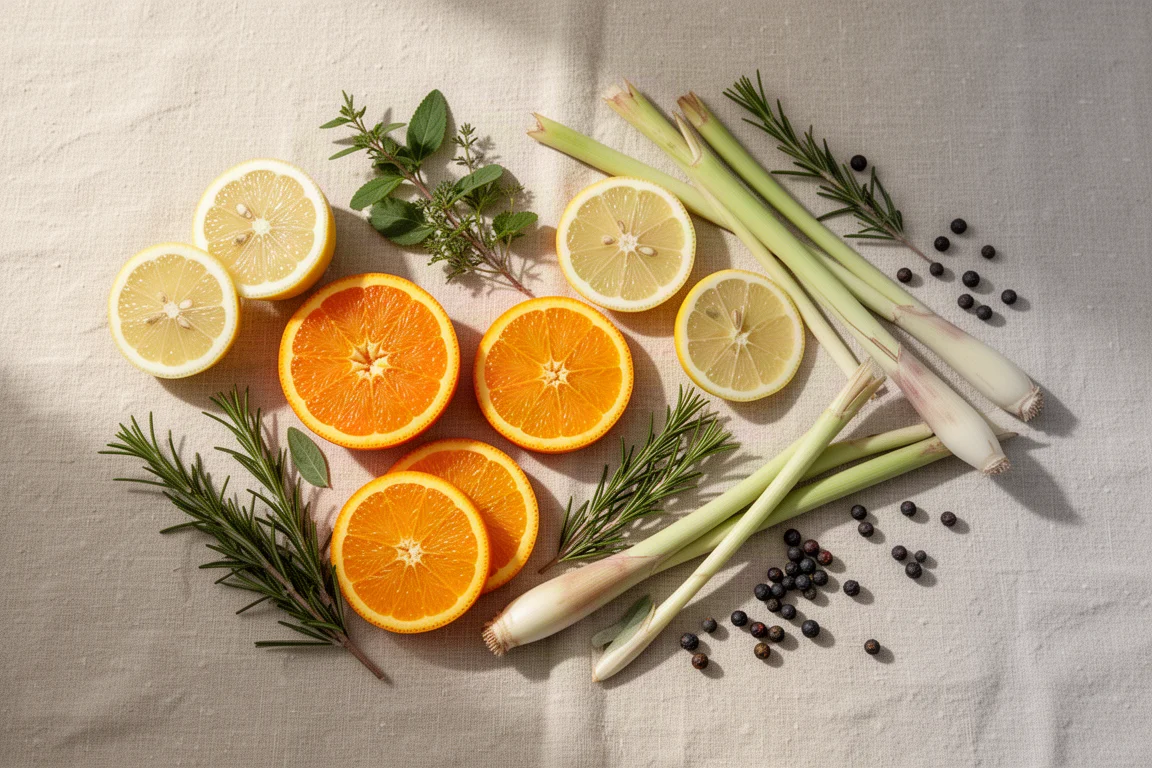
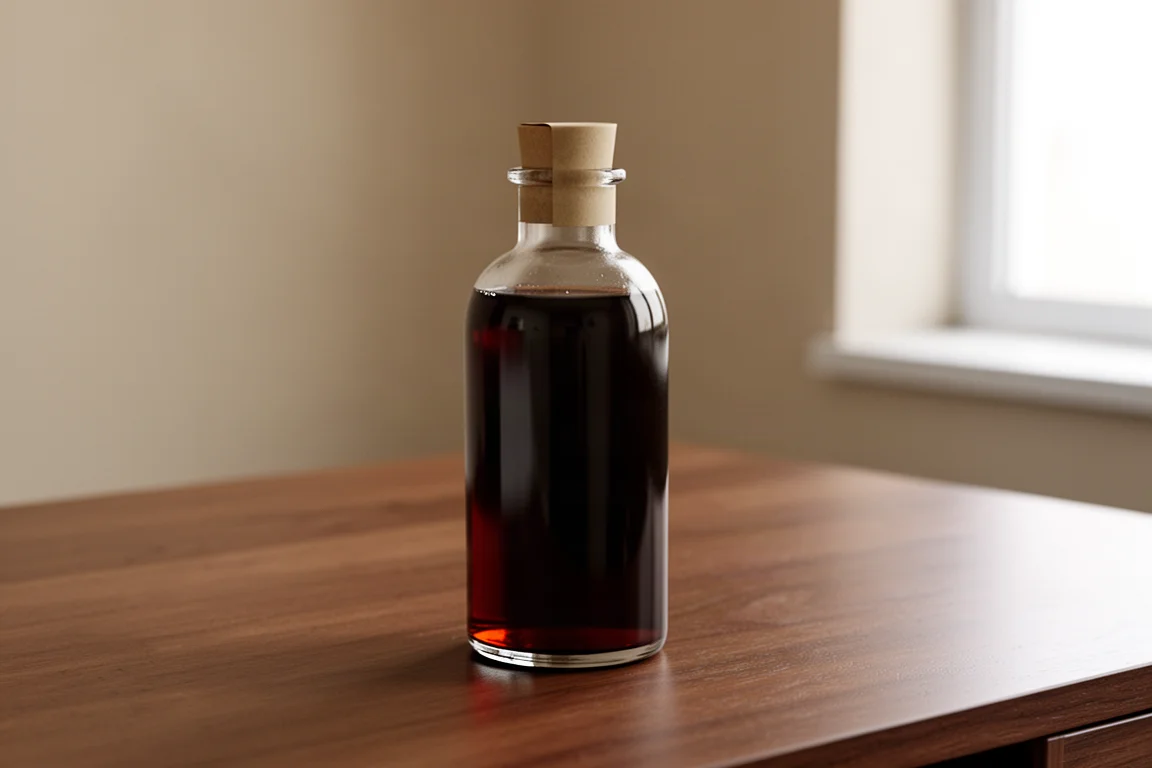
Fentimans takes a genuinely different approach: it is the only one of the group that ferments its botanicals. Fermenting herbs, citrus, and juniper produces different flavors, and in this case the result was a funkier profile that divided tasters.
The panel’s general preference leaned toward cleaner, citrus-forward tonics rather than fermented and slightly funky ones, so this bottle works best for drinkers who actively enjoy those earthy, complex notes. It is the most distinctive of the three, and distinctiveness cuts both ways.
Which Tonic Water Should You Buy?
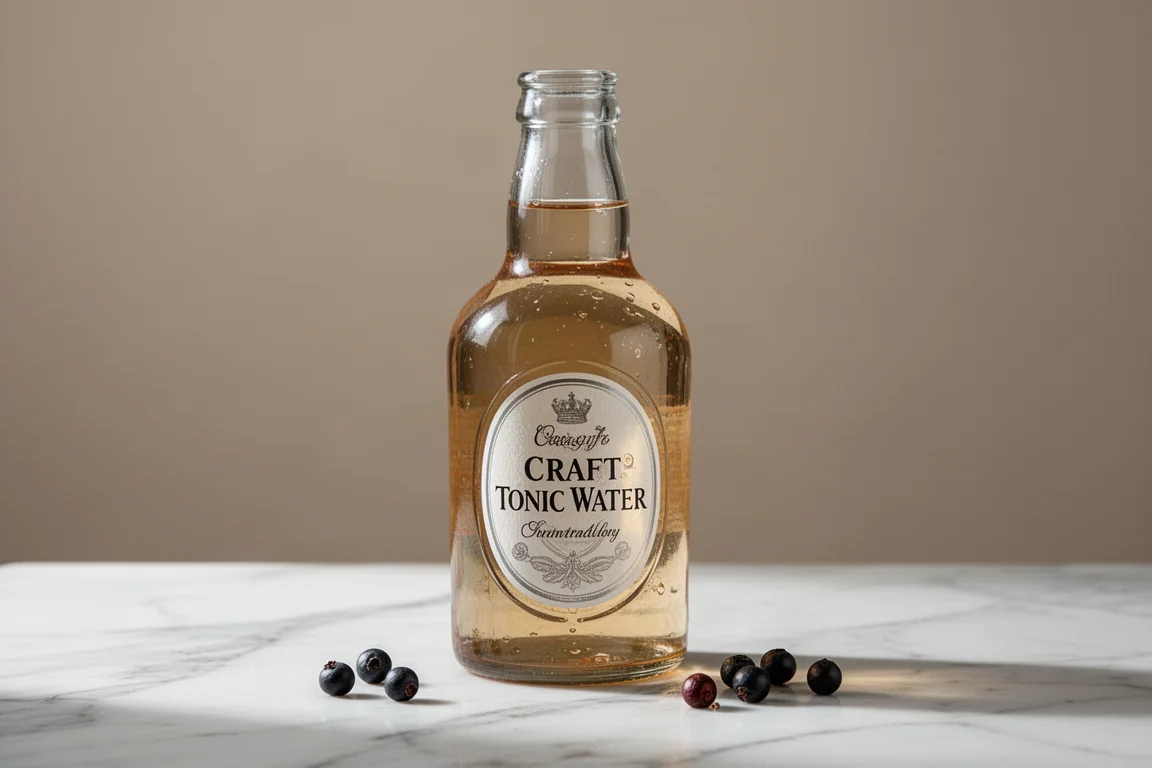
If you want a dependable everyday mixer, Polar is the clear pick: well balanced, widely available, and inexpensive. If you enjoy funkier, more complex flavors and want a tonic with real personality, Fentimans offers something the others do not. Jack Rudy is the hardest to recommend, simply because its reduced quinine and sugar leave it tasting underbuilt compared to the rest.
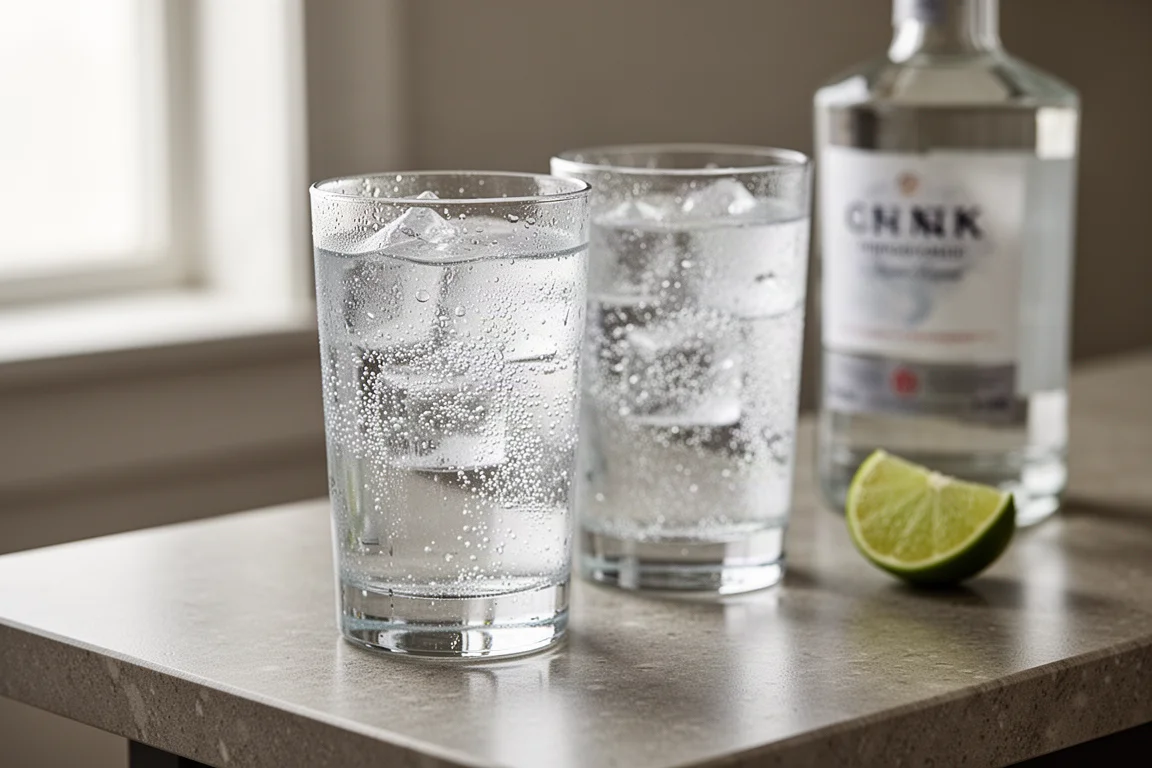
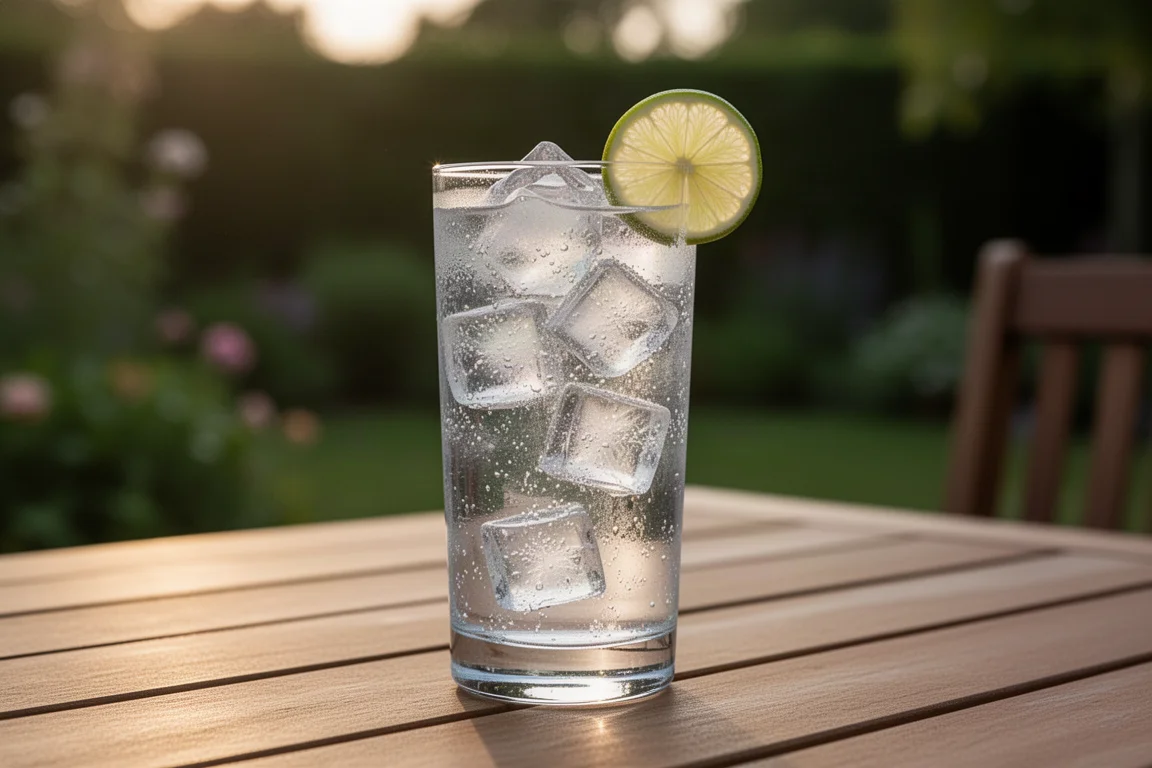
Whichever you choose, remember that tonic rarely exists on its own. Served over ice with a lime wedge and a measure of gin, even the characteristics that divided tasters neat can settle into place beautifully.
Conclusion
The lesson from this comparison is that price is a poor predictor of quality in tonic water. A clean, balanced, citrusy supermarket bottle beat boutique alternatives on taste, while fermentation tricks and reduced bitterness proved divisive rather than better. Buy Polar for the best all-around mixer, consider Fentimans if you like funky complexity, and approach ultra-light tonics with realistic expectations.
Further reading
Related Reviews

Backpacking Gear
Building a 10 lb Base Weight: An Ultralight Backpacking Gear List
A practical walkthrough of the ultralight pieces behind a 10 lb base weight, from a 765 g pack and a roomy one-person tent to a full camp chair and a dependable water filter.

Road Bikes
10 New Road Bikes Worth Watching: Aero, Titanium, Steel and Endurance Standouts
A practical roundup of 10 new road bikes, from aero flagships chasing single-watt gains to titanium, steel and endurance platforms built for real roads.

Bikepacking Gear
11 Bikepacking Essentials for Long-Distance Cycling
Eleven bikepacking essentials for long-distance cycling, from a steel gravel frame and a two-person tent to helmet lights, packable gloves, and a frame bag that puts weight in the right place.