Backpacking Gear
Best Thru-Hiking Gear Upgrades: Four Small Items Worth the Pack Weight
Four lightweight backpacking items that solve everyday problems on long trails: a 13.5-gram trowel, a 39-gram pair of camp sandals, and tent stakes that hold firm in hard ground.
Introduction
On a thru-hike or any multi-day backpacking trip, the gear that earns its place is rarely the biggest item in your pack. It is usually the small piece of kit that solves a problem you will meet every single day: digging a cat hole, giving your feet a break at camp, or keeping your shelter planted when the weather turns. Get those details right and the whole trip becomes noticeably easier.
This guide covers four items worth considering before your next long walk. Two are trowels, one is a pair of camp sandals, and one is a tent stake with a reputation for holding firm in difficult ground. Each is judged on the same three questions: does it solve a real problem, is it light enough to carry for weeks, and does it hold up when conditions are less than ideal.
What Makes a Thru-Hiking Upgrade Worth Carrying
Weight is the first filter, but it is not the only one. A 13-gram item that fails on its second use costs you more than the grams it saved, and a tool you avoid using because it hurts your hands is dead weight no matter what the scale says. The useful measure is weight against function: how much capability you get for every gram you carry.
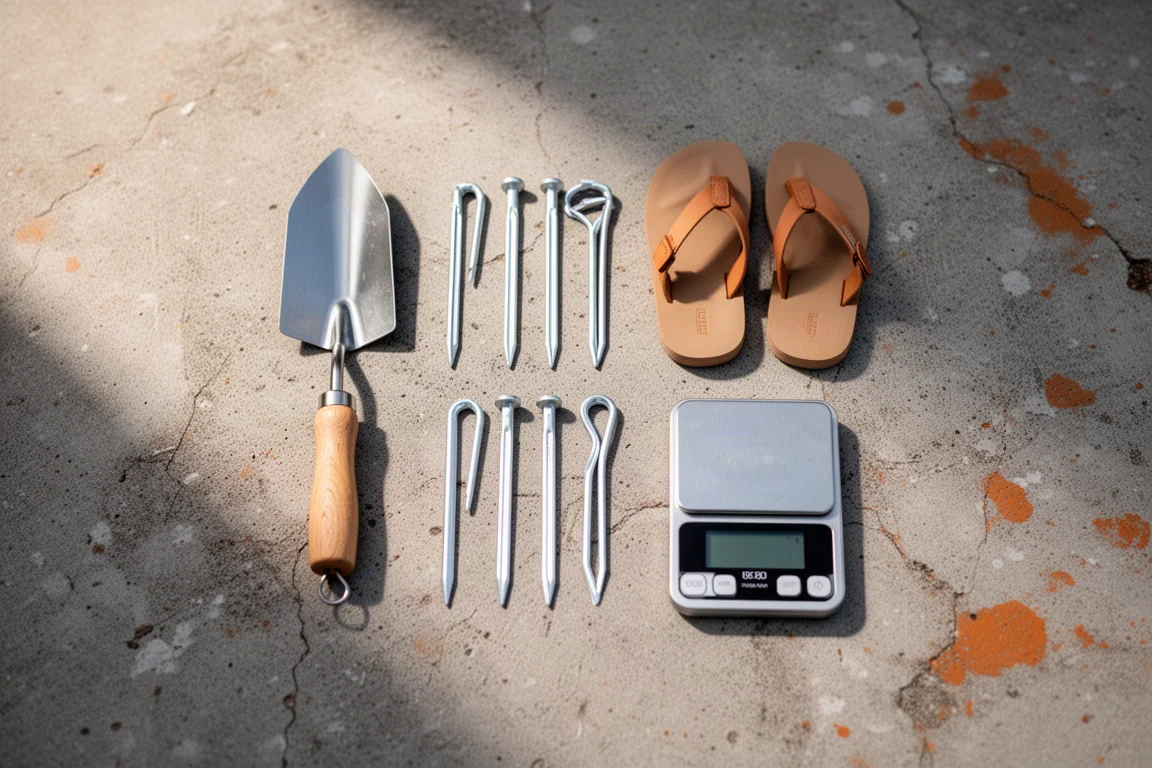
Durability under real conditions matters just as much. Hard, rooty, rocky and frozen ground all punish lightweight tools, and the difference between a smooth trip and a frustrating one often comes down to whether a stake or a trowel survives contact with the terrain. The items below were chosen because they hold up in exactly those conditions.
A third filter is whether an item removes a recurring annoyance. Fewer blisters, less condensation inside the tent and a shelter that stays put in wind all reduce the mental load of a long hike, and that is worth more than a small weight saving.
Best Trowel: Bogler Trowel
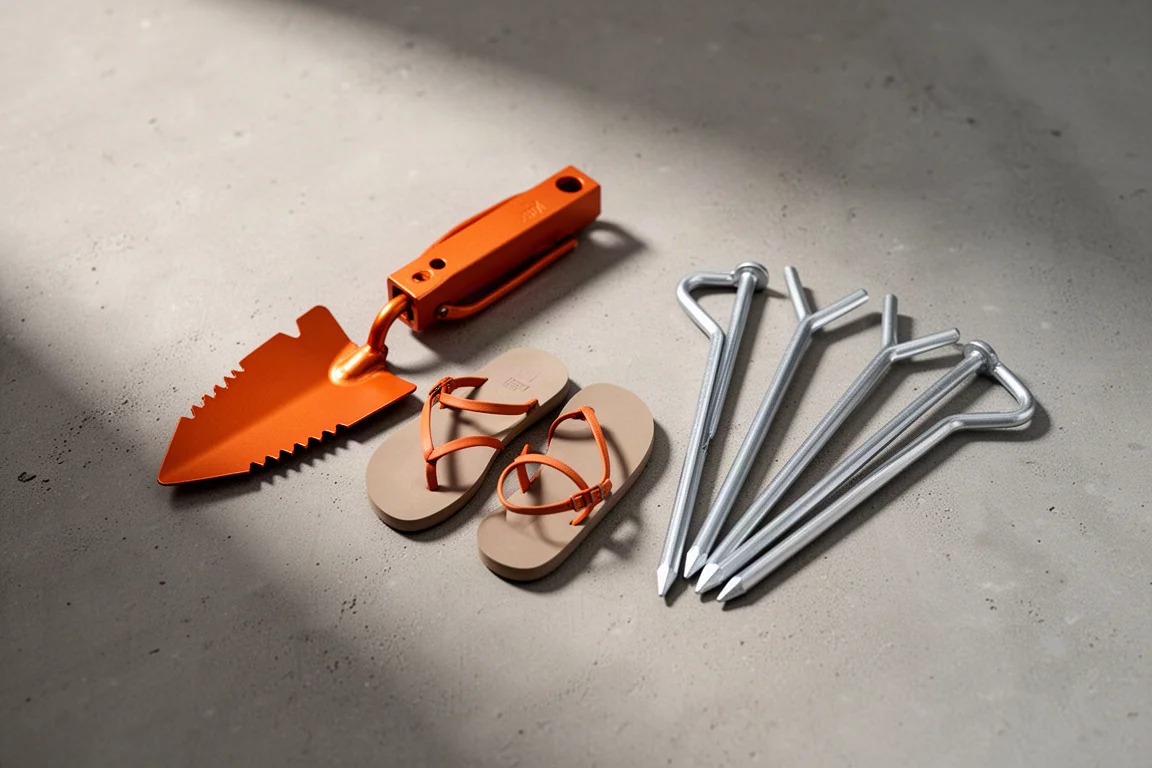
The Bogler Trowel is a purpose-built digging tool for cat holes, and it weighs just 13.5 grams. That is 3.5 grams lighter than the popular Deuce of Spades trowel, which matters when you are counting every gram across a long resupply schedule.
What sets it apart is not only the weight. The handle has an ergonomic grip with a small nubbin at the end, which makes pushing the trowel into hard ground easier and noticeably more comfortable on your hands. Along one edge there are serrated teeth, so rooty ground is far less of a battle: the serrations cut through roots instead of forcing you to dig around them.
For how light it is, the trowel is surprisingly durable. It has been used to pry rocks out of cat holes and has held up well. The design comes from Ben Bogler, a mechanical engineer, and went through more than a dozen iterations and prototypes before reaching this form. The orange version is a practical choice, since it is easier to spot inside a pack.
The Established Alternative: Deuce of Spades Trowel
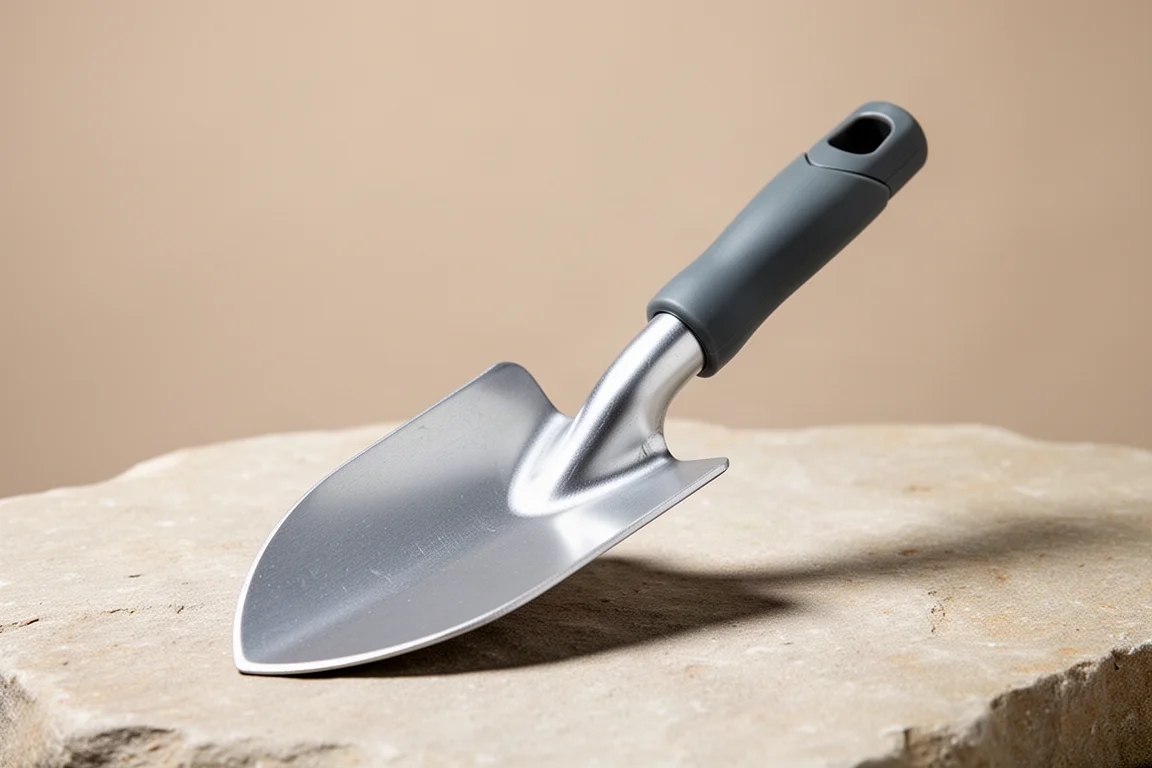
The Deuce of Spades remains the benchmark that most ultralight hikers compare against, and it is the trowel the Bogler is measured against on weight. It is 3.5 grams heavier, and it does not offer the ergonomic end grip or the serrated edge described above, so if cutting through roots and hard ground is part of your routine, those extra features are worth thinking about carefully.
If you already own one, there is no urgent reason to replace it. If you are buying a trowel for a long trip, weigh the small difference in grams against the comfort and cutting ability of the newer design.
Best Camp Shoes: Mayfly Ultralight Sandals
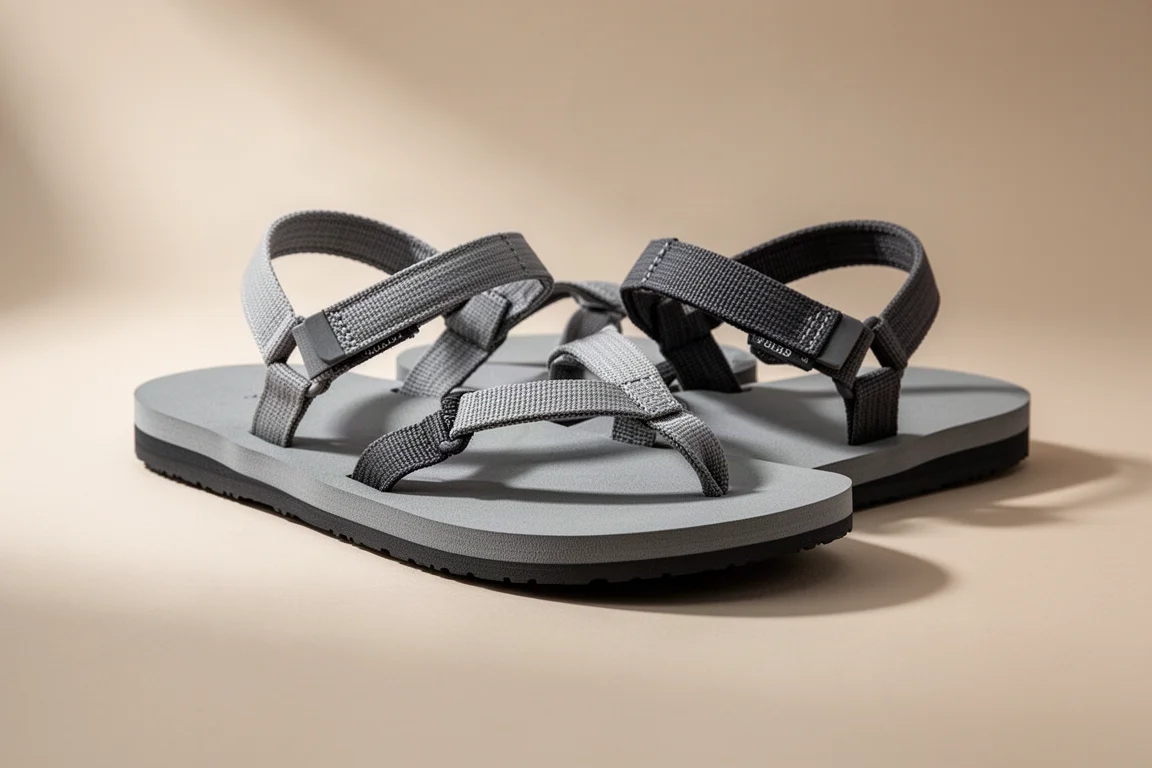
Camp shoes are usually the first thing cut from a pack, because traditional options are heavy and bulky. The Mayfly Ultralight sandals take a different approach: a pair weighs only 39 grams, which is light enough that the argument for leaving them at home mostly disappears.
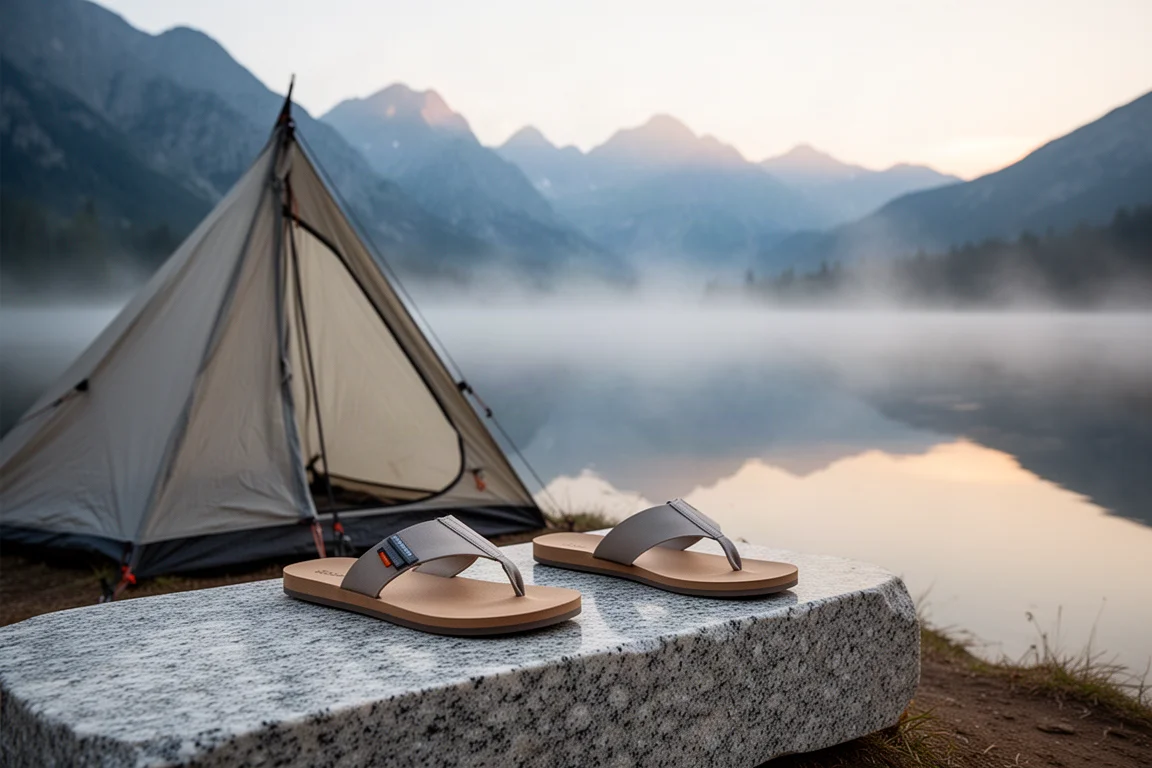
They are not intended to replace your trail shoes on long hiking days. Their job is to get your feet out of damp footwear at camp, let them air out, and let the day’s moisture dry off. That said, they have handled some genuinely difficult terrain without falling apart, and they work well as town shoes on zero days during a thru-hike.
Best Tent Stakes: MSR Groundhog
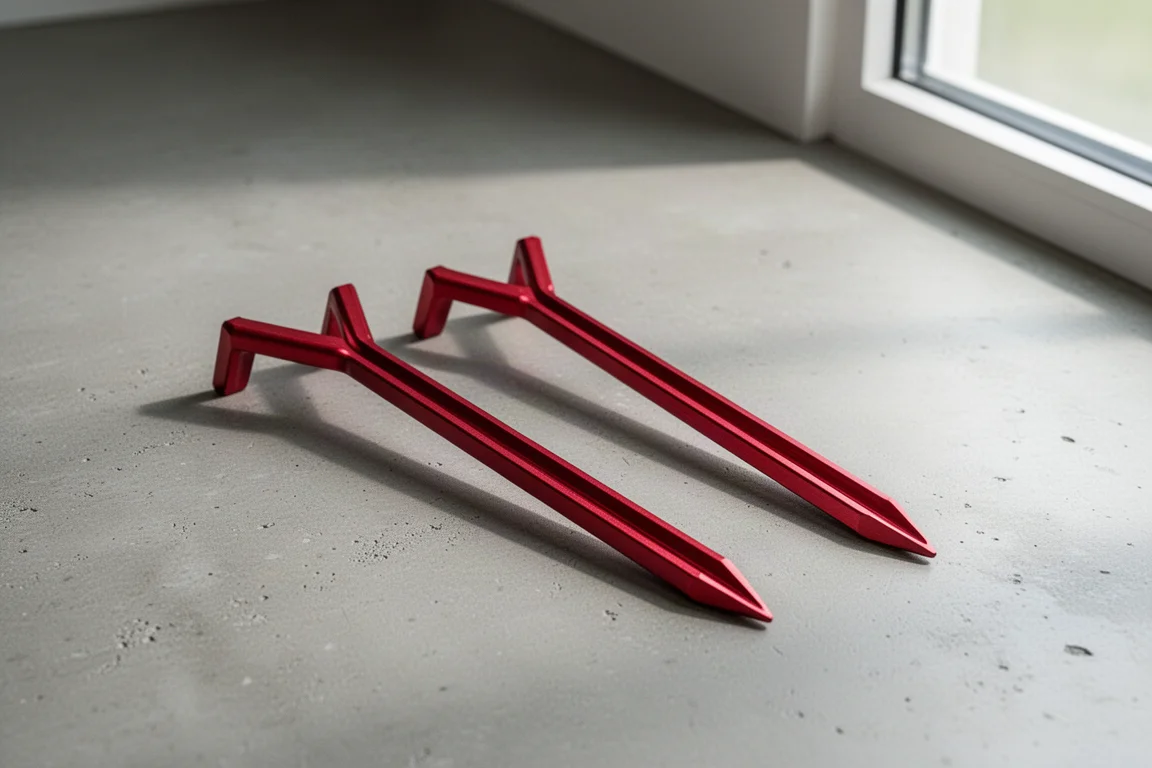
Tent stakes are the least glamorous item in a pack and one of the most consequential. A stake that bends while you hammer it into hard ground, or pulls free when the wind picks up, can turn a good campsite into a bad night. After trying titanium shepherd hooks, V stakes and aluminium stakes on both trekking-pole shelters and burlier freestanding tents, the full-size MSR Groundhog stands out.
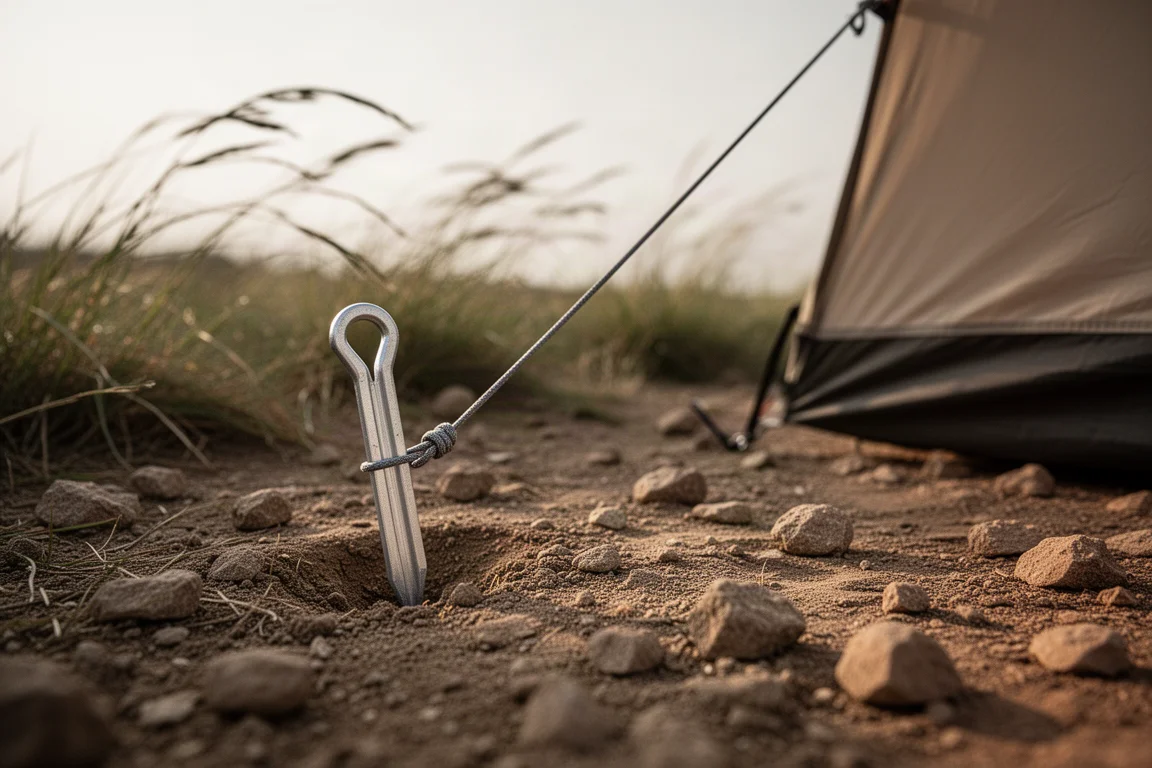
The Groundhog has resisted bending and breaking in hard ground and frozen ground better than other stakes tried, and it holds well even in sandy, loose soil where grip is usually the weak point. An ultralight hook stake saves grams, but on a long trip it often ends up replaced by a burlier stake like the Groundhog anyway.
Field Habits That Support the Kit
The right items only get you so far. How you use them on trail matters just as much, and a few simple habits make lightweight gear work harder.
Carrying two pairs of socks is a small change with a large payoff. Wash the pair you wore at the end of the day, hang it on the outside of your pack with a carabiner to dry, and wear the clean pair the next day. Your feet stay cleaner, your socks last longer, and far less grit and friction builds up inside the sock, which is exactly where blisters begin.
Toothpaste tabs are another easy win. They cut waste considerably, let you carry only the amount you need, and make resupply planning simpler. A small bag of tabs alongside a toothbrush in a side pocket or shoulder strap pocket keeps them within reach, and one tab crushed up at the start of the day does the job.
For drying and cleaning, a cut-up Swedish cloth outperforms a microfiber cloth or a buff. It absorbs far more water and still squeezes out almost as well. Use it to wipe condensation from the inside and outside of your tent before packing up, so you carry less water weight on your back, and use it for a quick wash with a bowl and powdered soap, well away from the water source.
How to Choose What to Carry
Start with the problems you actually expect to meet. If you camp in areas with hard or frozen ground, invest in stakes that will not bend, because a failed stake means a failed shelter. If you hike long days, a trowel that cuts roots and does not hurt your hands is worth more than the few grams it saves. If your feet suffer on multi-day trips, camp sandals and a two-sock rotation address the cause rather than the symptom.
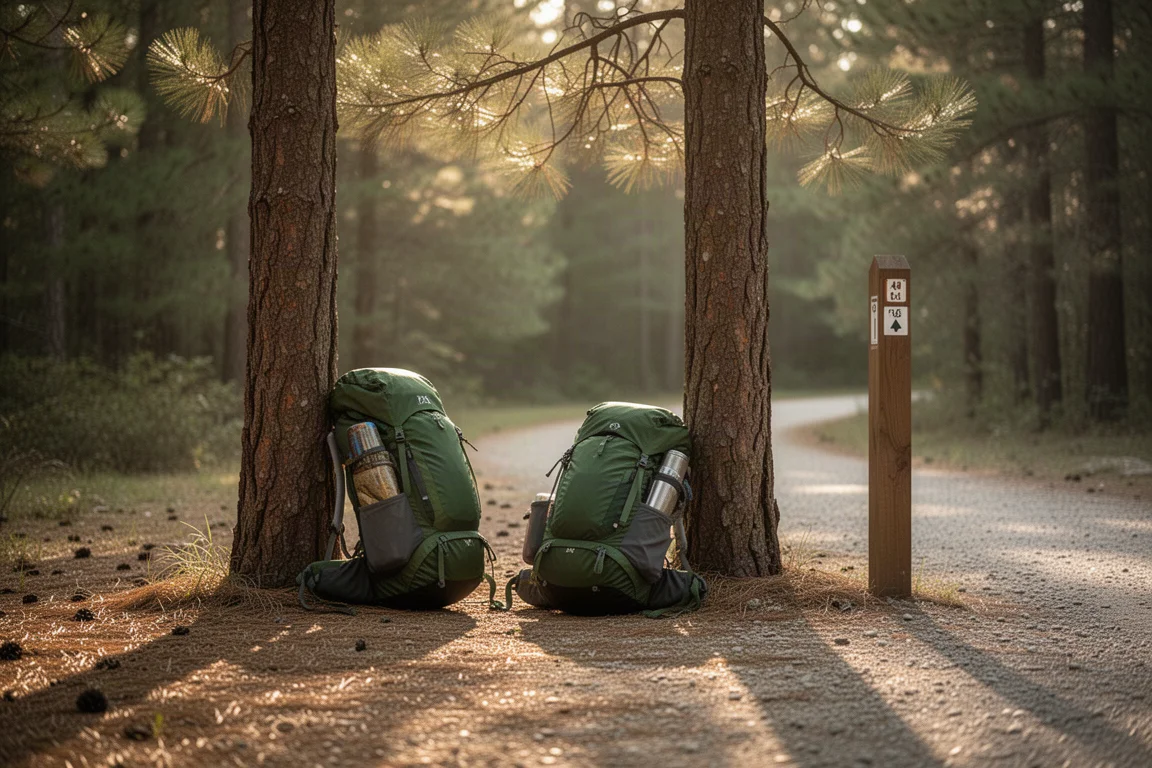
Then apply the weight test honestly. Every item in this guide is light enough to justify its place in a pack, but no list replaces your own experience. Buy the pieces that solve problems you have already run into, and leave the rest for a future trip.
Conclusion
Four small items: a 13.5-gram trowel with a serrated edge and a comfortable grip, the well-known trowel it is compared against, a 39-gram pair of camp sandals, and a tent stake that holds firm in hard and loose ground. None of them will transform a trip on its own, but together they remove a set of recurring annoyances that build up over weeks on trail. Choose the ones that match your terrain and your habits, and your pack will be a little more capable for very little extra weight.
Further reading
Related Reviews

Backpacking Gear
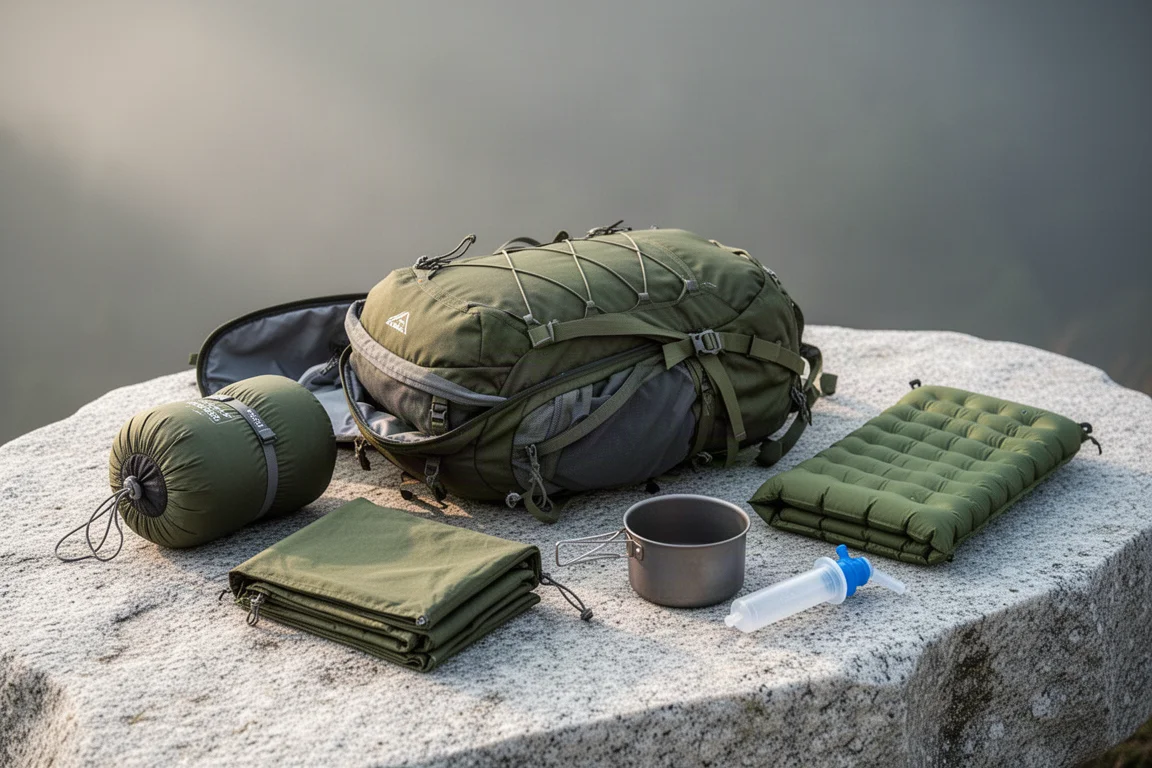
Building a 10 lb Base Weight: An Ultralight Backpacking Gear List
A practical walkthrough of the ultralight pieces behind a 10 lb base weight, from a 765 g pack and a roomy one-person tent to a full camp chair and a dependable water filter.
Backpacking Gear
A 15-Pound Lightweight Backpacking Gear List for Solo Trips
A beginner-friendly 15-pound backpacking setup built from easy-to-find gear, with notes on what each piece does, how it packs, and where to spend your attention.
Backpacking Gear
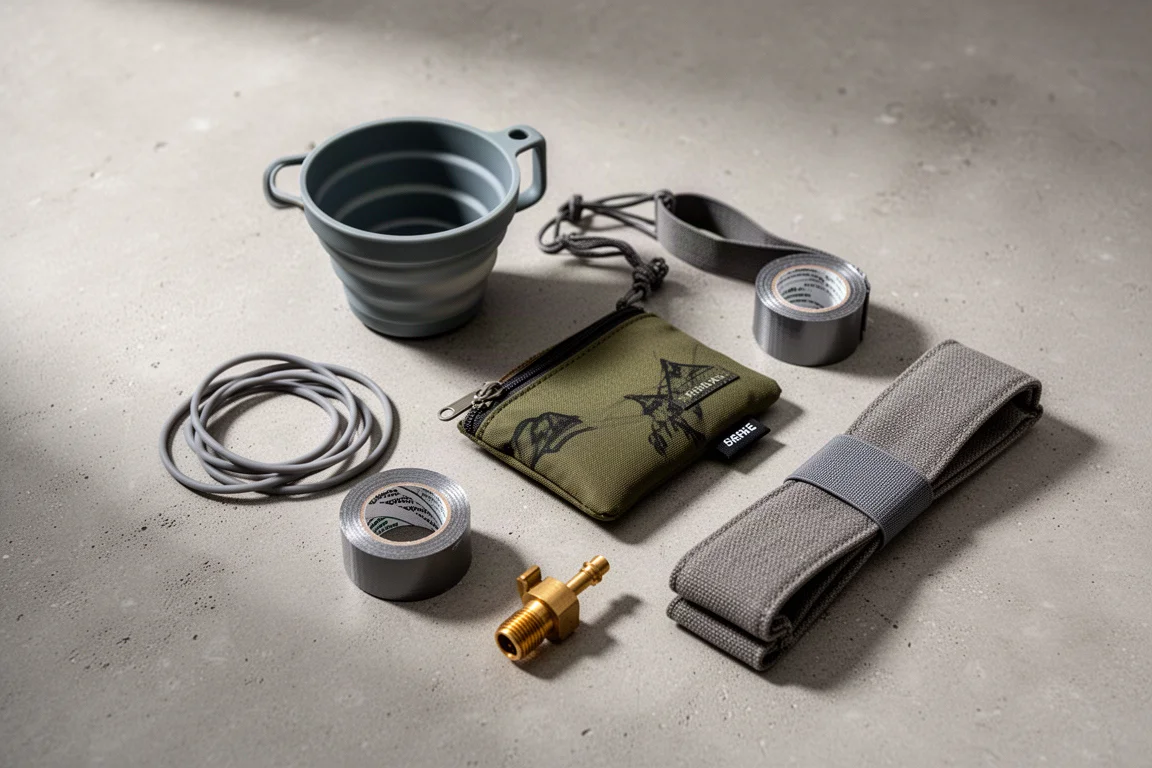
8 Ultralight Backpacking Gear Upgrades Worth Carrying
Eight small, affordable backpacking upgrades that solve real trail annoyances, from a pillow that stays put to a fuel valve that rescues leftover canister gas.